传统文化传承

Search documents
《2025年抖音热点年度数据报告》正式发布
Huan Qiu Wang· 2026-01-26 02:09
Core Insights - The 2025 Douyin Hotspot Annual Data Report highlights the platform's diverse and vibrant content landscape, showcasing a shift from passive viewing to active co-creation among users, reflecting self-identity and national sentiment [1][5] Group 1: Content Trends - Douyin's knowledge content saw significant growth, with video views reaching 895.3 billion, covering fields like aerospace and AI, making complex knowledge accessible through engaging formats [2] - The emphasis on "real human experience" in lifestyle content promotes authenticity, with travel and food content focusing on genuine connections and experiences [2] - Traditional culture is revitalized through modern storytelling, with young creators using popular elements to make history relatable and engaging [2] Group 2: Cultural and Entertainment Dynamics - ACG culture continues to resonate, with classic domestic animation IPs experiencing a resurgence through user-generated content, fostering a shared cultural language [3] - Music and dance content thrives, with creators gaining recognition and users engaging in nostalgic and creative expressions, showcasing the platform's potential for viral trends [3] - Douyin serves as a second venue for entertainment consumption, with users actively participating in discussions and creative reinterpretations of popular films [3] Group 3: Sports and Community Engagement - Sports content in 2025 emphasizes community participation, with major events like the Super League and National Games igniting user engagement and content creation [4] - Public welfare content reflects a growing trend of nuanced social responsibility, with users actively participating in charitable actions and community support [4] Group 4: Platform Governance and User Experience - Douyin is committed to enhancing platform governance and ecosystem development, implementing measures to combat misinformation and promote a safe community environment [5] - The platform captures and shares the genuine stories of ordinary individuals, contributing to a positive and uplifting community narrative [5]

墨香粥暖迎新春
Xin Lang Cai Jing· 2026-01-25 23:27
Group 1 - The event "Ink Fragrance Welcomes the New Year, Porridge Fragrance Spreads Warmth" was organized by the Xiuhui Community Party-Mass Service Center to celebrate the upcoming Spring Festival, emphasizing community engagement and traditional customs [1] - The event featured calligraphy activities where residents could select auspicious couplets and "Fu" characters, enhancing the festive atmosphere and community spirit [1] - Health services were provided by volunteers from local hospitals, offering blood pressure measurements, professional massages, and health consultations to residents, promoting community health [1] Group 2 - The event included a "Warmth for the People" segment where sweet and soft Laba porridge was served, symbolizing abundance and prosperity for the new year, which was well-received by residents [2] - Community staff conducted educational outreach on fraud prevention and safety, enhancing residents' awareness of common scams and promoting food safety and environmental consciousness [2] - The event successfully combined traditional culture with community service and public welfare, fostering a sense of harmony and goodwill within the community [2]
粥香年味暖九州
Xin Lang Cai Jing· 2026-01-25 22:24
Core Insights - The consumption of traditional food ingredients during the Laba Festival has seen significant growth, reflecting a deepening cultural confidence among consumers [1][2][3] Group 1: Consumption Trends - The sales of wheat kernels surged by 250% year-on-year, while chickpeas increased by 117%, and mixed grain gift boxes grew by 76%, indicating a revival and upgrade of traditional Laba porridge [1] - The top two ingredients by sales volume were fragrant rice and long-grain rice, together accounting for over 40% of total sales, showcasing a preference for quality ingredients [1] Group 2: Regional Variations - Guangdong led the nation with 14.4% of the total sales for Laba Festival ingredients, followed by Jiangsu and Sichuan, highlighting the emphasis on Laba dietary customs in southern regions [2] - Ningxia exhibited a remarkable year-on-year growth of 155% in related ingredient sales, demonstrating the increasing popularity of traditional festivals across various regions [2] Group 3: Consumer Demographics - The age group of 36 to 45 years accounted for 41% of the total sales, positioning them as the main consumer force and key transmitters of traditional culture [2] - Younger consumers preferred visually appealing ingredients like pearl rice and purple rice, while middle-aged consumers favored health-oriented options such as germinated rice and mixed grain gift boxes, and older consumers showed a preference for classic grains like chickpeas and sorghum [2] Group 4: Cultural Significance - The search volume for Laba-related keywords has seen explosive growth, with searches for Laba rice increasing by 200% and Laba tofu by 157%, indicating that traditional foods are becoming cultural symbols embraced by younger generations [3] - The consumption trends during the Laba Festival not only reflect market vitality but also signify the enduring life force of traditional culture, as it integrates into modern lifestyles [3]
传统文化沁童心
Xin Lang Cai Jing· 2026-01-24 16:30
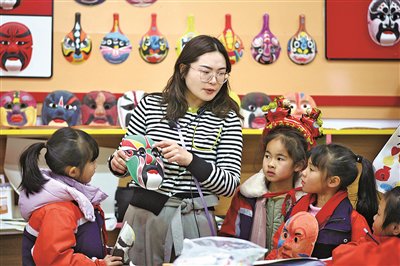
Core Viewpoint - The article highlights the integration of after-school services with traditional cultural education at Liya Primary School in Huaihua City, Hunan Province, focusing on fostering students' appreciation for traditional culture and artistic creativity through specialized art courses like opera face painting and paper-cutting [3]. Group 1 - The primary school has introduced unique art courses that include traditional cultural elements [3]. - The initiative aims to enhance students' recognition of traditional culture and develop their artistic creativity [3].

无锡精微绣:一门古运河畔的“心”艺
Xin Lang Cai Jing· 2026-01-24 14:29
Core Viewpoint - The article highlights the significance of Wuxi's micro embroidery as a cultural heritage, emphasizing its historical roots and the unique artistry involved in its creation, particularly through the works of Zhao Hongyu, a representative inheritor of this craft [3][5][10]. Group 1: Historical Context - Wuxi micro embroidery is an important branch of Suzhou embroidery, with a history spanning over 2,500 years, closely linked to the ancient Wuxi Grand Canal [3]. - Zhao Hongyu pioneered the "double-sided micro embroidery" technique in the early 1980s, establishing it as a distinctive cultural emblem of Wuxi embroidery [3][5]. Group 2: Artistic Techniques - Micro embroidery is characterized by its small scale and intricate designs, often depicting scenes and figures in a very limited space, showcasing exceptional craftsmanship [3][5]. - The embroidery process involves using extremely fine silk threads, which may need to be divided into 1/80 to 1/70 of their original thickness to achieve detailed representations [5][6]. Group 3: Cultural Significance - The ancient canal serves as both an inspiration and a subject for micro embroidery, with various landscapes and cultural elements intricately stitched into the fabric [3][5]. - Zhao Hongyu's works, such as the 12.88-meter-long "Ancient Canal Liangxi Scenery Map," reflect a deep emotional connection to the canal and the local culture [5][10]. Group 4: Challenges and Future - The development of micro embroidery faces challenges, but Zhao Hongyu emphasizes the importance of passion and dedication in preserving this art form [8][10]. - The craft is being passed down to younger generations, with students expressing a commitment to traditional culture and the art of hand embroidery, ensuring its continuity [10][11].

一所学校如何守护精神家园
Xin Lang Cai Jing· 2026-01-23 20:58
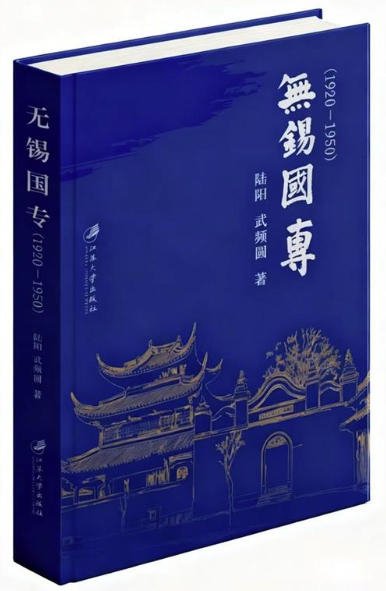
Core Viewpoint - The article highlights the historical significance of Wuxi Guozhuan as a successful model of the transition from traditional academies to modern university systems in China, emphasizing its commitment to preserving traditional culture and values during turbulent times [3][4][5]. Group 1: Historical Context - Wuxi Guozhuan was founded in 1920 amidst the New Culture Movement, initiated by Tang Wenzhi, who aimed to preserve traditional cultural values despite the institution's initial status as an unregistered private academy [3][4]. - The school faced numerous challenges, including displacement during the war, yet it maintained its commitment to cultural education, showcasing resilience and dedication [4][5]. Group 2: Educational Philosophy - The institution emphasized moral education, with Tang Wenzhi advocating for the principle of "correcting hearts and saving lives," placing character development at the forefront of its educational mission [5][6]. - Notable scholars emerged from Wuxi Guozhuan, demonstrating the effectiveness of its educational approach, which combined classical literature study with personal character development [5][6]. Group 3: Cultural Significance - The book "Wuxi Guozhuan (1920-1950)" encapsulates the essence of understanding the past to inform the present and future, highlighting the importance of cultural confidence rooted in a deep understanding of one's traditions [5][6]. - Wuxi Guozhuan's practices reveal that true innovation often stems from a profound comprehension of historical roots, emphasizing the enduring relevance of traditional education in contemporary society [6].
以诗为媒,赴文旅之约
Jing Ji Guan Cha Wang· 2026-01-23 07:08
经济观察网 据央视新闻客户端消息,背诵一首含"马"的诗词就能换来门票减免,湖北随州大洪山景区 最近推出的这项新规,其实早已不是个例。这两年,很多景区都在利用本地特色文化资源实行"背诗免 门票",并从最初的节假日活动变成了长期政策。如何不流于形式、不让游客失去新鲜感?如何在彰显 文化自信的同时释放出文旅消费的热力值?解锁入场券毕竟只是"文""旅"融合的开端,新年刚一开年, 各地文旅已纷纷在传统文化与旅游体验深度融合上开始发力。 当下旅游的趋势已从单纯"看风景",变成了解地方历史、欣赏艺术民俗、感受当地居民生活方式等内容 的综合体验。"背诗免门票"不一定适合所有景区,但打造景区文化体验场景、让游客与历史文化产生高 黏性互动的内核却是共通的。比如在河南开封府景区,"包大人""展昭"等角色借助全息投影、裸眼3D等 技术,时而跃入屏幕,时而现身观众席间,邀请游客互动;在浙江良渚古镇,游客戴上VR眼镜就能穿 越回五千多年前,古时先民的生活场景、文化发展的历程仿佛触手可及……许多景区在玩法上开启科技 赋能新模式,底层逻辑都是传统文化的传承,在丰富游客体验感的同时提升景区影响力,实现了经济效 益与文化效益的双赢。 文旅深度融 ...
中国微短剧,走红东南亚
Ren Min Ri Bao· 2026-01-22 02:13
Core Insights - Chinese micro-dramas have shown remarkable performance in overseas markets, particularly in Southeast Asia, with over 300 titles available and an expected global download of 1.21 billion by 2025, generating an estimated revenue of $2.38 billion [3][5]. Industry Overview - The micro-drama industry in China is rapidly expanding into overseas markets, with Southeast Asia being a key focus area. These dramas are characterized by vertical screen presentation, concise storytelling, and diverse themes, with episodes lasting no more than 3 minutes and totaling between 50 to 90 episodes [5][9]. - The content of Chinese micro-dramas is becoming increasingly diverse, with themes ranging from urban romance to historical culture and rural revitalization. This variety is appealing to Southeast Asian audiences [6][12]. Cultural Impact - Chinese micro-dramas serve as a new medium for cultural exchange between China and Southeast Asia, resonating with audiences through relatable themes and cultural elements. The series often depict contemporary Chinese urban life and traditional cultural heritage, fostering a sense of connection among viewers [7][10]. - The popularity of micro-dramas in Southeast Asia is partly due to the large Chinese-speaking population and shared cultural values, which create a strong foundation for cultural recognition and acceptance [8][10]. Market Dynamics - The youth demographic in Southeast Asia, characterized by a high percentage of young people and an openness to new cultural content, provides a favorable environment for the growth of micro-dramas. The region's increasing internet penetration and digital payment habits further support this trend [9][10]. - The relatively low production costs of micro-dramas, which often do not require A-list stars and focus on practicality, make them an attractive option for cultural export [9][11]. Localization Strategies - To address cultural diversity challenges, Chinese micro-drama companies are exploring localized content creation and distribution strategies in countries like Thailand and the Philippines. Collaborations with local production teams aim to create content that resonates more closely with local audiences [12][13]. - The establishment of content creation centers in Southeast Asia and partnerships with local media companies are part of the strategy to enhance the relevance and appeal of micro-dramas in these markets [12][13].

“大团小团手拉手” 北京市曲剧团结对6所高校
Zhong Guo Xin Wen Wang· 2026-01-20 13:52
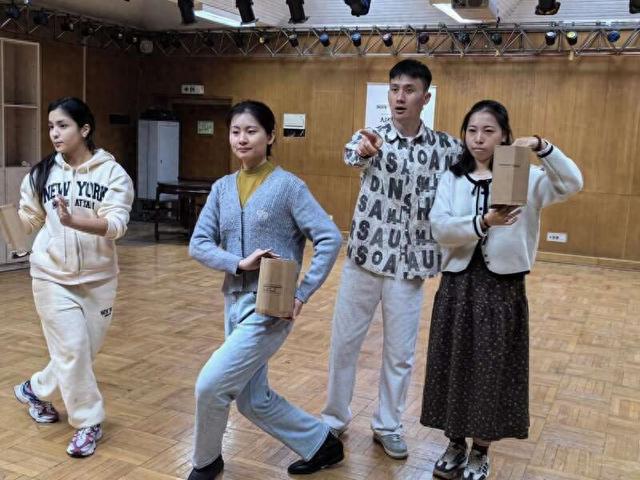
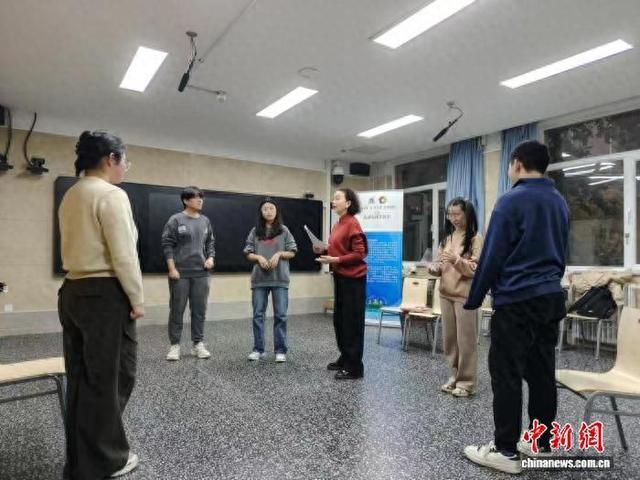
Group 1 - The Beijing Quyi Troupe is collaborating with six universities to promote traditional culture through the "Big Troupe and Small Troupe Hand in Hand" project, supported by the Beijing Cultural and Art Foundation [1][3] - The project aims to build a bridge for the inheritance of traditional culture, enhancing students' artistic literacy and performance skills while integrating local cultural elements into higher education [3] - Nearly 90 students are participating in the program, becoming young inheritors of Beijing Quyi, and are expected to spread the culture of traditional opera within their campuses [3]
北京市曲剧团与6所高校社团结对共建
Zhong Guo Qing Nian Bao· 2026-01-20 07:49
Group 1 - The core initiative is the "Big Group and Small Group Hand in Hand" project, which aims to connect municipal art troupes with university art societies in Beijing, set to launch in 2025 [1][8] - The project involves collaboration between the Beijing Quju Troupe and six universities, including Beijing Technology and Business University and China Agricultural University, focusing on traditional cultural education [1][8] - Notable instructors include first-level actor Chen Hongjing and second-level actors Wang Yu and Du Xiaotao, who will provide specialized training to nearly 90 university students [1][8] Group 2 - Training sessions include performances from classic works such as "Longxu Gully" and "Teahouse," allowing students to experience the charm of Beijing Quju [3][6] - Students from Beijing Information Science and Technology University engaged in a deep exploration of "Yellow Leaves in the Red Mansion," enhancing their understanding of both performance skills and literary context [3][6] - The initiative is seen as a successful exploration of collaborative education between municipal art troupes and universities, contributing to the preservation of traditional culture [8]