保护主义

Search documents
专访丨西中坚持开放合作为欧中关系发展提供稳定性——访西班牙专家米格尔·奥特罗
Xin Lang Cai Jing· 2025-12-21 12:29
转自:新华社 奥特罗表示,西班牙希望深化与中国的经贸联系。"中国在许多产业领域的技术水平已经处于领先地 位,西班牙愿与中国发展良好关系,扩大对华出口,并吸引来自中国的投资。" 在经贸合作方面,奥特罗认为,西班牙在农业、旅游、医疗保健、咨询和服务业等领域对华合作潜力巨 大。同时,随着中国企业在电动汽车、电池和绿色技术领域加大对欧投资,西班牙具备成为中国产业进 入欧洲市场的重要生产基地的条件。 谈及当前全球范围内保护主义趋势上升,奥特罗表达了担忧。他认为,如果国际市场开放不足,可能引 发更深层次的贸易壁垒与对抗,进而形成恶性循环。"这将导致对任何一方都不利的保护主义螺旋上 升。"他说,保持开放合作,符合中国、欧洲乃至全球的共同利益。(完) 西班牙IE大学教授、埃尔卡诺皇家研究所研究员米格尔·奥特罗日前接受新华社记者采访时表示,在全 球保护主义和贸易壁垒抬头的背景下,西班牙和中国仍坚持开放合作与多边主义,这不仅对双边关系具 有积极意义,也为欧中关系发展提供了稳定性。 今年11月,西班牙国王费利佩六世对中国进行国事访问。奥特罗说,今年恰逢欧中建交50周年和西中建 立全面战略伙伴关系20周年,在这一重要时间节点上,西班 ...
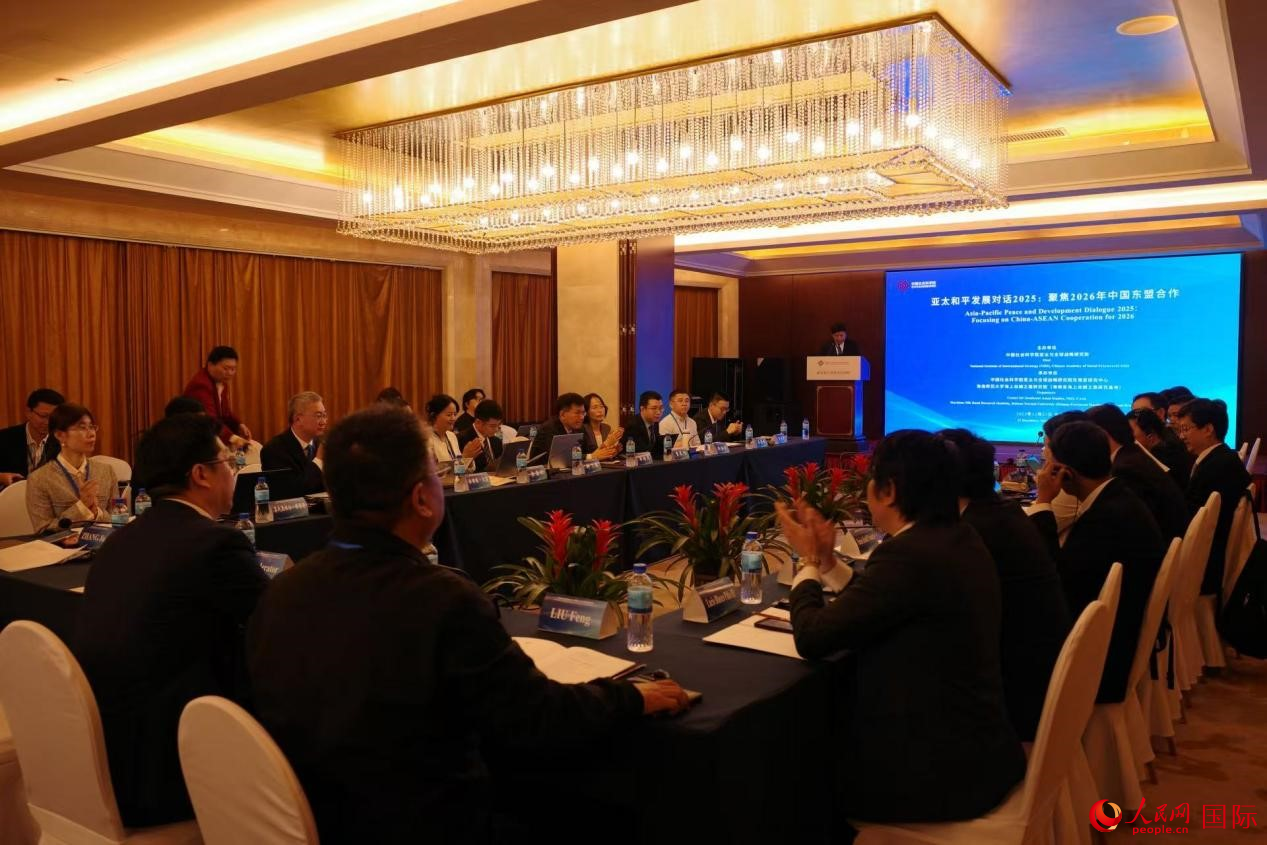
“亚太和平发展对话2025”国际学术会议在海南举行
人民网-国际频道 原创稿· 2025-12-21 06:40
Group 1 - The core theme of the "Asia-Pacific Peace Development Dialogue 2025" is focused on enhancing China-ASEAN cooperation in 2026 [1] - The dialogue emphasizes building a closer China-ASEAN community with a focus on trust, innovation, and people-centered approaches [2] - Experts from nearly 30 countries, including the Philippines, Malaysia, Thailand, Brunei, Indonesia, and China, discussed the importance of unity and cooperation among China and ASEAN nations in the face of global challenges [4] Group 2 - The conference highlighted the urgency of strengthening strategic mutual trust and coordination between China and ASEAN countries amid rising protectionism and unilateralism [4] - The event is organized by the China Social Sciences Academy's Asia-Pacific and Global Strategy Research Institute, in collaboration with the Southeast Asia Research Center and Hainan Normal University [4]

张健:对华经贸合作,欧洲需要更开放
Huan Qiu Wang· 2025-12-19 22:57
中欧本应是一对天然的合作伙伴,完全可以相互成就,共同发展。当前,中欧仍在就电动汽车问题进行 磋商,就如中国商务部所说,希望欧方真正拿出诚意,尽早解决电动汽车关税问题。这将是欧盟能否转 变心态、以开放促发展的试金石。(作者是中国现代国际关系研究院副院长) 简而言之,开放能带来进步,开放能带来发展,中英电动汽车领域的合作已经给两国带来显著效益,未 来也必将带来更大的好处。从这一角度来看,欧盟确实应该向英国学习。过去几年,欧盟因为经济困 难,保护主义持续抬头,堡垒化的趋向愈发明显。欧盟以所谓反补贴为由,对中国电动汽车加征关税; 以各种莫须有的名义,频繁针对中国企业进行歧视性的突袭式搜查、调查等,严重毒化了中欧之间的经 贸氛围。 欧盟的确面临严峻经济挑战,特别是竞争力下滑问题,但欧盟应更多从自身找原因,而不是去找替罪 羊。事实上,欧盟很多经济学家和政治领导人也都认识到这一问题,即欧盟需要强化统一大市场建设, 减少过度的监管等等。《提升欧洲竞争力》报告的作者、欧洲央行前行长德拉吉就提醒欧盟不要搞保护 主义。将自身困境归咎于他国显然解决不了自身问题,反而会让问题更加复杂难解。封闭保护更像是饮 鸩止渴,保护了一时,保不了长 ...
莫让不当执法损害中欧经贸关系
Xin Lang Cai Jing· 2025-12-19 22:31
近期,欧委会密集对中国企业发起《外国补贴条例》(FSR)调查,做法恶劣,指向性和歧视性明显。 此举极大增加了中企在欧投资及正常经营的合规成本和法律风险,无益于促进中欧两大经济体之间的正 常经贸和投资往来。 相互尊重、互信互利,是中欧经贸合作行稳致远的前提。希望欧方能同中方一道,落实中欧领导人会晤 达成的重要共识,旗帜鲜明反对保护主义,坚守市场开放原则,为企业投资经营提供稳定、可预期的政 策环境,合力推动中欧投资和经贸关系迈向更高水平。 欧方执法不当表现在诸多方面。例如,欧委会对"外国补贴"的界定过于宽泛和模糊,甚至将中国企业涉 及的退税项目也认定为补贴。这与世界贸易组织相关规则不一致,明显超出了国际规则和通行实践的合 理边界。在程序正当性方面,欧方的相关做法同样存在明显不当之处。有案例显示,欧方曾给1家中国 企业仅3天时间提交涉及补贴的大量信息,明显不符合合理调查期限要求;欧方还曾在既未立案也未事 先通知的情况下,对中企在欧办公室进行突袭检查。 FSR调查的连锁效应已对中国企业在欧经营造成显著冲击。欧盟中国商会对205家在欧中企及机构的调 研显示,63%的受访企业反映其业务受到FSR影响,51%的受访企业认为 ...
国际贸易政策环境明显恶化
Xin Lang Cai Jing· 2025-12-19 22:31
Group 1 - The global trade policy environment is expected to deteriorate significantly between 2024 and 2025, with an increase in protectionism driven by escalating tensions among major powers and geopolitical uncertainties [1] - During the period from October 2024 to October 2025, countries are projected to implement 272 "other trade and trade-related measures," marking the second-highest level since the monitoring mechanism was established in 2009, only behind the peak of 286 measures in 2011 [1] - The trade value affected by restrictive policies is expected to surge from $888 billion in the previous monitoring year to $2.966 trillion, more than doubling [1] Group 2 - Supportive policies in agriculture, environment, and energy sectors have significantly increased, particularly non-financial support measures, indicating a closer link between trade policy and industrial policy [2] - In the environment and energy sectors, countries are adopting new emission standards, safety standards, and energy consumption requirements, as well as prioritizing low-carbon and environmentally friendly products [2] - The report highlights that many new industrial policy measures are not traditional subsidies but rather non-financial support for specific industries, reflecting increased government intervention in key areas [2] Group 3 - Despite the tense global trade environment, global trade activity is showing resilience, with a revised growth forecast for global goods trade in 2025 increased from 0.9% to 2.4% [3] - The demand for trade remains strong, with artificial intelligence-related products significantly contributing to global trade growth, accounting for nearly half of the increase despite representing less than one-sixth of total global trade [3] - Approximately 72% of global goods trade continues to operate under the most-favored-nation principle, demonstrating the resilience of the multilateral trading system [3] Group 4 - The report provides a cautious outlook for future trade, predicting a slowdown in global trade due to geopolitical uncertainties, with major regions expected to experience reduced growth [4] - It calls for enhanced cooperation among countries and reforms to address the current riskier trade environment, advocating for multilateral communication over unilateral actions [4] - Recommendations include improving transparency to reduce policy uncertainty and preventing sudden regulatory measures from disrupting trade activities [4]
商务部密集回应!涉及稀土出口、欧委会对多家中企发起调查
2 1 Shi Ji Jing Ji Bao Dao· 2025-12-18 12:02
21世纪经济报道 记者周潇枭 见习记者张旭 报道 12月18日,商务部举行新闻发布会,新闻发言人何亚东对欧委会调查同方威视、反对保护主义、稀土出 口许可证等话题进行了回应。 发布会现场。图片来自商务部官网 何亚东表示,中方注意到,欧委会近期密集对中国企业发起《外国补贴条例》(FSR)调查,先后对中 车集团、同方威视发起深入调查,甚至对中国数字平台进行现场突袭检查,做法恶劣,指向性和歧视性 明显。中方对此强烈反对。 FSR调查严重影响中国企业在欧投资经营。2025年1月,商务部调查认定欧委会FSR调查构成贸易投资 壁垒,明确指出欧方调查存在立案证据不足、执法过度、举证责任倒置、程序不透明等突出问题。 近期以来,这些问题不仅没有解决,反而愈演愈烈,尤其是所谓"外国补贴"的定义过于宽泛和模糊,远 超国际规则和通行实践的合理范畴,不仅给中国企业在欧正常运营造成严重影响,更是给中欧双边经贸 合作带来不确定性。 何亚东说:"希望欧方立即停止对包括中国在内的外国投资企业的无理打压,审慎使用FSR调查工具, 为在欧投资经营企业创造公平、公正、可预期的营商环境。中方密切关注欧方有关动向,将采取必要措 施,坚决维护中国企业合法权 ...

商务部就法国总统有关中欧经贸关系言论回应
Zheng Quan Shi Bao Wang· 2025-12-18 08:20
Core Viewpoint - The Chinese Ministry of Commerce emphasizes that the essence of China-EU economic and trade relations is mutual benefit and complementarity, despite recent tensions and trade restrictions from the EU [1] Group 1: Economic Relations - The Ministry of Commerce acknowledges the recent comments made by French President Macron regarding the need for China to rebalance its economic relationship with the EU or face protectionist measures from Europe [1] - It highlights that China-EU economic cooperation results from various factors, including differences in economic development stages, industrial structures, and market demand changes [1] Group 2: Trade Restrictions - The Ministry notes that the EU has intensified trade restrictions against China, initiating 12 trade remedy investigations and 3 foreign subsidy investigations this year [1] - Several Chinese companies have been blocked from participating in public procurement and greenfield investments in EU member states [1] Group 3: Call for Cooperation - The Ministry urges the EU to adhere to the important consensus reached during China-EU leadership meetings, advocating for a joint opposition to protectionism and the maintenance of an open market [1] - It calls for restraint in the use of restrictive trade tools to ensure a fair, transparent, non-discriminatory, and predictable business environment for Chinese enterprises engaging in trade and investment in Europe [1]
欧盟刚对稀土松一口气,就又收到坏消息:猪肉产品被中国加税
Sou Hu Cai Jing· 2025-12-16 12:49
Group 1 - The core message of the article highlights that the EU has received positive news regarding rare earth supply from China, as China has begun issuing one-year general licenses for rare earth exports to European companies [1][3] - The EU has expressed concerns over China's complex export licensing procedures since the implementation of the rare earth export license system in April, with over 2,000 applications submitted by European companies, of which only slightly more than half were approved [3][5] - China's decision to simplify the licensing process and extend its validity is seen as a strategic move to stabilize the global supply chain, particularly for critical materials essential for the EU's electric vehicles and clean technologies [5][7] Group 2 - In contrast, China has announced anti-dumping duties on pork and pork products from the EU, effective December 17, indicating a calculated response to perceived dumping practices that harm domestic industries [3][5] - The dual approach of easing rare earth export controls while imposing tariffs on EU pork products reflects China's intention to maintain fair trade practices and protect its domestic market [7][9] - The article emphasizes that the EU and China have significant trade interdependence, with bilateral trade expected to reach €850 billion in 2024, suggesting that cooperation in areas like new energy and digital economy could be more beneficial than competition [7][9]
默克尔预测对了!27国枪口一致对准中国,欧洲内部势力抬头
Sou Hu Cai Jing· 2025-12-16 08:27
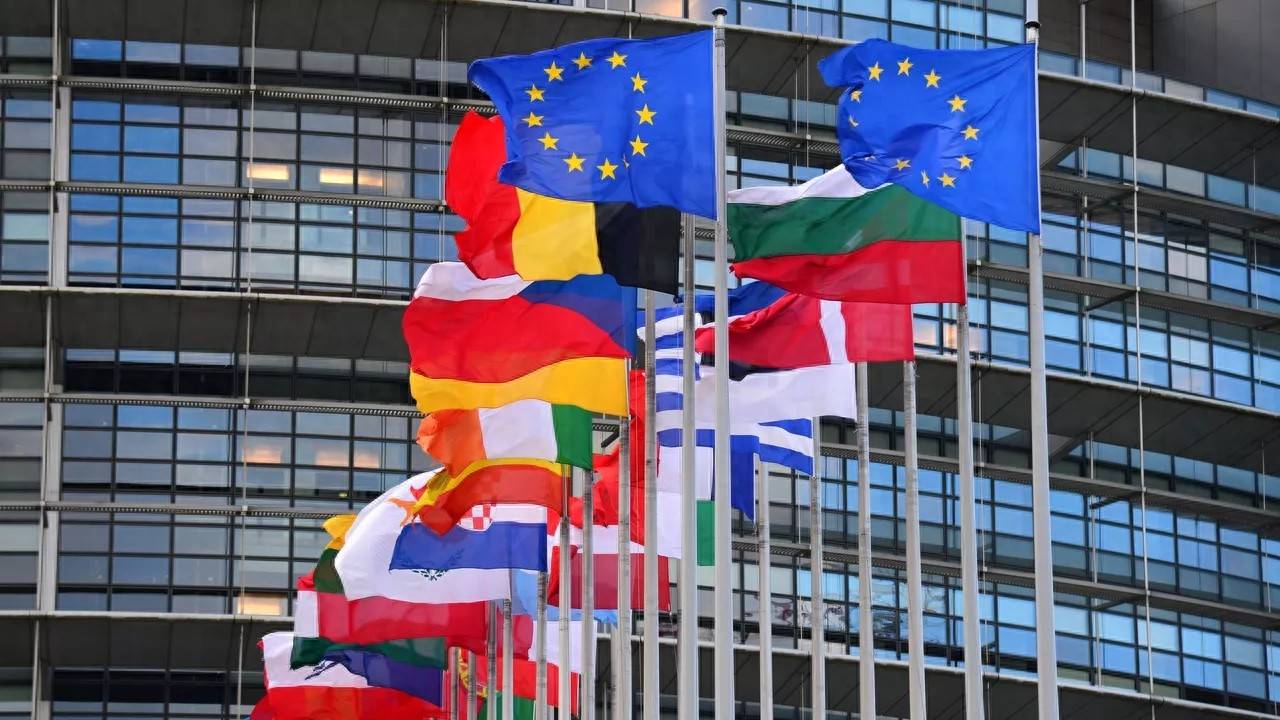
谁能想到,曾经大力主张公平竞争的欧盟,如今会将焦点集中在中国企业身上?他们先是对Temu的欧洲总部进行突击检查,接着又启动了对同方威视的调 查,整个27国在对华态度上罕见地达成了一致。而欧盟高层也公开表示,针对中国的施压手段远比外界想象的多,甚至连马克龙访华后也毫不掩饰地暗示, 若贸易逆差问题没有改善,可能会考虑加征关税。这样一系列看似不合逻辑的动作让人迷惑,欧洲到底担心的是什么?曾经的德国总理默克尔一再提醒欧洲 必须实现战略自主,如今这句话真的成了空话吗? 要理解这一系列举措的根本原因,我们得先了解欧洲当前的真实状况。最近,法国一家智库的负责人发出警告,欧洲如果继续这样下去,可能会滑向第三世 界。虽然这番话听起来有些刺耳,但其中蕴含的现实问题不可忽视。就拿经济数据来说,法国曾一度在人均财富排名上位居全球第五位,如今却滑落到第26 位。作为欧洲经济的重要支柱,这一变化已成为整个欧洲经济疲软的缩影。比经济数据更为严重的是,欧洲似乎正在丧失发展的动力和活力,许多人认为当 前的欧洲公共部门呈现出一种无所作为的状态。 并非没有人在努力,而是做的事大多是无效工作——忙着制定各种限制性法规,忙着处理27个成员国之间的内部 ...
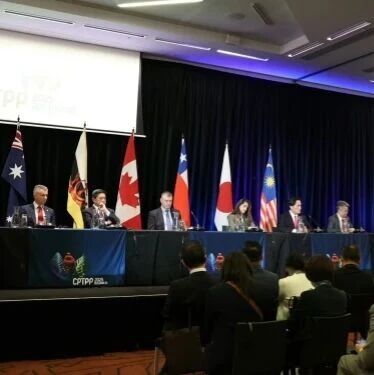
柬埔寨申请加入CPTPP
日经中文网· 2025-12-16 08:00
Core Viewpoint - Cambodia has applied to join the Comprehensive and Progressive Agreement for Trans-Pacific Partnership (CPTPP) to diversify its export markets, especially in light of high tariffs imposed by the U.S. on Cambodian goods [2][4]. Group 1 - Cambodia's exports to the U.S. account for approximately 40% of its total exports, highlighting the need for market diversification due to the U.S. imposing tariffs as high as 49% [2][4]. - The CPTPP, which was signed by 12 countries in 2016, aims to promote high-level free trade, and its relevance has increased amid rising protectionism [2][4]. - The CPTPP negotiations require unanimous consent from the existing 12 member countries to initiate discussions on tariff reductions, with ongoing negotiations involving 10 countries and regions, including Cambodia [4]. Group 2 - The CPTPP was re-negotiated and renamed after the U.S. withdrawal under the Trump administration, with the remaining 11 countries signing the agreement in 2018 [4]. - The CPTPP is currently in negotiations with Costa Rica and has decided to initiate talks with Uruguay, indicating ongoing expansion efforts [4]. - The UK is set to join the CPTPP in 2024 following its exit from the European Union, further expanding the agreement's reach [4].