
农业农村现代化

Search documents
激活乡村旅游资源,做强现代种业……代表就“加快推进农业农村现代化”建言献策
Xin Lang Cai Jing· 2026-02-04 13:20
Group 1: Rural Tourism Development - The Shanghai Municipal People's Congress representatives emphasized the need to leverage urban benefits to enhance rural tourism, suggesting that urban residents' desire for a better life should be directed towards rural areas to promote deep integration of agriculture, culture, and tourism [3] - A proposal was made to develop water-based leisure activities, such as yacht tourism, to activate underutilized water resources in rural areas, enhancing the attractiveness of rural destinations for urban dwellers [3] - The concept of "one enterprise leading one village" was introduced to integrate rural resources effectively, aiming to create replicable models for rural revitalization that highlight the unique characteristics of Jiangnan [3] Group 2: Modern Seed Industry Development - Representatives highlighted the need for Shanghai to leverage its technological innovation advantages to lead in the revitalization of the seed industry, addressing weaknesses in breakthrough variety creation [4] - Recommendations included focusing on the protection and utilization of germplasm resources, fostering innovative business entities, and enhancing support for essential resources to build a technology innovation system closely aligned with market demands [4] - The importance of increasing financial support for core needs such as precise identification and seed source base construction was stressed, with a call to establish a city-level precise identification platform to unlock the potential of local germplasm resources [4]

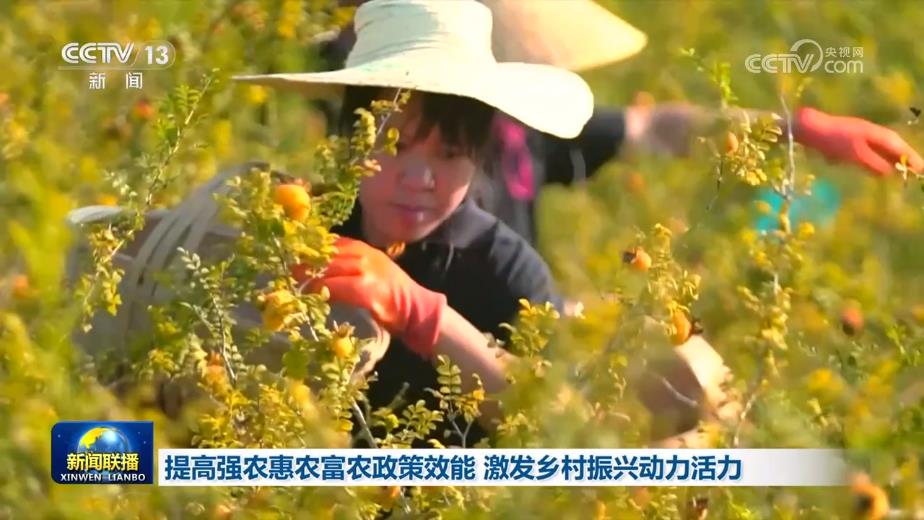
提高强农惠农富农政策效能 激发乡村振兴动力活力
Yang Shi Wang· 2026-02-04 12:14
Core Points - The central document outlines major tasks and key work in the "three rural issues" sector for the year, categorized into "four key tasks" and "two major support guarantees" [1][3] Group 1: Four Key Tasks - Enhance agricultural comprehensive production capacity and quality efficiency [1] - Implement normalized precise assistance [1] - Actively promote stable income growth for farmers [1] - Advance the construction of livable and workable beautiful villages based on local conditions [1] Group 2: Two Major Support Guarantees - Strengthen institutional mechanism innovation [3] - Enhance the Party's comprehensive leadership over "three rural issues" [3]
2026年中央一号文件解读,对农产品有何影响?
对冲研投· 2026-02-04 11:49
Core Viewpoint - The article discusses the key points from the Central Document No. 1, focusing on agricultural modernization and rural revitalization, emphasizing the stability and enhancement of grain and oil production, particularly in soybean and corn sectors [5][6]. Group 1: Soybean - The Central Document No. 1 emphasizes the need to stabilize soybean production, with a focus on improving farmland quality and implementing a new round of grain production capacity enhancement actions to increase yields [6][7]. - Policies such as farmland quality protection subsidies and soybean producer subsidies are highlighted to support stable planting profits and encourage farmers' participation in agriculture [7]. - The document also encourages agricultural enterprises to coordinate processing capacity in major grain-producing areas, enhancing the value chain and promoting rural income growth [7]. Group 2: Corn - The document mentions limited expansion in corn planting area, indicating a stable production trend due to advancements in agricultural technology [8]. - It supports the development of silage corn and other forage crops to promote the transformation of grassland livestock farming [8]. - The corn subsidy policies remain consistent with previous years, aiming to stabilize production [8]. Group 3: Oilseed (Rapeseed) - The document highlights the expansion of rapeseed production space to diversify oil supply, addressing domestic market needs [9]. - The article notes the impact of international trade relations on rapeseed imports, which may create demand for domestic rapeseed production [9]. - It emphasizes the need for government policies to support the expansion of rapeseed cultivation amid a relaxed international supply-demand situation [9]. Group 4: Swine - The document outlines measures for comprehensive regulation of swine production capacity to ensure supply-demand balance and healthy development [10]. - It sets a target for the breeding sow population at 39 million heads, with financial support and environmental considerations integrated into production capacity management [10]. - The article warns of potential overcapacity in the swine industry by 2025, advocating for a structured exit from outdated production capacities to stabilize prices [10].
锚定农业农村现代化 中央一号文件精准落子
Xin Lang Cai Jing· 2026-02-04 11:16
Core Insights - The 2026 Central No. 1 Document focuses on agricultural and rural modernization as a key aspect of China's overall modernization strategy, emphasizing the need to address shortcomings in the agricultural sector [1][3] - The document outlines specific strategies to enhance agricultural production, rural construction, and farmers' income, marking a shift towards a more targeted approach in rural development [3][8] Group 1: Agricultural Production - The document prioritizes "enhancing agricultural comprehensive production capacity and quality efficiency," aiming to increase crop yields and improve the quality of agricultural products [3][4] - It emphasizes the integration of artificial intelligence and advanced technologies such as drones and IoT in agriculture, marking a significant step towards smart agricultural practices [3][4] Group 2: Rural Construction - The principle of "tailoring to local conditions" is highlighted as essential for rural construction, avoiding a one-size-fits-all approach and ensuring that projects meet the actual needs of farmers [5][6] - The document calls for a systematic improvement in rural infrastructure, public services, and living conditions, aiming to create a more comfortable and sustainable rural environment [6][7] Group 3: Farmers' Income - The document stresses the importance of increasing farmers' income as a core objective, linking it to the overall goal of enhancing the quality of life for rural residents [7][8] - It proposes a multi-channel approach to income growth, focusing on industry development, employment support, and the cultivation of local industries to empower farmers economically [9][10]
一号文件定航向,下活乡村全面振兴“一盘棋”
Xin Lang Cai Jing· 2026-02-04 11:16
Core Viewpoint - The 2026 Central No. 1 Document emphasizes the modernization of agriculture and rural areas as essential for the overall modernization of the country, outlining a clear blueprint for the development of "three rural issues" in the context of the 14th Five-Year Plan [1][2]. Group 1: Agricultural Modernization - The document aims to establish agriculture as a modernized large industry, ensuring that rural areas meet modern living conditions and that farmers enjoy a more prosperous life [1]. - It highlights the importance of food security, maintaining grain production at around 1.4 trillion jin, and implementing a new round of actions to enhance grain production capacity [2]. Group 2: Technological Empowerment - The document stresses the need for agricultural technology innovation, promoting the use of drones, IoT, and robotics to enhance agricultural productivity and efficiency [2]. - It also focuses on improving the quality of agricultural land and protecting arable land, ensuring sustainable agricultural practices [2]. Group 3: Rural Development - The document outlines a strategy for building livable and workable rural areas, emphasizing the need for infrastructure upgrades while preserving local characteristics and agricultural culture [2]. - It advocates for a categorized and orderly approach to rural revitalization, aligning with the actual needs of farmers [2]. Group 4: Urban-Rural Integration - The document promotes the dual flow of urban and rural factors, encouraging the integration of industries and enhancing the sharing of development benefits among farmers [3]. - It calls for innovative mechanisms to break down barriers to the flow of resources between urban and rural areas, fostering a more dynamic rural economy [3]. Group 5: Overall Goals - The document asserts that strengthening agriculture is fundamental to national strength, and emphasizes the importance of implementing the new measures outlined in the 2026 Central No. 1 Document to achieve comprehensive rural revitalization [3].
【敦煌风】奋进希望田野 擘画“三农”蓝图
Xin Lang Cai Jing· 2026-02-04 10:17
Core Viewpoint - The 2026 Central No. 1 Document emphasizes agricultural modernization and rural revitalization as essential components for building a strong agricultural nation and ensuring the foundation of Chinese-style modernization [1] Group 1: Agricultural Modernization - The document identifies agricultural modernization as a fundamental requirement and a critical aspect of building a socialist modern country, highlighting historical achievements in agricultural productivity and rural development since the 18th National Congress [1] - It sets a target for stabilizing grain production at approximately 1.4 trillion jin, with initiatives to enhance grain capacity through new actions and strict land protection measures [2] Group 2: Technological Innovation - The document stresses the importance of technological progress and innovation in achieving agricultural modernization, proposing reforms to cultivate new productive forces in agriculture [2] - It outlines measures such as implementing seed industry revitalization actions, accelerating the industrialization of biotechnology, and expanding the application of high-end agricultural machinery and smart technologies [2] Group 3: Rural Revitalization and Farmers' Income - The document places a strong emphasis on increasing farmers' income, proposing a comprehensive policy approach that includes price support, subsidies, and insurance mechanisms [3] - It encourages the development of county-level industries, deep processing of agricultural products, and vocational training to enhance employment opportunities for rural residents [3] Group 4: Urban-Rural Integration and Governance - The document outlines a complete policy framework focusing on safeguarding bottom lines, promoting development, benefiting livelihoods, and strengthening governance [4] - It calls for prioritizing agricultural and rural development, integrating urban and rural areas, and mobilizing farmers' initiative and creativity to ensure effective implementation of rural revitalization strategies [4]
视频丨首提“常态化精准帮扶” 专家解读2026年中央一号文件
Yang Shi Xin Wen Ke Hu Duan· 2026-02-04 09:50
Core Viewpoint - The central government has released the 14th guiding document on "agriculture, rural areas, and farmers" since the 18th National Congress, focusing on modernizing agriculture and promoting comprehensive rural revitalization [1] Group 1: Agricultural Modernization - The document emphasizes the goal of anchoring agricultural and rural modernization, planning annual work with a focus on strengthening the agricultural foundation and addressing modernization shortcomings [1] - By 2025, China's grain production is expected to stabilize at over 1.4 trillion jin for two consecutive years, with a focus on enhancing agricultural production capacity and quality [2] Group 2: Agricultural Production and Quality - The key measures include maintaining grain planting areas and improving the yield of grain and oil crops to ensure food security [3] - The document stresses the need to transform agricultural development methods to better align with consumer demand for agricultural products [3] Group 3: Income Stability for Farmers - The document highlights the importance of promoting stable income for farmers, targeting a per capita disposable income of 24,456 yuan by 2025, representing a 6% real growth from the previous year [6] - It outlines strategies to enhance both operational and wage income for farmers [6] Group 4: Continuous Support Mechanisms - The concept of "normalized precise assistance" is introduced, transitioning from a focus on poverty alleviation to ongoing support for previously impoverished areas and populations [4] - The document calls for tailored assistance strategies, including safety nets for those unable to work and development-oriented support for those who can [6] Group 5: Rural Development Strategies - The document advocates for a "localized" approach to rural construction, emphasizing the need to respect local conditions and resources [10] - It suggests optimizing village layouts and construction methods based on local characteristics and population dynamics [11]
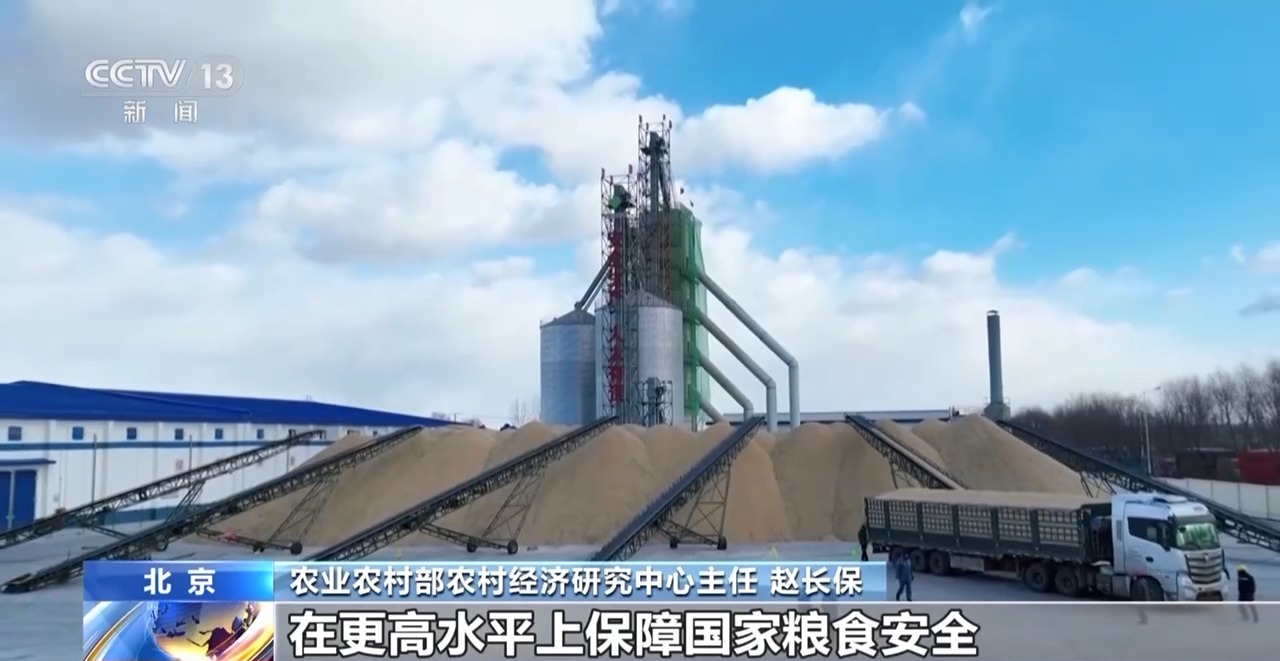
聚焦中央一号文件 高标准农田建设加快 冬修水利按下“快进键”
Yang Shi Wang· 2026-02-04 09:45
Core Points - The 2026 Central No. 1 Document emphasizes the modernization of agriculture and rural areas as a key component of China's overall modernization strategy, focusing on comprehensive rural revitalization and the effectiveness of agricultural policies [3][5][6] Group 1: Agricultural Modernization - The document outlines the importance of prioritizing agricultural and rural development, integrating urban and rural areas, and enhancing the effectiveness of agricultural policies to ensure food security and improve rural living conditions [3][5] - It highlights the goal of transforming agriculture into a modern industry and ensuring that rural areas meet modern living standards, thereby improving the quality of life for farmers [3][5] Group 2: Precision Assistance and Rural Consumption - The document introduces a systematic approach to regular precision assistance for underdeveloped areas, aiming to enhance the effectiveness of industry and employment support [5] - It also proposes measures to expand rural consumption, improve consumption facilities, and foster new consumption models such as local markets and leisure camping [5] Group 3: Grain Production and Quality Improvement - In 2025, China's grain production reached a record high of 14,298 billion jin, with an increase of 168 billion jin, and the focus for 2026 is on maintaining high levels of grain production and improving agricultural quality and efficiency [8][9] - Experts emphasize the need to enhance agricultural quality and efficiency through improved varieties and quality, as well as implementing a new round of grain production capacity enhancement actions [11][15] Group 4: Rural Infrastructure and High-Standard Farmland - The document stresses the importance of building livable and workable rural areas, with a focus on improving rural infrastructure and living conditions [17] - High-standard farmland construction is being accelerated, with projects in provinces like Hunan and Shandong aiming to increase agricultural productivity and ensure food security [19][21][23] Group 5: Water Management and Irrigation - The document highlights the critical role of water management in agriculture, with ongoing projects to improve water networks and drainage systems to support grain production [26][30] - By 2025, the irrigated area of farmland in China is expected to reach 10.9 million acres, significantly contributing to grain yield [33]
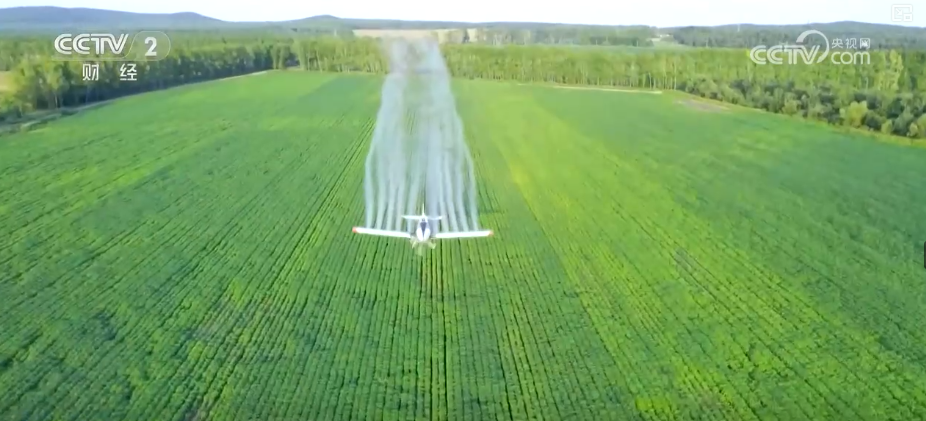
中央一号文件:把促进农民增收摆在重要位置
Xin Hua She· 2026-02-04 09:44
Core Viewpoint - The central government emphasizes the importance of increasing farmers' income in the new policy framework, introducing a comprehensive set of measures to achieve this goal [1] Group 1: Policy Initiatives - The central government's first document of the year outlines a series of income-increasing measures aimed at promoting rural modernization and comprehensive rural revitalization [1] - A "policy combination punch" has been proposed to effectively address the challenges faced by farmers [1]
中央一号文件:把农业建成现代化大产业
Xin Hua She· 2026-02-04 09:18
Core Viewpoint - The central government aims to modernize agriculture into a significant industry, reflecting a scientific understanding of agricultural development and providing direction for future agricultural modernization efforts [2] Group 1 - The State Council Information Office held a press conference on February 4 to discuss the modernization of agriculture and rural areas, emphasizing the importance of comprehensive rural revitalization [2] - The Central Financial Office and the Central Agricultural Office highlighted that the goal of making agriculture a modernized large industry is outlined in this year's Central No. 1 Document [2]