
印太战略

Search documents
中国行我也行!印度对美态度转变,甩出大招反击,特朗普骑虎难下
Sou Hu Cai Jing· 2025-07-07 05:05
Group 1 - The U.S. strategy of using tariffs to dominate global trade is facing unprecedented challenges, particularly highlighted by the 25% tariff on global automobiles, which has sparked strong international backlash and intensified geopolitical tensions [1] - India has retaliated against the U.S. with counter-tariffs on agricultural products, leveraging its $2.8 billion automotive parts exports to the U.S. as a bargaining chip [2][4] - The U.S. Midwest agricultural states, especially those reliant on soybean and almond exports to India, are experiencing significant economic impacts, leading to decreased farmer incomes and threatening political support for the ruling party [6] Group 2 - India's actions are driven by multiple considerations, including the need to protect its economic interests and the desire to enhance its international standing by challenging U.S. tariff policies at the WTO [3][4] - The political ramifications for the U.S.-India relationship are severe, with potential congressional pushback against military cooperation projects due to trade tensions [7] - The U.S. is also adjusting its approach towards China, allowing certain exports, indicating a strategic shift to seek a "soft landing" in its trade war while recognizing China's critical role in global supply chains [9][13] Group 3 - The response from India, the EU, and Japan to U.S. unilateralism indicates a shift towards a more multilateral global trade environment, undermining the effectiveness of the U.S. strategy [15] - The U.S. is attempting to use India as a strategic partner in the Indo-Pacific to counterbalance China, while India maintains a careful balance in its foreign relations [13]

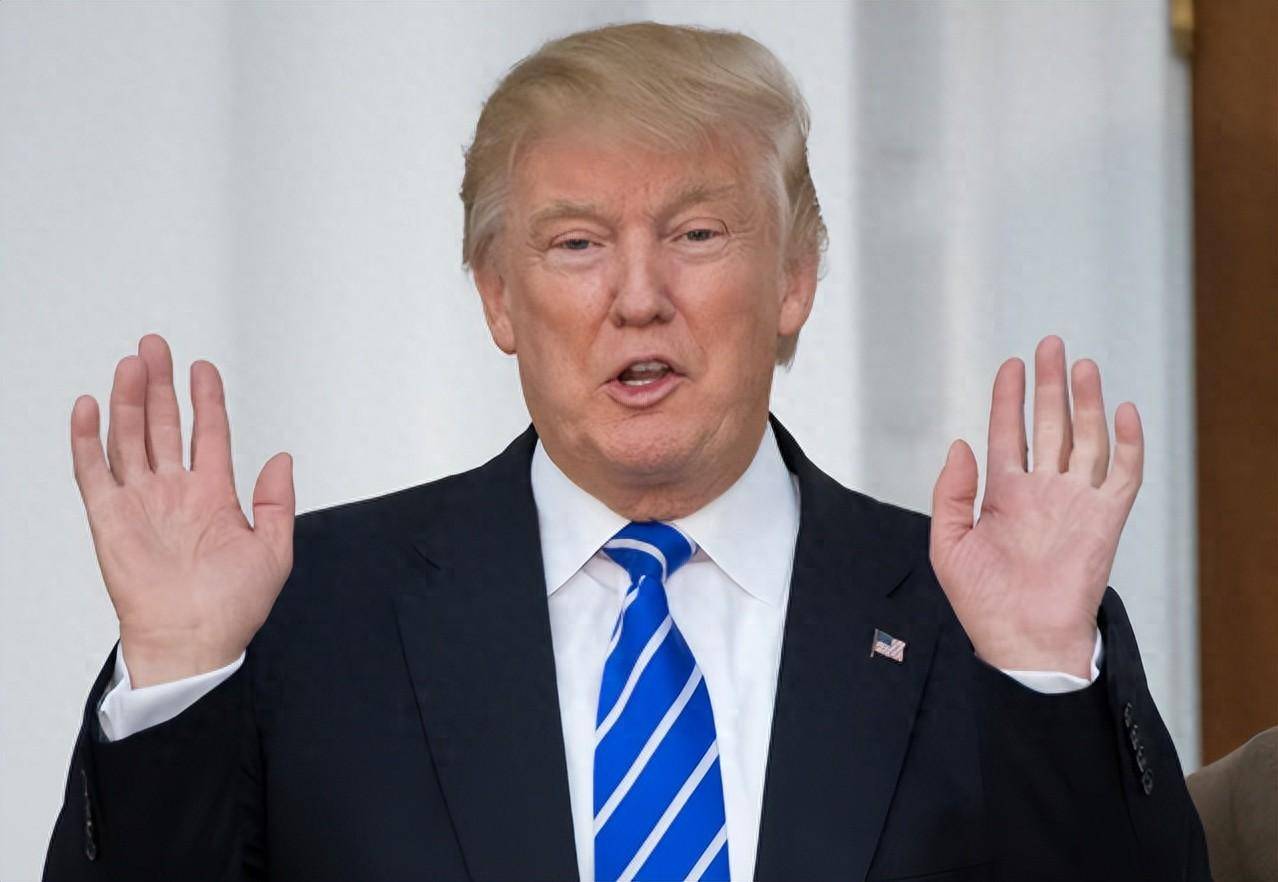
特朗普刚对华放出风声,就逮捕中国公民,外交部直接断了美后路
Sou Hu Cai Jing· 2025-07-05 10:51
据报道,7月3日,商务部例行新闻发布会上,有记者提问,据报道特朗普考虑9月初带企业团访华,中 方能否确认?商务部发言人回应称没有相关信息可提供 。而在此之前,美方刚释放特朗普可能访华消 息不久,就高调宣布逮捕中国公民,这背后到底有着怎样的算计?中方又将如何应对? 在外交战略方面,特朗普同样失误连连。他暂停与日本的贸易谈判,甚至直接威胁日方,若不达成协议 就再加税30%。可在美国精心布局的"印太战略"中,日本占据着至关重要的地位,其主要作用是对解放 军动向进行"监视"。如今特朗普对日本步步紧逼,无疑给了中国一个绝佳的战略机遇 。 面对美国的种种行径,中国外交部迅速做出强硬回应。外交部发言人明确指出,中方坚决反对任何没有 国际法依据、未经联合国安理会授权的单边制裁行为。并且强调,中方必将采取一切必要措施,坚定维 护中国公民的正当合法权益 。这不仅是对美国非法行为的有力回击,更是向世界表明中国维护自身公 民权益的坚定决心。 与此同时,王毅外长飞赴欧洲,前往欧盟总部所在地比利时布鲁塞尔,与比利时首相德韦弗、欧盟"外 长"卡拉斯、欧盟委员会主席冯德莱恩举行会面。中方深知,一旦美国的"印太战略"受阻,极有可能将 战略重心 ...
越南跪了,与美国达成协议,40%特殊关税瞄准中国,中方回应亮了
Sou Hu Cai Jing· 2025-07-04 07:41
Group 1 - The core point of the news is that Vietnam has agreed to a trade deal with the U.S. that includes a 40% tariff on re-exported goods, which is primarily aimed at China, marking a significant shift in trade dynamics [1][5][10] - The trade agreement allows Vietnam to impose a 20% tariff on U.S. goods while maintaining a zero tariff on American products, which appears beneficial for Vietnam but ultimately favors the U.S. [5][12] - Vietnam's exports to the U.S. are projected to reach $136 billion in 2024, with a trade surplus exceeding $123 billion, indicating that even with the new tariffs, Vietnam's overall benefits from trade with the U.S. remain substantial [7][12] Group 2 - The U.S. has been targeting "transshipment trade," where Chinese products are processed in third countries like Vietnam to avoid tariffs, and this has become a focal point in the ongoing trade war [3][9] - Vietnam's compliance with U.S. demands includes establishing a dedicated customs audit team and real-time customs networking to scrutinize supply chains for Chinese components, which could severely impact Chinese exports [9][10] - The agreement may set a precedent for future U.S. trade negotiations with other countries, potentially leading to a broader trade barrier against China [10][20] Group 3 - Vietnam's economic dependency on the U.S. is significant, with nearly 30% of its total exports directed to the U.S., making it vulnerable to U.S. tariff actions [12][14] - The internal industrial chain in Vietnam is incomplete, heavily relying on Chinese high-end equipment and raw materials, which complicates its position in the trade agreement [14][18] - China's response to the agreement has been firm, emphasizing that it will not tolerate any trade deals that undermine its interests, indicating potential retaliatory measures [16][18]
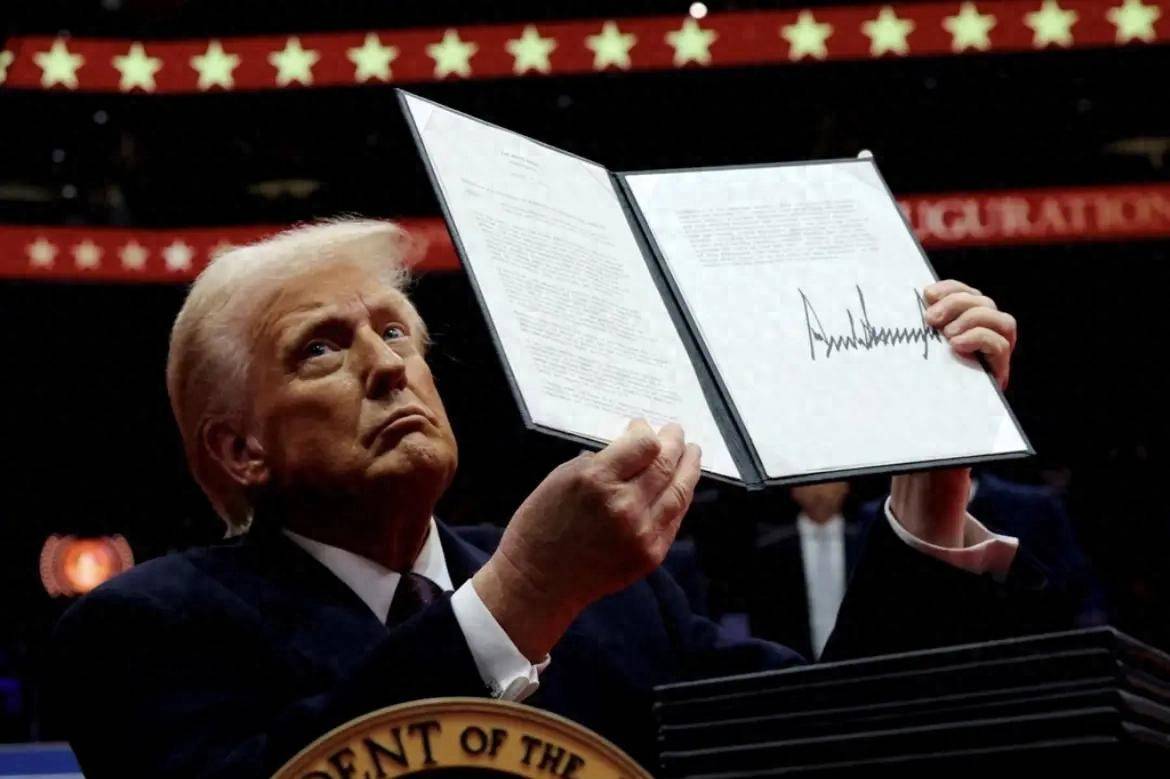
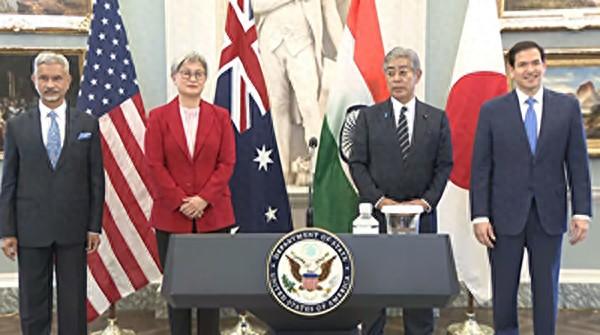
关税和防务分歧让美国与盟友闹掰?专家提醒:对抗中国的本质没变,不可放松警惕
Guan Cha Zhe Wang· 2025-07-03 07:21
Core Points - The recent Quad meeting in Washington indicates a continued commitment among the US, Japan, Australia, and India to counter China's influence in the Indo-Pacific region despite ongoing trade disputes [1][3][4] - The meeting emphasized the importance of maritime security cooperation and the initiation of a new initiative for critical minerals to diversify supply chains, reflecting concerns over supply chain vulnerabilities [1][3][4] - Experts suggest that while the Quad nations are united in their strategic goals, the actual implementation of independent supply chains may face significant challenges and delays [5][6] Group 1: Strategic Intentions - The Quad meeting reaffirmed the US's view of China as a primary strategic competitor, with the Indo-Pacific region remaining a key focus of its global security strategy [3][4] - Despite trade tensions, the alliance among the US and its partners in geopolitical and strategic matters remains intact, indicating a shared intent to counter China [4][5] Group 2: Supply Chain and Resource Management - The Quad nations expressed serious concerns over the tightening of critical mineral supply chains, which are essential for various industries [1][3] - Experts noted that achieving self-sufficiency in critical minerals could take 3 to 5 years, suggesting a prolonged period of dependency on China [5][6] - The initiative to strengthen supply chains is seen as a response to China's dominance in critical minerals, but the actual progress may be slow due to differing national interests and cost-sharing issues [5][6] Group 3: Regional Dynamics - The Quad's commitment to ASEAN's central role in the Indo-Pacific is strategically significant, as it aims to counter China's influence in Southeast Asia [6] - China's response to the Quad's initiatives emphasizes the need for cooperation that does not target third parties, highlighting the delicate balance of regional relations [6]
散播涉华负面言论,干扰破坏中菲关系,中国制裁菲律宾反华政客
Huan Qiu Shi Bao· 2025-07-01 23:05
Group 1 - The Chinese government has imposed sanctions on former Philippine senator Torentino for his negative actions regarding China, which have harmed Chinese interests and disrupted China-Philippines relations [1][2] - Torentino has been actively promoting legislation in the Philippines that aims to solidify illegal South China Sea arbitration rulings, which China opposes as they infringe on its territorial sovereignty [1][2] - The Philippines' Defense Secretary has recently stated that the East and South China Seas should be viewed as a unified operational area, aligning with Japan's defense strategies [2][3] Group 2 - The establishment of a coordination center by the US, Australia, Japan, and the Philippines is set for December, which reflects a broader strategy to counter China's influence in the region [3] - The Philippines has signed a security alliance with Lithuania, indicating a growing concern over China's assertive behavior in the region [3] - China's Ministry of Foreign Affairs has reiterated its opposition to any actions that exacerbate regional tensions through alliances [4]
中国驻菲律宾使馆发言人就菲军方人士涉华错误言论答记者问
news flash· 2025-06-26 04:16
中国驻菲律宾使馆发言人就菲军方人士涉华错误言论答记者问。问:据媒体报道,菲海军发言人特立尼 达称,中国政府可能与菲近期多起海上毒品案有关,中国共产党企图通过运送毒品方式,摧毁菲下一 代。菲律宾防长特奥多罗也称,中国对菲的全方位施压在东盟国家中首屈一指,缺乏信任是与中国解决 争端或展开外交对话的最大障碍。中国使馆对此有何评论?答:中国是禁毒最坚决、政策最彻底、记录 最良好的国家,也是世界上列管物质最多、管制最严格的国家之一。中菲执法部门在打击毒品以及其他 跨国犯罪方面开展了良好合作。菲总统反有组织犯罪委员会代表团近期访华,与中方执法部门就进一步 加强打击跨国犯罪达成了重要共识。我们坚决反对菲军方个别人士信口雌黄,发表毫无根据、蓄意抹黑 中国的言论。菲军方个别人士为一己私利,甘当美国"印太战略"马前卒,反复操弄涉海议题,不断挑动 激化矛盾。这种言行不仅无助于问题的解决,反而成为缺乏互信的根源以及解决问题的障碍。我们奉劝 菲军方个别人士停止恶意抹黑攻击中国,顺应民心民意,切实反躬自省,尽早回到通过对话协商解决分 歧的正确轨道上来。 ...
专家:南海秩序构建迎来机遇期 中国-东盟安全合作空间广阔 | 国际识局
Zhong Guo Xin Wen Wang· 2025-06-24 09:02
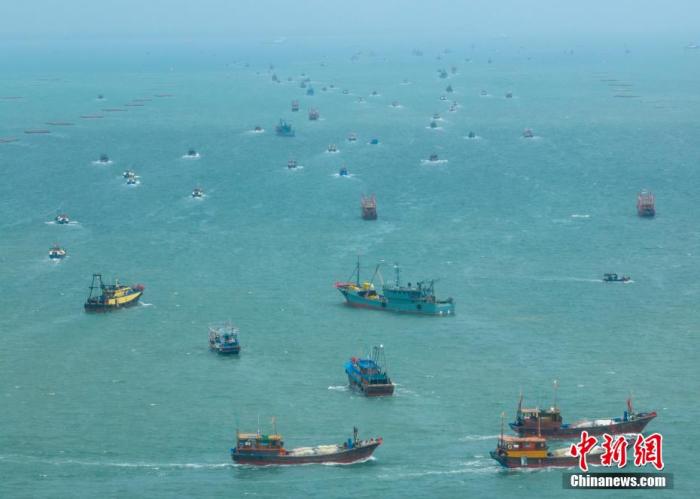
中新网6月24日电(张东方)南海稳,则地区国家受益;南海乱,则地区国家遭殃。近期,中国社科院亚 太与全球战略研究院研究员、中国周边战略研究室主任王俊生在南海问题相关论坛上指出,当前,南海 秩序构建迎来机遇期,中国-东盟安全合作空间广阔。 南海地区和平稳定是包括中国在内的地区国家的共同愿望,符合各方利益。然而,近年来,美国不断推 进"印太战略",企图将南海变成遏制中国的重要前沿。 王俊生指出,美国与中国在东亚的战略博弈,必然投射至南海问题,特朗普政府会继续将南海问题作为 中美战略竞争的抓手,但对南海问题的关注度不如美国前总统拜登在任时期。 2024年8月16日,海南临高,众多渔船出海作业。当日12时,为期3个半月的中国南海伏季休渔期结束。 海南省1.36万艘渔船抢"鲜"出海捕捞。中新社记者骆云飞摄 "特朗普政府更关注国内问题。在东亚地区,美国更关注朝鲜问题。而在对华竞争中,台湾问题会优先 于南海。"王俊生说。 他强调,东亚国家坚持务实原则,在美国对华战略竞争中保持中立。它们坚持从本国利益出发,不排斥 和中美两国合作,这种理性立场为南海稳定秩序的构建,创造了有利条件。因此,当前是南海秩序构建 的机遇期。中国与东盟 ...
日美菲联演模拟“两船相撞”,陆自前高官渲染“中国威胁”,专家:企图限制中方活动
Huan Qiu Shi Bao· 2025-06-18 22:45
军事专家张军社18日对《环球时报》记者表示,近些年来,日美菲海军以及海上执法部门持续开展所谓 的联合演习、巡航活动,包括日方一直在向菲方提供武器装备,其最终目的还是要"推动"菲方在南海问 题上持续"兴风作浪"。张军社分析认为,日方这样做有两方面考虑,首先是钓鱼岛方向,中国海警持续 开展的维权巡航活动给日方造成"压力",它们想煽动菲律宾在南海方向生事以分散中方"精力"。此外, 这些所谓联合演习的深层目的还是配合美国的"印太战略"。张军社表示,日本现在是最积极配合美 国"印太战略"的国家之一,很多时候已扮演"组局者"利用海洋问题试图钳制中国。 日本一方面小动作频频,一方面无理指责中国。香港《南华早报》6月18日报道称,日本陆上自卫队前 幕僚长岩田清文近日在接受日媒采访时宣称,中方在钓鱼岛海域所采取的"日益强硬的举动"是在为"登 陆和占领钓鱼岛"做准备。 据报道,岩田清文表示,过去两年中国在钓鱼岛周边的海上存在不断加强,他妄称中国海警船"频繁进 入日本领海",并指责今年5月中国海警舰船出动舰载直升机在钓鱼岛海域维权的行为。报道还援引岩田 清文的话称,中国海警也"已经做好准备",采取可能的夺岛行动。岩田清文称:"(中 ...
中美关税大战,俄罗斯坐山观虎斗,特朗普却掉头打了普京一闷棍
Sou Hu Cai Jing· 2025-06-16 10:56
Group 1 - The article argues that the apparent competition between the two major political parties in the U.S. is misleading, as both parties ultimately aim to maintain U.S. hegemony through necessary adjustments [1][3][5] - The Biden administration has continued the strategies of the Trump era, including the Indo-Pacific strategy and the ongoing trade war with China, indicating a continuity in U.S. foreign policy rather than a significant shift [3][5] - The article highlights that the U.S. is using the Russia-Ukraine conflict as a strategic tool to consolidate Western resources against China, suggesting that geopolitical maneuvers are primarily aimed at preserving U.S. dominance [5][7] Group 2 - The article discusses Russia's initial stance during the U.S.-China trade war, where it adopted a passive approach, only to later find itself in a precarious situation due to the Russia-Ukraine conflict initiated by the Biden administration [9][11] - It emphasizes that China's support for Russia during the Ukraine conflict was a strategic move to counter U.S. actions, showcasing the importance of alliances in the current geopolitical landscape [11][13] - The article concludes that Russia's attempts to negotiate with the U.S. post-conflict may lead to further complications, as the U.S. continues to impose sanctions and maintain pressure on Russia despite any perceived cooperation [15][20]
多方角力下的东南亚将何去何从
Zhong Guo Qing Nian Bao· 2025-06-11 23:01
Group 1 - Southeast Asia's strategic importance is highlighted due to its unique geographical position and rapid economic development, making it a focal point for global powers [2][3] - French President Macron's visit to Vietnam, Indonesia, and Singapore marks his first trip to Southeast Asia since taking office, emphasizing France's defense cooperation with these nations [2][3] - The U.S. military presence in the South China Sea has increased significantly, with approximately 1,000 reconnaissance flights and 706 days of ocean monitoring activities reported in 2024 [3] Group 2 - The U.S. aims to strengthen alliances in Southeast Asia, with the Philippines proposing a defense dialogue mechanism similar to the Quad [4][5] - India's economic growth positions it as a significant player in the region, with bilateral trade with ASEAN reaching $122.67 billion in the 2023-2024 fiscal year [5] - The historical context of Western colonialism in Southeast Asia continues to influence current geopolitical dynamics and defense relationships [7][8] Group 3 - The arms market in Southeast Asia is a key focus for Western powers, with France and the U.S. actively promoting military sales during diplomatic visits [9][10] - Southeast Asian nations face challenges in meeting increased defense spending demands, with many countries struggling to allocate sufficient budgets for military procurement [10][11] - Regional stability and economic cooperation with China are seen as vital interests for Southeast Asian countries, countering Western attempts to escalate tensions [11][12]