
品质零售

Search documents
家家悦 2024 年报和 2025 年一季报点评:经营表现平稳,推进高质量转型
Changjiang Securities· 2025-05-20 07:25
Investment Rating - The investment rating for the company is "Buy" and is maintained [7] Core Viewpoints - The company reported a revenue of 18.26 billion yuan in 2024, representing a year-on-year growth of 2.8%. The net profit attributable to the parent company was 130 million yuan, a decline of 3.3% year-on-year, while the net profit excluding non-recurring items was 120 million yuan, an increase of 17.2% [2][4] - In the first quarter of 2025, the company achieved a revenue of 4.94 billion yuan, a year-on-year decline of 4.8%, with a net profit attributable to the parent company of 140 million yuan, down 3.6% year-on-year, and a net profit excluding non-recurring items of 140 million yuan, an increase of 3.9% [2][4] - The company is focusing on high-quality transformation and optimizing its network layout and resource allocation, with a total of 1,095 stores as of the first quarter of 2025, including 945 direct-operated stores and 150 franchise stores [11] Summary by Relevant Sections Financial Performance - In 2024, the company achieved a gross profit margin of 23.3%, a decrease of 0.6 percentage points year-on-year, primarily due to operational optimization and product mix adjustments [11] - The company’s operating expenses for 2024 were 18.5% for sales, 2.0% for management, and 1.4% for financial expenses, reflecting a slight decrease in expense ratios due to improved operational efficiency [11] Strategic Initiatives - The company is actively enhancing its supply chain and has completed the second phase of the Huai Bei comprehensive industrial park project, which is expected to improve logistics efficiency [11] - The company is also focusing on product development, with self-owned and customized products accounting for 13.63% of total sales in 2024, showing a steady increase [11] Future Outlook - The company aims to transition from scale retail to quality retail, with plans to optimize store layouts and ensure high-quality openings for new stores [11] - Earnings per share (EPS) are projected to reach 0.32 yuan, 0.40 yuan, and 0.49 yuan for the years 2025, 2026, and 2027 respectively [11]

家家悦(603708):2024年报和2025年一季报点评:经营表现平稳,推进高质量转型
Changjiang Securities· 2025-05-20 05:15
Investment Rating - The investment rating for the company is "Buy" and is maintained [8]. Core Views - The company reported a revenue of 18.26 billion yuan in 2024, representing a year-on-year growth of 2.8%. The net profit attributable to the parent company was 130 million yuan, a decline of 3.3% year-on-year, while the net profit excluding non-recurring items was 120 million yuan, an increase of 17.2% [2][6]. - In the first quarter of 2025, the company achieved a revenue of 4.94 billion yuan, a year-on-year decline of 4.8%, with a net profit attributable to the parent company of 140 million yuan, down 3.6% year-on-year, and a net profit excluding non-recurring items of 140 million yuan, up 3.9% [2][6]. - The company is focusing on high-quality transformation and optimizing its network layout and resource allocation, with a total of 1,095 stores as of the first quarter of 2025, including 945 direct-operated stores and 150 franchise stores [12][12]. - The company is enhancing its supply chain strategy, with a gross margin of 24.3% in the first quarter of 2025, reflecting a year-on-year increase of 0.2 percentage points [12][12]. - The company aims to shift from scale retail to quality retail, ensuring the quality of new store openings and enhancing product competitiveness through optimized procurement strategies [12][12]. Summary by Sections Financial Performance - In 2024, the company achieved total revenue of 18.26 billion yuan, with a gross profit margin of 23.3%, a decrease of 0.6 percentage points year-on-year. The net profit attributable to the parent company was 130 million yuan, down 3.3% year-on-year [2][12]. - For the first quarter of 2025, the company reported a revenue of 4.94 billion yuan, with a gross margin of 24.3%, showing signs of stabilization [12][12]. Store Operations - As of the first quarter of 2025, the company had 1,095 stores, including various formats such as community fresh food supermarkets and discount stores. The company is actively optimizing its store network and resource allocation [12][12]. - The company has closed 46 direct-operated stores since the end of 2023 to improve operational efficiency and profitability [12][12]. Supply Chain and Product Strategy - The company is strengthening its supply chain, with a focus on enhancing logistics efficiency and product development capabilities. The proportion of self-owned and customized products reached 13.63% in 2024, a steady increase of 0.1 percentage points year-on-year [12][12]. - The company is implementing a strategy of "product optimization, reasonable structure, and extreme cost performance" to enhance overall product competitiveness [12][12].
中国百货零售行业上市公司“盈利王”:一年净赚16亿元,永辉超市垫底
Sou Hu Cai Jing· 2025-05-14 13:00
Industry Overview - According to the "2024-2025 China Department Store Retail Industry Development Report," 73% of surveyed companies experienced a year-on-year decline in sales, with 14% seeing a drop of less than 5%, 25% experiencing a decline of 5% to 10%, and nearly 30% facing a decrease of 10% to 20%. Only 24% of companies reported positive growth [1] - In terms of profitability, 72% of surveyed companies saw a decline in net profit, with 22% experiencing a drop of over 20%, 24% with a decline of 10% to 20%, and 26% with a decrease of less than 10%. Only 22% achieved positive net profit growth, primarily under 5% [1] Company Performance - Among 42 listed department store companies, total revenue reached 267.316 billion yuan, with 30 companies reporting negative growth, including 11 with declines exceeding 10%. Only 4 companies had growth rates above 10%, with 2 achieving triple-digit increases [3] - Yonghui Supermarket ranked first with a revenue of 67.574 billion yuan, down 14.1% year-on-year, marking its fourth consecutive year of decline and a 30% reduction compared to its peak in 2020 [3][5] - Yonghui Supermarket closed 232 underperforming stores, attributing revenue decline to this action. The company initiated a store transformation strategy in May, focusing on quality retail, and plans to close an additional 250-350 stores this year [3][5] - In the first quarter of this year, Yonghui's revenue and net profit continued to decline, with a net loss of 1.465 billion yuan, a 10.26% decrease year-on-year, marking its fourth consecutive year of losses totaling 9.501 billion yuan [5] Financial Rankings - The revenue ranking of listed department store companies for 2024 shows Yonghui Supermarket at the top with 67.574 billion yuan, followed by Zhilian Co. at 27.675 billion yuan, and Jiajiayue at 18.256 billion yuan [6] - The net profit ranking indicates Zhilian Co. leading with a net profit of 156.7438 million yuan, a 292.73% increase, followed by Chongqing Department Store with 131.464 million yuan, and Bubugao with 121.169 million yuan, reflecting significant growth [10]


改革进入深水区,永辉何时迎来拐点?
FBIF食品饮料创新· 2025-05-04 15:35
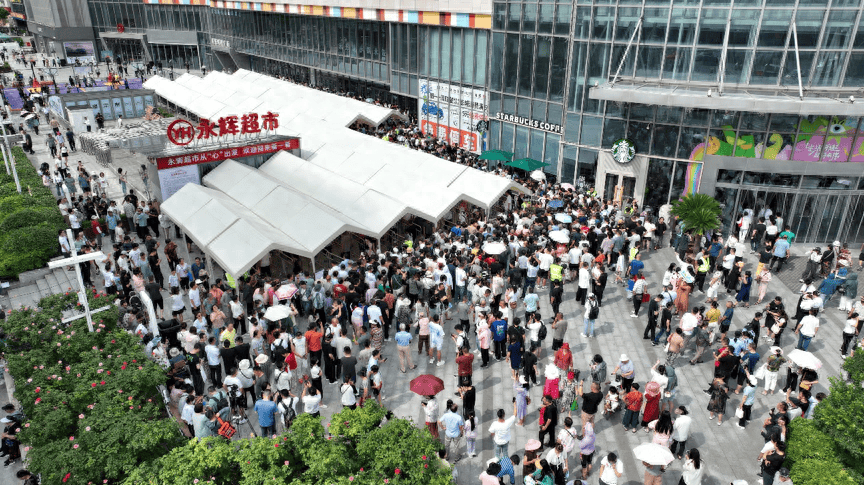
Core Viewpoint - Yonghui Supermarket is undergoing a strategic transformation, facing significant financial challenges while aiming to improve its operational efficiency and product quality through a comprehensive restructuring process [6][14][34]. Financial Performance - In 2024, Yonghui Supermarket reported a revenue of 67.574 billion yuan, a year-on-year decline of 14.07%, and a net loss attributable to shareholders of 1.465 billion yuan, an increase of 10.26% compared to the previous year [6][28]. - For Q1 2025, the revenue was 17.479 billion yuan, down 19.32% year-on-year, with a net profit of 148 million yuan, a significant drop of 79.96% [6][28]. - The company closed 232 underperforming stores in 2024, which is expected to enhance overall store efficiency despite the immediate negative impact on revenue [23][26]. Strategic Transformation - Yonghui's current situation is described as a result of proactive strategic choices, focusing on learning from the "Fat Donglai" model and implementing deep changes in corporate culture, employee engagement, and supply chain logic [14][17]. - The company aims to become a national supermarket that meets the needs of mainstream Chinese families, emphasizing quality retail [18][34]. Store Optimization - The closure of underperforming stores is part of a broader strategy to optimize the store network, with a target to close 250 to 330 old stores by 2026 [26][28]. - The restructuring process includes a focus on improving product quality, store environment, customer service, and employee welfare, which is expected to create a positive feedback loop in business performance [31][34]. Supply Chain Reform - Yonghui is implementing a supply chain transformation strategy, focusing on core suppliers and long-term partnerships, while rejecting frequent supplier changes [36][40]. - The company has launched initiatives to support domestic supply chains, including rapid product listings and promotional plans for quality suppliers [43][44]. Organizational Changes - The organizational structure has been streamlined from four levels to three, enhancing efficiency and empowering frontline employees [39]. - The company is focusing on creating a positive corporate culture and a collaborative environment to improve operational effectiveness [39][42]. Future Outlook - Yonghui expects that the next 12 to 18 months will be a critical period for the release of reform results, with a potential shift into a new development phase [34][50]. - The company is committed to a long-term vision of quality retail, believing that its strategic decisions will ultimately lead to improved performance and resilience in the market [47][50].
永辉超市(601933):调改持续推进,供应链优化提效
CMS· 2025-05-02 09:09
证券研究报告 | 公司点评报告 2025 年 05 月 02 日 永辉超市(601933.SH) 调改持续推进,供应链优化提效 消费品/商业 公司调改持续推进,同时优化尾部老店,门店数量减少致短期收入波动。品质 零售大势所趋。永辉超市为国内商超龙头,生鲜及供应链根基扎实,当前坚定 "胖东来"路线,围绕商品强化选品+品控+差异化,围绕服务优化环境+做重服 务+提升员工状态;叠加胖东来倾力帮扶输出顶层设计及科学方法,名创入股有 望在日百品类注入更多可能。当前公司调改步入轨道,长期看公司品质零售路 线空间广阔。维持"增持"评级。 财务数据与估值 当前股价:5.16 元 基础数据 | 总股本(百万股) | 9075 | | --- | --- | | 已上市流通股(百万股) | 9075 | | 总市值(十亿元) | 46.8 | | 流通市值(十亿元) | 46.8 | | 每股净资产(MRQ) | 0.5 | | ROE(TTM) | -45.1 | | 资产负债率 | 88.7% | | 广东骏才国际商贸有限公司 主要股东 | | | 主要股东持股比例 | 29.4% | 股价表现 % 1m 6m 12m 绝对 ...
永辉超市遵义调改首店开业 全国胖东来模式调改门店规模扩至69家
Zheng Quan Shi Bao Wang· 2025-04-30 10:23
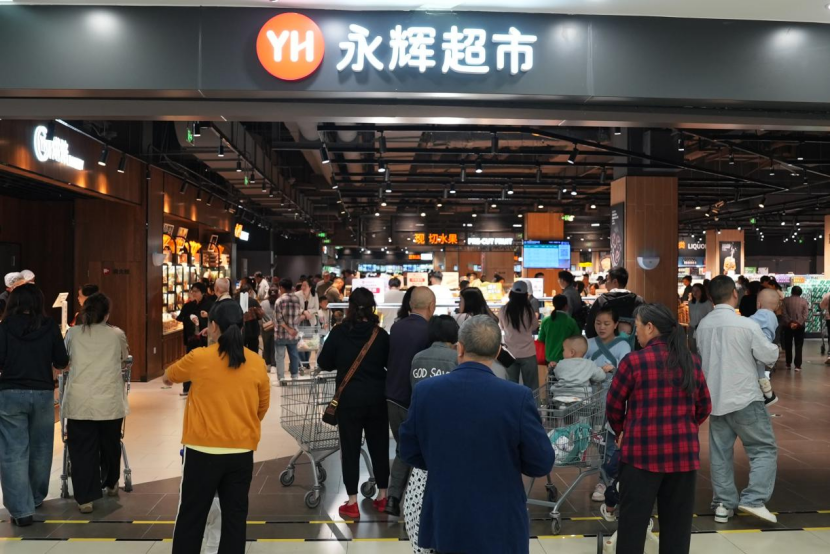
Core Insights - Yonghui Supermarket has launched its first store under the "Fat Donglai" model in Zunyi, which serves as a nationwide prototype for store renovations, focusing on comprehensive upgrades in product structure, shopping environment, and service systems [1] Group 1: Store Renovation and Product Strategy - The store has eliminated nearly 70% of its products, reducing from 20,543 items to 8,374, while introducing 4,345 new products, achieving an 80% similarity in product structure with the Fat Donglai model [1] - The proportion of imported products has increased to 12%, creating a competitive edge through a combination of local characteristics, quality selection, and similar offerings to Fat Donglai [1] - In the fresh food section, the store has implemented targeted planting partnerships to shorten the supply chain and reduce waste, while also enhancing customer trust through packaged fresh products [3] Group 2: Customer Experience Enhancements - The store layout has been redesigned, with shelf heights reduced from 2.4 meters to 1.6 meters and main aisles widened to 2.4 meters, improving visibility and customer comfort [3] - Various customer-friendly features have been introduced, such as labeling bulk food items with weight estimates and providing isolation bags for separating products [3] - Service upgrades include customized offerings at the meat counter, live fish services in the seafood section, and free cleaning and cutting for fruits, alongside strict freshness control policies [3] Group 3: Employee Welfare and Corporate Strategy - The store has increased its staff from 75 to 180, with an average salary rise to 4,000 yuan, and benefits such as 10 days of paid annual leave after one year of service [4] - The renovation reflects Yonghui's commitment to enhancing employee happiness and motivation, which is integral to the Fat Donglai model [4] - Yonghui aims to deepen its involvement in regional economic value reconstruction through localized development and quality retail strategies, aspiring to become a national supermarket better suited for mainstream Chinese families [4]
一年关店200余家!永辉大改革,从“甩卖酒水”开刀?
Sou Hu Cai Jing· 2025-04-29 14:00
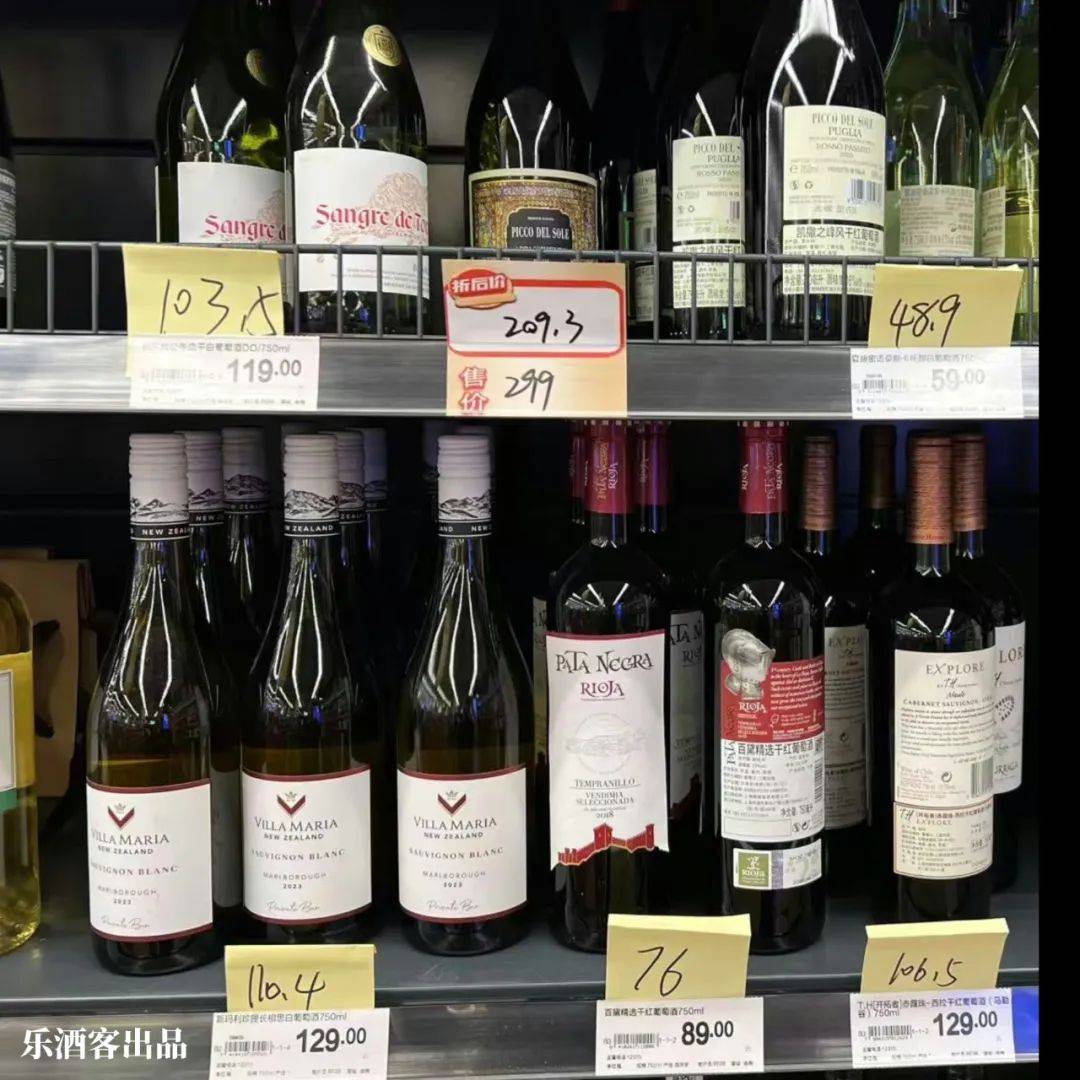
Core Viewpoint - Yonghui Supermarket has faced significant challenges, resulting in continuous losses over the past four years, totaling over 9.5 billion yuan, indicating a need for a strategic transformation and a reevaluation of its business model [2][3]. Financial Performance - In 2024, Yonghui reported a revenue of 67.574 billion yuan, a year-on-year decline of 14.07%, with a net profit loss of 1.465 billion yuan compared to a loss of 1.329 billion yuan in the previous year [3]. - The revenue decline is attributed to intense competition in the retail sector and the company's proactive store optimization and strategic transformation efforts [3]. Store Closures and Adjustments - Yonghui closed 232 underperforming stores in 2024, accelerating the pace of closures in key cities [5]. - The company is adopting a strategy of "eliminating old products and introducing new ones," with some stores offering discounts to attract customers, although the discounts have been criticized as misleading [5][6]. Store Transformation and Strategy - Yonghui has implemented the "Pang Donglai" model, initiating a "quality retail" strategic transformation, with 31 stores upgraded by the end of 2024, and plans for further increases in the number of transformed stores [3][10]. - Despite initial success in attracting customers to transformed stores, there are concerns about sustaining customer traffic beyond the initial months [10]. Market Position and Future Outlook - The company is encouraged to focus on its unique strengths and develop its own competitive products, particularly in the wine sector, where it has begun to see some success with its self-selected wine offerings [13]. - The next 12-18 months are critical for Yonghui to navigate the challenges in the retail industry and establish a new positioning that leverages its scale advantages [13].
家家悦(603708):Q1收入利润小幅承压 加力推进门店优化
Xin Lang Cai Jing· 2025-04-29 02:40
Core Viewpoint - The company reported its 2024 annual results and Q1 2025 results, showing revenue growth but a decline in net profit, indicating a mixed performance in the current market environment [1] Group 1: Financial Performance - In 2024, the company achieved revenue of 18.256 billion yuan, a year-on-year increase of 2.77%, while net profit attributable to shareholders was 132 million yuan, a decrease of 3.26% [1] - In Q4 2024, revenue reached 4.129 billion yuan, up 6.31% year-on-year, with a net profit of -56 million yuan, an improvement from -72 million yuan in the same period last year [1] - For Q1 2025, revenue was 4.941 billion yuan, down 4.77% year-on-year, and net profit was 142 million yuan, a decrease of 3.59% [1] Group 2: Store Expansion and Efficiency - The company opened 140 new stores in 2024, bringing the total to 1,100, with 957 direct-operated and 143 franchised stores [2] - In Q1 2025, the company opened 8 direct-operated and 7 franchised stores while closing 20 underperforming stores, resulting in a total of 1,095 stores at the end of the quarter [2] - The company is focusing on optimizing store locations and improving operational efficiency by closing unprofitable stores [2] Group 3: Online Sales and Supply Chain - Online sales grew by 13.2% in 2024, with a total of 3.31 million customer visits to stores, achieving a conversion rate of 40% [3] - By the end of 2024, online sales accounted for 7.16% of total sales, reflecting the company's efforts to enhance its online presence [3] - The company is strengthening its supply chain strategy and increasing the proportion of private label and customized products to 13.63% [3] Group 4: Profitability and Cost Management - In Q1 2025, the gross profit margins for various store formats were 20.82% for comprehensive supermarkets, 19.41% for community fresh food supermarkets, 19.72% for rural supermarkets, and 22.62% for other formats, showing an increase compared to the previous year [4] - The company's expense ratio for the full year 2024 and Q1 2025 was 21.97% and 19.83%, respectively, indicating a slight decrease year-on-year [4] - The net profit margin for the full year 2024 and Q1 2025 was 2.87% and 0.72%, respectively, reflecting a stable performance despite challenges [4] Group 5: Future Outlook - The company aims to transition from scale retail to quality retail, focusing on product strength and enhancing supply chain efficiency [4] - The net profit forecasts for 2025 and 2026 have been adjusted to 201 million yuan and 243 million yuan, respectively, with a new forecast for 2027 set at 272 million yuan [4]
永辉超市(601933):品质零售转型加快 长期盈利改善可期
Xin Lang Cai Jing· 2025-04-29 02:35
Core Insights - The company reported its 2024 annual results and Q1 2025 results, with performance in line with expectations [1] Group 1: Financial Performance - In 2024, the company achieved revenue of 67.574 billion yuan, a year-on-year decrease of 14.07%, and a net profit attributable to shareholders of -1.465 billion yuan, compared to -1.329 billion yuan in the same period last year [1] - In Q1 2025, the company reported revenue of 17.479 billion yuan, a year-on-year decline of 19.32%, primarily due to a strategic and operational transformation that resulted in the closure of 273 stores compared to the previous year [1] - The net profit attributable to shareholders for Q1 2025 was 148 million yuan, a significant year-on-year decrease of 79.96%, mainly due to changes in product structure and procurement models, as well as a fair value loss of 172 million yuan from Advantage Solutions stock [1] Group 2: Store Transformation and Online Business - The company actively pursued supply chain reforms, accelerating store transformation, with 7 new supermarket openings and 232 closures in 2024, resulting in a total of 775 stores by the end of 2024, a decrease of 225 stores year-on-year [2] - The company emphasized a "quality retail" reform direction, with 61 stores modified by April 25, 2024, and an expectation to reach 124 modified stores by the end of June [2] - Online business revenue for 2024 was 14.6 billion yuan, accounting for 21.7% of total revenue, with the "Yonghui Life" app surpassing 118 million registered members [2] Group 3: Profitability and Cost Management - The company's gross margin for 2024 and Q1 2025 was 20.46% and 21.50%, respectively, reflecting a year-on-year decline of 0.78 and 1.35 percentage points [3] - The gross margin pressure was attributed to the optimization of product structure and procurement models during store adjustments, with a focus on long-term partnerships with core suppliers [3] - The company’s expense ratio for Q1 2025 was 20.78%, an increase of 1.38 percentage points year-on-year, with specific expenses for sales, management, R&D, and finance reported [3] Group 4: Strategic Developments - On September 23, 2024, a strategic shareholder, Guangdong Jun Cai International Trade Co., acquired 2.668 billion unrestricted shares of Yonghui Supermarket, making it the largest shareholder, with a focus on a "quality retail" development strategy [4] - The partnership aims to enhance private brand development, supply chain reforms, and employee welfare initiatives [4] Group 5: Future Outlook - The company maintains a "buy" rating, anticipating that consumption will be boosted and domestic demand expanded in 2025, with significant improvements expected from store transformations [5] - The company plans to close approximately 300 stores in 2025, with revised net profit forecasts for 2025 and 2026, and a new forecast for 2027 [5] - Revenue projections for 2025 have been adjusted to 60.01 billion yuan, with a PS valuation method applied, indicating a potential upside of 13% [5]
永辉超市(601933):调改加速 弹性可期
Xin Lang Cai Jing· 2025-04-29 02:35
Core Viewpoint - The company experienced a significant decline in revenue and net profit in 2024, with a revenue of 67.574 billion yuan, down 14.07% year-on-year, and a net profit of -1.465 billion yuan, indicating challenges in store performance and profitability [1] Financial Performance - In 2024, the company reported a revenue of 67.574 billion yuan, a decrease of 14.07% year-on-year, and a net profit of -1.465 billion yuan, with a non-recurring net profit of -2.410 billion yuan, resulting in a non-recurring net profit margin of 0.08%, down 1.05 percentage points year-on-year [1] - For Q1 2025, the company achieved a revenue of 17.479 billion yuan, down 19.32% year-on-year, with a net profit of 0.148 billion yuan, a decline of 79.96%, and a non-recurring net profit of 0.137 billion yuan, down 77.07%, leading to a non-recurring net profit margin of 2.76%, down 1.98 percentage points year-on-year [1] Store Operations - The revenue fluctuations are primarily attributed to a reduction in the number of stores, with 232 stores closed in 2024, leaving a total of 775 stores by the end of the year [1] - As of Q1 2025, the company continued to reduce its store count, completing only 47 store renovations, which contributed minimally to sales [1] - However, the renovated stores have begun to show profitability, with 41 stores that have been open for over three months generating a profit of 14.7 million yuan in March and a total profit of 74.72 million yuan for the quarter [1] Business Segments - The company reported revenue from various segments in 2024: food and daily necessities at 34.943 billion yuan, fresh and processed food at 28.825 billion yuan, other income at 2.673 billion yuan, and rental income at 1.133 billion yuan, with respective year-on-year declines of 14.03%, 12.82%, 28.08%, and 6.77% [2] - The gross margins for these segments were 18.81%, 12.79%, 99.96%, and 78.66%, with slight year-on-year changes [2] Cost Management - The overall gross margin for the company in 2024 was 20.46%, down 0.78 percentage points year-on-year, with sales, management, R&D, and financial expenses accounting for 19.33%, 2.65%, 0.27%, and 1.68% respectively, showing an increase in expense ratios [2] - In Q1 2025, the expense ratios for sales, management, R&D, and financial costs were 16.63%, 2.45%, 0.24%, and 1.46%, indicating a mixed trend in cost management [2] Strategic Focus - The company is shifting towards quality retail and restructuring supplier relationships, focusing on core suppliers, key products, and long-term strategies while opposing frequent supplier changes [2] - As of April 2025, the company has engaged in procurement discussions with over 300 quality supply chain enterprises, including suppliers for major U.S. retailers [2] Investment Outlook - The company is expected to see continuous improvement in store efficiency as it enters a deeper phase of transformation, with projected revenues of 61.483 billion yuan, 92.247 billion yuan, and 108 billion yuan for 2025-2027, reflecting a year-on-year change of -9.01%, +50.04%, and +17.08% respectively [3] - The projected net profits for the same period are 0.63 billion yuan, 1.105 billion yuan, and 1.819 billion yuan, with corresponding price-to-earnings ratios of 790X, 45X, and 27X [3]