数字孪生

Search documents
为无人驾驶时代铺设中国“安全基座”
Ke Ji Ri Bao· 2026-02-06 00:55
Core Viewpoint - The development of a digital twin-based testing system for autonomous vehicles has significantly advanced China's capabilities in intelligent driving technology, marking a transition from following to leading in this field [1]. Group 1: Autonomous Vehicle Testing - A new testing system allows for the simulation of extreme driving scenarios that would traditionally take six months to encounter on real roads, now achievable in just three days [1]. - The project led by Zhao Xiangmo has been recognized with the Global Road Achievement Award, highlighting its importance in the field of intelligent driving testing technology [1]. Group 2: Historical Context and Development - In the late 1980s, the automotive testing industry in China relied heavily on manual methods, which were inefficient and limited [2][3]. - Zhao Xiangmo's team established the first fully automated distributed automotive safety and performance testing line in China, overcoming the challenges posed by foreign equipment monopolies [3][4]. Group 3: Innovations in Road and Bridge Testing - Traditional methods for road and bridge testing were limited, often damaging structures or failing to penetrate deep enough to detect issues [5][6]. - The team developed a new 24-channel detection system that can visualize internal defects in concrete structures up to 10 meters deep, significantly improving testing accuracy [6]. Group 4: Integration of Virtual and Real Testing - The introduction of a "virtual-real fusion" testing approach allows for real-time simulation of various driving conditions while vehicles are tested on actual roads [7][8]. - The new Pioneer vehicle-cloud integrated testing system, set to launch in 2024, will further enhance the efficiency of autonomous vehicle testing, compressing testing cycles from months to days [8][9]. Group 5: Future Vision - The integration of intelligent vehicle terminals, roadside perception equipment, and traffic cloud platforms aims to create a comprehensive system for autonomous vehicle safety and testing [9]. - The ongoing innovation in testing methodologies emphasizes that the boundaries of innovation are defined by imagination rather than physical limitations [9].
一座昂扬生长的数字新城
Bei Jing Ri Bao Ke Hu Duan· 2026-02-06 00:13
Core Viewpoint - Xiong'an New Area is emerging as a model for a digital city, integrating advanced technologies and innovative policies to create a smart urban environment that enhances governance and quality of life [3][4][9]. Group 1: Digital Infrastructure Development - The Xiong'an City Computing Center, referred to as "Xiong'an Eye," is the only permanent data center approved for the area, featuring a digital twin model for every building constructed [4]. - The digital twin core system has aggregated over 10 billion public data entries, enabling real-time updates on urban infrastructure such as underground pipelines and traffic flow [4][5]. - A digital infrastructure backbone has been established, including over 500 kilometers of digital roads and 130 kilometers of digital conduits, facilitating a comprehensive urban sensing network [5]. Group 2: Talent Attraction and Innovation - Xiong'an has implemented the "Xiong Talent Sixteen Policies" to attract high-end talent, offering targeted support for critical industries and creating a conducive environment for research and development [7]. - The "Xiong Talent Cup" innovation competition has registered over 110 quality projects, focusing on cutting-edge fields like information technology and biotechnology [8]. - An artificial intelligence training base is under construction, aimed at fostering a talent ecosystem in AI and related technologies [8]. Group 3: Practical Applications and Community Impact - The "Digital Dongxiang" project utilizes technologies like Beidou positioning and AI to enhance rural governance, allowing for real-time monitoring and emergency alerts [9]. - The digital solutions implemented in Xiong'an are expected to be replicated in other towns, contributing to the national digital rural development strategy [9]. - The ongoing digital transformation aims to position Xiong'an as a global benchmark for digital cities, focusing on expanding computational capacity and improving data sharing efficiency [9].

向智而行,建设数字城市新标杆
Ren Min Ri Bao· 2026-02-05 22:30
Core Insights - Xiong'an New Area is emerging as a digital city, integrating modern infrastructure with a digital twin foundation, showcasing a blend of technology and urban development [1][2] Group 1: Digital Infrastructure Development - The Xiong'an Urban Computing Center, referred to as "Xiong'an Eye," is the only permanent data center approved for the area, featuring a digital model for every building constructed [2] - The digital twin core system has aggregated over 10 billion public data points, enabling real-time updates on urban infrastructure such as underground pipelines and traffic flow [2][3] - A comprehensive digital infrastructure network has been established, including over 500 kilometers of digital roads and 130 kilometers of digital utility corridors [3] Group 2: Talent Attraction and Innovation - The "Xiong'an Talent Policy" aims to attract skilled professionals, offering targeted support for high-demand talent in key industries, which has led to the establishment of various research projects [4][5] - The "Xiong'an Cup" innovation competition has successfully registered over 110 quality projects, focusing on cutting-edge fields like information technology and biotechnology [5] Group 3: Practical Applications and Community Impact - The "Digital Xiong'an" project has transformed rural governance by integrating technologies like Beidou positioning and AI, enhancing local management and emergency response capabilities [7] - The digitalization efforts are not limited to rural areas but are also enhancing urban governance and daily life, aiming to set a global benchmark for digital cities [8]
迈赫股份(301199.SZ):目前尚未涉足人形机器人领域
Ge Long Hui· 2026-02-05 12:48
Core Viewpoint - The company, Maihe Co., Ltd. (301199.SZ), specializes in providing high-end intelligent equipment systems and smart IoT systems, focusing on R&D, manufacturing integration, sales, and smart operation and maintenance services based on robotics and IoT technology [1] Group 1: Company Overview - The company operates in the industrial robot system integration field, primarily serving industries such as automotive and engineering machinery [1] - It has not yet ventured into humanoid robotics [1] Group 2: Competitive Advantages - Full industry chain layout and technical integration capabilities: The company possesses comprehensive expertise across major processes (assembly, painting, welding) and combines both hardware and software capabilities, making it one of the few intelligent equipment system manufacturers with multi-product production capacity [1] - Technological innovation and R&D strength: The company has developed various proprietary systems, including high-speed rolling beds and digital twin technology, significantly enhancing product intelligence [1] - Integration of digitalization and intelligence: The company leverages IoT and big data technologies to create an integrated operational management system, achieving full-process digital management and improving operational efficiency and resource utilization [1]

专家观点 | 以“AI+场景”推动智慧应急走向实践
Xin Lang Cai Jing· 2026-02-05 12:25
Core Insights - Emergency management is transitioning from passive response to proactive prevention, necessitating a new paradigm of smart emergency science to address complex challenges posed by climate change and urban governance [1][62] - The integration of AI and digital technologies into emergency management is crucial, with "AI + scenarios" serving as a practical bridge between scientific research and engineering practice [1][68] Group 1: Smart Emergency Science System Composition - Smart emergency science is an interdisciplinary field that combines information science, management science, engineering, and social sciences to fundamentally reshape traditional emergency management through data-driven approaches [3][64] - The transition from traditional emergency management, which relies on historical experience, to smart emergency management, which utilizes real-time data and predictive models, marks a significant paradigm shift [4][64] Group 2: Key Components of Smart Emergency Science - Data perception is foundational, focusing on integrated sensing networks and multi-source data fusion to monitor disaster elements and emergency resources comprehensively [5][65] - The smart emergency science system encompasses four key components: data intelligence, model intelligence, decision intelligence, and action intelligence, each contributing to a closed-loop system [6][65][66] Group 3: "AI + Scenarios" Implementation - "AI + scenarios" emphasizes the deep integration of AI technologies into specific emergency management contexts to address real pain points and create tangible value [8][68] - The approach shifts from a technology-driven model to one that is scenario-driven, defining specific emergency management challenges and developing tailored AI solutions [9][68] Group 4: Strategic Pathways for "AI + Scenarios" - The implementation of "AI + scenarios" requires breaking down broad goals into quantifiable, solvable scenario problems, such as predicting community evacuations during severe weather events [71] - Establishing cross-departmental data sharing and high-quality datasets is essential for training AI models effectively [71][72] Group 5: Challenges in Smart Emergency Management - Significant challenges include data silos, the scarcity of data for rare disaster scenarios, and the need for AI models to be robust and interpretable in high-stakes decision-making environments [72][73][74] - The complexity and uncertainty of real disaster scenarios necessitate AI systems that can adapt and function reliably under extreme conditions [75][76] Group 6: Frontiers of Research in Smart Emergency Science - Research directions include federated learning for data integration without sharing raw data, small-sample learning for rare disaster scenarios, and dynamic evolution of emergency knowledge graphs [78][79][80] - The development of digital twins for complex systems and disaster scenarios is crucial for high-fidelity simulations and effective emergency response planning [81]

智研咨询—中国车电子智能检测装备行业发展概况、市场需求及投资前景评估报告
Xin Lang Cai Jing· 2026-02-05 12:25
Core Insights - The automotive electronic smart testing equipment, also known as automotive electronic water valves or smart thermal management water valves, is a core component of automotive thermal management systems, crucial for controlling the flow of coolant in battery, motor, and electronic control systems [3][33] - The demand for automotive electronic smart testing equipment is expected to grow significantly, with the market size projected to reach 11.75 billion yuan by 2025, reflecting a year-on-year growth of 13.3% [6][37] - The evolution of electric vehicles towards higher endurance, intelligence, and safety, along with the transition from distributed to centralized electronic architectures, will further drive the demand for specialized testing equipment in China [6][37] Industry Overview - The automotive electronic smart testing equipment industry is characterized by a complex integration of multiple disciplines, including mechanical, electrical, hydraulic, measurement, control, algorithms, software, and simulation [39] - The industry is divided into three segments: upstream suppliers of precision mechanical components and core electronic parts, midstream manufacturers of testing equipment, and downstream demand from automotive manufacturers and third-party testing institutions [5][36] Market Dynamics - The safety and reliability requirements of core components in new energy vehicles, such as battery management systems and high-voltage distribution systems, are significantly higher than those of traditional fuel vehicles, leading to increased demand for testing equipment [6][37] - The market is witnessing a shift from single-point component testing to integrated system-level testing, driven by advancements in AI, digital twins, and simulation technologies [39] Competitive Landscape - The market structure consists of three tiers: international giants leading the high-end segment, domestic leaders emerging as key players, and regional manufacturers filling niche markets [38] - Key players in the first tier include foreign companies like Keysight Technologies, Teradyne, dSPACE, and SPEA, which dominate the high-end market with superior testing precision and system stability [38] Financial Performance - Beijing Oriental Zhongke Integrated Technology Co., Ltd. reported a total revenue of 1.348 billion yuan in the first half of 2025, with 67.5% from general testing services and 13.17% from automotive testing services [38]
五一视界(6651.HK)煤矿动力灾害物理AI应用取得重大突破,获评“国际领先水平”!
Zhong Jin Zai Xian· 2026-02-05 07:39
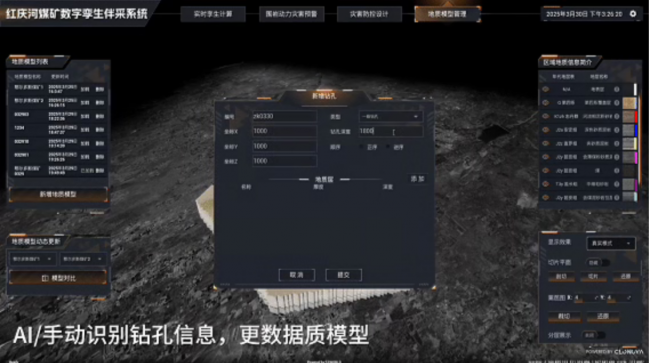
Core Insights - The project on "Digital Twin Intelligent Targeted Prevention and Control Technology for Coal Mine Dynamic Disasters" has been recognized as achieving "international leading level" by experts from the Chongqing Science and Technology Achievement Transformation Promotion Association [1][2]. Group 1: Project Recognition and Technical Strength - The 51GIM (GeoEnergy Intelligent Model) platform provides early warning services for dynamic disasters such as rock bursts in mines, integrating geological modeling, disaster warning, and prevention plan design into a closed-loop management system [1]. - The project has established a comprehensive quality control system covering the entire R&D, production, and delivery chain by 2025, ensuring product stability through real-time user feedback mechanisms [1]. Group 2: Innovations and Breakthroughs - The project has developed four core innovations, including a geological digital twin autonomous governance system that achieves a 90% accuracy rate in key information extraction [3]. - A breakthrough in complex geological modeling has been achieved with an automatic octree mesh generation algorithm, allowing for "zero intervention" partitioning of grids at a scale of hundreds of millions [3]. - The project has established a digital twin closed-loop architecture that synchronizes simulated and measured states within hours, addressing the verification challenges of physical-virtual consistency [3]. - An integrated intelligent decision-making technology for "warning-prediction-disaster control" has been developed, reducing disaster assessment time from hours to under 30 seconds [3]. Group 3: Industry Impact and Standardization - The 51GIM system combines AI, digital twin, and cloud computing technologies to address key issues in geological disaster prevention, achieving real-time visualization of coal mine geological structures [4]. - The system can issue disaster warnings up to 8 hours in advance, significantly enhancing safety measures for mine evacuations [4]. - The project has contributed to one ISO international standard and nine national industry standards, with 18 authorized invention patents and over 90 high-level papers published [4]. Group 4: Future Prospects - The successful collaboration among various top-tier teams has laid a solid technical foundation for the intelligent transformation of coal mines, showcasing significant engineering application value in reducing accident rates and ensuring safe operations [5][6]. - The 51GIM system is positioned to provide efficient safety production solutions for more mining enterprises, driving the industry towards a more intelligent, efficient, and safe future [6].
中国重汽申请基于大模型的整车热管理控制方法专利,实现整车热管理系统的智能控制与优化
Jin Rong Jie· 2026-02-04 02:53
Group 1 - The core point of the article is that China National Heavy Duty Truck Group Jinan Power Co., Ltd. has applied for a patent related to vehicle thermal management, specifically a method and system based on a large model for controlling the thermal management of vehicles [1] - The patent application, published as CN121424905A, was filed on September 2025 and involves creating a digital twin model of the vehicle's thermal management system, training it with a large model, and using real-time operational data to derive control strategies for intelligent management and optimization of the thermal management system [1] - China National Heavy Duty Truck Group Jinan Power Co., Ltd. was established in 2006 and is primarily engaged in the automotive manufacturing industry, with a registered capital of 723,959.5 million RMB [1] Group 2 - The company has made investments in 19 enterprises and participated in 3,872 bidding projects, indicating a strong presence in the automotive sector [1] - The company holds a significant number of intellectual property rights, with 5,000 patent records and 89 administrative licenses, showcasing its commitment to innovation and compliance [1]

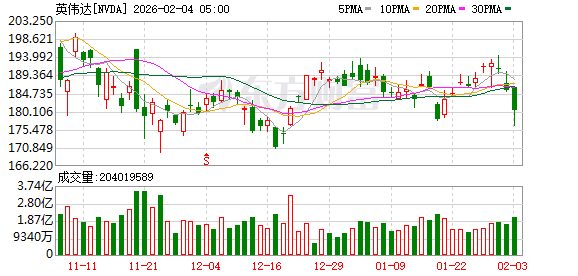
黄仁勋对谈达索CEO 英伟达开辟第三战场
2 1 Shi Ji Jing Ji Bao Dao· 2026-02-04 01:02
Core Viewpoint - NVIDIA's CEO Jensen Huang is actively pursuing partnerships and innovations in the AI and industrial software sectors, particularly through a strategic collaboration with Dassault Systèmes to enhance AI capabilities in design and engineering [3][5]. Group 1: Strategic Partnership - NVIDIA and Dassault Systèmes have announced a long-term strategic partnership to develop an industrial AI platform, integrating AI intelligence into Dassault's software [3][5]. - The collaboration aims to create scientifically validated world models and introduce "skilled virtual companions" in fields such as biology, materials science, engineering, and manufacturing [3][5]. Group 2: Business Structure - NVIDIA's business is primarily focused on GPU sales, with AI and data center modules accounting for 90% of its revenue [6]. - The company is expanding its software capabilities to maintain its hardware dominance, similar to how Apple integrates software with its hardware [6][10]. Group 3: Market Segments - NVIDIA operates in three main market segments: 1. GPU and data center, which constitutes 90% of its business. 2. Consumer market for gaming graphics cards, accounting for approximately 8%. 3. 3D rendering software, which is in its early stages but is expected to be crucial for future growth [6][7]. Group 4: Omniverse Platform - NVIDIA's Omniverse platform is designed to support digital twins and physical AI, allowing for large-scale deployment of real-world simulations [10][12]. - The platform aims to unify various 3D tools and promote the OpenUSD standard, enhancing interoperability among different software used in industries [13]. Group 5: Industry Context - The global industrial modeling software market is dominated by companies like Dassault Systèmes and Siemens, with annual revenues exceeding $4 billion for the top players [9]. - The collaboration with Dassault Systèmes positions NVIDIA to leverage its AI capabilities in a market that has historically been dominated by European and American firms with strong industrial foundations [9].

“十五五”智慧水利行业深度研究及趋势前景预测专项报告
Xin Lang Cai Jing· 2026-02-03 12:52
Group 1 - The core concept of smart water conservancy integrates new information technologies such as cloud computing, IoT, big data, artificial intelligence, and digital twins to enhance water resource management and ensure national water security [1][4][30] - Since the 14th Five-Year Plan, smart water conservancy has been elevated to a strategic level for ensuring national water security and building a digital China, with policies evolving from top-level planning to specific scene-driven innovations [4][22] - The industry chain of smart water conservancy is characterized by a "three-layer driving" model, where policy and demand influence from top to bottom, while technological breakthroughs support from the bottom up [5][22] Group 2 - Future technological development will focus on deep coupling of AI with hydrological physical mechanisms, leading to the emergence of specialized water models based on the Transformer architecture [7][23] - The industry value focus is shifting from project construction to long-term data operation, model services, and knowledge empowerment, with continuous optimization of forecasting accuracy and safety diagnosis services becoming core business models [8][24] - New application scenarios are emerging alongside traditional ones, such as digital twin-based water rights trading and automated control for efficient agricultural irrigation [9][25] Group 3 - The market competition in smart water conservancy will transition from individual enterprises to ecological alliances, emphasizing the need for interdisciplinary talent proficient in both hydrology and advanced technologies [10][26] - Significant barriers exist for new entrants, including stringent qualification requirements for government projects and the necessity for proven performance in similar projects [12][28] - Long-term service providers have accumulated vast amounts of high-quality data, creating a strong ecological stickiness that is difficult for newcomers to replicate [13][29] Group 4 - The report by Beijing PwC Consulting provides a comprehensive analysis of the smart water conservancy industry, reviewing its evolution from automation to intelligent twins and emphasizing the current scene innovation-driven development [30] - The report constructs an industry chain model that details the competitive landscape and key players across upstream sensing devices, midstream platform algorithms, and downstream application services [30] - The industry is expected to experience explosive growth marked by the construction of digital twin watersheds and the application of large-scale water models, driven by the integration of AI technologies [30]