
无废城市

Search documents
黑龙江:“十五五”再推5个城市开展“无废城市”建设
Zhong Guo Xin Wen Wang· 2025-12-29 13:59
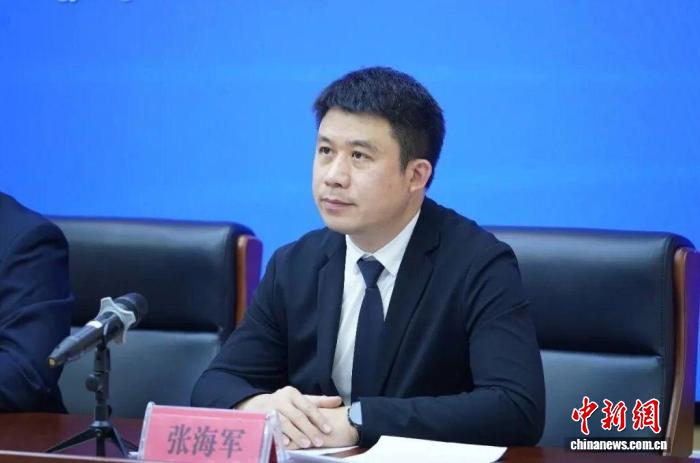
黑龙江:"十五五"再推5个城市开展"无废城市"建设 中新网哈尔滨12月29日电 (记者 姜辉)"'十五五'期间再推动5个城市开展'无废城市'建设,构建全域覆 盖、梯次推进的建设格局,让'无废'理念在全省范围内落地生根。"黑龙江省生态环境厅29日召开的新 闻发布会上,黑龙江省生态环境技术保障中心主任张海军如是说。 来源:中国新闻网 编辑:张嘉怡 广告等商务合作,请点击这里 黑龙江省生态环境技术保障中心主任张海军在发布会上介绍"无废城市"建设情况。 黑龙江省生态 环境厅供图 近几年,黑龙江省各地积极有序开展"无废城市细胞"创建工作。截至目前,累计创建"无废城市细胞"近 2000个,类型丰富多样,涵盖了"无废乡镇""无废学校""无废社区"等多个领域。各地在创建过程中充分 发挥主观能动性,不断探索创新,形成了一系列具有地方特色的细胞类型。 "十五五"期间,黑龙江省将梯次推进"无废城市"建设扩面。借鉴先行地区成功经验,指导哈尔滨、大 庆、伊春进一步深化"无废城市"建设,全面提升其示范效应和带动能力;2026年,推动佳木斯、鸡西、 鹤岗、黑河、大兴安岭启动"无废城市"建设。(完) 本文为转载内容,授权事宜请联系原著作权人 ...

东莞“十四五”重大项目协调发力 打造河畅水清“无废之城”
Zhong Guo Xin Wen Wang· 2025-12-29 08:00
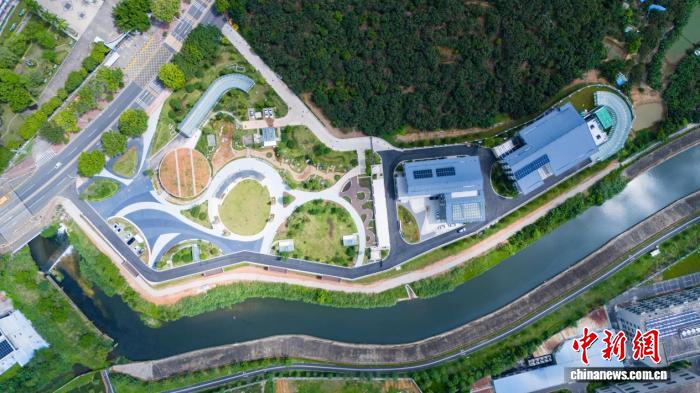
Core Insights - Dongguan is actively promoting the construction of a "waste-free city" as part of its "14th Five-Year Plan," focusing on green transformation and ecological protection to achieve high-quality urban development [1][4]. Group 1: Water Quality Improvement - During the "14th Five-Year Plan," Dongguan has made significant progress in improving water quality, effectively eliminating black and odorous water bodies and enhancing nearshore water quality [2]. - The project covering 12 towns and benefiting approximately 2.88 million people has involved the construction of 71 kilometers of new sewage pipelines and 416.4 kilometers of rainwater and sewage separation pipelines [2]. - The expansion of sewage treatment capacity includes the upcoming commissioning of the third phase of the Humen Ningzhou Sewage Treatment Plant, which will add a daily treatment capacity of 100,000 cubic meters [2]. Group 2: Solid Waste Recycling - Dongguan is establishing a resource recycling system centered around the Haixinsha Resource Recycling Base, integrating waste disposal, environmental technology research, and education [4]. - The Haixinsha Resource Comprehensive Utilization Center features three incineration lines with a daily capacity of 750 tons, processing over 1 million tons of solid waste annually and generating more than 500 million kilowatt-hours of electricity [5]. - The green industrial service project at the Haixinsha base aims to address hazardous waste disposal, with a processing capacity of 320,000 tons per year, accounting for 27% of the city's hazardous waste treatment capacity [5].
多行业将深度治理 湖北今年继续推进污染防治攻坚战
Chang Jiang Shang Bao· 2025-12-29 07:10
Core Viewpoint - Hubei Province is committed to enhancing environmental protection efforts, focusing on pollution prevention and control, and ensuring compliance with the "14th Five-Year Plan" for carbon emissions and energy consumption reduction. Group 1: Air Quality Improvement - Hubei aims to control PM2.5 and O3 levels while promoting the construction of projects for reducing volatile organic compounds (VOCs) and nitrogen oxides emissions [1] - The province will continue to implement ultra-low emissions transformations in the thermal power and steel industries, as well as comprehensive rectification of industrial furnaces and kilns [1] - Focus will be placed on deep governance in industries such as cement, coking, glass, ceramics, and petrochemicals, emphasizing source reduction, process control, and end-of-pipe treatment for VOCs pollution [1] Group 2: Water Pollution Control - Hubei will strengthen actions against water pollution, focusing on the treatment of inferior water bodies and the remediation of black and odorous water bodies [1] - The province will conduct inspections and rectifications of key lake pollutant discharge outlets and promote comprehensive governance pilot projects for lake sedimentation [1] - Efforts will be made to ensure stable water quality in the Three Gorges and Danjiangkou reservoir areas through comprehensive management [1] Group 3: Soil and Waste Management - Hubei will continue to advance soil pollution prevention actions and enhance comprehensive solid waste management [2] - The province plans to initiate groundwater pollution prevention pilot projects and conduct environmental assessments of groundwater conditions around pollution sources [2] - There is an effort to include cities like Wuhan and Xiangyang in the national "waste-free city" pilot program [2]
东莞“十四五”重大项目协调发力 打造河畅水清 “无废之城”
Xin Lang Cai Jing· 2025-12-29 06:53
Group 1 - The core focus of the article is on the ecological transformation and environmental protection initiatives in Dongguan, part of the Guangdong-Hong Kong-Macao Greater Bay Area, as it aims for high-quality urban development through significant projects [1][3]. - Dongguan has implemented a multi-faceted approach to improve water quality, including enhancing sewage treatment capacity and upgrading drainage systems, resulting in the effective elimination of black and odorous water bodies [3][4]. - The city has invested in the expansion of sewage treatment facilities, such as the third phase of the Humen Ningzhou Sewage Treatment Plant, which will add a daily capacity of 100,000 cubic meters, and the second phase of the Qingshan Xia Ni Sewage Treatment Plant, which features an underground design [3][4]. Group 2 - Dongguan is striving to establish a "waste-free city" by developing a comprehensive resource recycling system, highlighted by the Hai Xin Sha Resource Recycling Base, which integrates waste disposal, environmental technology research, and education [4][6]. - The Hai Xin Sha Resource Recycling Center operates three incineration lines with a daily capacity of 750 tons, processing over 1 million tons of solid waste annually and generating more than 500 million kilowatt-hours of electricity, equivalent to saving 150,000 tons of standard coal [6]. - The green industrial service project at the Hai Xin Sha base aims to address hazardous waste disposal, with a planned capacity of 320,000 tons per year, accounting for 27% of the city's hazardous waste processing capability [6].
山海惠州展新颜:看“十四五”期间惠州生态环境保护的高分答卷
Zhong Guo Huan Jing Bao· 2025-12-29 02:38
Core Viewpoint - The transformation of Huizhou's ecological environment has been significant, showcasing successful governance and innovative practices in ecological protection and sustainable development during the "14th Five-Year Plan" period [2][3][11]. Group 1: Ecological Achievements - Huizhou has improved its air quality, ranking sixth among 168 key cities in China in 2023, achieving a comprehensive index of 2.46 and an AQI compliance rate of 97.0%, the best in the Pearl River Delta [2][7]. - The city has eliminated 24 Class V tributaries and added 33 good-quality tributaries, with a 100% compliance rate for drinking water source protection areas [7][9]. - The establishment of a comprehensive ecological monitoring network has been completed, ensuring full coverage across all districts [9]. Group 2: Governance and Institutional Innovation - Huizhou has been recognized as "excellent" in environmental protection assessments for five consecutive years, emphasizing the importance of institutional frameworks and innovative service models in ecological governance [3][4]. - The city has implemented a "source control + risk prevention" model for soil management, which has been recognized nationally for its effectiveness [4][11]. - The establishment of ecological environment protection committees at city and county levels has enhanced coordination and accountability in environmental governance [3]. Group 3: Legal and Regulatory Framework - Huizhou has developed local regulations such as the "Dust Pollution Prevention Regulations" and various compensation schemes for ecological damage, strengthening its legal framework for environmental protection [4][5]. - The city has initiated pilot projects for environmental impact assessments, streamlining processes to facilitate industrial development while ensuring ecological safety [4]. Group 4: Enforcement and Compliance - The city has adopted a combination of strict and flexible enforcement strategies, resulting in a significant reduction in penalties for minor violations, promoting a win-win situation for ecology and business [5][6]. - The use of technology in enforcement has improved the precision and efficiency of ecological monitoring and compliance checks [9]. Group 5: Innovative Projects and Recognition - Huizhou has been recognized for its innovative projects, such as the first public trading of mangrove carbon credits, which supports ongoing ecological restoration efforts [10][11]. - The city has been acknowledged for its exemplary practices in building a "waste-free city," contributing to the development of a world-class green petrochemical industry [11].
生机盎然,这是咱更美更俏的中国
Xin Lang Cai Jing· 2025-12-26 19:01
在安徽池州十八索省级自然保护区,茅坦小学学生观察鸟类、记录鸟类。新华社发 (来源:光明日报) 转自:光明日报 梦爽摄/光明图片 ②青海小柴旦湖,候鸟翩跹。光明图片/视觉中国 生活在江苏盐城黄海湿地的麋鹿本报记者 周 宁夏固原打造"中药材+林下经济+科普科研+休闲康养"融合发展模式,以中药材产业发展撬动乡村全面 振兴。图为某药材加工企业包装黄芪。新华社发 在广西梧州,连片光伏板将阳光转化为村庄富裕的澎湃动力。光明图片/视觉中国 湖南益阳乡村山清水秀、天蓝地绿。光明图 片/视觉中国 【2025光明年终观察】 美丽中国美在哪?你的切身感受说了算!回望2025年,有多少美景让你眼前一亮?有多少人与自然和谐 相处的温暖瞬间让你久久难忘? 年终岁末,我们邀你一起盘一盘这一年身边的变化,一起品一品这舒心幸福的滋味—— 1.新一轮国家自主贡献目标宣布 9月24日,在联合国气候变化峰会上,我国宣布2035年国家自主贡献目标,首次提出碳达峰阶段后 全经济范围、全温室气体净排放下降等一揽子应对气候变化目标,充分展现携手应对全球气候变化的大 国担当,为全球气候治理增加了巨大的确定性和稳定性。 2."两山"转化之路越走越宽 "咱们林子 ...

“无废城市”建设聚焦固体废物治理
Zhong Guo Hua Gong Bao· 2025-12-26 04:22
Core Insights - China's ecological environment quality is improving, but the overall level of solid waste resource utilization still needs enhancement. The cumulative storage of industrial solid waste has exceeded 33 billion tons, necessitating a collective effort in solid waste management to support urban green development and the construction of a beautiful China [1] Group 1: Waste Management Initiatives - The construction of "waste-free cells" is a crucial component of the "waste-free city" initiative, with approximately 43,000 "waste-free cells" established during the 14th Five-Year Plan period, covering various scenarios such as parks, enterprises, communities, and schools [1] - The Ministry of Ecology and Environment plans to promote "waste-free city" construction in about 200 cities during the 15th Five-Year Plan period, focusing on collaborative governance in regions like Beijing-Tianjin-Hebei and the Yangtze River Delta [1] Group 2: Local Practices and Corporate Initiatives - Beijing's Miyun District has made significant achievements in industrial solid waste management and agricultural waste resource utilization, launching representative "waste-free cell" demonstration projects in 2023 [2] - Mengniu Group is focusing on sustainable packaging solutions throughout the entire lifecycle, aiming to reduce the use of fossil-based virgin plastics by 35,000 tons by 2030 and ensuring that all packaging is recyclable, reusable, or biodegradable by 2035, with 20% of packaging using recycled materials [2] - Alibaba Group has established a social participation mechanism that covers source reduction, process control, and end-of-life management, guiding the industry towards source reduction, green procurement, and standardized recycling [2]
我国“无废城市”建设已从局部试点向全国推开和迈进
Yang Shi Wang· 2025-12-25 08:12
近日,以"建设无废城市,共创绿色未来"为主题的第五期环境新闻茶座在北京举办。智通财经记者从会 上获悉,我国"无废城市"建设经过多年的发展,已从局部试点向全国推开和迈进,取得了积极的成 效。"十四五"时期,全国113个地级及以上城市和8个特殊地区扎实推进"无废城市"建设。 其中,重庆、四川两地政府2020年率先签订了《成渝地区双城经济圈"无废城市"共建合作协议》,联合 印发《关于推进成渝地区双城经济圈"无废城市"共建的指导意见》,提出到2025年,成渝地区双城经济 圈"无废城市"共建机制基本建立,固体废物治理体系和治理能力现代化水平明显提升。 长三角、京津冀、粤港澳大湾区、长江中游等重点区域,吉林省长春、吉林两市等地均通过签订合作协 议、出台共建方案等形式开展共建,探索打破行政区划限制、共下"无废城市""一盘棋"的新路径。 今年初,生态环境部会同有关部门印发《"无废城市"建设进展评价办法(试行)》,明确从建设工作推 进、固体废物产生强度变化、重点领域建设进展及成效等三个方面共18项指标对建设进展情况开展综合 评价。 评价结果显示,总体上建设推进成效明显,105个地级城市工业固体废物产生强度较2023年下降5.3 ...
聚焦“无废城市”建设 绘制绿色未来蓝图
Zhong Guo Huan Jing Bao· 2025-12-24 09:11
Group 1: Core Concept - The construction of "waste-free cities" is a significant initiative to establish a "waste-free" philosophy, cultivate "waste-free" habits, and engage society in solid waste management [1] Group 2: Progress and Innovations - Over 200 cities in China have initiated "waste-free city" construction, transitioning from pilot projects to nationwide implementation [2] - The Chengdu-Chongqing region has signed a cooperation agreement to establish a "waste-free city" collaborative mechanism by 2025, aiming to enhance solid waste management capabilities [2] - The Ministry of Ecology and Environment has established a coordination mechanism involving 17 departments to promote resource integration for "waste-free city" construction [2][3] Group 3: Best Practices and Case Studies - More than 500 best practices have been summarized across various sectors, including industrial, agricultural, and construction waste management [3] - In Ordos, Inner Mongolia, the comprehensive utilization rate of industrial solid waste increased from 37% to 71% through ecological restoration projects [3] - Changzhou, Jiangsu Province, achieved over 99% resource utilization of construction waste through a combination of fixed and mobile processing methods [3] Group 4: Corporate Involvement - Companies are increasingly participating in green transformation and "waste-free city" initiatives, focusing on reducing waste and enhancing resource utilization [4] - Mengniu Group is actively pursuing green packaging strategies to align with international standards and reduce environmental pollution [4][5] Group 5: Community Engagement and Public Participation - Public engagement in "waste-free" initiatives is growing, with various programs and platforms established to facilitate recycling and waste reduction [6] - The "Green Printing Action" project in Zhuhai aims to integrate the waste-free concept into industry and community governance [5][6] - Volunteer initiatives in Shandong have mobilized over 1,000 volunteers, engaging millions in waste reduction activities [6] Group 6: Events and Media Role - Major events like the Asian Games in Hangzhou have incorporated "waste-free" principles, showcasing innovative waste management practices [7] - Media plays a crucial role in promoting the "waste-free" concept and supporting environmental governance efforts [7]
贵阳高新区 新增四个“无废细胞”
Xin Lang Cai Jing· 2025-12-23 22:11
Core Viewpoint - The Guizhou High-tech Zone has been recognized for its efforts in promoting the "Waste-Free Cells" initiative, with four units being awarded for their contributions to waste reduction and sustainable practices [1][2]. Group 1: Recognition of "Waste-Free Cells" - Four units in the Guizhou High-tech Zone have been named "Waste-Free Cells," including Guizhou Shunluo Xunda Electronics Co., Ltd. and Guizhou Aerospace Technology Development Co., Ltd. as "Waste-Free Factories," and Guizhou Science City Service Center and the Management Service Bureau of Guizhou High-tech Industrial Development Zone as "Waste-Free Agencies" [1]. Group 2: Implementation of "Waste-Free City" Initiative - Since Guizhou City was approved to develop the "Waste-Free City" initiative in 2022, the High-tech Zone has actively participated in creating "Waste-Free Cells" such as agencies, hotels, and factories, emphasizing a collaborative approach [2]. - The High-tech Zone has selected eligible units and enhanced publicity to encourage participation, implementing management systems and solid waste management measures to support the initiative [2]. Group 3: Future Plans - The High-tech Zone plans to continue promoting the creation of "Waste-Free Cells" by implementing targeted strategies and providing guidance to unlock the green potential of various units, aiming to create replicable and scalable "Waste-Free Models" [2].
