
智慧农业

Search documents
“新农人”,扎根乡土拔节生长
Xin Hua Ri Bao· 2026-01-24 21:04
Core Insights - The article emphasizes the importance of cultivating "new farmers" rooted in rural areas and improving efficient agricultural social services to connect smallholders with modern agricultural development [1] Group 1: New Farmers Initiative - The initiative to train "new farmers" began in 2010 in Zhangjiagang, where the local government partnered with Yangzhou University to provide targeted training for high school graduates, ensuring job placement upon graduation [1][4] - The program has expanded to other cities like Changshu and Kunshan, creating specialized classes to increase the number of trained agricultural professionals [1][4] Group 2: Agricultural Practices and Innovations - New farmers like Guo Kefan are implementing innovative agricultural practices, such as reducing weeds through experimental methods learned during their studies, leading to improved crop conditions [1][2] - Guo has also obtained certifications for operating drones and large agricultural machinery to enhance farming efficiency [2] Group 3: Community Impact and Future Plans - The presence of new farmers is addressing the issue of declining young agricultural workers, with Guo's integration into the community showcasing the potential for local engagement and knowledge transfer [2][5] - Future plans include optimizing automated spraying technology and researching waste recycling methods to enhance agricultural productivity and create job opportunities for local elderly residents [3][5] Group 4: Educational and Institutional Support - Over the past 16 years, Suzhou has trained 1,971 targeted students through partnerships with various agricultural colleges, with a significant number of graduates actively contributing to rural development [4] - Educational institutions are encouraged to innovate in talent cultivation, ensuring that agricultural graduates are well-prepared to implement technology and practices that support rural revitalization [5]
晶采观察丨“十五五”开局!新质生产力赋能 中国农业现代化“智慧大升级”
Huan Qiu Wang· 2026-01-24 12:20
Core Viewpoint - The modernization of agriculture and rural areas in China is increasingly driven by technology and data, transitioning from traditional farming methods to data-driven practices, with a clear outline for future development [1] Group 1: Agricultural Production and Technology - By 2025, China's grain production is expected to reach 14,298 billion jin, an increase of 168 billion jin, maintaining a historical high for two consecutive years [2] - The construction and improvement of high-standard farmland will cover 7,568 million mu, with a cumulative total exceeding 1 billion mu [2] - The comprehensive mechanization rate of crop farming is projected to reach 76.7% by 2025, indicating that over 70% of field operations will be mechanized [2] - Agricultural technology's contribution rate has surpassed 64%, showcasing significant advancements in agricultural productivity [2] Group 2: Economic Impact on Rural Residents - By 2025, the per capita disposable income of rural residents is expected to reach 24,456 yuan, reflecting a 6% real growth from the previous year [3] - The improvement in income levels is attributed to the acceleration of new agricultural productivity and the development of new industries such as rural tourism and e-commerce [3] - Smart agriculture is transforming the agricultural value chain, enhancing not only production but also marketing and sales, thus increasing farmers' income [3] Group 3: Future Outlook and Strategic Goals - The strategic goal of accelerating agricultural modernization is to improve the living standards of farmers, making rural areas more attractive for long-term residence [5] - The next five years will see continued enhancement of digital infrastructure and core technologies, with smart agriculture serving as a key driver for rural revitalization [5] - The vision for agricultural modernization is to create a vibrant rural environment that is desirable for living and working, marking a significant transformation in the agricultural sector [5]

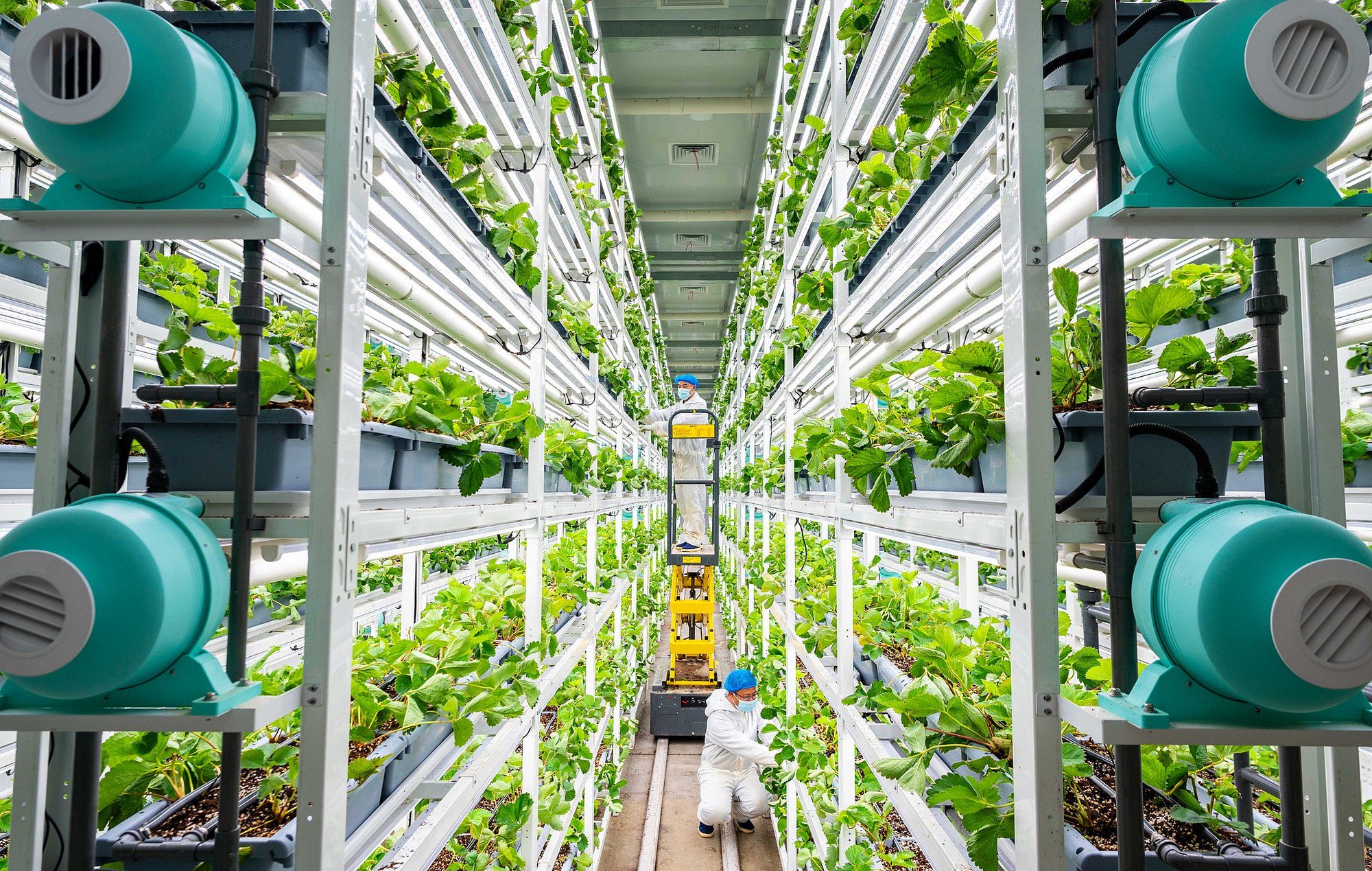
“十五五”开局!新质生产力赋能 中国农业现代化“智慧大升级”
Yang Guang Wang· 2026-01-24 12:07
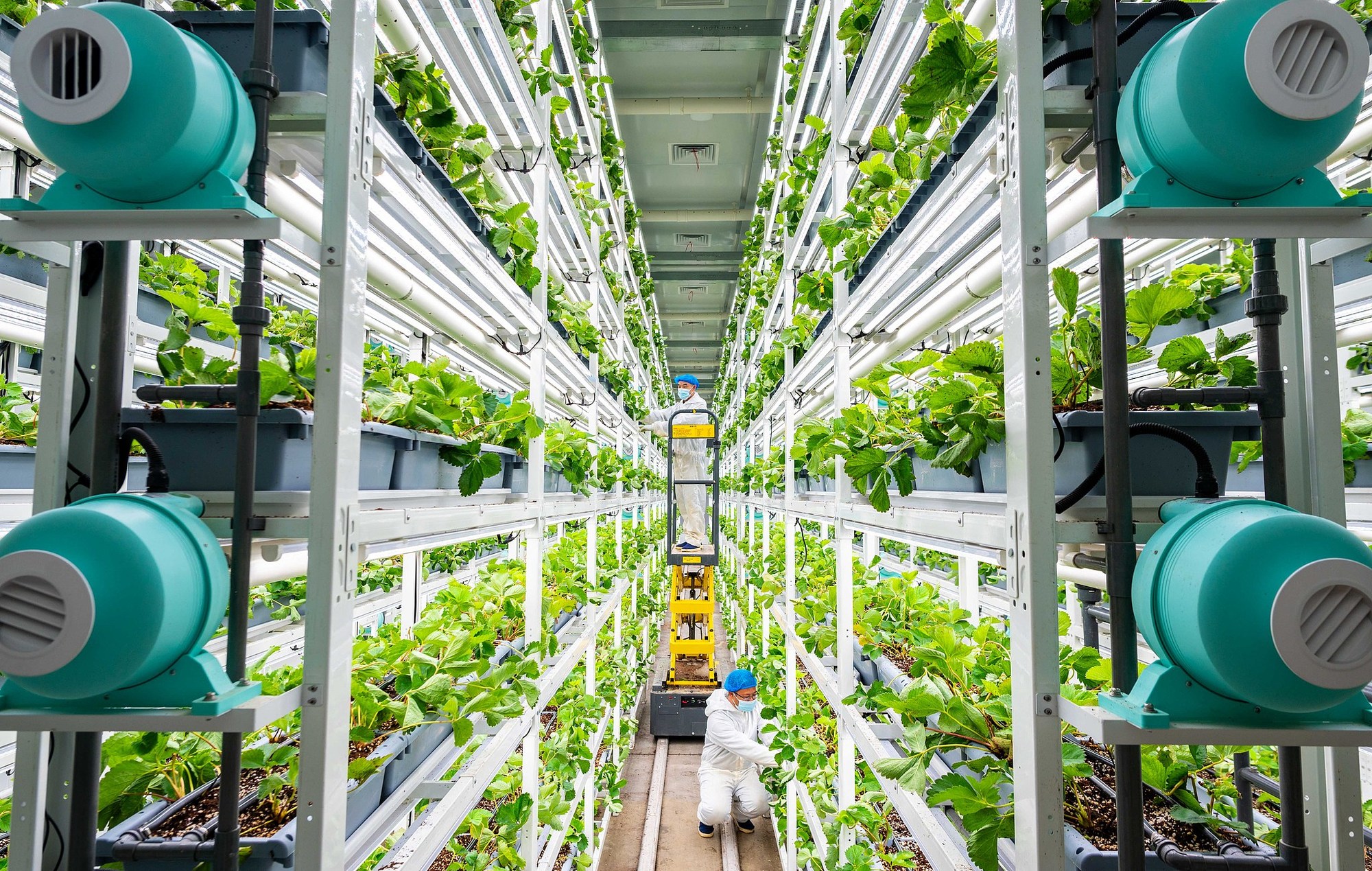
Core Viewpoint - The modernization of agriculture and rural areas in China is increasingly driven by technology and data, transitioning from traditional farming practices to data-driven approaches, with a clear outline for future development [1][6]. Group 1: Agricultural Production and Technology - By 2025, China's grain production is expected to reach 14,298 billion jin, an increase of 168 billion jin, maintaining a historical high for two consecutive years [3]. - The construction and upgrading of high-standard farmland will cover 7,568 million mu, with a cumulative total exceeding 1 billion mu [3]. - The comprehensive mechanization rate for crop farming is projected to reach 76.7% by 2025, indicating that over 70% of field operations will be mechanized [3]. - The contribution rate of agricultural technology progress has surpassed 64%, showcasing significant advancements in agricultural productivity [3]. Group 2: Income and Quality of Life for Farmers - By 2025, the per capita disposable income of rural residents is expected to reach 24,456 yuan, reflecting a real growth of 6% from the previous year [4]. - The improvement in farmers' income levels is attributed to the acceleration of new agricultural productivity, the deep empowerment of smart agriculture, and the development of diverse income channels [4]. - New industries and business models, such as rural tourism and e-commerce, are expanding, driven by technology-centered agricultural productivity [4]. Group 3: Systematic Transformation and Future Outlook - Smart agriculture is transforming the entire agricultural value chain, enhancing production methods, and extending the industry chain to improve the value chain [4]. - The systematic transformation facilitated by smart agriculture connects production, processing, circulation, and consumption, providing technical support and efficiency guarantees for rural development [4]. - The strategic signal for accelerating agricultural modernization is clear, aiming to improve the dignity and quality of life for farmers, with smart agriculture as a key focus in the initial phase of the "14th Five-Year Plan" [6].
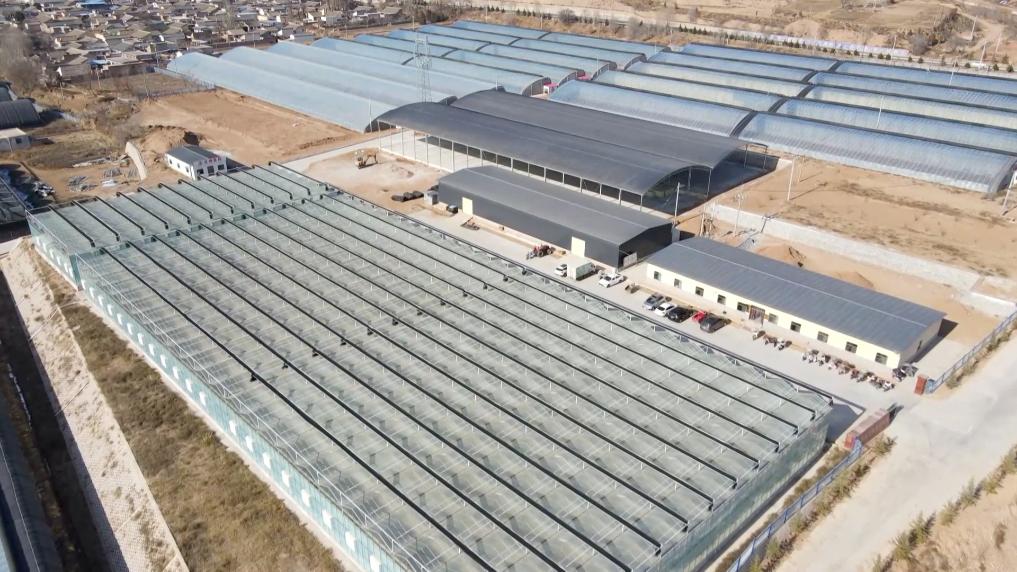
新华视点丨设施农业振兴路 黄土塬上新图景
Xin Hua Wang· 2026-01-24 07:15
Core Viewpoint - Gansu Province is advancing its agricultural sector through innovative operational models and technology, moving away from traditional farming methods to achieve large-scale and tech-driven rural revitalization. Group 1: Facility Agriculture Development - The modern facility agriculture industry park in Zhang County, Gansu, features over 70 modern greenhouses, showcasing collaboration between Jimo District of Shandong and Zhang County to empower local economies and increase income for residents [1]. - The "enterprise + cooperative + farmer" operational model implemented in the industry park generates over 1.5 million yuan annually for village collectives, serving as a benchmark for modern agricultural transformation and rural revitalization in Zhang County [3]. - Weiyuan County has developed a facility vegetable planting area of 5,600 acres, with a core demonstration area of 2,000 acres, creating a distinctive industrial belt along the Weihe River [5]. Group 2: Technological Integration in Agriculture - The Yino International Flower Port in Linxia City features a 200,000 square meter smart greenhouse that integrates high-tech facilities, achieving a 90% cut flower rate for AB-grade roses through precise control of light and nutrients [6]. - The smart sorting equipment at the flower port can grade 9,000 fresh-cut roses per hour, improving efficiency by 7 to 9 times compared to manual sorting, highlighting the effectiveness of technology in agriculture [6]. - The flower port has established a complete industrial chain from planting to processing and sales, developing deep-processing products like rose essential oil and expanding sales channels through e-commerce, reaching both domestic and international markets [8].
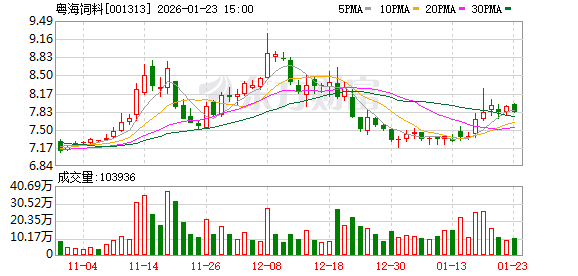
粤海饲料:公司将持续关注智慧农业前沿技术
Zheng Quan Ri Bao· 2026-01-23 12:45
证券日报网讯 1月23日,粤海饲料在互动平台回答投资者提问时表示,未来,公司将持续关注智慧农业 前沿技术,探索与主营业务协同的创新模式,积极履行社会责任,为乡村振兴贡献更多企业力量。 (文章来源:证券日报) ...


粮食产量再上新台阶!大国粮仓支撑更有力、动能更强粮食产量再上新台阶!大国粮仓支撑更有力、动能更强
Xin Hua Wang· 2026-01-23 02:07
Core Insights - China's agriculture is experiencing robust growth, with significant advancements in grain production and agricultural technology, contributing to national development and modern agricultural transformation [1] Group 1: Grain Production - In 2025, grain production is expected to reach 14,298 billion jin, an increase of 168 billion jin, marking a historical high and maintaining stability above 14 trillion jin for two consecutive years [2] - Soybean production is projected at 20.91 million tons, remaining above 20 million tons for four consecutive years, indicating sustained expansion in oilseed cultivation [2] - The livestock sector is showing stable growth, with effective measures taken to adjust the breeding stock of sows and positive progress in alleviating challenges in the beef and dairy industries [2] Group 2: Agricultural Infrastructure and Technology - Over 100 million acres of high-standard farmland have been established, with 7.568 million acres planned for new construction and upgrades in 2025 [4] - The contribution rate of agricultural technology advancements exceeds 64%, with over 95% of crop breeding areas utilizing domestically developed varieties [4] - The mechanization rate for crop farming has reached 76.7%, and the number of agricultural drones has surpassed 300,000, with operational areas exceeding 460 million acres [4] Group 3: Research and Innovation - Major discoveries in basic research include the revelation of how single cells can transform into complete plants, providing new theoretical support for crop genetic improvement [7] - Breakthroughs in frontier research include advancements in agricultural bio-manufacturing and the integration of artificial intelligence in agriculture [7] - Significant achievements in industrial technology include the development of the "Yangmai 53" wheat variety, addressing issues of disease resistance, yield, and quality improvement [7]
粮食产量再上新台阶!大国粮仓支撑更有力、动能更强
Xin Lang Cai Jing· 2026-01-23 00:20
Group 1 - The core viewpoint is that China's agriculture is experiencing significant growth and transformation, with record grain production and advancements in agricultural technology contributing to national development [1][9][10] Group 2 - Grain production is projected to reach 14,298 billion jin by 2025, marking an increase of 168 billion jin and maintaining a historical high for two consecutive years [1] - The soybean production is stable at 20.91 million tons, remaining above 20 million tons for four years [1] - The livestock sector is showing steady development, with a high-level adjustment in the national breeding sow inventory and positive progress in the beef and dairy industries [1] Group 3 - Over 100 million acres of high-standard farmland have been established, with 7.568 million acres planned for new construction and upgrades by 2025 [4] - The contribution rate of agricultural technology progress exceeds 64%, with over 95% of crop breeding areas using independently developed varieties [4] - The mechanization rate for crop farming has reached 76.7%, and the number of agricultural drones has surpassed 300,000, covering over 46 million acres annually [4] Group 4 - Major breakthroughs in agricultural science include significant discoveries in basic research, such as the cloning of the first high-temperature resistant rice gene, and advancements in agricultural bio-manufacturing [7] - The development of the "Yangmai 53" wheat variety addresses issues of resistance to fusarium head blight, yield, and quality improvement [7] - The research and application of agricultural robots are accelerating, addressing challenges in hilly areas where traditional machinery is ineffective [7]
农业农村部:今年常态化精准帮扶“缺什么、补什么”
Ren Min Ri Bao· 2026-01-22 23:24
Core Viewpoint - The article emphasizes the stability and progress in rural employment and agricultural production in China, highlighting the continuous efforts in poverty alleviation and rural revitalization, with a focus on maintaining a stable workforce of over 30 million in the labor market for five consecutive years [4][7][12]. Group 1: Agricultural Production and Employment - The agricultural sector has maintained a steady growth, with grain production stabilizing at over 1.4 trillion jin for two consecutive years, and the production of meat reaching 100.72 million tons, a year-on-year increase of 4.2% [5][12]. - The employment scale of the rural labor force has remained above 30 million for five years, with over 32 million workers engaged in employment from the poverty alleviation population [7][12]. Group 2: Food Supply and Quality - The supply of vegetables and other "basket" products is assured, with a significant increase in vegetable planting area by over 1.9 million mu compared to the previous year, and stable wholesale price indices for these products [6][12]. - The quality of agricultural products has improved, with a national monitoring compliance rate of 98% for food safety, and the comprehensive utilization rate of livestock manure exceeding 80% [5][9]. Group 3: Rural Infrastructure and Development - Continuous improvements in rural infrastructure are noted, with the rural sanitation toilet coverage rate at approximately 77%, and enhancements in water, electricity, and road conditions [9][10]. - The rural economy is diversifying, with a 5.6% year-on-year increase in the value added of large-scale agricultural processing, and the growth of new industries such as rural e-commerce and leisure tourism [9][12]. Group 4: Policy and Support Measures - The government is committed to maintaining stable support policies post-transition, integrating regular assistance into the rural revitalization strategy, and implementing targeted measures based on specific needs [7][8]. - A unified monitoring system will be established to ensure precise identification and dynamic adjustment of support for the poverty-stricken population, enhancing the effectiveness of employment assistance [8][12]. Group 5: Technological Advancements in Agriculture - The application of modern technology in agriculture is increasing, with a focus on enhancing agricultural innovation and the contribution rate of agricultural technology expected to exceed 64% by 2025 [11][12]. - Significant breakthroughs in agricultural biotechnology and the integration of artificial intelligence into agricultural practices are being pursued to improve productivity and sustainability [11].
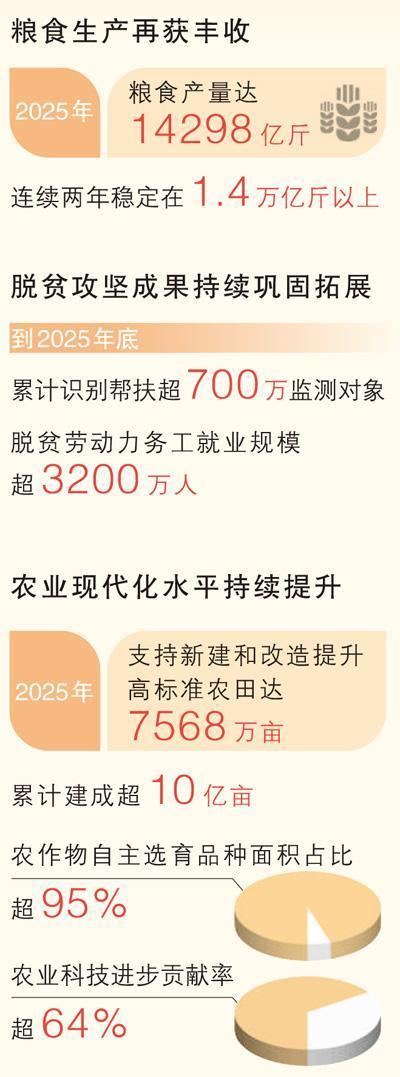
脱贫人口务工就业规模连续5年稳定在3000万人以上 今年常态化精准帮扶“缺什么、补什么”(权威发布)
Ren Min Ri Bao· 2026-01-22 22:03
Group 1 - The core viewpoint of the articles emphasizes the steady progress in agricultural modernization and rural revitalization in China, highlighting the successful completion of targets for the year and the "14th Five-Year Plan" [1][10] - The agricultural sector has maintained a stable growth trajectory, with grain production remaining above 1.4 trillion jin for two consecutive years, and the production of meat reaching 100.72 million tons, a year-on-year increase of 4.2% [2][9] - The quality of agricultural products has improved, with a national monitoring compliance rate of 98% for food safety, and the comprehensive utilization rate of livestock manure exceeding 80% [2][7] Group 2 - The government plans to enhance grain production through targeted measures, including optimizing production structures and expanding the cultivation of high-quality crops [2][4] - The "菜篮子" (vegetable basket) supply is assured for the upcoming Spring Festival, with an increase of over 1.9 million mu in vegetable planting area compared to the previous year [3][9] - The transition to a stable support policy for poverty alleviation is underway, with over 7 million individuals identified for assistance and a focus on maintaining employment for over 32 million people from impoverished backgrounds [4][5] Group 3 - Infrastructure improvements in rural areas are ongoing, with advancements in water, electricity, and transportation facilities [6][7] - The application of modern technology, including artificial intelligence in agriculture, is being promoted to enhance productivity and innovation in the sector [8][9] - The overall rural income is projected to reach 24,456 yuan per capita by 2025, reflecting a real growth of 6% year-on-year [7][9]
2025年农村居民人均可支配收入达24456元
Ren Min Ri Bao· 2026-01-22 21:57
Core Insights - In 2025, China's agricultural and rural development is expected to maintain a steady and positive momentum, with rural residents' per capita disposable income reaching 24,456 yuan, reflecting a real growth of 6% compared to the previous year [1] Economic Performance - The added value of the agricultural and sideline food processing industry above designated size is projected to increase by 5.6% year-on-year in 2025 [1] - New industries and business formats such as rural leisure tourism and rural e-commerce are continuously growing, effectively driving local employment and income for farmers [1] Infrastructure and Public Services - The penetration rate of sanitary toilets in rural areas is expected to reach approximately 77%, with continuous improvements in infrastructure conditions such as water, electricity, roads, and gas [1] - Public service levels in education, healthcare, and elderly care are significantly enhanced [1] Technological Advancements - The contribution rate of agricultural technological progress is anticipated to exceed 64% in 2025 [1] - The research and application of agricultural machinery is accelerating, with the comprehensive mechanization rate of crop planting and harvesting reaching 76.7% [1] - The application scenarios of smart agriculture are expanding across the entire chain, with the number of agricultural drones exceeding 300,000 and the annual operational area surpassing 46 million acres [1]