
民营经济促进法

Search documents
欧阳卫民:金融业发展应与企业同舟共济、同甘共苦
2 1 Shi Ji Jing Ji Bao Dao· 2025-06-28 10:21
Core Viewpoint - The development of the financial industry should not rely solely on traditional lending models but should instead focus on innovative financial solutions that support the growth of private enterprises and the real economy [1][2]. Group 1: Legislative Framework - The "Private Economy Promotion Law," effective from May 20, aims to address the financing challenges faced by private enterprises, providing a robust legal framework for their development [1][2]. - This law includes a dedicated chapter on "Investment and Financing Promotion," which is crucial for the growth of the private economy [2]. Group 2: Financial Innovation and Digital Economy - The rapid development of digital finance, leveraging technologies like AI and big data, offers new opportunities to alleviate financing difficulties for private and innovative enterprises [1][2]. - The core industries of the digital economy account for approximately 10% of GDP, with over 4,500 AI-related companies and a core industry scale nearing 600 billion RMB [2]. Group 3: Banking Practices and Credit Expansion - Current banking practices predominantly rely on collateralized loans, which do not necessarily equate to credit expansion but rather enhance asset liquidity [3][4]. - There is a pressing need to develop credit loans to support economic growth, with Guangdong positioned to lead in this area due to its history of financial innovation [3][4]. Group 4: Structural Financial Service Challenges - Small and micro enterprises heavily depend on bank loans, with limited access to capital markets and direct financing, indicating a need for structural changes in financial services [4]. - The financial asset structure is overly conservative, with a majority being bank assets, necessitating a shift to allow banks and their investment subsidiaries to engage in investment activities [4].
彭森:改革与发展,是中国应对外部冲击关键之策
Zhong Guo Xin Wen Wang· 2025-06-28 08:41
Core Viewpoint - The article emphasizes China's approach to stabilizing its economy amidst global economic uncertainties through reform and development strategies [1]. Group 1: Economic Response to External Challenges - Since April, the U.S. has implemented "reciprocal tariffs," disrupting global supply chains and challenging multilateral trade orders [2]. - China's foreign trade dependence on the U.S. has decreased from over 20% to around 12%, indicating a strategic reduction in reliance on a single market [2]. - In Q1, China's GDP grew by 5.4%, surpassing last year's growth rate and this year's target of 5% [2]. Group 2: Reform and Policy Initiatives - China has introduced various macroeconomic policies to stimulate economic activity and enhance competitiveness, including the "Promotion Law of Private Economy," which establishes the legal status of the private sector [3]. - New measures aimed at creating a unified national market and market-oriented resource allocation have been implemented to provide systemic support for economic stability [3]. Group 3: Manufacturing Transformation and High-Quality Development - The perception of "Made in China" is evolving, with a shift towards high-end and high-tech manufacturing, as evidenced by a Deutsche Bank report [4]. - China's manufacturing scale is approximately double that of the U.S. and four times that of Japan and Germany, with significant improvements in quality and structure [4]. - Key sectors such as high-speed rail, shipbuilding, and industrial robotics have seen substantial domestic production, with over 50% of global orders in these areas [4]. Group 4: Future Directions for Manufacturing - External pressures may accelerate China's efforts to enhance its industrial structure and upgrade its manufacturing capabilities [5][6]. - Future manufacturing strategies will focus on upgrading traditional industries, advancing strategic emerging industries, and fostering innovation in AI, quantum technology, and life sciences [6].
中小微企业日,民营经济政策宣讲走进中关村生命科学园
Bei Jing Ri Bao Ke Hu Duan· 2025-06-27 15:19
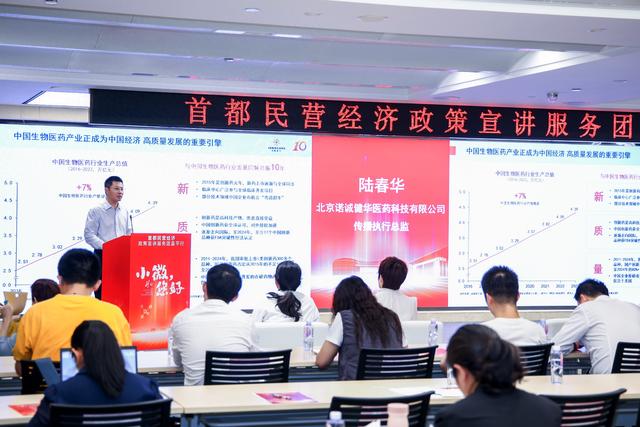
"10年前,我们也是一家只有十几人的小微企业。" 中关村生命科学园企业、北京诺诚健华医药科技有 限公司如今已成长为一家在香港和上海两地上市的中型创新药企业。诺诚健华企业传播执行总监陆春华 表示,小微企业发展离不开政策支持,医药行业尤为如此。北京出台促进创新医药产业"32条",对创新 药企发展有巨大帮助,深入园区的政策宣讲有助于将政策红利转变为企业发展动能,帮助更多小微企业 茁壮成长。 民营经济促进法出台,如何助推绿色生物经济高质量发展?首都民营经济政策宣讲服务团成员、华熙生 物董事长兼总裁赵燕结合自身企业发展情况,讲述对政策的理解,也为小微企业用好用足政策提供有益 借鉴。 转自:北京日报客户端 6月27日是联合国设立的"中小微企业日"。当天,"小微,您好"首都民营经济政策宣讲服务团昌平行活 动在中关村生命科学园举行,向医药健康领域的小微企业宣传解读民营经济促进法,推动产业政策在民 营小微企业落地生根。 活动由市工商联、市发展改革委、市经济和信息化局、昌平区政府、微博党委联合主办。近年来,昌平 区打造医药健康、先进能源、先进制造三大千亿级产业集群,为中小微企业提供了广阔发展空间。目前 全区规模以上中小微型企业已 ...


专访刘涛:须通过司法实践让民营经济促进法“长牙带刺”
2 1 Shi Ji Jing Ji Bao Dao· 2025-06-27 12:25
南方财经记者郑玮 广州报道 5月20日,《中华人民共和国民营经济促进法》(以下简称:民营经济促进法)在历经三次审议后正式 落地施行。这是中国第一部专门关于民营经济发展的基础性法律,也是第一次在法律中明确"促进民营 经济持续、健康、高质量发展,是国家长期坚持的重大方针政策",一经出台即引起市场热议。 在广东,民营经济促进法的落地实践更显迫切:在这座拥有超七百万户民营企业和超千万户个体工商户 的经济大省,民营经济贡献了全省50%以上的GDP、70%的创新成果,也直面融资壁垒、执法规范、跨 境规则衔接等深层挑战。 对民营企业家来说,此次落地施行的民营经济促进法有哪些亮点值得关注?哪些条文可能对民企经营发 展带来影响?作为促进型立法,民营经济促进法在实践过程中的法律效力又应如何得到保证?…… 围绕上述民企关注话题,南方财经《新粤商》专访广东省人大常委会委员、省律师协会副会长、省民营 企业律师服务团团长刘涛。 刘涛坦言,促进型立法在立法内容上以引导、扶持、鼓励等措施为主,部分促进型立法确实存在法律条 文较为抽象,具体性和确定性不足等问题,因此要让民营经济促进法真正发挥作用,必须通过司法实践 让法律条文"长牙带刺",要强 ...
海南华研:民营经济促进法为创新型民企注入强心剂
Zhong Guo Jing Ji Wang· 2025-06-27 02:06
Core Viewpoint - The implementation of the Private Economy Promotion Law provides a legal foundation for the sustainable and healthy development of private enterprises in China, instilling confidence in companies like Hainan Huayan [1][2]. Group 1: Legal Framework and Support - The Private Economy Promotion Law, effective from May 20, 2025, is the first fundamental law specifically aimed at promoting the development of the private economy in China [1]. - The law establishes a principle of "equal participation," which is crucial for innovative private enterprises seeking legal protection [1][2]. - It introduces a nationwide negative list system for market access, allowing various economic organizations, including private enterprises, to enter fields outside the list on an equal legal basis [3]. Group 2: Challenges and Opportunities - Despite facing challenges such as trade barriers and financing difficulties, private high-tech enterprises like Huawei and Yushutech demonstrate resilience and vitality through innovation [2]. - The law addresses issues such as market entry barriers, financing difficulties, and disadvantages in participating in research projects, which have historically hindered the growth of private enterprises [2][3]. Group 3: Financial Support and Innovation - The law mandates financial institutions to develop financial products tailored to the characteristics of private enterprises, enhancing credit supply and improving access to financing [4]. - It emphasizes the importance of intellectual property pledge financing, allowing private enterprises to secure funding for research and innovation [4]. - Hainan Huayan has successfully launched innovative products, such as collagen peptides, which have significantly increased revenue, showcasing the potential for growth through innovation [3][4]. Group 4: Market Dynamics and Competitive Strategies - The concept of "involution" in the market is addressed, with the company advocating for healthy competition that stimulates market vitality rather than destructive price wars [5]. - Hainan Huayan is exploring new applications for its products, expanding beyond traditional markets to include sports nutrition and health products for the elderly, thereby creating new market opportunities [5]. - The law's implementation is seen as a catalyst for private enterprises to leverage technological innovation and a legal business environment to ascend the value chain [5].
开启市场新动能 第十八届中国餐饮产业发展大会在乐山开幕(视频)
Zhong Guo Jing Ji Wang· 2025-06-23 06:00
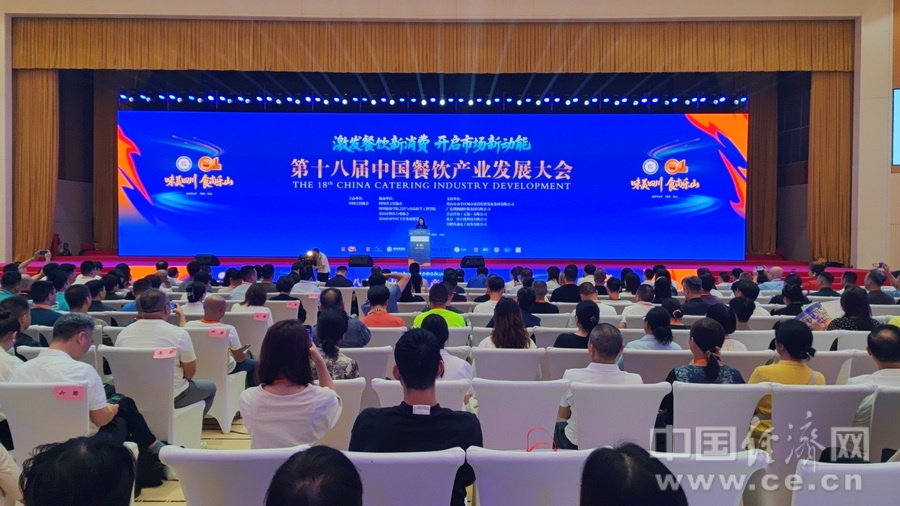
中国经济网乐山6月23日讯(记者 李冬阳) 6月20日,以"激发餐饮新消费 开启市场新动能——味美四 川,食尚乐山"为主题的第十八届中国餐饮产业发展大会在四川省乐山市盛大开幕。本次大会由中国烹 饪协会主办,是商务部2025年"中华美食荟"重要活动之一。 开幕式上,第十一、十二届全国人大常委会副委员长陈昌智致辞并宣布开幕。他指出,餐饮业作为 重要民生产业,对拉动消费、促进就业、推动经济增长作用显著。他强调,今年5月实施的《民营经济 促进法》作为我国首部民营经济专项基础性法律,为包括餐饮业在内的民营经济健康发展注入了强大法 治动力和信心。他鼓励餐饮业坚定信心,加快创新,强化品牌、安全和人才建设,持续推动高质量发 展。 四川省商务厅副厅长尹奇志发布《四川省促进餐饮业高质量发展实施方案》 中国经济网记者李冬阳/摄 开幕式上,中国烹饪协会与乐山市人民政府签署战略合作协议,中国烹饪协会副会长吴颖与乐山市 副市长许天毅作为代表签字,双方将在多领域开展深度合作,共同提升乐山美食在全国乃至全球的影响 力。为提升乐山美食品质与创新能力,"乐山味道食品饮料产业园菜品研发中心"正式成立。乐山市人大 常委会副主任左小林为中国烹饪协会推 ...
陕西部署民营经济促进法学习宣传贯彻工作
Shan Xi Ri Bao· 2025-06-22 22:53
为强化贯彻实施,保障民营经济促进法落地见效,通知要求,加快完善配套制度,对照法律规定做 好立改废释;全面落实法律规定,增强法治意识,履行法定职责,严格按照法定职权和程序开展工作, 积极协调解决民营经济发展中的重大问题,依法维护民营企业和民营企业家合法权益;强化行政执法监 督,以规范涉企行政执法专项行动为切入点,进一步健全涉企行政执法诉求沟通机制,及时受理并依法 处理投诉举报,着力纠治违反民营经济促进法等法律法规的行政执法突出问题;优化法律服务供给,持 续开展行政复议护航民营企业高质量发展等活动,加强行业性、专业性人民调解组织建设,稳步推进商 事调解试点工作,帮助民营企业及时解决经营发展中遇到的矛盾纠纷。 "我们要求各地各部门全面落实'谁执法谁普法、谁管理谁普法、谁服务谁普法'普法责任制,把学 习宣传活动开展情况记入年度普法工作台账,强化协同联动,创新方式方法,确保学习宣传贯彻工作扎 实开展。"省委依法治省办相关负责人表示。(记者:陶玉琼) 按照通知要求,陕西将加大普法力度。领导干部带头学,把民营经济促进法列入党委(党组)中心 组年度学习计划,通过组织专题学习和集体学习等方式,推动各级领导干部和国家机关工作人员 ...
省政协委员联系界别群众(经济界别)望海国际工作站:入户走访听民声 联系群众零距离
Hai Nan Ri Bao· 2025-06-20 01:04
省政协委员、海南港航控股有限公司项目中心副主任吴煌亮是工作站的进站委员。他认为,工作站 建在核心商圈里,不仅为他这样的港口工作者提供了一个独特的观察视角,也使他在履职过程中有了更 多机会和商户们沟通交流,听取他们对于优化港口物流等方面的意见建议。 "民营经济促进法作为第一部专门关于民营经济发展的基础性法律,必将帮助民营企业进一步坚定 发展信心、增强发展动力。"作为工作站联系的界别群众,坚果投影海南区域总经销杨俊足在参加学习 会后感触颇深。 过去一年,工作站充分发挥政协 委员主体作用,不断拓宽联系群众渠道,通过调研走访、专题研 讨、网上议政、座谈交流等多种形式密切同界别群众的联系,努力让界别群众感到委员就在身边、政协 离自己很近。 海南日报全媒体记者 黎鹏 对此,工作站积极发动进站委员,通过走访、座谈、问卷调查等方式,深入商超、商户、社区全面 了解各类市场经营主体的运营情况,并倾听界别群众呼声,反映他们的诉求。近一年来,该工作站累计 走访界别群众80余人次,围绕助推"以旧换新"政策落实落地与20余名进驻商家开展座谈,收集意见建议 近40条,并整理汇总成相关社情民意信息进行反映。 "国家坚持依法鼓励、支持、引导民 ...
热议民营经济促进法,中国制度创新及全球价值引发国际关注
Sou Hu Cai Jing· 2025-06-19 03:11
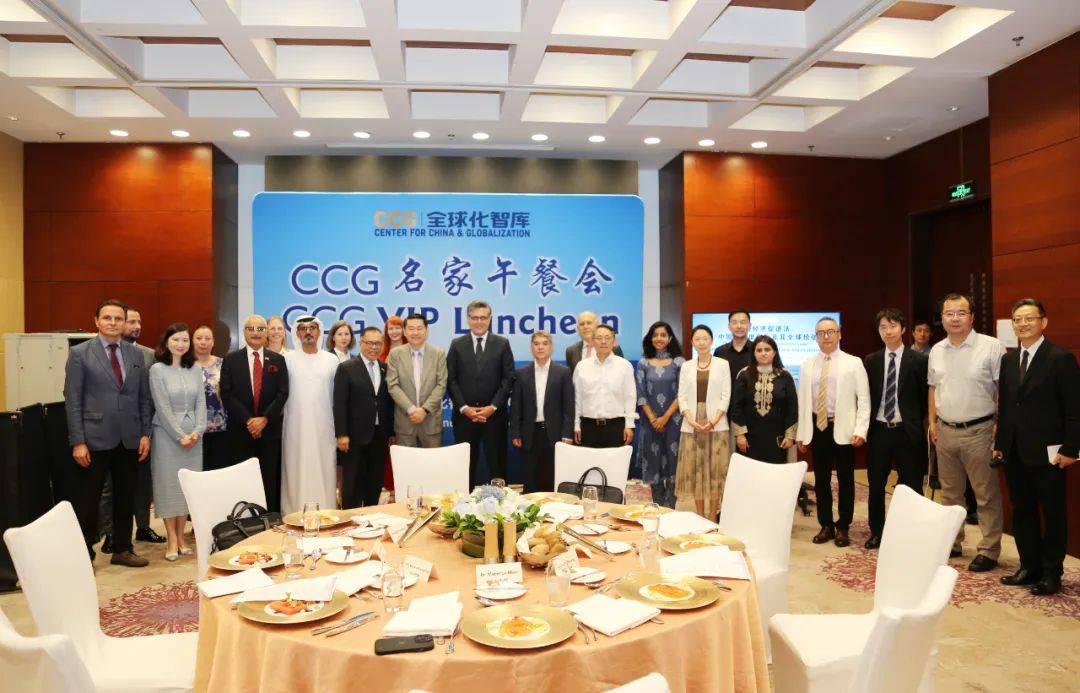
Group 1 - The event aimed to enhance international understanding of China's private economy legal framework and discuss the value of the Private Economy Promotion Law [2][5] - The event attracted nearly 40 elites from various sectors, including diplomats and business leaders from multiple countries, fostering a high-level platform for economic governance exchange [4][23] - The Private Economy Promotion Law, effective from May 20, 2025, is a significant step in China's legal system, marking the formal recognition of the private economy's role in national legislation [5][9] Group 2 - The law is seen as a milestone, clarifying the legal status of the private economy and addressing barriers to enhance business confidence, covering aspects like fair competition and innovation support [11][12] - The law's implementation is expected to optimize the business environment and stimulate market vitality, contributing to high-quality economic development in China [12][14] - The event provided valuable insights for policymakers, businesses, and academia, deepening understanding of the new law's implications and fostering constructive dialogue [23]
省政府党组理论学习中心组举行学习(扩大)会议
Shan Xi Ri Bao· 2025-06-17 23:08
6月16日,省政府党组理论学习中心组举行学习(扩大)会议,省长、省政府党组书记赵刚主持会 议并讲话。全国人大常委会法制工作委员会经济法室有关负责同志围绕《中华人民共和国民营经济促进 法》作专题授课,省政府领导班子成员和省直有关部门负责同志参加。 会议强调,要加大民营经济支持力度,依法保障市场公平准入,充分发挥民营企业市场敏锐、管理 高效、转化迅速、激励有效等优势,深度融入全省创新体系、产业体系,加大优质企业梯度培育力度, 支持产业链上下游企业强强联合,促进大中小企业融通发展,助力企业持续提升核心竞争力。要强化法 治思维,加快清理拖欠企业账款,扎实推进规范涉企行政执法专项行动,充分发挥"陕企通"、政企恳谈 会等各类平台渠道作用,推动构建亲清政商关系,依法平等保护民营企业和民营企业家合法权益。要加 快完善配套制度,建强法律服务体系,加大普法力度,加强法律运用,常态化通报破坏营商环境典型案 例,引导民营企业和民营企业家诚信守法经营,努力营造全社会关心支持促进民营经济发展的良好氛 围。(记者:陈玮) 会议指出,法治是最好的营商环境,民营经济促进法将党中央关于促进民营经济发展的重大方针政 策和重要举措上升为法律规范,为 ...