
Robotaxi

Search documents
千里科技(601777):智驱未来,千里之行始于当下
Soochow Securities· 2026-01-19 09:27
Investment Rating - The report gives a "Buy" rating for the company, marking its first coverage [1]. Core Insights - The company is undergoing a significant transformation from traditional manufacturing to smart mobility, with a focus on AI-driven technologies and strategic partnerships [12][15]. - Financial indicators are gradually improving, with a forecasted revenue increase and a positive cash flow outlook, indicating a recovery from previous financial difficulties [6][27]. - The strategic partnership with Geely and the introduction of new technologies are expected to enhance the company's competitive position in the smart driving sector [70][80]. Summary by Sections 1. Business Transformation and Financial Analysis - The company has shifted from a motorcycle-centric business to a focus on smart vehicles, with significant investments in AI technology and strategic partnerships [12][15]. - Revenue is projected to grow from 7.04 billion yuan in 2024 to 10.64 billion yuan in 2026, with a compound annual growth rate (CAGR) of approximately 19.8% [1]. - The net profit is expected to increase significantly, from 40 million yuan in 2024 to 160 million yuan in 2026, reflecting a strong recovery trajectory [1]. 2. Business Segments Performance - The motorcycle business remains stable, with a focus on high-displacement models and a gradual recovery in revenue and profitability [43][44]. - The automotive segment, particularly through the joint venture with Geely, is expected to contribute significantly to revenue, with a projected 59.96% share of total revenue by 2024 [53][54]. - The technology segment is expanding, with a focus on AI-driven solutions and smart driving technologies, aiming to establish a comprehensive ecosystem [70][80]. 3. Strategic Partnerships and Market Position - The company has formed a robust partnership with Geely and other tech firms, enhancing its capabilities in AI and smart driving [70][80]. - The introduction of the "千里浩瀚" smart driving solution is expected to position the company as a key player in the autonomous driving market [89]. - The company plans to leverage its partnerships to enhance its product offerings and expand its market reach, particularly in the smart mobility sector [70][80].

马斯克狂砸16亿“买”他5年,揭秘特斯拉2号人物,那个睡工厂的狠人
3 6 Ke· 2026-01-19 07:29
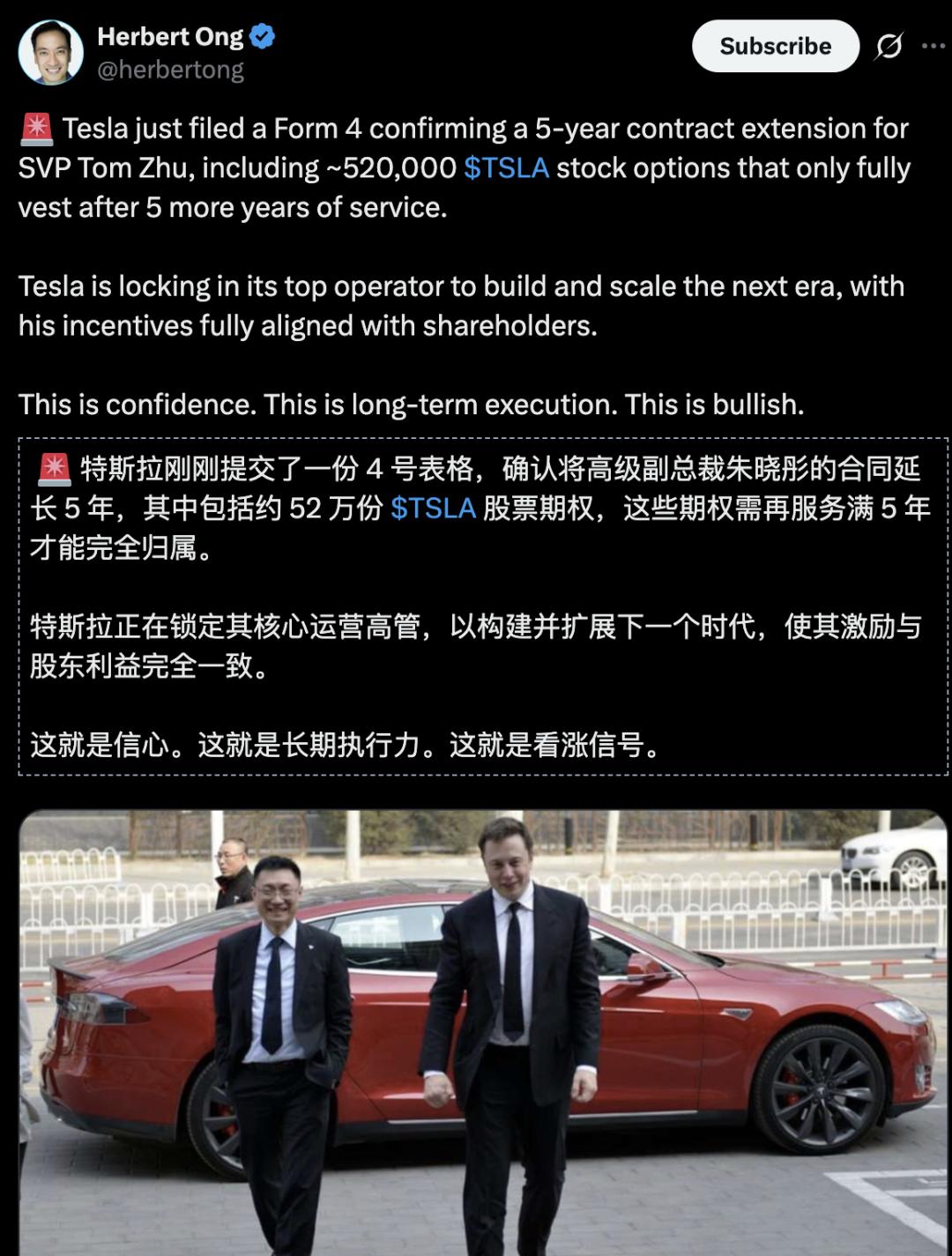
Core Insights - Tesla has granted over 520,000 stock options to Tom Zhu, valued at approximately $233 million, contingent on meeting specific KPIs over five years [1][7][10] - This stock option grant signifies Tesla's commitment to long-term execution and strategic leadership, highlighting Zhu's critical role in the company's operations [3][5][10] Group 1: Stock Options and Strategic Importance - Tom Zhu's stock options have an exercise price of $435.80 per share, and he must remain with Tesla until March 5, 2031, to fully realize this incentive [7][8] - The current stock price of Tesla is around $445 to $450, making the options appear to be a break-even situation, yet it reflects a deeper strategic bet on the company's long-term value [10][12] - Zhu's leadership is seen as essential for Tesla's ambitions to achieve unprecedented production targets and market leadership [10][20] Group 2: Tom Zhu's Background and Achievements - Tom Zhu, born in Shenyang, China, has a background in engineering and project management, having worked on significant infrastructure projects in Africa before joining Tesla in 2014 [12][14] - Zhu was pivotal in establishing Tesla's Supercharger network in China, overcoming significant challenges to enhance the company's market presence [14][15] - His leadership during the construction of the Shanghai Gigafactory was transformative, completing the project in just nine months, which was previously deemed impossible [15][18] Group 3: Future Goals and Challenges - Zhu's current objectives include achieving the ambitious KPIs set for 2031, which involve delivering 20 million vehicles, reaching 10 million FSD subscriptions, producing 1 million humanoid robots, and generating $50 billion in profit [26][29] - The success of the Optimus robot production is crucial, with plans to produce 100,000 units annually by 2026, potentially generating over $20 billion in revenue [25][26] - Zhu's understanding of the Chinese manufacturing landscape is expected to play a vital role in scaling Tesla's operations globally [25][29]


16亿只是保底,马斯克想给朱晓彤的是100亿
36氪· 2026-01-16 14:41
Core Viewpoint - Tesla is undergoing significant changes under the leadership of Tom Zhu, who has been granted a long-term stock option plan, indicating his critical role in the company's future and the need for stability in operations as Elon Musk diversifies his focus across multiple ventures [6][11][28]. Group 1: Tom Zhu's Role and Contributions - Tom Zhu has been awarded 520,021 stock options with a theoretical value of up to $226 million, highlighting his importance to Tesla's future [6]. - Zhu's management style and dedication are evident as he has been instrumental in the rapid construction and efficiency of the Shanghai factory, which has become Tesla's largest production base [17][18]. - His promotion to Senior Vice President of Automotive Business reflects his critical role in global operations, especially during times when Musk's attention is divided [27][28]. Group 2: Shanghai Factory Efficiency - The Shanghai factory has achieved impressive production efficiency, with each worker producing 48-50 vehicles annually compared to 25-28 at the Fremont factory, showcasing a significant labor cost advantage [22]. - The factory's local sourcing rate is 96%, and its production costs are 65% lower than those in the U.S., contributing to Tesla's competitive edge [22]. - Zhu's hands-on approach, including living on-site during critical production periods, has been pivotal in maintaining high operational standards [24]. Group 3: Challenges Ahead - Tesla faces challenges in scaling production at its other factories, particularly in Berlin and Texas, where expansion has not met expectations [56]. - The company aims to increase the Berlin factory's capacity to 1 million vehicles, but current output is only 500,000 [57]. - The Cybertruck's production has been significantly below expectations, with only 2,000 units sold in 2025, necessitating urgent action to improve production efficiency and market demand [67][69]. Group 4: Future Strategic Goals - Tesla's future hinges on successfully launching the Cybercab and improving Cybertruck production, which requires innovative manufacturing processes and regulatory approvals for autonomous driving technology [70][72]. - Zhu's ability to replicate the Shanghai factory's success across global operations will be crucial for Tesla's competitiveness in the evolving automotive landscape [55][72]. - The next five years will be a critical test for Zhu, as his performance will significantly impact Tesla's market position and operational success [73].
鸡肋L3,奔驰不玩了
3 6 Ke· 2026-01-16 09:18
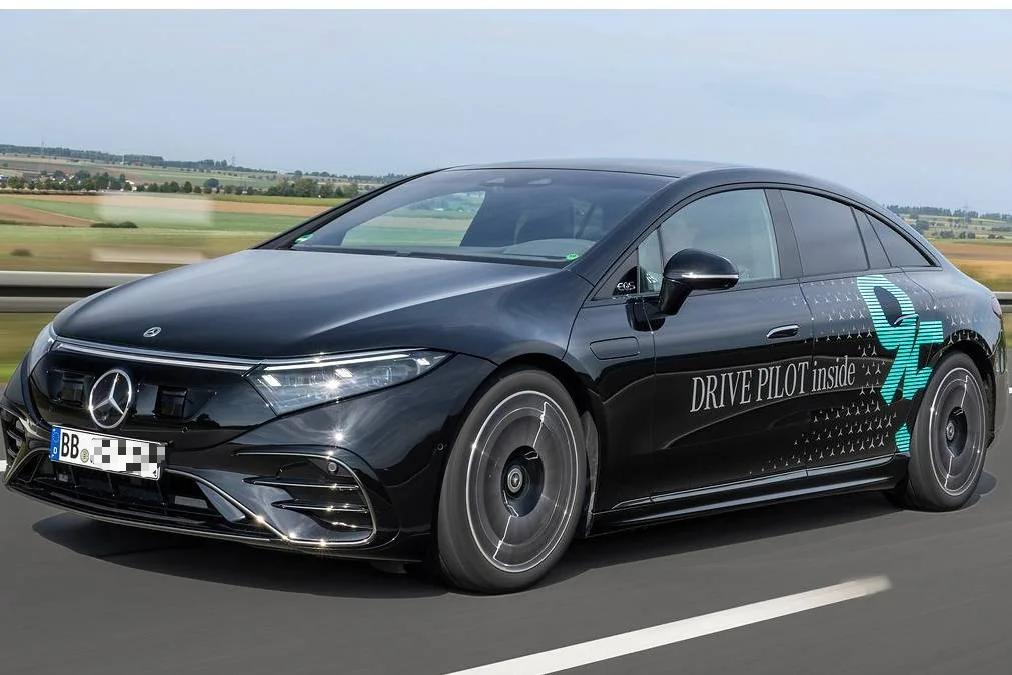
Core Viewpoint - Mercedes-Benz has decided to abandon its L3 autonomous driving system, focusing instead on L2+ and L4 technologies, as L3 has proven to be impractical and limited in its application [1][2][7]. Group 1: Company Actions - Mercedes-Benz, a pioneer in L3 technology, will no longer supply L3 systems and will concentrate on developing L2+ assisted driving systems [2][5]. - The company had previously developed the Drive Pilot system, which allowed conditional L3 autonomous driving, but this feature will not be included in the upcoming S-Class model [5][7]. - Mercedes-Benz is collaborating with Momenta for L2 systems and with NVIDIA for L4 systems, indicating a strategic shift away from L3 [5][7]. Group 2: Industry Context - The L3 autonomous driving level has been criticized for its strict operational conditions, which limit its usability and user experience [4][7]. - Industry players have varying attitudes towards L3; while some, like Huawei, are optimistic, others, including Tesla, are focusing on L2 and L4 without emphasizing L3 [7][8]. - The current trend in the industry suggests a move away from L3, with companies like NIO and XPeng prioritizing L4 development over L3, reflecting a broader shift in technological focus [8][9].
16亿只是保底,马斯克想给朱晓彤的是100亿
虎嗅APP· 2026-01-15 14:18
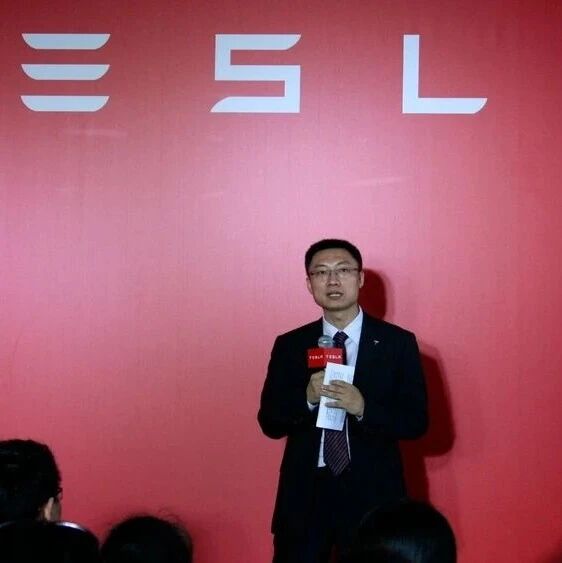
Core Viewpoint - Tesla's recent stock option grant to Tom Zhu, a key executive, signals the company's commitment to retaining essential talent amid challenges, reflecting a shift in Elon Musk's management style towards long-term incentives [4][5][8]. Group 1: Stock Option Grant - Tesla granted 520,021 stock options to Tom Zhu with an exercise price of $435.80, potentially worth $226 million at the time of grant, and could rise to approximately $1.4 billion if Tesla's market cap reaches $8 trillion as promised by Musk [4][5]. - The stock options will vest over five years, with 1/48 of the shares becoming exercisable monthly starting April 2027, culminating in full vesting by March 2031 [7][8]. Group 2: Tom Zhu's Role and Achievements - Tom Zhu is considered irreplaceable for Tesla's future, having rapidly advanced through the company since joining in 2014, and is now a key player in global operations [6][8]. - Zhu led the Shanghai Gigafactory's construction, achieving a record of starting production within the same year of breaking ground, and has been pivotal in making it Tesla's most efficient and cost-effective production site [10][11]. - The Shanghai factory's production efficiency is notable, with each worker producing 48-50 vehicles annually compared to 25-28 at the Fremont factory, and local production costs being 65% lower than in the U.S. [12][13]. Group 3: Challenges and Future Goals - Despite the success of the Shanghai factory, Tesla faces challenges in expanding production at other facilities, such as Berlin and Texas, which have not met expected output levels [34][35]. - Musk has ambitious targets for the Cybercab and Cybertruck, with plans for the Cybercab to achieve a production rate of 200 vehicles per hour, but current realities show significant gaps between targets and actual performance [36][39]. - Zhu must navigate multiple challenges, including ensuring the successful launch of the Cybercab, improving Cybertruck production rates, and enhancing overall factory efficiency to match Shanghai's standards [45][46][47].
比亚迪新品牌“领汇”亮相,4款车型均是“熟面孔”
Guo Ji Jin Rong Bao· 2026-01-15 09:03
Core Viewpoint - BYD has quietly established a new brand called "Linghui" aimed at the B-end market, which includes four models derived from existing vehicles, to enhance its high-end strategy and separate its B-end and C-end offerings [1][2][3] Group 1: Brand Development - The new Linghui brand includes four models: Linghui e5, e7, e9 (all electric) and Linghui M9 (plug-in hybrid), which are iterations of existing models from BYD's Dynasty and Ocean series [1] - The establishment of the Linghui brand is intended to create a clear distinction between vehicles aimed at B-end customers and those for C-end consumers, facilitating BYD's high-end market strategy [1][2] Group 2: Market Strategy - In 2025, BYD's sales growth slowed, with total sales of 4.6024 million units, a 7.73% increase year-on-year, indicating a decline compared to previous years [2] - The Dynasty and Ocean series remain the main sales drivers, contributing over 88.5% of total sales, while high-end brands like Fangchengbao and Tengshi have limited impact on overall sales [2] Group 3: Operational Efficiency - The separation of B-end vehicles into the Linghui brand allows for optimized resource allocation and channel management, reducing conflicts in sales strategies and customer management between different brands [3] - The independent brand structure is designed to better meet the specific needs of B-end customers, focusing on cost, maintenance convenience, and lifecycle efficiency, contrasting with C-end priorities like design and emotional value [3] Group 4: Future Outlook - The launch of the Linghui brand is also seen as a strategic move to position BYD in the emerging Robotaxi market, which is expected to experience significant growth in the next five years [3] - This approach allows for deeper collaboration with ride-hailing platforms and supports BYD's own mobility service platform, aligning with the industry's shift towards a "manufacturing + service" model [3]

北汽新能源的“破壁”时刻
Hua Er Jie Jian Wen· 2026-01-13 03:23
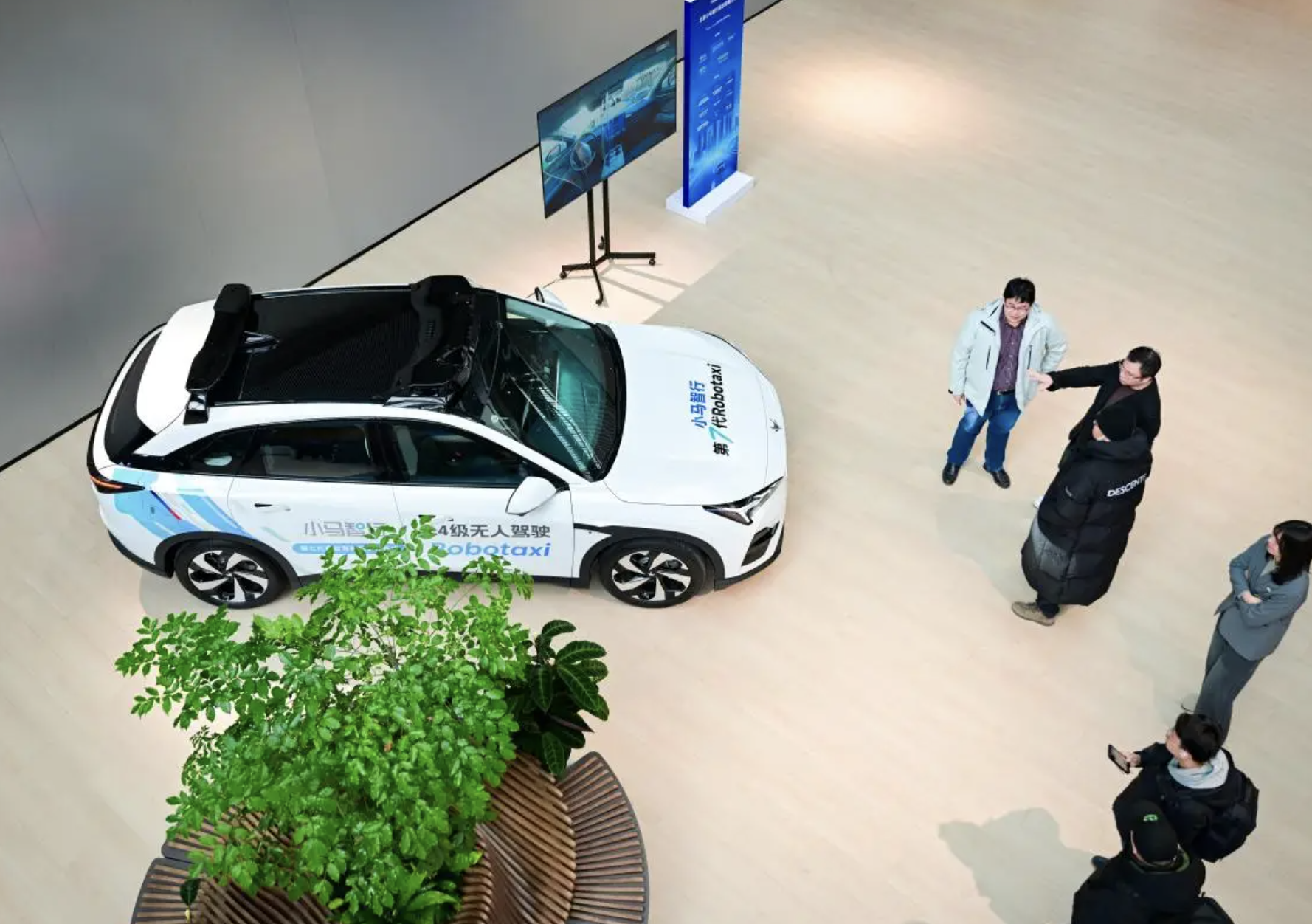
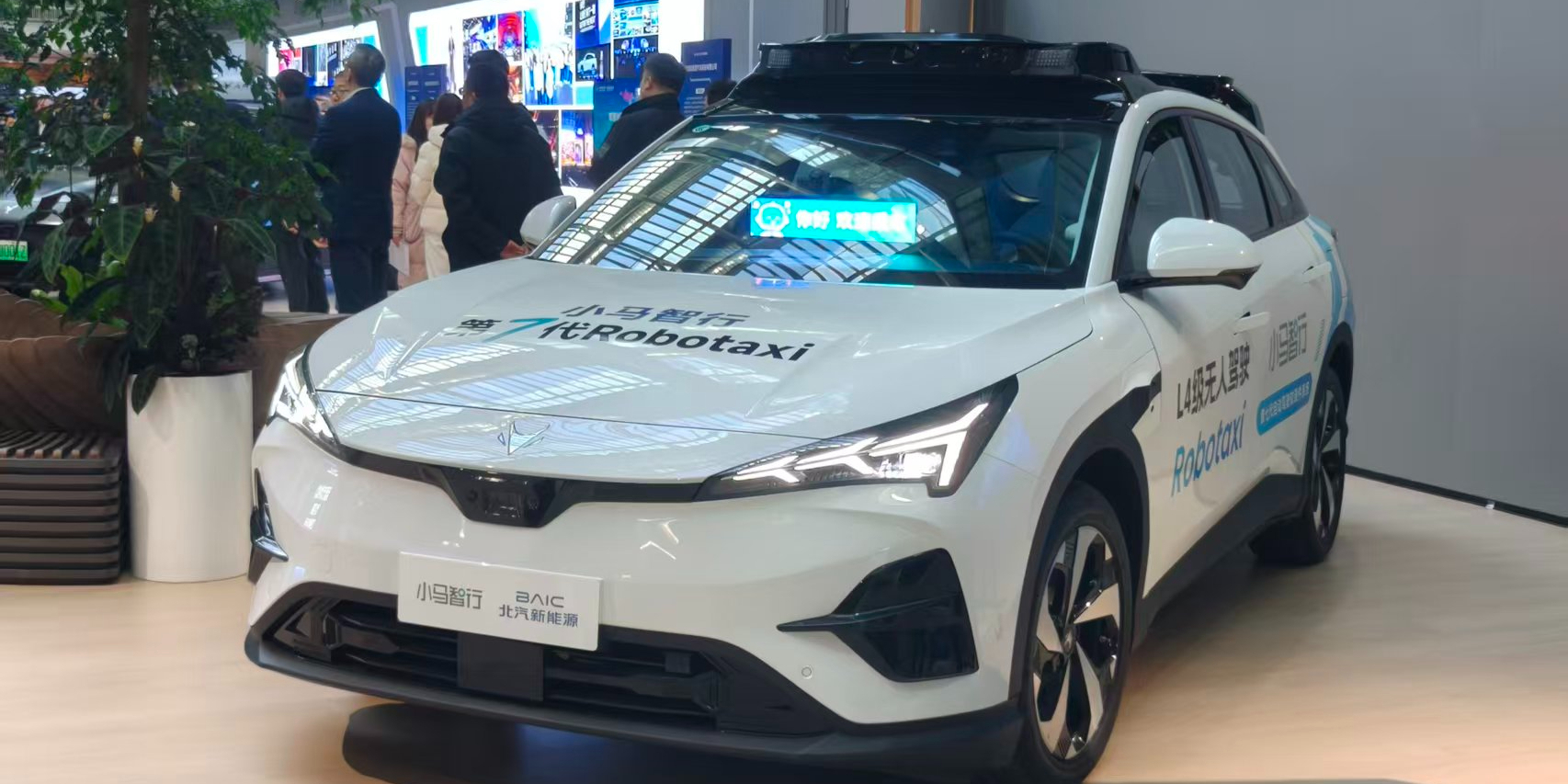
Core Insights - Beijing Automotive Group's New Energy Vehicle (BAIC BJEV) is accelerating its transformation from a traditional car manufacturer to an "ecosystem builder," focusing on the Robotaxi market [2][3] - The partnership with Pony.ai aims to leverage BAIC's Alpha T5 Robotaxi platform to expand into the Middle East and Europe, utilizing China's advantages in the new energy supply chain and autonomous driving algorithms [3][4] Group 1 - BAIC BJEV signed a strategic agreement with Pony.ai on January 10, marking a significant step in its transition towards becoming a system integrator capable of industrializing Level 4 autonomous driving technology [2] - The company has already produced 600 Alpha T5 Robotaxis, which are operational in Beijing and Shenzhen, indicating a successful data loop closure [2] - The collaboration with Pony.ai not only enhances Robotaxi capabilities but also has the potential to improve BAIC's passenger vehicle autonomous driving technology [3] Group 2 - BAIC BJEV plans to focus on its "Xiangjie" brand in collaboration with Huawei, aiming to replicate the success of the AITO brand by expanding its product matrix [4] - The Xiangjie S9 has begun penetrating the executive sedan market, with plans to introduce new SUV and MPV models [5] - The company is set to gradually open Level 3 autonomous driving features to individual users by 2026, which will serve as a key differentiator in the competitive 200,000 to 300,000 yuan market [6] Group 3 - BAIC BJEV is undergoing a deep transformation, balancing its high-end luxury offerings through the "Xiangjie" brand while capturing future mobility opportunities with the Robotaxi initiative [6] - The company aims to enhance its mainstream market presence with the Arcfox brand by upgrading existing models and introducing competitive pricing and features [6]
智能驾驶元年或开启!Robotaxi商业化进程加速,智能驾驶ETF(516520)开年首周强势吸金3.75亿元
Xin Lang Cai Jing· 2026-01-12 06:01
Group 1 - The year 2026 is widely regarded as the "year of commercialization for autonomous driving," driven by the implementation of L3-level autonomous driving regulations, a significant drop in hardware costs, and the empowerment of AI large models [1][5] - The smart driving ETF (516520) has attracted 375 million yuan in the first week of 2026, reaching a new high in fund size and shares at 1.067 billion yuan and 778 million shares, respectively [1][5] - Tesla's Robotaxi has recently launched operations without safety drivers, representing a significant advancement in L4/L5 level autonomous driving technology for shared mobility services [5][6] Group 2 - The smart driving ETF (516520) closely tracks the CSI Smart Car Theme Index, which includes companies providing terminal perception and platform applications for smart vehicles, reflecting the overall performance of the smart automotive industry [2][6] - The top five secondary industries represented in the index are automotive parts (24.0%), semiconductors (19.6%), passenger vehicles (14.4%), software development (11.3%), and communication equipment (7.1%), covering multiple segments of the smart automotive supply chain [2][6] - Huatai-PB Fund, the manager of the smart driving ETF, is one of the first ETF managers in China and has launched the Huatai-PB CSI 300 ETF (510300), which has a market size of 437.4 billion yuan and is highly active in the market [2][6] Group 3 - On January 11, Huatai-PB Fund announced a cash dividend for the Huatai-PB CSI 300 ETF (510300), distributing 1.23 yuan per 10 fund shares, with a total dividend amount close to 11 billion yuan, potentially setting a new record for single cash dividends in domestic ETFs [3][7]
L3、L4齐发,北汽新能源猛攻自动驾驶商业化
Jing Ji Guan Cha Wang· 2026-01-12 02:54
Core Viewpoint - The launch of L3 version of BAIC's Arcfox Alpha S marks a significant step towards the commercialization of autonomous driving in China, with a strategic partnership established with Pony.ai to enhance L4 Robotaxi production and operation [2][3]. Group 1: Company Developments - BAIC New Energy officially commenced large-scale pilot operations for the L3 version of Arcfox Alpha S on January 10, indicating a shift towards commercial deployment in the autonomous driving sector [2]. - The company is one of the first in China to cover autonomous driving technology from L2 to L4, having received the first batch of L3 autonomous driving licenses by December 2025 [2]. - The self-developed "Yuanjing Intelligent" architecture provides crucial technical support for obtaining these licenses [2]. Group 2: Strategic Partnerships - BAIC New Energy and Pony.ai have entered a comprehensive strategic cooperation, moving into a "2.0 era" that focuses on creating a complete closed-loop from technology development to commercial operation [2][4]. - The collaboration began in November 2024, with BAIC providing a fully redundant chassis architecture and Pony.ai supplying its seventh-generation autonomous driving software and hardware system [3]. Group 3: Market and Product Expansion - The L4-level Arcfox Alpha T5 Robotaxi has begun mass production, with over 600 units produced and operational in various complex driving scenarios, achieving safety levels ten times higher than human drivers [3]. - Starting from November 2025, the Robotaxi has been fully operational in key areas of Beijing and Shenzhen, demonstrating a successful integration of production, testing, and operation [3]. Group 4: Future Directions - Future collaboration will focus on five dimensions: product development, market expansion, supply chain integration, ecosystem construction, and capital cooperation, aiming to create a sustainable Robotaxi business ecosystem [4]. - The partnership aims to promote "Chinese solutions" in international markets, particularly in the Middle East and Europe, while optimizing the L4 lifecycle costs [4]. - BAIC New Energy plans to collaborate with more global tech companies to explore innovative boundaries in smart vehicles, contributing to significant changes in the global mobility industry [4].
小鹏汽车20260109
2026-01-12 01:41
Summary of Xiaopeng Motors Conference Call Company Overview - **Company**: Xiaopeng Motors - **Year**: 2026 Key Points Industry and Market Environment - The automotive industry has experienced a tightening market environment with reduced subsidies, impacting consumer purchasing costs [2][6][10] - The overall market has faced challenges due to the withdrawal of subsidies and consumer adaptation to new pricing structures [10] Product Strategy - Xiaopeng Motors plans to launch four new SUV models starting in April 2026, marking a significant shift from previous years where only one new model was introduced at a time [2][4] - The company aims to increase its SKU count due to the replacement of NVIDIA chips with self-developed Turing chips, which are expected to enhance product offerings [8] Technology and Cost Management - Xiaopeng will fully replace NVIDIA chips with its self-developed Turing chips across all new models, aiming to reduce hardware costs and improve competitiveness [5][6] - The introduction of the second-generation VLA large model in Q1 2026 will gradually cover all models by Q2 [5] Sales Targets and Strategies - The sales target for 2026 is set at 600,000 vehicles, with a quarterly goal of achieving an average monthly sales of 30,000 units [2][7] - The focus will shift towards Robotaxi and robot production in the second half of the year, with plans to trial Robotaxi services in Guangzhou by Q3 [7] Pricing and Consumer Strategy - Xiaopeng's pricing strategy is conservative, focusing on enhancing product configurations rather than competing solely on price [6][8] - The oil-electric parity strategy aims to promote the extended-range models, encouraging consumer acceptance of similar pricing for both extended-range and pure electric versions [8] Future Growth Opportunities - The company plans to expand its product line with more new SUV models and increase overseas exports, which are expected to be significant growth drivers [9] - The development of the Robotaxi sector is anticipated to be a key factor influencing Xiaopeng's stock price, with expectations of a market capitalization exceeding 200 billion yuan by the second half of 2026 [3][11] Financial Outlook - Xiaopeng's profit in 2026 is expected to remain stable compared to 2025, supported by strong foundational business from Volkswagen [12] - The company is optimistic about the potential for surprises in robot delivery and production in the latter half of the year [12][13] Overall Outlook - Despite uncertainties in the domestic automotive market, Xiaopeng is well-prepared for future developments, particularly in the Robotaxi sector, which could solidify its position in the market [13] - The current price level is viewed as a potential buying opportunity due to the company's promising outlook [13]