双碳目标

Search documents
《气候资源经济蓝皮书——中国气候资源经济转化研究报告(2025)》发布
Xin Lang Cai Jing· 2025-12-25 13:18
Core Insights - The "Climate Resource Economic Transformation Blue Book" was released at the second Climate Resource Economic Transformation Technology Exchange Conference, outlining the current state of climate resource application in the economy and providing scientific support for achieving carbon neutrality and ecological civilization [1][2] Group 1: Current State and Challenges - China's climate resource transformation faces challenges such as technological bottlenecks and imperfect mechanisms, necessitating technological empowerment, institutional innovation, and regional collaboration to overcome these issues [2] - The blue book highlights the need for a unified scientific accounting standard system to facilitate the marketization of climate ecological products [2][4] Group 2: Sector-Specific Insights - In agriculture, climate resource assessment has contributed to food security, with findings indicating that the corn planting area in Northeast China has expanded by approximately 6.1 million acres due to warming [3] - In the energy sector, the development efficiency of wind and solar energy is constrained by meteorological factors, and improved forecasting accuracy can reduce disaster losses and optimize grid scheduling [3] - In tourism, climate landscapes have emerged as new economic growth points, with Chongqing identifying suitable climate areas based on temperature and humidity indices [3] - In health and wellness, research shows significant correlations between meteorological factors and diseases, with precise forecasting aiding in reducing morbidity rates [3] Group 3: Future Directions - The blue book emphasizes the need to enhance technological capabilities in monitoring and forecasting, improve resource assessment precision, and establish robust policy and market mechanisms to support climate resource transformation [4] - It advocates for deep integration of climate considerations into energy transition, health care, and green finance strategies to cultivate new growth areas in the climate economy [4] - The promotion of cross-administrative resource development and ecological compensation mechanisms is essential for building a complementary value transformation community [4]
2025中国节能协会创新奖揭晓
Zhong Guo Neng Yuan Wang· 2025-12-25 13:15
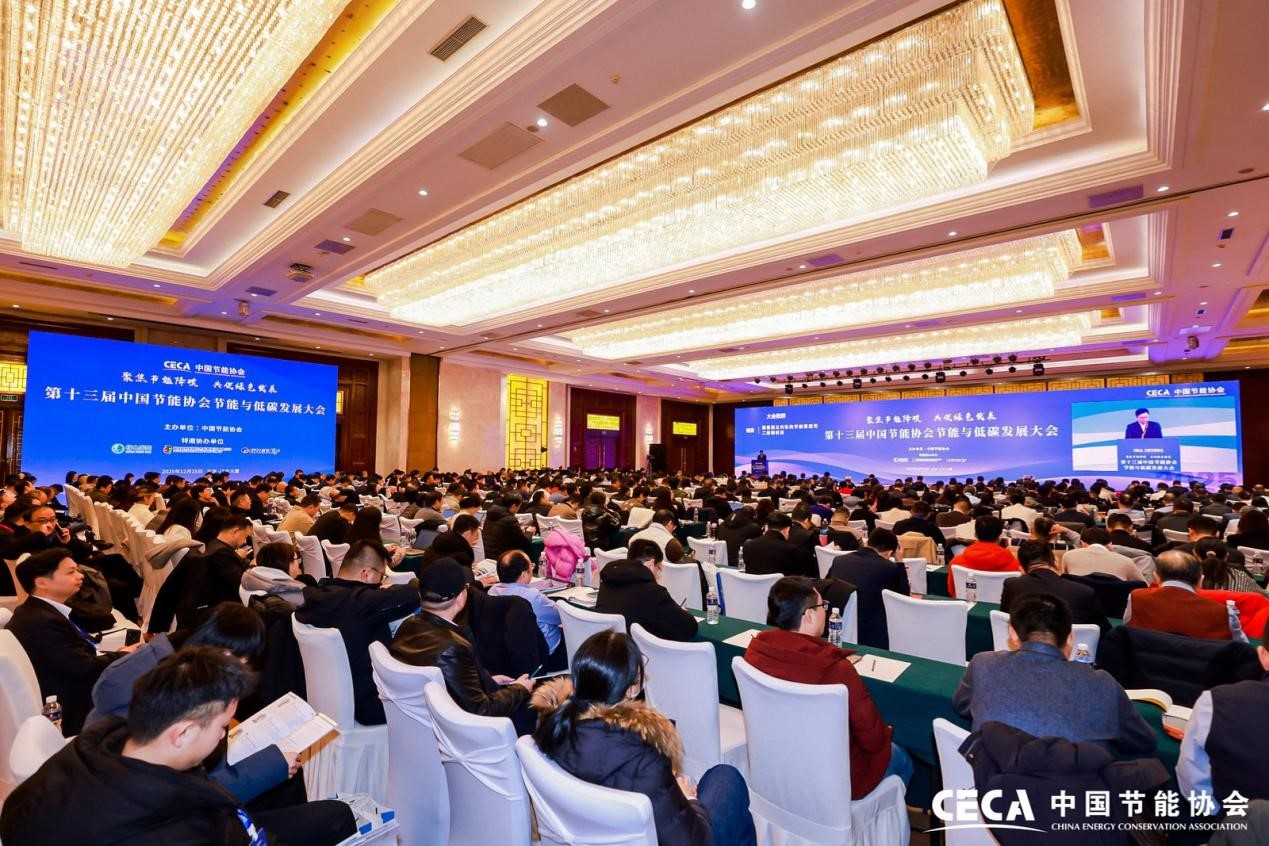
Core Viewpoint - The 13th China Energy Conservation and Low Carbon Development Conference was held in Beijing, highlighting the importance of innovation in energy conservation and low carbon technologies, with the 2025 China Energy Conservation Association Innovation Award ceremony taking place concurrently [1][5]. Group 1: Event Overview - The conference gathered over 600 representatives from government departments, industry associations, enterprises, and media to witness the achievements in the energy conservation and low carbon sector [1]. - The China Energy Conservation Association Innovation Award, established in 2013, focuses on scientific research, technological innovation, and the transformation of technological achievements in energy conservation and emission reduction [2]. Group 2: Award Details - A total of 219 submissions were received for the 2025 awards, covering eight major industries including mining, manufacturing, and transportation, and spanning seven academic fields such as metallurgy and environmental science [2]. - After a rigorous selection process, 72 outstanding achievements were recognized, including two individuals awarded the "China Energy Conservation Association Energy Conservation and Emission Reduction Science and Technology Achievement Award" and 66 innovative technologies receiving the "China Energy Conservation Association Energy Conservation and Emission Reduction Science and Technology Progress Award" [3]. Group 3: Innovation and Future Directions - The awarded innovations align with the "dual carbon" goals, featuring technologies for energy-saving transformations in traditional high-energy-consuming industries as well as breakthroughs in new energy applications and digital energy conservation [5]. - The China Energy Conservation Association plans to incorporate relevant technologies into its key energy-saving and carbon-reduction product promotion directory, facilitating the implementation of outstanding innovations nationwide [8].

1.91亿元!中国石化子公司买下万亿赛道“入场券”
Xin Lang Cai Jing· 2025-12-25 12:41
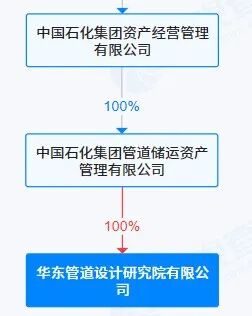
Core Viewpoint - The acquisition of East China Pipeline Design Institute by Sinopec Refining Engineering is a strategic move to position itself in the emerging trillion-yuan market of hydrogen energy and chemical pipelines, leveraging the institute's key qualifications in pipeline design [1][3][23]. Group 1: Acquisition Details - Sinopec Refining Engineering's subsidiary, Nanjing Engineering, acquired 100% of East China Pipeline Design Institute for 191 million RMB, with the institute's net assets valued at 168 million RMB and a projected net profit of 10.48 million RMB for 2024 [3][22]. - The strategic value of the acquisition lies in the institute's "Class A qualification" in oil and gas pipeline transportation, which is a critical entry requirement for large-scale pipeline projects [5][25]. Group 2: Market Opportunities - The acquisition positions Sinopec Refining Engineering to tap into the burgeoning hydrogen energy market, which is expected to account for 18% of global energy demand by 2050, according to the International Hydrogen Council [9][27]. - The current challenges in the hydrogen industry, particularly in storage and transportation, highlight the importance of pipeline solutions, which can reduce costs significantly compared to traditional transport methods [10][30]. Group 3: Strategic Implications - The integration of East China Pipeline Design Institute's resources will enhance Sinopec Refining Engineering's capabilities in providing comprehensive EPC services, crucial for competing in both traditional and emerging markets [7][27]. - The acquisition is also seen as a strategic move to strengthen Sinopec's position in the Middle East, where there is a growing demand for energy transition infrastructure, including hydrogen pipelines [11][35]. Group 4: Future Outlook - The pipeline construction market in China, including hydrogen pipelines, is projected to exceed 1.8 trillion RMB by 2030, indicating significant growth potential for Sinopec Refining Engineering [10][31]. - The timing of the acquisition aligns with China's 14th Five-Year Plan and the upcoming 15th Five-Year Plan, positioning the company to capitalize on the expected surge in demand for energy infrastructure [16][36].

滁州城投收购毅昌科技:新能源汽车与储能产业生态协同迈入新阶段
Quan Jing Wang· 2025-12-25 12:13
Core Viewpoint - The acquisition of control over Guangzhou Yichang Technology Co., Ltd. by Chuzhou Urban Investment Holding Group marks a significant step in the integration of the Yangtze River Delta, enhancing the development of the new energy vehicle and energy storage industries in Chuzhou [1][4]. Group 1: Industry Development - Chuzhou has transitioned from a follower to a leader in the new energy and intelligent connected vehicle sectors, establishing a complete industrial chain from core components to vehicle manufacturing [1]. - The city has attracted major battery companies such as Guoxuan High-Tech and Chuzhou Xingheng, with Guoxuan High-Tech's lithium iron phosphate battery production capacity ranking among the top in the industry [1]. - In 2024, Chuzhou's new energy vehicle production is expected to exceed 800,000 units, representing a 45% year-on-year increase, making it a key driver of regional economic growth [1]. Group 2: Yichang Technology's Role - Yichang Technology has implemented a dual-driven strategy of "automotive fundamentals + new energy business," leading to both performance growth and structural optimization [2]. - The company has established a comprehensive product system and strong customer relationships in the automotive sector, collaborating with major automakers like BYD and Great Wall Motors, which have production bases in Chuzhou [2]. - In the first half of 2025, Yichang Technology's automotive business revenue grew by 24.30%, becoming a significant support for the company's overall performance [2]. Group 3: Synergy and Strategic Fit - The rapid development of Yichang Technology's new energy business enhances its synergy with Chuzhou's industrial ecosystem, with significant revenue growth of 177.09% in the first half of 2025 [3]. - The company has entered growth areas such as liquid cooling for energy storage and thermal management for power batteries, securing projects with leading clients like CATL and Sungrow [3]. - Yichang Technology's expansion into humanoid robotics aligns with Chuzhou's strategic goal of becoming a strong manufacturing city, potentially enriching the regional industrial ecosystem [3]. Group 4: Strategic Acquisition Implications - The acquisition is not merely a capital injection but a strategic match based on industrial logic, aiming for a synergistic effect where the combined value exceeds the sum of individual contributions [4]. - This model of mutual empowerment has been validated in Chuzhou's industrial practices, with previous investments leading to rapid development of companies like Lishen Battery and Chuzhou Xingheng [4]. - The acquisition is expected to contribute to Chuzhou's ambition of becoming a leading city in advanced photovoltaic and new energy storage industries, as well as a significant base for the new energy vehicle sector [4]. Group 5: Future Outlook - Chuzhou Urban Investment will adhere to principles of market-oriented operations and professional management while respecting Yichang Technology's operational autonomy [5]. - The city will continue to optimize its industrial policies and business environment to support Yichang Technology and other regional enterprises [6]. - With the support of Chuzhou Urban Investment and the regional industrial ecosystem, Yichang Technology is poised to become a competitive player in the new energy vehicle and storage sectors, further enhancing the overall competitiveness of the region [6].

辽宁开原风电项目投运 年减碳49.6万吨
Zhong Guo Xin Wen Wang· 2025-12-25 11:53
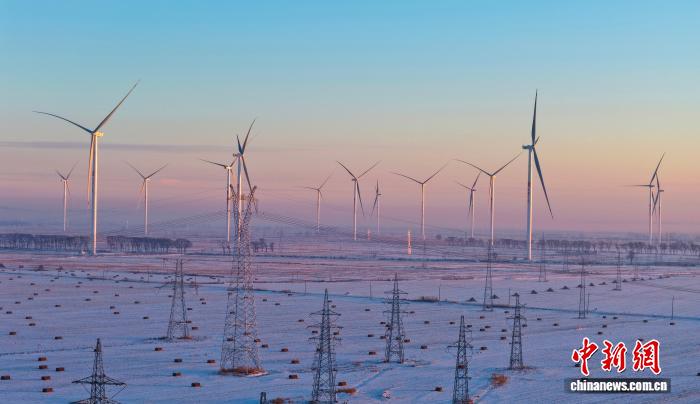
2025年12月24日,在辽宁省开原市,辽宁省开原市庆云堡200兆瓦风电项目升压站受电一次成功, 标志着该项目正式投入运营。王翕瞳 摄 辽宁省开原市庆云堡200兆瓦风电项目共安装40台单机容量5兆瓦的风电机组。全容量投产后,预计年发 电量6.08亿千瓦时,每年节约标准煤18.65万吨,减少二氧化碳排放49.6万吨。 风电项目的顺利并网,是辽宁持续推进清洁能源建设、落实"双碳"目标的又一实质性进展。近年来,辽 宁省积极布局风电、光伏等新能源项目,加快构建清洁低碳、安全高效的能源体系。该项目投入运营 后,将进一步提升清洁能源在电力供给中的比例,为区域经济社会高质量发展注入绿色动能。 辽宁开原风电项目投运 年减碳49.6万吨 中新网铁岭12月25日电 (王翕瞳 韩宏)在辽北平原上,一排排白色风电机组迎风转动,将不息的风力转 化为清洁电能。12月24日22时58分,辽宁省开原市庆云堡200兆瓦风电项目升压站受电一次成功,标志 着该项目正式投入运营。 作为辽宁省"十四五"期间重点能源建设项目,该风电场的投运将为区域能源结构优化与绿色发展提供新 支撑。 编辑:熊思怡 广告等商务合作,请点击这里 本文为转载内容,授权事宜请 ...
聚焦2025IEEF | 能源转型与绿色低碳发展
Sou Hu Cai Jing· 2025-12-25 11:10
Core Viewpoint - The global energy transition towards green and low-carbon systems is gaining momentum despite geopolitical challenges, with a clear path emerging for renewable energy development and technological advancements in energy storage, hydrogen, and nuclear energy [3][4]. Group 1: Global Energy Transition - The global average temperature is projected to exceed the 1.5°C threshold set by the Paris Agreement in 2024, with CO2 emissions in the energy sector reaching a record high of 40.8 billion tons [3]. - Renewable energy sources like solar and wind have become the main contributors to new power generation capacity due to technological advancements and cost reductions [3]. - The transition paths vary significantly across countries and regions due to differences in resource endowments, technological capabilities, and development stages [3]. Group 2: China's Energy Strategy - By 2025, China aims to reduce greenhouse gas emissions by 7% to 10% and increase the share of non-fossil energy consumption to over 30% by 2035, with a target of 360 million kilowatts for wind and solar capacity [4]. - China is advancing its "dual carbon" goals, optimizing its energy structure, and enhancing energy efficiency, marking a new era of rapid development for renewable energy [4]. - The core of the green energy transition is a technological revolution, with a focus on integrating coal, oil, natural gas, renewable energy, carbon neutrality, and smart technologies into a cohesive energy system [4]. Group 3: Nuclear Energy Development - China has achieved 100% domestic production of key nuclear power equipment and plans to approve 10 new nuclear power units by 2025, maintaining a steady growth in nuclear capacity [6]. - The country is implementing a three-step strategy for nuclear energy development, focusing on thermal, fast, and fusion reactors, with the goal of commercializing fusion energy by 2050 [6]. Group 4: New Power System - The new power system requires a collaborative approach among generation, grid, load, and storage, aiming for a safe, green, economical, and shared energy future [7]. - The electricity demand in China is expected to grow steadily, reaching 13.5 trillion kilowatt-hours by 2030 [7]. Group 5: Renewable Energy Challenges - The global renewable energy sector is projected to add over 4,600 gigawatts of capacity by 2030, with solar energy accounting for 80% of this growth, but faces challenges in system integration and manufacturing health [8]. - The financial difficulties of renewable energy manufacturers due to falling prices of solar components pose risks to the long-term supply chain [8]. Group 6: Resource Constraints - The transition to wind and solar energy may face significant resource constraints, as the demand for minerals required for renewable energy generation could increase twelvefold by 2060 compared to 2020 levels [11]. - A reevaluation of the reliance on wind and solar energy is necessary, considering the potential role of nuclear energy and fossil fuels combined with carbon capture, utilization, and storage (CCUS) [11]. Group 7: International Cooperation - China has become a significant contributor to global renewable energy development, accounting for over 45% of global wind and solar installations and reducing solar costs by 80% [12]. - The country has mobilized over 177.6 billion yuan in climate funding to support developing countries in their energy transitions [12].
我国首部,正式发布
中国能源报· 2025-12-25 10:43
Core Viewpoint - The first Climate Resource Economic Blue Book in China emphasizes the transformation of climate resources into goods and services through policies, market mechanisms, and technological innovation, aiming to create economic value and promote sustainable use of climate resources, which is significant for food security, industrial upgrading, and improving people's well-being [1][2]. Group 1: Agricultural Insights - The assessment of agricultural climate resources supports food security, revealing that the corn planting area in Northeast China has expanded by approximately 6.1 million acres due to climate warming, highlighting the "beneficial" effects of climate change [1]. Group 2: Energy Sector Analysis - China possesses abundant wind and solar energy resources; however, the development efficiency is constrained by meteorological factors. Research indicates that improving the accuracy of wind and solar forecasts can reduce disaster loss ratios and optimize power grid scheduling [1]. Group 3: Tourism Development - Climate landscapes, such as cloud seas and sunrises, have become new growth points for local economies. In Chongqing, the suitability of a mild climate throughout the four seasons has been calculated based on temperature and humidity indices, and a weather index for misty landscapes has been developed to help tourists understand the mist conditions at attractions [1]. Group 4: Health and Wellness - Research on health meteorology reveals a significant correlation between meteorological factors and diseases of the respiratory and circulatory systems. Accurate forecasting can help reduce morbidity rates. The integration of "meteorology+" and multi-department collaboration can enhance public health response capabilities, providing important technological support for building a better health service system [2]. Group 5: Policy and Research Implications - As the first Climate Resource Economic Blue Book in China, it provides scientific support for the efficient transformation of climate resources, serving the "dual carbon" goals and ecological civilization construction, and offers scientific references for research, government decision-making, industrial innovation, and climate governance [2].

巨融能源在“500强”赛道全速进阶
中国能源报· 2025-12-25 10:43
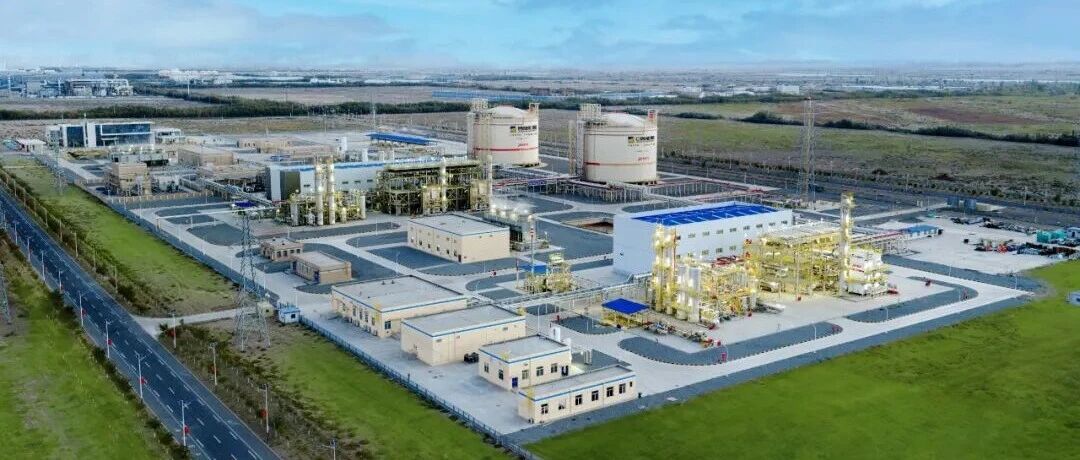
▲ 巨融能源哈密生产中心。巨融能源/供图 入围中国能源企业500强,是对巨融能源多年发展积累的一次阶段性认可。这是社会信任和时代责任的体现,是对巨融能源在夯实LNG 产储供销全产业链体系、服务民生保供方面所作努力的一种认可。 巨融能源的成长,体现在其实体业务的规模化与网络化建设上,并完成三重跨越。 巨融能源从早期扎根新疆的区域运营角色,不断成长为全国性能源供应链服务商之一。该公司的核心布局深度嵌入国家能源通道关键节 点,在新疆巴州、哈密、甘肃古浪、内蒙古通辽等地建设多个天然气液化生产中心,总年产能达300万吨。目前,巨融能源构建了覆盖 全国的高效物流网络,拥有300余辆LNG运输槽车,年运力超百万吨,实现了从生产到供应的全链路保障,"保供稳价"作用不断凸显。 新发展形势下,入围" 500强"需要企业具备整合国内外资源、平抑市场波动的强大韧性支撑。为此,巨融能源着力构建"西北资源基地 +沿海贸易网络+国际资源池"的三级引擎,创新"资源池"供应模式,整合西部天然气资源与东部进口LNG,实现多气源互补,以应对复 杂多变的市场环境。 "双碳"目标背景下,天然气作为通向新能源时代的"伙伴能源",其清洁属性和调峰价值愈发 ...
向新、向绿、向开放——电力数据折射湖北发展新动向
Xin Hua Wang· 2025-12-25 10:00
Core Insights - The electricity data from Hubei reflects a shift towards new, green, and open economic development, with significant growth in high-tech manufacturing and electric power usage in key industries [1][2]. Group 1: Electricity Consumption and Economic Growth - Hubei's industrial electricity consumption reached 158.74 billion kilowatt-hours in the first 11 months of the year, marking a year-on-year increase of 6.6% [2]. - High-tech manufacturing electricity consumption grew by 14.1% year-on-year, indicating a robust expansion in this sector [2]. - The industrial economy of Hubei has surpassed 5 trillion yuan, with the added value of high-tech manufacturing accounting for 17% of the industrial output above designated size [2]. Group 2: Automotive Industry Development - The Lantu Automobile factory in Wuhan reported a 223% increase in electricity consumption, correlating with a total vehicle sales of 134,200 units, which is an 82% year-on-year increase [1]. - The automotive industry is a pillar of Hubei's economy, driving advancements in electric, intelligent, and connected vehicle technologies, as well as benefiting upstream industries like chips and power batteries [1]. Group 3: Environmental Initiatives - The "Changjiang Sanxia 1" electric cruise ship operates in Yichang, showcasing the city's commitment to reducing noise and emissions through the promotion of shore power and new energy vessels [3]. - Yichang has established 179 shore power stations across 71 ports, providing over 62 million kilowatt-hours of shore power, equivalent to replacing more than 14,000 tons of fuel and reducing harmful gas emissions by 46,000 tons [3]. Group 4: Logistics and Trade Expansion - The Hubei Flower Lake International Airport has seen its electricity load increase from 7,050 kilowatts at its inception to a peak of 20,160 kilowatts, reflecting its growth as a major cargo hub [4]. - The airport now operates 111 cargo routes, leading to a significant increase in cargo volume from under 10,000 tons in 2022 to over 1.4 million tons this year [4]. - Hubei's total import and export value reached 750.23 billion yuan, a year-on-year increase of 19.3%, with Ezhou's import and export value soaring by 424.5% [4].
“抢出口”抢出上扬线,中国以开放突围赋能全球经济|2025中国经济年报
Hua Xia Shi Bao· 2025-12-25 09:40
Core Viewpoint - In 2025, despite global trade protectionism, China's foreign trade demonstrated resilience with export growth and an optimized trade structure, showcasing the strength and adaptability of China's supply chain [1][4]. Group 1: Trade Performance - In 2025, China's exports experienced a series of peaks, with "export grabbing" becoming a norm under tariff pressures [2]. - Since February 2025, China's goods trade has maintained a year-on-year growth for 10 consecutive months, with exports accounting for 14.2% of global exports in the first half of the year, a historical high [4]. - The total import and export scale exceeded 41 trillion yuan in the first 11 months, marking a historical record [4]. Group 2: Policy and Economic Outlook - The Chinese government continues to prioritize opening up as a fundamental national policy, with expectations for foreign trade to maintain steady growth driven by high-level openness and new economic drivers in 2026 [1][5]. - The release of the 2025 version of the Market Access Negative List reduced the number of items from 117 to 106, enhancing the investment environment for both domestic and foreign entities [7]. Group 3: Foreign Investment Confidence - Multinational companies are increasingly confident in investing in China, with 94% of surveyed companies continuing to invest in the Chinese market, and 75% planning to maintain or increase their investments in 2025 [6]. - The shift from being a "world factory" to a "global innovation center" is creating unprecedented opportunities for multinational enterprises in China [6][7].