双碳战略

Search documents
中信银行北京分行携手中信金租、海博思创 共筑“储能 + 金融”产融协同新生态
Bei Jing Qing Nian Bao· 2025-09-07 18:19
Core Viewpoint - The collaboration between CITIC Bank Beijing Branch, Haibo Sichuang Technology Co., Ltd., and CITIC Financial Leasing Co., Ltd. aims to leverage the integration of industry and finance in the "energy storage + finance" sector, targeting the trillion-level energy storage asset market to support the construction of a new power system and the achievement of carbon neutrality goals [1][2]. Group 1: Industry Context - China's dual carbon goals are advancing, with the National Development and Reform Commission's Document No. 136 being implemented, leading to a shift in the energy storage industry from policy-driven to market-led growth [1]. - The construction costs of energy storage stations are decreasing, and the electricity spot market is gradually opening, enhancing the economic viability of energy storage assets [1]. Group 2: Company Profiles - Haibo Sichuang is a leading company in China's energy storage industry, focusing on the research, production, and application of new energy storage technologies, with a market capitalization exceeding 10 billion [2]. - CITIC Bank, one of the earliest commercial banks established during China's reform and opening-up, has been actively involved in domestic and international financing, providing differentiated financial services to enterprises [2]. - CITIC Financial Leasing is a strategic component of CITIC Group and CITIC Bank, focusing on financing leasing in various sectors, including green business, and has accumulated rich experience in financing projects related to wind, solar, water, storage, and hydrogen [3]. Group 3: Strategic Collaboration - The three parties will leverage their respective resources and strengths in industry, technology, financial innovation, and leasing to create a financing model that integrates "energy storage assets + specialized operations + comprehensive financial solutions" [3]. - This strategic partnership reflects CITIC Bank Beijing Branch's commitment to green finance and supporting national energy strategies, aiming to innovate financial products and services to enhance the vitality of the energy storage industry [3].


从硅钢片到电动重卡,武钢东风“钢铁闭环”领跑新能源商用车赛道
Chang Jiang Ri Bao· 2025-09-07 00:28
Core Insights - The collaboration between Dongfeng Motor Corporation and Baowu Steel Group aims to achieve comprehensive electrification in steel logistics, creating a closed-loop system from "materials-manufacturing-application" [1] - Wuhan Iron and Steel Co., Ltd. has developed high-strength lightweight steel that reduces the weight of electric heavy-duty trucks by over 10%, enhancing their range [1] - Dongfeng's annual orders for thousands of new energy heavy trucks provide a full-chain solution for Baowu's green logistics, with just 50 electric trucks capable of reducing emissions by over 1,500 tons annually [1] - The project exemplifies industry integration in response to the "dual carbon" strategy, with local government support accelerating its implementation through policies encouraging the purchase of Dongfeng's new energy heavy trucks [1] - Wuhan has established a scalable application pattern in the new energy commercial vehicle sector, particularly highlighted by the collaboration between Dongfeng and Baowu in green logistics [1]


惟楚有材斯为盛 智造双星砥中流——探源湘企敢为人先逐新求变的精神密码
Shang Hai Zheng Quan Bao· 2025-09-05 20:20
Core Viewpoint - Xiangdian Co., Ltd. is positioning itself as a leader in the green low-carbon sector by leveraging its expertise in electromechanical integration and focusing on high-end, intelligent, and green development [2][5][6]. Group 1: Company History and Development - Founded in 1936, Xiangdian has evolved alongside China's growth, becoming a key player in the electrical industry and producing landmark products such as the first domestically made 2MW direct-drive permanent magnet wind turbine generator [2][3]. - The company has a rich history of innovation, with products like the 5800kW synchronous motor and ultra-high-speed permanent magnet motors, showcasing its commitment to technological advancement [2][3]. Group 2: Business Strategy and Market Position - Xiangdian is focusing on "electromagnetic energy + motor + control" as its core business, aiming to expand its product matrix in line with the dual carbon strategy [5][6]. - The company is recognized as one of the largest motor manufacturers in China, with a strong international presence, exporting products to over 80 countries [3][4]. Group 3: Innovation and R&D - Xiangdian has established several national and provincial innovation platforms, including a national-level enterprise technology center and key laboratories for wind power generation [4]. - The company has developed a range of energy-efficient products, including energy storage and recovery systems, which are set to be industrially applied [5][6]. Group 4: Financial Performance - In the first half of 2025, Xiangdian reported a 4.6% year-on-year increase in revenue and a 12.98% rise in net profit attributable to shareholders, driven by enhanced technological innovation and optimized marketing strategies [9][10]. Group 5: Organizational Changes and Management - The company is undergoing significant organizational restructuring to enhance decision-making capabilities and improve performance management systems [10][11]. - Xiangdian is focusing on digital transformation to integrate information technology with business processes, aiming to boost efficiency and support its green initiatives [11]. Group 6: Future Outlook and Market Opportunities - Xiangdian is actively pursuing opportunities in the low-altitude economy and has established partnerships with leading companies in the aerospace sector to capitalize on emerging markets [7][8]. - The company is set to benefit from the growing demand for energy-efficient and environmentally friendly technologies, particularly in high-end manufacturing sectors like semiconductors and biomedicine [8].


“氢能第一股”亿华通资产重组泡汤 5年亏损超10亿元后如何破局?
Mei Ri Jing Ji Xin Wen· 2025-09-05 15:57
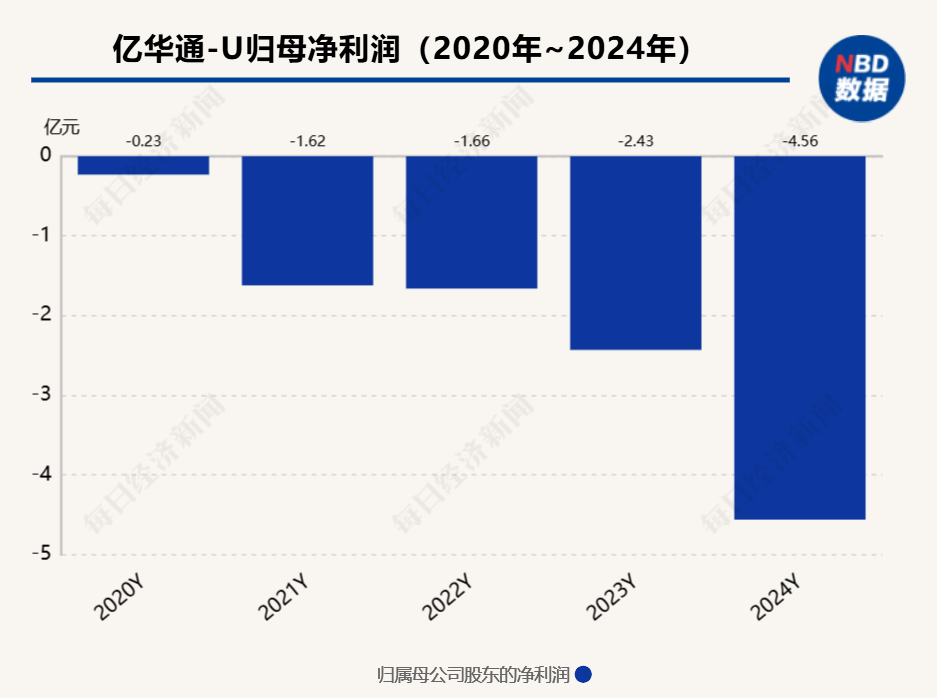
Core Viewpoint - Yihuatong's major asset restructuring plan has been terminated due to a lack of consensus among transaction parties, which raises concerns about the company's future opportunities in the hydrogen energy sector [1][2][8]. Company Performance - Yihuatong has experienced a continuous decline in performance, with losses accumulating to over 1 billion yuan from 2020 to 2024, marking five consecutive years of losses [3][5]. - In the first half of 2024, Yihuatong reported a revenue of 71.93 million yuan, a year-on-year decrease of 53.25%, and a net loss of 163 million yuan [9]. Market Conditions - The fuel cell industry is facing an overall decline in market demand, with a significant drop in production and sales of fuel cell vehicles in the first half of 2024, down 47.2% and 46.8% year-on-year, respectively [9]. - As of the end of 2024, the cumulative sales of fuel cell vehicles in China are approximately 24,000 units, falling short of the target of 50,000 units set for 2025 [9]. Strategic Challenges - Yihuatong's strategy to extend upstream in the hydrogen supply chain has encountered setbacks, particularly with the termination of the acquisition of Xuyang Hydrogen Energy, which was expected to enhance operational capabilities and reduce costs [7][8]. - The company has highlighted that high hydrogen production costs, insufficient hydrogen refueling stations, and a lack of demand are key challenges hindering the growth of the fuel cell market [9]. Financial Comparison - In contrast to Yihuatong, Xuyang Hydrogen Energy reported a revenue of 320 million yuan and a net profit of 23.14 million yuan in 2024, indicating a stronger financial position [6].


ESG加速重塑企业价值坐标,引导市场走向长期共赢
Di Yi Cai Jing· 2025-09-05 08:25
Core Insights - The global economy is accelerating its transition towards green and low-carbon development, with ESG (Environmental, Social, Governance) becoming a core engine for sustainable development embedded in the global financial system [1] - In China, ESG policies are being rapidly introduced, marking a shift from "formal compliance" to "substantive management" in corporate ESG governance [1] - The increasing importance of ESG information is redefining corporate value [1] ESG Progress in China - Chinese enterprises have made significant progress in ESG practices, with the number of A-share companies disclosing ESG reports reaching 2,523, accounting for 46% of all listed companies, a year-on-year increase of 13.49% [3] - The ESG ratings show that approximately 20% of companies improved their ratings compared to the previous year, with 780 companies achieving A-AAA ratings, representing 15.98% of the total [4] Company Initiatives - Anhui Heli, a leading forklift manufacturer, emphasizes technology innovation, talent management optimization, and social responsibility as key measures in advancing ESG [4] - The company has achieved a 70% electrification rate in its industrial vehicles by 2024, significantly enhancing production efficiency and energy conservation [4] - New Hope Group, a clean energy supplier, focuses on environmental protection, safety management, and social welfare as critical areas for ESG development [5] ESG Ratings and Market Impact - ESG ratings are crucial for assessing corporate sustainability performance, influencing investment decisions and capital market dynamics [6] - The integration of ESG factors into corporate evaluations is reshaping the investment landscape, with a growing emphasis on long-term value creation over short-term profits [7] - Companies that excel in ESG practices can benefit from reduced financing costs and enhanced market trust, as seen in the case of New Hope Group [7] Long-term Value Creation - The shift towards ESG principles is seen as a key to resolving the growth paradox, expanding the evaluation of corporate value beyond shareholder interests to include environmental and social responsibilities [7] - Companies view ESG investments as essential operational costs that yield long-term returns, contributing to overall health and sustainability [7] - The focus on ESG is leading to a transformation in capital markets, encouraging a move from short-term profit-seeking to long-term win-win scenarios [8]
迎“风”而上 恒丰银行赋能风电装备制造-银行-金融界
Jin Rong Jie· 2025-09-05 07:02
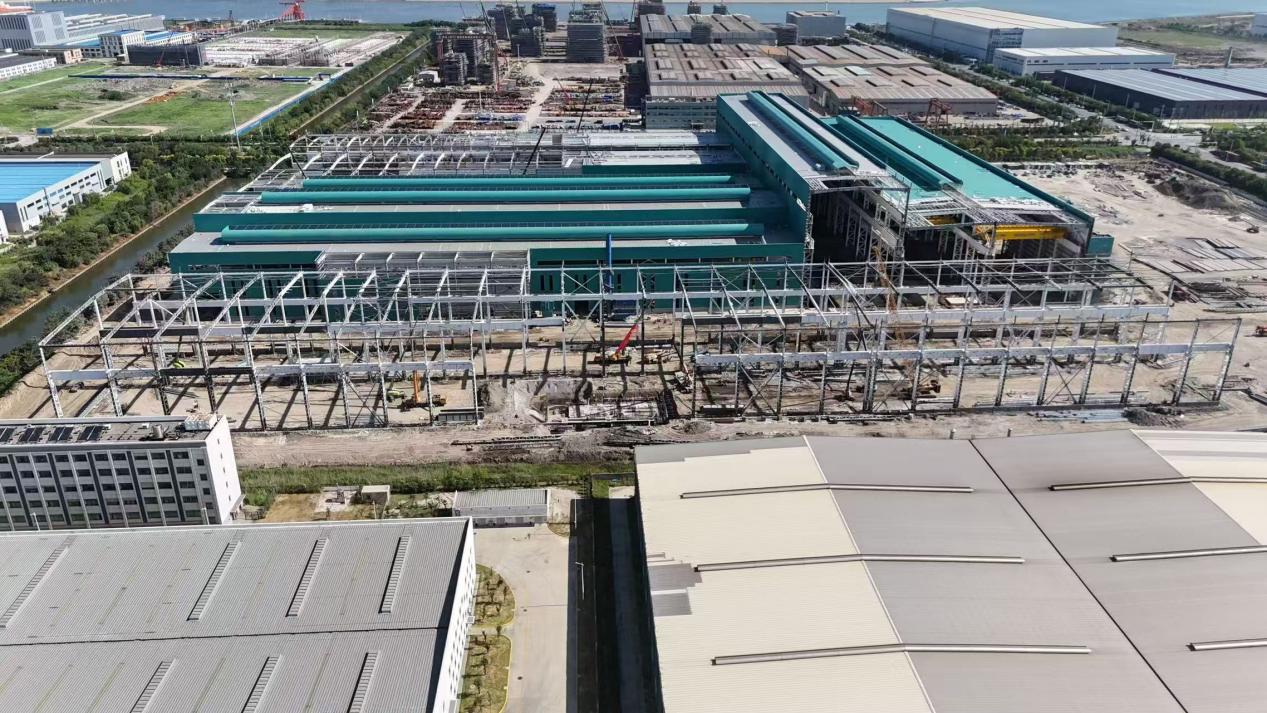
Core Insights - The article highlights the significant financial support provided by Hengfeng Bank to Jiangsu Zhenjiang Casting Technology Co., which is crucial for the development of a key wind power component manufacturing project in Jiangsu [1][5][6] - The project aims to produce 200,000 tons of core components for wind power annually, with a total investment of 806 million yuan, and is expected to enhance the local new energy industry [3][4] Financial Support - Hengfeng Bank has efficiently allocated 80 million yuan in credit to support the project, demonstrating its commitment to facilitating the advancement of high-end, intelligent, and green manufacturing [1][6] - The bank's rapid response included forming a dedicated team to assess the project and streamline the financing process, completing approvals in just three weeks instead of the usual two months [5][6] Project Details - The project, which is a benchmark for high-end equipment manufacturing in the Haimen Port Economic Development Zone, will have a construction area of 120,000 square meters and aims to produce 135,000 tons of large megawatt wind turbine castings annually, with 90% of the output targeted for the global market [3][4] - This facility will be the first in China to scale the application of 3D printing technology for manufacturing sand molds, significantly reducing labor dependency and ensuring high-quality standards [4] Industry Context - Jiangsu Zhenjiang New Energy Equipment Co., the parent company, is recognized as a national-level "specialized, refined, and innovative" enterprise, collaborating with global leaders like Siemens and General Electric in the renewable energy sector [3][4] - Hengfeng Bank's actions align with national "dual carbon" strategies, integrating ESG principles into its operations and focusing on green finance to support sustainable development [6][7]

【会后报告】2025势银绿氢产业大会
势银能链· 2025-09-05 03:53
Core Viewpoint - The 2025 TrendBank Green Hydrogen Industry Conference aims to address the challenges in green hydrogen development through high-reliability and high-efficiency hydrogen production products, fostering collaboration among industry stakeholders to accelerate the industry's growth [3][10]. Conference Overview - The conference took place on August 27-28, 2025, at the Pullman Hotel in Wuxi, Jiangsu Province, focusing on creating a high-end, professional, and open platform for discussing the strategic layout and development direction of the green hydrogen industry [3][10]. - The event featured 29 keynote speeches, 1 plenary session, and 2 roundtable forums, with over 250 participants from various institutions and enterprises [11][12]. Key Themes and Discussions - The opening roundtable discussed the empowerment and innovation paths of the Wuxi hydrogen energy industry, while another focused on reshaping the hydrogen production landscape amid global competition [12]. - Discussions included the role of government policies in supporting technological research and innovation for the rapid development of the green hydrogen industry [13]. Market Insights - According to TrendBank, from January to July 2025, new green hydrogen production capacity reached 75,800 tons per year, surpassing the total for 2024, indicating a new phase in industry development [15]. - By the end of 2025, domestic green hydrogen production capacity is expected to exceed 230,000 tons per year, marking a significant growth trajectory [15]. Technological Innovations - Various presentations highlighted advancements in hydrogen production technologies, including SOEC technology with over 90% efficiency and the development of new materials for electrolyzers [15][22]. - The conference emphasized the importance of cost reduction in green hydrogen production, with discussions on the integration of renewable energy sources and the need for innovative solutions in hydrogen storage and transportation [21][22]. Industry Challenges - The green hydrogen sector faces challenges such as market competition, the need for differentiated strategies, and the risk of overcapacity in electrolyzer manufacturing [15][18]. - The conference addressed the importance of safety in hydrogen projects, focusing on enhancing safety management and risk control measures throughout the hydrogen project lifecycle [18][21].
普洛斯携手ADIA:15亿美元战投落槌,新经济赛道的“资管机遇”
Di Yi Cai Jing Zi Xun· 2025-09-05 03:33
Group 1: Investment Overview - GLP Pte Ltd (Prologis) received a strategic investment of $1.5 billion from Abu Dhabi Investment Authority (ADIA), with an initial deployment of $500 million, marking one of the largest strategic investments in China's new infrastructure sector this year [1][2] - ADIA's upgrade from a limited partner to a strategic investor in Prologis signals that China's new economic infrastructure is becoming a "must-have" for international long-term capital [1][2] Group 2: Market Confidence and Economic Potential - The investment by a sovereign wealth fund like ADIA is seen as an "international endorsement" of China's new economic industries, reflecting confidence in the long-term potential of the Chinese market [2][3] - The collaboration between Prologis and ADIA has been built on years of successful partnerships, indicating a deep understanding and recognition of Prologis's capabilities across the entire project lifecycle [2][3] Group 3: Strategic Significance of New Economic Infrastructure - The investment highlights three attractive features of new economic infrastructure: stable cash flow, enhanced operational efficiency through technology, and alignment with digital economy and green transition trends [3][4] - ADIA's investment strategy aligns with its goal of expanding in the new economy sector, further solidifying its role as a representative of "smart money" in global capital markets [3][4] Group 4: Policy Support and Economic Recovery - China's economic recovery is reflected in a GDP growth of 5.3% year-on-year, with significant contributions from new production forces like renewable energy and artificial intelligence, driving demand for new infrastructure [4][5] - Recent policies from the National Development and Reform Commission and the Ministry of Finance have encouraged public REITs to invest in new infrastructure projects, boosting investor confidence [5][6] Group 5: Prologis's Role and Capabilities - Prologis has established a comprehensive capability system covering investment, development, operation, and management, positioning itself as a benchmark enterprise in China's new economic infrastructure [6][7] - The company has successfully transformed from a logistics real estate developer to a diversified infrastructure operator, focusing on logistics, data centers, and renewable energy [6][7] Group 6: Future Prospects and Strategic Alignment - Prologis's partnerships with local governments and state-owned enterprises are expanding, as seen in its recent collaboration with Zhejiang's state capital for a $3.75 billion investment in a data center [7][8] - The alignment of Prologis's operational model with national policies supports the development of new infrastructure, contributing to the long-term transformation of the economy [8]

9500车级甲醇预留汽车运输船“安吉鼎盛”轮在扬开航
Yang Zi Wan Bao Wang· 2025-09-04 09:46
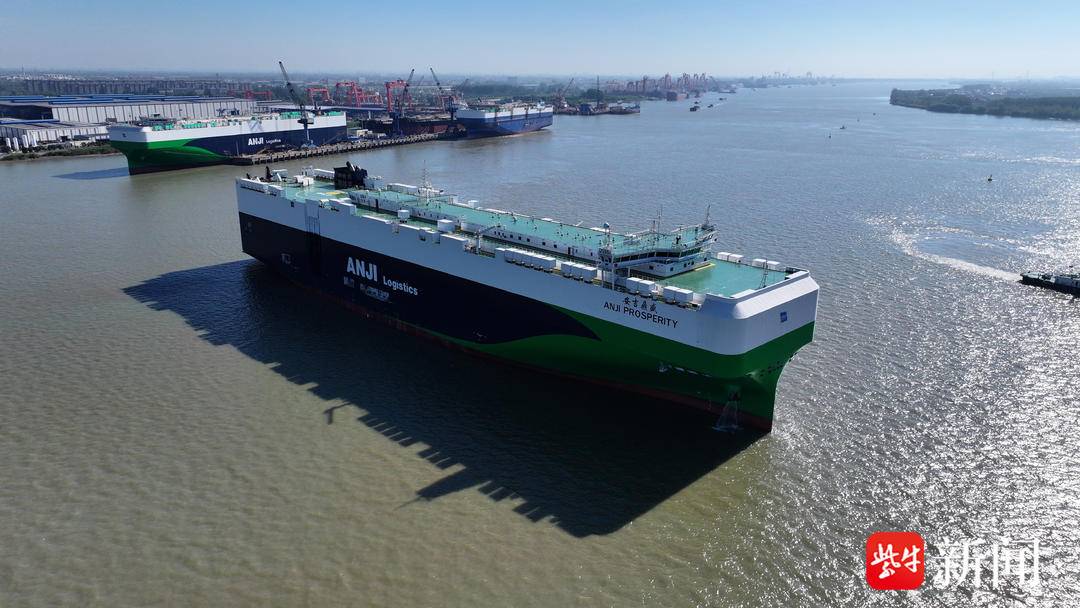
Core Viewpoint - The successful delivery and launch of the methanol-reserved vehicle carrier "Anji Dingsheng" by China Merchants Jinling Shipyard (Jiangsu) Co., Ltd. under the comprehensive safety assurance of Yangzhou Maritime signifies a significant advancement in the local shipbuilding industry and supports the green and low-carbon transformation of the shipping sector [1][3][4] Group 1: Ship Delivery and Management - The delivery of the "Anji Dingsheng" vessel was facilitated by a digital platform for comprehensive management, establishing a collaborative mechanism among maritime authorities, shipyards, and shipowners [3] - Yangzhou Maritime provided meticulous guidance during critical processes such as document handling and approval, ensuring efficient completion of delivery acceptance and administrative procedures [3] - A "net-style" inspection was conducted before the trial voyage to prevent any operational issues, and a rapid response center was utilized for comprehensive monitoring during the trial [3] Group 2: Vessel Specifications and Environmental Impact - The "Anji Dingsheng" is a new generation of ocean transport vessel, measuring 228.00 meters in length, 37.80 meters in width, and 15.40 meters in depth, with a draft of 9.1 meters and a design speed of 18.3 knots [4] - The vessel features a "methanol reserved" design, aligning with the national "dual carbon" strategy and exemplifying efforts to promote green and low-carbon transformation in the shipping industry [4] Group 3: Future Directions - Yangzhou Maritime aims to continue supporting the development of the local shipbuilding industry by enhancing the integration of shipbuilding and maritime services, optimizing support measures for the construction and delivery of more green vessels [3]
风机龙头们的喜与忧:为何增收不增利?
Ge Long Hui· 2025-09-04 09:41
Core Insights - The wind power equipment industry in China experienced a significant increase in demand in the first half of 2025, with record high installation capacity, sales volume, and revenue, but leading companies faced a "revenue growth without profit growth" dilemma [1][2][3] Industry Performance - In the first half of 2025, China's cumulative wind power installed capacity reached 573 million kilowatts, a year-on-year increase of 22.7%, with new grid-connected capacity soaring to 51.39 GW, nearly doubling year-on-year [2] - Major manufacturers collectively secured a bidding scale of 94 GW, a 32.7% increase year-on-year, with expectations that new installations for the year will exceed 100 GW, maintaining China's position as the world's largest wind power market [2] Sales and Profitability - Despite strong sales figures, profitability was under pressure; SANY Renewable Energy reported a revenue of 8.594 billion yuan with a net profit of only 210 million yuan, a year-on-year decline of 51.54% [3] - Mingyang Smart Energy's revenue grew by 45.33% to 17.143 billion yuan, but net profit fell by nearly 8%, while Goldwind Technology's revenue reached 28.537 billion yuan with a net profit growth of only 7.26% [3] Challenges in Profitability - The primary issue affecting profitability is the concentration of low-priced orders, with bidding prices for wind turbines dropping significantly from 3,000-4,000 yuan per kilowatt in 2021 to 1,000-2,000 yuan in 2023 [4] - Rising costs of raw materials and increased operational expenses due to market competition further compressed profit margins [4][5] Product Structure and Market Dynamics - The imbalance in product structure, with high-margin offshore wind turbines and large megawatt units having limited delivery ratios, has exacerbated profitability issues [5] - Companies are increasingly focusing on offshore wind power, large megawatt units, and overseas markets to improve margins, with SANY Renewable Energy reporting a recovery in gross margin in Q2 [6][7] Future Outlook - Signs of an industry turning point are emerging, with the average bidding price for wind turbines in the first half of 2025 rising by approximately 20% compared to the same period in 2024 [6] - The industry is shifting from price competition to value competition, with leading companies leveraging brand, technology, and service advantages to differentiate themselves [7] - The wind power sector's growth logic remains intact, with expectations for annual new installations exceeding 130 GW during the 14th Five-Year Plan period, and significant growth potential in Southeast Asia and Central Asia [7]