
食品安全

Search documents
美国大批鸡蛋因沙门氏菌召回,中国鸡蛋安全吗
Zhong Guo Jing Ji Wang· 2025-06-11 02:38
沙门氏菌是威胁食品安全的常见病原体,鸡蛋作为日常高频消费品,其微生物安全至关重要。不少消费 者不禁担忧:中国鸡蛋是否安全? 日前美国疾病控制与预防中心(CDC)和美国食品药品监督管理局(FDA)调查显示,一起多州沙门氏菌疫 情已导致至少170万枚鸡蛋被召回,这些鸡蛋在2月3日至5月15日期间分销至美国九个州,涵盖沃尔玛和 Safeway等多家连锁超市。截至目前,已有79人感染沙门氏菌,21人入院治疗,且疫情可能不限于已确 认病例的州,实际感染人数或更多。 从养殖源头看,国内部分企业已建立严格的防控体系。以黄天鹅鸡蛋为例,从蛋鸡的祖代就开始切断沙 门氏菌的带入,确保种源干净。黄天鹅在饲料环节,自建饲料工厂并构建严格管控体系,选用优质原 料,避免饲料成为沙门氏菌的传播途径,从饮食端保障蛋鸡健康,减少鸡蛋受污染的可能。 养殖过程中的生物防控也不容忽视。黄天鹅完善的养殖场生物防控体系,从鸡舍环境、养殖人员卫生、 饮水安全、空气流通到鸡群健康监控等多个维度,全方位抵御沙门氏菌侵入。例如,对鸡舍定期消毒、 规范养殖人员操作流程、实时监测鸡群健康状况等,尽可能为蛋鸡创造无菌或少菌的生长环境。 在检测方面,黄天鹅采用全链路大 ...
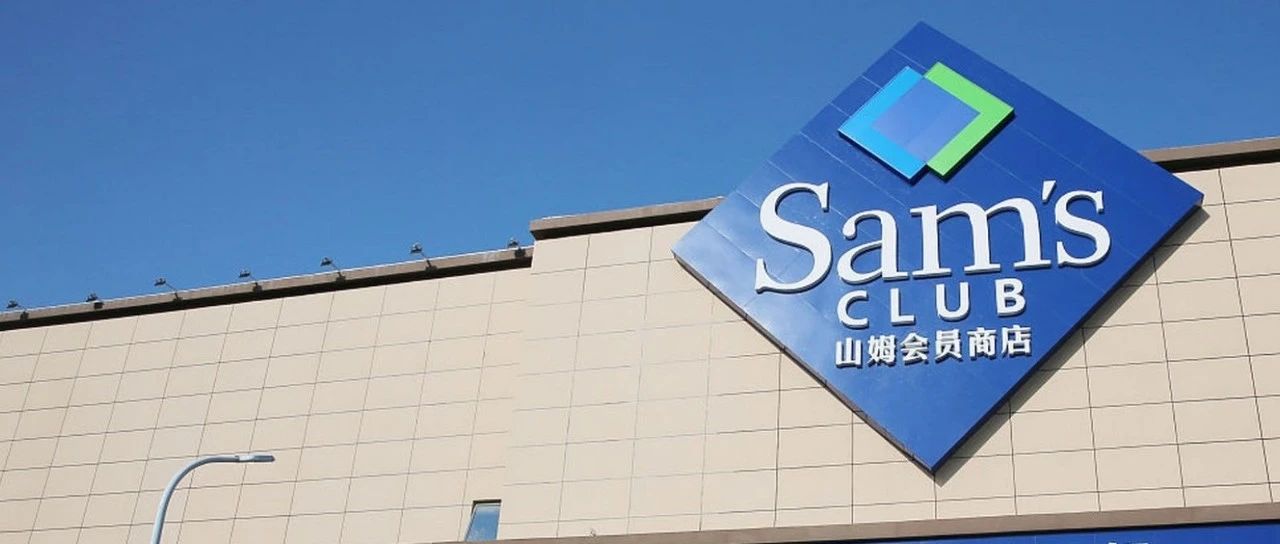
突发,山姆又出事!
21世纪经济报道· 2025-06-11 00:13
Core Viewpoint - Sam's Club has faced significant backlash due to food safety issues, particularly involving the discovery of worms in nut products, which has led to widespread consumer concern and negative publicity [2][3][16]. Group 1: Incident Overview - A consumer reported finding a worm in a nut product purchased from Sam's Club, which has been confirmed by the company's customer service as not an isolated incident [4][16]. - The consumer expressed disgust and stated that she would no longer purchase any food items from Sam's Club after this experience [6][9]. - Sam's Club's response to the incident involved multiple compensation offers, including refunds and additional compensation, but the consumer was dissatisfied with the resolution [8][9]. Group 2: Company Performance and Growth - Walmart reported strong growth in its first quarter, with net sales in China reaching $6.7 billion, a 22.5% year-over-year increase, driven by Sam's Club and e-commerce [17]. - Membership revenue for Sam's Club in China grew over 40%, with membership numbers continuing to rise [17]. - Sam's Club's revenue in China is projected to exceed 100 billion RMB in 2024, indicating robust business performance despite recent controversies [17]. Group 3: Quality Control Issues - There have been multiple reports of quality issues at Sam's Club, including a case where a consumer found a glass-like object in a meat product [22]. - The company has been criticized for its inability to ensure food safety, which has led to a decline in consumer trust [9][21]. - The emergence of "scalpers" offering services to bypass membership requirements at Sam's Club highlights potential operational challenges and consumer dissatisfaction [25][26].


河北省市场监督管理局关于食品安全监督抽检信息的通告(2025年第13号)
Zhong Guo Zhi Liang Xin Wen Wang· 2025-06-10 09:09
Core Viewpoint - The Hebei Provincial Market Supervision Administration conducted a food safety inspection, revealing that out of 6089 samples tested, 6042 passed while 47 were found to be non-compliant, indicating a compliance rate of approximately 99.23% [2]. Group 1: Inspection Results - A total of 6089 samples from 31 categories of food products were tested, including agricultural products, dairy, meat, and beverages [2]. - The number of compliant samples was 6042, resulting in a non-compliance rate of about 0.77% [2]. - Local market supervision departments are taking necessary actions to address the non-compliant food items identified during the inspections [2]. Group 2: Public Reporting - The public is encouraged to report any food safety violations by calling the hotline "12315" [2].
北京市西城区市场监督管理局关于2025年度食品安全监督抽检信息的公告 (2025年第05期)
Zhong Guo Zhi Liang Xin Wen Wang· 2025-06-10 08:32
北京市西城区市场监督管理局关于2025年度食品安全监督抽检信息的公告(2025年第05期) 根据《中华人民共和国食品安全法》等法律法规要求,以及2025年我局食品安全监测计划,现将我局组织抽检具体情况公告如下: 一、监督抽检的总体情况 2025年第05期,我局共组织餐饮环节食品抽检206批次,抽检的种类及数量具体为:餐饮食品类73批次,淀粉及淀粉制品类9批次,调味品38批次,酒品类5 批次,粮食加工品类23批次,食用油、油脂及其制品类18批次,速冻食品类1批次,饮料类8批次,农产品31批次。其中合格样品204批次,不合格样品2批 次。 二、监督抽检的样品信息 (一)合格样品信息 合格样品总量204批次,其中各类别合格样品数量为:餐饮食品类71批次,淀粉及淀粉制品类9批次,调味品38批次,酒品类5批次,粮食加工品类23批次, 食用油、油脂及其制品类18批次,速冻食品类1批次,饮料类8批次,农产品31批次。 (二)不合格样品信息 三、不合格食品的核查处置 针对在食品安全监督抽检中发现的不合格食品,我局已依法对被抽检单位进行立案调查。对标称生产企业在外区或者外省的,我局已将不合格食品情况通报 了生产企业当地的食品安 ...
广东省河源市市场监督管理局2025年第7期食品安全监督抽检(高考专项)信息公示
Zhong Guo Zhi Liang Xin Wen Wang· 2025-06-09 08:13
Summary of Key Points Core Viewpoint The article discusses the food safety supervision and sampling conducted by the Heyuan Market Supervision Administration in preparation for the college entrance examination, highlighting that all sampled food products passed inspection. Group 1: Overall Inspection Results - A total of 98 batches of food were sampled, covering 9 major food categories including grain products, condiments, starch and starch products, convenience foods, vegetable products, fruit products, dairy products, beverages, and edible oils [2]. - The breakdown of the sampled batches includes: 39 grain products, 16 condiments, 2 starch products, 2 convenience foods, 5 vegetable products, 1 fruit product, 8 dairy products, 16 beverages, and 9 edible oils [2]. Group 2: Consumer Safety Tips - The Heyuan Market Supervision Administration advises consumers to purchase food from reliable sources and to keep shopping receipts. Consumers should check packaging labels for production dates, shelf life, producer information, and ingredient lists to ensure they are complete and clear [2]. - Consumers are encouraged to actively participate in food safety supervision and to pay attention to food safety inspection information [2].
广东省清远市市场监督管理局关于2025年第11期(生产环节任务)食品安全监督抽检信息的通告
Zhong Guo Zhi Liang Xin Wen Wang· 2025-06-09 08:09
Overall Situation - A total of 59 food samples from 15 categories, including pastries, beverages, and dairy products, were tested, with 58 passing and 1 failing [2][3] - The categories tested included tea and related products (7 samples), nuts and seeds (1 sample), starch and starch products (1 sample), convenience foods (1 sample), pastries (5 samples), alcoholic beverages (3 samples), grain products (2 samples), and others [3] Non-compliant Food Situation - The non-compliant product was bottled drinking water produced by Lianzhou Gaoshan Source Water Investment Co., which failed to meet national food safety standards due to the presence of Pseudomonas aeruginosa [4] Non-compliant Food Handling - The local market supervision authority has mandated investigations into the non-compliant food and its production unit, requiring the removal and recall of the affected products to mitigate risks [5] - Consumers are advised to purchase food from reliable sources and check packaging details such as production dates, expiration dates, and ingredient lists [5]
苏州市吴中区市场监督管理局关于公布吴中区食品安全监督抽检信息的公告(2025年第四期)
Zhong Guo Zhi Liang Xin Wen Wang· 2025-06-09 06:47
Summary of Key Points Overall Situation - The announcement covers food safety supervision and sampling inspection information from January to April 2025, involving 27 categories of food and 3,232 samples tested, with 3,196 samples passing and 36 samples failing [2]. Non-compliance Details - The non-compliant samples include: - 2 batches of catering food - 30 batches of edible agricultural products - 2 batches of aquatic products - 1 batch of grain processing products - 1 batch of meat products [2]. Testing Results - The main issues identified in the testing include: - 2 batches of catering utensils detected with anionic surfactants - 30 batches of agricultural products with pesticide residues - 1 batch of food additives - 2 batches with preservatives - 1 batch with excessive peroxide value [2]. Follow-up Actions - Relevant departments have organized on-site guidance to assist production and operation enterprises in improving management and food safety awareness. Non-compliant food products and related production units are subject to verification and disposal according to relevant laws and regulations [2].
可怕!凉茶竟添加布洛芬,广东一老板被判刑
Qi Lu Wan Bao· 2025-06-09 01:06
Core Viewpoint - The case of a tea shop owner in Dongguan, who was prosecuted for adding harmful substances to herbal tea, highlights the importance of food safety regulations and consumer awareness in the herbal tea industry [1][3]. Group 1: Legal Case Summary - The defendant, Li, was found guilty of producing and selling toxic and harmful food after adding acetaminophen and ibuprofen to herbal tea [3]. - The court sentenced Li to six months in prison, with a one-year probation, and imposed a fine of 2,000 yuan [3]. - The court considered Li's confession and lack of danger for reoffending, allowing for a lighter punishment [3]. Group 2: Industry Implications - The incident raises concerns about consumer health and the integrity of the herbal tea industry, as some vendors may disguise illegal additives with claims of "traditional recipes" or "natural ingredients" [4]. - Consumers are urged to enhance their food safety awareness and report illegal practices to authorities [4]. - Recommendations for consumers include purchasing from reputable sources, monitoring for adverse health effects, and scrutinizing product claims for medicinal benefits [4].
售卖的凉茶添加布洛芬,东莞有商家获刑
Nan Fang Du Shi Bao· 2025-06-06 23:46
Core Viewpoint - Food safety is crucial for public health, yet some businesses prioritize profit over consumer safety by illegally adding toxic substances to food products [1] Case Summaries Case 1: Sale of "Enhanced" Herbal Tea - The defendant, Li, added acetaminophen and ibuprofen to herbal tea sold at his shop, leading to his arrest on September 5, 2024, after inspections revealed these substances in the tea [2] - The court sentenced Li to six months in prison, with a one-year probation, and imposed a fine of 2,000 yuan [2][3] Case 2: Use of Borax to Preserve Pork - The defendant, Cai, used borax to clean pork for sale, with a detected boric acid content of 529 mg/kg in the meat [4] - The court sentenced Cai to two years and two months in prison, along with a fine of 60,000 yuan, which was upheld on appeal [4] Case 3: Sale of Fruits Sprayed with Banned Pesticide - The defendant, Liang, used the banned pesticide oxymatrine on melons, selling over 200 kg for approximately 500 yuan [5] - The court sentenced Liang to six months in prison with a one-year probation, a fine of 5,000 yuan, and required him to publicly apologize and pay 5,000 yuan in damages [6]
筑牢食品安全“云端防线”
Jing Ji Ri Bao· 2025-06-06 21:45
Core Insights - The online food purchasing market in China has surpassed 1 trillion yuan in 2023, becoming a significant growth point for food consumption [1] - Despite the rapid growth of online food sales, food safety issues have become increasingly prominent, harming consumer rights and hindering the healthy development of the industry [1][2] - The existing legal framework, while improving, has not effectively deterred illegal activities in the online food sector, leading to a sense of impunity among wrongdoers [2] Regulatory Environment - China's food safety laws and regulations have been gradually improved, including the E-commerce Law and guidelines for the sale of special foods [1] - The unique characteristics of online transactions, such as virtualization and cross-regional operations, create challenges for regulation and enforcement [2] - The current penalties for food safety violations are insufficient to deter illegal activities, contributing to a culture of risk-taking among offenders [2] Collaborative Governance - There is a pressing need to establish a collaborative governance model involving government, enterprises, and society to strengthen food safety oversight [3] - Regulatory bodies must work together to create a smart regulatory system and enhance cross-departmental coordination to address regulatory gaps [3] - Online food platforms are urged to take social responsibility by rigorously vetting merchants and managing product information to prevent violations [3] Consumer Awareness - Consumers are encouraged to enhance their self-protection awareness and actively defend their rights in the digital economy [3] - The shift from offline to online purchasing changes the consumption landscape but does not alter the fundamental need for food safety [3] - Ensuring high-quality development in the food industry requires not only convenience for consumers but also assurance of safety and trust [3]