
环保

Search documents
拖鞋反复使用这事,酒店方委屈不委屈?
3 6 Ke· 2025-09-24 11:21
Core Viewpoint - The controversy surrounding the use of "second-hand" slippers in high-star hotels highlights a disconnect between consumer expectations and hotel practices, revealing challenges in supply chain management and the need for clearer communication regarding hygiene and sustainability [1][6][21]. Group 1: Consumer Concerns - A user reported finding worn slippers in a Marriott hotel, raising questions about their cleanliness and reuse [2][5]. - The hotel explained that slippers are not single-use and are cleaned and reused for environmental reasons, but this practice contradicts consumer expectations of hygiene [5][6]. - The high room rate of over 700 RMB per night exacerbates consumer dissatisfaction when faced with perceived cost-cutting measures [2][5]. Group 2: Industry Practices - The hotel industry is increasingly adopting ESG principles, focusing on sustainability, which includes the use of reusable slippers [5][14]. - The cost of disposable slippers ranges from 14,020 to 52,560 RMB annually, while reusable slippers can cost significantly less, leading hotels to favor the latter for cost savings [8][10]. - The supply chain in the hotel industry is under pressure, with operational costs for linens and consumables accounting for 23%-32% of total expenses [7][10]. Group 3: Communication and Transparency - Hotels must clearly communicate their practices regarding the reuse of items like slippers to avoid consumer backlash [5][13]. - The lack of transparency can lead to a loss of consumer trust, which is more costly to repair than the savings from reusing slippers [21][22]. - Innovative solutions, such as providing information about the cleaning and reuse history of items, can enhance transparency and consumer confidence [19][20]. Group 4: Regulatory and Environmental Considerations - The hotel industry faces regulatory pressures to reduce plastic waste, with significant amounts of plastic waste generated per guest [14][16]. - There is a call for government support for hotels that implement sustainable practices, to avoid penalizing those that strive for environmental responsibility [17][18]. - International examples show varying approaches to sustainability in the hotel sector, suggesting potential pathways for improvement in local practices [16][19].


住万豪得自备拖鞋了?
3 6 Ke· 2025-09-24 10:35
Core Viewpoint - The incident at the Marriott hotel in Changzhou highlights issues of transparency and consumer rights regarding the reuse of hotel amenities, specifically slippers, which were not clearly labeled as reusable, leading to customer dissatisfaction and trust erosion [2][6][7]. Group 1: Consumer Experience - A guest discovered that the slippers provided by the hotel were reused, leading to outrage over hygiene concerns, especially given the high cost of the stay [2][4]. - Social media reactions revealed a widespread sentiment of dissatisfaction among previous guests regarding the cleanliness and reuse of hotel slippers [4]. Group 2: Hotel's Response and Practices - The hotel claimed that the slippers were not labeled as disposable, thus implying they could be reused, which raises questions about consumer rights and the responsibility of hotels to inform guests [6][7]. - The hotel stated that the slippers were washed and disinfected to commercial standards, but the lack of transparency about the cleaning process left guests skeptical [12][18]. Group 3: Economic Implications - The cost of a disposable slipper is approximately 0.5 yuan, while a washable cotton slipper costs around 4 yuan, indicating significant cost savings for the hotel when reusing slippers [9]. - With an estimated 294 rooms and an average occupancy rate of 60%, the hotel could save over 100,000 yuan annually by reusing slippers, while also promoting an environmentally friendly image [11]. Group 4: Hygiene Concerns - Studies indicate that even after multiple washes, cotton slippers can still harbor bacteria, raising concerns about the effectiveness of the hotel's cleaning processes [17][18]. - The design of cotton slippers may contribute to hygiene issues, as they can trap dirt and bacteria in hard-to-clean areas [15][17]. Group 5: Regulatory Environment - Current regulations do not require hotels to explicitly state whether items like slippers are disposable or reusable, creating a loophole that hotels can exploit [21]. - The lack of clear guidelines on the reuse of items in hotels leads to a situation where both consumers and hotels operate under different assumptions about hygiene and cleanliness [22]. Group 6: Conclusion and Recommendations - The incident underscores the need for hotels to be transparent about their practices and to clearly communicate the reuse of items to maintain consumer trust [24][25]. - A genuine commitment to sustainability should involve open communication with guests about practices rather than hiding behind vague policies [24][25].

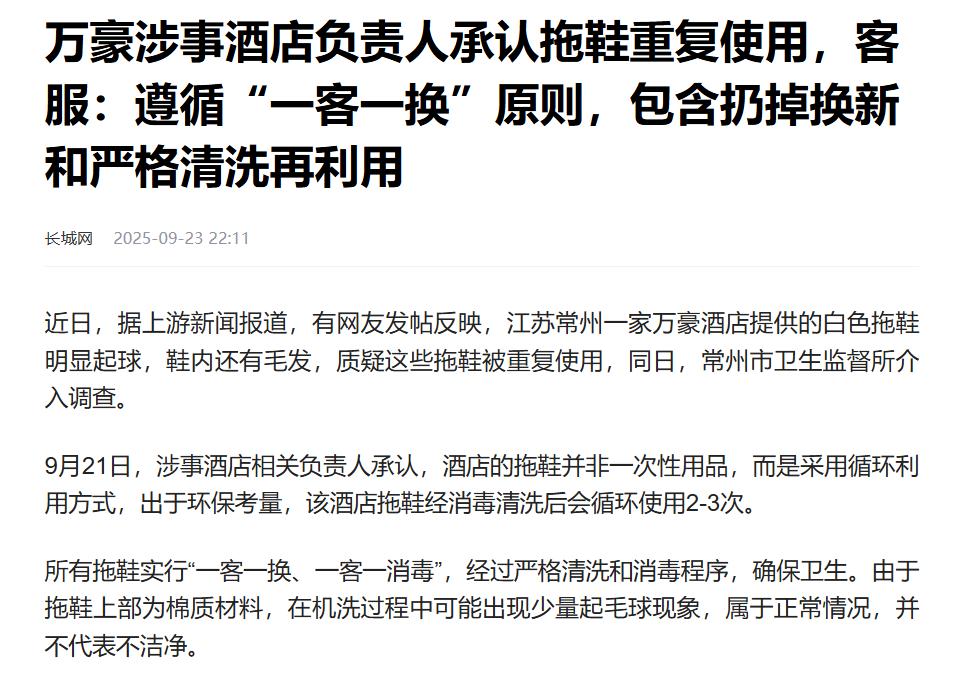
万豪“拖鞋门”背后:环保是不是业绩下滑的遮羞布?
Xin Jing Bao· 2025-09-24 09:08
Core Issues - The incident involving the reuse of hotel slippers raises significant concerns about hygiene standards in the hospitality industry [1] - The debate centers around whether hotels can ethically and safely recycle slippers, questioning the legitimacy of "environmental" claims as potential cost-cutting measures amid declining performance [1] - There is a pressing need to address consumer rights regarding health and safety, highlighting the responsibility of companies to ensure transparency and protection for their customers [1]
始祖鸟翻车,为什么中产“大崩溃”?
3 6 Ke· 2025-09-23 08:18
Core Viewpoint - The outdoor brand Arc'teryx faced significant backlash for hosting a fireworks event in the ecologically fragile Tibetan Plateau, leading to public outrage and a sharp decline in its parent company Anta's stock price, resulting in a loss of over 100 billion yuan in a single day [5][7]. Group 1: Public Reaction and Consequences - The public response to the fireworks event was overwhelmingly negative, with strong condemnation from individuals and local authorities launching investigations [5][7]. - The incident resulted in a dramatic drop in Anta's stock price, reflecting the financial repercussions of the public relations disaster [7]. Group 2: Environmental Concerns - The fireworks display was criticized for its potential long-term ecological damage, including the release of heavy metals and acid gases that degrade slowly in the high-altitude environment, potentially affecting soil and water quality for over five years [20]. - The event contradicted Arc'teryx's stated commitment to environmental sustainability, as the brand promotes itself as eco-friendly while engaging in activities that harm the environment [9][13][20]. Group 3: Consumer Backlash - Consumers who identify as environmentally conscious felt betrayed by Arc'teryx's actions, as they often engage in eco-friendly practices such as cleaning up litter during outdoor activities [23][30]. - The disconnect between the brand's environmental messaging and its actions led to a perception of hypocrisy, damaging consumer trust and loyalty [30][56]. Group 4: Brand Identity and Market Position - Arc'teryx's brand identity is closely tied to environmental stewardship, which is a fundamental aspect of its market positioning and pricing strategy [44][49]. - The brand's high prices are justified by its commitment to sustainability and quality, but the recent incident undermines this narrative, risking consumer perception and brand integrity [52][56].
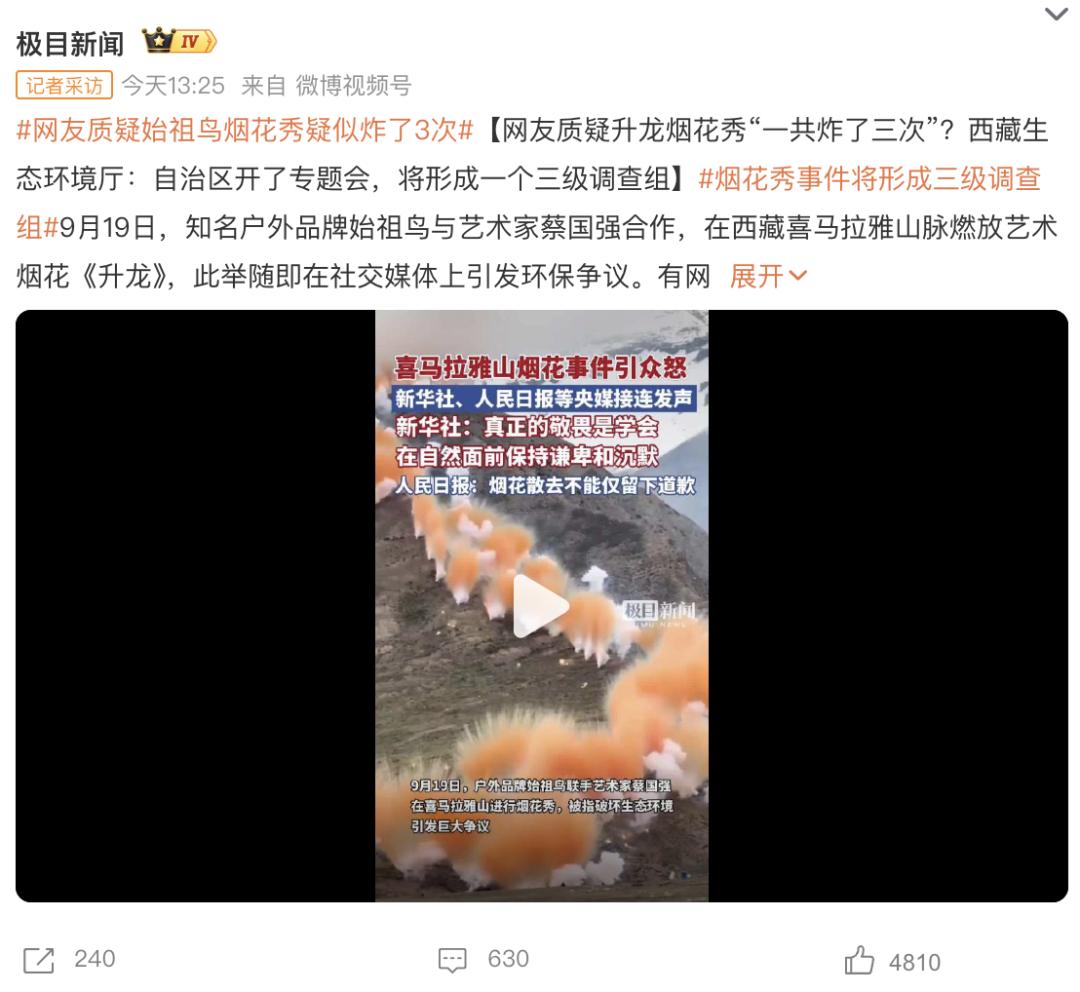
始祖鸟“炸山”事件大反转,全网震怒!
商业洞察· 2025-09-22 09:26
Core Viewpoint - The article discusses the controversy surrounding the brand "始祖鸟" (Arc'teryx) after its fireworks event in the ecologically sensitive region of the Himalayas, highlighting the disconnect between artistic expression and environmental responsibility [5][7][28]. Group 1: Event Overview - On September 19, 2023, "始祖鸟" collaborated with artist Cai Guoqiang to hold a fireworks show named "升龙" in the Himalayas, which was intended to celebrate nature and culture [6][32]. - The event sparked public outrage as it was perceived as an act of environmental destruction, leading to widespread criticism on social media [7][8][27]. - Following the backlash, the brand issued an apology and stated it would cooperate with investigations regarding the environmental impact of the event [14][17]. Group 2: Brand Response and Public Perception - The brand's initial response was seen as inadequate, with accusations of shifting blame to the local team and failing to acknowledge the potential environmental harm [18][22]. - The public's trust in the brand has been eroded, particularly among younger consumers who prioritize environmental values and corporate responsibility [46]. - The incident reflects a broader trend where brands that neglect environmental concerns face significant backlash, especially in an era where sustainability is a core consumer expectation [29][40]. Group 3: Industry Implications - The controversy has implications for the outdoor industry, where respect for nature is a fundamental principle; a failure by a leading brand could affect the entire sector [49]. - The article emphasizes that brands must balance artistic expression with ecological considerations, as neglecting this balance can lead to severe reputational damage [51][53]. - The incident serves as a critical reminder for brands to reassess their values and practices in light of growing consumer awareness regarding environmental issues [45][50].
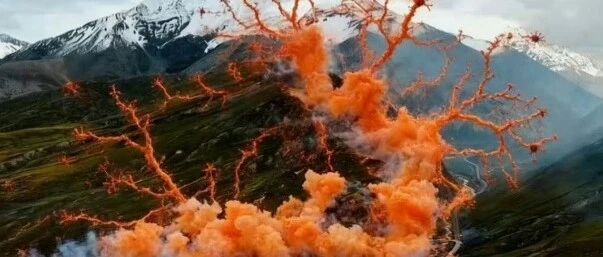
“在青藏高原连放3次烟花炸山、国内外道歉信双标”,始祖鸟还能把环保当奢侈品卖给中产吗?
3 6 Ke· 2025-09-22 09:22
Core Viewpoint - The outdoor brand Arc'teryx organized a controversial fireworks event in the Himalayas, which has sparked significant backlash for its perceived environmental insensitivity despite claims of using biodegradable materials [1][5][36]. Group 1: Event Overview - Arc'teryx collaborated with artist Cai Guoqiang to host an art event called "Ascending Beauty" featuring a fireworks display in the Himalayas, aimed at showcasing respect for nature [1][4]. - The event took place at an altitude of 4690-5500 meters, with the fireworks designed to symbolize a dialogue between humanity and nature [1][19]. - The fireworks were claimed to be made from biodegradable materials, and the event was marketed as part of a series focused on exploring high-altitude cultural themes [5][19]. Group 2: Public Reaction - The event was met with widespread criticism, with many accusing Arc'teryx of lacking respect for nature and using lowbrow aesthetics [2][4]. - Social media backlash included accusations of the brand becoming "explosive" in its approach to environmentalism, leading to a loss of goodwill among consumers [4][5]. - Critics highlighted the contradiction of promoting environmental values while conducting a fireworks show in a fragile ecosystem [36][39]. Group 3: Environmental Concerns - The fireworks display raised questions about its environmental impact, particularly in the ecologically sensitive Tibetan Plateau, which is home to numerous endangered species and delicate ecosystems [5][8][11]. - Experts pointed out that even biodegradable materials could pose risks to the local environment, as the area has a low capacity for ecological recovery [11][14]. - The event's planning included measures to relocate livestock and monitor wildlife, but the effectiveness of these measures was questioned by environmentalists [7][15][21]. Group 4: Brand Image and Marketing Strategy - Arc'teryx has positioned itself as a brand that combines sustainability with artistic expression, often collaborating with artists to enhance its environmental messaging [23][25]. - The brand's recent marketing strategies have included high-profile events in culturally significant locations, aiming to leverage the cultural value of the Tibetan region [29][31]. - Despite the backlash, the fireworks event was seen as a marketing success in terms of visibility, aligning with the brand's narrative of sustainability and artistic engagement [33][36].
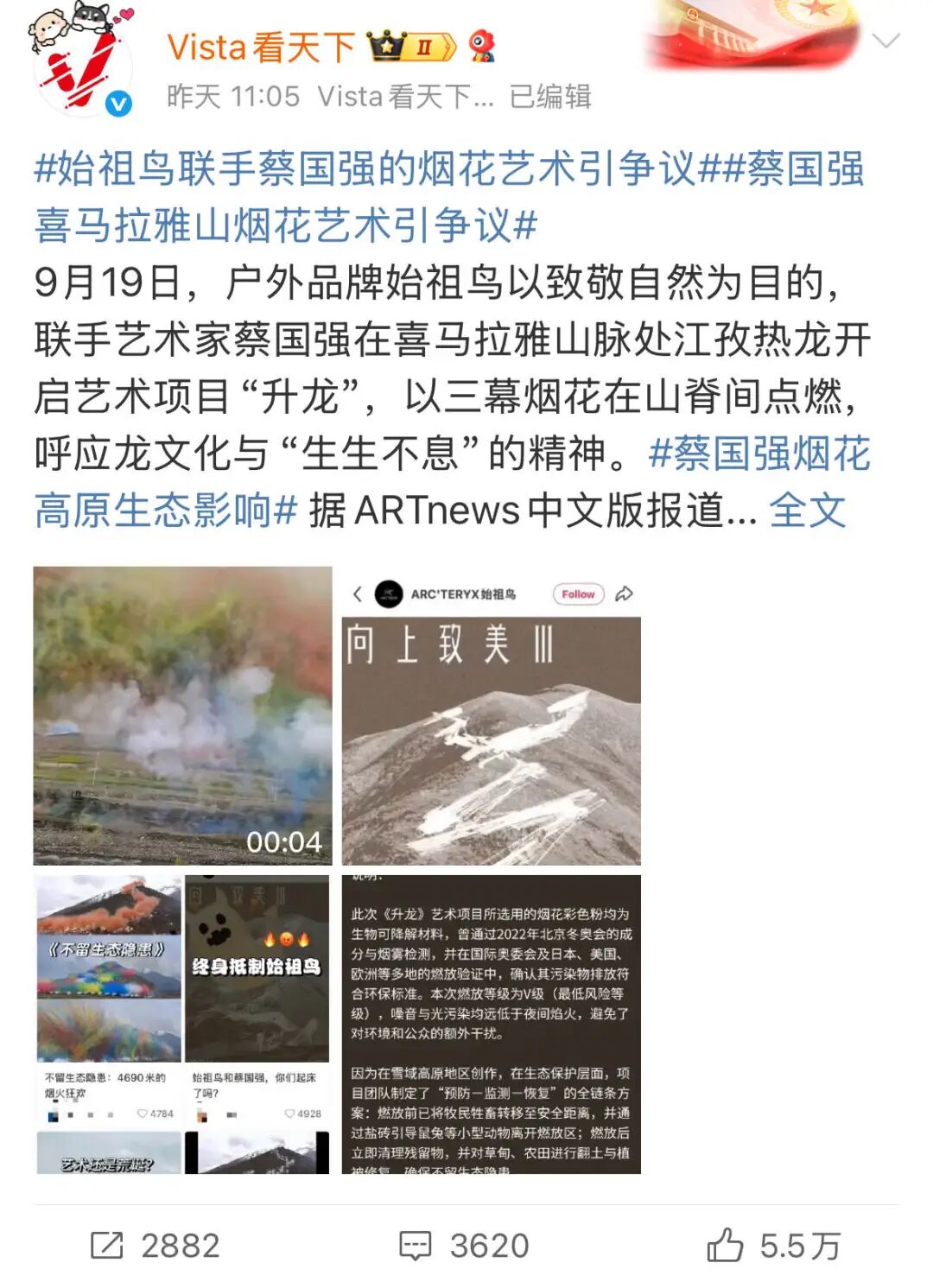
始祖鸟背叛始祖鸟
3 6 Ke· 2025-09-22 02:19
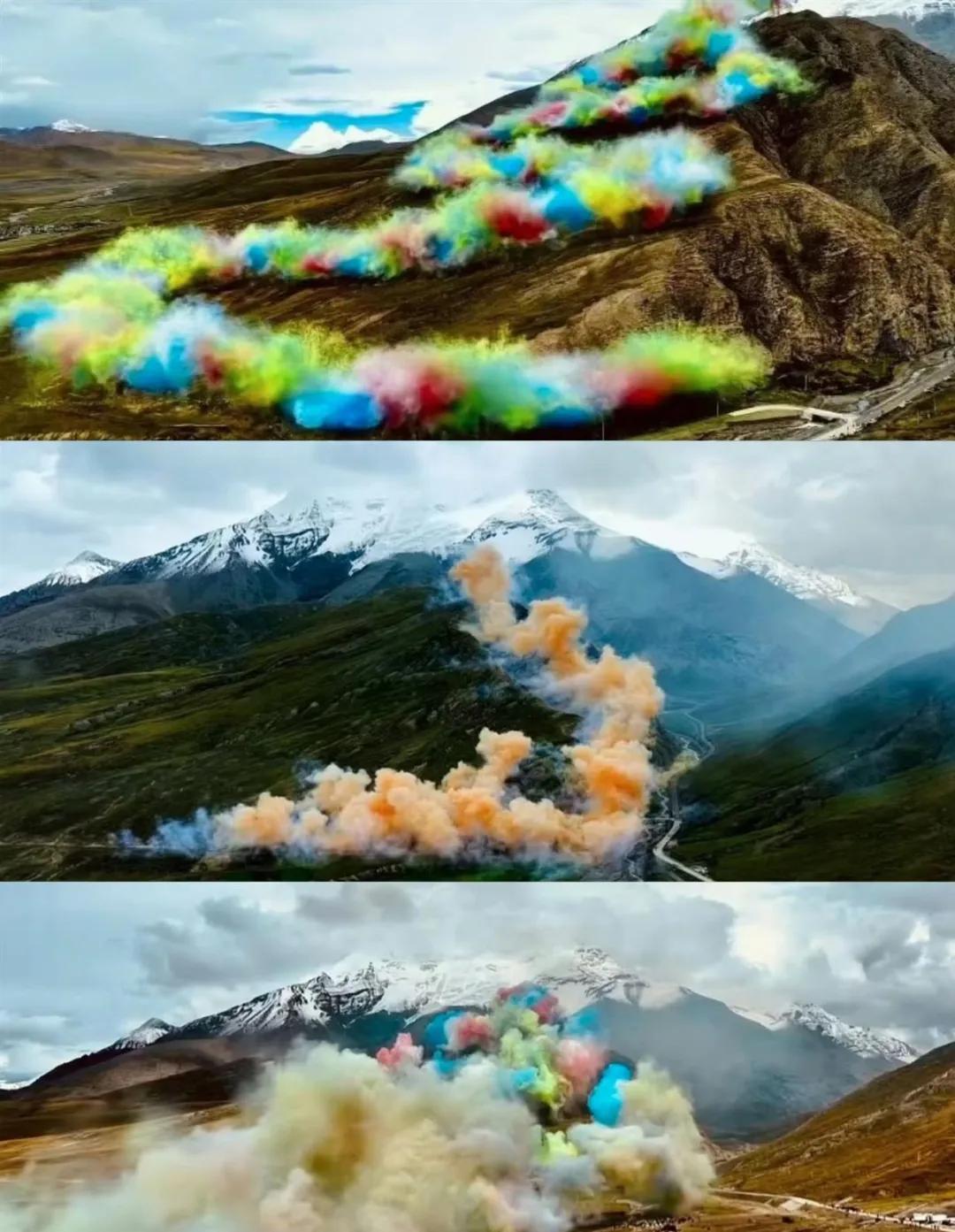
Core Viewpoint - The recent "explosion mountain" event organized by the brand Arc'teryx has sparked widespread public outrage due to its potential ecological damage in the fragile environment of the Himalayas, raising questions about the brand's commitment to environmental protection and cultural respect [2][8][16]. Group 1: Event Overview - The "Ascend Dragon" event involved igniting colorful fireworks from approximately 4,600 meters above sea level, reaching the summit at 5,050 meters, as part of Arc'teryx's "Towards Beauty" series [2][9]. - The event aimed to explore local culture through art, but the execution has been heavily criticized for lacking proper environmental assessments and potentially harming the ecosystem [2][5]. Group 2: Public Reaction - Social media backlash labeled the fireworks display as "earth's shingles" and "a colorful lump," indicating strong disapproval from the public [4]. - Critics highlighted the inadequacy of the brand's environmental measures, questioning the effectiveness of using biodegradable materials in such a harsh climate [5][6]. Group 3: Ecological Concerns - Experts pointed out that the high-altitude environment has a very slow decomposition rate, making the use of biodegradable materials questionable [5]. - The destruction of vegetation and soil due to the fireworks is seen as a significant and potentially irreversible ecological impact [5][9]. Group 4: Brand Strategy and Identity - Arc'teryx, under Anta's ownership, is attempting to shift its brand narrative to resonate with urban elites while maintaining its outdoor heritage [11][14]. - The brand's previous initiatives focused on environmental protection, contrasting sharply with the recent event, which has been perceived as a marketing misstep [9][16]. Group 5: Future Implications - The backlash from the event poses a serious challenge for Anta as it aims to position itself as a global brand, emphasizing the need for a balanced approach between marketing and ecological responsibility [16][19]. - The incident serves as a critical lesson for brands in understanding and respecting their consumer base, particularly those passionate about outdoor activities and environmental conservation [26][27].
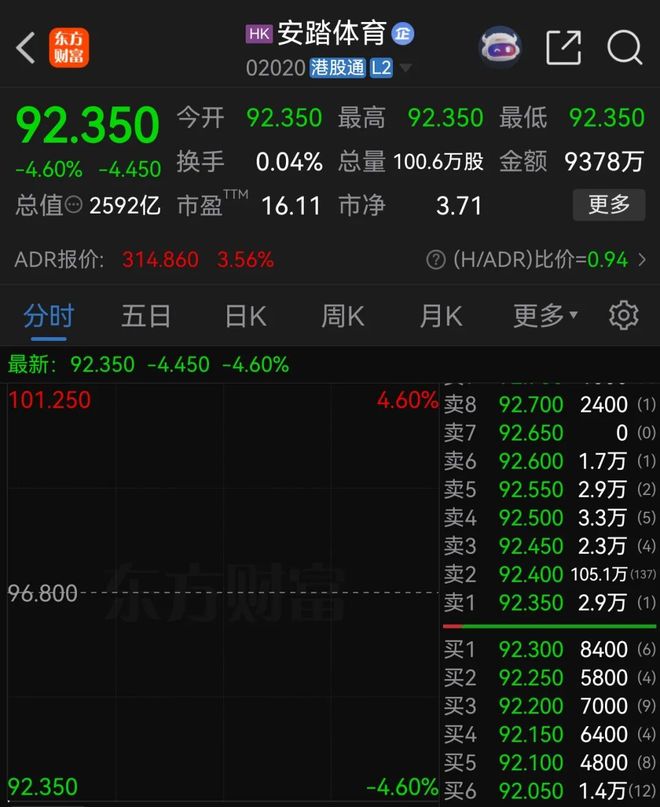
安踏股价开盘大跌,一文梳理始祖鸟“烟花秀”事件
Xin Lang Cai Jing· 2025-09-22 01:51
Core Viewpoint - The recent fireworks event by the outdoor brand Arc'teryx in the Himalayas, in collaboration with artist Cai Guo-Qiang, has sparked significant public controversy regarding environmental concerns, leading to a notable decline in the stock price of its parent company, Anta Sports, which fell over 4% in early trading [1][2]. Group 1: Company Impact - Anta Sports' stock price dropped by more than 4% following the controversy surrounding the Arc'teryx fireworks event [1]. - The company's market capitalization is reported at 259.2 billion, with a price-to-earnings ratio of 16.11 and a price-to-book ratio of 3.71 [2]. Group 2: Environmental Concerns - The fireworks event on September 19 led to widespread criticism from netizens and outdoor enthusiasts regarding its environmental impact [2]. - In response to the backlash, Arc'teryx issued an apology and committed to cooperating with government oversight and third-party environmental assessments [3][6]. - Cai Guo-Qiang's studio also expressed a commitment to evaluate the ecological impact of the event and take remedial actions if necessary [6][7].

“始祖鸟”的高原烟火,是艺术秀还是破坏环境?
阿尔法工场研究院· 2025-09-22 00:07
Core Viewpoint - The recent fireworks event by Arc'teryx in the Himalayas has sparked significant controversy regarding environmental impact and cultural insensitivity, challenging the brand's image as a nature-respecting outdoor company [6][7][8]. Summary by Sections Event Overview - Arc'teryx, a brand under Amer Sports, held its third annual "Towards Beauty" event in the Himalayas, collaborating with artist Cai Guoqiang for a fireworks art project called "Ascending Dragon" [4][5]. Public Reaction - The event faced backlash on social media, with many users criticizing the ecological implications of fireworks in a fragile high-altitude environment, despite claims of using biodegradable materials [6][7]. - The brand's long-standing image of "respecting nature" has been questioned, leading some consumers to express intentions to stop purchasing Arc'teryx products [8]. Brand Performance - Arc'teryx has been a popular outdoor brand in China, with its parent company, Amer Sports, reporting a 42% year-on-year revenue increase in the Greater China region for the first half of 2025, amounting to $856 million (approximately 6.094 billion RMB) [12]. - The outdoor functional apparel segment, which includes Arc'teryx, saw a revenue growth of 26% to about $1.173 billion in the first half of 2025, following a 36% growth in 2024 [12]. Industry Trends - Outdoor brands are shifting marketing strategies from high-end malls to natural settings, enhancing consumer engagement through outdoor experiences and cultural exchanges [13].
步入“永续剧场”:“零废星球·净滩行动公益展”在京开幕
Xin Jing Bao· 2025-09-21 23:16
Core Points - The "Sustainable Theater - Zero Waste Planet: Clean Beach Action Public Exhibition" was launched in Beijing, co-hosted by the SEE Foundation and Ant Forest Foundation [1] - The exhibition features an installation inspired by the SEE Foundation's "Zero Waste Planet" project, symbolizing the interconnectedness of human and natural ecosystems [1] - The exhibition aims to encourage public participation and awareness of environmental issues through relatable daily life scenarios [1] Group 1 - The SEE Foundation and Ant Forest have initiated the "Clean Beach Public Action" since 2023, conducting nearly 500 activities across 61 beaches in 18 cities [1] - The exhibition showcases real stories of individuals becoming ecological "guardians," including students and volunteers participating in beach clean-ups [2] - Over 30 million people have supported the "Clean Beach Public Action" through the Ant Forest platform, converting low-carbon behaviors into green energy [2] Group 2 - On the opening day, partners from eight cities launched simultaneous clean-up actions, aligning with the global initiative of World Clean-Up Day [2] - The exhibition encourages visitors to transition from spectators to active participants in environmental protection [2]