
贸易关税

Search documents
Hedge Fund and Insider Trading News: Michael Burry, Warren Buffett, Discovery Capital Management, Capula Investment Management, Ryman Hospitality Properties Inc (RHP), and More
Insider Monkey· 2025-11-11 16:54
Core Insights - Artificial intelligence (AI) is identified as the greatest investment opportunity of the current era, with a strong emphasis on the urgent need for energy to support its growth [1][2][3] - A specific company is highlighted as a key player in the AI energy sector, owning critical energy infrastructure assets that are essential for meeting the increasing energy demands of AI technologies [3][7][8] Investment Landscape - Wall Street is investing hundreds of billions into AI, but there is a pressing concern regarding the energy supply needed to sustain this growth [2] - AI data centers, such as those powering large language models, consume energy equivalent to that of small cities, indicating a significant strain on global power grids [2] - The company in focus is positioned to benefit from the anticipated surge in electricity demand driven by AI advancements [3][6] Company Profile - The company is described as a "toll booth" operator in the AI energy boom, collecting fees from energy exports and benefiting from the onshoring trend due to tariffs [5][6] - It possesses critical nuclear energy infrastructure assets, making it a central player in America's future power strategy [7] - The company is noted for its capability to execute large-scale engineering, procurement, and construction projects across various energy sectors, including oil, gas, and renewables [7] Financial Position - The company is completely debt-free and has a substantial cash reserve, amounting to nearly one-third of its market capitalization, which positions it favorably compared to heavily indebted competitors [8][10] - It also holds a significant equity stake in another AI-related company, providing investors with indirect exposure to multiple growth opportunities without the associated premium [9] Market Sentiment - There is a growing interest from hedge funds in this company, which is considered undervalued and off the radar, trading at less than seven times earnings [10][11] - The company is recognized for delivering real cash flows and owning critical infrastructure, making it an attractive investment option in the context of the AI and energy sectors [11][12]



星光集团发盈警 预期中期公司拥有人应占亏损不超过3000万港元
Zhi Tong Cai Jing· 2025-11-11 10:29
Core Viewpoint - Starlight Group (00403) anticipates a loss attributable to shareholders of no more than HKD 30 million for the six months ending September 30, 2025, compared to a profit of approximately HKD 7 million in the same period last year [1] Group Summary - The board attributes the anticipated loss primarily to intense market competition and uncertainties related to increased tariffs imposed by the U.S. government, resulting in a significant decline in orders from packaging clients and U.S. customers [1] - The loss from the green group has increased compared to the same period last year, mainly due to higher product development costs for new products and increased promotional costs for both online and offline channels [1] - The company is in the process of relocating several production lines to Malaysia; however, production capacity has not fully recovered, and customers are currently testing purchase orders during this period [1]
39%关税砍到15%?瑞士据称接近与美国达成协议
Hua Er Jie Jian Wen· 2025-11-10 19:18
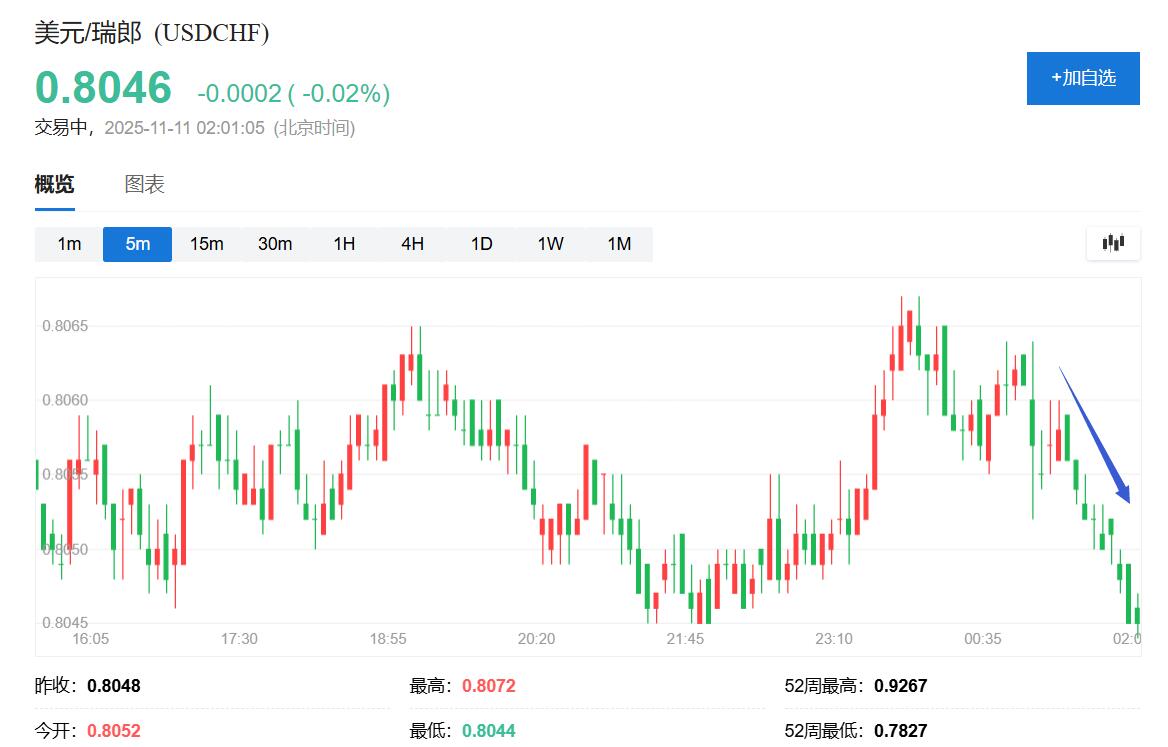
瑞士据称接近与美国达成15%的关税协议,将有望摆脱持续三个月的39%惩罚性关税。 美东时间11月10日周一,媒体援引知情人士消息称,瑞士和美国的上述协议可能在未来两周内敲定,税率将与美国对欧盟实行的关税持平。这标志着瑞士数 月穿梭外交和企业游说努力的成功。 消息传出后,瑞士法郎盘中转涨。美元兑瑞郎在美股早盘逼近日高、涨近0.3%,但在午盘消息传出后加速回落,小幅转跌。 媒体称,推动瑞士与美国谈判进展的关键是,上周瑞士商界高层与特朗普的会面。知情人士警告,目前协议尚未最终敲定,谈判仍可能破裂,就像今年7月 底双方谈判那样最后时刻逆转。 白宫和瑞士政府发言人均拒绝就本周一的消息置评,美国贸易代表办公室未立即回应。 谈判取得突破性进展 媒体称,知情人士透露,瑞士正寻求将出口美国商品的关税从39%降至15%。这一税率与欧盟相同,将大幅缓解瑞士自8月以来承受的关税压力。 协议的推进得益于上周瑞士亿万富翁和企业高管在白宫的椭圆形办公室与美国总统特朗普的会晤。这次会谈效果良好,促使特朗普此后直接下令美国贸易代 表格里尔加快与瑞士的直接谈判。格里尔于上周五与瑞士谈判代表进行了磋商。 这标志着瑞士首席贸易外交官Helene B ...
【环球财经】记者手记:在德国企业财报季,听见“关税”成为高频词
Xin Hua Cai Jing· 2025-11-09 01:54
Core Viewpoint - The impact of tariffs, particularly from the U.S. on EU products, has become a significant concern for German companies, affecting their financial performance and strategic decisions [1][2][3]. Group 1: Company Financial Impact - Siemens Healthineers reported a profit reduction of approximately 400 million euros due to tariffs, equating to a decrease of about 12 euro cents per share [1][2]. - Porsche's sales profit for the first three quarters of the year was only 40 million euros, a dramatic decline of 99% compared to 4.035 billion euros in the same period last year [2][3]. - Porsche anticipates a total loss of 700 million euros for the year due to tariff-related costs, which have already added approximately 300 million euros in extra expenses in the first nine months [3]. Group 2: Broader Economic Implications - The German economy showed zero growth in GDP for the third quarter, with exports declining significantly, indicating the broader economic impact of U.S. tariffs [4]. - The U.S. has fallen from being Germany's largest trading partner, with exports to the U.S. dropping by 7.4% year-on-year, and an even steeper decline of 20.1% in August [4]. - A survey indicated that over half of German companies are considering reducing their trade with the U.S. due to increased uncertainty stemming from tariff policies [5]. Group 3: Strategic Responses - Companies are increasingly focusing on innovation, cost control, and supply chain flexibility to navigate the challenges posed by tariffs and global trade tensions [5]. - The need for a re-evaluation of global supply chains is becoming evident, as companies seek to mitigate tariff risks by diversifying into emerging markets [5].
More volatility on the horizon, says DHL CEO
Youtube· 2025-11-06 08:26
Core Insights - The company is experiencing a significant decline in US-bound volumes due to changes in regulations and tariffs, impacting both imports and exports [1][2] - There is a decoupling of the US economy, but the company is seeing good growth in Asia and is focusing on that region [2] - Weak economic conditions persist in Europe, particularly in Germany, which has seen three years of zero growth [3][4] Industry Trends - The company is investing in growth sectors and emerging markets to manage capacity according to market requirements [4] - Ongoing trade agreements have not provided the hoped-for certainty, and the company is preparing for a volatile environment [5][6] - The company is closely supporting customers to optimize supply chains amid changing regulations and geopolitical implications [7] Legal and Regulatory Environment - There are ongoing legal questions regarding the legality of tariffs imposed by the US government, which complicates the outlook for the company [8][9] - The president has multiple legal grounds to impose tariffs, suggesting that the fundamental stance of the US administration is unlikely to change significantly [10]
特朗普:额外对加拿大征收10%关税
Sou Hu Cai Jing· 2025-10-29 03:00
Core Viewpoint - The article discusses the escalating tensions between the United States and Canada, particularly regarding a controversial advertisement released by the Ontario government that allegedly misuses a speech by former President Ronald Reagan, leading to threats of increased tariffs from President Trump [1][2]. Group 1: U.S.-Canada Relations - President Trump accused Canada of using a "forged" video of Ronald Reagan's speech to mislead the public, labeling it as a fraudulent act [1]. - Trump announced that due to Canada's "serious distortion of facts and hostile actions," the U.S. would impose an additional 10% tariff on Canadian goods [1]. - The Ontario government used audio and video clips from Reagan's 1987 speech without permission, which the Reagan Foundation claims misrepresents the original message [2]. Group 2: Trade Negotiations - Following the controversy, Trump declared an immediate halt to all trade negotiations with Canada, citing the negative impact of the advertisement on U.S. national security and economic interests [2]. - Canadian Prime Minister Carney expressed readiness to resume trade talks with the U.S. but emphasized that Canada cannot control U.S. trade policies [2].

科利实业控股(01455)发盈警 预期中期取得溢利约470万港元同比减少约79.5%
智通财经网· 2025-10-28 09:31
Core Viewpoint - The company, Koli Industrial Holdings (01455), anticipates a significant decline in profit for the six months ending September 30, 2025, estimating a profit of approximately HKD 4.7 million, which represents a decrease of about 79.5% compared to the profit of approximately HKD 22.9 million for the same period ending September 30, 2024 [1] Financial Performance - The anticipated profit drop is primarily attributed to a decrease in revenue and gross margin from hair care products, leading to a reduction in gross profit [1] - There has been a decline in both the sales volume and average selling price of the company's hair care products compared to the previous year [1] Market Dynamics - Uncertainties regarding increased trade tariffs imposed by the U.S. on Chinese manufactured goods have led a major U.S. client to adopt a conservative purchasing strategy, resulting in a significant drop in sales volume of hair care products to this client [1] - Additionally, a major Japanese client has not placed orders for a key hair dryer model due to the introduction of a new model in the Japanese market, which has replaced the older model produced by the company [1]
特朗普不满加拿大反关税广告,宣布加征10%关税,再度指责其“伪造”里根视频
Sou Hu Cai Jing· 2025-10-26 04:21
Core Viewpoint - The article discusses President Trump's accusations against Canada for allegedly using a "forged" video of former President Reagan to mislead the public, which he claims is a fraudulent act [1][3]. Group 1: Accusations and Responses - Trump claims that Canada has misused and edited Reagan's speech without authorization from the Reagan Foundation, which is considering legal action [3]. - He asserts that Canada's actions are intended to influence the U.S. Supreme Court's decision on tariff issues [3]. - In response to what he describes as Canada's "serious distortion of facts and hostile actions," Trump announced an additional 10% tariff on Canadian goods [3]. Group 2: Trade Negotiations - On October 23, Trump abruptly announced the suspension of trade negotiations with Canada, citing dissatisfaction with an advertisement sponsored by the Ontario government [5]. - He accused Canada of deceptively claiming that Reagan opposed tariffs [5]. - Canadian Prime Minister Carney stated on October 24 that Canada is ready to resume and advance trade negotiations with the U.S., but cannot control U.S. trade policy [5].
【环球财经】特朗普宣布对加拿大加征10%关税
Xin Hua She· 2025-10-26 02:02
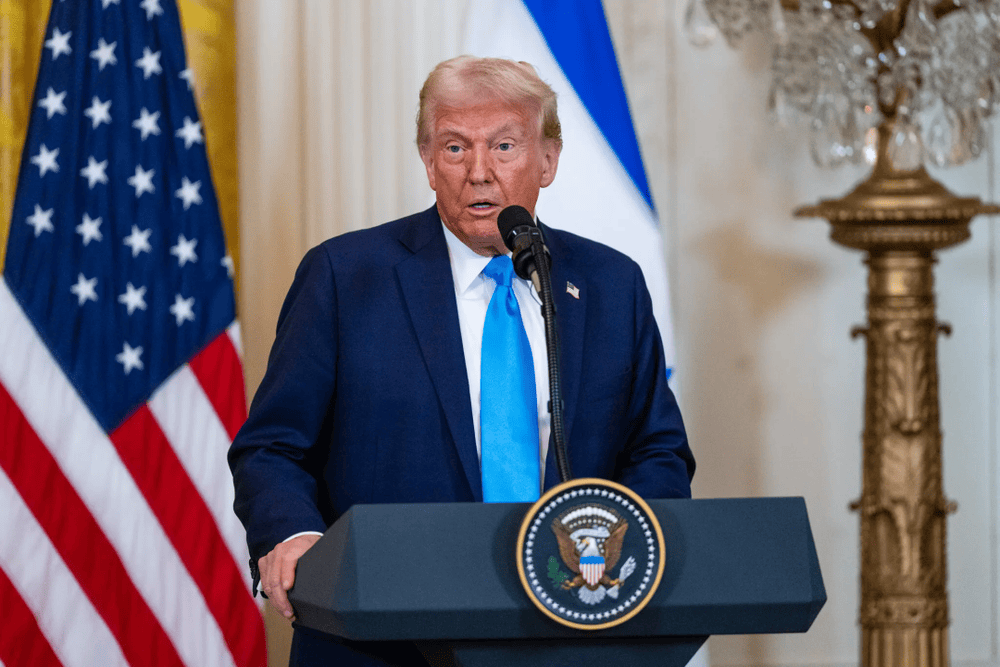
Core Viewpoint - The article discusses President Donald Trump's announcement of a 10% additional tariff on goods imported from Canada due to a misleading anti-tariff advertisement aired in Canada, which has led to the termination of trade negotiations with Canada [1] Group 1: Tariff Announcement - President Trump plans to impose an additional 10% tariff on Canadian imports [1] - The decision was triggered by a misleading advertisement from Ontario, Canada, featuring former President Ronald Reagan criticizing U.S. tariffs [1] - The advertisement continued to air during the World Series, despite Ontario Premier Doug Ford's statement to pause it [1] Group 2: Trade Negotiations - Trump's announcement indicates a halt in trade negotiations with Canada following the airing of the advertisement [1] - The advertisement was perceived as a hostile act, prompting Trump's response to increase tariffs [1]
特朗普宣布对加方征收10%额外关税
Sou Hu Cai Jing· 2025-10-26 00:34
Core Viewpoint - The article discusses President Trump's accusations against Canada for allegedly using a "forged" video of former President Reagan to mislead the public, which he claims is a fraudulent act [2] Group 1: Trade Relations - Trump announced the suspension of trade negotiations with Canada due to dissatisfaction with an advertisement sponsored by the Ontario government, which he claims misleadingly suggests Reagan opposed tariffs [2] - In response to Canada's actions, Trump stated that the U.S. would impose an additional 10% tariff on Canadian goods, citing "serious distortion of facts and hostile actions" from Canada [2] Group 2: Legal and Diplomatic Responses - Trump referenced a statement from the Reagan Foundation, indicating that Canada did not have authorization to use or edit Reagan's speech, and that the foundation is considering legal action [2] - Canadian Prime Minister Carney expressed readiness to resume and advance trade negotiations with the U.S., but noted that Canada cannot control U.S. trade policy [2]
