AI for Science

Search documents
国产AI4S创业头雁再获8亿投资!深势科技完成C轮,产品已服务300万科学家
Sou Hu Cai Jing· 2025-12-24 04:23
允中 发自 凹非寺 量子位 | 公众号 QbitAI 近日,深势科技完成总额超8亿人民币的C轮融资,本轮融资由达晨财智、京国瑞基金、北京市人工智能产业投资基金、北京市医药健康产业投资基金、 联想创投、元禾璞华等机构共同出资。 本轮融资资金将主要用于持续吸引和培养行业内顶尖人才,进一步进化迭代深势科技的"科学发现智能引擎",持续夯实从原始技术创新、到智能科研工具 产品及行业解决方案的全栈能力,加速围绕科学发现的智能产品与服务在基础科研、生命科学与物质科学等领域的市场拓展与规模化应用。 此次融资的完成,标志着深势科技在构建新一代科学发现智能引擎的征程上,迈出了坚实的一步。 AI for Science成为全球共识,科学发现范式正在重构 我们正站在一个历史性的时点,AI for Science已成为全球性的共识,其目标在于从根本上变革人类探索未知、发现全新科学知识并将其系统沉淀为可复用 科学资产的模式。 此外,欧洲的"地平线"计划中重点布局AI赋能的科学研究;美国更是启动创世纪计划(Genesis Mission),核心是加速利用AI推动科学突破,提高AI驱动 科学发现以及工业应用转化的效率,此计划也被上升到与"曼 ...


首发|两位90后,又融8亿
投资界· 2025-12-24 02:20
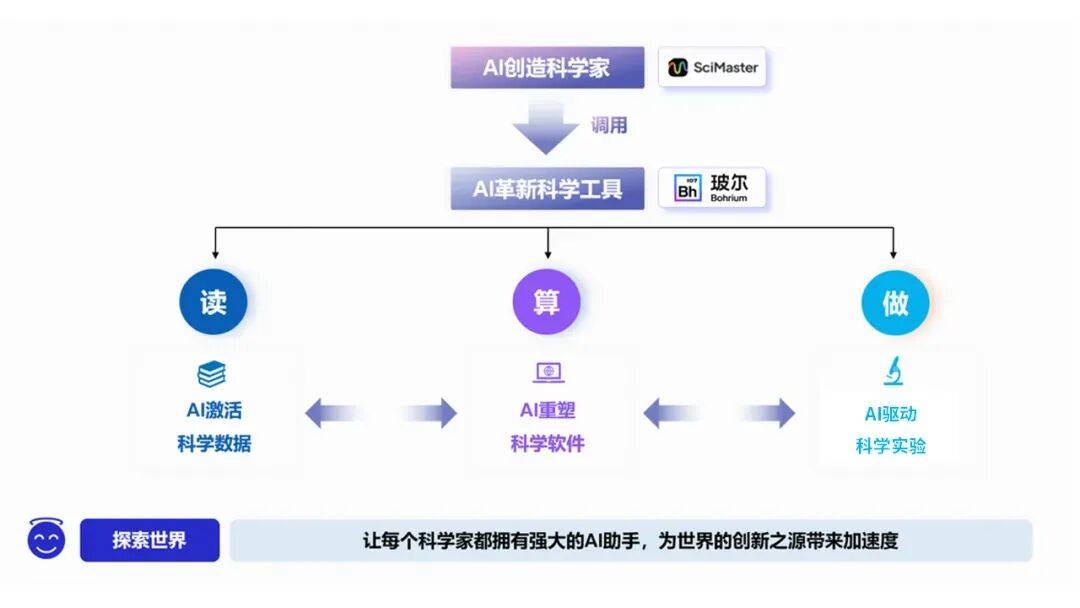
出 生 于 1 9 9 3 年 , 张 林 峰 来 自 山 西 汾 阳 , 在 北 大 元 培 学 院 修 了 物 理 、 数 学 、 计 算 机 。 孙 伟杰与张林峰同龄,是黑龙江佳木斯人,主修政经哲。入学的第一周,两人便因体育结 缘。毕业后,张林峰进入普林斯顿大学深造,师从中国科学院院士鄂维南和美国科学院 院士Ro b e rt o Ca r。孙伟杰则留在北大念教育经济与管理学研究生,后来从事风险投资 工作。 新晋独角兽。 作者/周佳丽 报道/投资界PEdaily 投资界获悉,全球AI f o r S c i e n c e 基础设施公司——深势科技已完成总额超8亿元人民 币的C轮融资,由达晨、京国瑞基金、北京市人工智能产业投资基金、北京市医药健康 产业投资基金、联想创投、元禾璞华等机构共同出资。 至此,深势科技已累计融资数十亿元,正式跻身独角兽俱乐部。 成立于2 0 1 8年,深势科技始于两位北大校友——张林峰、孙伟杰。两人同为9 0后,一 文一理,联手构建了一系列"读文献、做计算、做实验"的智能科学工具和各领域的科学 智能体,也由此集结了一份长长的投资人名单。 两位90后带队 一个新晋AI独角兽诞生 ...

1024张昇腾卡,上海交大建成全国高校最强国产算力
Guan Cha Zhe Wang· 2025-12-24 02:14
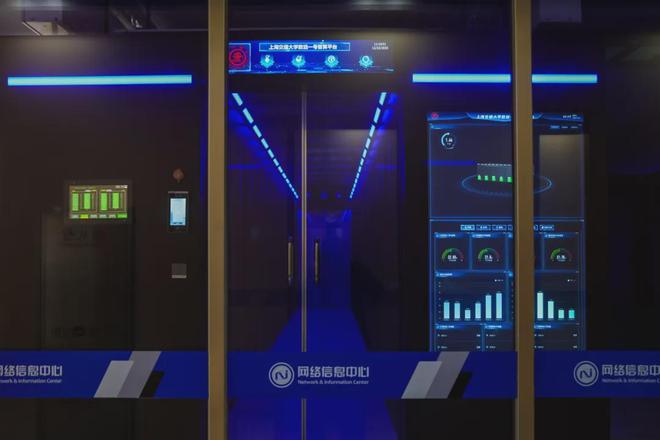
上海交通大学表示,"致远一号"智算平台是全国高校最大的国产智算算力基础设施,更是交大向"AI for Science"科研新范式迈出的坚实一步。 秉承"边建边用"理念,学校从2024年12月启动建设平台,2025年2月上线国内高校首个本地满血版 DeepSeek,11月机房全面通电,12月平台全面落成。"致远一号"平台本地部署了包含DeepSeek在内的8 款主流大模型,面向全校师生提供模型即服务,累计服务校内师生3.8万人,成为支撑学校高质量发展 的关键算力基座。 上海交通大学"致远一号"智算平台 据微信公众号"上海交通大学"消息,12月23日,人工智能赋能教育高质量发展研讨会暨"致远一号"全面 落成仪式在上海交通大学闵行校区举行。 教育部教育管理信息中心副主任曾德华,华为公司董事、ICT BG CEO杨超斌,清华大学校务委员会副 主任、赛尔网络党总支书记王岩,华为公司副总裁、公共事业军团CEO李俊风作为嘉宾出席本次大会; 中国科学院院士、上海交通大学校长丁奎岭出席仪式并致辞,中国科学院院士、上海交通大学人工智能 学院首席顾问鄂维南教授作专题报告。 根据上海交通大学高性能计算中心介绍,"致远一号"国产千卡智 ...
美股科技行业周报:存储行业维持高景气度,美国能源部推进“创世纪计划-20251221
Guolian Minsheng Securities· 2025-12-21 11:10
Investment Rating - The report suggests a positive outlook for the technology sector, particularly in storage and AI-related investments, indicating a favorable investment environment [5]. Core Insights - The storage industry remains robust, with Micron Technology (MU) reporting significant revenue and profit growth, exceeding Bloomberg consensus estimates. MU's revenue for FY26Q1 was $13.64 billion, with an adjusted gross margin of 56.8% and adjusted net profit of $5.48 billion, indicating strong demand and pricing power in the HBM segment [2][11]. - The U.S. Department of Energy (DOE) is advancing the "Genesis Mission," a national initiative aimed at leveraging AI to accelerate scientific discovery and enhance national security, which is expected to create substantial demand for AI technologies [19][20]. - Google's release of the Gemini 3 Flash model demonstrates a significant reduction in costs while enhancing performance, indicating a shift towards more efficient AI applications [16][17]. Summary by Sections Key Technology Company Updates - Micron's FY26Q1 results showed a revenue of $13.64 billion, surpassing expectations by 5.3%. The company has locked in pricing and supply for HBM for the 2026 calendar year, predicting a total addressable market (TAM) CAGR of approximately 40% for HBM, reaching $100 billion by 2028 [2][11]. - Robinhood introduced new AI-driven features, including personalized portfolio summaries and a predictive market function, enhancing user engagement and investment capabilities [12][14]. Overseas Technology Industry Dynamics - Google launched the Gemini 3 Flash model, which combines high-speed processing with low costs, aimed at improving everyday task handling and agent workflows [16][17]. - The DOE's collaboration with 24 organizations, including major tech firms, aims to utilize AI for scientific advancements and energy innovation, marking a significant public-private partnership in the AI domain [19][20][21]. Weekly Perspective - The Nasdaq saw a slight increase, supported by macroeconomic indicators such as lower-than-expected CPI and unemployment rates. The report highlights the potential for AI capital expenditures to shift from cloud vendors to sovereign markets, particularly in storage and optical communication sectors [5][29].


摩尔线程发布“花港”GPU新架构,万卡AI训练与推理能力,剑指英伟达
Feng Huang Wang· 2025-12-21 06:18
Core Insights - The company unveiled its next-generation GPU architecture "Huagang" at the first MUSA Developer Conference (MDC2025) in Beijing, showcasing advancements in AI training clusters and various technologies [1][2] - The new architecture supports full precision computing from FP4 to FP64, with a 50% increase in computing density and a 10x improvement in energy efficiency [1] - The company plans to launch the "Huashan" chip focused on AI training and inference, and the "Lushan" chip aimed at graphics rendering [1] Architecture and Performance - The "Huagang" architecture enhances training cluster capabilities with the "Kua'e" 10,000-card intelligent computing cluster, achieving 60% training utilization on dense models and 40% on mixture of experts models, with a linear scaling efficiency of 95% [1] - In inference, the company collaborated with Silicon-based Flow to achieve a single card Prefill throughput exceeding 4000 tokens/s and Decode throughput over 1000 tokens/s on the DeepSeek R1671B model [1] Software Ecosystem - The MUSA 5.0 version optimizes programming models, computing libraries, and compilers, with core computing library muDNN's GEMM and FlashAttention efficiency exceeding 98% and communication efficiency reaching 97% [1] - The company plans to gradually open-source some core components, including computing acceleration libraries and system management frameworks [1] Graphics and AI Integration - The new architecture integrates hardware ray tracing acceleration engines and supports self-developed AI generative rendering technology [2] - The company introduced the MTLambda simulation training platform and the MTT AIBOOK based on the "Yangtze" SoC, focusing on cutting-edge fields like embodied intelligence and AI for Science [2] Future Infrastructure - The company announced the MTTC256 super-node architecture design for next-generation large-scale intelligent computing centers, emphasizing high-density hardware and energy efficiency optimization [2] - The comprehensive technology layout from chip architecture to cluster infrastructure and edge devices aims to support the development of the domestic AI computing ecosystem [2] - Industry experts believe the company is positioning itself to compete directly with Nvidia by releasing its architecture early to boost confidence in its software ecosystem [2]

王江平:打通“堰塞湖”,让AI科学发现真正转化为现实生产力
Zhong Guo Neng Yuan Wang· 2025-12-17 08:17
在"十四五"规划收官、"十五五"规划谋篇布局的关键节点,如何以科技创新引领高质量发展,成为中国经济迈向下一个五年的核心命题。在近日于北京举行 的"国是论坛:2025年会"上,工业和信息化部原副部长、工业和信息化部电子科技委主任王江平围绕"AI科学发现转化为生产力的问题与对策"发表主旨演 讲,直指当前人工智能与产业融合中的关键堵点,为中国在AI时代实现高水平科技自立自强提供了系统性思考。 王江平指出,随着人工智能深度参与科学研究,AI科学发现正成为继实验科学、理论科学、计算科学和数据密集型科学之后的"第五范式"。在蛋白质结构预 测、新材料发现、药物研发等领域,AI已经显著缩短了科学发现周期,极大拓展了人类认知边界。以AlphaFold为代表的突破性成果,使人工智能研究者首 次走上诺贝尔奖领奖台,标志着AI for Science进入加速发展阶段。 然而,在成果数量呈指数级增长的同时,AI科学发现向现实生产力转化却遭遇严峻挑战。王江平形象地将这一结构性矛盾比喻为"堰塞湖":一方面,AI模型 每天可以产生成千上万的预测结果;另一方面,人类实验验证能力和产业化能力却只能线性增长,远远无法消化这些成果。以新材料研究为例 ...

专家共话经济新动能,服务消费将打开内需空间
2 1 Shi Ji Jing Ji Bao Dao· 2025-12-16 14:37
21世纪经济报道记者冉黎黎 北京报道 12月16日,"国是论坛:2025 年会"在北京举行。论坛上,国务院 发展研究中心原党组书记马建堂表示,基本实现现代化有一个标志性指标,人均国内生产总值达到中等 发达国家水平,按照目前和未来实际情况看,预测到2035年我国人均GDP达到2.3万美元是完全可能 的。 中央经济工作会议在部署明年重点经济工作时将扩大内需被放在了首要位置,此次论坛上,"服务消 费"成为谈及扩大内需时的焦点话题之一。粤开证券首席经济学家、研究院院长罗志恒在论坛上提到, 2024年我国居民消费率的比重与美国相差约28个百分点,差异主要体现在服务消费。 北京大学经济学院教授、国民经济研究中心主任苏剑也对21世纪经济报道记者表示,实物商品消费的扩 大空间已经很小,未来还会越来越小,所以扩大消费的方向在于服务消费,且主要指高端服务消费,随 着经济发展,服务消费占比会越来越大,这是一个长期趋势。 另外,"人工智能+"近年来备受关注。工业和信息化部原副部长、工业和信息化部电子科技委主任王江 平在论坛上提到,AI for Science正在成为科学研究第五范式,但AI科学发现存在"堰塞湖困境",堵住了 科学发现 ...
控股股东自愿延长16.1亿股锁定至2026年底 川宁生物合成生物学与高端产能驱动新增长极
Zheng Quan Shi Bao Wang· 2025-12-16 11:53
Core Viewpoint - Chuaning Bio, a leading company in the domestic bio-fermentation technology sector, has extended the lock-up period for its pre-IPO shares held by its controlling shareholder, Sichuan Kelun Pharmaceutical, until December 27, 2026, to enhance investor confidence and stabilize the capital market [1] Group 1: Shareholder Commitment - The lock-up extension involves approximately 1.61 billion shares, accounting for 72.19% of the company's total share capital [1] - This commitment reflects the controlling shareholder's confidence in the company's future development and intrinsic value [1] Group 2: Production and Market Outlook - Chuaning Bio reported that its three major intermediates are operating at full capacity, although the overall shipment volume has decreased by about 8% year-on-year [2] - The company anticipates a potential recovery in market demand for penicillin products, with prices currently at historical lows, and expects a positive trend as the traditional peak season approaches [2] - The company has initiated a collaboration with Shanghai Jincheng Technology to leverage AI in enhancing production efficiency in bio-fermentation [2] Group 3: AI and Product Development - The AI virtual engineer has shown an average production increase of 3%-5% compared to the control group and can predict fermentation trends in real-time [3] - Revenue from synthetic biology products reached 48.8 million yuan in the first three quarters of 2025, with improved order conditions compared to the previous year [3] - The company expects significant revenue growth in synthetic biology products as production capacity increases and market expansion continues [3] Group 4: Management's Strategic Focus - The management plans to deepen technological innovation, optimize industrial layout, and enhance operational quality to reward shareholders' trust and support [4] - Chuaning Bio aims to become a significant innovative force in the global biotechnology sector, creating sustainable value for shareholders [4]
穿越周期的早期投资:从赛道思维到认知红利|甲子引力
Sou Hu Cai Jing· 2025-12-16 10:45
Core Insights - The article discusses the shift from "track thinking" to "cognitive dividends" in early-stage investment, emphasizing the need for investors to develop a deep understanding of people, cycles, and non-consensus views in a crowded market [1][2]. Group 1: Investment Strategies - Investors are moving away from simply betting on popular sectors and are focusing on building their own cognitive models and project radars to identify unique opportunities [1][2]. - The importance of maintaining a "feel" for the market and establishing positive feedback loops during industry downturns is highlighted as key to capturing the next big opportunity [1][2]. Group 2: Key Investment Areas - Major investment themes identified include AI applications, AI-driven consumer electronics, embodied intelligence, and energy systems related to AI [8][9]. - The focus on AI hardware and AI for Science is emphasized, with a recognition of the rapid evolution of sectors like quantum technology and biomanufacturing [9][10]. Group 3: Cognitive Differentiation - Investors are encouraged to develop unique cognitive perspectives that differentiate their investment decisions, even when consensus exists around certain sectors [12][21]. - Examples of successful investments based on unique cognitive insights include early support for companies that later gained significant market traction, despite initial skepticism from the broader investment community [14][15]. Group 4: Project Sourcing and Influence - The role of personal influence and brand visibility in attracting quality projects is discussed, with a focus on how public engagement can enhance investment opportunities [25][26]. - The importance of continuous learning and sharing insights through platforms like podcasts and articles is noted as a way to build a network of potential investment opportunities [27][28]. Group 5: Future Outlook - The consensus among investors is to continue focusing heavily on AI-related investments, with specific attention to foundational AI technologies and applications [32][33].
《突破:科学智能》丨当AI遇见科学:一场颠覆认知的科技革命正在发生
Huan Qiu Wang Zi Xun· 2025-12-15 06:08
Group 1 - The core idea of the article emphasizes the transformative impact of artificial intelligence (AI) on scientific exploration and understanding of the universe [1][11] - AI is being positioned as a new tool for comprehending both macro and micro aspects of science, such as predicting solar flares and identifying rare particle signals from vast data [3][5] - The article highlights the shift from human-controlled scientific methods to AI-driven innovations, including the potential for AI-designed rocket engines [7][9] Group 2 - Beijing is emerging as a hub for scientific intelligence, with a local policy set to be released in July 2025 that focuses on "AI for Science," aiming to deeply integrate AI with research [11] - The documentary series "AI向新力" showcases how AI is reshaping human cognition and marks the beginning of a new era in scientific intelligence [12]