产业升级

Search documents
前瞻2026:从经济发展逻辑看未来一年的政策着力点
Sou Hu Cai Jing· 2025-12-13 02:08
Group 1 - The core focus for China's economic work in 2026 will be on balancing short-term stability with long-term structural optimization, addressing both immediate economic growth and the cultivation of new growth drivers [2][4] - Short-term policies will prioritize maintaining economic growth within a reasonable range, ensuring overall employment stability, and keeping price levels stable, which requires continuous and targeted macroeconomic policies [2][5] - Long-term strategies will emphasize fostering new growth momentum through investments in technology innovation, industrial upgrades, and green development, aiming to enhance total factor productivity and build a modern industrial system [2][5] Group 2 - The expected key directions for economic work in 2026 include promoting industrial system upgrades through technological innovation, expanding domestic demand, deepening reforms in key areas, and effectively preventing and mitigating risks in critical sectors [3][5] - Expanding domestic demand will involve measures to release consumer potential, such as increasing household income and improving the consumption environment, while maintaining reasonable investment intensity in key areas [5] - Reform efforts will focus on establishing a higher-level market economy, enhancing the market-oriented allocation of resources, and creating a favorable business environment, alongside steady expansion of institutional openness to attract global resources [5] Group 3 - Effective risk prevention and mitigation will be essential for maintaining overall economic and financial stability, requiring enhanced monitoring and early warning systems for various risks [5] - Clear policy signals will guide the allocation of resources towards technology innovation, green development, and improving livelihoods, accelerating economic structural optimization [5] - Policies aimed at expanding domestic demand and strengthening risk prevention will ultimately focus on safeguarding and improving people's livelihoods, promoting employment and income growth, and enhancing social security levels [5]

持续发力战略性新兴产业 超前谋划未来产业
Zheng Quan Ri Bao· 2025-12-13 01:28
本报讯 (记者杜雨萌)12月12日,国务院国资委党委召开专题会议,认真传达学习习近平总书记重要讲话 精神和中央经济工作会议精神,紧密结合国资央企实际研究贯彻落实举措,强调要进一步深刻领悟"两 个确立"的决定性意义,坚决做到"两个维护",深入贯彻党的二十届四中全会精神,自觉把思想和行动 统一到党中央对当前经济工作的重大判断和决策部署上来,牢记职责使命,站位大局全局,坚定信心决 心,更好统筹发展和安全,坚持稳中求进、提质增效,优化布局、转型升级,坚定不移做强做优做大国 有企业和国有资本,不断增强企业核心功能、提升核心竞争力,为实现"十五五"开好局、起好步提供有 力支撑。 会议强调,要进一步巩固全国国有企业党的建设工作会议精神学习和落实成果,进一步推动国资央企以 政治建设为统领加强党的建设,建强干部队伍,夯实党建基础,坚定不移正风肃纪反腐,加快构建同中 央企业新征程新使命更相适应的党建工作新格局,为国资央企高质量发展提供坚强保证。 (责任编辑:李春晖) 会议认为,这次中央经济工作会议是在"十四五"收官、"十五五"开局的关键时期召开的一次十分重要的 会议。习近平总书记的重要讲话系统总结了今年和"十四五"时期的经济工作 ...
温州、徐州、大连冲刺万亿GDP城市 谁将晋级?
2 1 Shi Ji Jing Ji Bao Dao· 2025-12-13 00:55
Core Viewpoint - The competition for cities to join the "trillion GDP club" is intensifying, with Wenzhou, Xuzhou, and Dalian as key contenders, highlighting a shift in China's economic growth dynamics towards ordinary prefecture-level cities [1][19][20]. Group 1: Economic Growth and City Development - Wenzhou is expected to surpass a GDP of 1 trillion yuan this year, with Xuzhou and Dalian also aiming for this milestone [2][21]. - Currently, there are 27 cities in the trillion GDP club, with notable representation from various regions including the Yangtze River Delta and the Pearl River Delta [2][21]. - The expansion of the trillion GDP club is characterized by the rise of ordinary prefecture-level cities, indicating a change in the economic landscape of China [2][21][35]. Group 2: Wenzhou's Economic Strategy - Wenzhou's economic growth is supported by a robust manufacturing base and a strong private sector, with 156.4 million registered private enterprises as of November 2025 [6][26]. - The city aims to establish a dual trillion industry cluster by 2025, focusing on both traditional and emerging industries [7][26]. - Wenzhou's industrial transformation has shown significant results, with traditional and emerging industries experiencing growth rates of 11.4% and 12.4% respectively in the first ten months of the year [7][26]. Group 3: Dalian's Economic Challenges and Opportunities - Dalian aims to achieve a GDP of 1 trillion yuan by 2025, with a current GDP of 9516.9 billion yuan projected for 2024 [10][31]. - The city has a strong traditional industrial base, particularly in the petrochemical sector, but faces challenges in transitioning to high-tech manufacturing [11][32]. - Dalian's strategic location and existing industrial foundation provide significant growth potential, despite current limitations in innovation and industry structure [11][32]. Group 4: Xuzhou's Growth Potential - Xuzhou's GDP reached 7298.12 billion yuan in the first three quarters of the year, with a target to exceed 1 trillion yuan by 2025 [12][33]. - The city is positioned as a key player in addressing the economic imbalance between southern and northern Jiangsu province [14][33]. - Xuzhou's development strategy includes leveraging its geographical advantages to become a hub for regional connectivity [14][33]. Group 5: Future Trends in Urban Economic Development - The trend of ordinary prefecture-level cities joining the trillion GDP club is expected to continue, with cities like Shaoxing, Yangzhou, Yancheng, and Jiaxing as potential candidates [15][35]. - The focus on urbanization and collaboration with nearby major cities is crucial for these cities to achieve sustainable growth [36][37]. - Future urban development will prioritize not only GDP growth but also the quality of growth, emphasizing metrics such as per capita GDP and innovation resources [38][37].
站在更高起点挺起中部脊梁
Jing Ji Ri Bao· 2025-12-12 22:59
Group 1 - The central region's rise is crucial for national stability and development, showcasing significant progress in various industries such as optoelectronics, engineering machinery, and agriculture [1][2] - The central region is positioned as a strategic support point, linking eastern and western regions, and enhancing the efficiency of the national unified market [2] - The region faces challenges including insufficient innovation capabilities, a lack of integration within the industrial system, and the need for improved regional collaboration [2] Group 2 - The focus is on establishing a nationally influential technology innovation hub, enhancing regional innovation centers, and promoting high-quality industrial clusters in sectors like optoelectronics and new energy vehicles [3] - Key reforms are needed to optimize the business environment and promote rural revitalization, particularly in food security and agricultural technology [3] - Enhancing the hub function and openness of the central region is essential for it to become a vital node in the national unified market, with plans for comprehensive transportation networks and international logistics [4]
2025年GDP30强城市预测:深圳近4万亿,福州接近郑州,温州破万亿
Sou Hu Cai Jing· 2025-12-12 17:35
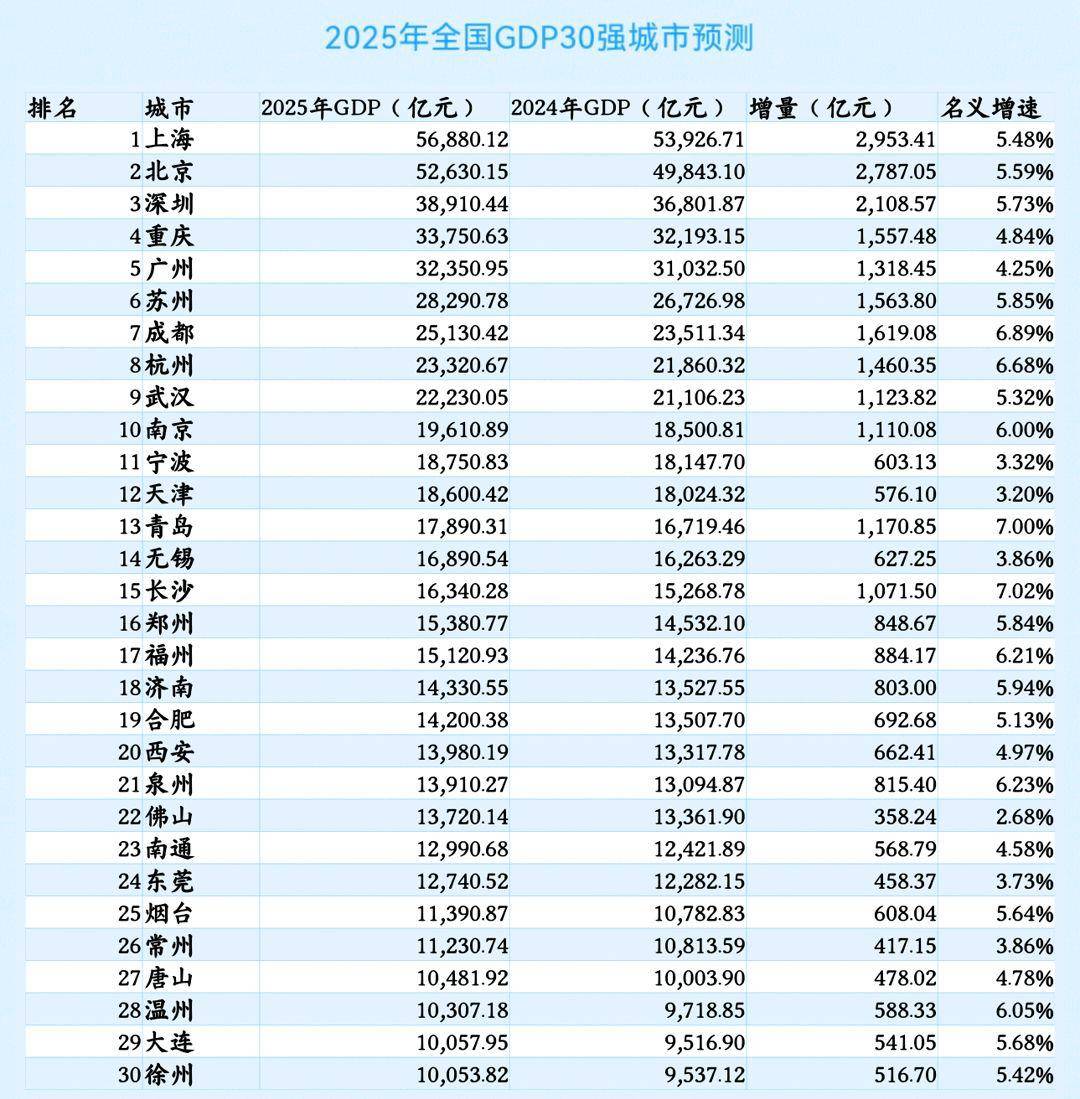
Core Insights - The 2025 GDP forecast for major Chinese cities highlights significant economic growth, with Shanghai leading at 56,880 billion yuan, followed by Beijing at 52,630 billion yuan, and Shenzhen at 38,910 billion yuan [1][2] Group 1: Major Cities and Economic Growth - Shanghai is projected to maintain its position as the top city with a GDP of 56,880 billion yuan, showing a nominal growth rate of 5.48% [2] - Beijing is expected to reach a GDP of 52,630 billion yuan, with a nominal growth rate of 5.59% [2] - Shenzhen's GDP is forecasted to be 38,910 billion yuan, with a nominal growth rate of 5.73%, driven by its status as a global tech innovation hub [2][3] Group 2: Emerging Cities - New first-tier cities like Chengdu and Hangzhou are showing impressive growth rates, contributing to a more balanced economic development across China [1] - Wenzhou is notable for being the first city to surpass a GDP of 1 trillion yuan, reaching 10,307 billion yuan, marking a significant milestone in regional economic development [1][6] Group 3: Shenzhen's Economic Model - Shenzhen's economy is characterized by a strong innovation ecosystem, with an expected annual patent authorization exceeding 100,000, accounting for 15% of the national total [3] - The city is projected to attract over 100 billion USD in foreign investment, with strategic emerging industries expected to grow by 12% [2][3] Group 4: Fuzhou's Economic Development - Fuzhou is forecasted to achieve a GDP of 15,120 billion yuan, with a growth rate of 6.21%, benefiting from free trade zone policies and a focus on digital economy [5] - The city aims to enhance its marine economy, with expected output surpassing 500 billion yuan and a 10% increase in port throughput [5] Group 5: Wenzhou's Economic Transformation - Wenzhou's GDP is projected to reach 10,307 billion yuan, with a growth rate of 6.05%, driven by its vibrant private economy [6][8] - The city is focusing on innovation, with an expected 5,000 new patents annually and a significant increase in cross-border e-commerce activities [6][8]
山东出台举措促人工智能产业高质量发展
Zheng Quan Ri Bao· 2025-12-12 16:25
本报记者 王僖 《计划》提到,要针对化工、铝业、钢铁、矿山开采、高端装备、生物医药等智能制造场景,不断提升重点行业"产业大 脑"赋能水平,高水平建设人工智能能力中心,优化生产效率和管理效能。 12月12日,山东省工业和信息化厅等多部门联合印发《山东省人工智能产业高质量发展行动计划(2025—2027年)》(以 下简称《计划》),为该省今后一段时间人工智能产业发展擘画清晰路线图。 鹿客岛科技创始人兼CEO卢克林对《证券日报》记者说:"这种'重工业即场景'的禀赋,使得山东能够实现'论文—产线'同 步跑,将技术迭代成本和时间大幅压缩,形成落地效率优势。" 《计划》提出,到2027年,山东省人工智能核心产业规模力争突破2000亿元,年均增速超过30%,带动相关产业规模超万 亿元,并培育5家左右领航型企业,致力于建成全国人工智能产业特色发展引领区。 盘古智库高级研究员江瀚在接受《证券日报》记者采访时表示,面对全国人工智能产业竞争格局,山东通过聚焦"AI+重工 业"的垂直赛道,有望在智慧化工、绿色冶金、高端装备等领域形成一批具有全国影响力的行业解决方案和特色集群,不仅为 自身产业升级注入强大动能,也为全国传统工业大省的智 ...
云南德宏州强产强基发展动力不断迸发
Zhong Guo Jing Ji Wang· 2025-12-12 14:54
Core Insights - The Dehong Prefecture has achieved significant economic growth and social stability during the "14th Five-Year Plan" period, focusing on industrial upgrades and improving livelihoods [1][2] Economic Development - Dehong's GDP has surpassed 60 billion yuan, with the private economy accounting for 64% of the total, indicating a robust economic foundation [1] - The proportion of industrial investment during the "14th Five-Year Plan" has increased by 20 percentage points compared to the end of the "13th Five-Year Plan" [1] - The number of enterprises in the modern industrial park has grown by 66.4% since its establishment, with employment rising from 7,000 to 63,000 [1] - The industrial added value in the park is projected to grow by 131.4% and 61.9% in 2023 and 2024, respectively [1] - The textile and apparel industry has seen a surge, with 142 new enterprises established, making it the largest textile cluster in Yunnan, increasing its share of the industrial output from 1.5% to 26.55% [1] Open Development - Dehong has deepened its open development strategy, enhancing its role as a gateway for the China-Myanmar Economic Corridor [2] - The establishment of 82 local workshops has led to a local employment rate of 76.76%, contributing to poverty alleviation [2] Tourism Growth - Dehong's tourism sector is experiencing rapid recovery, with an expected 38.06 million visitors in 2024, a year-on-year increase of 23.9% [2] - Total tourism expenditure is projected to reach 44.576 billion yuan, up 21.4% from the previous year [2] - In the first ten months of this year, domestic tourist arrivals reached 35.79 million, a 13.53% increase, with total spending of 32.68 billion yuan, reflecting a 15.09% growth [2] - The region is focusing on promoting "ecological green, gourmet Dehong, and border tourism" to enhance the quality of tourism services [2] Cultural and Tourism Integration - Dehong has developed significant cultural tourism projects, including the Mangshi Dai Ancient Town and the Ruili Ancient City, enhancing the integration of tourism with various industries [3] - New tourism experiences and events, such as the "26 ethnic groups dancing together," have emerged, enriching the cultural tourism landscape [3] - The region has implemented measures to improve tourism service quality and market order, addressing issues like low-price tours and illegal practices [3]
【动态】韶关市专利转化暨投融资路演活动成功举办,助力专利转化与产业升级
Xin Lang Cai Jing· 2025-12-12 14:14
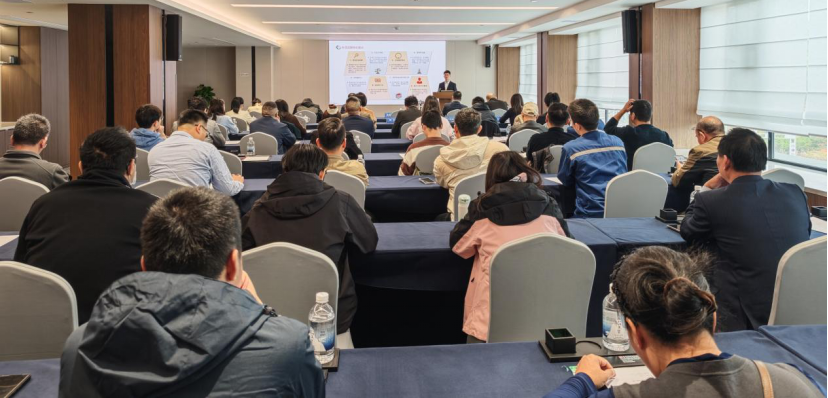
Core Viewpoint - The "Shaoguan Patent Transformation and Investment Roadshow" held on December 2, 2025, aims to create an efficient platform for high-value patents and financial capital, promoting patent transformation to empower high-quality development in the manufacturing sector of northern Guangdong [1][7]. Group 1: Event Overview - The event was organized by the Shaoguan Market Supervision Administration (Intellectual Property Bureau) and hosted over 50 representatives from participating enterprises, high-tech companies, and research institutions [1][7]. - The event focused on integrating "technology-capital-industry" and included a keynote speech by the Guangdong Equity Exchange Center, which provided insights into the current policy environment and financial support for patent transformation [3][10]. Group 2: Practical Insights - Shaoguan University shared practical legal references on intellectual property protection and rights protection, providing strong operational guidance for enterprises [4][9]. - During the roadshow, companies like Zhongnan Steel and Shaoguan Zhongji Heavy Industry showcased patents with transformation potential, leading to active discussions between project representatives and investment institutions [6][12]. Group 3: Future Directions - The Guangdong Equity Exchange Center plans to leverage its role as a regional equity market platform to address regional industrial upgrade needs, integrating more quality resources to drive patent technology transformation as a core engine for enterprise development [12].
温州、徐州、大连冲刺万亿GDP城市,谁将晋级?
2 1 Shi Ji Jing Ji Bao Dao· 2025-12-12 12:16
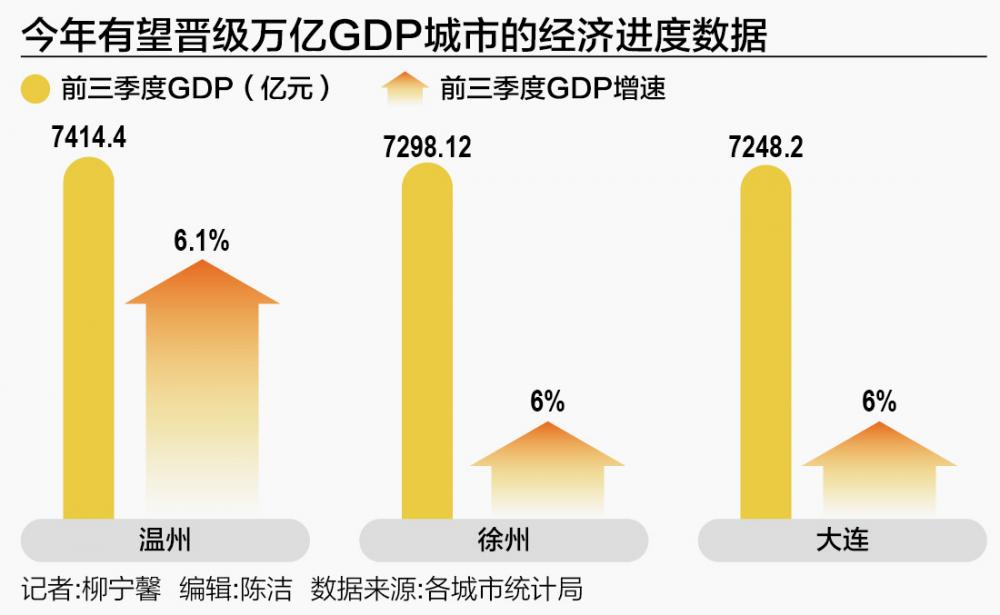
Core Viewpoint - The expansion of the "trillion GDP club" is a significant highlight of regional economic development this year, with cities like Wenzhou, Xuzhou, and Dalian expected to join the ranks of cities with a GDP exceeding one trillion yuan [1][2]. Group 1: Economic Progress of Cities - Wenzhou is projected to surpass a GDP of one trillion yuan this year, with a GDP growth rate of 6.3% expected in 2024, reaching 9,719 billion yuan [5]. - Xuzhou's GDP is anticipated to exceed 1 trillion yuan by 2025, with a current GDP of 7,298.12 billion yuan and a growth rate of 6.0% [13]. - Dalian aims to achieve a GDP of 9,516.9 billion yuan in 2024, with a growth rate of 6.0% in the first three quarters of this year [10]. Group 2: Characteristics of the Expansion - The expansion of the trillion GDP cities includes ordinary prefecture-level cities, with Wenzhou and Xuzhou being notable examples [3]. - Cities with GDPs between 700 billion and 800 billion yuan, such as Shaoxing, Yangzhou, Yancheng, and Jiaxing, are expected to be the main contributors to future expansions [15]. - The trend indicates a shift from provincial capitals and municipalities to ordinary prefecture-level cities, impacting the economic landscape of China [3][15]. Group 3: Industrial Development and Economic Structure - Wenzhou's economy is supported by a robust manufacturing base and a strong private sector, with 83% of its GDP generated by the private economy [5][6]. - Dalian is focusing on developing high-tech manufacturing and has set a target for its new strategic emerging industries, although it faces challenges in establishing core competitiveness [12]. - Xuzhou, as a traditional industrial base, is also undergoing a transformation to enhance its economic structure and achieve balanced regional development [14]. Group 4: Future Outlook and Trends - The future expansion of the trillion GDP club is expected to include more ordinary prefecture-level cities, reflecting a broader trend of economic growth and regional coordination [17]. - The focus will shift from mere GDP growth to the quality of GDP, emphasizing structural optimization and the well-being of residents [18]. - The development strategies of cities like Shaoxing, Jiaxing, and Yangzhou highlight the importance of regional collaboration and integration with nearby major cities [16].

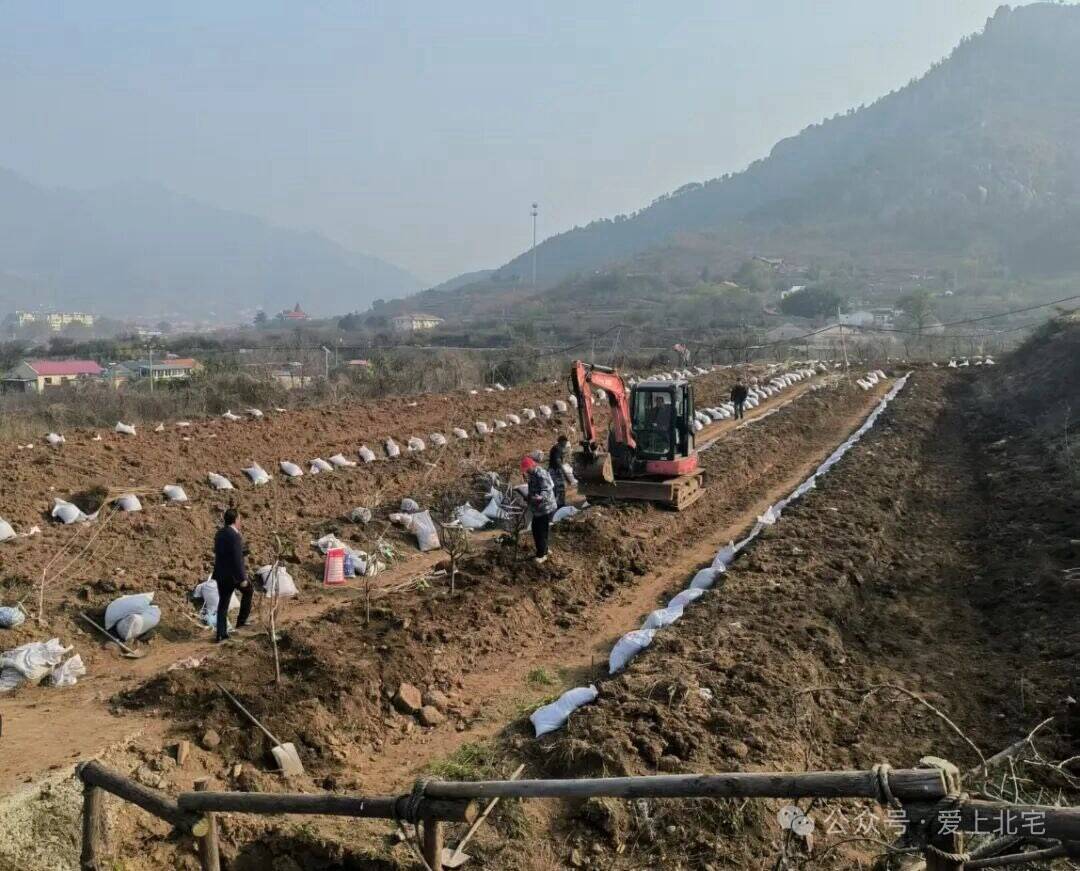
樱桃产业升级迈出关键一步,北宅街道首批试点园区启动种苗移栽
Qi Lu Wan Bao· 2025-12-12 11:23
Core Viewpoint - The cherry industry in Beizhai Street, Qingdao, is undergoing a significant upgrade with the initiation of high-quality cherry seedling transplantation, marking a step towards standardized and modernized development. Group 1: Project Initiation - The cherry industry upgrade project has officially started with the transplantation of 1,300 high-quality seedlings covering an area of approximately 15 acres [1]. - This initiative signifies a solid step towards the modernization and standardization of the cherry industry in Beizhai [1]. Group 2: Collaboration and Support - Beizhai Street has partnered with Shandong Seed Industry Group (Qingdao) Modern Agriculture Co., Ltd. to implement the industry upgrade plan, leveraging the company's resources and technical advantages [3]. - The technical team will provide comprehensive support throughout the planting process, including detailed guidance on key aspects such as pit digging standards, organic fertilizer ratios, and pruning [3]. Group 3: Standardization and Modernization - Six cherry industry upgrade pilot parks have been established, promoting a standardized planting model and focusing on the introduction of the high-quality Lu Ying No. 5 variety, which is well-suited to local soil and climate [5]. - The establishment of these pilot parks not only optimizes the cherry variety structure but also enhances the level of standardized and modern management, creating broader income opportunities for farmers [5]. Group 4: Future Plans - Beizhai Street plans to deepen its collaboration with Shandong Seed Industry Group, strengthening technical guidance and refined operational management [6]. - The goal is to steadily expand the area of high-quality cherry planting over the next three years, fostering the development of a regional cherry brand and enhancing the overall quality and market competitiveness of Beizhai cherries [6].