
区块链

Search documents
多点数智携手 Circle 入局 Arc 生态:区块链 + 零售融合里程碑,重构行业数字化底层逻辑
Sou Hu Cai Jing· 2025-10-29 03:16
Core Insights - The strategic partnership between Multi-Point Smart (02586.HK) and Circle (CRCL) marks a significant advancement in the application of blockchain technology within the retail sector, aiming to enhance digital transformation in the global physical industry through a dual-driven model of "technology + scenario" [1][2] Group 1: Partnership Overview - Multi-Point Smart has become one of the first deep partners in Circle's new Layer-1 blockchain network, Arc, which focuses on bridging the gap between blockchain technology and the real economy [1] - The collaboration aims to address pain points in traditional retail payments, such as inefficiencies in cross-border transactions and complex settlement processes, by leveraging programmable currencies and smart contracts [1][2] Group 2: Retail Industry Implications - Multi-Point Smart's involvement in the Arc test network will enable a comprehensive on-chain testing of retail transactions, optimizing cross-border retail settlement efficiency and reducing reconciliation costs through blockchain's immutable nature [2] - This partnership is expected to provide a replicable model for blockchain transformation in the retail industry, aligning with the core demands for globalization, digitalization, and efficiency [2] Group 3: Broader Economic Impact - The collaboration signifies a shift in blockchain from being merely a financial tool to becoming an operational system for the real economy, enhancing the value chain between blockchain technology, retail networks, and consumer behavior [2][3] - The ongoing exploration in retail payments and supply chain scenarios is anticipated to accelerate the transition of the retail industry into the "on-chain economy" era, setting a benchmark for the integration of physical and blockchain sectors [3]
转发提醒爸妈!AI骗术、免费陷阱……谨防这些专坑养老钱的套路
Huan Qiu Wang Zi Xun· 2025-10-29 03:00
Core Viewpoint - The article highlights the increasing sophistication and variety of scams targeting the elderly, particularly in the context of investment and financial schemes, emphasizing the need for awareness and protective measures against these fraudulent activities [1][6]. Group 1: Types of Scams - **Scam Type One: Technology Concept Packaging** Fraudsters exploit elderly individuals' lack of understanding of concepts like "blockchain," "digital currency," and "metaverse," presenting them as low-risk, high-return investment opportunities. These schemes often turn out to be Ponzi schemes, where returns for earlier investors are paid using the capital from new investors, leading to total loss when funds dry up [2]. - **Scam Type Two: AI Deception Techniques** Scammers utilize AI technology to create convincing fake news and emotional appeals. They produce fabricated policies that mislead the elderly, create AI-generated personas to gain trust, and even use deepfake technology to impersonate loved ones, facilitating targeted scams [3]. - **Scam Type Three: High-Interest Investment Traps** Fraudsters lure elderly individuals with promises of high returns, often without any legitimate financial licenses. Common tactics include fabricating government endorsements, conducting misleading site visits, and ultimately disappearing with the funds after initial payouts [4]. - **Scam Type Four: "Free Benefits" Bait** Scammers use the allure of free gifts or services to draw in elderly victims, leading to subsequent scams or illegal fundraising. This includes offering free products, travel, health check-ups, or seminars that ultimately serve as platforms for selling fraudulent investment opportunities [5]. Group 2: Recommendations for Prevention - The article stresses the importance of elderly individuals enhancing their awareness of scams, remaining skeptical of offers that seem too good to be true, and consulting trusted sources when in doubt. It also calls for collective efforts from families and communities to strengthen anti-fraud education and improve regulatory oversight in the elder care sector [6].
张勇和马云做邻居,香港顶豪“邻居圈”更迭
阿尔法工场研究院· 2025-10-29 00:02
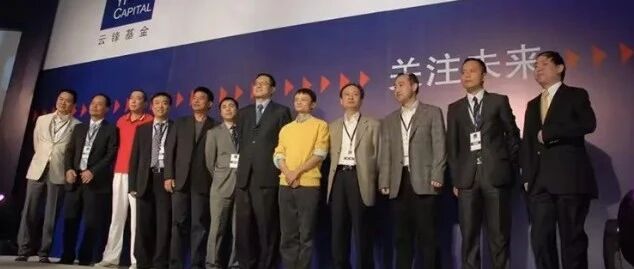
Core Viewpoint - The article discusses the luxury real estate market in Hong Kong, particularly focusing on high-profile individuals like Zhang Yong and Jack Ma, who are purchasing properties in elite neighborhoods, highlighting the trend of wealthy individuals wanting to be neighbors with other affluent figures [3][32]. Group 1: Zhang Yong's Property Purchase - Zhang Yong, former CEO of Alibaba, is set to purchase a residential unit in Hong Kong's Bamboo Grove for approximately HKD 53.54 million, with a 5% deposit already paid [3][6]. - The property is located in a prime area known for its affluent residents, including Jack Ma, who previously purchased a luxury home in the same vicinity for HKD 282 million [8][30]. Group 2: Wealthy Neighbors and Real Estate Trends - The article notes that many wealthy individuals, including those from Alibaba's circle, are drawn to the luxury real estate market in Hong Kong, with notable figures like Qian Fenglei also purchasing properties nearby [10][19]. - Qian Fenglei bought a luxury home on Baijada for over HKD 800 million in 2013, indicating the high stakes in this real estate market [13][30]. - The trend of affluent individuals wanting to live near each other is reinforced by the presence of other billionaires in the area, creating a "neighbor effect" that enhances property values [28][31]. Group 3: The Luxury Real Estate Market Dynamics - The luxury real estate market in Hong Kong, particularly in areas like The Peak and Mid-Levels, has become a hotspot for wealthy individuals, with properties often selling for hundreds of millions of HKD [32]. - The article highlights that the presence of high-profile neighbors can significantly influence property desirability and market dynamics, as seen with recent transactions involving prominent business figures [27][30].


版权如何从“资源”到 “资产”?听听专家怎么说
Zhong Guo Jing Ji Wang· 2025-10-28 14:29
Core Insights - The copyright industry in China has seen significant growth, with its value increasing from 1.35 trillion yuan to 9.38 trillion yuan from 2006 to 2023, nearly a sixfold increase [1] - The contribution of the copyright industry to China's GDP has risen from 6.39% to 7.44%, surpassing the international average reported by the World Intellectual Property Organization [1] - The rapid development of new technologies such as blockchain, big data, cloud computing, and artificial intelligence is transforming information production and dissemination, impacting both cultural and copyright ecosystems [1] Industry Challenges - The advancement of information technology has facilitated the creation, dissemination, and use of works, but it also poses challenges for copyright protection, including the rise of online and technologically sophisticated piracy [2] - There is a need to improve copyright regulations to adapt to the developments in artificial intelligence and other technologies [2] Strategic Directions - The focus should be on harnessing the potential of artificial intelligence to drive technological innovation while ensuring that its development is beneficial, safe, and equitable [2] - In the digital economy, copyright is evolving from mere "protection of works" to a critical driver of resource circulation [2] Local Initiatives - Local governments, such as in Wenzhou, are establishing innovative platforms to enhance copyright management and services, including the creation of copyright associations and workstations to support copyright protection and development for private enterprises [3]
恒月控股(01723) - 须予披露交易-进一步购买加密货币(比特币)及业务最新进展
2025-10-28 14:13
香港交易及結算所有限公司及香港聯合交易所有限公司對本公告之內容概不負責,對其 準確性或完整性亦不發表任何聲明,並明確表示,概不對因本公告全部或任何部份內容 而產生或因倚賴該等內容而引致之任何損失承擔任何責任。 Moon Inc. 1723 須予披露交易- 進一步購買加密貨幣(比特幣) 及 業務最新進展 茲提述恆月控股有限公司(「本公司」,連同其附屬公司統稱「本集團」)日期為二零二五年 二月十六日、二零二五年二月二十三日、二零二五年三月二十一日及二零二五年四月十 四日之公告(「該等公告」),據此,本集團已於公開市場購買約28.88個單位的比特幣,總 代價(包括所有相關交易成本)約為19,653,000港元(相當於約2,520,000美元)(「過往比特幣 購買事項」)。除文義另有所指外,本公告所用詞彙與該等公告所界定者具有相同涵義。 董事會欣然宣佈,於二零二五年十月二十八日(交易時段後),本集團在公開市場進一步 購入約0.6個單位的比特幣,總代價約為533,000港元(相當於約68,000美元)(「進一步比特 幣購買事項」,連同過往比特幣購買事項統稱「比特幣購買事項」)。進一步比特幣購買事 項的代價以現金支付,並 ...
全球股市“财富效应”凸显,私募基金“出海”寻金
2 1 Shi Ji Jing Ji Bao Dao· 2025-10-28 13:51
Group 1 - The global stock market has been boosted by the easing of trade tensions, with Japan's stock market surpassing 50,000 points and European and American markets reaching new highs for the year [1] - Domestic private equity funds are increasingly investing in overseas markets, particularly in AI and blockchain stocks, aiming to enhance their overall returns by 3-5 percentage points by year-end [1][2] - The demand for global asset allocation among high-net-worth investors in China is driving domestic private equity funds to invest through channels like QDII and Hong Kong Stock Connect [1][2] Group 2 - A significant portion of the investments by domestic private equity funds is directed towards the AI sector, with over 50% of holdings in AI stocks, while blockchain and new consumption sectors account for 10% and 20% respectively [2] - The influx of capital into Hong Kong stocks has been notable, with net inflows through the Hong Kong Stock Connect exceeding 1.2 trillion HKD this year [2][3] - The valuation of Hong Kong stocks remains relatively low, presenting opportunities for investment, especially in the technology sector following the emergence of DeepSeek [3] Group 3 - Domestic private equity funds are expanding their investment scope beyond Hong Kong to include U.S. and Asia-Pacific markets, driven by the global interest in AI and blockchain [4] - The investment strategy focuses on identifying high-quality companies with strong growth potential, despite the challenges posed by the experience gap compared to Western investment firms [5][6] - The investment sentiment in the AI sector remains strong, with many funds believing it represents one of the largest investment opportunities in history [5][6] Group 4 - The investment approach emphasizes safety, with 90% of holdings based on investing in high-quality companies at reasonable prices, while the remaining 10% allows for more flexible investment strategies [7] - The need for domestic private equity funds to adapt to the rules and dynamics of overseas markets is highlighted, as they face challenges in competing with established Western investment firms [6][7]
一张卡拍出上百万元!谁在为宝可梦NFT疯狂买单?
Mei Ri Jing Ji Xin Wen· 2025-10-28 12:07
Core Insights - The rise of Pokémon cards as a new investment asset class is gaining traction, with returns significantly outperforming traditional stock markets [1][5][13] - The integration of blockchain technology is transforming physical card trading into digital assets, enhancing liquidity and market participation [1][10][11] Group 1: Investment Potential - Pokémon cards have shown a cumulative return rate of 3821% from 2004 to present, far exceeding the S&P 500's 483% increase during the same period [5][13] - The rarity and collectibility of cards create a market dynamic similar to financial assets, with high-value cards commanding significant premiums [3][4][5] - The market for Pokémon cards is projected to grow, with an estimated global market size of $5.09 billion by 2028, reflecting a 46% increase from 2022 [12] Group 2: Market Dynamics - The trading of Pokémon cards is driven by rarity, with high-demand cards often leading to a secondary market where prices can soar [2][3][4] - Platforms like Collector Crypt are facilitating the transition of physical cards to digital assets, allowing users to purchase NFT versions of cards, thus broadening the market [7][10] - The average spending per user on platforms like Collector Crypt is approximately $18,000, indicating strong engagement and interest in card trading [8] Group 3: Cultural and Economic Factors - The Pokémon brand has a unique cross-generational appeal, supported by a robust ecosystem that includes games, anime, and trading cards, which enhances its market stability [14][17] - The recent surge in interest in Pokémon cards in China is attributed to a growing consumer base and the introduction of local tournaments and events [16][17] - The cultural significance and nostalgia associated with Pokémon contribute to its value as an investment, as collectors are often willing to pay a premium for rare items [14][16] Group 4: Regulatory Considerations - The financialization of Pokémon cards is still in its infancy in China, with a lack of established secondary market infrastructure and regulatory frameworks [20] - Future regulations may focus on the issuance and trading of cards, ensuring compliance and protecting investors from potential fraud [20]

中国金融租赁(02312.HK):林彦军由非执行董事获调任为执行董事
Ge Long Hui· 2025-10-28 09:20
Core Viewpoint - China Financial Leasing (02312.HK) announced the appointment of Lin Yanjun as an executive director and a member of the board's investment committee, effective October 28, 2025 [1] Group 1: Appointment Details - Lin Yanjun, aged 46, is the founding partner and shareholder of I.N. Capital, specializing in financial investment and services, including blockchain and artificial intelligence [1] - Lin has held senior positions at international investment banks such as Credit Suisse and Barclays [1] Group 2: Industry Experience - In the digital asset sector, Lin served as the CEO for the Asia region at AMINA Bank AG (formerly SEBA Bank AG) and later as the chairman of its Asia Client Advisory Committee [1] - He is also an investor and board member of Forestheaven Limited, the parent company of Pandu Financial Limited, which focuses on virtual asset management [1] Group 3: Additional Roles - Lin is a board member and compensation committee chairman at Canaan Inc., a U.S.-listed Bitcoin mining company [1] - He previously served as the chairman of Ginkgo Capital Limited, a licensed asset management company regulated under the Securities and Futures Ordinance in Hong Kong [1]
区块链赋能实体资产金融化,RWA代币化成为当下最火热融资手段?
Sou Hu Cai Jing· 2025-10-28 09:11
Core Insights - The article discusses the significance of Real World Asset Tokenization (RWA) in enhancing the efficiency, transparency, and accessibility of asset circulation in the digital economy, facilitated by blockchain technology [1]. Group 1: Definition and Mechanism - Real World Assets (RWA) are defined as physical assets with clear economic value, typically held or managed by legal entities, including real estate, company equity, bonds, and intellectual property [3]. - Tokenization refers to the process of representing ownership or rights to these assets in the form of digital tokens using blockchain technology, which operates on public or consortium blockchains through smart contracts [3]. Group 2: Blockchain's Core Capabilities in RWA - **Asset Digitization and Verification**: Blockchain enables the recording of asset-related information on an immutable distributed ledger, ensuring ownership verification and transparency [6]. - **Increased Liquidity and Trading Efficiency**: Tokenization allows assets to be divided into smaller units, enhancing liquidity and enabling broader participation in investments [8][9]. - **Reduced Transaction Costs and Intermediary Dependence**: Blockchain minimizes reliance on intermediaries by automating transactions through smart contracts, thus lowering costs and streamlining processes [10][11]. - **Global Accessibility and 24/7 Market**: Tokenized assets can be traded globally without time constraints, expanding the audience and trading hours for traditional assets [12]. - **Transparency and Traceability**: All token transactions are recorded on the blockchain, allowing for verification of asset history and enhancing trust [13]. Group 3: Typical Applications of RWA Tokenization - **Real Estate Tokenization**: Commercial properties can be tokenized into multiple shares for global investors, allowing for rental income participation [15]. - **Bonds and Fixed Income Products**: Tokenization can improve issuance efficiency and reduce financing costs for traditional bonds [15]. - **Supply Chain Finance and Receivables**: Companies can tokenize receivables for quicker financing and improved cash flow [15]. - **Art and Collectibles**: High-value artworks can be tokenized as NFTs, facilitating ownership division and liquidity [15]. - **Infrastructure and Public Assets**: Tokenization can attract social capital for public assets like toll roads and utility revenue rights [15]. Group 4: Future Outlook - The growth of RWA is attributed to the maturation of blockchain technology, the demand from traditional finance, and the development of regulatory frameworks [17]. - Challenges remain in technology (e.g., oracle security, cross-chain liquidity), regulation (e.g., varying global standards), and market integrity (e.g., preventing fraudulent RWA projects) [17].

数码港社群企业融资总额达34亿港元 累计融资总额突破460亿港元
智通财经网· 2025-10-28 08:41
Group 1 - The Digital Port Investor Network has facilitated a total investment of HKD 42.58 billion since its establishment in 2017, with an increase of over HKD 16.6 billion compared to last year [1] - From October last year to September this year, the financing total for Digital Port community enterprises reached HKD 34 billion, bringing the cumulative financing total to over HKD 460 billion [1] - Digital Port has gathered 2,300 enterprises, including over 900 smart living companies, more than 410 companies in AI, big data, and robotics, and over 280 blockchain and Web3 companies [1] Group 2 - The CEO of Digital Port expects that AI, blockchain, and digital asset companies will drive growth in the financing market, with other focus areas including green energy, quantum computing, and health technology [1] - In the third quarter of this year, global venture capital reached USD 120.7 billion, an increase of USD 8.3 billion quarter-on-quarter, with the number of unicorns born exceeding levels seen in the same quarters of 2023 and 2024 [1] - AI unicorns increased by 74% year-on-year, accounting for one-quarter of global unicorns during the same period [1]