十五五规划

Search documents
认真学习贯彻省委经济工作会议精神 以实干实绩确保“十五五”良好开局省政府党组(扩大)会议召开 刘小涛主持
Xin Hua Ri Bao· 2025-12-23 23:14
会议强调,要清单化、节点化、责任化推动省委经济工作会议部署落地落实,认真梳理细化省委经 济工作会议政府层面落实工作清单,明确工作举措、责任主体、完成时限,各项工作能早则早,看准了 就干起来,切实把"任务书"转化为"施工图"。要牢固树立和践行正确政绩观,强化"一盘棋"意识,加强 跨部门协同攻坚,主动担当作为,认真解决问题,让基层企业和群众可感可及。要高质量编制"十五 五"规划纲要,科学谋划和研究推进一批政策举措、工作抓手,抓紧做实重大项目开工准备,全力争取 明年一季度良好开局。要认真落实中办、国办印发的关于做好2026年元旦春节期间有关工作的通知,统 筹做好岁末年初重要民生商品保供、春运组织、安全生产、值守应急等工作,增强"时时放心不下"的责 任感,盯住重点地区、重点场所、重点部位,加强风险隐患排查和防范,关心困难群众生产生活,全力 维护社会大局稳定。 会议指出,刚刚召开的省委经济工作会议,总结今年以来全省经济工作,分析当前经济形势,部署 明年经济工作,为推动"十五五"开好局起好步提供了有力指导、注入了强大动力。要深入把握省委对当 前形势的分析,既正视困难、又坚定信心,积极识变应变求变,用好发展的机遇、潜力和优 ...
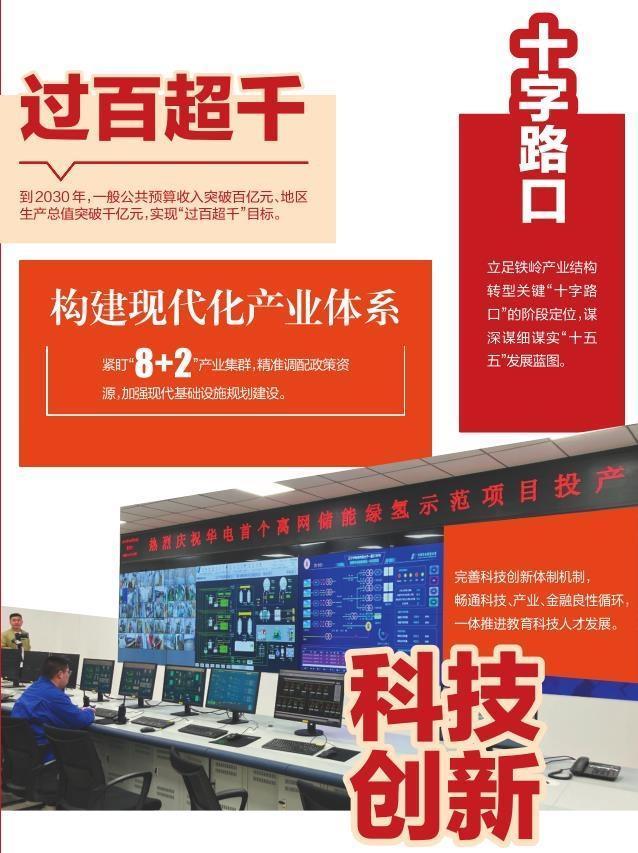
夯实基础全面发力 冲刺“过百超千”
Xin Lang Cai Jing· 2025-12-23 23:14
Core Viewpoint - The "15th Five-Year Plan" period is crucial for consolidating the foundation and making comprehensive efforts, with a focus on addressing economic shortcomings in Tieling [4][5][6]. Group 1: Economic Goals - Tieling aims to achieve a general public budget revenue exceeding 10 billion yuan and a regional GDP surpassing 100 billion yuan by 2030, effectively doubling key economic indicators from 2020 levels [4][5]. - The city emphasizes the need for unified efforts across all levels to achieve these ambitious targets [5]. Group 2: Strategic Focus Areas - Tieling plans to enhance its economic foundation by addressing investment shortages, industrial structure weaknesses, and consumer activity deficiencies through various strategic initiatives [5][6]. - Key initiatives include deepening the "Project King" approach, promoting industrial strength, and revitalizing cultural tourism [5][6]. Group 3: Reform and Development - The city recognizes that gaps in development thinking and mechanisms hinder progress, necessitating reforms as a fundamental driver during the "15th Five-Year Plan" [7]. - Tieling's government aims to improve the business environment by implementing the "Environment-oriented City" strategy and enhancing governance and administrative efficiency [7][8]. Group 4: Key Tasks - The municipal government has outlined ten key tasks to achieve breakthroughs in various areas, including strengthening the real economy, enhancing technological innovation, and promoting rural modernization [8]. - Emphasis is placed on integrating urban and rural development, ensuring cultural confidence, and advancing ecological civilization [8].

认真学习贯彻省委经济工作会议精神 以实干实绩确保“十五五”良好开局
Xin Hua Ri Bao· 2025-12-23 21:57
会议指出,刚刚召开的省委经济工作会议,总结今年以来全省经济工作,分析当前经济形势,部署明年 经济工作,为推动"十五五"开好局起好步提供了有力指导、注入了强大动力。要深入把握省委对当前形 势的分析,既正视困难、又坚定信心,积极识变应变求变,用好发展的机遇、潜力和优势,集中力量办 好自己的事,以自身发展的确定性应对外部环境的不确定性,在攻坚克难中不断巩固拓展经济稳中向好 势头。要按照省委经济工作会议部署的八个方面重点工作,坚持稳中求进工作总基调,持续扩大内需、 优化供给,做优增量、盘活存量,持续深化改革开放,因地制宜发展新质生产力,着力稳就业、稳企 业、稳市场、稳预期,通过扎实工作努力争取更好结果,扛好经济大省挑大梁责任,确保实现"十五 五"良好开局。 会议强调,要清单化、节点化、责任化推动省委经济工作会议部署落地落实,认真梳理细化省委经济工 作会议政府层面落实工作清单,明确工作举措、责任主体、完成时限,各项工作能早则早,看准了就干 起来,切实把"任务书"转化为"施工图"。要牢固树立和践行正确政绩观,强化"一盘棋"意识,加强跨部 门协同攻坚,主动担当作为,认真解决问题,让基层企业和群众可感可及。要高质量编制"十五 ...
港股配置性价比较高
Zhong Guo Zheng Quan Bao· 2025-12-23 20:18
Group 1 - The Hong Kong stock market has experienced increased volatility in the fourth quarter, with investors speculating on the potential for a "Christmas rally" similar to the "spring market" in A-shares [1][2] - Despite the potential for a rebound narrative, the actual investment guidance may be limited, as the market is still under supply and demand pressure, and the right-side turning point remains unclear [3][4] - The Hang Seng Index and other major indices have shown signs of fluctuation, with net inflows from southbound funds exceeding 240 billion HKD in the fourth quarter, indicating a shift in market dynamics [2][3] Group 2 - The market is expected to benefit from a favorable macroeconomic environment and a potential easing of overseas liquidity, which could enhance risk appetite and stabilize the Hong Kong stock market [3][4] - Key sectors for investment include upstream resources in the power chain, travel-related stocks, and leading domestic AI companies, which are seen as having significant layout value [1][4][5] - Emerging industries such as solid-state batteries, brain-computer interfaces, and biotechnology are anticipated to gain momentum, supported by the "14th Five-Year Plan" and improving macroeconomic conditions [4][5]
全国工商联十三届四次执委会议举行
Xin Hua She· 2025-12-23 13:11
Core Viewpoint - The meeting emphasized the need for the All-China Federation of Industry and Commerce to guide its work by Xi Jinping's thoughts and to implement the important speeches and decisions of the Party Central Committee, aiming to promote the "two healthy" work to a new level [1] Group 1 - The meeting highlighted the importance of strengthening ideological foundations and using the Party's innovative theories to unify and inspire private economic individuals for the new journey ahead [1] - It called for improved services to address challenges, encouraging the establishment of a modern enterprise system with Chinese characteristics among member enterprises [1] - The meeting stressed the need to enhance capabilities by reinforcing political organization and cadre team building, advancing the reform and development of the federation to improve its effectiveness in promoting the "two healthy" initiatives [1]
上海银行党委书记、董事长顾建忠:增强做好金融“五篇大文章”专业能力
Shang Hai Zheng Quan Bao· 2025-12-23 12:19
来源:中国金融 党的二十届四中全会提出"六个坚持"重大原则,体现了我们党对经济社会发展规律性认识的深化提升。 当前,上海银行也正在研究制定"十五五"规划,将结合自身实际,在实践中切实做到"六个坚持"。 第一,坚持党的全面领导。更加持续地用习近平新时代中国特色社会主义思想来统一思想、统一意志、 统一行动,切实把加强党的领导贯穿到全行架构改革、战略实施、转型攻坚等的全过程、各方面,进一 步增强各级党组织的政治功能和组织功能。 党的二十届四中全会是在新时代新征程上,围绕研究制定"十五五"规划、加快推进中国式现代化而召开 的一次十分重要的会议。全会通过的《中共中央关于制定国民经济和社会发展第十五个五年规划的建 议》(以下简称《建议》),对加快金融强国建设作出了战略部署、提出了明确要求。作为扎根上海、 面向全国的市属金融国有企业,上海银行党委坚持把学习宣传贯彻党的二十届四中全会精神作为一项重 大政治任务,深刻把握"十五五"时期经济社会发展的重大意义、指导思想、重大原则等,特别是加快建 设金融强国的核心要义和实践路径,进一步凝聚发展共识、找准发力方向,更好服务国家和各地"十五 五"发展。 毫不动摇遵循"十五五"时期经济社 ...

台盟十一届四中全会在北京召开
Xin Lang Cai Jing· 2025-12-23 11:53
台盟中央参事、台盟中央内部监督委员会委员、台盟中央各专门委员会主任,中央统战部、审计署有关 同志,台盟中央机关局级干部、台海出版社负责人列席会议。(完) 苏辉在报告中指出,一年来,台盟紧扣"三抓两促一提升"全盟总体工作思路,聚焦"参政履职聚力年"工 作主题,守正创新深化思想政治共识,在聚力服务大局上同心善为;固本强基优化自身建设举措,在聚 力从严治盟上务实作为;提质增效强化参政履职实践,在聚力助推发展上精进有为,团结广大盟员和所 联系台湾同胞砥砺担当、昂扬进取,推动新时代台盟事业发展步履铿锵、坚定向前。 苏辉强调,2026年是"十五五"规划开局起步之年,全盟要以"高质量发展提升年"为全年工作主题,引领 全盟围绕"十五五"规划制定实施、民主党派新一轮专项民主监督开局起步等工作,提升服务大局、促进 经济社会高质量发展实效;围绕发挥台盟特色优势,坚定反"独"促统,提升助力新时代统战工作高质量 发展实效;围绕坚持全面从严治盟,加强自身建设,提升台盟各项事业高质量发展实效,扎实履行参政 议政、民主监督,参加中国共产党领导的政治协商职能,持续提高政治把握能力、参政议政能力、组织 领导能力、合作共事能力、解决自身问题能力, ...
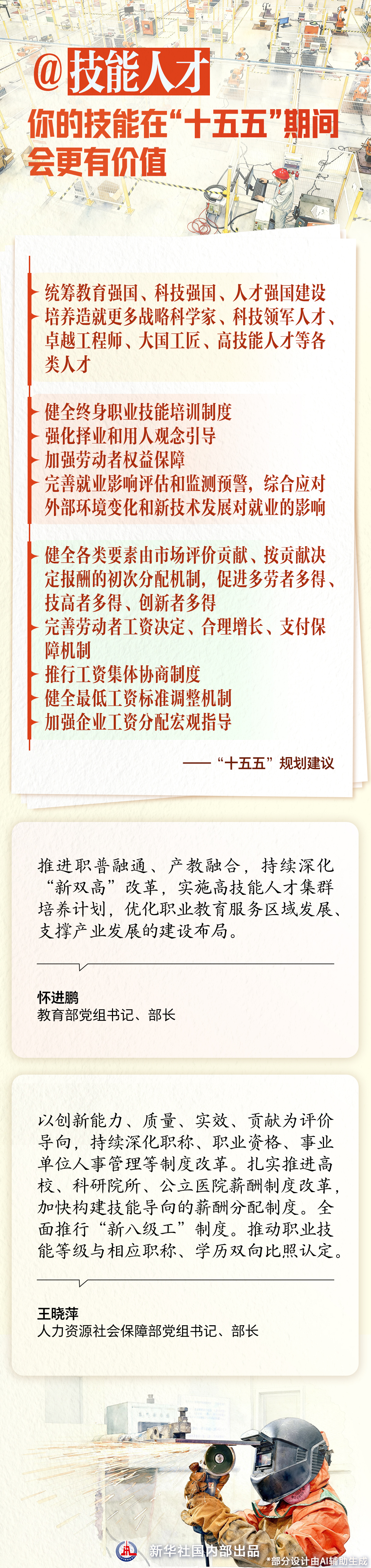
@技能人才,你的技能在“十五五”期间会更有价值
Xin Hua She· 2025-12-23 11:43
@ 技能 你的技能在" 電筒价值 统筹教育强国、科技强国、人才强国建设 培养造就更多战略科学家、科技领军人才、 卓越工程师、大国工匠、高技能人才等各 类人才 健全终身职业技能培训制度 强化择业和用人观念引导 加强劳动者权益保障 完善就业影响评估和监测预警,综合应对 外部环境变化和新技术发展对就业的影响 健全各类要素由市场评价贡献、按贡献决 定报酬的初次分配机制,促进多劳者多得、 技高者多得、创新者多得 完善劳动者工资决定、合理增长、支付保 障机制 推行工资集体协商制度 健全最低工资标准调整机制 加强企业工资分配宏观指导 "十五五"规划建议 推进职普融通、产教融合,持续深化 "新双高"改革,实施高技能人才集群 培养计划,优化职业教育服务区域发展、 支撑产业发展的建设布局。 怀讲鹏 教育部党组书记、部长 记者:张晓洁 海报制作:栾若卉 新华社国内部出品 ...
热轧卷板产业链日报-20251223
Rui Da Qi Huo· 2025-12-23 09:31
1. Report Industry Investment Rating - The report suggests a bullish but volatile outlook for the hot-rolled coil plate market, with a recommended focus on risk control [2] 2. Core Viewpoint of the Report - On Tuesday, the HC2605 contract saw a rally followed by a pullback. Despite a decline in the terminal demand for plates, the strong performance of furnace materials provides cost support. Additionally, positive macro - policy expectations keep the hot - rolled coil futures price in an upward trend [2] 3. Summary by Related Catalogs 3.1 Futures Market - The closing price of the HC main contract is 3,281 yuan/ton, up 4 yuan; the position volume is 1,198,397 lots, up 9,846 lots; the net position of the top 20 in the HC contract is 24,516 lots, up 718 lots; the HC1 - 5 contract spread is - 1 yuan/ton, down 6 yuan; the HC warehouse receipt at the Shanghai Futures Exchange is 131,893 tons, unchanged; the HC2605 - RB2605 contract spread is 153 yuan/ton, up 2 yuan [2] 3.2 Spot Market - The price of 4.75 hot - rolled coil plates in Hangzhou is 3,320 yuan/ton, up 20 yuan; in Guangzhou it's 3,260 yuan/ton, unchanged; in Wuhan it's 3,330 yuan/ton, unchanged; in Tianjin it's 3,180 yuan/ton, unchanged. The basis of the HC main contract is 39 yuan/ton, up 16 yuan; the Hangzhou hot - rolled coil - rebar spread is - 10 yuan/ton, up 20 yuan [2] 3.3 Upstream Situation - The price of 61.5% PB fine ore at Qingdao Port is 792 yuan/wet ton, down 5 yuan; the price of Hebei quasi - first - grade metallurgical coke is 1,590 yuan/ton, unchanged; the price of Tangshan 6 - 8mm scrap steel is 2,160 yuan/ton, unchanged; the price of Hebei Q235 billet is 2,950 yuan/ton, unchanged. The 45 - port iron ore inventory is 155.0814 million tons, up 802,800 tons; the sample coking plant coke inventory is 517,800 tons, up 18,200 tons; the sample steel mill coke inventory is 6.3358 million tons, down 16,400 tons; the Hebei billet inventory is 1.1313 million tons, up 14,800 tons [2] 3.4 Industry Situation - The 247 - steel - mill blast furnace operating rate is 78.45%, down 0.16 percentage points; the blast furnace capacity utilization rate is 84.91%, down 0.99 percentage points. The sample steel mill hot - rolled coil output is 2.9191 million tons, down 168,000 tons; the sample steel mill hot - rolled coil capacity utilization rate is 74.57%, down 4.29 percentage points. The sample steel mill hot - rolled coil inventory is 834,200 tons, down 6,100 tons; the 33 - city hot - rolled coil social inventory is 3.073 million tons, down 57,600 tons. The domestic crude steel output is 6.987 million tons, down 213,000 tons; the steel net export volume is 948,000 tons, up 20,000 tons [2] 3.5 Downstream Situation - The monthly automobile production is 3.5316 million units, up 172,900 units; the monthly automobile sales are 3.429 million units, up 106,900 units. The monthly air - conditioner output is 15.026 million units, up 822,000 units; the monthly household refrigerator output is 9.442 million units, up 654,000 units; the monthly household washing - machine output is 12.013 million units, up 978,000 units [2] 3.6 Industry News - The central bank has announced a one - time credit repair policy for small - amount personal overdue information (single - amount below 10,000 yuan) within a specific period, applicable to credit cards, mortgages, and consumer loans. In November 2025, most categories of Chinese steel exports rebounded month - on - month, with a rotation in the export structure. The export of coated plates, which had led for months, declined 13.7% month - on - month to 1.753 million tons, while hot - rolled exports rebounded to the first place in monthly export volume [2]
【社论】擘画“十五五”上海新蓝图
Xin Lang Cai Jing· 2025-12-23 09:30
Core Viewpoint - The Shanghai Municipal Committee has approved the development plan for the 14th Five-Year Plan, aiming to establish Shanghai as a world-class socialist modern international metropolis by 2035, marking the 14th Five-Year period as a critical phase for transformation and upgrading [1] Group 1: Economic Development - Shanghai will focus on the "Five Centers" to enhance urban capabilities, with an economic total surpassing 5 trillion yuan and maintaining the world's leading position in container throughput for 16 consecutive years [2] - The city has proposed a "2+3+6+6" modern industrial system, leading with three pioneering industries: artificial intelligence, integrated circuits, and biomedicine, supported by six key industries and six future industries [2] Group 2: Reform and Opening Up - Shanghai aims to deepen high-level reform and opening up, breaking bottlenecks and barriers, with initiatives like the Lingang New Area's negative list for cross-border data flow and the Hongqiao International Central Business District's innovative service model [3] - The city is fostering a new economic ecosystem through the concept of "super individual economy" (OPC) and reforming ownership of scientific achievements to encourage innovation [3] Group 3: Spatial Optimization - The meeting emphasized improving the spatial development pattern of the city, promoting higher quality integration in the Yangtze River Delta, with a clear spatial layout of "center radiation, dual wings flying, new city efforts, and north-south transformation" [4] - Shanghai's global innovation hub, the "Revitalization Island," will create new spaces for technological innovation, while five new cities will focus on their respective industrial niches [4] Group 4: Social Development - Shanghai is committed to enhancing the quality of life for its citizens, having completed historical urban renewal tasks and improving public health services, aiming for a "Healthy Shanghai" with increased life expectancy [5] - The city aspires to become a world-class tourism and sports city, with significant cultural landmarks like the World Expo Cultural Park and the Shanghai Grand Opera House under development [6]