
智能制造

Search documents
扎根中国 拥抱世界——写在2025企业家博鳌论坛闭幕之际
新华网财经· 2025-12-06 01:47
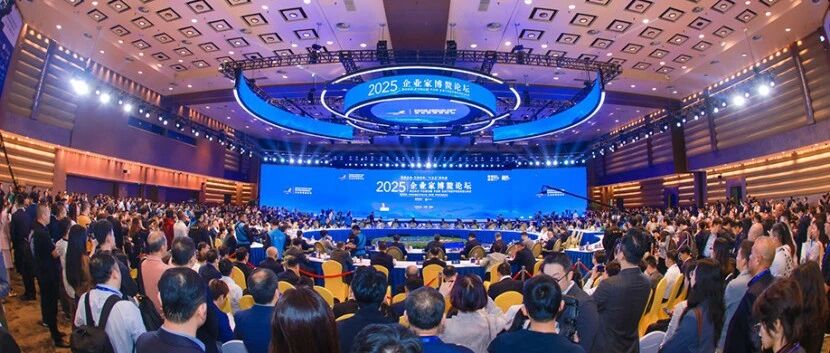
冬日的博鳌,再一次成为企业家激荡智慧的舞台。 12月5日,以"链接全球,引领未来:'十五五'新机遇"为主题的2025企业家博鳌论坛圆满闭幕。为期4天的论坛,来自世界500强、中国 500强和行业领军企业家在内的各界嘉宾齐聚南海之滨,共论产业变革方向、全球价值链重构趋势以及中国经济的韧性与动力。 科技驱动、消费新潜能、链接世界——这三个贯穿论坛全程的关键词,既是中国企业行动路径的集中呈现,也是中国经济韧性与信心的鲜 明注脚。 科技驱动 在创新中塑造未来竞争力 "您好!欢迎来到2025企业家博鳌论坛,前往主论坛会场请跟我来!"今年的论坛中,一位特殊的"新员工"——擎朗智能旗下人形具身服务 机器人XMAN-R1吸引了众多目光。 佩戴专属工牌完成签到,与企业家自然握手对话,协同配送机器人精准递送咖啡与物资,穿梭于会场的迎宾区、茶歇区与论坛分场……这 位特别"参与者"用精准高效的服务为论坛注入几分科技活力,也让"中国智造"的创新实力在博鳌的舞台上直观呈现。 12月3日,在2025企业家博鳌论坛现场,一人形具身服务机器人与观众交流互动 新华网发 本届论坛,科技话题无处不在:人工智能、智能制造、未来产业、绿色技术、数字经济 ...

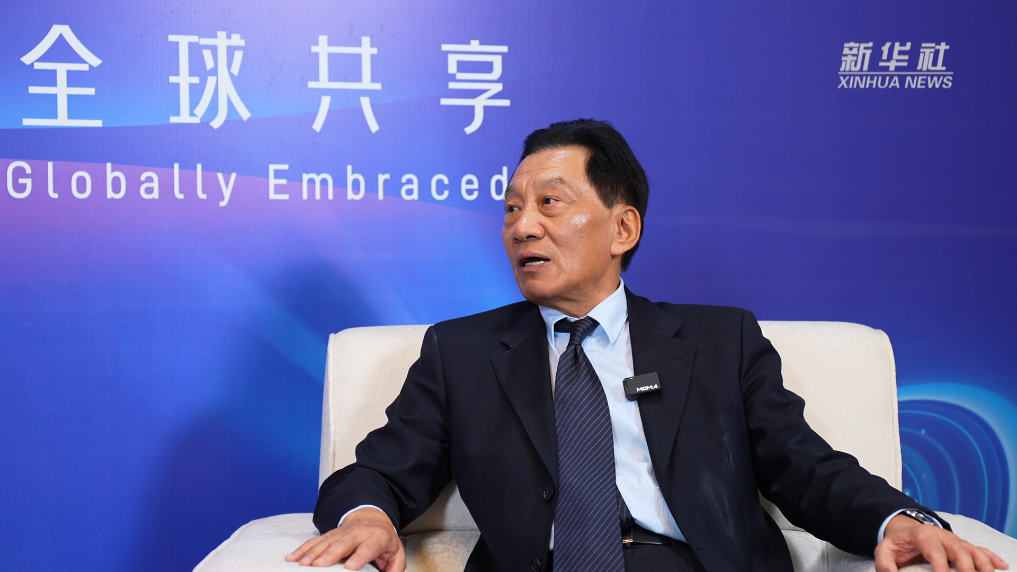
新对话·2025全球智能机械与电子产品博览会|中国电子商会王宁:“澳门+珠海”双城联动 中国“智”造走向世界
Xin Hua Wang· 2025-12-05 16:52
Core Insights - The 2025 Global Intelligent Machinery and Electronic Products Expo will open on December 4, featuring the theme "Bay Area Intelligent Manufacturing, Global Sharing" [1] - The expo will take place simultaneously in Macau and Zhuhai, with over a thousand domestic and international companies participating [1] - The event aims to create a global sharing platform for intelligent manufacturing in the Bay Area, promoting industrial innovation and international cooperation [1] Summary by Categories - **Event Details** - The expo is scheduled for December 4, 2025, and will be held in both Macau and Zhuhai [1] - It will feature participation from over a thousand companies from around the world [1] - **Objectives** - The primary goal is to establish a global sharing platform for intelligent manufacturing in the Bay Area [1] - The event seeks to drive industrial innovation and foster international collaboration [1] - **Industry Impact** - The expo is positioned to assist the Bay Area's intelligent manufacturing sector in reaching a global audience [1]
境内外双线出售 日发精机加速剥离低效资产
Zhong Guo Jing Ying Bao· 2025-12-05 14:37
Core Points - The company has announced two asset disposal plans, including the sale of 100% equity in its wholly-owned subsidiary, Italian MCM, for 1 euro, and the sale of certain industrial land use rights and factory buildings to an affiliated party for approximately 155 million yuan [1][2] - The decision to sell the Italian subsidiary comes after the company's board approved MCM's bankruptcy application, with the company currently undergoing a four-month C.N.C. (Crisis Negotiation and Settlement) process [1][3] - The company aims to optimize its asset structure and focus on its core business, with a long-term goal of becoming a benchmark enterprise in the intelligent manufacturing sector [1][5] Asset Sale Details - The equity transfer of Italian MCM will be to Special Situations S.r.l., a company specializing in corporate restructuring and crisis management, with no existing relationships that could lead to conflicts of interest [2] - MCM was acquired in 2014 for 12.64 million euros, with subsequent investments totaling 5 million euros, but has faced continuous losses since 2021, leading to the current sale [2][3] - The company holds a total debt of 27.088 million euros against MCM, which includes loans and business receivables, and the outcome of the C.N.C. process will determine the recovery of these debts [3] Additional Asset Disposal - The company plans to sell additional assets, including factory buildings and land use rights, to an affiliated company for about 155 million yuan, with the assets currently being idle due to business adjustments [4][5] - The total area of the factory buildings for sale is approximately 44,000 square meters, and the land use rights cover about 81,400 square meters [4] - The valuation of the buildings and land use rights is approximately 147 million yuan, with a depreciation rate of 56.39%, while equipment assets are valued at about 6.8116 million yuan, with a depreciation rate of 13% [5]

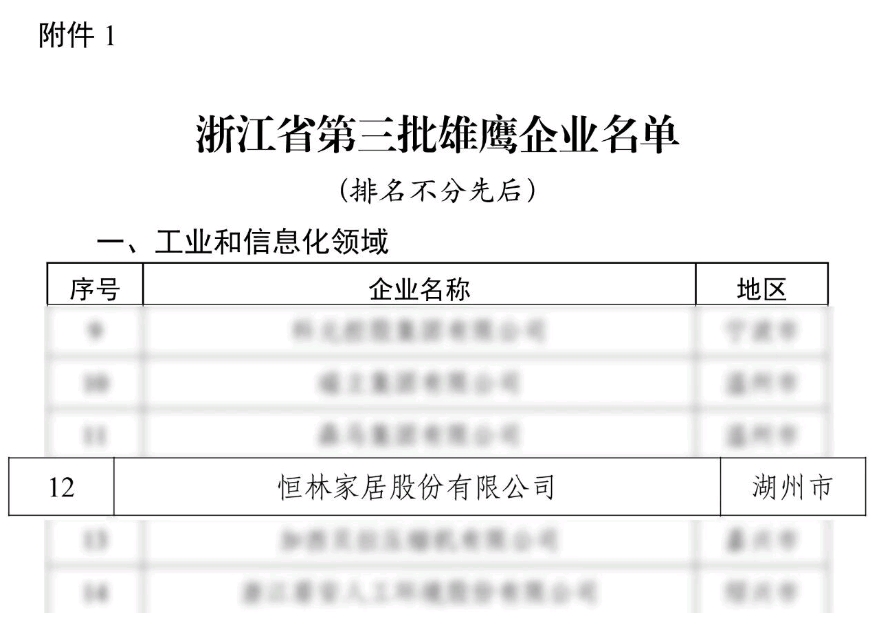
恒林股份再获殊荣,入选浙江雄鹰企业名单,高质量发展注入新动能
Zheng Quan Shi Bao Wang· 2025-12-05 13:05
Core Viewpoint - Henglin Home Furnishing Co., Ltd. has been recognized as a "Eagle Enterprise" in Zhejiang Province, highlighting its excellence in intelligent manufacturing and digital transformation, and is the only company from Huzhou to receive this honor [1][4]. Group 1: Company Recognition - The "Eagle Enterprises" in Zhejiang are defined as industry-leading companies with significant influence and strong support for clusters, capable of mastering core technologies and addressing major technical challenges in the industry [3]. - Henglin Home Furnishing is the first provincial "Eagle Enterprise" from Anji, showcasing its leadership in the manufacturing sector [1][3]. Group 2: Intelligent Manufacturing Leadership - The selection process focused on the core competitiveness and high-quality development potential of enterprises, with Henglin Home Furnishing previously recognized as a pilot for future factories in Zhejiang Province [4]. - The company aims for sustainable high-quality development through "intelligent manufacturing driving green and low-carbon" initiatives, implementing fully automated warehouses, intelligent robots, and digital management systems for comprehensive information and visual management from production to delivery [4]. Group 3: Transformation to "Manufacturing + Service" - Henglin Home Furnishing's transformation extends beyond production, utilizing digital transformation to restructure internal management processes for refined and transparent control, earning recognition as a "Best Practice Case for Internal Control in Listed Companies" [5]. - The company integrates smart technology into its products, exemplified by its smart office chair that combines IoT and sensing technology for real-time posture health monitoring, illustrating its strategic shift from a traditional furniture manufacturer to a "manufacturing + service" smart home solution provider [5]. Group 4: Commitment to High-Quality Development - Being named an "Eagle Enterprise" represents both an honor and a responsibility for Henglin Home Furnishing, which will receive systematic policy support and resource integration under the provincial "One Enterprise, One Plan" cultivation program [6]. - The company plans to deepen its "digital empowerment" strategy, using its recognition as a new starting point to continue developing its industrial internet smart base and expanding its "cross-border e-commerce + smart retail" omnichannel layout [6].

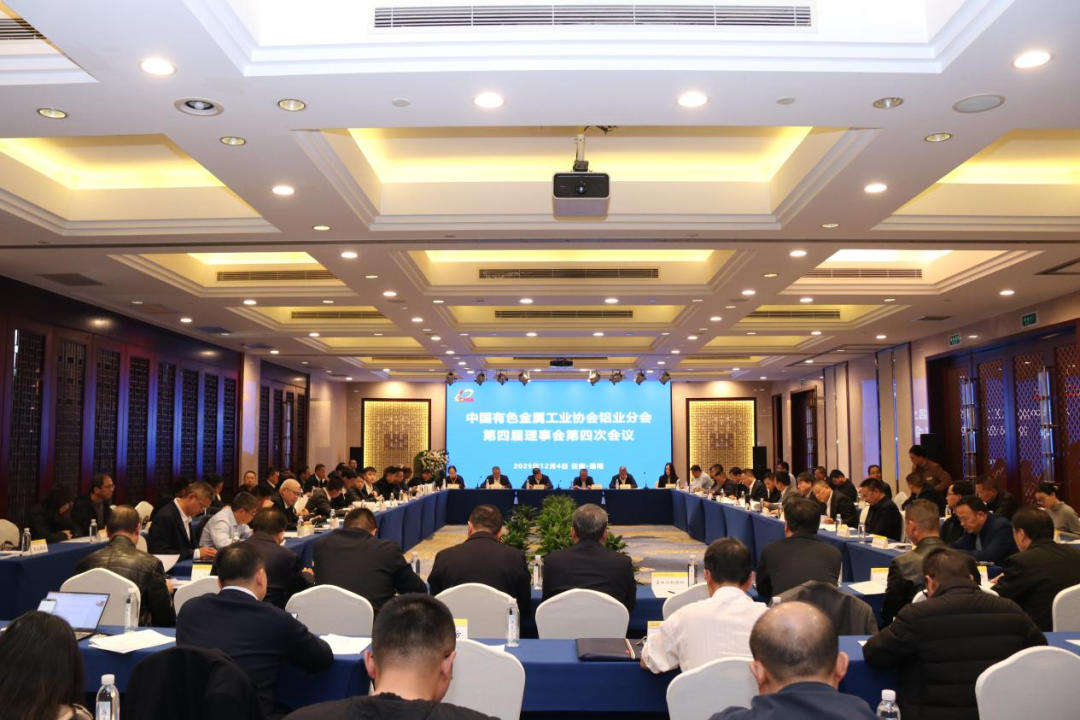
中国有色金属工业协会铝业分会四届四次理事会暨中国铝产业技术装备发展论坛在昆明召开
Xin Lang Cai Jing· 2025-12-05 12:57
Core Viewpoint - The meeting of the Aluminum Branch of the China Nonferrous Metals Industry Association highlighted the current state and future direction of the aluminum industry, emphasizing the need for innovation, green transformation, and international cooperation to ensure sustainable development [2][3][6]. Group 1: Meeting Overview - The fourth council meeting of the Aluminum Branch was held in Kunming, Yunnan, with participation from various industry leaders and companies [2][3]. - The meeting summarized the work of the branch's secretariat over the past year and made adjustments to leadership positions and member units [3][36]. Group 2: Industry Insights - The aluminum industry is characterized by high resource dependence, accelerated overseas expansion, deepening green transformation, enhanced trade resilience, and overall improved efficiency since 2025 [6][37]. - Key areas for high-quality development in the aluminum industry include resource security, alumina reform, maintaining the electrolytic aluminum ceiling, extending aluminum processing, promoting green low-carbon manufacturing, expanding aluminum applications, enhancing international cooperation, and strengthening industry self-discipline [6][37]. Group 3: Recommendations and Future Directions - Recommendations for the industry's future include strengthening policy research, deepening innovation in services, promoting technological advancements, and fostering industry self-discipline [6][37]. - The new chairman of the Aluminum Branch emphasized the importance of aligning with national strategies, building cooperative platforms, and enhancing collaboration within the industry to achieve a strong aluminum sector [11][43]. Group 4: Company Highlights - Yunnan Aluminum Co., Ltd. has developed into a leading green aluminum supplier with significant production capacities, including 1.6 million tons of bauxite and 1.4 million tons of alumina [20][52]. - The company aims to become a benchmark for green aluminum enterprises through low-carbon transformation and technological innovation [20][52]. Group 5: Technical Reports - The meeting featured reports from experts on the current state and future trends of alumina and electrolytic aluminum technology, highlighting the need for innovation and development in these areas [24][56].


张晓仑参加中法企业家委员会第七次会议
Xin Lang Cai Jing· 2025-12-05 12:48
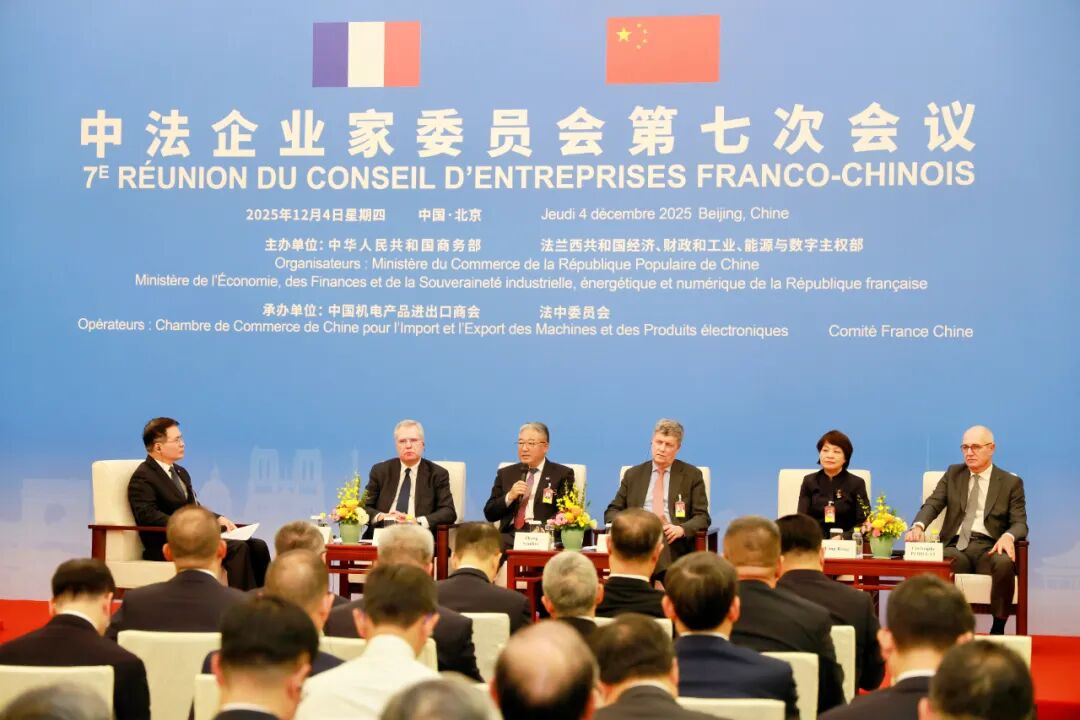
张晓仑表示,当前,人工智能成为引领新一轮科技革命和产业变革的战略性技术。国机集团深入贯彻新发展理念,牢牢把握数字化与工业化融合发展趋 势,以智能制造为主攻方向,大力推进科技创新,努力提升装备产品数字化、生产制造智能化水平,构建数字驱动工业新生态,在绿色智能装备、智能工 厂及灯塔工厂建设、供应链服务等领域取得了一系列新进展。近年来,法国加速推进再工业化进程,取得积极成效,在众多领域的智能化水平处于世界领 先地位,在工业软件与设计工具、高端精密制造、工业自动化与绿色能源等领域,与中国互补性很强。中国拥有全球最大规模的制造业市场,是全球唯一 拥有联合国产业分类中全部工业门类的国家,为智能制造、人工智能技术提供了丰富的应用场景。 张晓仑认为,中法两国企业在人工智能和智能制造方面合作潜力巨大,希望进一步深化中法"绿色制造合作伙伴"倡议,加强中法双方在人工智能和智能制 造国际标准体系方面的沟通合作,积极推动智能制造技术标准互认。同时,希望中法企业继续保持供应链畅通、进一步深化第三方市场合作,实现共同发 展。 链接 12月4日,中国商务部和法国经济、财政和工业、能源与数字主权部在北京共同主办中法企业家委员会第七次会议,15 ...
酷特智能:公司已打造并投入使用IMS智能量体系统
Zheng Quan Ri Bao· 2025-12-05 12:08
Core Insights - The company has developed and implemented the IMS intelligent measurement system, which can automatically measure body data through photos taken by customers [2] Group 1 - The IMS intelligent measurement system utilizes front and side photos for accurate body measurements [2]
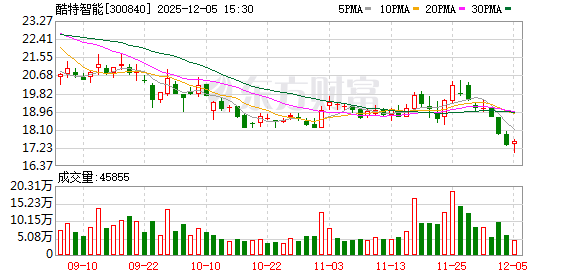
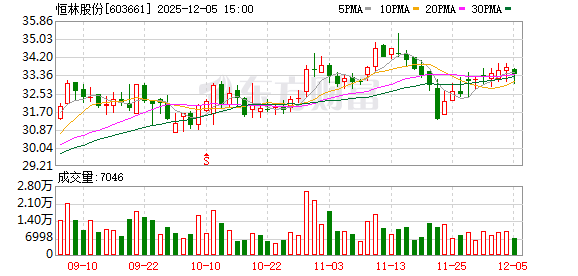
恒林股份成功入选浙江省雄鹰企业名单 持续深化“数字赋能”战略
Zheng Quan Ri Bao· 2025-12-05 12:08
Group 1 - The core viewpoint of the article highlights that Henglin Home Furnishings Co., Ltd. has been recognized as one of the "Eagle Enterprises" in Zhejiang Province, marking it as the only company from Huzhou in this batch, due to its excellence in smart manufacturing and digital transformation [2] - The evaluation focused on the company's core competitiveness and potential for high-quality development, with Henglin previously recognized as a pilot enterprise for future factories in Zhejiang Province [2] - Henglin is committed to sustainable high-quality development through smart manufacturing that promotes green and low-carbon practices, utilizing fully automated warehouses, smart robots, and digital management systems for comprehensive information and visualization management from production to delivery [2] Group 2 - The company's transformation is not limited to production; it has restructured internal management processes for refined and transparent control, earning recognition as a "Best Practice Case for Internal Control in Listed Companies" [3] - Henglin integrates smart technology into its products, exemplified by its smart office chairs that utilize IoT and sensing technology to monitor sitting posture health, illustrating its shift from a traditional furniture manufacturer to a "manufacturing + service" smart home solutions provider [3] - Being selected as an "Eagle Enterprise" brings both honor and responsibility, as the company will receive systematic policy support and resource integration under the provincial "One Enterprise, One Plan" cultivation program, fueling its high-quality development [3]
指数下行“未结束”!内外盘要出现变化了,还有哪些投资机会?
Sou Hu Cai Jing· 2025-12-05 08:10
Group 1 - The A-share market is experiencing a rebound with reduced trading volume as expectations for a Federal Reserve rate cut in December rise, indicating a short-term recovery in market sentiment [1] - The main sectors attracting net inflows include military industry, photovoltaic, non-ferrous metals, new energy vehicles, and brokerage firms, suggesting a shift in investor focus towards these areas [1] - The AI sector shows a relatively low risk of crowding, with long-term opportunities still present, while short-term value styles may have an advantage due to institutional investors adopting defensive strategies as year-end approaches [3] Group 2 - The rapid development of AI large models and applications is driving the need for advanced computing infrastructure, with high-performance, high-bandwidth, and low-latency networks being crucial for performance upgrades [3][4] - The transition to "super-node" architecture in computing infrastructure is essential for domestic players to catch up with international standards, with significant growth opportunities in high-speed connectivity modules and related manufacturers [6][4] - The number of newly established index-enhanced funds has surged in 2023, driven by policy support and increasing investor demand, indicating a competitive landscape for public fund institutions [10]

彭滨:满足消费者健康需求是饮料行业的重要战略定位
Jing Ji Guan Cha Wang· 2025-12-05 07:44
Core Insights - The 2025 Boao Forum for Entrepreneurs held discussions on new consumption trends, industry upgrades, and brand growth, highlighting the shift in consumer focus from products to services and experiences [1][3] - Huabin Group emphasized the importance of understanding consumer needs and ensuring product safety as foundational to brand building, while also announcing the launch of a new product, "New Zhanma," which focuses on aesthetics and taste [2][3] Group 1: New Consumption Trends - The Chinese consumption market is experiencing steady growth alongside a profound structural transformation, with a shift towards rational consumer preferences and emotional value satisfaction [1] - Offline channels are revitalizing customer engagement through enhanced experiences and personalized services [1] Group 2: Huabin Group's Development - Huabin Group pioneered the energy drink market in China by introducing Red Bull, which has become a trusted brand over 30 years, contributing to a revenue-generating industry chain worth hundreds of billions [2] - The company is committed to high-quality standards and has implemented a traceable quality management system across its supply chain, ensuring product safety and brand reputation [3] Group 3: Future Strategies - Huabin Group plans to increase investments in digital factories, promote smart manufacturing, and pursue green production to align with national development goals [3] - The company aims to explore transformative pathways by leveraging its position as a leading enterprise to foster collaboration across the supply chain [3]