
全国统一电力市场

Search documents
应对高比例可再生能源挑战 我国加速构建全国统一电力市场体系
Sou Hu Cai Jing· 2025-10-23 12:17
10月23日,2025国际能源变革论坛"电力市场建设与监管分论坛"在苏州举办。本次论坛以"适应能源转 型的电力市场建设与监管"为主题,聚焦能源变革背景下电力市场面临的机遇与挑战。中国国家能源局 监管总监黄学农、英国气候变化事务特使雷切尔·凯特、中国电力企业联合会常务副理事长杨昆出席会 议并致辞。来自国内外有关政府部门、能源监管机构、市场运营机构、电力企业、研究机构和高校的专 家代表齐聚一堂,就共同关心的电力市场与监管议题进行了深入交流。 本次论坛共同探讨世界各地区能源转型与发展、高比例可再生能源背景下电力市场机制建设与监管路 径、能源领域绿色发展等方面关键问题,致力于推动电力市场领域的国际交流与合作。 在主旨报告环节,来自国内外政府能源监管机构、电力交易中心、知名研究院校的权威专家与学者分享 了前沿观点与实践经验。演讲内容广泛覆盖了电力市场建设的关键领域,包括我国统一电力市场的发展 路径与监管实践、促进能源转型的市场机制设计、新型电力系统下的风险防控策略,以及欧洲、英国等 典型电力市场的改革经验与启示。 论坛圆桌对话环节围绕"高比例新能源背景下的市场建设与监管"开展专题讨论,来自能源监管机构、电 网企业、发电 ...
探路全国“电力大超市” 跨省电力“闪送”请签收!
Zhong Guo Jing Ji Wang· 2025-10-17 05:47
Core Insights - The article highlights the initiation of a normalized cross-grid electricity trading mechanism in China, marking the first cross-grid spot trading between Southern Power Grid and State Grid, with 42.3 million kilowatt-hours of electricity sent to regions like Zhejiang and Shanghai [1][3]. Group 1: Market Transformation - China's electricity resource allocation is evolving from a fragmented model to a unified "electricity supermarket," allowing for better integration of resources such as green hydropower from Yunnan and nighttime wind power from Guangxi [1][3]. - The cumulative electricity market trading volume from January to August reached 43,442 billion kilowatt-hours, a year-on-year increase of 7.0%, with cross-provincial trading accounting for 10,294 billion kilowatt-hours, up 9.4% [3][7]. Group 2: Regulatory Framework - Recent reforms in China's electricity market have established a solid institutional foundation, including the breakthrough in the Energy Law and the revision of the Electricity Market Supervision Measures [3][4]. - The Southern Regional Electricity Market, which includes five provinces, has successfully initiated continuous settlement trials, breaking down provincial barriers and creating a unified spot market [4][5]. Group 3: Resource Optimization - The Southern Region's electricity market utilizes a competitive model that allows for dynamic pricing signals, optimizing resource allocation and enhancing the efficiency of electricity flow [4][9]. - The market's design enables the integration of various energy sources, allowing for a competitive environment where clean energy can be consumed more effectively [4][9]. Group 4: Seasonal Demand Management - During peak summer months, the market mechanism has effectively addressed electricity shortages caused by spatial and temporal mismatches, allowing for real-time resource allocation based on price signals [7][8]. - From January to August, the West-to-East electricity transmission reached 1,665 billion kilowatt-hours, a 4.1% increase year-on-year, with significant contributions from Yunnan and Guangdong [7][8]. Group 5: Renewable Energy Integration - The regional spot market has facilitated the absorption of renewable energy, with strategies like "price for volume" allowing for greater market flexibility and increased transmission of clean energy [9]. - The total electricity transmitted from the West to the East during the continuous settlement trial reached 698.1 billion kilowatt-hours, exceeding planned deliveries by 84.2 billion kilowatt-hours [9].

两大电网首次开展跨电网经营区现货交易
中国能源报· 2025-10-15 03:12
1 0 月 14 日 , 央 视 《 新 闻 联 播 》 刊 播 《 两 大 电 网 首 次 开 展 跨 电 网 经 营 区 现 货 交 易 》 报 道。 10月13日,南方电网、国家电网首次跨电网经营区电力现货交易达成。来自南方电网经 营区域的电力资源,首次以现货交易形式,跨越传统的经营区域界限,按当前通道能力满 功率支援华东地区电力保供, 及时为华东地区增加180万千瓦用电保障 ,标志着全国统 一电力市场联通机制全面达成,实现电力现货资源跨电网经营区常态化交易。 交易如何进行? ▲央视《朝闻天下》报道截图 交易申报日,国家电网组织浙江、上海等华东省区申报购电需求,通过交易中心进行量、 价申报,参与南方区域现货市场交易,形成交易电量和价格。从交易结果看,南方区域电 力市场通过全域资源的统一集中优化,实现了同时满足经营区内2.36亿千瓦负荷的供应 保障和华东地区180万千瓦、共4230万千瓦时电量的紧急购电需求。 交易有何特点? ▲ 央视《朝闻天下》报道截图 长期以来,我国跨电网经营区送电均通过中长期交易开展,稳定性较好但灵活性相对不 足,电力需求和富余资源未能实现充分匹配。此次华东地区与南方区域之间开展的电 ...
零碳新纪元系列研究一:扩量提质,破局新生
Changjiang Securities· 2025-10-14 15:03
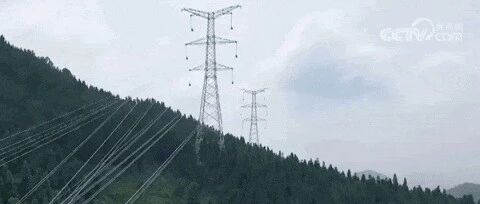
Investment Rating - The report maintains a "Positive" investment rating for the electrical equipment industry [12] Core Viewpoints - Renewable energy, particularly wind and solar, is central to China's dual carbon goals, but the industry faces challenges with rapid growth in generation capacity and increasing consumption pressure [4][7] - The report emphasizes the need for high-quality development in the renewable energy sector, focusing on enhancing supply and expanding utilization pathways [4][7] - The transition to a unified electricity market and the promotion of energy storage, ultra-high voltage transmission, and new business models are seen as critical for improving renewable energy consumption [8][22] Summary by Sections Power Utilization: Core Role of Storage, New Business Models, and Ultra-High Voltage - The contradiction of increased installed capacity and reduced utilization rates is expected to emerge by 2025, necessitating reforms in the electricity system to support renewable energy consumption [8][22] - Energy storage is anticipated to play a crucial role, with a three-part value system involving spot markets, ancillary services, and capacity pricing being established [9][22] - New business models supported by government policies are expected to facilitate local consumption of renewable energy [9][22] Non-Electric Utilization: Decreasing Costs of Green Electricity and Potential Growth of Green Hydrogen and Methanol - The report highlights the low current share of non-electric renewable energy utilization, which is less than 1% of total energy consumption, but anticipates significant growth in green hydrogen and methanol as costs decrease [10][22] - Green hydrogen is identified as a key intermediate process for deep decarbonization, with applications in agriculture and as a zero-carbon energy source [10][22] - The demand for green ammonia and methanol is expected to expand rapidly due to the establishment of environmental value systems domestically and internationally [10][22] Future Outlook: Comprehensive Market Entry and Maturity of the Unified Electricity Market - The next five years are critical for transitioning from scale development to high-quality development in the renewable energy sector, with a focus on enhancing consumption capacity [49][50] - The report outlines the importance of market-driven resource allocation and the establishment of a sustainable pricing mechanism for renewable energy [49][50] - The construction of a unified electricity market is expected to facilitate better resource allocation and promote renewable energy consumption [53][55]
人民日报丨加快建设全国统一电力市场
国家能源局· 2025-10-14 11:58
电力市场是全国统一大市场的重要组成部分。2021年,习近平总书记在中央全面深化改革委员会第二十二次会议上指 出:"要遵循电力市场运行规律和市场经济规律,优化电力市场总体设计,实现电力资源在全国更大范围内共享互济和优化 配置,加快形成统一开放、竞争有序、安全高效、治理完善的电力市场体系。"这是构建现代能源体系、推动能源高质量发 展的重大部署,同时也为构建全国统一大市场提供了重要基础。我们要以习近平经济思想为指引,加快建设全国统一电力 市场,促进电力资源优化配置、构建现代能源体系、推动能源高质量发展,为以中国式现代化全面推进强国建设、民族复 兴伟业提供有力支撑。 建设全国统一电力市场是建设全国统一大市场、推动高质量发展的探索实践 建设全国统一大市场是发挥我国超大规模市场优势的内在要求。习近平总书记在《关于构建新发展格局》中指出:"从供给 看,我国基于国内大市场形成的强大生产能力,能够促进全球要素资源整合创新,使规模效应和集聚效应最大化发挥。"电 力是经济社会发展的基础性支撑,电力资源的优化配置关乎能源安全与高质量发展大局。建设全国统一电力市场是深化电 力体制改革的重要举措,有利于促进电力资源优化配置、保障电力供应 ...
跨省出行新能源车“说走就走” 全球最大“电力超市”赋能电力资源顺畅流动
Yang Shi Wang· 2025-10-14 06:38
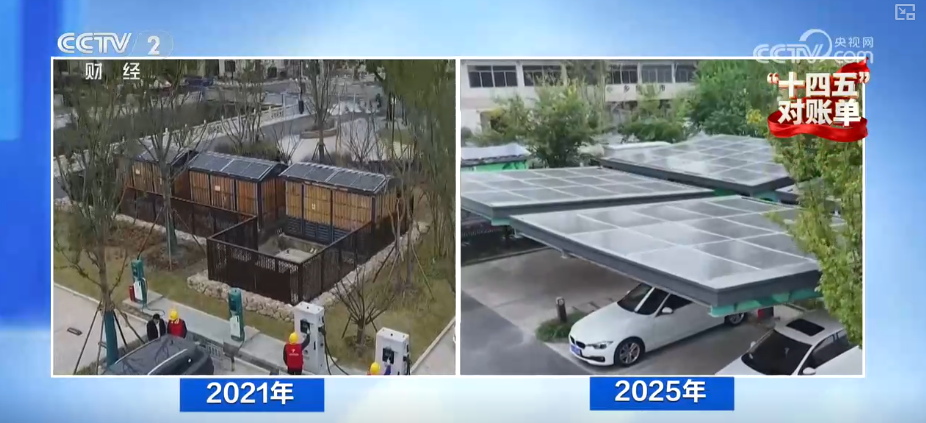
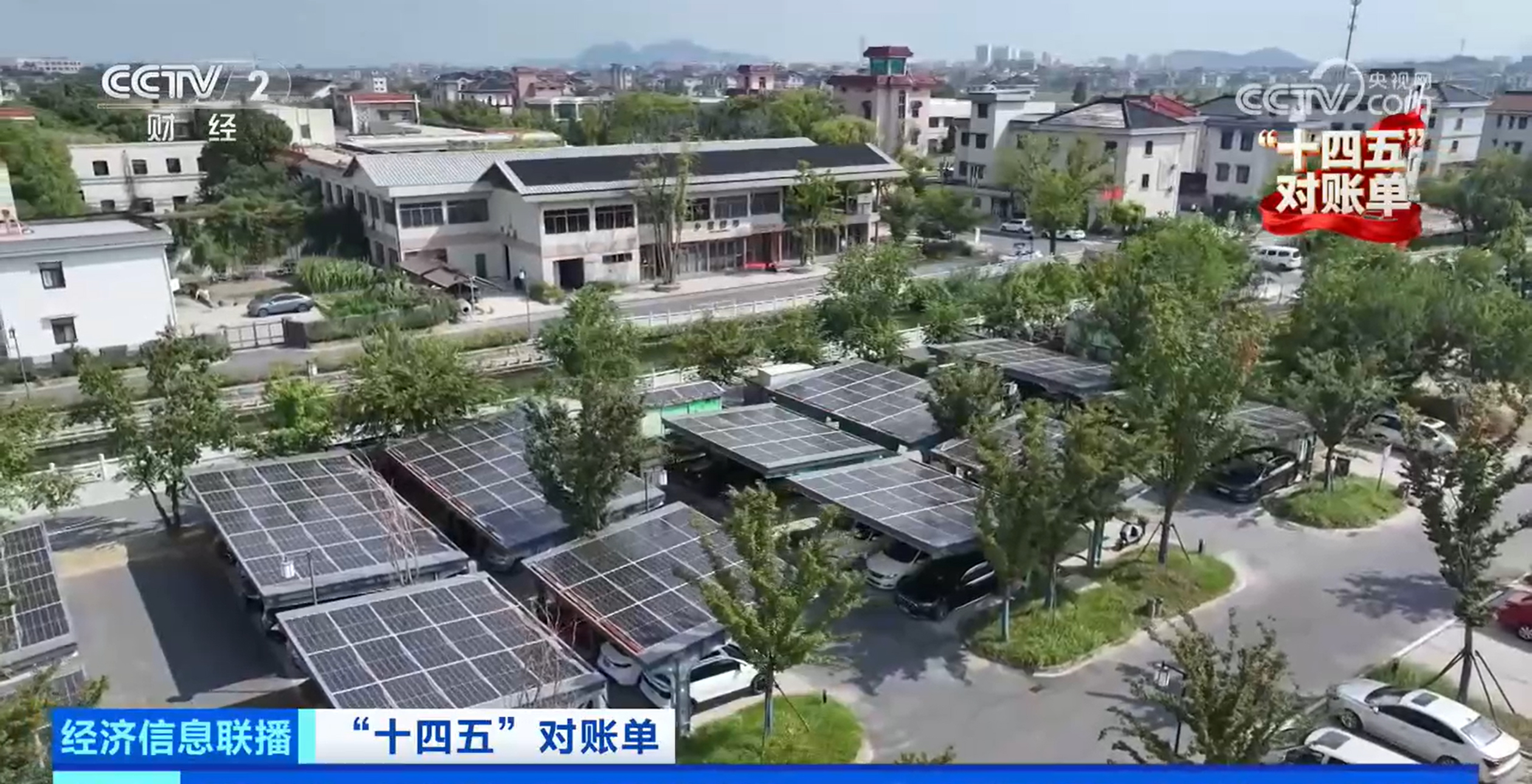
央视网消息:全国统一电力市场,是全国统一大市场建设在能源领域的关键落子。"十四五"期间,我国建成了全球最大的电动 汽车充电网络,每5辆车就有2个充电桩。五年来,记者用镜头记录了电力市场化改革的一次次重大进展,从记者的观察里看我国电 力资源如何更加顺畅流动。 这里是浙江杭州梅林村国家电网的充电站。2021年记者来这里采访调研的时候,这里充电桩的数量只有4个,而现在这个数量翻了4 倍,达到了16个。另外一个重要的变化来自这里加装了光储充一体化的设备,车主在这里充电,可以直接使用屋顶光伏所发的绿 电。而另外值得关注的是充电时间,由于加装了超充和快充新的设备,这里车主充电的时间缩短了一半。 在这个公共充电站,每天11时到13时的谷电时间都是新能源车充电的高峰。在梅林村负责文化推广工作的项江南也是这里的常客。 他住在城里,工作在乡村,每天的驾驶里程都在近百公里。 从2021年"加快充电桩建设"写入"十四五"规划到2023年充电桩下乡等一系列配套政策的落地,杭州乡村里的充电桩明显多了起来。 "十四五"时期,杭州全市建成了公共充电圈,市区充电服务半径只有0.9公里,高速服务区超充站全覆盖,191个乡镇充电设施实现 乡乡通。 ...
加快建设全国统一电力市场
Ren Min Ri Bao· 2025-10-14 02:03
Core Viewpoint - The construction of a unified national market is essential for establishing a new development pattern, as emphasized by General Secretary Xi Jinping in various writings, highlighting the need for a high-standard market system and effective market rules [1][2]. Group 1: Importance of a Unified National Market - The unified national market is a fundamental requirement for leveraging China's large-scale market advantages, facilitating resource integration and maximizing scale and agglomeration effects [2][3]. - A unified electricity market is a critical component of the national unified market, promoting the optimization of electricity resource allocation and ensuring energy security [2][3]. Group 2: Support for Domestic Circulation - The new development pattern is centered around domestic circulation, supported by a unified national market, which enhances the accumulation of social wealth and national strength [3][4]. - Electricity is vital for smooth domestic circulation; a fragmented electricity market can increase resource allocation costs and hinder the effectiveness of the unified market [3][4]. Group 3: Energy Security and Economic Stability - Accelerating the construction of a unified electricity market is crucial for maintaining energy security and economic stability amid complex international environments [4][5]. - The unified electricity market will enhance the resilience of the energy system and support the development of strategic emerging industries [4][5]. Group 4: Green and Low-Carbon Transition - The electricity sector plays a key role in achieving China's dual carbon goals, and a unified market is necessary for large-scale consumption of green electricity [6][7]. - The construction of a unified electricity market will facilitate the integration of carbon and electricity markets, promoting a green and low-carbon transition [6][7]. Group 5: Progress in Electricity Market Construction - The electricity market has seen significant growth, with market transactions increasing from 1.1 trillion kWh in 2016 to 6.2 trillion kWh by 2024, representing a rise from 17% to 63% of total electricity consumption [8]. - The market structure is evolving, with over 800,000 market participants and a growing number of new business models emerging [7][8]. Group 6: Future Directions for Market Development - The construction of a unified electricity market requires the establishment of unified rules, infrastructure, and regulatory mechanisms to ensure efficient operation and coordination [9][10]. - Expanding market openness and enhancing international cooperation in energy will strengthen China's position in global energy governance [11].
内蒙古绿电“出塞” 首次到海南
Nei Meng Gu Ri Bao· 2025-10-14 00:42
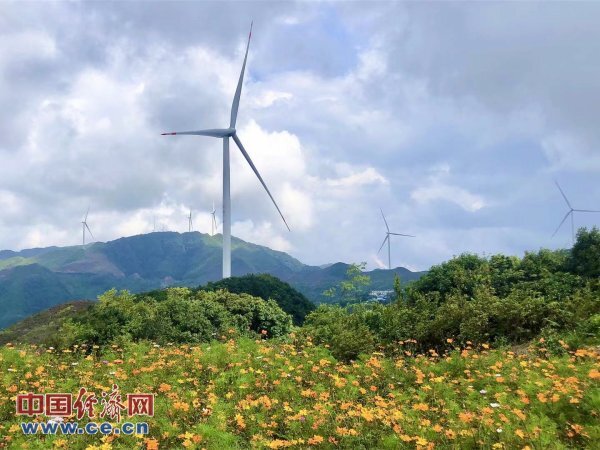
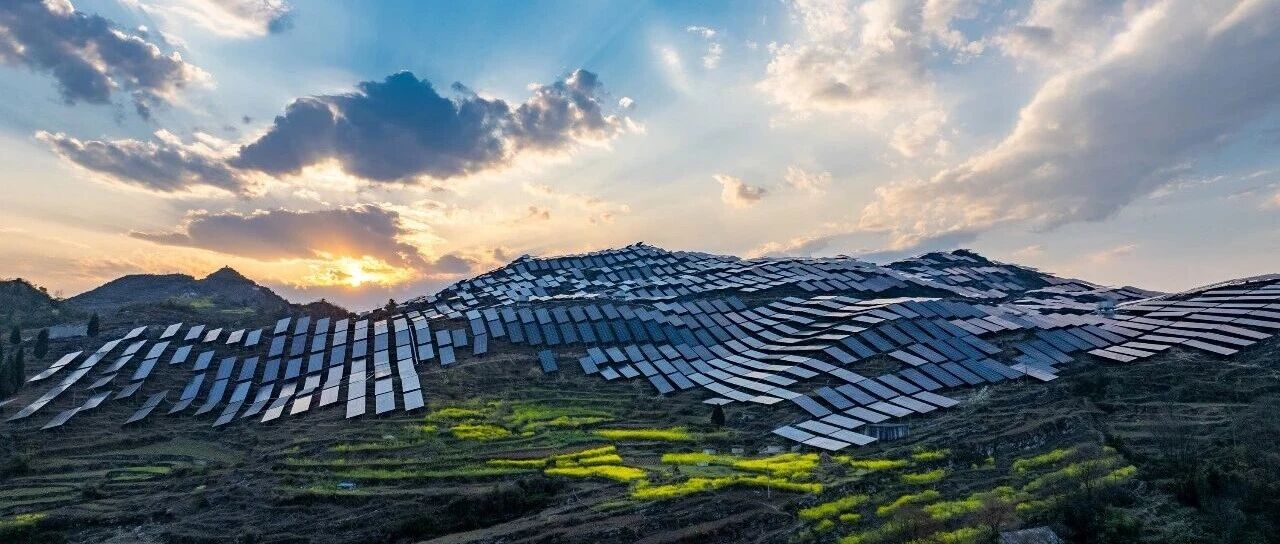
10月3日至9日,内蒙古绿电"出塞"首次到海南。来自内蒙古的风、光资源,跨越3000公里"电力天路", 转化为海南岛的万家灯火,标志着内蒙古实现了清洁能源有史以来最远距离的跨省输送。 此次跨区域绿电输送由北京电力交易中心、广州电力交易中心共同组织,依托全国统一电力市场,利用 跨区跨省输电通道,完成了内蒙古电网与海南电网之间的跨经营区新能源交易。来自内蒙古西部的清洁 电能,经由华北、华中、广东及琼粤跨海联网通道,最终送达海南岛,实现纵贯南北的"削峰填 谷"与"负荷转移"。本次交易总电量达833.5万千瓦时,有效提升了"双节"期间海南的电力供应保障能 力。 内蒙古风光资源富集,风能技术可开发量14.6亿千瓦,约占全国的57%;太阳能技术可开发量94亿千瓦, 约占全国的21%。近年来,内蒙古充分发挥资源禀赋优势,能源结构绿色转型取得突破性进展,2024 年,新能源总装机在全国率先突破1亿千瓦,超过火电装机规模,占电力总装机的52%。 作为国家重要能源基地,内蒙古始终承担着"西电东送""北电南供"的重要使命,外送电量连续多年位居 全国首位。2024年,内蒙古外送电量3377亿千瓦时、占全国1/6,其中绿电外送超600 ...
“十四五”对账单 我国建成全球最大充电网络 新能源车跨省出行“说走就走”
Yang Shi Wang· 2025-10-13 22:49
央视网消息:全国统一电力市场,是全国统一大市场建设在能源领域的关键落子。"十四五"期间,我国建成了全球最大的电动汽车充电网络,每5辆车就有2 个充电桩。五年来,电力市场化改革有哪些重大进展,我国电力资源如何更加顺畅流动,跟随记者的镜头,一起来看。 总台央视记者 平凡:在浙江杭州梅林村国家电网的充电站,2021年我来这里采访调研的时候,这里充电桩的数量只有4个,而现在这个数量翻了4倍,达到 了16个。另外还有一个重大的变化就是这里加装了光、储、充一体化的设备,车主在这里充电,就可以直接使用屋顶光伏所发的绿电。而更加值得关注的是 充电时间,由于加装了超充和快充设备,这里车主充电的时间缩短了一半。 在这个公共充电站,每天11点到13点,都是新能源车充电的高峰,在梅林村负责文化推广工作的项江南也是这里的常客。他住在城里,工作在乡村,每天的 驾驶里程都在近百公里。从2021年加快充电桩建设写入"十四五"规划,到2023年充电桩下乡等一系列配套政策的落地,杭州乡村的充电桩明显多了起来。 杭州新能源车主 项江南:我工作范围内的这些村社有充电桩,我出去玩、去更偏一点的民宿里面,也都会有配套的一些充电桩。 "十四五"时期,杭州 ...
加快建设全国统一电力市场(深入学习贯彻习近平新时代中国特色社会主义思想·学习《习近平经济文选》第一卷专家谈)
Ren Min Ri Bao· 2025-10-13 22:20
建设全国统一大市场是构建新发展格局的基础支撑和内在要求。习近平总书记高度重视全国统一大市场 建设,《习近平经济文选》第一卷中的多篇著作都对此作出重要论述。比如,《加快构建新发展格局, 把握未来发展主动权》指出:"要深化要素市场化改革,建设高标准市场体系,加快构建全国统一大市 场";《确保我国经济航船乘风破浪、行稳致远》指出:"政府要有所为、有所不为,解决好缺位、越位 问题。有所为,就是要不断建设法治经济、信用经济,完善市场规则并带头遵守规则,通过坚决惩治腐 败、保障公共安全等优化市场环境,着力矫正市场失灵,规范竞争秩序,使全国统一大市场成为各类经 营主体公平竞争的大舞台";等等。习近平总书记的重要论述,为我们以全国统一大市场建设支撑构建 新发展格局提供了科学指引。 电力市场是全国统一大市场的重要组成部分。2021年,习近平总书记在中央全面深化改革委员会第二十 二次会议上指出:"要遵循电力市场运行规律和市场经济规律,优化电力市场总体设计,实现电力资源 在全国更大范围内共享互济和优化配置,加快形成统一开放、竞争有序、安全高效、治理完善的电力市 场体系。"这是构建现代能源体系、推动能源高质量发展的重大部署,同时也为 ...