去中心化

Search documents
美联储理事宣布了!美联储理事沃勒对外宣布:稳定币不能乱搞,要严格管起来,还得让它能安全方便地用来付款
Sou Hu Cai Jing· 2025-09-30 15:21
Core Viewpoint - The recent statements from Federal Reserve Governor Waller indicate a strong push for regulating stablecoins in the U.S., highlighting concerns over their stability and potential risks to the financial system [1][3]. Regulatory Developments - The "Guidance and Establishment of a National Stablecoin Innovation Act" was passed in July and signed by Trump, imposing strict regulations on stablecoin issuers similar to those for banks [3]. - Companies issuing stablecoins must obtain bank-like licenses, maintain reserves in hard assets like USD and short-term government bonds, and disclose reserve details monthly [3]. Market Impact - The collapse of Terra and the recent issues with Silicon Valley Bank, where USDC had $3.3 billion in reserves, demonstrate the vulnerabilities in stablecoin markets, leading to significant price drops and potential "bank runs" [3]. - The U.S. aims to control stablecoins to prevent financial instability and protect consumers, but this may impose high compliance costs on smaller companies and blockchain startups [3][8]. Geopolitical Implications - Waller's comments suggest that stablecoins could reinforce the global dominance of the U.S. dollar, as the U.S. is not interested in a retail digital dollar but rather in maintaining control over digital currency frameworks [4]. - The regulatory approach may lead to a scenario where global stablecoins are tethered to the U.S. dollar, limiting the ability of other countries to establish independent digital currencies [6][8]. Consumer Protection vs. Control - The narrative of consumer protection is questioned, as the stringent regulations may serve to enhance U.S. monetary control rather than genuinely safeguard consumers [6][8]. - The requirement for monthly reserve disclosures and compliance audits raises concerns about the feasibility for smaller firms, potentially stifling competition in the stablecoin market [8].


掌握买币钱包XBITWallet数字资产守护艺术
Sou Hu Cai Jing· 2025-09-29 14:16
Core Insights - The digital currency market is at a historic opportunity as global macroeconomic conditions shift, with an 87.7% probability of a 25 basis point rate cut in October and a 65.4% chance of a cumulative 50 basis point cut by December, indicating a trend towards looser monetary policy [1][3] - Mike Novogratz predicts that a dovish Federal Reserve could trigger an epic bull market for Bitcoin and other cryptocurrencies, as increased dollar liquidity enhances Bitcoin's scarcity appeal [1][3] - The role of cryptocurrency wallets extends beyond mere storage; they serve as a bridge between traditional finance and decentralized systems, emphasizing the importance of secure storage for realizing actual gains from market fluctuations [4][3] Monetary Policy Shift and Digital Assets - Federal Reserve Governor Bowman’s statements on asset-liability reform reinforce expectations of a financial system restructuring, advocating for a smaller balance sheet and active selling of mortgage-backed securities [3] - Historical trends suggest that digital assets often respond first to liquidity shifts in traditional financial systems, positioning them as potential beneficiaries of the current monetary policy changes [3] Wallet Security and Functionality - Modern cryptocurrency wallets have evolved to offer diverse functionalities, including multi-chain asset support and staking, but their foundational element remains security architecture [4][9] - Understanding private keys is crucial, as they represent the sole proof of ownership for assets on the blockchain, with the loss of a private key resulting in permanent access loss [6][9] Backup and Recovery Practices - The development of mnemonic phrases (BIP39) addresses the challenge of remembering private keys, converting them into a more manageable word combination for backup [8][9] - Proper storage methods for mnemonic phrases are essential, with physical mediums like stainless steel being more durable than paper, and decentralized storage reducing risk [9] Hot Wallets vs. Cold Wallets - For frequent traders, hot wallets offer convenience but increase vulnerability; professional investors often use a "cold-hot separation" strategy to balance security and liquidity [11] - As the likelihood of a policy shift from the Federal Reserve rises, a well-designed wallet must ensure security while providing a seamless trading experience [11] Preparing for Market Changes - The anticipated shifts in monetary policy will likely create ripples across both traditional and digital asset markets, prompting savvy investors to adjust their portfolios and upgrade their digital infrastructure [13] - Choosing a cryptocurrency wallet is fundamentally a vote on the future financial landscape, with a focus on security practices and understanding of private key principles being vital for asset protection [13]
比特币背后的秘密:是精英的盛宴还是大众的天坑?
Sou Hu Cai Jing· 2025-09-29 10:18
Group 1 - The article discusses the dual perception of cryptocurrency, particularly Bitcoin, as both a revolutionary asset and a potential Ponzi scheme, highlighting the contrasting views on its value and legitimacy [1][2][31] - It emphasizes the historical context of financial systems and the failures of traditional currencies, using examples from China, Zimbabwe, and Russia to illustrate the dangers of inflation and loss of trust in government-backed currencies [4][5][6][8][9] - The emergence of Bitcoin is framed as a response to the 2008 financial crisis, where a loss of faith in traditional financial institutions led to the rise of decentralized currencies [10][11][31] Group 2 - The article outlines the technological foundations of cryptocurrency, including decentralization, distributed ledger technology, and blockchain, which collectively provide security and transparency [12][13][17][18] - It explains how Bitcoin's fixed supply of 21 million coins is encoded in its blockchain, creating a sense of scarcity and value that is enforced by code rather than trust in institutions [19][31] Group 3 - The article identifies significant risks associated with cryptocurrency, including extreme price volatility, prevalence of scams, and the complexity of technology that can alienate average investors [21][22][23] - It discusses the centralization of wealth within the cryptocurrency market, where a small number of early adopters hold significant power over market movements, often at the expense of new investors [24][31] Group 4 - The concept of smart contracts is introduced as a transformative application of blockchain technology, allowing for automated and trustless agreements, but also warns of the potential pitfalls and vulnerabilities associated with them [25][26][28] - The article concludes by reflecting on the dual nature of cryptocurrency as both a groundbreaking innovation and a potential trap for uninformed investors, urging a reevaluation of trust, freedom, and wealth in a digital age [31][35]
孙宇晨的奇幻漂流
Hu Xiu· 2025-09-28 13:58
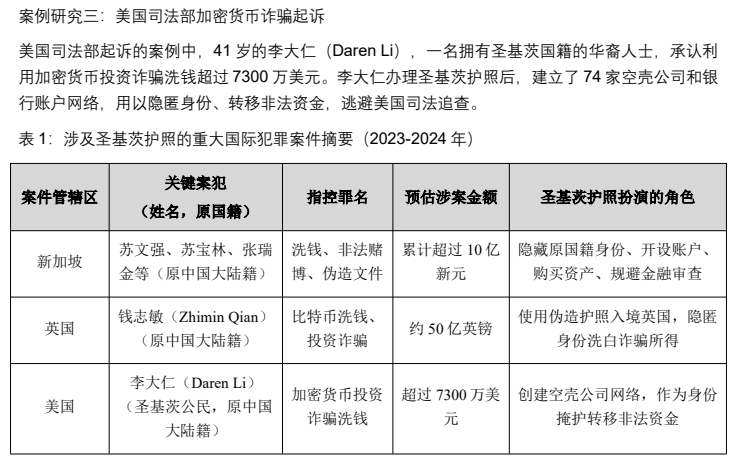
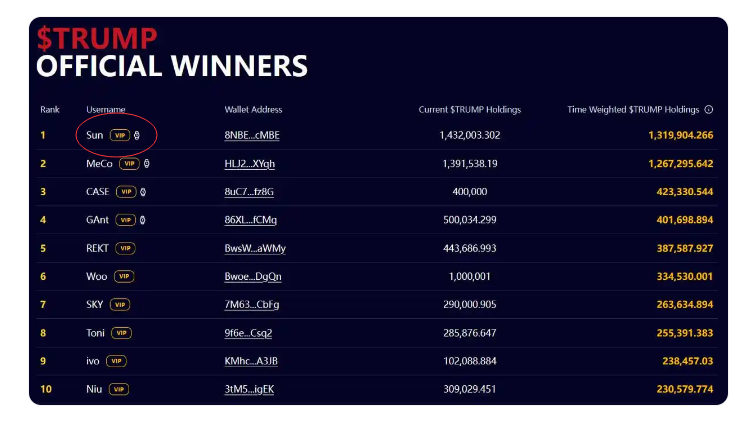
Core Points - Sun Yuchen, known for his unconventional path from winning a writing competition to becoming a major player in cryptocurrency, has invested $75 million in the Trump family-supported project World Liberty Financial (WLFI) [1] - His public image is polarizing, with supporters viewing him as a visionary entrepreneur and critics labeling him a speculator [3] - Sun's cryptocurrency narrative is characterized by evading regulation, starting with the establishment of TRON in 2017, which claims to offer a decentralized platform [4][5] Investment and Regulatory Context - TRON's fundraising occurred just days before a Chinese regulatory ban on token issuance, raising suspicions about Sun's foresight regarding regulatory changes [5] - The project faced accusations of plagiarism in its white paper, suggesting a lack of originality and transparency [5] - Sun's subsequent appointment as Grenada's ambassador to the WTO highlights a controversial shift in his career, leveraging Caribbean citizenship for political protection [6][7] Citizenship and Regulatory Evasion - Sun acquired citizenship from Saint Kitts and Nevis, known for its lax immigration policies, allowing for quick nationality acquisition [8][9] - This citizenship has been associated with facilitating money laundering, making it an attractive option for individuals seeking to evade regulatory scrutiny [9][10] - Sun's strategy involved obtaining multiple citizenships to create legal barriers against potential regulatory actions from stronger nations [12][13] Legal Challenges and Political Connections - The SEC filed a lawsuit against Sun and his companies for unregistered securities issuance and market manipulation, which he contested by claiming the actions were outside U.S. jurisdiction [18][19] - Following a significant investment in Trump-related projects, the SEC paused its civil fraud case against him, raising concerns about political influence in regulatory matters [21][22] - This situation reflects a broader trend of individuals seeking political connections to navigate legal challenges, showcasing the intersection of finance and politics [23] Broader Implications of Neoliberalism - Sun's story exemplifies the contradictions of neoliberal globalization, where market mechanisms often serve elite interests rather than the public good [25][26] - The commodification of citizenship, as seen in Caribbean nations selling citizenship, highlights the challenges to national sovereignty and regulatory frameworks [27] - Sun's narrative of decentralization in cryptocurrency is critiqued as a façade for centralization, undermining the principles of a truly decentralized economy [28][29] Conclusion - Sun Yuchen's trajectory from regulatory evasion to political maneuvering illustrates the inherent flaws in neoliberal ideologies, revealing a significant gap between the ideals of free markets and the realities of power dynamics [32][33]
USDC钱包适配交易可逆性新趋势 XBIT Wallet存储调配全指南
Sou Hu Cai Jing· 2025-09-27 09:36
Core Viewpoint - Circle is exploring a controversial proposal to allow reversible transactions for its stablecoin USDC, which could significantly alter the fundamental principles of cryptocurrency trading and spark intense discussions within the decentralized community [1][4][10] Group 1: Proposal and Implications - The proposal to allow reversible transactions could challenge the principle of settlement finality in cryptocurrency, which traditionally emphasizes that once a transaction is on the blockchain, it cannot be altered [4][10] - Circle's president, Heath Tarbert, believes that a refund mechanism for stablecoins could enhance their adoption in mainstream markets, particularly for consumer spending and international transactions [4][10] - The concept of transaction reversibility contrasts with the decentralized ethos of the crypto community, where many advocate for immutable transactions without centralized arbitration [4][10] Group 2: Market Context and Statistics - The stablecoin market is a crucial part of the cryptocurrency ecosystem, with a total market capitalization of approximately $300 billion, where USDC has a market cap of $74 billion, making it the second-largest stablecoin after Tether (USDT) at $173 billion [4][8] - The Federal Reserve's anticipated interest rate cuts could influence the liquidity environment, potentially increasing funds flowing into the cryptocurrency market, including stablecoins [7][8] Group 3: User Security and Features - XBIT Wallet offers multiple security features for USDC users, including hardware wallet-level private key encryption, biometric login, and real-time monitoring of unusual transactions, which are particularly valuable during periods of market volatility and regulatory changes [5][8] - The wallet supports efficient cross-chain transactions for USDC across major networks like Ethereum and Solana, with lower fees and quick transaction times, enhancing user flexibility in asset management [7][8] Group 4: Future Considerations - The ongoing discussions around Circle's proposal indicate that stablecoins may evolve from mere hedging tools to potential bridges to mainstream finance, provided they can balance decentralization with user protection [10]


新世纪期货交易提示(2025-9-26)-20250926
Xin Shi Ji Qi Huo· 2025-09-26 01:33
1. Report Industry Investment Ratings - Iron ore: Oscillating with a bullish bias [2] - Coking coal and coke: Oscillating with a bullish bias [2] - Rebar and rolled steel: Oscillating [2] - Glass: Rebounding [2] - Soda ash: Adjusting [2] - CSI 50: Oscillating [2] - CSI 300: Oscillating [2] - CSI 500: Rebounding [4] - CSI 1000: Rebounding [4] - 2 - year Treasury bond: Oscillating [4] - 5 - year Treasury bond: Oscillating [4] - 10 - year Treasury bond: Rebounding [4] - Gold: High - level oscillation [4] - Silver: High - level oscillation [4] - Logs: Range - bound oscillation [6] - Pulp: Bottom consolidation [6] - Offset paper: Bearish outlook [6] - Edible oils: Wide - range oscillation [5] - Soybean meal: Oscillating with a bearish bias [5] - Rapeseed meal: Oscillating with a bearish bias [5] - Soybean No. 2: Oscillating with a bearish bias [7] - Soybean No. 1: Oscillating with a bearish bias [7] - Live pigs: Oscillating with a bullish bias [7] - Rubber: Oscillating [10] - PX: On the sidelines [10] - PTA: Oscillating [10] - MEG: On the sidelines [10] - PR: On the sidelines [10] - PF: On the sidelines [10] 2. Core Views - The Fed's interest rate cut has landed as expected, and after the National Day, trading focus will gradually shift to reality. Different commodities have different supply - demand situations and price trends [2][4]. - Gold's pricing mechanism is shifting, and factors such as central bank gold purchases, geopolitical risks, and the US economic situation affect its price [4]. - Various factors such as supply - demand, policies, and seasonal factors impact the prices of commodities in different industries [2][5][6][7][10]. 3. Summary by Related Catalogs Ferrous Metals - Iron ore: Overseas supply decreased slightly but remained at a high level in recent years. Port arrivals increased, demand rebounded, and the 2601 contract adjusted at a high level [2]. - Coking coal and coke: As the double - festival replenishment period approaches, procurement enthusiasm increased. Supply may be weaker than last year, and the futures market rebounded [2]. - Rebar and rolled steel: Data met expectations, production increased slightly, demand was lackluster, and the 2601 contract oscillated with a bullish bias [2]. - Glass: Enterprises raised prices, short - term price increases may stimulate downstream replenishment, and demand improved slightly, but the long - term real estate adjustment continued [2]. Financial Products - Stock index futures/options: Different stock indices showed different trends, with some sectors having capital inflows and others outflows [2]. - Treasury bonds: Yields and market interest rates fluctuated, and the market was affected by factors such as central bank operations [4]. - Gold and silver: Gold's pricing mechanism is changing, and factors such as geopolitical risks, the US economic situation, and central bank gold purchases affect their prices [4]. Light Industry - Logs: Supply tightened, inventory decreased, cost support weakened, and prices were expected to oscillate in a range [6]. - Pulp: Spot prices were divided, cost support increased, but demand was weak, and prices were expected to consolidate at the bottom [6]. - Offset paper: Production was stable, demand was weak during the off - season, and the industry was bearish [6]. Oils and Fats - Oils: Palm oil inventory increased, production decreased due to disasters, and demand from India increased. Domestic oil supply was abundant, and prices were expected to oscillate widely [5]. - Meal: US soybean production increased, export demand was weak, and domestic supply was abundant, with prices expected to oscillate with a bearish bias [5]. Agricultural Products - Live pigs: Average transaction weight increased, supply was abundant, demand was weak, and prices were expected to oscillate weakly in the short term [7]. Soft Commodities - Rubber: Supply pressure decreased in some areas, demand increased slightly, inventory decreased, and prices were expected to oscillate widely [10]. - PX, PTA, MEG, PR, PF: PX had supply risks, PTA's cost support might weaken, and their prices followed cost fluctuations. MEG had supply pressure, and PR and PF were expected to trade flatly [10].
花钱是买不来自由的!赵长鹏放弃中国籍、交天价罚款,却换回4个月监停
Sou Hu Cai Jing· 2025-09-24 10:38
Core Insights - Zhao Changpeng, founder of Binance, faced severe legal repercussions, including a total fine of 53.1 billion RMB, which comprises a personal payment of $50 million and Binance's $4.3 billion penalty [1][3] - His resignation as CEO and the imposition of a three-year independent regulatory review by the U.S. Department of Justice fundamentally altered Binance's operational model [3][5] - Despite being incarcerated, Binance continued to generate significant revenue, earning up to $8 million daily in transaction fees [3] Regulatory Challenges - Zhao's belief in a "global citizen" identity and the decentralized nature of Binance, which operates without a fixed headquarters, ultimately failed against U.S. regulatory power [5][6] - The U.S. Department of Justice accused Binance of intentionally disabling compliance systems to attract high-net-worth clients and of having "designed deficiencies" in its anti-money laundering systems [5][6] - Binance processed over $899 million in transactions for sanctioned countries, challenging U.S. financial hegemony [5] Financial Impact - Zhao's personal wealth increased by 37% during a Bitcoin bull market, reaching $75.3 billion, despite his legal troubles [6] - Following the payment of hefty fines, Binance attracted traditional institutional investors and collaborated with Nasdaq to launch compliant financial products, positioning itself favorably in the regulated cryptocurrency market [6][8] Political Dimensions - Zhao's four-month sentence was significantly less than the 36 months sought by prosecutors, influenced by his cooperation, payment of fines, and support from influential figures [8] - The case illustrates the complex interplay between wealth, power, and legal proceedings, suggesting that the outcome was as much about political dynamics as it was about legal accountability [8]

新世纪期货交易提示(2025-9-24)-20250924
Xin Shi Ji Qi Huo· 2025-09-24 03:51
1. Report Industry Investment Ratings - Iron ore: Oscillating bullish [2] - Coking coal and coke: Oscillating bullish [2] - Rebar and coil: Oscillating [2] - Glass: Adjusting [2] - Soda ash: Adjusting [2] - Shanghai 50 Index: Oscillating [2] - CSI 300 Index: Oscillating [2] - CSI 500 Index: Oscillating [4] - CSI 1000 Index: Rebounding [4] - 2 - year Treasury bond: Oscillating [4] - 5 - year Treasury bond: Oscillating [4] - 10 - year Treasury bond: Rebounding [4] - Gold: Bullish [4] - Silver: Bullish [4] - Logs: Range - bound oscillating [5] - Pulp: Bottom - range consolidation [5] - Offset paper: Bearish [5] - Soybean oil: Oscillating bearish [5] - Palm oil: Oscillating bearish [5] - Rapeseed oil: Oscillating bearish [6] - Soybean meal: Oscillating bearish [6] - Rapeseed meal: Oscillating bearish [6] - Soybean No. 2: Oscillating bearish [6] - Soybean No. 1: Oscillating bearish [6] - Live pigs: Oscillating bullish [8] - Rubber: Oscillating [11] - PX: On - the - sidelines [11] - PTA: Oscillating [11] - MEG: On - the - sidelines [11] - PR: On - the - sidelines [11] - PF: On - the - sidelines [11] 2. Core Views of the Report - The Fed's interest rate cut has been implemented as scheduled. After the National Day, trading focus will gradually shift to reality. Different industries have different supply - demand situations and price trends [2][4]. - Market sentiment is affected by various factors such as policies, international relations, and economic data. It is recommended to control risk appetite and maintain the current position for stock index long positions [4]. 3. Summary by Industry Ferrous Metals - **Iron ore**: Overseas supply has slightly declined, but the global shipping volume is still at a high level in recent years. The arrival volume at 47 ports has increased. The daily average pig iron output has rebounded, driving up demand. Steel mills' profit ratio has declined, but the motivation for active production cuts is still insufficient. The iron ore 2601 contract is adjusting at a high level [2]. - **Coking coal and coke**: The suspension news from coal mines and the increasing expectation of "anti - involution" have pushed up the double - coke futures. The supply of coking coal is likely to be weaker than last year, and the "Golden September and Silver October" season has boosted demand. Some coke enterprises have initiated the first price increase [2]. - **Rebar and coil**: The Fed's interest rate cut and the coal mine suspension news have affected the market. The output of finished products has slightly decreased, but the supply remains high. The apparent demand for five major steel products has slightly increased, but the inventory pressure continues to rise. The real estate investment continues to decline, and the overall demand is weak. The cost increase has driven up the price of finished products, and the rebar 2601 contract is oscillating bullishly in the short term [2]. - **Glass**: The supply is stable, and the demand has limited growth. The downstream deep - processing factory orders have slightly improved. The coal - to - gas conversion in Shahe may affect the production cost. The key for the 01 contract lies in the cold - repair path [2]. Financial Products - **Stock index futures/options**: The previous trading day saw declines in major stock indexes. There was capital inflow in the banking and precious metals sectors and outflow in the catering, tourism, and education sectors. The market is oscillating, and it is recommended to control risk appetite and maintain the current long - position for stock indexes [2][4]. - **Treasury bonds**: The yield of the 10 - year Treasury bond has increased by 1bp. The market is oscillating, and it is recommended to hold long positions in Treasury bonds with a light position [4]. - **Gold and silver**: Gold's pricing mechanism is shifting. The US debt problem, interest rate policies, and geopolitical risks affect the price. The Fed's interest rate cut and geopolitical risks support the bullish trend of gold and silver [4]. Light Industry Products - **Logs**: The daily average shipment volume at ports has decreased. The arrival volume from New Zealand has declined, and the cost support has weakened. The spot price is stable, and the futures delivery willingness has increased. It is expected to oscillate within a range [5]. - **Pulp**: The spot price is stable. The cost support has strengthened, but the demand improvement is uncertain. It is expected to consolidate at the bottom [5]. - **Double - gum paper**: The production is relatively stable, but it is in the downstream seasonal off - season. The industry has over - capacity, and it should be treated bearishly [5]. Oils and Fats - **Oils**: The production of Malaysian palm oil has increased, and the inventory has risen. The export is weak. The US bio - fuel policy is controversial. The domestic soybean supply is sufficient, and the inventory of soybean oil has increased. It is expected to oscillate bearishly [5][6]. - **Meals**: The yield of US soybeans has been adjusted, and the export demand is weak. The domestic supply pressure is significant, and the inventory of soybean meal is at a high level. It is expected to oscillate bearishly [6]. Agricultural Products - **Live pigs**: The average trading weight of live pigs may continue to rise slightly. The supply is abundant, the demand from the terminal market is weak, and the slaughter price has declined. The slaughter rate is expected to decline and then stabilize. The price is expected to oscillate bullishly in the short term [8]. Soft Commodities - **Rubber**: The supply pressure in Yunnan has decreased, and the cost in Hainan has decreased. The demand from tire enterprises has increased, and the inventory has declined. The price is expected to oscillate widely [11]. - **PX, PTA, MEG, PR, PF**: PX has potential supply risks; PTA's supply and demand have both increased, but the marginal supply - demand has weakened; MEG's supply pressure has increased; PR and PF are affected by geopolitical and cost factors. The market trends are complex, and some are recommended to be observed on the sidelines [11].
新世纪期货交易提示(2025-9-23)-20250923
Xin Shi Ji Qi Huo· 2025-09-23 01:36
Report Industry Investment Ratings - Iron ore: Oscillating with a bullish bias [2] - Coking coal and coke: Oscillating with a bullish bias [2] - Rebar: Oscillating [2] - Glass: Adjusting [2] - Soda ash: Adjusting [2] - CSI 50: Oscillating [2] - CSI 300: Oscillating [2] - CSI 500: Oscillating [3] - CSI 1000: Rebounding [3] - 2-year Treasury bond: Oscillating [3] - 5-year Treasury bond: Oscillating [3] - 10-year Treasury bond: Rebounding [3] - Gold: Bullish [3] - Silver: Bullish [3] - Logs: Range-bound [5] - Pulp: Consolidating at the bottom [5] - Offset paper: Bearish [5] - Edible oils: Wide-range oscillation [5] - Soybean meal: Oscillating with a bearish bias [5] - Soybean No. 2: Oscillating with a bearish bias [5] - Live pigs: Oscillating with a bullish bias [7] - Rubber: Oscillating [9] - PX: On the sidelines [9] - PTA: Oscillating [9] - MEG: On the sidelines [9] - PR: On the sidelines [9] - PF: On the sidelines [9] Core Views - The Fed's interest rate cut has been implemented as expected, and after the National Day, trading focus will gradually shift to the real economy [2][3] - The supply of overseas iron ore has declined slightly, but the total global iron ore shipments are still at a relatively high level in recent years, and the demand for iron ore has rebounded [2] - The coal mine shutdown news and the increasing expectation of "anti-involution" have jointly promoted the rebound of coking coal and coke futures [2] - The real estate investment continues to decline, and the total demand is difficult to show an anti-seasonal performance, forming a pattern of high in the first half and low in the second half [2] - The overall glass supply remains stable, and the demand has limited growth, with a loose fundamental pattern [2] - The pricing mechanism of gold is shifting from the traditional focus on real interest rates to central bank gold purchases, and the price is expected to remain bullish [3] - The supply of logs is tightening, and the cost support is weakening, with the price expected to range-bound [5] - The pulp price is expected to consolidate at the bottom, and the offset paper market is bearish [5] - The supply pressure of edible oils is increasing, and the price is expected to oscillate widely [5] - The supply of soybean meal is abundant, and the price is expected to oscillate with a bearish bias [5] - The average trading weight of live pigs is rising, and the price is expected to oscillate with a bullish bias in the short term [7] - The natural rubber price is expected to oscillate widely, and the PX and PTA prices will follow the cost fluctuations [9] Summary by Related Catalogs Black Industry - Iron ore: Global iron ore shipments decreased by 2.483 million tons to 33.248 million tons, but the 47-port iron ore arrivals increased by 3.581 million tons to 27.504 million tons. The daily average pig iron output rebounded slightly, driving up the demand for iron ore. The steel mills' profit ratio declined, but the motivation for active production cuts was still insufficient, with inventory replenishment expected before the festival. The iron ore 2601 contract broke through the previous high and showed an oscillating and bullish trend [2] - Coking coal and coke: The shutdown news of coal mines and the increasing expectation of "anti-involution" promoted the rebound of coking coal and coke futures. The supply of coking coal is likely to be weaker than last year in the second half of the year, and the demand for coking coal and coke has rebounded with the arrival of the peak season. An individual coking enterprise in Inner Mongolia initiated the first round of coke price increase. The price is expected to oscillate with a bullish bias [2] - Rebar: The Fed's interest rate cut and the coal mine shutdown news, along with the "anti-involution" expectation, promoted the rebound of coking coal and coke, which in turn drove up the rebar price. The output of finished steel decreased slightly, but the supply remained at a relatively high level. The total demand was difficult to show an anti-seasonal performance, and the rebar 2601 contract is expected to oscillate with a bullish bias in the short term, with attention paid to the inventory performance [2] - Glass: The glass supply remained stable, and the demand had limited growth. The downstream deep-processing factory orders increased slightly, but the demand increment was limited. The coal-to-gas conversion in Shahe may cause short-term fluctuations in the market. The key for the 01 contract lies in the cold repair path, and attention should be paid to the pre-festival inventory replenishment [2] Financial Industry - Stock index futures/options: The CSI 300, SSE 50, CSI 500, and CSI 1000 stock indexes showed different performances. The computer hardware and precious metals sectors had capital inflows, while the catering and tourism and soft drink sectors had capital outflows. The market rebounded, and it is recommended to control the risk preference and maintain the current long position of stock indexes [3] - Treasury bonds: The yield of the 10-year Treasury bond and FR007 increased by 1bp, and SHIBOR3M remained flat. The central bank conducted reverse repurchase operations, and the market interest rate fluctuated. The Treasury bond price showed a weakening trend, and it is recommended to hold a light long position [3] - Gold and silver: The pricing mechanism of gold is changing, and the price is affected by central bank gold purchases, currency, finance, and geopolitical factors. The interest rate policy of the Fed and geopolitical conflicts are the main influencing factors. The price of gold and silver is expected to remain bullish, with attention paid to Powell's speech and PCE data [3] Light Industry - Logs: The daily average port shipments of logs decreased, and the supply from New Zealand declined. The port inventory decreased, and the cost support weakened. The price is expected to range-bound [5] - Pulp: The spot market price of pulp was stable, and the cost support increased. However, the papermaking industry's profitability was low, and the paper mills' inventory pressure was high, with the price expected to consolidate at the bottom [5] - Offset paper: The spot market price of offset paper declined. The production was relatively stable, but it was in the downstream seasonal off-season, and the demand was poor. The industry was in a stage of overcapacity, and the price was expected to be bearish [5] Oil and Fat Industry - Edible oils: The production of Malaysian palm oil increased slightly in August, and the inventory increased by 4.18% to 2.2 million tons. The supply pressure of domestic soybean oil increased, and the price of edible oils is expected to oscillate widely, with attention paid to the weather in the US soybean-producing areas and the production and sales of Malaysian palm oil [5] - Soybean meal: The US soybean yield increased, but the export demand was weak, and the domestic supply was abundant. The price of soybean meal is expected to oscillate with a bearish bias, with attention paid to the US soybean weather and soybean arrivals [5] Agricultural Products Industry - Live pigs: The average trading weight of live pigs increased, and the supply was relatively abundant. The terminal consumption market was sluggish, and the slaughtering enterprise's开工 rate declined. The price is expected to oscillate with a bullish bias in the short term, with the support of the pre-festival inventory replenishment demand [7] Soft Commodities Industry - Natural rubber: The supply pressure in Yunnan decreased, and the production in Hainan was lower than expected. The demand for tires increased, and the inventory decreased. The price is expected to oscillate widely [9] - PX and PTA: The PX supply was in surplus, and the price followed the oil price fluctuations. The PTA supply and demand both increased, but the overall supply-demand margin weakened, and the price followed the cost fluctuations [9]
上任才九个月的特朗普,如何摧毁三权分立?
Hu Xiu· 2025-09-23 00:05
Core Points - The article discusses the significant changes in the U.S. government structure under Trump's administration, particularly the renaming of the Department of Defense to the Department of War, reflecting a broader ideological shift [1] - It highlights the ongoing political battles between the Democratic and Republican parties, emphasizing the constitutional challenges posed by Trump's executive orders [2] - The article also examines Trump's strategic use of executive power to bypass traditional legislative processes, showcasing a trend of expanding executive authority [8][23] Group 1: Executive Power Expansion - Trump's administration has increasingly utilized executive orders to assert control, often bypassing legislative approval, as seen in the renaming of the Department of Defense [1][6] - The article notes that Trump's approach to executive orders has become more sophisticated, exploiting legal loopholes to challenge the traditional bureaucratic structure [3][6] - The use of "parallel nomenclature" to rename government departments illustrates a tactical maneuver to consolidate power without formal legislative changes [6] Group 2: Political and Legal Challenges - Trump's opponents have reacted strongly against his executive actions, with plans to challenge them in court, indicating a deepening partisan divide [2][4] - The article describes the legal battles surrounding the appointment of federal officials, highlighting the complexities and conflicts arising from Trump's appointments [4][5] - The ongoing struggle between the executive branch and the judiciary reflects broader concerns about the erosion of checks and balances in the U.S. political system [2][8] Group 3: Ideological Implications - The article argues that Trump's actions represent a challenge to the post-World War II ideological framework of the U.S. government, aiming to reshape its foundational principles [1][23] - It suggests that Trump's expansion of executive power is not unique but part of a historical trend among U.S. presidents, raising questions about the nature of governance and authority [8][15] - The concept of a "deep state" is explored, indicating a belief that entrenched bureaucratic interests oppose Trump's agenda, complicating his efforts to implement change [16][23] Group 4: Economic Policies and Globalization - Trump's recent policies, such as imposing high fees on H1B visa applications and introducing a "Trump Golden Card" for wealthy immigrants, reflect a shift in economic strategy towards leveraging foreign capital [17][18] - The article discusses how these policies aim to attract investment while simultaneously asserting national control over economic resources [17][19] - It highlights the tension between traditional neoliberal globalization and Trump's more nationalist economic approach, suggesting a potential reconfiguration of U.S. economic policy [17][19]