
普惠金融

Search documents
江苏金融监管局:力争到2027年末实现全省行政村金融顾问、“金融明白人”广泛覆盖
Zhong Guo Fa Zhan Wang· 2025-11-03 08:17
Core Viewpoint - The Jiangsu Financial Regulatory Bureau, in collaboration with the Provincial Department of Agriculture and Rural Affairs, has launched a special action plan to enhance rural revitalization through financial talent empowerment, aiming for comprehensive financial support in rural areas by the end of 2027 [1][2]. Group 1: Financial Talent Empowerment - The action plan includes assigning "1 bank advisor + 1 insurance advisor" to each administrative village to provide targeted financial services [1]. - The initiative aims to cultivate a group of "financial literates" in rural areas to improve financial literacy among farmers [2]. Group 2: Focus Areas for Financial Services - Financial services will be integrated into agricultural development, rural construction, governance, and the daily lives of farmers, focusing on local development and matching financial products to agricultural enterprises and cooperatives [2]. - The plan emphasizes addressing the employment and entrepreneurial needs of key groups, such as returning entrepreneurs and new farmers, to facilitate income growth in rural areas [2]. Group 3: Financial Education and Governance - The initiative will promote financial education to prevent illegal financial activities and enhance the rural credit system, fostering the development of credit towns and villages [2]. - The Jiangsu Financial Regulatory Bureau will work on optimizing financial services and increasing agricultural credit to support agricultural modernization and strengthen the province's agricultural sector [2].
起付线降,特药报销比例提升,2026年度“北京普惠健康保”开放投保
Bei Jing Shang Bao· 2025-11-03 08:07
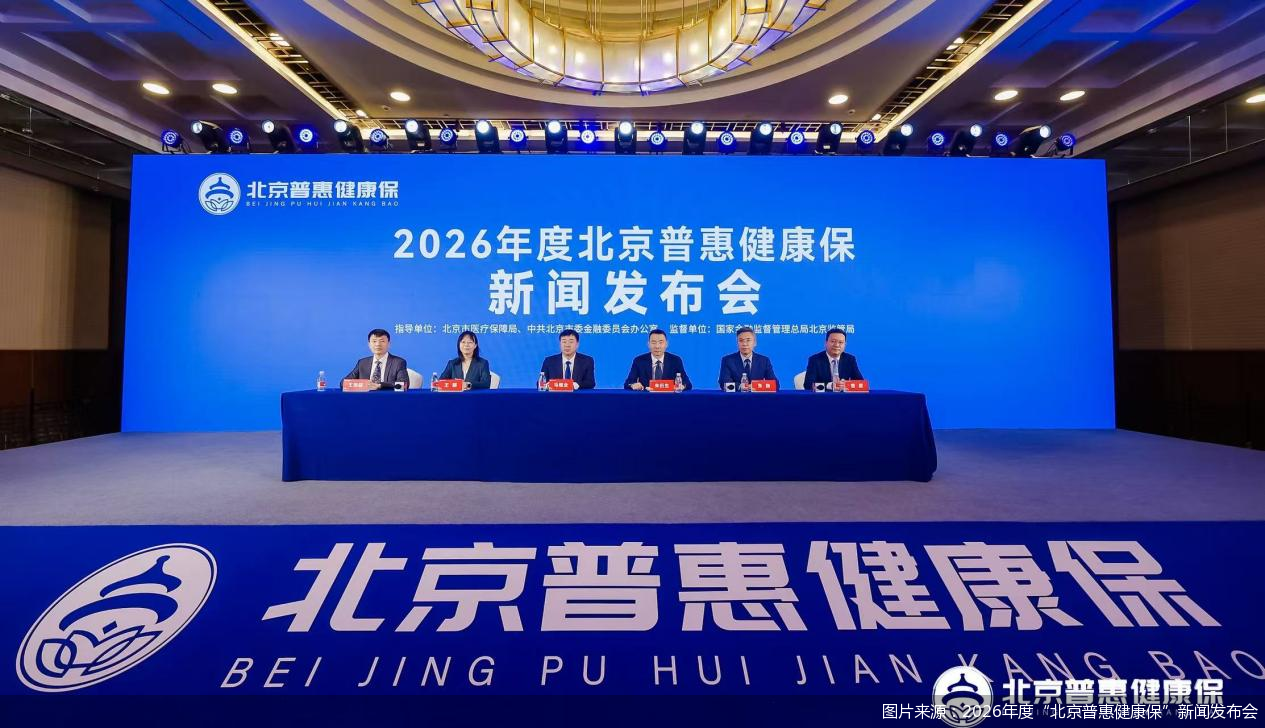
相伴五年,守护四季,2026年度"北京普惠健康保"全新上线!11月3日,北京商报记者了解到,"北京普惠健康保"2026版保障继续升级,加量不加价。具体 来看,健康人群自付费用起付线降至1.5万元;特药责任报销比例提高5个百分点;特药保障病种覆盖扩展至87种,并新增线上线下9折购药权益。 整体而言,2026年度"北京普惠健康保"保障范围更广了,健康服务也更实用。从专属服务层面看,连续参保更优待,对于三年连续参保且无出险记录的被保 人,可以在"专属服务"中选择一项并免费体验。 普惠再升级,保障更精准 11月3日,2026年度"北京普惠健康保"上线发布会在京举行,2026年度"北京普惠健康保"保费仍维持195元/人/年,累计保额升级至350万元,并带来五大升级 点,包括"一降、一扩、一提、二增",产品保障内容迎来了全面优化。 "一降"体现在理赔门槛降低,健康人群自付责任起付线由3.04万元降至1.5万元,1.5万—3.04万元之间自付费用新增报销25%。3.04万元(与北京市大病保障 共用一个起付线,不重复计算)以上费用,健康人群仍然报销80%,特定既往症人群报销40%。 "一扩"体现在特药保障范围进一步扩大,病种 ...

常熟银行(601128):息差边际企稳,拨备水平小幅下行
Ping An Securities· 2025-11-03 07:34
Investment Rating - The investment rating for the company is "Strong Buy" (maintained) [1][12]. Core Views - The company achieved an operating income of 9.05 billion yuan in the first three quarters of 2025, representing a year-on-year growth of 8.2%, and a net profit attributable to shareholders of 3.36 billion yuan, up 12.8% year-on-year [4]. - The bank's total asset scale grew by 10.9% year-on-year, with loan and deposit scales increasing by 7.1% and 9.7% respectively [4]. - The bank's net interest margin stabilized at 2.57% as of the end of the third quarter, with a narrowing year-on-year decline [7]. - The bank's non-interest income saw a year-on-year increase of 35.3%, although it experienced a decline in growth compared to the first half of the year [7]. - The bank maintains a high provision coverage ratio of 463% and a non-performing loan (NPL) ratio of 0.76%, indicating strong asset quality [7]. Summary by Sections Financial Performance - The company reported a net interest income growth of 2.4% year-on-year in the first three quarters of 2025 [7]. - The projected earnings per share (EPS) for 2025-2027 are 1.33, 1.52, and 1.73 yuan respectively, with corresponding profit growth rates of 15.3%, 15.0%, and 13.7% [9]. - The company’s total assets are expected to reach 400.06 billion yuan by 2025, with a loan total of 261.13 billion yuan [10]. Asset Quality - The NPL ratio is projected to decrease to 0.75% in 2025, with a provision coverage ratio of 491% [10]. - The bank's credit impairment losses are expected to be 1.735 billion yuan in 2025, reflecting a proactive approach to risk management [10]. Market Position - The bank focuses on the "three rural issues and two small" market positioning, emphasizing inclusive finance and differentiated development strategies [9]. - The bank's retail and small micro-business segments are expected to benefit from the recovery in demand from small enterprises and retail customers [9].

金融特派员深耕旗县金融服务 助力县域经济高质量发展
Zhong Guo Jin Rong Xin Xi Wang· 2025-11-03 06:44
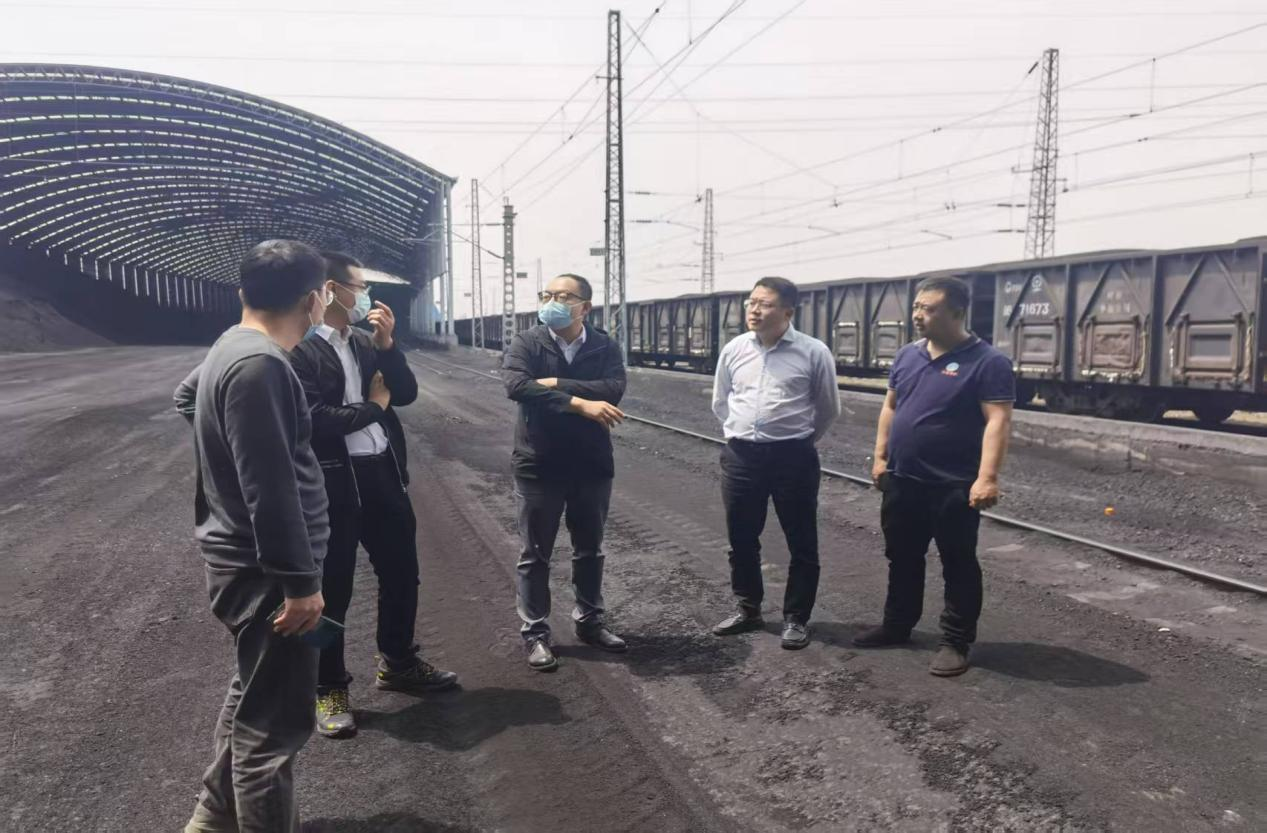
Core Insights - The company actively implements the central government's decisions to promote rural revitalization strategies and deepen county economic development through specific financial support initiatives [1][3] Group 1: Financial Support Initiatives - The company has developed the "One County, One Industry, One Policy" marketing guidelines to support rural revitalization [1] - A special campaign named "Xing Bai County, Prosperous Industries, Benefit Thousands of Enterprises" has been launched to enhance financial services in rural areas [1] Group 2: Local Economic Development - The company has established a branch in the top county, Zhungeer Banner, located in Inner Mongolia, which is rich in coal resources and has developed a robust industrial system centered around coal, electricity, and coal chemical industries [1] - Financial representatives are deployed to engage directly with local enterprises, particularly in industrial parks and coal mining areas, to understand their financing challenges and design tailored financial service solutions [1] Group 3: Green Financing - A financial representative identified a financing need from a local green energy company involved in solid waste treatment related to coal mining, leading to the approval of an 8 million yuan inclusive loan through a green financing channel [1]

刷脸支付:是极致便捷还是多维风险
Jin Rong Shi Bao· 2025-11-03 05:10
Core Insights - The evolution of payment methods reflects societal technological changes, with facial recognition payment emerging as a key infrastructure in the digital economy, raising concerns beyond mere technical security and privacy issues [1][2] Group 1: Governance Principles - Establish a risk-based governance principle focusing on three core aspects: 1. Preventive principle: Regulatory measures should be proactive and adaptable to unknown risks associated with biometric data [3] 2. Proportionality principle: Regulatory intensity must correspond to the risk level of specific applications, avoiding a one-size-fits-all approach [3] 3. Collaborative governance principle: Involvement of multiple stakeholders, including government, industry, and the public, to create a cooperative governance framework [3] Group 2: Regulatory Tools and Mechanisms - Innovate key regulatory tools and mechanisms by: 1. Upgrading the "regulatory sandbox" to test data governance rules and algorithmic ethics comprehensively [4] 2. Establishing mandatory algorithm audits and certifications by independent third parties to ensure fairness and robustness [4] 3. Implementing risk-based tiered management according to transaction amounts and application scenarios, requiring multi-factor authentication for high-risk situations [4] Group 3: Legal and Standard Foundations - Strengthen the legal and standard foundations for governance by: 1. Clarifying legal responsibilities and consumer protection measures, including the principle of "reversed burden of proof" in fraud cases [5] 2. Promoting industry self-regulation and the establishment of high-standard processing norms for biometric information [5] Group 4: External Environment for Governance - Create a favorable external environment for scientific governance by: 1. Enhancing public digital literacy and awareness of risks associated with facial recognition payments [6] 2. Expanding social participation and oversight channels in the formulation of technical standards and regulations [6] - The challenges posed by facial recognition payments necessitate a comprehensive regulatory framework to guide its healthy development, ultimately supporting inclusive finance and social equity [7]
2026年度北京普惠健康保上线 新增线上线下9折购药权益
Bei Jing Shang Bao· 2025-11-03 04:41
(文章来源:北京商报) 当前我国正大力推进普惠金融高质量发展,努力为广大人民群众提供广泛覆盖、公平可得、保费合理、 保障有效的保险服务。商业健康保险作为构建多层次医疗保障体系的重要补充,在提升全民健康理念、 优化医疗资源配置、加强民生保障等方面具有重要作用。北京金融监管局将督导各共保体公司坚守普惠 初心、聚焦群众需求,秉持"保本微利"原则,统一服务标准,优化理赔流程,提高理赔效率,确保资金 安全、信息透明,切实维护好消费者合法权益,努力实现北京普惠健康保可持续发展,为推进健康北京 建设作出新的更大贡献。 北京商报讯(记者胡永新)11月3日,2026年度北京普惠健康保上线发布会在京举行。北京金融监管局 党委书记、局长朱衍生指出,作为监管部门,北京金融监管局始终高度重视商业健康保险服务民生保障 的功能定位,支持保险公司通过科学设计、规范运作,不断优化产品服务,提升理赔效率,拓展健康管 理内涵,真正把普惠保险好事办好、实事办实、难事办妥。2026年度,北京普惠健康保将在保障服务方 面进一步升级:一是降低免赔额,健康人群自付起付线由3.04万元下降至1.5万元;二是扩大医保目录外 创新药覆盖范围,药品清单增至159种 ...

2026年度北京普惠健康保上线,新增线上线下9折购药权益
Bei Jing Shang Bao· 2025-11-03 04:02
当前我国正大力推进普惠金融高质量发展,努力为广大人民群众提供广泛覆盖、公平可得、保费合理、 保障有效的保险服务。商业健康保险作为构建多层次医疗保障体系的重要补充,在提升全民健康理念、 优化医疗资源配置、加强民生保障等方面具有重要作用。北京金融监管局将督导各共保体公司坚守普惠 初心、聚焦群众需求,秉持"保本微利"原则,统一服务标准,优化理赔流程,提高理赔效率,确保资金 安全、信息透明,切实维护好消费者合法权益,努力实现北京普惠健康保可持续发展,为推进健康北京 建设作出新的更大贡献。 北京商报讯(记者 胡永新)11月3日,2026年度北京普惠健康保上线发布会在京举行。北京金融监管局 党委书记、局长朱衍生指出,作为监管部门,北京金融监管局始终高度重视商业健康保险服务民生保障 的功能定位,支持保险公司通过科学设计、规范运作,不断优化产品服务,提升理赔效率,拓展健康管 理内涵,真正把普惠保险好事办好、实事办实、难事办妥。2026年度,北京普惠健康保将在保障服务方 面进一步升级:一是降低免赔额,健康人群自付起付线由3.04万元下降至1.5万元;二是扩大医保目录外 创新药覆盖范围,药品清单增至159种;三是提高特药报销比例 ...
申万宏源张剑:通过资金端与资产端的高效联动 为金融“五篇大文章”相关领域提供稳定资金支持
申万宏源证券上海北京西路营业部· 2025-11-03 02:33
Core Viewpoint - Shenwan Hongyuan Securities emphasizes its commitment to serving the real economy and integrating its development into the broader context of building a financial powerhouse, focusing on the implementation of the "Five Major Articles" in finance [2] Group 1: Financial Performance and Goals - In 2024, Shenwan Hongyuan aims to achieve an underwriting scale of over 930 billion yuan in equity and debt, with an investment balance of approximately 500 billion yuan, providing stable funding support for areas related to the "Five Major Articles" in finance [2] Group 2: Challenges and Solutions - The company identifies common challenges in the industry, such as insufficient coverage of early-stage projects in technology finance and the "last mile" issue in inclusive finance, and proposes several strategies to address these [3][4] - To tackle the issue of insufficient early-stage project coverage in technology and green finance, the company plans to enhance its research, investment, and investment banking capabilities, expand its reserve of hard technology early-stage projects, and seek policy support [3] - For the "last mile" challenge in inclusive finance, Shenwan Hongyuan intends to collaborate with credit agencies and big data service providers to build an evaluation system for small and medium-sized enterprises, thereby reducing direct financing costs [3] Group 3: Pension Finance and Digital Transformation - The company aims to address the limited scale and variety of pension funds managed by securities institutions by increasing the supply of pension financial products and launching innovative products such as target date and target risk funds [4] - Shenwan Hongyuan plans to expand digital financial scenarios by applying big data and artificial intelligence in project discovery, risk assessment, and product creation, thereby enhancing the coverage of digital services across various dimensions [4]


邮储银行赣州市分行金融活水精准滴灌 小微经济焕发活力
Zheng Quan Ri Bao Zhi Sheng· 2025-11-03 02:11
Core Insights - The Postal Savings Bank of China (PSBC) in Ganzhou, Jiangxi, has significantly increased its support for small and micro enterprises through innovative financial products and services, resulting in a total loan issuance exceeding 210 billion yuan as of September 2023 [1][2]. Group 1: Financial Support and Loan Issuance - As of September 2023, PSBC's Ganzhou branch has issued over 210 billion yuan in loans, with a loan balance of 42.1 billion yuan, and a remaining balance of over 12.5 billion yuan in loans for small and micro enterprises [1]. - The branch has provided loans to over 1,500 enterprises, with a total of more than 21 billion yuan in loans for small and medium-sized enterprises [2]. Group 2: Tailored Financial Services - PSBC's Ganzhou branch employs a customized service approach, exemplified by the case of a hardware company that received a 1.94 million yuan loan through a tailored credit plan [2]. - The bank has established a professional financial team to conduct regular visits to enterprises, enhancing service channels and expediting loan approvals [2]. Group 3: Policy Collaboration and Market Enhancement - The bank has leveraged national consumer loan interest subsidy policies to support various sectors, including home decoration and automotive, resulting in over 5.1 billion yuan in "Industry Loans" benefiting more than 1,800 small enterprises [3]. - The dual empowerment of credit and policy has contributed to the upgrading of the consumer market [3]. Group 4: Community Engagement and Local Business Support - PSBC's Ganzhou branch actively engages with local businesses, such as a food shop that received a 100,000 yuan loan to improve its operations and customer experience [4]. - The bank promotes various loan products tailored to different business types, ensuring that local entrepreneurs receive the necessary financial support [4].

曾刚:“十五五” 时期我国金融业将迎来转型升级的关键窗口期
Jing Ji Guan Cha Bao· 2025-11-02 05:44
Core Viewpoint - During the "14th Five-Year Plan" period, China's financial industry has achieved significant growth in both scale and quality, establishing a solid foundation for building a financial powerhouse. The focus is now on how to align with the goals of the "15th Five-Year Plan" amidst a rapidly changing global economic landscape and domestic economic transformation [1]. Group 1: Achievements During the "14th Five-Year Plan" - The financial industry has seen a historic leap in scale, with total assets of the banking sector reaching nearly 470 trillion yuan, ranking first globally. The banking and insurance sectors combined have total assets exceeding 500 trillion yuan, with an average annual growth of 9% over five years [2]. - The financial sector has significantly enhanced its function in serving the real economy, providing over 170 trillion yuan in new funds to support high-quality economic development [2]. - The multi-tiered capital market system has improved, with the direct financing role becoming more prominent, including reforms in the Sci-Tech Innovation Board and the establishment of the Beijing Stock Exchange [3]. - China leads globally in financial technology innovation, with significant advancements in digital transformation, enhancing operational efficiency and service quality [4]. - The risk prevention system has been upgraded, with the banking sector's non-performing loan ratio maintained below 2% and a provision coverage ratio of 197.97% [4]. - The level of openness in the financial sector has significantly increased, with foreign investment restrictions being lifted and the international competitiveness of China's financial industry enhanced [4]. Group 2: Innovations in System and Mechanism - The financial regulatory system has undergone significant reforms, establishing a more coordinated and unified regulatory framework, enhancing regulatory efficiency [6]. - The legal framework for finance has been strengthened, with improved consumer protection and increased enforcement against financial violations [6]. - Corporate governance in financial institutions has improved, with better risk management and internal control systems established [6]. Group 3: Focus and Outlook for the "15th Five-Year Plan" - The international economic environment is expected to face multiple challenges, with global GDP growth projected to remain low between 2.4% and 2.9% [8]. - Domestic economic structure is set to continue optimizing, with a deeper integration of the digital economy and traditional industries [8]. - The construction of a financial powerhouse is a core goal of China's financial strategy, with a focus on technological innovation and green finance [9]. Group 4: Key Tasks for the "15th Five-Year Plan" - The financial sector will focus on five major areas, including technology finance, green finance, inclusive finance, pension finance, and digital finance, to support sustainable development and address aging population challenges [14][15]. - Financial institutions are encouraged to enhance their service capabilities to the real economy, particularly in key strategic areas such as manufacturing and green development [11][12]. - The international competitiveness of China's financial institutions is expected to improve, with a focus on supporting outbound investments and enhancing the use of the renminbi in international trade [12][16].