协同创新

Search documents
中建六局加强协同创新——精绘绿色智造图景
Jing Ji Ri Bao· 2025-10-03 22:04
Core Viewpoint - The company is actively advancing its construction projects, focusing on technological innovation and green building practices, which have led to significant economic growth and successful project completions in both domestic and international markets [1][4][6]. Group 1: Project Developments - The Dalian Changhai Bridge project, with a total investment of approximately 7.9 billion yuan, marks the largest cross-sea bridge project in Northeast China [1]. - The Guojiaoduo Yangtze River Bridge, completed over two years ago, has become a vital transportation artery for the Chongqing region, showcasing the company's capability in handling complex engineering challenges [2][3]. Group 2: Technological Innovations - The company has developed key construction technologies, including ultra-deep anchor construction and seasonal shallow steel truss segment erection techniques, resulting in 68 technological achievements being put into practice [3]. - The company has invested over 2 billion yuan in technology development in the past year, leading to significant breakthroughs in large-scale bridge and public infrastructure projects [4]. Group 3: International Expansion - The company is involved in the Astana Light Rail Project in Kazakhstan, which is the first urban rail transit project in Central Asia built entirely with Chinese standards and equipment, covering approximately 22.4 kilometers [5][6]. - The company has expanded its overseas operations to 17 countries, with new contracts exceeding 10 billion yuan for six consecutive years, establishing a strong international presence [6]. Group 4: Green Building Initiatives - The company has introduced innovative construction technologies such as the "no-ground contact" construction method, which minimizes environmental impact during bridge construction [7][8]. - The company has developed prefabricated products for rail transit projects, achieving millimeter-level precision and reducing carbon emissions by 60% compared to traditional methods [8].
专家倡议共汇五大合力 推动汽车产业可持续发展
Zhong Guo Xin Wen Wang· 2025-09-29 10:46
Core Viewpoint - The automotive industry is undergoing a systemic transformation driven by electrification, intelligence, and low-carbon initiatives, necessitating a collaborative approach to achieve sustainable development [1][2]. Group 1: Five Key Forces for Sustainable Development - **Collaborative Innovation**: The shift from electromechanical integration to a fusion of mechanics, electronics, computing power, and data requires interdisciplinary collaboration to drive innovation in areas like solid-state batteries and intelligent driving [2]. - **Supply Chain Integration**: A new data-driven and interconnected supply chain system is essential to enhance resilience against risks, ensuring a seamless digital connection across the entire value chain [2]. - **Talent Development**: The rapid growth of smart connected electric vehicles demands a higher caliber of talent, necessitating a restructuring of educational systems and a dual-track training approach to align talent supply with industry needs [2]. Group 2: Standards and Global Cooperation - **Standard Co-creation**: Establishing standards is crucial for avoiding low-level competition and promoting sustainable development, particularly in emerging fields like solid-state batteries and automotive AI [2]. - **Open Cooperation**: Addressing global challenges requires an open and inclusive approach, fostering international dialogue to dismantle trade barriers and create a fair and transparent global automotive ecosystem [3].
中信证券褚建芳团队:以协同创新破局资本市场研究新维度
Sou Hu Cai Jing· 2025-09-29 03:56
Group 1 - The core viewpoint of the article emphasizes the importance of collaborative innovation in capital market research, as represented by the team led by Chu Jianfang at CITIC Securities, which seeks to break through traditional research boundaries and create new dimensions of exploration [1][5] - The team integrates various research perspectives, including macroeconomic trends, industry cycles, and micro-level corporate operations, into a cohesive network, allowing for a more comprehensive analysis of corporate value [1][3] - The use of data and technology is highlighted as a foundational element of this collaborative innovation, where quantitative models and big data algorithms enhance research efficiency and depth without replacing human insights [3][4] Group 2 - The internal collaboration mechanism within the team encourages regular exchanges among researchers from different industries and backgrounds, fostering innovative ideas and enhancing the rigor and foresight of research conclusions [3][4] - In client services, the team moves beyond standardized reports to offer customized solutions that integrate cross-disciplinary research resources, addressing specific client needs in asset allocation and strategic planning [4] - The exploration by Chu Jianfang's team reflects the opportunities and challenges faced by the Chinese capital market research industry, suggesting that collaborative innovation may be key to adapting to market maturity and evolving investor demands [5]



奋勇争先,决战决胜“十四五”|努力在中国式现代化中走在前列——长三角一体化发展观察
Ren Min Ri Bao· 2025-09-27 11:14
Core Viewpoint - The Yangtze River Delta (YRD) region is undergoing significant economic growth and integration, with a projected GDP increase from 27.6 trillion yuan in 2021 to over 33 trillion yuan by 2024, highlighting its role as a key driver of China's modernization and high-quality development [2]. Economic Growth and Innovation - The YRD has nine cities that have reached a GDP of over 1 trillion yuan, and it hosts 26 national-level advanced manufacturing clusters, accounting for nearly one-third of the country [2]. - The region is home to 282 out of 589 companies listed on the Science and Technology Innovation Board, indicating a strong innovation capacity [2]. - Shanghai's leading industries, including integrated circuits, biomedicine, and artificial intelligence, have seen continuous growth, reaching a scale of 1.8 trillion yuan [4]. Technological Integration - The YRD is focusing on integrating scientific research and industrial innovation, with major scientific facilities like the Shanghai Synchrotron Radiation Facility and Hefei Light Source supporting product development [5][7]. - A new dedicated synchrotron radiation experimental platform has been established to enhance product performance through advanced testing [7]. Collaborative Framework - The establishment of the Yangtze River Delta National Technology Innovation Center aims to foster collaborative innovation among the three provinces and one city [7]. - Legislative measures have been passed to promote coordinated technological innovation across the region, addressing existing bottlenecks [8]. Infrastructure and Connectivity - The launch of the Shanghai Oriental Hub International Business Cooperation Zone will facilitate easier access for global business professionals, enhancing the region's international business environment [9][10]. - The G60 Science and Technology Corridor connects cities in the YRD, promoting resource sharing and collaborative innovation [11]. Environmental and Economic Synergy - The YRD is committed to ecological protection while pursuing economic development, with initiatives like the New Anjiang Ecological Compensation Mechanism demonstrating successful cross-province collaboration [21][22]. - The region has implemented a series of environmental standards and practices, resulting in improved air quality and water quality metrics [22][23]. Future Outlook - The YRD is focused on sustaining high-quality development and enhancing regional competitiveness through innovation and collaboration, with a vision for continued integration and growth [25].
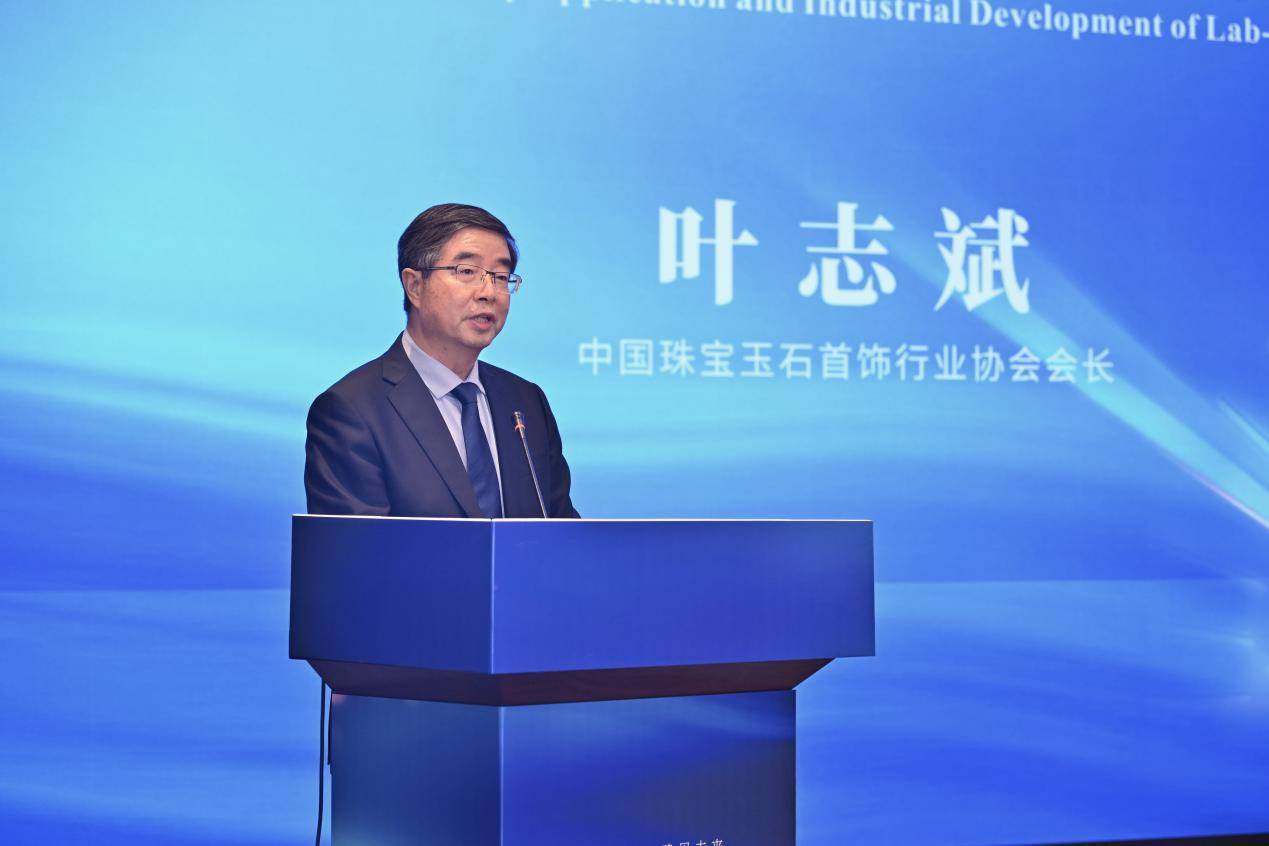
叶志斌:从技术链、价值链、品牌链发力,推动培育钻石产业高质量发展
Sou Hu Cai Jing· 2025-09-26 17:20
Core Viewpoint - The rise of cultivated diamonds in China represents a significant shift in the jewelry industry, transitioning from a follower to a leader in the global market, driven by advancements in material science and evolving consumer demands [1][3]. Industry Overview - The past decade has seen cultivated diamonds move from laboratory settings to market prominence, with China holding over 60% of the global rough diamond production capacity, establishing itself as the "world factory" for cultivated diamonds [3]. - China has developed a complete ecosystem for the cultivated diamond industry, encompassing technology research and development, rough production, cutting and polishing, and retail [3]. Market Dynamics - The perception of cultivated diamonds has evolved from being seen as substitutes for natural diamonds to being recognized by Generation Z consumers as symbols of personal expression [3]. - Despite high production capacity, the industry faces challenges such as low profit margins, with only 15% of global profits from finished products, compared to 300-500% markups seen in India and up to 1000% in Western brands [3][4]. Consumption Patterns - The domestic market for cultivated diamonds is primarily focused on the wedding sector, which accounts for over 60% of consumption, while other applications like fashion accessories and industrial uses remain underdeveloped, with less than 20% penetration [4]. - In contrast, the U.S. market sees a 45% share of cultivated diamonds in the fashion sector, indicating a significant opportunity for growth in China [4]. Industry Challenges - The industry is characterized by a high number of companies (over 2000) but lacks internationally recognized brands, leading to price wars and product homogeneity [4]. - Many companies focus on production rather than research and development, relying on imported core technologies and lacking a strong patent portfolio [4]. Strategic Recommendations - To address these challenges, the industry should focus on differentiated research and development of rough diamonds, encouraging collaboration with academic institutions to create specialized products for various applications [5]. - There is a need to enhance the value chain by establishing long-term partnerships with international brands and adopting a "rough supply + joint design" model to increase value-added processing [5]. - The industry should also explore new marketing strategies to reduce reliance on the wedding market and develop services that enhance customer relationships, such as diamond customization and lifetime maintenance [5]. Brand Development - Building a globally recognizable "Chinese mark" is essential, which can be achieved by integrating traditional Chinese culture with cultivated diamond aesthetics and leveraging technological advancements to enhance brand credibility [6]. - Initiatives like establishing a "Cultivated Diamond Technology Museum" can showcase technological innovations and patent achievements, further promoting the brand [6].
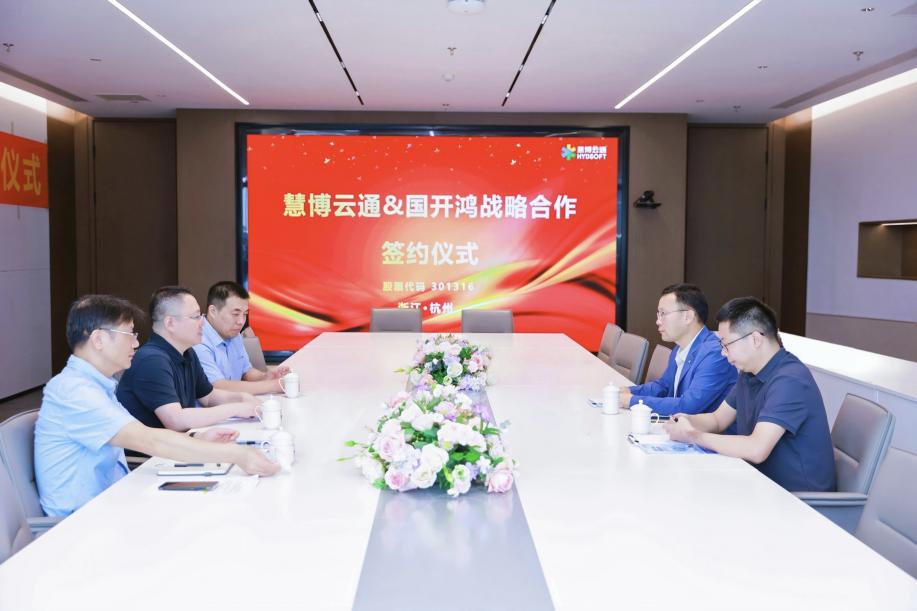
慧博云通与国开鸿签署战略合作 共筑国产智能操作系统新生态
Zheng Quan Shi Bao Wang· 2025-09-24 13:04
Group 1 - The strategic cooperation between Huibo Yuntong and Guokai Hong aims to promote the development of domestic intelligent operating systems and the construction of the Xinchuang ecosystem, focusing on the industrialization of OpenHarmony technology in key sectors such as finance, energy, and government [1][3] - The software and information technology service sector in China is accelerating towards a "self-controllable, secure and compliant, collaborative innovation" Xinchuang system, with operating systems being fundamental to national digital security and technological competitiveness [3] - Guokai Hong specializes in OpenHarmony ecological technology research and industry digital transformation services, aiming to create an integrated technology architecture covering "end, edge, cloud, network, and intelligence" [3][4] Group 2 - Huibo Yuntong's chairman stated that the collaboration with Guokai Hong represents a deep exploration of bottom-layer technology and the construction of a "soft and hard collaborative" ecosystem, leveraging its expertise in AI, fintech, and big data [3][4] - Guokai Hong's general manager indicated that this strategic partnership will accelerate resource integration and corporate growth, focusing on deep cooperation in the fintech sector and developing a product matrix centered on industry-specific Harmony operating system versions and IoT devices [4] - Both companies expressed their commitment to continuous efforts in technology integration, product co-creation, and ecosystem building to enhance the competitiveness of intelligent operating system solutions and contribute to the domestic Xinchuang replacement and ecosystem prosperity [4]
协同创新 湾区常新(观沧海)
Ren Min Ri Bao· 2025-09-20 22:00
Group 1 - The "Shenzhen-Hong Kong-Guangzhou" innovation cluster has ranked first globally in the 2025 Global Innovation Index, marking a significant leap from its previous position of second for five consecutive years [1] - In 2024, the combined patent authorization in Shenzhen, Hong Kong, and Guangzhou reached 113,000, with 19,000 PCT international patent applications, showcasing the region's robust innovation capabilities [1] - The region is witnessing a surge in advanced technologies, with notable robots like the full-size humanoid robot and high-performance quadruped robots being showcased at the 2025 World Robot Conference [1] Group 2 - Hong Kong is focusing on building an international innovation and technology center, leveraging its global talent pool, extensive international connections, and strong foundational research capabilities [2] - The Greater Bay Area, including cities like Shenzhen and Guangzhou, boasts a complete industrial chain with over 71,000 high-tech enterprises, driving new productivity and innovation [2] - The collaboration between Hong Kong and mainland cities is enhancing the development space by integrating basic research with industrialization, facilitating a faster transition from laboratory to production [2] Group 3 - The construction of an international technology innovation center in the Guangdong-Hong Kong-Macao Greater Bay Area is transforming institutional differences into advantages, enhancing cross-border collaboration [3] - Major collaborative platforms are being developed, such as in He Tao and Qianhai, to facilitate efficient resource sharing and innovation [3] - The "Macau-Zhuhai" innovation cluster has been recognized in the global top 100 for the second consecutive time, reflecting the overall improvement in the Greater Bay Area's scientific and technological capabilities [3]
山东发布标志性产业链技术需求
Da Zhong Ri Bao· 2025-09-17 01:02
Core Insights - The event "2025 Advanced Technology Achievements Transformation Shandong Tour (Weifang)" was held on September 16, focusing on collaboration between key universities and local industries [2] - A total of 348 technology demands from Shandong's emblematic industrial chains were released, with over 70% (272 items) related to key core technologies [2] - The technology demands cover advanced materials and new energy equipment, aiming to overcome industrial bottlenecks through joint R&D, technology introduction, and talent sharing [2] - There are 52 demands related to digital transformation and intelligent upgrades, including solutions for smart factories, AI quality inspection, and digital twins [2] - Additionally, 24 demands focus on green low-carbon and safety improvements in key sectors like steel and chemicals, promoting sustainable industrial development [2] - The event also facilitated the establishment of technology transfer centers and awarded cooperation units for talent recruitment and employment [2]
奋勇争先,决战决胜“十四五”|京津冀协同发展不断迈上新台阶
Ren Min Ri Bao· 2025-09-14 11:05
Core Viewpoint - The article emphasizes the importance of the coordinated development of the Beijing-Tianjin-Hebei region as a national strategy for regional coordination, focusing on high-quality development and innovation-driven growth [1][18]. Group 1: Economic Development - The overall economic strength of the Beijing-Tianjin-Hebei region has continuously improved, with the regional economic total crossing six trillion yuan milestones over 11 years, becoming a strong driving force for national high-quality development [1]. - In 2024, the GDP of Beijing, Tianjin, and Hebei reached 49,843.1 billion yuan, 18,024.3 billion yuan, and 47,526.9 billion yuan respectively, with year-on-year growth rates of 5.2%, 5.1%, and 5.4%, all exceeding the national average [8]. Group 2: Industrial Transformation - Beijing is transitioning from a "large and complete" model to a "high-precision" one, focusing on alleviating "big city problems" and promoting deep transformation [3]. - Over 3,000 general manufacturing enterprises have been relocated from Beijing, and the proportion of new business entities in technology and commerce has increased from 40.7% in 2013 to 67.7% in 2024 [4]. Group 3: Collaborative Innovation - The three regions are enhancing collaborative innovation and industrial cooperation, with over 120 key component enterprises from Tianjin entering the supply chains of major automotive manufacturers in Beijing [9]. - The establishment of the Beijing-Tianjin-Hebei intelligent connected new energy vehicle technology ecological park aims to create a concentrated space for the automotive parts industry [10]. Group 4: Infrastructure Development - The railway and highway operating mileage in the Beijing-Tianjin-Hebei region has exceeded 11,000 kilometers, forming a basic transportation circle of 1 to 1.5 hours among major cities [15]. - The Beijing Subway Line 22, a significant project for interconnectivity, is nearing completion, enhancing transportation links between Beijing and Hebei [14]. Group 5: Public Services and Quality of Life - The integration of public services has improved, with over 44 social security service items available for cross-province processing, enhancing the convenience for residents [16][17]. - The PM2.5 annual average concentration in the region has decreased by over 60% compared to 2013, reflecting significant environmental improvements [17].
培育新“千亿”,武汉光谷发力高端传感器产业
Di Yi Cai Jing· 2025-09-14 04:02
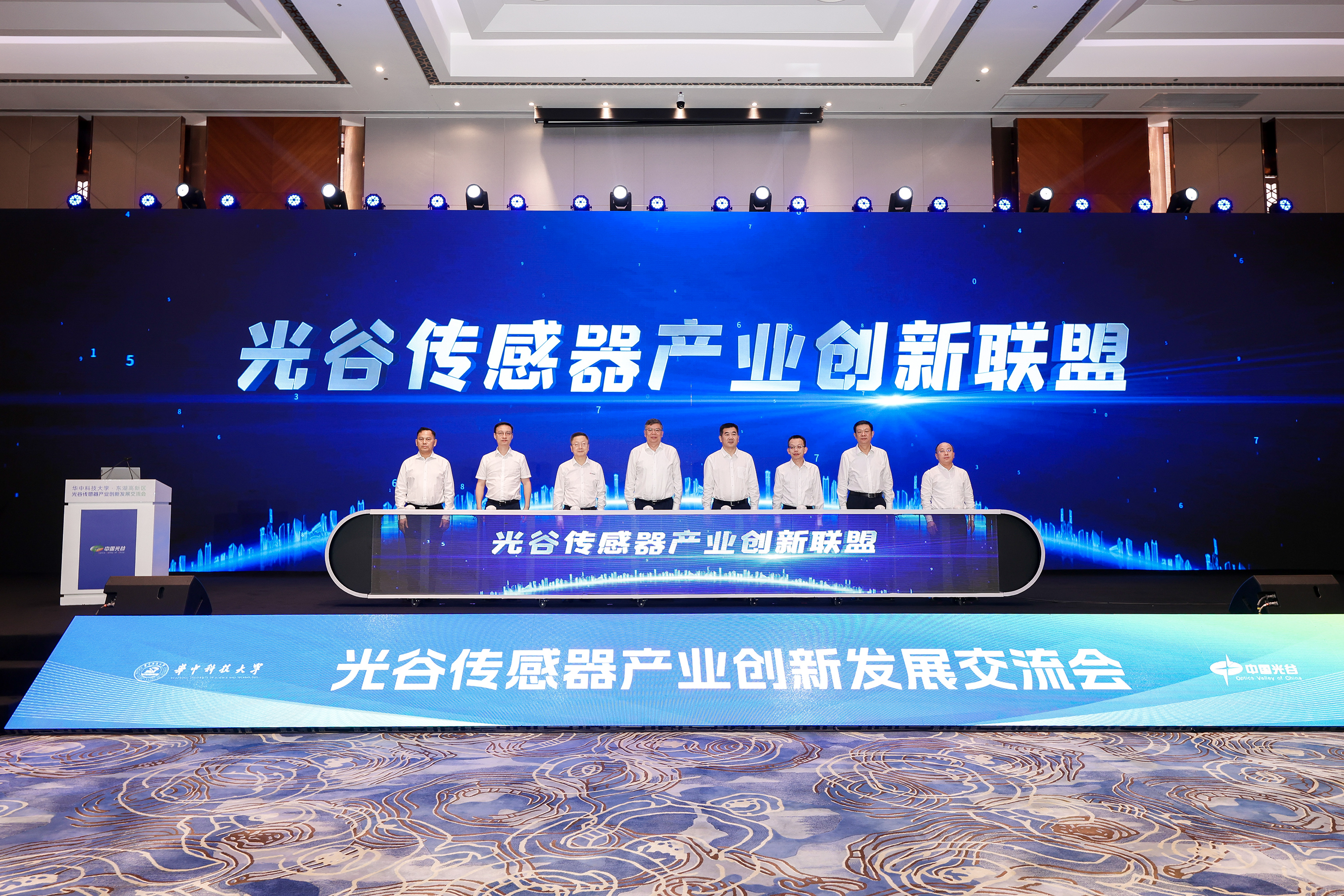
Group 1 - The sensor market in China heavily relies on imports, with approximately 80% of high-end sensors being imported, indicating a significant gap in domestic production capabilities [7] - The establishment of the Optics Valley Sensor Industry Innovation Alliance aims to create an innovative ecosystem that integrates government, industry, academia, research, and finance to accelerate the growth of the sensor industry towards a target scale of 100 billion yuan [5][6] - The global sensor market surpassed 1 trillion yuan in 2022, with China's sensor market experiencing an annual compound growth rate of 12.26% in recent years [7] Group 2 - The Optics Valley region has over 100 sensor industry chain enterprises, contributing to a nearly 10 billion yuan industry cluster, which has helped Hubei's sensor industry scale exceed 26 billion yuan [5] - Key players in the region include Huagong Technology, which has a global market share of 70% for temperature sensors, and Sifang Optoelectronics, which holds the top global market share for particulate matter sensors [5] - The alliance will focus on key sectors such as intelligent equipment, humanoid robots, smart connected vehicles, and healthcare, aiming to cultivate leading innovative enterprises and tackle critical technologies by 2030 [6][8]