
即时零售

Search documents
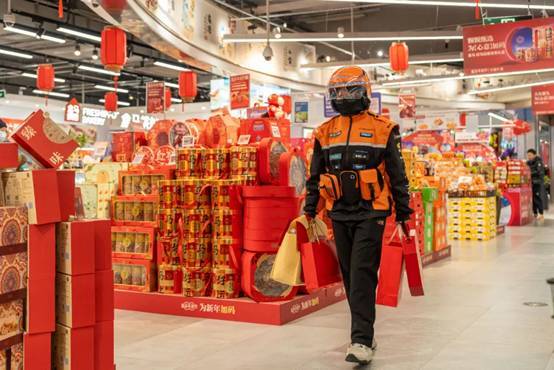
春节外卖的烟火气,藏着即时物流与城市骑士的保障底气
Zhong Guo Jing Ji Wang· 2026-02-11 05:18
Core Insights - The surge in demand for instant retail during the Spring Festival is attributed to the robust logistics infrastructure of Taobao Flash Purchase, which has enhanced delivery efficiency and rider incentives [3][15]. Group 1: Rider Incentives - Taobao Flash Purchase has invested nearly 2 billion yuan in advance to prepare for the Spring Festival, resulting in significant income increases for riders, with those in first-tier cities earning over 10,000 yuan [4][6]. - The incentive system includes various rewards such as retention bonuses, performance bonuses, and additional incentives for adverse weather conditions, creating a positive feedback loop for rider engagement [6][12]. - Riders in specific areas, such as Tongzhou in Beijing, reported earnings exceeding 20,000 yuan during the festival due to a combination of bonuses and incentives [6][12]. Group 2: Logistics Infrastructure - The operational efficiency of Taobao Flash Purchase during the Spring Festival is supported by advanced logistics infrastructure, including AI-driven scheduling and refined operational management [7][9]. - The AI assistant for riders has been upgraded to enhance service efficiency, providing real-time reminders and consolidating operational tasks to reduce time spent on administrative duties [9][10]. - Digital enhancements have improved every stage of the delivery process, from meal preparation to final delivery, significantly increasing overall efficiency [12][15]. Group 3: Industry Trends - The instant retail market in China is projected to exceed 1 trillion yuan by 2026 and 2 trillion yuan by 2030, indicating a shift from emergency needs to everyday consumer behavior [13][15]. - The competition in the instant retail sector is evolving from price and product competition to a focus on infrastructure and technological capabilities [13][15]. - The success of instant retail hinges on the ability to solidify logistics infrastructure and ensure stable, efficient delivery capabilities, combining human needs with technological advancements [15].

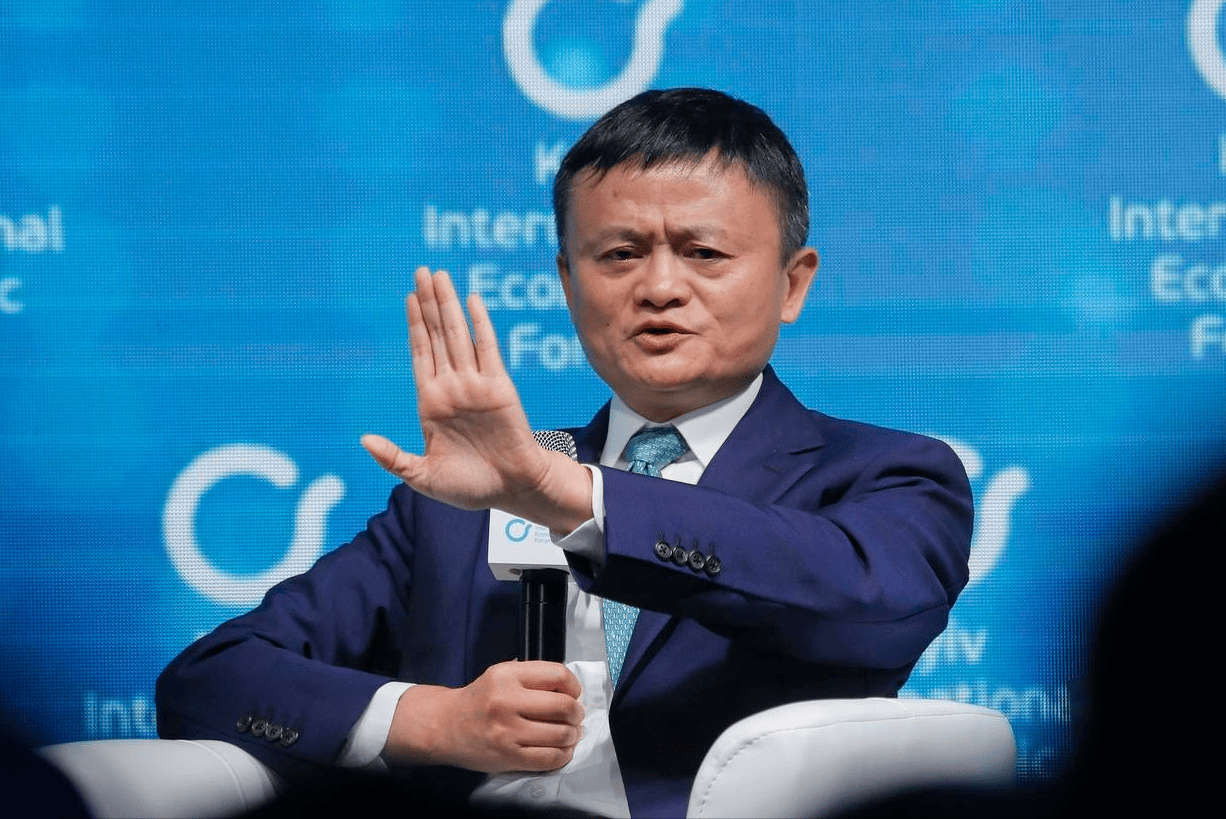
马云“跑了”,套现300亿!背后藏着什么秘密?
Sou Hu Cai Jing· 2026-02-10 16:00
Core Viewpoint - Alibaba is undergoing a strategic retreat by selling off non-core assets to focus on its primary business areas, particularly in instant retail and AI/cloud computing, rather than facing financial distress or "running away" [1][11]. Group 1: Asset Sales - Alibaba has sold various assets, including a portion of its stake in Sanjiang Shopping, realizing 2.52 billion yuan. Overall, it has recouped over 30 billion yuan through divestments from Intime Retail, a complete exit from RT-Mart, and other sales [1][3]. - The sold assets are characterized as heavy, slow-growing, and increasingly unprofitable traditional retail businesses, which are no longer aligned with Alibaba's core focus [3][5]. - Alibaba's Chairman, Cai Chongxin, stated that exiting these non-core businesses is a reasonable decision, indicating a shift from a "big and complete" empire to a "focused core" entity [3][5]. Group 2: Strategic Focus Areas - The 30 billion yuan raised from asset sales will be directed towards two main battles: instant retail and AI/cloud computing [5][10]. - In instant retail, Alibaba is investing heavily in delivery services, with initiatives like "one-hour delivery" and significant subsidies to compete against rivals like Meituan and JD.com. Instant retail revenue has shown rapid growth, with increases between 37% and 60% [5][10]. - For AI and cloud computing, Alibaba plans to invest 380 billion yuan over the next three years, which exceeds its total investment in these areas over the past decade. This investment aims to establish a foundational infrastructure for AI, positioning Alibaba as a key player in the future tech landscape [6][10]. Group 3: Leadership and Organizational Changes - The leadership structure at Alibaba has shifted, with power concentrated among three key figures: Cai Chongxin, Wu Yongming, and Jiang Fan, indicating a strong leadership drive for the new strategic direction [8][10]. - The partner committee has been streamlined from 26 to 17 members, reflecting a transition from a diverse expansion phase to a focused core strategy [8][10]. - Jiang Fan's return to a central role in overseeing e-commerce signifies a commitment to tackling the challenges in instant retail with experienced leadership [8][10]. Group 4: Lessons and Implications - The strategic shift at Alibaba serves as a lesson for businesses, emphasizing the need to adapt and evolve core competencies in response to changing market conditions [10][11]. - Focusing resources on high-value areas is crucial in the current economic landscape, where efficiency and technological advancement are paramount [10][11]. - Observing the capital flows of major companies like Alibaba, Tencent, and JD.com can provide insights into future economic trends, particularly in instant consumption and AI technology [10][11].

即时零售“春节不打烊”,00后“年货主理人”引领消费新风向
Guo Ji Jin Rong Bao· 2026-02-10 12:12
Core Insights - The consumption market for New Year goods is heating up as the Spring Festival approaches, with significant growth in sales on platforms like Taobao, particularly in lower-tier cities [1] - The younger generation, particularly those born in the 1990s and 2000s, is becoming the main force in purchasing New Year goods, bringing new consumption concepts and reshaping traditional practices [2][4] Consumption Trends - Sales of New Year goods on Taobao's flash purchase platform have increased by over 347% year-on-year, with orders from third and fourth-tier cities rising by over 580% [1] - The younger generation is shifting the focus of New Year purchases from bulk buying to more flexible, immediate consumption scenarios, emphasizing health and practicality over traditional notions of gifting [2][4] Redefining New Year’s Eve Dinner - The New Year’s Eve dinner remains a core ritual, but younger consumers prioritize convenience, quality, and a sense of ceremony, leading to the introduction of various ready-to-cook meal options [5][8] - Companies like Dingdong Maicai are launching themed meal kits that cater to the tastes of younger consumers, making it easier for them to prepare festive meals [5][8] Supply Chain and Logistics - To meet the demand during the Spring Festival, multiple instant retail platforms have announced they will remain operational throughout the holiday, ensuring stable supply [9][10] - Dingdong Maicai has implemented a comprehensive Spring Festival guarantee plan, increasing inventory levels and ensuring delivery efficiency through a dual support system of fixed and flexible staffing [9] Employee Incentives - Various platforms are offering incentives for frontline employees during the holiday season, including special bonuses and subsidies for those who remain on duty [10][11] - Taobao Flash Purchase has invested nearly 2 billion yuan in operational reserves, with significant financial incentives for delivery personnel during the Spring Festival [10]

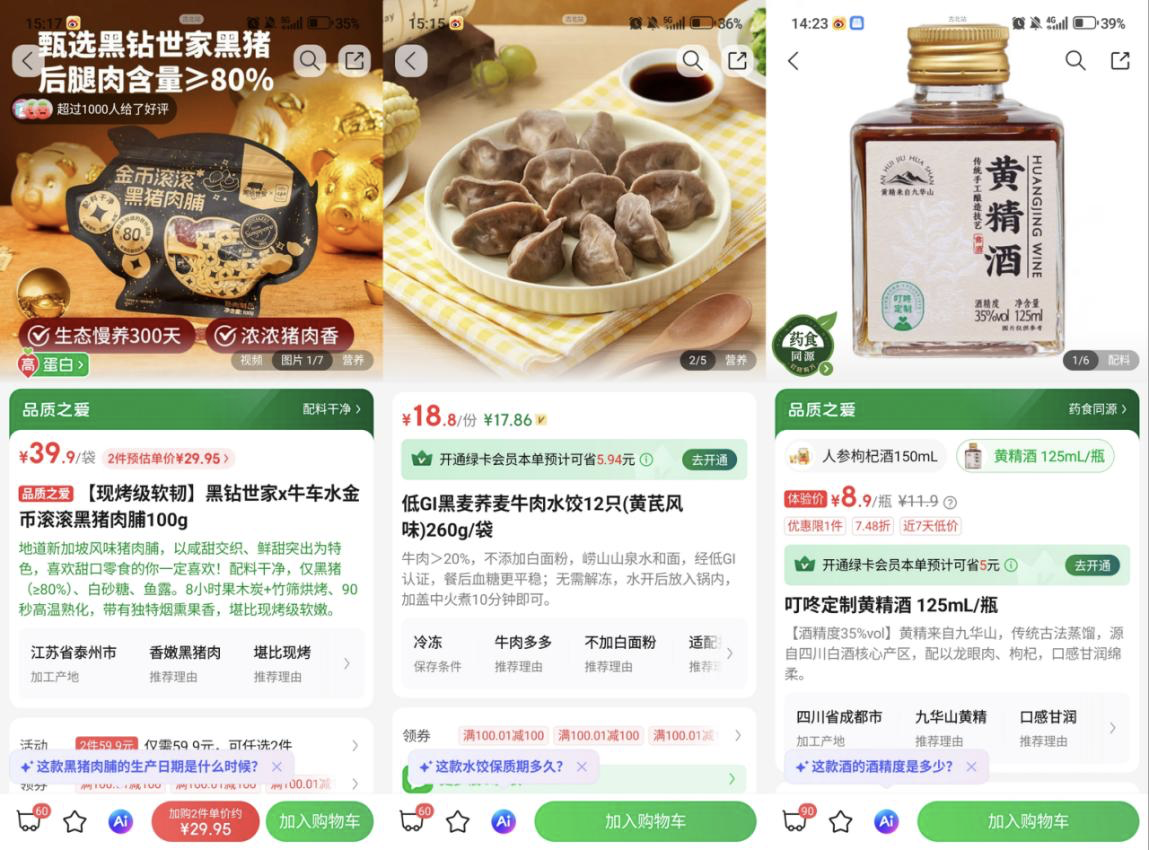
叮咚买菜:将自己做成一个「利于并购」的标的
3 6 Ke· 2026-02-10 10:16
Core Insights - Meituan has announced the acquisition of Dingdong Maicai for approximately $717 million, with a net payment of about $560 million after liabilities are excluded, positioning Dingdong as a wholly-owned subsidiary [2][3][4] - The acquisition is seen as a strategic move to enhance Meituan's supply chain capabilities, particularly to support its Xiaoxiang supermarket expansion in first and second-tier cities [3][4][11] - Dingdong Maicai has developed a robust supply chain with over 85% of fresh products sourced directly, which is a significant asset for Meituan [3][10] Company Strategies - Meituan's acquisition of Dingdong is aimed at quickly addressing supply chain gaps and expanding market coverage in the fresh food sector, especially in light of competition from JD.com [5][7] - JD.com is also looking to enhance its delivery capabilities through potential acquisitions, indicating a competitive landscape in the instant retail market [6][7] - Dingdong's strategy to become an attractive acquisition target involved significant investments in supply chain integration and technology, making it a valuable asset for larger players [8][10] Market Dynamics - The competition between Meituan and JD.com is intensifying, with both companies focusing on supply chain efficiency and market penetration in the fresh food segment [7][11] - Dingdong's unique supply chain capabilities and established market presence provide a competitive edge, making it a desirable target for acquisition [8][10] - The acquisition is expected to reshape the landscape of China's fresh food instant retail market, emphasizing efficiency and profitability over mere scale [11]
独家|小象烘焙开设线下店,巨头们沉迷在螺蛳壳里做道场
东京烘焙职业人· 2026-02-10 08:33
Core Viewpoint - The article discusses how major internet companies are shifting their focus to small businesses and offline retail, driven by the need for higher profits and stronger user engagement as online growth slows down [4][5]. Group 1: Meituan's Offline Retail Ambitions - Meituan is re-entering the offline retail space with its "Xiaoxiang Supermarket," which features a hybrid model combining fresh produce, dining experiences, and a front warehouse, aiming to connect online and offline channels [6][8]. - The supermarket's layout emphasizes fresh, handmade products, with a significant portion dedicated to high-margin items like baked goods, which are produced on-site to enhance customer experience [7][8]. - Meituan's strategy includes reshaping brand perception, seeking higher profit margins through fresh food offerings, and creating a stable flow of customers to drive sales of other high-value products [8][14]. Group 2: Pupu and JD's Kitchen Initiatives - Pupu Supermarket is leveraging its high user penetration in Fuzhou to introduce "Pupu Kitchen," aiming to enhance user engagement through frequent dining options, targeting office workers with affordable meal prices [10][11]. - The initiative is designed to keep users within the Pupu app, preventing them from turning to competitors like Meituan and Ele.me, while also optimizing delivery costs through combined logistics [11]. - JD is also entering the local lifestyle market with "Seven Fresh Coffee," using a low-cost strategy to attract customers and create a comprehensive ecosystem that includes coffee, dining, and retail [10][12]. Group 3: Industry Trends and Challenges - The article highlights a common anxiety among major players in the instant retail sector, as online customer acquisition costs rise and the value of physical retail spaces is reassessed [14][15]. - Companies are expanding their offerings beyond fresh produce to include a variety of high-margin products, as the instant retail market is projected to exceed one trillion yuan by 2025-2026 [14][15]. - The competition is intensifying as companies aim to fulfill diverse and frequent consumer needs, thereby securing their position in the market and enhancing operational efficiency [15].

浙江“十五五”规划纲要:统筹“浙BA”、浙江城市足球联赛等赛事IP
Sou Hu Cai Jing· 2026-02-10 08:10
Core Insights - The "15th Five-Year Plan for Economic and Social Development of Zhejiang Province" emphasizes the expansion of service consumption and the development of various consumption sectors [1] Group 1: Consumption Expansion - The plan aims to accelerate the development of emotional consumption, community consumption, pet economy, inbound consumption, low-altitude consumption, automotive aftermarket consumption, and travel consumption [1] - It promotes the growth of live e-commerce, instant retail, and interest-based e-commerce models [1] Group 2: Economic Development Initiatives - The plan focuses on nurturing the "first launch economy" by coordinating the opening of stores, debuting activities, establishing new scenarios, innovating models, and building brands [1] - It aims to leverage sports events like "ZheBA" and the Zhejiang City Football League to boost the performance economy, event economy, ticket economy, and "exhibition+" economy [1] Group 3: Green and Health Consumption - There is a strong advocacy for green consumption, promoting the development of the second-hand economy and sharing economy [1] - The plan seeks to optimize health consumption supply and explore the potential of sectors such as accommodation, catering, housekeeping services, and elderly care [1]
淘宝闪购:三四线城市年货订单增幅超580%
Xin Lang Cai Jing· 2026-02-10 06:33
责任编辑:杨赐 新浪科技讯 2月10日下午消息,临近小年,即时零售平台年货旺销,今日新浪科技获悉,淘宝闪购年货 销量同比增长超347%,三四线城市年货订单同比增长超580%,其中大庆、咸阳、宜昌、潍坊、湛江等 城市订单同比增长超一二线主流城市。返乡潮下,下沉市场逐渐成为当下年货节的消费主场。 新浪科技讯 2月10日下午消息,临近小年,即时零售平台年货旺销,今日新浪科技获悉,淘宝闪购年货 销量同比增长超347%,三四线城市年货订单同比增长超580%,其中大庆、咸阳、宜昌、潍坊、湛江等 城市订单同比增长超一二线主流城市。返乡潮下,下沉市场逐渐成为当下年货节的消费主场。 此外,今年春节,淘宝闪购携手全国零售商超及品质仓门店全程"不打烊",营业商户数同比增长 32.9%,年货节商品总量较去年显著提升,乡县地区30分钟送达已成常态,全国重点城市连锁商超及淘 宝便利店等合作门店,春节期间线上门店营业率超过九成。 此外,今年春节,淘宝闪购携手全国零售商超及品质仓门店全程"不打烊",营业商户数同比增长 32.9%,年货节商品总量较去年显著提升,乡县地区30分钟送达已成常态,全国重点城市连锁商超及淘 宝便利店等合作门店,春节期 ...
一年净增门店减少2000家,消费者去向不明,便利店从万千宠爱到半死不活只用了五年
3 6 Ke· 2026-02-10 05:36
Core Insights - The convenience store industry in China is facing significant challenges, with a sharp decline in store openings and profitability, indicating a lack of recovery in 2026 [1][10] - The industry's traditional business model is under threat from aggressive pricing strategies and competition from discount retailers, leading to unsustainable profit margins for franchisees [2][7][11] Group 1: Industry Performance - In 2025, the net increase in convenience store openings was only 7,572, a drastic drop from 9,570 in 2024, reflecting a severe downturn in the industry [1] - 58.9% of convenience store companies reported net profit margins constrained between -5% and 5%, an increase of 10.6 percentage points from the previous year [1] Group 2: Competitive Landscape - Franchisees are struggling with the financial implications of participating in price wars, such as offering coffee at promotional prices that result in losses [2][4] - The shift towards online ordering and delivery services has altered consumer behavior, leading to decreased foot traffic in physical stores and impacting sales [4][8] Group 3: Supply Chain Issues - The convenience store sector suffers from a long-term lack of procurement capabilities, relying heavily on regional distributors, which has become a cost burden [5][10] - The pricing structure of convenience stores is being undermined by discount retailers that bypass intermediaries, offering lower prices directly to consumers [7][11] Group 4: Market Dynamics - The development of transportation-oriented development (TOD) in urban areas has negatively impacted the foot traffic to ground-level convenience stores, as consumers opt for more accessible options [8][10] - The industry has seen a significant shake-up, with many top brands disappearing from the market due to unsustainable business models and declining sales [10][12]
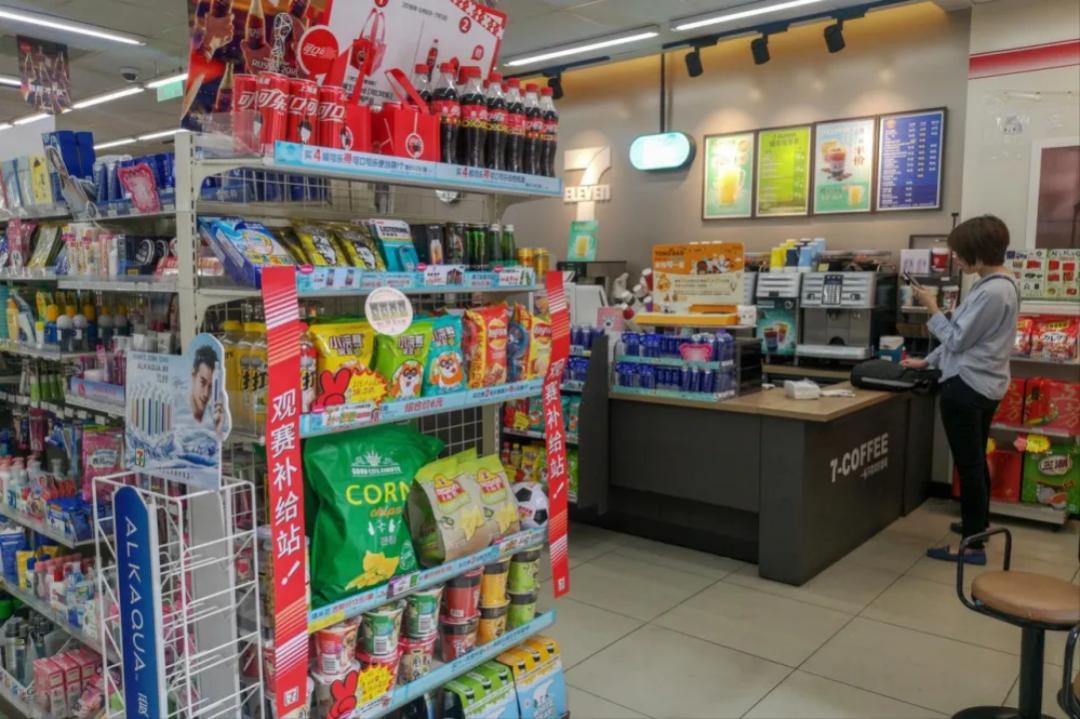
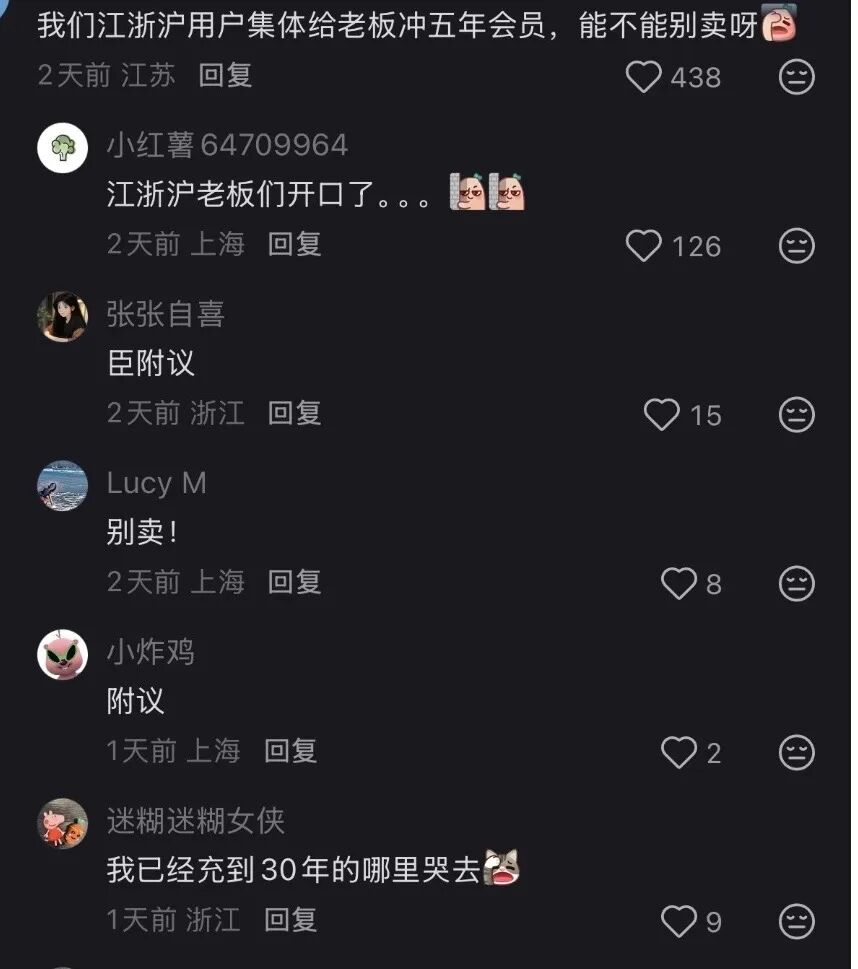
集体充会员的江浙沪,在抵制叮咚买菜被收购
3 6 Ke· 2026-02-10 04:22
Core Viewpoint - The acquisition of Dingdong Maicai by Meituan for approximately 7.17 billion USD (around 50 billion RMB) is a strategic move aimed at strengthening Meituan's position in the instant retail market, particularly in the Yangtze River Delta region, while raising concerns among users about the potential loss of Dingdong's unique brand identity and service quality [3][4][20]. Group 1: Acquisition Details - Meituan announced the acquisition of 100% equity of Dingdong Maicai's China business, which will become a wholly-owned subsidiary, with financial results incorporated into Meituan's reports [3]. - Dingdong Maicai has over 1,000 front warehouses and 7 million monthly purchasing users, with more than 80% of its business concentrated in the Yangtze River Delta, particularly Shanghai, where it holds over 30% market share [4]. - The acquisition is seen as a defensive strategy to fill gaps in Meituan's fresh food offerings and to counter competitors like Alibaba's Hema [6][19]. Group 2: User Concerns - Users express anxiety that Dingdong's unique product offerings and personalized services may be diminished within Meituan's ecosystem, similar to the fate of Mobike after its acquisition by Meituan [8][10]. - The emotional response from users reflects a deep attachment to Dingdong's brand identity, which they fear will be lost in the integration process [2][20]. - Concerns are amplified by past experiences where Meituan's acquisitions led to the erosion of brand uniqueness and operational independence [10][12]. Group 3: Market Implications - The acquisition is primarily viewed as a means to secure Meituan's position in the competitive landscape of the Yangtze River Delta, rather than a strategy for national expansion [16][19]. - Dingdong Maicai's growth has plateaued, with its GMV growth slowing significantly, indicating challenges in scaling its business model beyond its core markets [18]. - Analysts suggest that while the acquisition may enhance Meituan's operational efficiency in the fresh food sector, it is unlikely to facilitate significant nationwide expansion due to differing market dynamics in lower-tier cities [18][19].
订单暴涨200%、品牌合作激增11倍,京东买药秒送驶入增长快车道
Zhong Jin Zai Xian· 2026-02-10 03:29
Core Insights - The health consumption sector is undergoing significant generational changes, with a rapid increase in immediate, personalized, and scenario-based health demands, leading to the evolution of instant retail as a new infrastructure in the pharmaceutical and health industry [1] - The instant retail market is projected to exceed 2 trillion yuan by 2030, with the O2O pharmaceutical sector expected to be a major growth driver [1] Group 1: Business Growth and Strategies - JD's "Buy Medicine in Seconds" service has seen over 100% year-on-year growth in partnered stores and a 200% increase in order volume, with a network covering 490 cities [1] - The service's integration of platform traffic, refined operations, and digital capabilities has established a comprehensive empowerment system for pharmacies and pharmaceutical companies [1] - The platform's full-chain solution for merchants includes "platform policies + traffic support + growth strategies," which has become a key engine for driving business growth [2] Group 2: Marketing and Consumer Engagement - During the 2025 Spring Festival, JD's service provided supply guarantees in 29 cities, offering freight subsidies and promotional support to merchants, thus creating new growth points [2] - The platform's marketing strategies have led to a significant increase in order volume, with a 4-fold year-on-year growth during the 618 shopping festival and a 6-fold increase in new users [2] - JD's targeted marketing campaigns, such as the collaboration with Kexinrou for allergy medications, resulted in a 20-fold increase in GMV and a nearly 16-fold increase in new customers [5] Group 3: Brand Value and Market Positioning - JD's service is helping pharmaceutical companies transition from merely selling products to delivering health value, supported by a nationwide supply network and rapid delivery capabilities [4] - The platform's insights into consumer behavior and category trends assist pharmaceutical companies in optimizing product strategies [4] - The introduction of a merchant evaluation system allows for quick identification of operational weaknesses, providing incentives for high-quality merchants [3] Group 4: Future Outlook and Technological Integration - The O2O pharmaceutical market is entering a critical phase of "value co-creation," with JD's focus on empowering partners through digital capabilities [6][7] - The "京医千询" medical model and AI-driven tools are set to enhance intelligent product selection and precise marketing for merchants [7] - JD plans to further reduce operating costs and consumer barriers while providing incentives for high-growth merchants, aiming for sustainable growth in the instant retail sector [7]