太空探索

Search documents
最新研究:NASA在空间生命保障系统研发方面存在关键差距,中国处于领先地位
Guan Cha Zhe Wang· 2025-09-14 01:55
Core Viewpoint - A team of scientists, including NASA researchers, has identified critical gaps in NASA's development of biological life support systems, which may hinder the U.S. in long-term manned space exploration and habitation, especially in competition with China [1][2]. Group 1: Current State of U.S. Space Life Support Systems - The U.S. space life support systems, including those used on the International Space Station, rely on supply missions for essential resources like water and food [1]. - Long-term manned missions beyond Earth's orbit face significant costs and logistical challenges due to reliance on supply launches, alongside safety concerns regarding radiation and microgravity effects on human health [2]. Group 2: Biological Life Support Systems (BLSS) - Biological life support systems (BLSS) are seen as a superior solution for long-term deep space missions, utilizing plants, animals, and microorganisms to create a sustainable closed-loop environment [2]. - The lack of available BLSS technology and systems is currently limiting the goals of manned lunar exploration programs [2]. Group 3: Historical Context and Funding Issues - NASA previously focused on biological regeneration methods in the 1990s, which led to the development of sustainable agricultural systems for space exploration [5]. - A significant shift in focus and budget cuts in 2004 led to the dismantling of the BIO-Plex project, which aimed to test life support systems for future space missions [5][6]. - Since the early 2000s, U.S. support for biological regeneration life support research has weakened, while China has actively supported and advanced this research over the past 20 years [6]. Group 4: Comparison with China's Space Program - China's space agency has made significant strides in developing biological life support systems, exemplified by projects like "Moon Palace 1," which is a closed ecological system for lunar base research [6]. - The collaboration between China and Russia on the International Lunar Research Station project highlights China's advancements in this field, surpassing U.S. efforts [8][9]. - The U.S. space program currently lacks a comprehensive plan to rebuild the capabilities lost since the cancellation of the BIO-Plex project, facing years of challenges to restore necessary infrastructure [9]. Group 5: Future Implications - The ongoing challenges in U.S. space research funding and the division between lunar and Mars project priorities may hinder progress in biological life support systems [11]. - Advancements in biological life support research could also benefit terrestrial applications, such as controlled agriculture and precision medicine, emphasizing the importance of these technologies for sustainable living on Earth [12].

BofA Raises BWX Technologies (BWXT)’s Price Target
Yahoo Finance· 2025-09-12 07:42
Group 1 - BWX Technologies, Inc. (NYSE:BWXT) is recognized as one of the 10 Best Space Exploration Stocks to Buy Now, with a maintained Buy rating from BofA and an increased price target from $155 to $220 [1][2] - The company is described as "uniquely positioned to support deployment of military and space nuclear power," indicating strong demand for its naval nuclear power units [1] - BWX Technologies operates in two business segments: government operations, which primarily focuses on the U.S. Naval Nuclear Propulsion Program, and commercial operations, which designs and manufactures various nuclear components [3] Group 2 - The Government Operations segment accounts for the majority of BWX Technologies' revenue, highlighting its significant role in the nuclear component manufacturing sector [3] - The Commercial Operations segment includes the design and manufacturing of commercial nuclear steam generators, heat exchangers, and other auxiliary equipment, indicating a diverse product offering [3]

追觅天文正式官宣,构建“空天地一体化”生态
Yang Guang Wang· 2025-09-10 11:34
Core Viewpoint - The establishment of the Astronomy Business Unit (BU) by Chasing Technology marks a significant step in the company's "full-domain intelligent exploration" strategy, extending its technological vision from Earth to space and transforming its business ecosystem from "life scenarios" to "cosmic scales" [1][3]. Group 1: Strategic Evolution - Chasing Technology's ecological strategy is a forward-looking and coherent model among Chinese tech companies, evolving from near-field to far-field and from ground to space [3]. - The formation of the Astronomy BU signifies a complete business layout, transitioning from "scene intelligence" to "universe intelligence" and rebranding from a "life technology brand" to a "human exploration partner" [3][9]. - The company views space exploration as a natural extension of its core technologies, including precision manufacturing, dynamic control, and AI algorithms, supported by a three-tier R&D system [3][10]. Group 2: Technological Advancements - The Astronomy BU focuses on developing intelligent astronomical optical systems, aiming to create a "human eye" for the universe, allowing everyone to see and understand cosmic mysteries [6]. - Chasing Technology is addressing the mass production challenges of large-diameter optical lenses in high-end astronomical equipment, with plans for a smart telescope featuring ultra-large aperture design for an enhanced stargazing experience [7]. - The integrated AI algorithms in the telescope will automatically compensate for atmospheric disturbances and intelligently track deep-space objects, making it easier for amateur astronomers to capture research-grade images [7]. Group 3: Community and Social Responsibility - The Astronomy BU has committed to social responsibility by collaborating with academicians and astrophysics experts to launch a series of public live-streaming courses titled "Let's Look at the Stars," aimed at enhancing public scientific literacy [8]. - This initiative goes beyond mere technology promotion, focusing on fostering a love for science among the youth and aligning with the company's mission to empower everyone to explore the universe [8]. - The "technology + public welfare" model reflects the company's social responsibility and offers a new perspective for brand building in the tech industry, demonstrating that technological innovation and social value can mutually enhance each other [8]. Group 4: Industry Implications - The establishment of the Astronomy BU may signify a new developmental phase for Chinese tech companies, shifting from application innovation to foundational innovation and from business model-driven to technology mission-driven approaches [9]. - Chasing Technology's practices illustrate that Chinese tech firms can excel not only in business model innovation but also in overcoming core technological challenges and participating in cutting-edge exploration efforts [10].

亿万富豪争论:未来好工作在外太空?盖茨:还是先解决地球问题
Sou Hu Cai Jing· 2025-09-03 03:26
Group 1 - The core viewpoint of the articles highlights the transformative impact of AI on various industries, particularly affecting the younger workforce aged 22 to 25, as indicated by a Stanford University study [1] - Tech billionaires like Elon Musk, Sam Altman, and Jeff Bezos encourage young people to consider opportunities in space exploration, suggesting that the best job prospects may lie beyond Earth [1][3] - Altman predicts that by 2035, graduates may enter the field of interstellar travel, envisioning a future where the most exciting and rewarding jobs are located away from Earth [3] Group 2 - Musk expresses a strong ambition for human colonization of Mars, despite setbacks with SpaceX's Starship launch plans, believing that unmanned missions will reach Mars soon and manned missions could occur by 2028 [3] - Bezos, founder of Blue Origin, is optimistic about the future of space exploration, predicting that the space economy will surpass Amazon's current e-commerce and cloud computing businesses [3] - In contrast, Bill Gates emphasizes the importance of addressing pressing issues on Earth, such as disease prevention and education, arguing that investing in Earth is more meaningful than space exploration [4]

飞一次1亿美元,40分钟全球达,马斯克豪赌人类生存B计划
Sou Hu Cai Jing· 2025-08-29 04:30
Core Viewpoint - SpaceX, founded by Elon Musk, aims to enable human colonization of Mars, despite facing numerous challenges and setbacks in its Starship program, which has seen significant financial investment and operational hurdles [1][6][12]. Group 1: Financial Performance - SpaceX is projected to generate approximately $15.5 billion in revenue this year, a notable increase compared to previous estimates of $11 billion to $13 billion [14]. - The total investment in the Starship project, including nine test flights, has approached $5 billion, with each launch costing around $100 million [1]. Group 2: Starship Development - The Starship is a next-generation rocket designed for reusability, standing 123 meters tall, with a diameter of about 9 meters and a weight of approximately 5,000 tons, powered by 39 Raptor engines [3]. - The recent successful tenth flight of the Starship marked a significant turnaround after a series of failures, demonstrating its capability to launch Starlink satellites and perform engine relight tests in space [8][12]. Group 3: Strategic Partnerships and Contracts - SpaceX has secured a groundbreaking partnership with the Italian Space Agency to send scientific equipment to Mars, which will collect data during the six-month journey to support future exploration [14]. - The company has won a $13.5 billion rocket launch contract from the U.S. Space Force, with SpaceX responsible for 28 missions valued at $5.9 billion [17].
马斯克星舰试验再创历史!3次爆炸3次推迟终成功,顺利完成太空载荷部署
量子位· 2025-08-27 02:24
Core Viewpoint - The successful tenth test flight of SpaceX's Starship marks a significant milestone, demonstrating advancements in technology and operational capabilities after previous setbacks [1][57]. Group 1: Launch Details - The Starship S37 successfully landed in the Indian Ocean after its launch on the evening of the 26th (Central Time) [1]. - The launch utilized the B16 engine combined with the S37 spacecraft, achieving all experimental objectives including booster return and payload deployment [10][5]. - The launch was initially scheduled for late June but faced multiple delays due to technical issues and weather conditions [45][48]. Group 2: Technical Achievements - The test flight included pressure testing of vulnerable areas by removing tiles from the spacecraft [10]. - The booster successfully completed its return burn, marking a critical step in the return process [21]. - The S37 spacecraft successfully released eight payloads, with each release celebrated by the SpaceX team [30][32]. Group 3: Historical Context - This successful flight follows three previous failures in 2023, where earlier tests resulted in explosions and loss of the spacecraft [53][54]. - The transition from hydraulic to electric thrust vector control systems represents a significant technological upgrade in the second-generation Starship [51]. - The new heat shield design, including actively cooled metal tiles, is being tested to enhance performance during re-entry [52].
美媒:“星舰”第十次试飞成功溅落印度洋,SpaceX员工欢呼“迭代”成功
Huan Qiu Wang· 2025-08-27 01:29
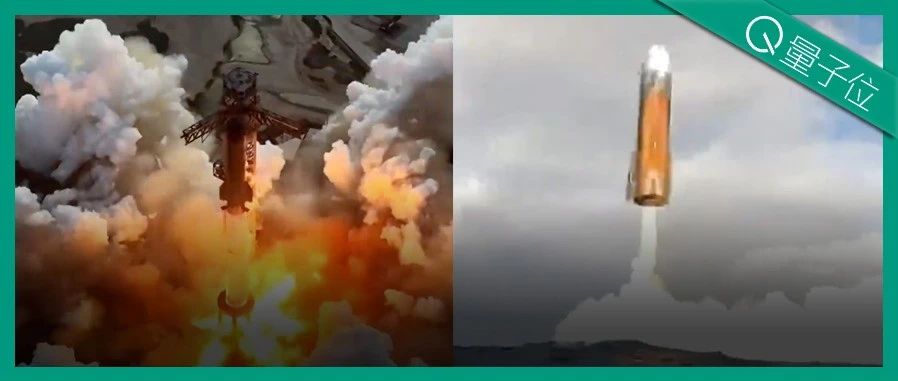
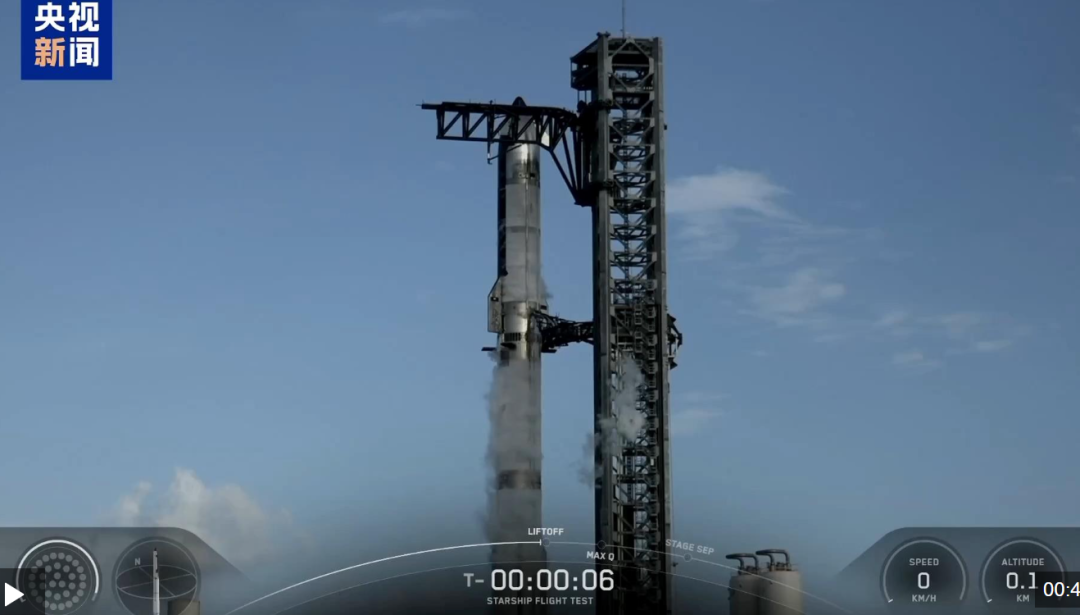
Core Points - SpaceX successfully launched its next-generation heavy-lift rocket "Starship" on its tenth test flight, marking a significant milestone for the company [1] - The rocket successfully splashed down in the Indian Ocean after the mission [1] Mission Objectives - The mission aimed to deploy simulated satellites and conduct engine relight tests in space [3] - The rocket's booster was planned to land in the Gulf of Mexico and not return to the launch site [3] Previous Launch Attempts - Prior to this successful launch, SpaceX had canceled two consecutive launch attempts due to technical issues and weather conditions [3] - The initial launch was scheduled for August 24 but was canceled due to a liquid oxygen leak, and a subsequent attempt on August 25 was halted 40 seconds before launch due to weather [3]
这次没有空中爆炸!1个小时飞越半个地球,马斯克星舰终于成功了,现场欢呼声、鼓掌声响成一片
Mei Ri Jing Ji Xin Wen· 2025-08-27 01:14
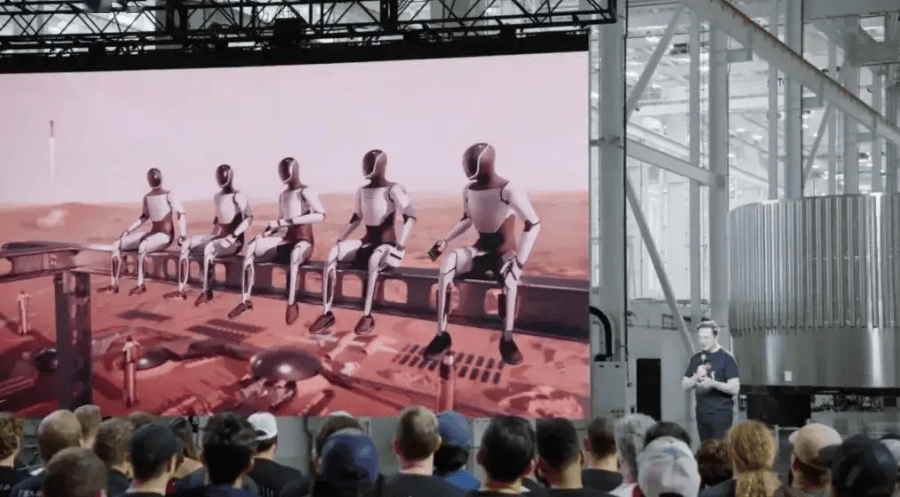
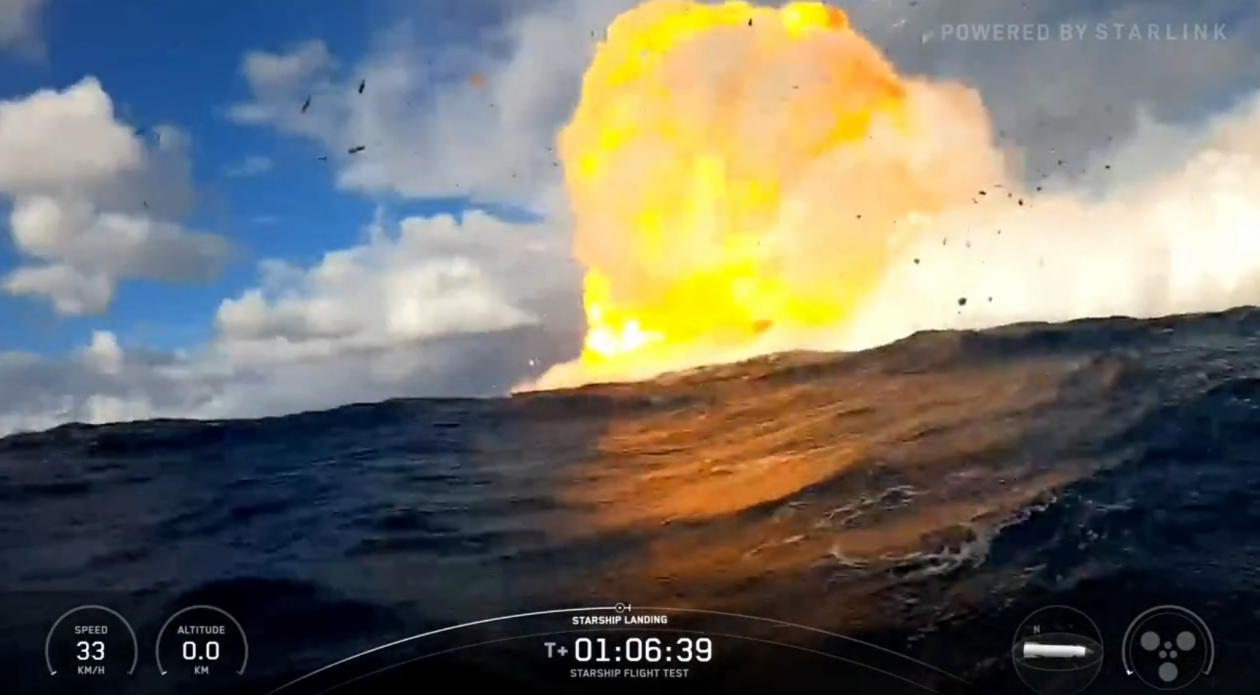
Core Viewpoint - SpaceX's Starship successfully completed its tenth test flight, marking a significant milestone in its development as a next-generation heavy-lift launch vehicle aimed at transporting humans and cargo to Earth orbit, the Moon, and Mars [2][9]. Group 1: Test Flight Details - The Starship was launched from Texas at 6:30 PM Central Time on the 26th, with key objectives including deploying simulated satellites and conducting engine re-ignition tests in space [2]. - The rocket booster was planned to land in the Gulf of Mexico and not return to the launch site, with the Starship successfully splashing down in the Indian Ocean after flying over half the Earth in one hour [4]. - The flight was initially scheduled for August 25 but was postponed due to ground system issues, highlighting the challenges faced in the launch process [7]. Group 2: Technical Specifications and Future Plans - Starship consists of two main components: the "Super Heavy" booster, approximately 70 meters long, and the Starship spacecraft, both designed for reusability [9]. - Elon Musk has indicated that Starship could potentially carry the Tesla humanoid robot "Optimus" to Mars by the end of 2026, with crewed missions to Mars possibly occurring as early as 2029, although 2031 is considered more likely [9]. - NASA plans to send astronauts back to the Moon by mid-2027, with Starship being a crucial element of this mission [9]. Group 3: Historical Context and Challenges - Previous test flights have faced significant challenges, with the first three flights resulting in the destruction of the spacecraft or booster [9][10]. - The seventh and eighth test flights saw successful booster recovery but resulted in the rapid disintegration of the second-stage spacecraft during ascent [9]. - The ninth test flight in May ended with the booster exploding and the second-stage spacecraft losing control [10].

这次没有空中爆炸!1个小时飞越半个地球 马斯克星舰终于成功了 现场欢呼声、鼓掌声响成一片
Mei Ri Jing Ji Xin Wen· 2025-08-27 01:13
Core Viewpoint - SpaceX's Starship successfully completed its tenth test flight, marking a significant milestone in its development as a next-generation heavy-lift launch vehicle aimed at transporting humans and cargo to various destinations in space, including the Moon and Mars [2][9]. Group 1: Test Flight Details - The Starship was launched from Texas at 6:30 PM CDT on the 26th, with key objectives including deploying simulated satellites and conducting engine re-ignition tests in space [2]. - The rocket booster was planned to land in the Gulf of Mexico and not return to the launch site, with the Starship successfully splashing down in the Indian Ocean after flying over half the Earth in one hour [4]. - The flight was initially scheduled for August 25 but was postponed due to ground system issues, highlighting the challenges faced in the launch process [7]. Group 2: Technical Specifications and Future Plans - Starship consists of two main components: the "Super Heavy" booster, approximately 70 meters long, and the Starship spacecraft, both designed for reusability [9]. - Elon Musk has indicated that Starship could potentially carry Tesla's humanoid robot, Optimus, to Mars by the end of 2026, with crewed missions to Mars possibly occurring as early as 2029 [9]. - NASA plans to send astronauts back to the Moon by mid-2027, with Starship being a crucial element of this mission [9]. Group 3: Historical Context and Challenges - Previous test flights have faced significant challenges, with the first three flights resulting in the destruction of the spacecraft or booster [9][10]. - The seventh and eighth test flights saw successful booster recovery but ended with the second stage spacecraft disintegrating during ascent, illustrating the technical hurdles that remain [9].
【硅谷精神之父凯文·凯利重磅预言】未来25年最重要的11个趋势!
老徐抓AI趋势· 2025-08-26 01:05
Group 1 - The article discusses Kevin Kelly's insights on the future, emphasizing the importance of experience, open-mindedness, and selective learning from wise individuals [6][12][31] - Kelly predicts that the next 25 years will see significant trends, including the emergence of a "Mirror World" that seamlessly blends reality and virtuality, with smart glasses expected to surpass smartphone adoption [10][11] - The concept of "specialized AI" is introduced, suggesting that instead of achieving AGI, there will be numerous AI tools excelling in specific domains, preserving human value [12][13] Group 2 - The article outlines the trend of everyone having an AI personal assistant, which will transform decision-making and content consumption, leading to a shift from traditional marketing to AI-driven strategies [15][16] - Kelly highlights China's potential to become an "AI-driven ultimate information nation" due to its vast data resources, user habits, and talent pool [16] - AI is expected to reshape organizational structures, making them flatter and emphasizing the need for creativity and cross-disciplinary skills among the workforce [17][18] Group 3 - Education will be disrupted by AI, with a focus on nurturing curiosity and critical thinking in children rather than rote learning, while young adults are encouraged to pursue unique paths [19][20] - AI's role in healthcare is discussed, particularly in drug development, with the caveat that clinical trials remain a bottleneck [21][22] - The article mentions the anticipated growth of robotics and automation, with a prediction of two hundred million robots entering factories in the next decade [22][24] Group 4 - Kelly's conservative view on autonomous driving emphasizes the unpredictability of timelines, suggesting a focus on actual progress rather than speculative debates [24] - The potential for space exploration and related commercial opportunities is highlighted, indicating a future boom in space tourism and satellite internet [25] - Brain-machine interfaces are expected to advance rapidly, opening new avenues for human-machine interaction [26][28]