脱贫攻坚

Search documents
权威数读丨七大特点读懂上半年农业农村经济
Xin Hua Wang· 2025-08-12 06:37
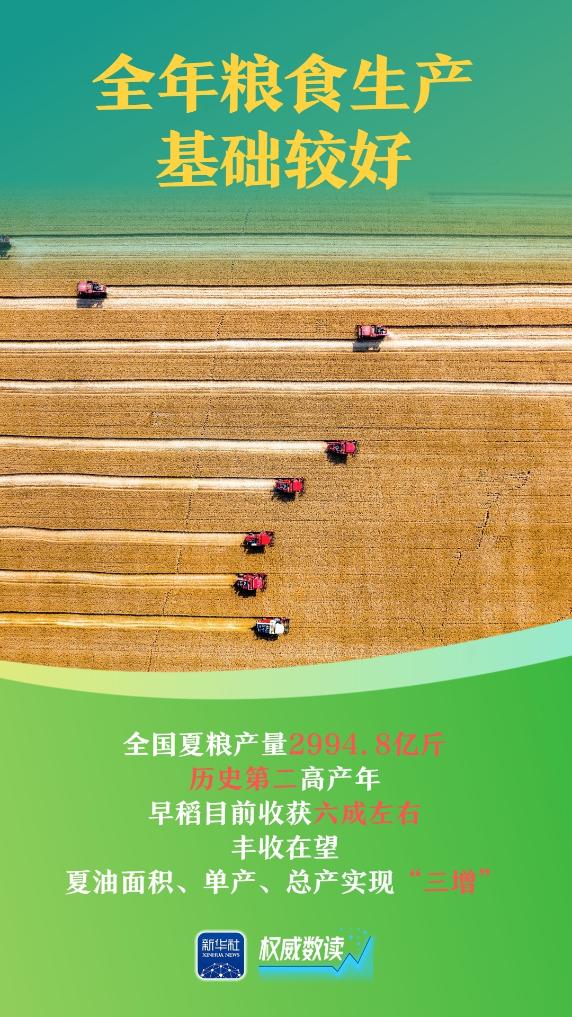
Core Insights - The agricultural and rural economy is showing stable and positive growth, contributing significantly to the overall stability of the national economy [1] Group 1: Grain Production - The national summer grain production reached 2,994.8 billion jin, marking the second highest production year in history [3] - Early rice harvest is approximately 60% complete, indicating a promising yield [3] Group 2: Livestock and Dairy Production - National production of pork, beef, mutton, and poultry reached 8.48 million tons, reflecting a year-on-year increase of 2.8% [7] - Milk production totaled 18.64 million tons, with a growth of 0.5% [7] - Overall, beef farming has turned profitable [7] Group 3: Poverty Alleviation - By the end of June, over 680 monitored entities have been supported, effectively eliminating risks of returning to poverty [10] - The baseline for preventing large-scale poverty has been maintained [10] Group 4: Agricultural Investment and Rural Consumption - Per capita disposable income for rural residents is 1,930 yuan, with a real growth of 6.2% after adjusting for price factors, surpassing urban income growth [17] - Fixed asset investment in the primary industry increased by 6.5% year-on-year [17] - Retail sales of consumer goods in rural areas reached 240.9 billion yuan, showing a year-on-year growth of 4.9% [17] Group 5: Agricultural Technology and Infrastructure - Continuous improvement in agricultural technology and equipment conditions is noted [12] - High-standard farmland construction is being strengthened, and the third national soil survey is being accelerated [14] - New advancements in the research and application of high-end intelligent agricultural machinery have been achieved [14] Group 6: Rural Development Projects - The added value of the agricultural and sideline food processing industry increased by 7.5% year-on-year [21] - Over 300,000 new projects have been added to the rural construction project library in the first half of the year, with project funding exceeding 100 billion yuan [21]

焦点访谈|世界屋脊上的民生答卷
Yang Shi Wang· 2025-08-03 13:20
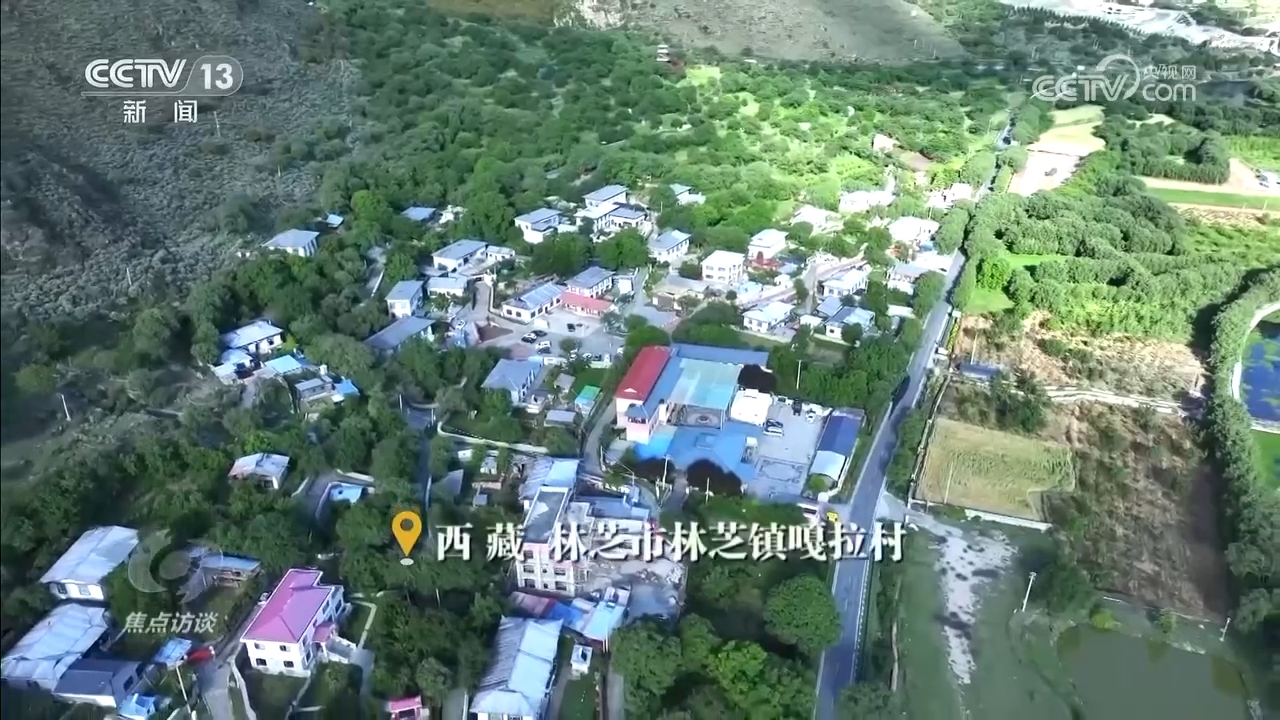
Group 1 - The core viewpoint of the articles highlights the significant socio-economic changes in Tibet over the past 60 years, particularly since the 18th National Congress of the Communist Party, leading to the historic eradication of absolute poverty and substantial improvements in living standards and life expectancy [1] - The village of Gala has transformed from a poor and isolated community to a thriving area, primarily due to the annual Peach Blossom Festival, which has become the main source of income for villagers [3][5] - The government has invested over 10 million yuan in Gala village for poverty alleviation and rural revitalization, resulting in a complete transformation of the village's infrastructure and economy [5][12] Group 2 - The average annual income for villagers in Gala has reached over 300,000 yuan, with a projected per capita disposable income of 41,200 yuan in 2024, reflecting the success of local economic initiatives [9] - The establishment of a transportation team in Gala has improved job opportunities for villagers, allowing them to work more efficiently and access broader markets [7] - The introduction of a "Happiness Station" in Quxi County provides essential services for the elderly, addressing previous challenges faced by families in caring for older members [14][20] Group 3 - The employment services in Tibet have been enhanced, with a focus on free public employment services and vocational training, leading to a significant increase in urban employment and a reduction in unemployment rates [20] - The success stories of individuals like Zashi Rob demonstrate the positive impact of government support and job creation initiatives, allowing families to improve their living conditions and achieve financial stability [16][18] - Overall, the articles depict a vibrant and hopeful future for Tibet, with ongoing improvements in public services, economic opportunities, and the overall quality of life for its residents [20]
让政策直达最需要的人(专家点评)
Ren Min Ri Bao· 2025-07-31 22:22
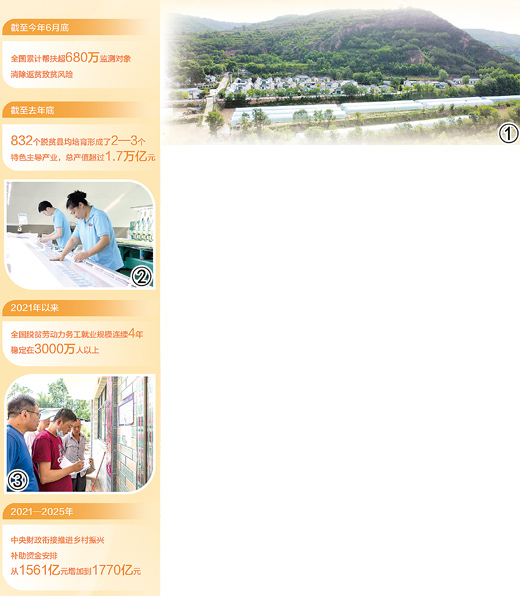
Core Viewpoint - The article emphasizes the importance of "precision" in consolidating and expanding poverty alleviation achievements, highlighting the need for a unified monitoring and classified assistance mechanism for rural low-income populations [1] Group 1: Poverty Alleviation Strategies - Guizhou has developed a precise monitoring mechanism that combines big data monitoring, official visits, and self-reporting by the public to prevent poverty and address the risks of returning to poverty [1] - The province leverages its status as a national big data comprehensive experimental zone to promote data collaboration across various departments such as education, civil affairs, and healthcare, enabling the precise identification of potential poverty risks [1] Group 2: Implementation and Efficiency - The implementation of precise assistance plans allows for the allocation of resources to match individual needs, ensuring that support reaches those who need it most, thereby reducing administrative costs and enhancing governance efficiency [1] - The article notes that this year marks the final year of the five-year transition period for effectively linking the consolidation of poverty alleviation results with rural revitalization, underscoring the urgency of maintaining precise assistance efforts [1]

宁夏石嘴山市惠农区海燕村脱贫户收入连年上涨—— 细算一个脱贫户的家庭收支账(不掉队 赶上来)
Ren Min Ri Bao· 2025-07-30 22:03
Group 1 - The core viewpoint emphasizes the importance of consolidating and expanding the achievements of poverty alleviation to prevent large-scale return to poverty, which is a fundamental task for rural revitalization [1] - Over the past four years, the infrastructure and public services in poverty-stricken counties have continuously improved, with the per capita disposable income of rural residents in these areas growing faster than the national average for four consecutive years [1] - The income gap between poverty-stricken areas and other regions, as well as between the impoverished population and the national average for farmers, has been narrowing [1] Group 2 - Yang Shengmei, a resident of Haiyan Village, has seen her income increase significantly after relocating due to ecological migration policies, achieving poverty alleviation in 2020 [2][5] - In 2023, a modern facility agricultural park was established in the village, providing stable employment opportunities and increasing monthly wages to 4,500 yuan [2][3] - The village has introduced 49 modern greenhouses, with plans to build over 200 more in the coming years, producing high-demand crops that are marketed to major supermarkets [3][4] Group 3 - The village has implemented various subsidies and support measures, resulting in a total family income of approximately 120,000 yuan last year for Yang Shengmei's family [4] - The per capita income of poverty-stricken households in Haiyan Village has been steadily increasing, with figures of 14,848 yuan, 17,111 yuan, and 19,327 yuan for the years 2022, 2023, and 2024 respectively [4] - The village has made significant investments in improving living conditions, including infrastructure such as roads, streetlights, and public facilities [7] Group 4 - The collective economy of the village has grown from nearly zero five years ago to over 2 million yuan today, driven by the establishment of enterprises and workshops [7] - Future plans include expanding the scale of specialty agriculture and encouraging community participation in various agricultural activities [7][8] - The overall environment and living conditions in Haiyan Village have improved significantly, with increased greenery and better access to services [5][6]
年中经济观察丨曾经脱贫攻坚的“硬骨头” 如今发生了哪些变化?
Yang Shi Xin Wen· 2025-07-29 04:14
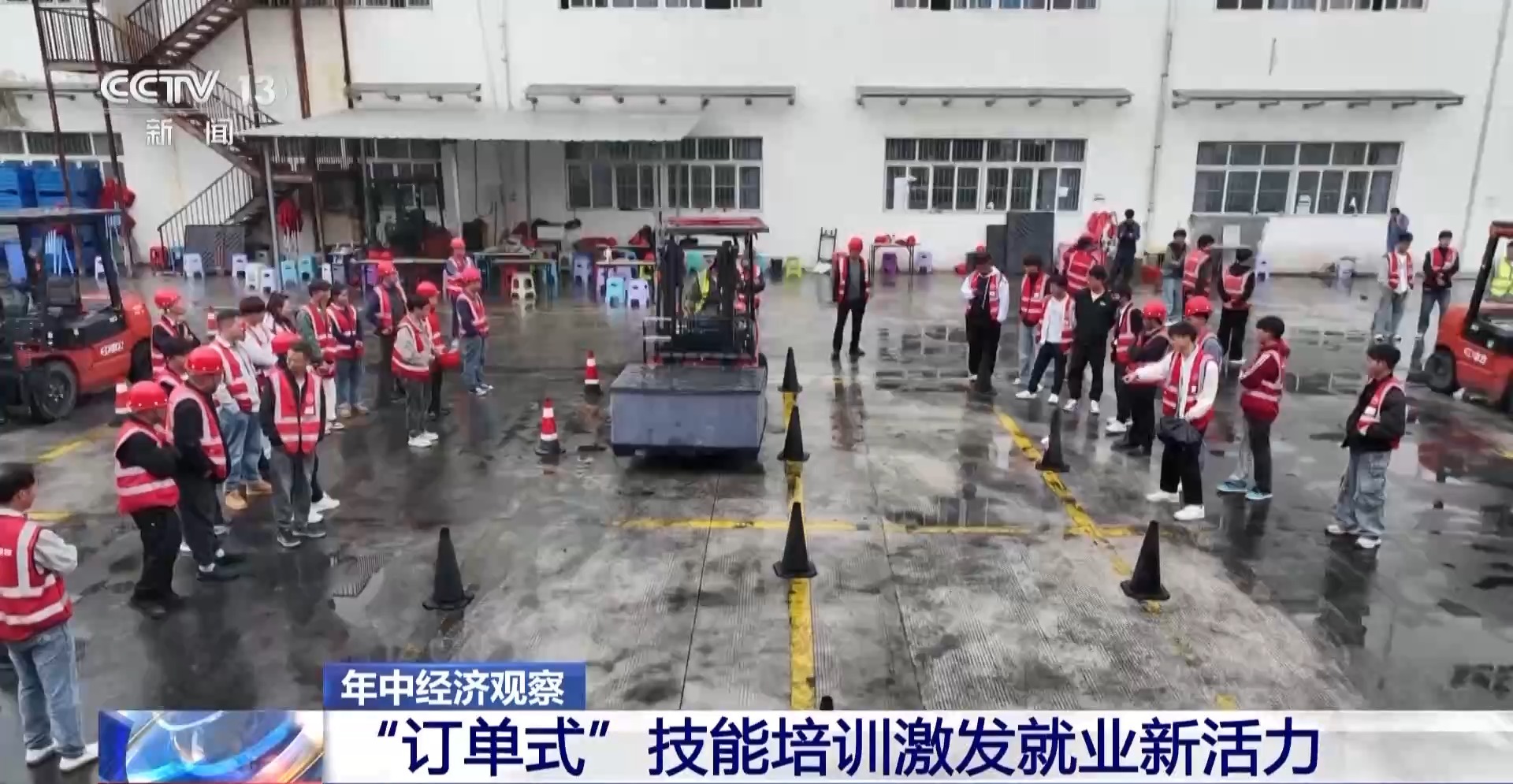
Core Insights - The article discusses the transformation and new income channels for formerly impoverished counties in Guizhou, focusing on employment and skill training initiatives [1][15]. Group 1: Employment and Skill Training - The "order-based" skill training model is being implemented, where training is tailored to meet the specific needs of local businesses, directly supplying skilled workers to companies [5][9]. - From January to July this year, 110 training sessions were organized, benefiting over 5,500 individuals in various fields such as welding, forklift operation, and domestic services [3][9]. - In 2023, a total of 7,011 training sessions were conducted in Weining, covering 14 different trades, resulting in 8,120 new urban jobs [9][10]. Group 2: Local Industry Development - Hecang County is focusing on the production of Tianma (a medicinal herb), with advancements in technology allowing for the production of nutrient-rich culture media in just 60 days, significantly increasing the scale and quality of Tianma cultivation [10][12]. - The Tianma planting area in Hecang is expected to expand from 8,000 acres in 2023 to 22,000 acres, with a projected output value of 1.25 billion yuan by the end of 2024 [12][14]. - The development of local industries, such as black tea in Anhua County, is also being promoted alongside eco-tourism to enhance income opportunities for residents [14]. Group 3: Poverty Alleviation and Risk Mitigation - As of June, over 6.8 million monitored individuals have been assisted in stabilizing their economic status, effectively eliminating the risk of returning to poverty [15][19]. - The central government has allocated 177 billion yuan for rural revitalization, with over 60% directed towards industrial development, and has issued over 390 billion yuan in small loans to support poverty alleviation projects [16][18]. - Employment support measures are being reinforced, with a focus on preventing poverty through job stability initiatives [18][19].
7月28日晚间央视新闻联播要闻集锦
Yang Shi Xin Wen Ke Hu Duan· 2025-07-28 13:54
Group 1 - The series report "New Ideas Lead to New Journeys" emphasizes the importance of cultural strength in China's modernization and national rejuvenation, highlighting Xi Jinping's cultural thoughts and practices in Zhejiang [3] - The implementation of the "Childcare Subsidy System" aims to support families and improve child-rearing conditions, reflecting the government's commitment to social welfare [4] - The "14th Five-Year Plan" period has seen a significant strengthening of the national financial foundation, which supports economic and social development [6] Group 2 - Over 6.8 million monitored individuals have been assisted to stabilize and eliminate the risk of returning to poverty, demonstrating the effectiveness of poverty alleviation efforts [7] - The overall ecological environment quality in China has shown continuous improvement in the first half of the year, indicating progress in environmental protection [9][8] - The protection of rare aquatic species in the Yangtze River basin has made significant advancements, supported by technological measures such as artificial breeding and intelligent monitoring [10] Group 3 - The Ministry of Civil Affairs and the Ministry of Natural Resources have issued a notice to strengthen the planning of elderly care service facilities, addressing the needs of an aging population [12] - The national agricultural product quality safety monitoring showed a compliance rate of 97.9% for various food categories, reflecting the effectiveness of food safety measures [13] - The new generation of "China Regional Geological Records" has been released, providing comprehensive geological data to support mining breakthroughs and urban construction [16]
脱贫稳稳的 兜底牢牢的
Ren Min Ri Bao· 2025-07-24 22:41
Core Insights - The article highlights the successful implementation of poverty alleviation measures in various regions of China, showcasing individual success stories and the effectiveness of monitoring and support systems in preventing poverty relapse [4][6][8]. Group 1: Poverty Alleviation Success Stories - Wang Zhihun, a former impoverished household in Guizhou, benefited from a dynamic monitoring and support system that provided timely assistance, including medical subsidies and livestock, which significantly reduced his risk of returning to poverty [5][6]. - In Gansu, Mao Tengjun transformed his life through agricultural initiatives, earning nearly 10,000 yuan annually by engaging in tourism and selling local products, with the village's average income tripling since 2013 [8][9]. - Lin Yinghua, who relocated from a remote mountain area to a new settlement in Jiangxi, now enjoys a stable life with access to modern amenities and community support, reflecting the positive impact of relocation programs [11][12]. Group 2: Employment and Skill Development - In Shaanxi, Wang Chenglan secured stable employment in a plush toy factory after receiving training, contributing to her family's financial stability with a monthly income exceeding 3,000 yuan [15][17]. - The local government in Shaanxi has established a comprehensive service chain for skill training and stable employment, with over 42% of trained individuals being from impoverished backgrounds, generating significant income for the community [17][18]. - The article emphasizes the importance of continuous employment support for the formerly impoverished population, with over 30 million individuals maintaining stable employment for nearly four consecutive years [18].
刘国中在广西调研时强调 不误农时抓紧抓好农业生产工作 毫不懈怠巩固拓展脱贫攻坚成果
news flash· 2025-07-22 12:48
Core Viewpoint - The article emphasizes the importance of agricultural production and disaster prevention measures in response to extreme weather events in China, as highlighted by Vice Premier Liu Guozhong during his visit to Guangxi [1] Group 1: Agricultural Production - Liu Guozhong stresses the need for comprehensive meteorological monitoring services throughout the agricultural production cycle to mitigate the impact of extreme weather [1] - Immediate actions are required to address the aftermath of disasters such as typhoons and floods, including draining waterlogged fields and replanting crops to minimize agricultural losses [1] Group 2: Poverty Alleviation and Employment - The Vice Premier visited poverty-stricken villages and communities to assess the effectiveness of poverty alleviation measures and healthcare support [1] - There is a strong emphasis on preventing large-scale return to poverty, with a focus on maintaining stable employment for migrant workers and those who have escaped poverty [1] - The development of rural industries based on local strengths is highlighted as a key strategy to increase farmers' income [1] Group 3: Healthcare Initiatives - Liu Guozhong calls for the advancement of healthcare infrastructure, particularly the establishment of integrated medical systems at the county level to provide quality medical services to rural populations [1]
2994.8亿斤、5.2万亿元、22.4亿人次……看中国经济“答卷”中的“含金量”
Yang Shi Wang· 2025-07-18 01:24
Agriculture and Rural Economy - The overall operation of China's agriculture and rural economy is stable and improving in the first half of the year [1][3] - Summer grain production reached 299.48 million tons, marking the second highest yield in history [3] - The average yield of summer grain per mu is 375.6 kg, an increase of 0.1 kg from last year [3] - Early rice harvest is approximately 60% complete, with a good harvest expected [3] - The area for autumn grain is expected to slightly increase, with normal growth conditions [3] Mechanization and Technology - The comprehensive mechanization rate for crop farming has exceeded 75% nationwide [4][6] - The mechanization rates for major crops are over 97% for wheat, 91% for corn, and 88% for rice, indicating nearly full mechanization [6] Disaster Resilience and Food Security - China's agricultural disaster resistance capabilities have improved, enhancing the resilience of food production [7][9] - Over 1 billion mu of high-standard farmland has been established, and agricultural water conservancy facilities are being improved [9] - More than 3,300 regional agricultural emergency rescue centers have been built, along with 13,600 emergency service teams [9] Supply of Agricultural Products - The supply of "vegetable basket" products is abundant, with an increase in both the area and yield of vegetables in the first half of the year [11] - The area planted for vegetables reached 11 million mu, with a production of 26.23 million tons, showing significant year-on-year growth [11] - The total meat production (pork, beef, lamb, and poultry) reached 48.43 million tons, a year-on-year increase of 2.8% [11] Poverty Alleviation and Rural Development - Achievements in poverty alleviation are being consolidated, with over 6.8 million monitored individuals stabilized against falling back into poverty [12][14] - The scale of rural labor employment reached 32.83 million [14] - Rural reforms are deepening, with the extension of land contracts for another 30 years in seven provinces [14] - The value-added of the agricultural product processing industry increased by 7.5% in the first half of the year [14] Economic Performance of Central Enterprises - Central enterprises achieved a value-added of 5.2 trillion yuan in the first half of the year, a year-on-year increase of 0.5% [18] - The total profit reached 1.4 trillion yuan, with a profit margin of 7.4% [18] - R&D expenditure for central enterprises was 413.98 billion yuan, maintaining a stable investment intensity compared to last year [18] - Investment in strategic emerging industries by central enterprises reached 892.4 billion yuan, accounting for 38% of total investment [20] Railway Transportation - The national railway sent 2.24 billion passengers in the first half of the year, a year-on-year increase of 6.7%, setting a historical record for the same period [22] - The average daily operation of passenger trains reached 11,183, an increase of 7.5% [22] - The number of foreign passengers transported by rail reached 9.148 million, a year-on-year increase of 30.1% [22]
彝乡村寨焕新颜
Si Chuan Ri Bao· 2025-07-17 21:57
Group 1 - The article highlights the significant progress made in poverty alleviation and rural revitalization in Liangshan, particularly in Sanhe Village and Huopu Village, emphasizing the importance of ensuring that all ethnic groups and families achieve a better life [2] - Sanhe Village has seen a substantial increase in per capita net income, reaching 19,850 yuan in 2024, compared to 8,934 yuan in 2020, indicating more than a doubling of income due to various income sources including agriculture, collective economic dividends, and migrant work [2] - Huopu Village has developed a blueberry industry, expanding from 50 acres to 1,000 acres by September 2022, with a cold storage project under construction to support the fresh fruit supply chain [2] Group 2 - The article mentions the establishment of a 1 MW distributed photovoltaic project in Huopu Village, indicating a focus on renewable energy development alongside agricultural initiatives [3] - A cultural and tourism integration project is underway in Huopu Village, which includes the construction of a village history museum, visitor reception center, ethnic cuisine restaurant, and other facilities to enhance tourism and community services [3]