智能制造

Search documents
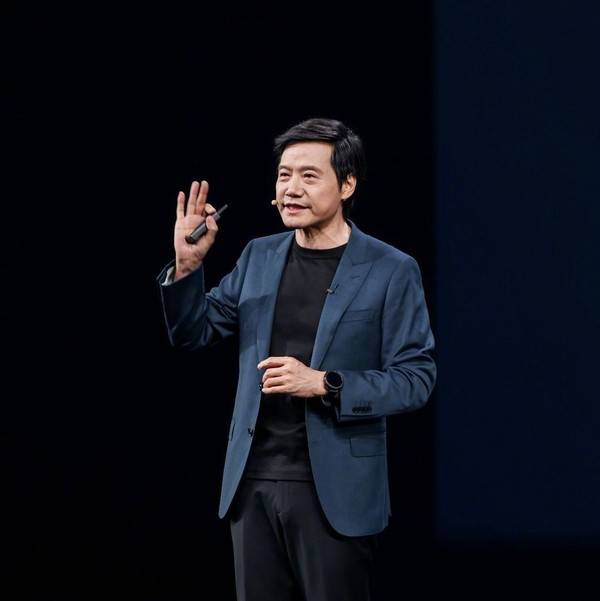
小米雷军:下一个五年 所有产业都值得用AI再做一遍
Sou Hu Cai Jing· 2025-11-28 04:54
Core Viewpoint - Artificial intelligence (AI) is becoming the core engine driving the transformation of traditional industries, with the perspective that "all industries are worth redoing with AI" emphasized by the founder and CEO of Xiaomi, Lei Jun [1][3] Group 1: AI Integration in Manufacturing - AI and manufacturing deep integration is expected to create a trillion-level new market [3] - Xiaomi's smart factories in Yizhuang and Changping demonstrate significant advancements, with the Changping factory achieving an annual production capacity of 10 million units and a 60% increase in production efficiency compared to traditional methods [3][5] - The use of AI in quality inspection processes, such as through X-ray machines combined with AI visual models, can complete assessments in 2 seconds, improving efficiency by 10 times and accuracy by over 5 times [1][3] Group 2: Industry Collaboration and Innovation - Single enterprises cannot cover the entire technology chain and must collaborate with the best partners in the industry to drive collective upgrades [3] - Lei Jun suggests that Beijing should further open smart manufacturing application scenarios and support leading enterprises in building demonstration factories [5] Group 3: Future of Robotics and Smart Manufacturing - In the next five years, humanoid robots are expected to enter Xiaomi's factories on a large scale, with significant potential and higher demands in home scenarios [3] - The capital and talent ecosystem in Beijing, along with its concentration of academicians and universities, provides a fertile ground for AI and smart manufacturing development [3][5]


汽车连接器制造商思索技术重启上市
Zheng Quan Shi Bao Wang· 2025-11-28 04:52
官网显示,思索技术技术研发、试验、品质等专业技术人才占比达到近40%。截至2024年8月,公司获 得各类专利135件,其中发明专利21件,正在公布发明专利15件。目前思索技术在昆山、重庆、深圳、 上海、武汉、合肥、长沙、宁波、常州、长春、宁德、保定、苏州、东莞、法兰克福(德国)等地分别 设有营销和技术服务团队。 11月27日,证监会官网显示,东莞市思索技术股份有限公司(简称"思索技术")在广东证监局上市辅导 备案,辅导机构为光大证券。 值得注意的是,思索技术并非首次闯关IPO。2023年12月思索技术向深交所提交首次公开发行股票并在 创业板上市的申请文件并获受理,2024年1月思索技术因综合考虑资本市场情况变化、公司战略发展等 因素撤回上市申请,深交所决定对公司予以终止审核。 思索技术成立于2008年,公司主要从事连接器及其组件的研发、生产和销售,致力于为客户提供高品质 的精密连接器及解决方案。公司产品可广泛应用于汽车、消费电子、工业控制和新能源等行业,具体主 要应用在汽车车灯、家居家电、电源电机、储能电池及光伏等领域。 思索技术提供丰富的菜单式平台产品选型,同时也满足客户短交期定制化的同步开发需求。在汽车低 ...
英特科技板式换热器数字化工厂正式投运 智造升级引领行业新未来
Zheng Quan Ri Bao Wang· 2025-11-28 04:47
Core Insights - Zhejiang Yingtai Technology Co., Ltd. has officially launched its digital factory for plate heat exchangers, marking a significant step in its digital transformation and smart manufacturing journey [1][2] Group 1: Digital Transformation - The digital factory serves as a benchmark project for the company's digital transformation, focusing on the informatization of production factors and establishing a comprehensive digital management system that spans from raw material procurement to finished product shipment [1] - The system enables real-time data collection and intelligent analysis, achieving precise control and smart decision-making in the manufacturing process [1] Group 2: Quality Control - Quality control has been enhanced through a full-process traceability system and intelligent error prevention, with a unique "digital ID" for each product allowing for precise tracking from raw materials to finished goods [1] - An innovative "human-machine-material-method" auditing system has been implemented to proactively defend against quality risks, significantly improving product consistency and reliability [1] Group 3: Production Operations - The digital system has achieved lean operations with visual management, transitioning material procurement to an electronic format and moving all drawings and work instructions online for a paperless production environment [2] - Real-time production dynamics are displayed on electronic dashboards, providing accurate data support for management decisions [2] - The unique "Andon call" system allows for rapid response to production line anomalies within one minute, establishing an efficient problem-solving mechanism [2] Group 4: Equipment Management - Predictive maintenance and intelligent management have been established through an online inspection mechanism that monitors equipment status in real-time, shifting from reactive to preventive maintenance [2] - The system manages the lifecycle of molds by automatically collecting usage data and prompting maintenance tasks [2] Group 5: Future Outlook - The successful operation of the digital factory represents a new starting point for the company's smart manufacturing strategy, with plans to deepen system functionalities and expand application scenarios to maintain a leading position in the smart manufacturing wave [2]
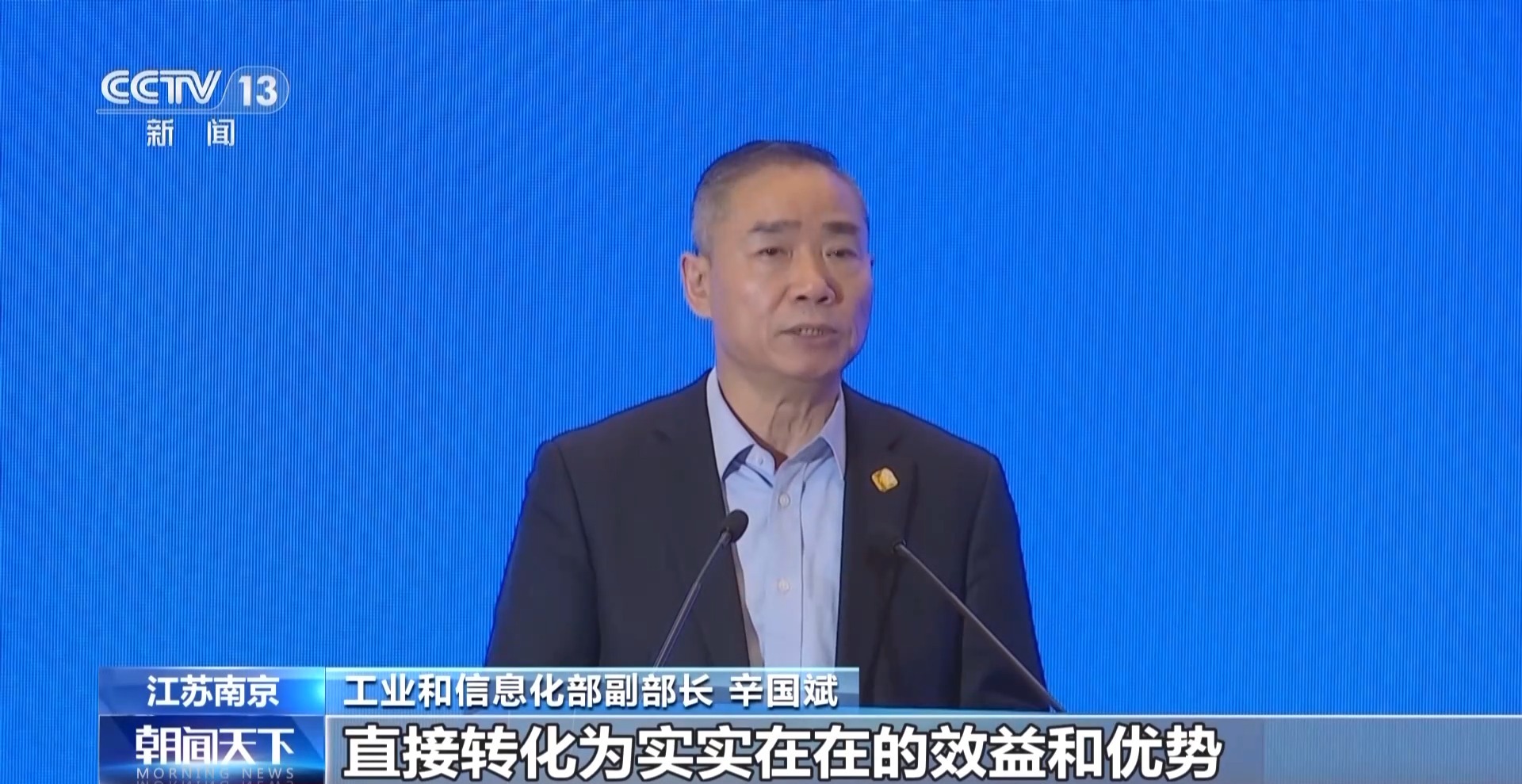
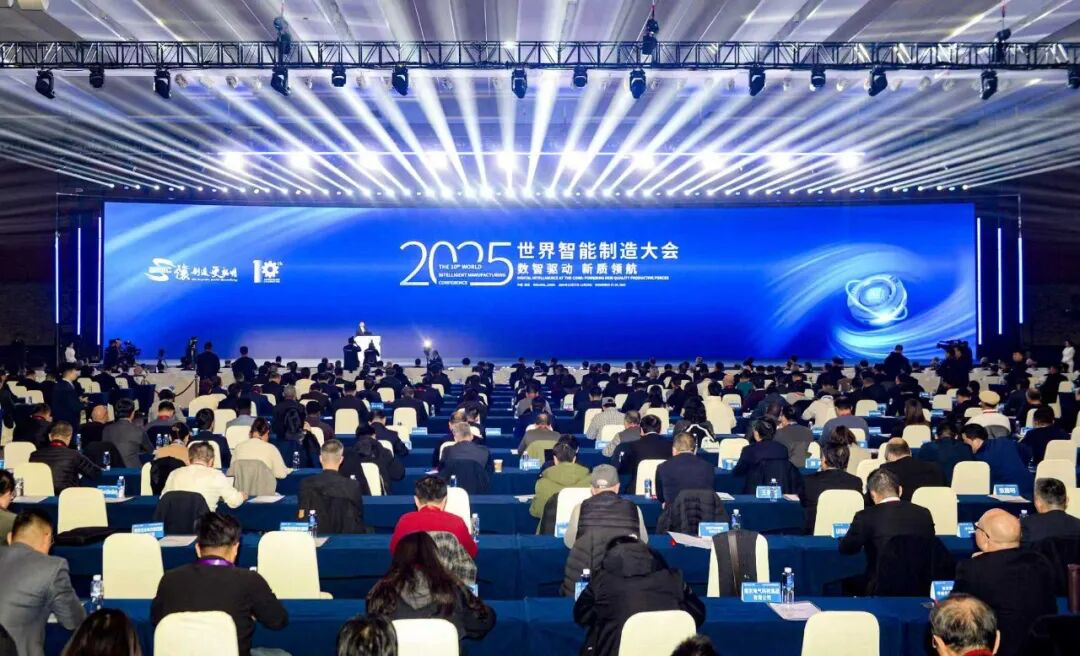
数智驱动 新质领航 2025世界智能制造大会在宁启幕
Zhong Guo Fa Zhan Wang· 2025-11-28 03:37
Core Insights - The 2025 World Intelligent Manufacturing Conference opened in Nanjing with the theme "Digital Intelligence Drives New Quality Leadership" [1] - The conference aims to create an international, high-end, and professional platform for global intelligent manufacturing exchange and cooperation, showcasing the latest achievements in the field and exploring the integration of technological breakthroughs and industrial transformation [1] Group 1: Conference Activities - The conference includes one main conference, one market-oriented exhibition, twelve thematic activities, and sixteen concurrent industrial ecosystem activities [1] - The event features the launch of the "Leading Action Plan" by the first batch of fifteen leading intelligent factories, which focuses on digital transformation, network collaboration, and intelligent change [3] Group 2: Key Announcements - A new session of the National Intelligent Manufacturing Committee was appointed, and several significant reports were released, including the 2025 Intelligent Manufacturing Blue Book and the top ten technological advancements in global and Chinese intelligent manufacturing for 2025 [5] - Prominent figures in the field, including academicians and executives from major companies, delivered keynote speeches on cutting-edge trends and strategic directions in intelligent manufacturing [5] Group 3: Exhibition Highlights - The World Intelligent Manufacturing Expo, held concurrently, covers an area of 55,000 square meters and features four main exhibition halls, including robotics and intelligent factories [9] - The expo attracted 456 companies from 21 countries and regions, showcasing international participation and facilitating various activities such as financial roadshows and technology exchanges [9] Group 4: Industry Significance - Intelligent manufacturing is identified as a primary focus for building a strong manufacturing nation, crucial for developing a modern industrial system and strengthening the real economy [9] - The conference has been held annually since 2016, becoming a high-end platform for China's participation in global intelligent manufacturing cooperation and showcasing the achievements of Jiangsu's manufacturing industry [9]



国投证券港股晨报-20251128
Guotou Securities· 2025-11-28 03:17
Group 1: Market Overview - The Hong Kong stock market showed a mixed performance with the Hang Seng Index and the Hang Seng China Enterprises Index slightly up, while the Hang Seng Tech Index fell by 0.36%, indicating a cautious shift in investor sentiment after recent rebounds [2][3] - The total market turnover was approximately HKD 204.7 billion, with short selling on the main board reaching about HKD 36.7 billion, accounting for approximately 20.41% of the total turnover [2] - Southbound capital saw a net inflow of approximately HKD 1.3 billion, with Alibaba, Pop Mart, and Meituan being the most actively bought stocks, while Xiaomi, Zijin Mining, and Tencent were the most sold [2][3] Group 2: Sector Performance - The paper industry continued its strong performance, with leading paper companies seeing stock price increases due to expectations of improved industry profitability from previous price hikes [2] - The consumer sector also performed well, with multiple sub-sectors such as tobacco, automotive, new retail, and dairy products showing significant gains, supported by a recent policy initiative from six ministries aimed at boosting consumption [3] - Conversely, the real estate sector faced notable declines, with concerns over debt restructuring among leading companies leading to reduced investor risk appetite [3] Group 3: Company Analysis - Lenovo Group - Lenovo Group reported better-than-expected Q2 results, with its Intelligent Devices Group (IDG) revenue increasing by 11.8% year-on-year to USD 15.11 billion, benefiting from a rise in AI computer shipments and strong sales of high-end products [5] - The Infrastructure Solutions Group (ISG) saw a significant revenue increase of 23.7% year-on-year to USD 4.09 billion, driven by AI infrastructure business growth, despite a small operating loss [5][6] - The Solutions and Services Group (SSG) achieved record revenue growth of 18.1% year-on-year to USD 2.56 billion, with a strong operating profit margin of 22.3% [6] Group 4: Strategic Initiatives - Lenovo is focusing on AI development, shifting towards a more inclusive approach that emphasizes human and enterprise entities, which is expected to create growth opportunities in various AI terminal devices and solutions [6] - The company is preparing for ongoing storage supply shortages and price increases by securing long-term agreements with key suppliers and leveraging its cost advantages to manage potential cost pressures [7] - The forecast for Lenovo's adjusted net profit for the fiscal years 2025/26 and 2026/27 is USD 1.62 billion (up 12.5% year-on-year) and USD 1.78 billion (up 9.9% year-on-year), respectively, with a target price of HKD 12.3, indicating a "buy" rating [7]
美德乐首发获北交所上市委会议通过
Zheng Quan Shi Bao Wang· 2025-11-28 02:15
Core Viewpoint - Dalian Meidel Industrial Automation Co., Ltd. has received approval for its initial public offering (IPO) on the Beijing Stock Exchange, focusing on smart manufacturing equipment development and production [1] Financial Performance - The company reported revenues of 1.031 billion yuan in 2022, 1.009 billion yuan in 2023, and projected 1.138 billion yuan in 2024, indicating a revenue growth of 12.73% in 2024 compared to 2023 [1] - Net profits for the same years were 222.2 million yuan in 2022, 205.2 million yuan in 2023, and an expected 211.1 million yuan in 2024, reflecting a year-on-year increase of 2.70% in 2024 [1] - Key financial metrics for 2024 include basic and diluted earnings per share of 3.76 yuan, and a weighted average return on equity of 23.41% [1] Investment Projects - The funds raised from the IPO will be allocated to several projects, including high-end intelligent conveyor system development, South China intelligent conveyor equipment production, East China industrial automation conveyor equipment production, and the fourth phase of Dalian Meidel's construction project [1]
五菱“智能岛”,一场中国制造的静默革命
Jing Ji Guan Cha Wang· 2025-11-28 02:08
Core Insights - The article highlights the recognition of SAIC-GM-Wuling's "Intelligent Island Manufacturing System" as a leading model in China's automotive industry, showcasing its innovative approach to smart manufacturing amidst the challenges of electrification and intelligence [1][2][9] Group 1: Recognition and Certification - The "Intelligent Island Manufacturing System" has been certified as one of China's first "Leading Intelligent Factories," a recognition that reflects the highest standards in smart manufacturing [1][2] - The certification process is rigorous, requiring a minimum of 60% application of artificial intelligence technologies and global-leading technical economic indicators [2] Group 2: Manufacturing Challenges - Traditional automotive manufacturing faces three main challenges: the mismatch between product and return cycles, the conflict between customization and production efficiency, and the rigidity of production capacity against fluctuating demand [3][4] - These challenges necessitate a flexible manufacturing system that can adapt to new consumer demands and market conditions [4] Group 3: Intelligent Island Manufacturing System - The "Intelligent Island Manufacturing System" redefines traditional assembly lines by creating a modular, reconfigurable manufacturing environment composed of intelligent workshops and islands [3][5] - This system has achieved significant improvements in production efficiency (30% increase), logistics efficiency (80% increase), and manufacturing cycle reduction (33% decrease) [5][6] Group 4: Technological and Organizational Innovations - The system is supported by over 110 patents and 67 software copyrights, emphasizing the importance of proprietary technology in achieving smart manufacturing [6][8] - The implementation of the system required overcoming significant technical and organizational challenges, leading to a comprehensive upgrade in personnel, roles, and operational processes [8] Group 5: Future Implications - The success of the "Intelligent Island Manufacturing System" positions SAIC-GM-Wuling to lead the transformation of not only the automotive sector but also to expand into other industries such as home appliances and medical equipment [8][9] - This development signifies a shift in China's manufacturing capabilities from being followers to becoming leaders in innovative manufacturing paradigms [9]
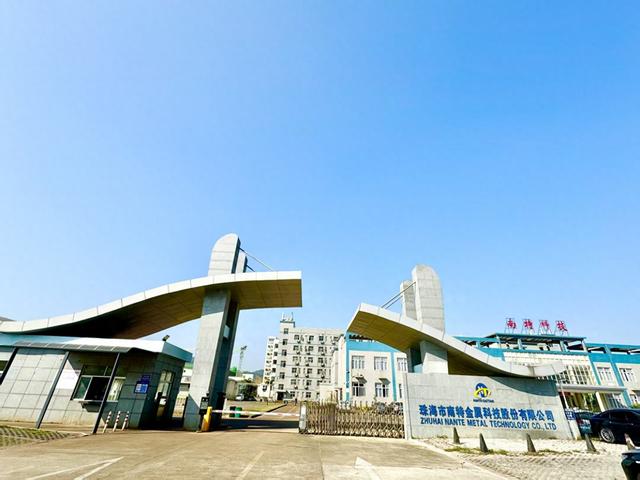
南特科技登陆北交所 开启发展新起点
Huan Qiu Wang· 2025-11-28 01:41
Core Viewpoint - Nantong Technology has officially listed on the Beijing Stock Exchange, attracting significant attention from the capital market due to its strong technical foundation, stable customer resources, and clear growth trajectory [1] Group 1: Business Overview - Nantong Technology specializes in the research, production, and sales of precision mechanical components, primarily focusing on air conditioning compressor parts and automotive precision components [3][5] - The company has established stable partnerships with leading manufacturers such as Midea Group and Gree Electric, with component supply shares of approximately 13% and 30% respectively, indicating high market concentration and customer loyalty [3] - Nantong Technology has expanded its automotive precision parts business, achieving sales revenue growth from 6.25 million yuan in 2022 to 16.05 million yuan in 2024, reflecting a strong growth momentum [3] Group 2: Technological Innovation - The company emphasizes technological innovation as a core driver of development, holding 16 invention patents and 72 utility model patents, and has participated in drafting industry standards [3][5] - Nantong Technology has a complete production system from mold design to melting casting and precision processing, making it one of the few companies in the industry with full-process capabilities [5] Group 3: Financial Performance - The company has shown impressive financial growth, with operating revenues of 833.68 million yuan in 2022, 938.34 million yuan in 2023, and projected revenues of 1.03 billion yuan in 2024, reflecting a compound annual growth rate of 11.2% from 2022 to 2024 [6][8] - The net profit has also increased significantly, from 46.64 million yuan in 2022 to 98.22 million yuan in 2024, demonstrating strong profitability [6][8] Group 4: Production Capacity and Expansion Plans - Nantong Technology's production capacity utilization rates are high, exceeding 90% for precision parts and over 100% for cast parts in 2024, indicating a need for capacity expansion [10][11] - The company plans to implement two major fundraising projects, with a total investment of approximately 381 million yuan, aimed at expanding production capacity and enhancing research and development capabilities [11][12] - The projects include the construction of new production workshops and additional production lines, expected to significantly increase the annual production capacity of compressor components [12]
领航级智能工厂究竟拥有怎样的实力?记者探访→
Yang Shi Xin Wen Ke Hu Duan· 2025-11-28 01:15
Core Insights - The first batch of 15 leading smart factories has been officially announced, marking a significant leap in China's smart manufacturing from digitization and networking to intelligence [1] - The penetration rate of artificial intelligence technology in these smart factories has increased significantly, with the new leading factories achieving over 70% penetration [1] - The average R&D cycle for products in leading smart factories has been reduced by 38%, showcasing the substantial value of smart manufacturing [1] Group 1: Leading Smart Factories - The 15 leading smart factories represent key industries such as equipment manufacturing, raw materials, electronic information, and consumer goods [1] - A notable example is an automotive production facility in Guangxi, which has adopted an "island-style" production method, allowing for flexible assembly and improved efficiency [2] - The automotive factory has reduced its product development cycle from 420 days to 240 days and the product introduction cycle from 40 days to 15 days, achieving a 30% increase in manufacturing efficiency [2] Group 2: Technological Advancements - Automation in the automotive production has increased from 30% to 50%, and the flexibility in production has expanded from 5 to 13 vehicle models [3] - In Shandong, an engine manufacturing company has integrated AI and lean management, achieving near-zero defects in high-end engine production and improving production efficiency by over 10% [3] - The use of digital virtual platforms has allowed for rapid simulation and optimization of over 80% of tests, shortening the R&D cycle by approximately 20% [3] Group 3: Future Development - China aims to continue promoting the digital transformation of the manufacturing sector and develop smart manufacturing further [4] - A robust tiered system of smart factories has been established, including basic, advanced, excellent, and leading levels, with plans for ongoing development towards more flexible, intelligent, and green factories [4] - Future initiatives will encourage leading factories to share advanced experiences and solutions, enhancing collaboration across the supply chain and focusing on breakthroughs in key technologies [5]
视频丨领航级智能工厂究竟拥有怎样的实力?记者探访
Yang Shi Xin Wen Ke Hu Duan· 2025-11-28 01:12
Core Insights - The first batch of leading smart factories in China has been officially announced, marking a significant leap from digitalization and networking to intelligence in manufacturing [1] - A total of 15 leading smart factories have been recognized, spanning various industries such as equipment manufacturing, raw materials, electronic information, and consumer goods [1] - The penetration rate of artificial intelligence technology in these smart factories has significantly increased, with the newly recognized factories showing a penetration rate exceeding 70% [1] Group 1: Smart Factory Development - The leading smart factories are driving comprehensive changes in innovation paradigms, production methods, and supply chain forms, accelerating the establishment of new manufacturing systems [1] - The average R&D cycle for leading and excellent factories has been shortened by 38% and 29% respectively, demonstrating the substantial value of smart manufacturing [3] - The smart factory tier includes basic, advanced, excellent, and leading smart factories, with the latter being the pinnacle of this hierarchy [15] Group 2: Technological Advancements - The island-style production method adopted by a leading factory in the automotive sector allows for flexible assembly and adjustment based on production needs [3] - The AI operation center in the island-style factory enables real-time monitoring of production data, leading to a 30% increase in manufacturing efficiency [7] - Automation rates in production have increased from 30% to 50%, and the number of vehicle models produced has expanded from 5 to 13 [9] Group 3: Future Directions - The Chinese government plans to continue promoting the digital transformation of the manufacturing sector and the development of smart manufacturing [12] - Leading smart factories will be encouraged to share advanced experiences and solutions, enhancing collaboration across the supply chain [19] - The integration of artificial intelligence into manufacturing is expected to lead to more flexible, intelligent, and sustainable smart factories in the future [15]