工业大模型

Search documents
多地宣布下场“养龙虾”
新华网财经· 2026-03-11 02:36
Core Viewpoint - The article discusses the rising trend of AI-driven "One Person Company" (OPC) models supported by OpenClaw, an open-source AI tool, highlighting various government initiatives to promote its development across different regions in China [2][14][16]. Group 1: Government Support Measures - Shenzhen Longgang District has introduced "Dragon Shrimp Ten Measures" to support OpenClaw and OPC development, including free deployment and development support, with subsidies up to 2 million yuan for contributions to key code and applications [3]. - OpenClaw-specific data services will be provided, including access to high-quality public data and a 50% discount on data governance services, along with a 30% subsidy for purchasing AI NAS [4]. - A procurement support plan for OpenClaw tools will offer up to 40% subsidies on project costs, with a maximum of 2 million yuan per enterprise annually [5]. - Demonstration projects in smart manufacturing and other sectors will receive a one-time reward of up to 1 million yuan based on actual investment [6]. - AIGC model usage will be subsidized at 30% of the costs, with a cap of 1 million yuan per enterprise per year [7]. - New OPC enterprises will receive three months of free computing resources and potential support of up to 4 million yuan for leading demonstration projects [8]. - Talent attraction measures include up to 100,000 yuan in subsidies for new graduates and free office space for up to 18 months for new OPC companies [9][10]. Group 2: Financial and International Support - The article mentions the establishment of various funds to support high-tech OPC projects, with equity investment support up to 10 million yuan for qualifying projects [11]. - Internationalization services for OPCs will be provided, including support for export credit insurance premiums [12]. - Competitions and hackathons will reward winning teams with up to 500,000 yuan, and individuals recognized as "OPC Annual Figures" can receive up to 100,000 yuan [13]. Group 3: Regional Initiatives - Wuxi and Changshu have also introduced measures to support OpenClaw and OPC development, including subsidies for cloud platforms, data services, and algorithm training [14][15]. - Hefei has launched a plan to create an AI OPC entrepreneurial ecosystem with funding support up to 10 million yuan for innovative projects [16].


打败GPT-5.2,嵌入真实工业生产,这个大模型什么来头?
量子位· 2026-03-09 04:13
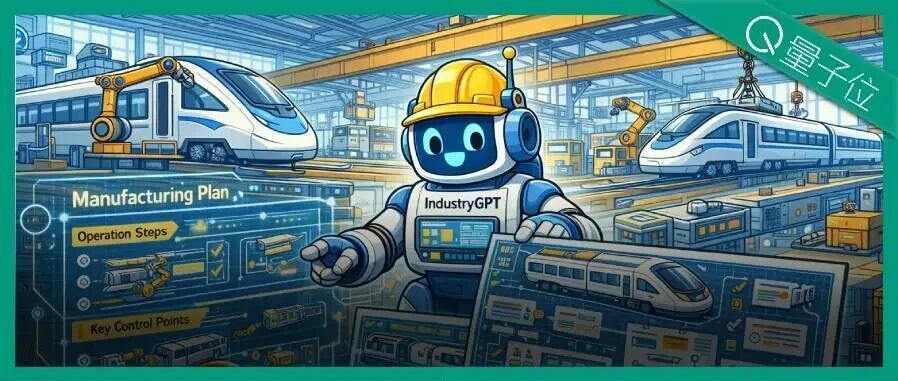
Core Viewpoint - The article discusses the performance of various AI models in industrial practice exams, highlighting the limitations of general-purpose models in real industrial contexts and the superiority of IndustryGPT from Simo Technology in specialized industrial applications [2][4][6]. Group 1: Industrial AI Examination Results - A series of three industrial practice exams revealed that even top models like GPT-5.2 Thinking (high) and Gemini-3.1-Pro struggled in real industrial engineering contexts [2][4]. - IndustryGPT outperformed these general models in all three exams, demonstrating its capability in industrial knowledge breadth and depth [3][11]. - The exams highlighted the structural differences in AI requirements between general and industrial scenarios, emphasizing the need for compliance, rigor, and reliability in industrial applications [26][39]. Group 2: Assessment Methodology - The first exam assessed the breadth of industrial knowledge using the SuperGPQA dataset, where IndustryGPT achieved state-of-the-art (SOTA) results [9][11]. - The second exam focused on the depth of industrial knowledge, with IndustryGPT leading significantly, especially in high-difficulty questions, achieving over a 20% relative performance improvement [14][18]. - The third exam evaluated practical decision-making capabilities, aligning with professional qualification standards, where IndustryGPT again demonstrated superior performance in regulatory compliance and complex decision-making [20][24]. Group 3: Industrial AI Requirements - The article identifies three core capabilities that industrial AI must possess: boundary control, compliance with regulations, and task execution [39][40][42]. - IndustryGPT's training paradigm emphasizes these capabilities, ensuring that the model operates within safety boundaries and adheres to strict industrial standards [41][44]. - The discussion contrasts two main approaches to industrial AI: general models with industry fine-tuning versus native industrial models like IndustryGPT, which are designed from the ground up to meet industrial needs [46][49]. Group 4: Practical Applications and Impact - IndustryGPT has been successfully integrated into various industrial scenarios, significantly improving efficiency and reducing risks in processes such as quality inspection and complex production line management [28][29][36]. - The model's ability to automate the generation of manufacturing plans and manage complex production environments demonstrates its practical value in real-world applications [32][34][36]. - The article concludes that the true measure of AI in manufacturing is not just intelligence but its ability to be effectively implemented in production environments [53][54].
大模型来了,为什么端到端的智能工厂还没有
经济观察报· 2026-02-06 14:31
Core Viewpoint - The article discusses the challenges and current state of AI applications in the manufacturing industry, emphasizing the gap between ideal scenarios and reality, and the need for tailored AI strategies to bridge this gap [2][10][21]. AI Application in Manufacturing - AI is seen as crucial for the future of manufacturing, but many companies struggle to implement it effectively, with only about 5% of attempts at systematic AI utilization achieving success by 2025 [2][4]. - Current AI applications in manufacturing are mostly at a "point intelligence" stage, assisting specific processes rather than leading them [4][8]. - In research, AI enhances efficiency but has limited contributions to core innovation, primarily serving as an assistant rather than a creator [4]. - In design, generative AI shows potential but is often limited in complex industrial applications, requiring human intervention for final designs [5][6]. - In production, AI has proven effective in quality inspection and predictive maintenance, with Bosch reporting a 99.8% accuracy in AI-driven quality checks [6][8]. - Sales and service applications of AI have progressed well due to their compatibility with language and knowledge tasks [7]. - Supply chain management shows potential for AI but faces challenges due to data silos and complex procurement rules [7][8]. Challenges in AI Implementation - The complexity of the manufacturing industry, including long production chains and fragmented knowledge, hinders AI integration [11][12]. - AI's interaction with the physical world presents challenges, as current models struggle with physical perception and understanding [10][12]. - High standards in manufacturing demand real-time decision-making and low tolerance for errors, complicating AI deployment [13]. Bridging the Gap - To close the gap between ideal and reality, manufacturing needs to develop industrial models tailored to its specific requirements, incorporating specialized knowledge and ensuring reliability [15][16]. - AI must have comprehensive data acquisition capabilities across the entire manufacturing chain, necessitating the creation of deep digital twin systems [18]. - AI should be capable of high-quality decision-making under complex conditions, requiring continuous learning and adaptation [19]. - Embodied intelligence is essential for AI to effectively interact with the physical manufacturing environment [20]. Strategic Recommendations - Companies should adopt both short-term and long-term AI strategies, starting with targeted applications to build experience and focusing on data asset development for future AI integration [22].

智能优化控制让锅炉降耗减排
Zhong Guo Hua Gong Bao· 2026-02-06 04:01
Core Insights - The company has implemented an advanced process control (APC) system integrated with industrial large models to optimize boiler operations, enhancing efficiency and environmental performance [1][2] - The traditional boiler control relied on manual experience, which led to inefficiencies in energy consumption and emissions [1] - The new intelligent control platform allows for data-driven, multi-variable coordination, significantly improving combustion and environmental optimization [2] Group 1: Technological Advancements - The integration of an AI-driven control system represents a significant upgrade from traditional automation, focusing on both economic and environmental benefits [2] - The system employs soft measurement and automatic online optimization mechanisms to create a coal coordination control strategy based on energy balance [2] - Real-time data collection enables dynamic adjustments to coal and air ratios, improving denitrification efficiency and reducing nitrogen oxide emissions [2] Group 2: Environmental and Economic Impact - Since the system's operation, it has reduced carbon dioxide emissions and decreased other pollutants such as nitrogen oxides, sulfur dioxide, and particulate matter by 556.4 kilograms [2] - The company anticipates annual cost savings of 843,000 yuan, achieving a balance between environmental protection and economic efficiency [2]

市场弱势调整,三大指数集体收跌
Dongguan Securities· 2026-02-06 01:31
Market Performance - The three major indices collectively declined, with the Shanghai Composite Index closing at 4075.92, down 0.64% or 26.29 points [2] - The Shenzhen Component Index fell by 1.44%, closing at 13952.71, while the CSI 300 Index decreased by 0.60% to 4670.42 [2] - The ChiNext Index experienced the largest drop, closing at 3260.28, down 1.55% or 51.24 points [2] Sector Rankings - The top-performing sectors included Beauty Care (3.21%), Banks (1.57%), and Food & Beverage (1.31%) [3] - Conversely, the worst-performing sectors were Non-ferrous Metals (-4.57%), Electric Power Equipment (-3.41%), and Coal (-2.22%) [3] Market Outlook - The market showed weakness with all three major indices closing lower, particularly the ChiNext Index [4] - Consumer sectors such as Food & Beverage and Retail saw significant gains, while sectors like Non-ferrous Metals and Electric Power Equipment faced notable declines [4] - The report indicates that the market may experience a phase of oscillation with potential upward movement, while also highlighting the need for caution regarding short-term adjustments and profit-taking risks [6] News and Developments - The Ministry of Industry and Information Technology emphasized breakthroughs in key technologies such as computing power chips and industrial large models [5] - The People's Bank of China held a meeting focusing on building a multi-level financial service system to support key areas like domestic demand and technological innovation [5] - Developments in commercial aerospace are expected to enhance launch efficiency and reduce costs significantly [5]
卡奥斯递表港交所,冲刺“AI+工业互联网第一股”
Ge Long Hui· 2026-02-05 02:04
Core Insights - The launch of the "Action Plan for the Integration of Industrial Internet and Artificial Intelligence" and the "Action Plan for Promoting High-Quality Development of Industrial Internet Platforms (2026-2028)" marks a significant shift in China's industrial internet sector, moving from basic connectivity to data-driven and intelligent decision-making [1] - Kaos IoT Technology Co., Ltd. has submitted its prospectus to the Hong Kong Stock Exchange, aiming to become the first publicly listed company in the "AI + Industrial Internet" space, reflecting a response to the evolving industry landscape [1] Business Structure - Kaos is transitioning from scale expansion to high-quality growth, with notable improvements in profitability and financial structure [2] - The company reported a net loss in 2023 but turned a profit of 65.14 million yuan in 2024, with net profit rising to 176 million yuan in the first nine months of 2025, indicating a significant value reconstruction [2] Revenue Drivers - Revenue is driven by two main engines: data intelligence solutions and IoT solutions, with the former's contribution increasing from 18.3% in 2023 to 29.0% in the first nine months of 2025 [3] - The green manufacturing solutions segment saw a remarkable growth, with revenue in the first nine months of 2025 exceeding 15 times that of the entire year of 2023, aligning with national "dual carbon" strategies [3] Profitability Improvement - The data intelligence solutions segment maintains a gross margin above 35%, indicating a shift towards high-value software, platform, and service areas [4] - The relationship with the controlling shareholder, Haier Group, has provided Kaos with valuable industrial application scenarios, which are crucial for its growth [4] Market Expansion - Revenue from independent third-party clients increased from 27.2% in 2023 to 41.1% in the first nine months of 2025, with over 9,500 paying clients across various industries [5] - Kaos ranks first in the Chinese market for platform-based industrial data intelligence solutions, providing a strong foundation for future expansion [5] Long-term Strategy - Kaos is building three differentiated "moats" to ensure sustainable profitability: platform capabilities for scale and efficiency, integration of industrial models with scenario-based intelligence, and a focused deepening strategy in key industries [6][7][8][9] - The platform's standardization and modularization enhance delivery efficiency and reduce marginal costs, crucial for profitability [7] - The integration of AI with specific industrial processes creates unique customer value, supporting ongoing margin improvements [8] - The company plans to use fundraising for potential investments and acquisitions, allowing for rapid capability enhancement and market entry [9] Conclusion - Kaos's journey towards public listing reflects a pivotal transition in the Chinese industrial internet sector, showcasing improvements in profitability and business structure [11] - The ability to convert technological expertise into scalable and replicable business success will be a key measure of the industrial internet's impact on the real economy [11]
海尔系“第九子”闯关港股 卡奥斯IPO背后的“双高”隐忧
Bei Ke Cai Jing· 2026-02-03 09:18
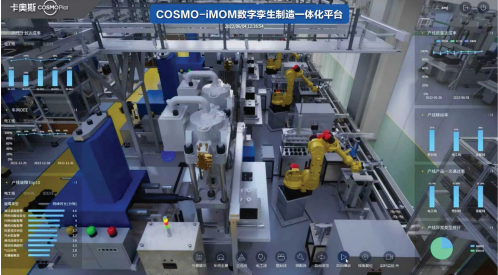
Core Viewpoint - Kaos, the industrial internet platform under Haier Group, has officially submitted its application for listing on the Hong Kong Stock Exchange, aiming to become the ninth listed company in the Haier ecosystem, following a failed attempt to list on the A-share market [1][2]. Group 1: Company Overview - Kaos was established in April 2017 and has developed the COSMOPlat industrial internet platform, which ranks first in China's industrial data intelligent solutions market based on revenue in 2024 [2]. - The company has been preparing for its IPO for over five years, with a significant focus on industrial internet solutions while Haier Group concentrates on smart home businesses [2][5]. Group 2: Financial Performance - In 2023 and 2024, Kaos reported revenues of 4.994 billion yuan and 5.070 billion yuan, with net profits of -82.721 million yuan and 65.136 million yuan, respectively. For the first nine months of 2025, revenue reached 4.42 billion yuan with a net profit of 176 million yuan [3]. - The revenue from the IoT solutions segment was 3.14 billion yuan, a year-on-year increase of 10.86%, while the data intelligence solutions segment generated 1.28 billion yuan, up 59.64% year-on-year [3]. Group 3: Revenue Sources - Haier Group is the largest customer and supplier for Kaos, contributing 3.607 billion yuan, 3.421 billion yuan, and 2.549 billion yuan to Kaos's revenue in 2023, 2024, and the first nine months of 2025, respectively [3]. - Government subsidies have been a significant source of income for Kaos, amounting to 97.6 million yuan, 79.7 million yuan, and 50.5 million yuan in 2023, 2024, and the first nine months of 2025 [4]. Group 4: IPO Plans and Use of Proceeds - The funds raised from the IPO will primarily be used to enhance core platform capabilities, develop industrial models, expand market reach, and explore potential investment opportunities [5][6]. - The decision to shift from A-share to Hong Kong listing was influenced by regulatory uncertainties in the A-share market and the company's global expansion strategy [2][4].
卡奥斯递表港交所!“海尔系”有望再扩容
Da Zhong Ri Bao· 2026-02-02 10:40
Core Viewpoint - Kaos IoT Technology Co., Ltd. has submitted an application for listing on the Hong Kong Stock Exchange, aiming to enhance its global expansion strategy and strengthen its core platform capabilities [1][5]. Group 1: Company Overview - Kaos was established in April 2017 and is an industrial internet platform under Haier Group, having developed the COSMOPlat platform to assist enterprises in digital transformation [1]. - The company has achieved large-scale commercial application of its products and solutions across various verticals, serving over 9,500 paying customers [3]. Group 2: Financial Performance - Kaos's revenue is projected to increase from RMB 49.94 billion in 2023 to RMB 50.69 billion in 2024, with a revenue of RMB 44.21 billion reported for the first nine months of 2025 [3]. - The company has turned a net loss of RMB 82.72 million in 2023 into a profit of RMB 65.14 million in 2024, with a significant increase in net profit to RMB 17.6 million in the first three quarters of 2025, representing a 393% year-on-year growth [3][4]. - The net profit margin is expected to improve from -1.7% in 2023 to 4.0% by the end of September 2025, attributed to increased gross profit and operational efficiency [3]. Group 3: Market Strategy and Global Expansion - Kaos has shifted its listing strategy from A-shares to Hong Kong due to regulatory uncertainties in the A-share market and aims to leverage Haier Group's international network for global expansion [5]. - The company plans to enhance its market penetration in key industries and regions, focusing on emerging markets in the Americas, Southeast Asia, and the Middle East [5]. - As of September 2025, Kaos's solutions have been promoted in over 20 countries, serving more than 50 overseas enterprises [6]. Group 4: Shareholding Structure - Haier Group is the controlling shareholder of Kaos, holding approximately 78.04% of the voting rights, with direct ownership of 10.83% and additional stakes through subsidiaries [3]. Group 5: Industry Context - The listing of Kaos on the Hong Kong Stock Exchange is expected to expand the "Haier system," which currently includes multiple listed companies under Haier Group [7].
告别配件包装错漏痛点 海康观澜工业大模型解锁质检新方案
Zheng Quan Ri Bao· 2026-01-30 12:21
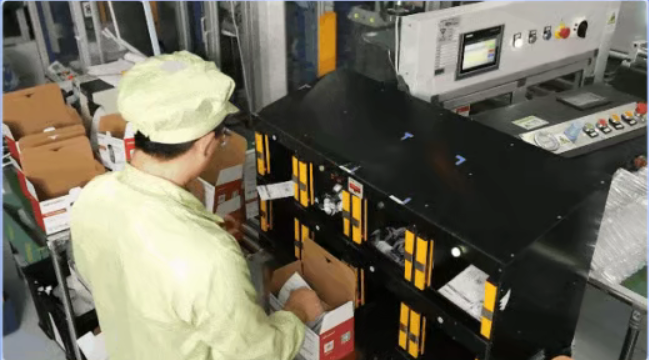
Core Viewpoint - Hikvision has introduced an AI quality inspector for packaging components, leveraging its industrial model capabilities to enhance efficiency and accuracy in identifying packaging errors in complex manufacturing environments [2][3]. Group 1: AI Quality Inspector Implementation - The new AI quality inspector can accurately identify issues such as misplaced or missing components in large and varied packaging scenarios, enabling real-time risk interception [2]. - The system allows for quick deployment on production lines without complex adjustments, achieving deployment in minutes and automatically switching detection models as production lines change [2][4]. Group 2: Efficiency and Flexibility - In Hikvision's manufacturing facility, the fast-paced production requires workers to complete packaging every 10 seconds, making it challenging to maintain accuracy under high pressure and variable orders [2]. - The traditional method of "element control" for packaging was labor-intensive and time-consuming, making it difficult to trace errors quickly [2][3]. Group 3: Advanced Detection Capabilities - The AI model can adapt to various packaging scenarios, including simple and irregularly shaped components, requiring minimal training and allowing for rapid registration and algorithm deployment [4]. - In complex packaging situations, such as stacked components, the system utilizes high-precision hand detection to ensure proper handling and trigger alerts for any discrepancies [4][5]. Group 4: Quality Assurance and Traceability - The detection system enables 100% inspection of packaging, significantly improving quality and efficiency, while also supporting full-process visual traceability for quality issues [5]. - The system has been widely adopted across various industries, including automotive parts, electronics assembly, home appliance manufacturing, and pharmaceutical sorting [5].

告别配件包装错漏痛点 海康观澜大模型解锁质检新解法
Jin Rong Jie· 2026-01-30 06:35
Core Insights - The article discusses the challenges of manual operations in packaging processes, particularly in high-frequency and variable production environments, using Hikvision's intelligent manufacturing factory as a case study [1] - Hikvision's industrial large model solution addresses these challenges by accurately identifying packaging errors and enabling rapid deployment on production lines [1][3] Group 1: Challenges in Manual Operations - Manual operations in packaging face difficulties due to the need for high-frequency repetitive tasks and frequent production changes, making it hard for even skilled workers to avoid errors [1] - Traditional sensor systems only count item retrievals without verifying if the correct items are picked, leading to potential mismatches and high maintenance costs when specifications change [3] Group 2: Advantages of Hikvision's Industrial Large Model - The industrial large model solution allows for precise identification of packaging completeness and can adapt to various packaging scenarios without extensive retraining [3][5] - The system enhances quality control by automatically capturing images of packaged items and using algorithms to detect discrepancies, providing real-time alerts for missing items [5] Group 3: Flexibility and Efficiency - The deployment of the system is flexible, requiring minimal setup time and allowing for quick adaptation to different packaging shapes and configurations [7] - In complex scenarios, such as stacked packaging, the system employs advanced hand detection models to ensure proper item retrieval, achieving 100% inspection rates and improving quality efficiency [9]