
智能制造

Search documents
中国首批领航级智能工厂集体亮相
Zhong Guo Xin Wen Wang· 2025-11-27 10:01
Core Insights - The first batch of 15 leading smart factories in China was unveiled at the World Intelligent Manufacturing Conference, marking a significant leap from digitalization and networking to intelligence in manufacturing [1][2] - These leading smart factories represent the highest level of the smart factory cultivation system and are distributed across key industries such as equipment manufacturing, raw materials, electronic information, and consumer goods [1] Industry Development - Since the launch of the smart factory cultivation initiative by six departments including the Ministry of Industry and Information Technology, over 7,000 advanced smart factories and more than 500 excellent smart factories have been established in China [1] - The newly established 15 leading smart factories are expected to lead a comprehensive transformation in innovation paradigms, production methods, and supply chain forms [1] Company Highlights - Notable achievements from the selected leading smart factories include: - XCMG improved global customization capabilities through AI-driven R&D and manufacturing, reducing order delivery cycles by 55% [2] - SAIC-GM-Wuling pioneered a new smart island manufacturing model, achieving a comprehensive equipment utilization rate of 98.8% [2] - Baosteel enhanced the efficiency of the entire process of silicon steel through AI-driven predictive manufacturing, resulting in a more than 50% reduction in finished product inventory [2] - Yangtze Optical Fibre constructed an integrated process system for rods and cables, shortening product development cycles from 12 months to 3 months [2] - The "Leading Action Plan" aims to deepen collaborative efforts and create world-class benchmark factories, contributing Chinese solutions and wisdom to global smart manufacturing development [2]
我国首批,国家级名单公布,2家能源企业上榜!
中国能源报· 2025-11-27 09:36
Core Points - The first batch of leading intelligent factories in China has been officially announced, marking a significant leap towards intelligent manufacturing [1] - A total of 15 leading intelligent factories have been recognized, covering key industries such as equipment manufacturing, raw materials, electronic information, and consumer goods [1] - The Ministry of Industry and Information Technology stated that these factories integrate new-generation information technology, advanced manufacturing technology, and lean management concepts, representing the highest standards of intelligent manufacturing in China [1] Group 1 - The list of intelligent factories includes notable companies such as China Petroleum & Chemical Corporation and CNOOC (China National Offshore Oil Corporation) [1] - The 2025 cultivation list for leading intelligent factories features projects from various companies, including Baoshan Iron & Steel Co., Ltd. and Shanghai Aerospace Equipment Manufacturing Co., Ltd. [2] - The projects focus on advanced manufacturing techniques, such as high-end green silicon steel production and agile delivery of mobile cranes [2] Group 2 - Recent data indicates that over 7,000 advanced intelligent factories have been established in China [3] - Upgrades to hundreds of intelligent factories have resulted in an average reduction of product development cycles by 29%, an increase in production efficiency by nearly 22%, and a decrease in carbon emissions by approximately 20% [3]





中联重科入选全国首批领航级智能工厂
Jing Ji Wang· 2025-11-27 09:21
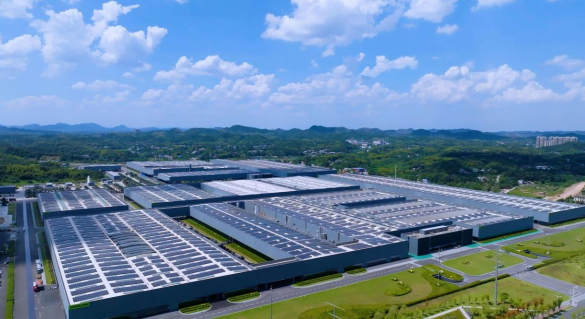
Core Insights - The World Intelligent Manufacturing Conference on November 27 saw 15 leading companies, including Zoomlion, jointly issue a navigation action plan to promote intelligent manufacturing [1] - The Ministry of Industry and Information Technology announced a list of 15 enterprises selected for the 2025 Pilot Intelligent Factory Project, representing the highest exploration level in intelligent manufacturing in China and globally [1] - Zoomlion's "Shared Manufacturing Intelligent Factory for Excavators" project was recognized as the only selected enterprise from Hunan Province, showcasing its leadership in the global equipment manufacturing sector [1] Company Highlights - Zoomlion's intelligent factory achieved three global firsts: full-process intelligent manufacturing of six core manufacturing links for excavators, efficient shared mixed-flow production of over 70 excavator models, and cross-product collaborative sharing among excavators, cranes, pump trucks, and aerial work vehicles [2] - The factory emphasizes "sharing" as its core feature, with over 80% application rate of artificial intelligence technologies, reducing the production cycle to just 6.5 days from raw material to finished product, and achieving a production rate of one excavator every six minutes [2] - The intelligent manufacturing solutions developed at this factory have established over 50 enterprise standards, contributed to six industry and national standards, and trained thousands of professionals in intelligent manufacturing [2] Industry Impact - The technology and solutions from Zoomlion's intelligent factory have been replicated and promoted across more than 20 of its global intelligent factories, driving collaborative innovation throughout the supply chain [2] - The intelligent manufacturing solutions have expanded beyond construction machinery to empower hundreds of enterprises in agriculture, emergency equipment, and energy equipment sectors, creating a comprehensive "shared manufacturing" ecosystem [2]
昆船智能(301311) - 2025年11月27日投资者关系活动记录表
2025-11-27 08:50
Group 1: Company Overview - The company is positioned in the smart logistics and smart manufacturing equipment sector, providing integrated solutions across the entire industry chain [2] - The operational goal is to focus on one-stop solutions for smart logistics and production lines, aiming to become a leading domestic technology and equipment supplier in the industry [2] Group 2: Market Strategy - The company plans to strengthen its technical team to meet diverse customer needs and expand market share in related industries [3] - Emphasis on creating "boutique projects" and "golden products" to enhance existing industry advantages and improve brand image [3] Group 3: Communication and Compliance - During the investor relations activity, there was thorough communication between the company representatives and investors, adhering to regulations without disclosing any undisclosed significant information [3]
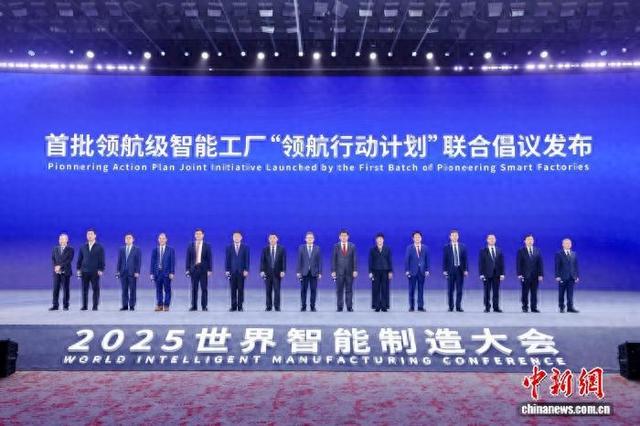
中国首批15家领航级智能工厂培育名单在南京公布 南钢等企业入榜
Zhong Guo Xin Wen Wang· 2025-11-27 08:45
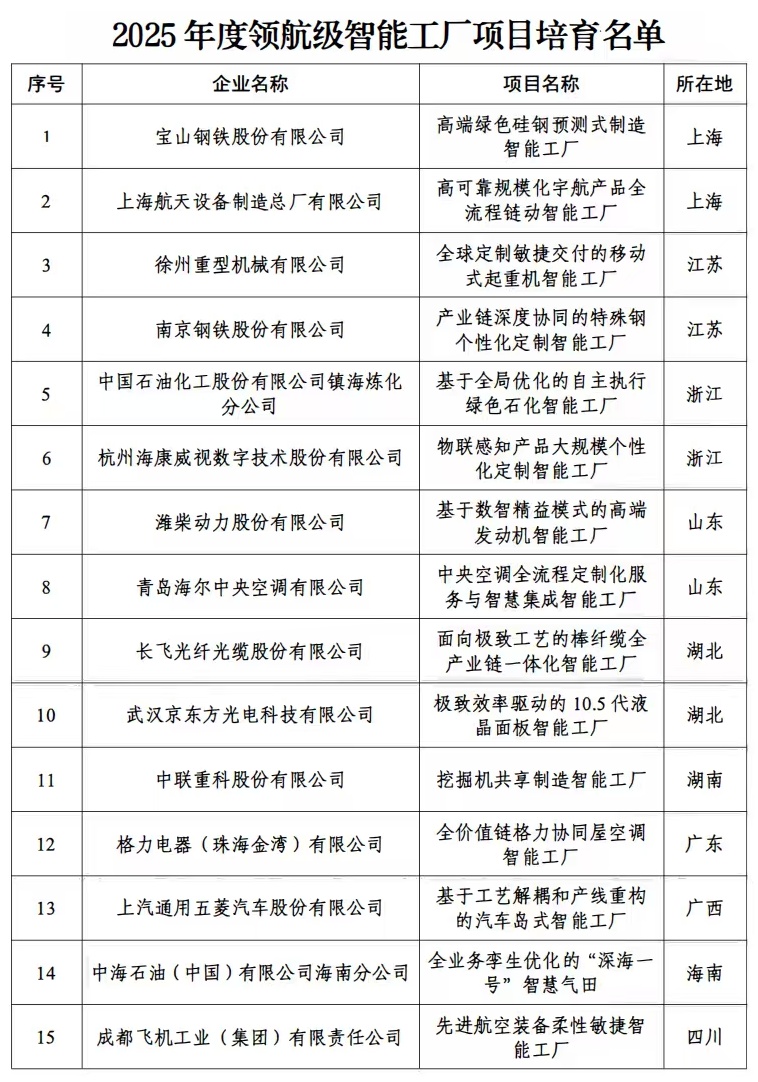
Core Points - The 2025 World Intelligent Manufacturing Conference commenced in Nanjing, where the first batch of leading intelligent factories in China was announced, including 15 enterprises across key industries such as equipment manufacturing, raw materials, electronic information, and consumer goods [1][2] - The selected enterprises launched the "Leading Action Plan" initiative, marking a significant step in the development of intelligent manufacturing in China [2] - The Ministry of Industry and Information Technology stated that the leading intelligent factories represent the highest standard of intelligent manufacturing in China, integrating new information technologies, advanced manufacturing technologies, and lean management concepts [5] Summary by Category Intelligent Factory Development - Since the launch of the intelligent factory cultivation initiative, over 7,000 advanced intelligent factories and more than 500 excellent intelligent factories have been established in China [2] - The leading intelligent factories are considered the "crown jewel" of the intelligent factory cultivation system, embodying the leading level of China's manufacturing intelligence [2][5] List of Selected Enterprises - The first batch of leading intelligent factories includes: 1. Baoshan Iron & Steel Co., Ltd. - High-end green silicon steel predictive manufacturing intelligent factory, Shanghai 2. Shanghai Aerospace Equipment Manufacturing Co., Ltd. - High-reliability large-scale aerospace product full-process chain intelligent factory, Shanghai 3. Xuzhou Heavy Machinery Co., Ltd. - Global customized agile delivery mobile crane intelligent factory, Jiangsu 4. Nanjing Steel Co., Ltd. - Deeply collaborative personalized customization intelligent factory for special copper, Jiangsu 5. Sinopec Ningbo Zhenhai Refining & Chemical Co., Ltd. - Self-executing green petrochemical intelligent factory based on global optimization, Zhejiang 6. Hikvision Digital Technology Co., Ltd. - Large-scale personalized customization of IoT perception products intelligent factory, Zhejiang 7. Weichai Power Co., Ltd. - High-end engine intelligent factory based on digital lean model, Shandong 8. Qingdao Haier Central Air Conditioning Co., Ltd. - Central air conditioning full-process customization service and intelligent integrated factory, Shandong 9. Yangtze Optical Fibre and Cable Joint Stock Limited Company - Integrated intelligent factory for extreme process of rod and cable industry chain, Hubei 10. BOE Technology Group Co., Ltd. - 10.5 generation LCD panel intelligent factory driven by extreme efficiency, Chongqing 11. Zoomlion Heavy Industry Science and Technology Co., Ltd. - Excavator sharing manufacturing intelligent factory, Hunan 12. Gree Electric Appliances, Inc. - Full value chain collaborative air conditioning intelligent factory, Guangdong 13. SAIC-GM-Wuling Automobile Co., Ltd. - Automotive intelligent factory based on process decoupling and production line reconstruction, Guangxi 14. CNOOC (China) Limited - "Deep Sea No. 1" intelligent gas field optimized for all business lines, Hainan 15. Chengdu Aircraft Industrial (Group) Co., Ltd. - Advanced aviation equipment agile intelligent factory, Sichuan [4]
海外侨胞走进湖北黄石 共谋临空产业合作
Zhong Guo Xin Wen Wang· 2025-11-27 08:38
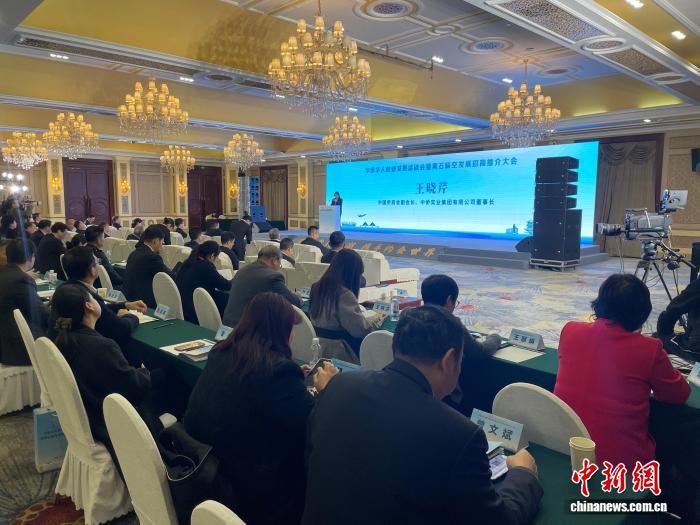
第二十五届华侨华人创业发展洽谈会暨黄石临空发展招商推介大会举行。 马芙蓉 摄 此次大会上,黄石聘请德国湖北社团联合会会长傅昕、欧洲湖北商会会长林鹏、东莞市侨商联合会会长 罗爱武等6人为海外"双招双引大使",助力黄石对接全球产业、资本、人才,拓宽招商引资渠道。 经过深入对接,大会达成签约项目35个,涉及跨境电商、新能源新材料、智能装备、低空经济、供应链 物流等领域,将为黄石临空经济高质量发展注入新动能。(完) 黄石市海外"双招双引大使"聘请仪式。 马芙蓉 摄 黄石紧邻湖北鄂州,距离亚洲首座专业货运机场——花湖国际机场最近直线距离仅8公里。近年来,黄 石借势规划布局临空商务产业园、临空跨境电商产业园、临空经济区等特色产业园区。今年,该市临空 产业产值有望突破千亿元。 本次活动以"磁湖邀约花湖,携手约会世界——奋力打造黄石临空产业和临空服务集聚区"为主题。其 间,与会代表实地考察了黄石临空商务产业园、未来科技城等重点项目。 俄罗斯华商企业协会副会长魏大鹏表示,黄石区位优势突出,消费潜力可观,投资前景广阔。此行,他 与黄石阳新县政府对接,计划在阳新仙岛湖引入水陆两用飞机、无人驾驶游船等,打造低空观光旅游水 上运动示范 ...
一LED相关企业启动上市辅导
Sou Hu Cai Jing· 2025-11-27 08:35
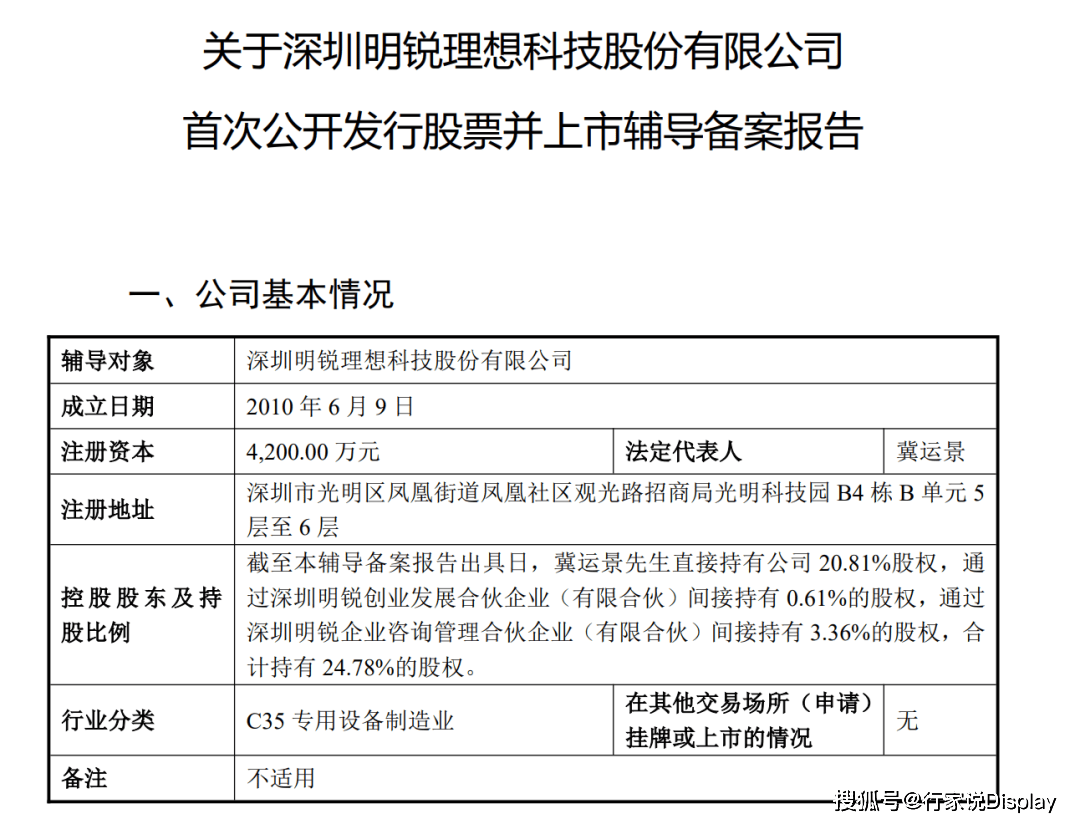
11月25日,证监会官网显示,深圳明锐理想科技股份有限公司(简称"明锐理想")在深圳证监局上市辅导备案,辅导机构为国泰海通。 股权结构上,辅导文件显示,截至本辅导备案报告出具日,冀运景直接持有明锐理想20.81%股权,通过深圳明锐创业发展合伙企业(有限合伙)间接持 有0.61%的股权,通过深圳明锐企业咨询管理合伙企业(有限合伙)间接持有3.36%的股权,合计持有24.78%的股权。 据行家说Display了解,明锐理想专注于工业视觉检测设备研发与生产,已推出电子制造领域 PCBA 板级组装、半导体芯片级封装环节的自动光学检查机 (AOI)、锡膏检查机(SPI)及 X 射线检查机(AXI)等核心产品。 其设备已广泛应用于计算机、通讯设备、汽车电子、智能手机、家用电器、半导体及 Mini LED 封装等多个领域,既满足消费电子产业链精密制造检测需 求,也覆盖半导体封装高端检测场景,形成适配智能制造与工业 4.0 发展趋势的多元化市场布局,产品亦适配新能源汽车电子部件、Mini LED 封装检测 等新兴赛道需求。 此次启动上市辅导,标志着明锐理想正式启动资本化进程。根据辅导规划,公司将借助资本市场融资渠道,进一步加 ...
打造智能制造“升级版” AI赋能汽车全产业链 生产线“变身”智造岛
Yang Shi Wang· 2025-11-27 08:29
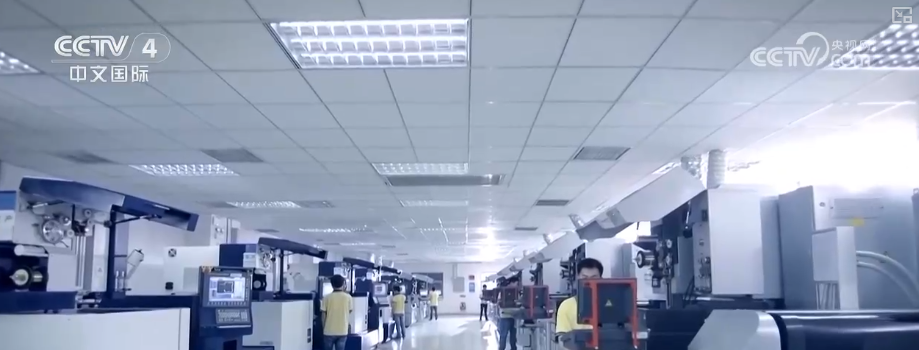
Core Viewpoint - The Ministry of Industry and Information Technology, along with five other departments, has officially announced the first batch of 15 leading intelligent factories in China, which represent the highest standards of intelligent manufacturing in the country and are expected to drive the transformation and upgrading of the entire manufacturing sector [1][4]. Group 1: Overview of Leading Intelligent Factories - The first batch of 15 leading intelligent factories spans key industries such as equipment manufacturing, raw materials, electronic information, and consumer goods, covering China's advantageous sectors and strategic emerging industries [4]. - These intelligent factories integrate new-generation information technology, advanced manufacturing technology, and lean management concepts, representing the pinnacle of intelligent manufacturing in China [4]. Group 2: Innovative Manufacturing Models - The leading intelligent factories are exploring future manufacturing models around different aspects such as research and development, production, management, and services, leading to the formation of new models like shared manufacturing, extreme manufacturing, and island manufacturing [6]. Group 3: Case Study of Intelligent Vehicle Manufacturing - An intelligent vehicle manufacturing company in Liuzhou, Guangxi, has transformed its traditional assembly line into intelligent manufacturing islands, allowing for flexible production line reconfiguration based on demand [7][10]. - The company has implemented a layout with three major island groups and 16 process islands, enabling a modular approach to vehicle assembly [9]. Group 4: Efficiency Improvements - The company has achieved a full-process intelligent transformation using big data and AI, reducing the product development cycle from 420 days to 240 days and the product introduction cycle from 40 days to 15 days, while improving manufacturing efficiency by 30% and reducing vehicle body workshop changeover time by 67% [15]. Group 5: Future Development Initiatives - Starting in 2024, the Ministry of Industry and Information Technology and six other departments will launch a gradient cultivation action for intelligent factories, establishing a four-level cultivation system (basic, advanced, excellent, and leading) to explore future manufacturing models and create global benchmarks [17]. - Currently, China has over 7,000 advanced intelligent factories, with hundreds of factories reporting an average reduction of 29% in product development cycles, a nearly 22% increase in production efficiency, and a 20% reduction in carbon emissions after upgrades [19].
视频|涵盖装备制造等关键行业 我国首批15家领航级智能工厂名单公布
Yang Shi Xin Wen Ke Hu Duan· 2025-11-27 07:19
Core Insights - The Ministry of Industry and Information Technology, along with five other departments, has officially announced the first batch of leading intelligent factories in China, marking a significant transition from digitalization and networking to intelligence in manufacturing [2] Group 1: Intelligent Factory Announcement - A total of 15 leading intelligent factories have been recognized, spanning key industries such as equipment manufacturing, raw materials, electronic information, and consumer goods [2] - These intelligent factories integrate new-generation information technology, advanced manufacturing technology, and lean management concepts, representing the highest standards of intelligent manufacturing in China [2] Group 2: List of Recognized Factories - The recognized factories include: - Baoshan Iron & Steel Co., Ltd. - High-end green silicon steel predictive manufacturing intelligent factory, Shanghai - Shanghai Aerospace Equipment Manufacturing Co., Ltd. - High-reliability large-scale aerospace product full-process intelligent factory, Shanghai - Xuzhou Heavy Machinery Co., Ltd. - Global customized agile delivery mobile crane intelligent factory, Jiangsu - Nanjing Steel Co., Ltd. - Deeply collaborative special steel personalized customization intelligent factory, Jiangsu - Sinopec Zhenhai Refining & Chemical Company - Self-executing green petrochemical intelligent factory based on global optimization, Zhejiang - Hikvision Digital Technology Co., Ltd. - Large-scale personalized customization intelligent factory for IoT perception products, Zhejiang - Weichai Power Co., Ltd. - High-end engine intelligent factory based on digital and lean models, Shandong - Qingdao Haier Central Air Conditioning Co., Ltd. - Central air conditioning full-process customized service and smart integration intelligent factory, Shandong - Yangtze Optical Fibre and Cable Joint Stock Limited Company - Integrated intelligent factory for extreme process rod and cable, Hubei - Wuhan BOE Optoelectronics Technology Co., Ltd. - 10.5 generation liquid crystal panel intelligent factory driven by extreme efficiency, Hubei - Zoomlion Heavy Industry Science and Technology Co., Ltd. - Excavator shared manufacturing intelligent factory, Hunan - Gree Electric Appliances (Zhuhai Jinwan) Co., Ltd. - Full value chain collaborative air conditioning intelligent factory, Guangdong - SAIC-GM-Wuling Automobile Co., Ltd. - Automotive island-style intelligent factory based on process decoupling and production line reconstruction, Guangxi - CNOOC (China) Limited Hainan Branch - "Deep Sea No. 1" smart gas field with full business twin optimization, Hainan - Chengdu Aircraft Industrial (Group) Co., Ltd. - Flexible agile intelligent factory for advanced aviation equipment, Sichuan [3] Group 3: Progress in Intelligent Factory Construction - As of now, over 7,000 advanced intelligent factories have been established in China, with hundreds undergoing upgrades [3] - The average product development cycle has been shortened by 29%, production efficiency has increased by nearly 22%, and carbon emissions have been reduced by approximately 20% following the transformation of intelligent factories [3]
京东第六家上市!工业子公司盈利7.6亿,刘强东的产业野心藏不住
Sou Hu Cai Jing· 2025-11-27 06:26
Core Viewpoint - JD Industrial has successfully passed the listing hearing, marking it as the sixth company under the JD Group, following JD.com, JD Health, JD Logistics, Dada Group, and Wanwu Xingsheng [1] Group 1: Financial Performance - JD Industrial reported a revenue of 14.135 billion in 2022 with a loss of 1.269 billion, but turned a profit of 4.8 million in 2023, and is projected to achieve a revenue of 20.398 billion and a net profit of 7.62 billion in 2024 [9] - The turnaround from a loss of 1.2 billion to a profit of 7.6 billion is notable in the industrial e-commerce sector [11] Group 2: Business Model - The core business model of JD Industrial is based on a "platform + self-operated + logistics" strategy, with self-operated revenue accounting for 94% in 2024 [11] - JD Industrial operates eight warehousing and distribution centers across China, enabling next-day delivery for MRO products [13] - The company has developed a digital procurement system called "Taipu," which has helped clients reduce inventory costs by 15%-20% [16] Group 3: Market Context - The MRO market in China is projected to reach 2.8 trillion in 2024, with a digital penetration rate of less than 10%, indicating significant growth potential [20] - JD Industrial's approach differs from competitors like Alibaba's 1688 and Zhenkunhang, combining self-operated and platform elements to maintain quality and efficiency [18] Group 4: Challenges and Future Plans - JD Industrial relies heavily on the JD Group, with 39.7% of its revenue coming from it in 2024, raising concerns about its independence [24] - The gross margin for JD Industrial is 18.6%, significantly lower than international competitors like Guden, which achieves 39.36% [27] - Future growth strategies include offering SaaS procurement management tools to SMEs and expanding into Southeast Asia by 2026 [35]
