全国统一大市场

Search documents
营商环境持续优化,有效激发企业活力—— “十四五”以来我国企业净增近2000万户
Ren Min Ri Bao Hai Wai Ban· 2025-08-24 01:42
Core Insights - The article highlights the achievements in market regulation during the "14th Five-Year Plan" period, emphasizing the balance between regulatory compliance and promoting development [1][2][3][4] Group 1: Market Environment - The number of new enterprises increased by 19.99 million, and individual businesses rose by 33.946 million during the "14th Five-Year Plan" [1] - The efficiency of business operations improved significantly, with the time to open a restaurant reduced from 37 days to 15 days, and the number of documents required for business information changes decreased from 23 to 6 [1] Group 2: Regulatory Framework - A series of laws and regulations were revised, including the Company Law and Anti-Monopoly Law, with 4.832 million cases of violations addressed in various sectors [2] - The national enterprise credit index increased from 128.6 in 2020 to 161.61 in the first half of 2025, reflecting enhanced compliance capabilities among businesses [2] Group 3: Market Circulation - The introduction of the Fair Competition Review Regulations established strict constraints against harmful competition and local protectionism [3] - A total of 4,218 policies that hindered resource flow were abolished, and 239 cases of administrative monopoly were addressed [3] Group 4: Quality Improvement - The implementation of the Quality Strong Country Construction Outline and the National Standardization Development Outline has strengthened the macro quality policy framework [3] - The manufacturing quality competitiveness index reached 85.86, while satisfaction levels for service quality improved to 81.33 and 81.62 [3] Group 5: Safety Regulation - Food safety oversight was enhanced, with 2.2604 million food safety cases investigated, and the drug inspection pass rate maintained above 99.4% [4] - The management of high-risk products was strengthened, with 22,000 batches of non-compliant products identified and dealt with [4]
努力营造公平、活力、放心市场环境 “十四五”以来我国企业净增1999.9万户
Jing Ji Ri Bao· 2025-08-22 22:11
Core Insights - The State Administration for Market Regulation (SAMR) highlighted achievements in high-quality market regulation during the "14th Five-Year Plan" period, emphasizing the improvement of various indices such as the enterprise credit index and manufacturing quality competitiveness index [1][2]. Group 1: Market Regulation Achievements - The enterprise credit index increased from 128.6 in 2020 to 161.61 in the first half of 2025, while the manufacturing quality competitiveness index reached 85.86, and public service quality satisfaction improved to 81.62 [1]. - A series of legal reforms, including the first major revision of the Anti-Monopoly Law in 15 years, were implemented to enhance market competition and eliminate local protectionism [2][3]. Group 2: Anti-Competition Measures - The SAMR reviewed 42,200 important policy measures during the "14th Five-Year Plan," proposing amendments to 11,400 of them to prevent policies that could hinder the construction of a unified national market [3]. - The agency took action against 239 cases of administrative monopoly and cleared over 8,000 local standards to combat closed "small markets" and self-contained "small circulations" [3]. Group 3: Business Environment Optimization - The SAMR has streamlined market entry processes, reducing the time to open a restaurant from 37 days to 15 days and cutting the number of required documents for business registration from 23 to 6 [4]. - The electronic business license has been downloaded 370 million times and used over 600 million times, facilitating business operations [4]. Group 4: Food Safety Oversight - During the "14th Five-Year Plan," the SAMR handled 2.2604 million food safety cases and revoked 3,072 licenses, focusing on preventing food safety risks through comprehensive regulation [7]. - The agency is enhancing compliance guidance for platform enterprises and developing regulatory frameworks for new consumption scenarios like online shopping and food delivery [7].
“十四五”以来我国企业净增近2000万户
Ren Min Ri Bao· 2025-08-22 20:17
Group 1 - The core viewpoint of the article emphasizes the achievements in high-quality market regulation during the "14th Five-Year Plan" period, highlighting the balance between regulation and development to foster a vibrant and fair market environment [1] - The number of new enterprises increased by 19.99 million, and individual businesses rose by 33.946 million during the "14th Five-Year Plan" period, indicating a significant improvement in the business environment [1] - The efficiency of business operations has improved, with the time to set up a restaurant reduced from 37 days to 15 days, and the number of required documents for business information changes reduced from 23 to 6 [1] Group 2 - The market operation has become more standardized, with 4.832 million cases of violations in areas such as consumer rights protection and anti-competitive practices being addressed [2] - The enterprise credit index increased from 128.6 in 2020 to 161.61 in the first half of 2025, reflecting enhanced compliance capabilities among business entities [2] - The introduction of the "Fair Competition Review Regulations" aims to eliminate harmful competition and promote a unified national market [3] Group 3 - Quality levels have significantly improved, with the manufacturing quality competitiveness index reaching 85.86, and public service quality satisfaction at 81.62 [3] - A total of 4,271 key projects were implemented to address quality issues, and 23,72 one-stop service stations for quality infrastructure were established [3] - Food safety supervision has been strengthened, with 2.2604 million food safety cases investigated, and a drug inspection pass rate maintained above 99.4% [4] Group 4 - The overall safety situation has stabilized, with 220,000 batches of non-compliant products identified and dealt with, and a focus on high-risk product management [4] - The market system has been continuously improved, with a commitment to enhancing market order and supporting high-quality economic and social development in the future [4]
李强:加快培育壮大服务消费、新型消费等新增长点
Sou Hu Cai Jing· 2025-08-22 14:44
Core Viewpoint - The meeting emphasized the need to consolidate and expand the positive momentum of economic recovery and strive to achieve the annual economic and social development goals set by the government [2][4]. Economic Performance - The Chinese economy has shown steady progress and achieved new results in high-quality development under the strong leadership of the central government [2][4]. - There is a recognition of both the achievements made and the challenges faced, including risks in economic operations and a complex external environment [2][4]. Policy Implementation - There is a call to enhance the effectiveness of macroeconomic policies, assess their implementation, and respond to market concerns to stabilize expectations [4][5]. - The focus is on strengthening domestic circulation to counter uncertainties in international circulation [4]. Consumer and Investment Growth - The government aims to stimulate consumer potential by removing restrictive measures in the consumption sector and fostering new growth points in service and new consumption [4]. - There is an emphasis on increasing effective investment, particularly in major projects that serve public needs and promote private investment [4]. Market and Real Estate - Measures will be taken to stabilize the real estate market and promote urban renewal, including the renovation of old housing [4]. - The construction of a unified national market is prioritized to unleash the benefits of a large-scale market [4]. Innovation and Employment - The meeting highlighted the importance of deepening reform and opening up to enhance development momentum, particularly through technological and industrial innovation [4]. - There is a commitment to stabilizing employment and improving livelihood services, focusing on disaster prevention and safety regulation [4]. Administrative Efficiency - Local governments are urged to improve administrative efficiency and optimize regulatory services to create favorable conditions for businesses and the public [5].

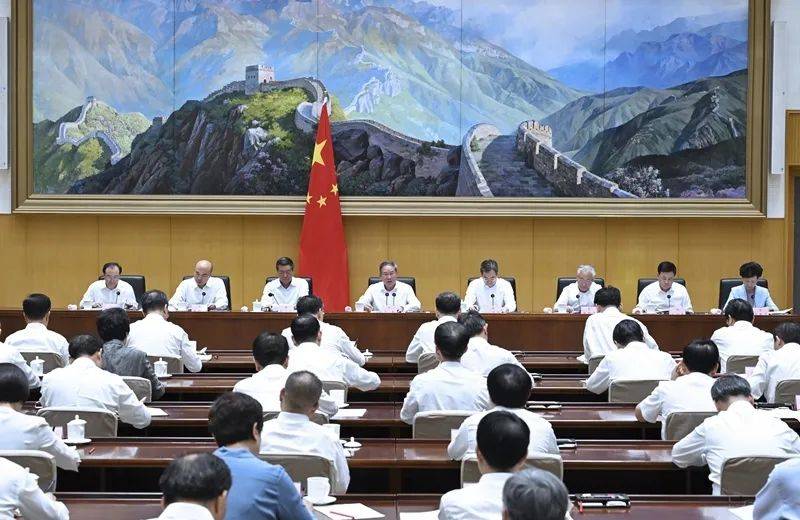
破除“内卷式”竞争 迈向高质量发展
Ren Min Ri Bao· 2025-08-22 09:17
Group 1: Core Insights - The article discusses the shift from "involution" competition to high-quality development in various industries, emphasizing the need for fair competition and innovation [1][2][7] - E-commerce platforms are adjusting their "refund only" policies to protect merchants' rights and promote a healthier consumption ecosystem, leading to a significant decrease in related disputes [3][4][6] - The focus is on transforming price competition into value creation, encouraging businesses to enhance product quality and innovate rather than engage in price wars [8][12] Group 2: Industry Changes - The adjustment of the "refund only" rule has resulted in a 60% decrease in related cases in Beijing's internet courts compared to the previous year, indicating a positive trend for merchants [3][6] - E-commerce platforms like Taobao and Douyin are implementing measures to support merchants and prevent price manipulation, fostering a more sustainable business environment [8][9] - The eyewear industry in Taizhou is transitioning from low-cost production to high-quality manufacturing, with companies investing in technology and innovation to improve efficiency and product quality [9][11][12] Group 3: Local Government Initiatives - Local governments are shifting from offering financial incentives to optimizing the business environment, focusing on service quality and regulatory compliance to attract businesses [13][15][19] - The city of Jiaozuo has implemented a systematic approach to track and support investment projects, enhancing collaboration among various government departments [16][19] - The introduction of specialized talent for investment promotion has led to significant project signings and a more effective approach to attracting quality enterprises [17][19]
“三只羊”“东北雨姐”等被点名,国家市场监管总局最新发声
Mei Ri Jing Ji Xin Wen· 2025-08-22 07:38
Core Viewpoint - The State Administration for Market Regulation (SAMR) has made significant progress in promoting high-quality development during the "14th Five-Year Plan" period, focusing on building a unified national market and eliminating local protectionism and market monopolies [1][3][4]. Group 1: Measures Taken by SAMR - SAMR has initiated special enforcement actions to curb the abuse of administrative power, resulting in the investigation of 239 administrative monopoly cases and the elimination of over 8,000 local standards [1][5]. - The agency has revised the Anti-Monopoly Law for the first time in 15 years and has updated the Anti-Unfair Competition Law to strengthen the legal basis for competition policy [3][4]. - SAMR has established a comprehensive review mechanism for fair competition, scrutinizing 42,200 important policy measures and providing feedback on 11,400 of them to prevent policies detrimental to the unified national market [4][5]. Group 2: Focus on Key Areas - The agency has intensified monitoring and assessment of monopoly risks in key sectors, particularly in the platform economy, to prevent disorderly competition [4][7]. - SAMR has conducted special enforcement actions in the livelihood sector, addressing monopolistic practices in pharmaceuticals, water supply, gas, and construction materials, effectively reducing public living costs [4][5]. - The agency has reviewed 3,400 cases of operator concentration and penalized 145 cases of illegal concentration, thereby maintaining fair competition in the market [4][5]. Group 3: Platform Economy Regulation - SAMR is balancing regulation and promotion in the platform economy, addressing issues like algorithm abuse and unfair competition while fostering healthy industry development [7][8]. - The agency has implemented various regulations to enhance enforcement efficiency, including the "Network Transaction Supervision Management Measures" and guidelines for anti-monopoly in the platform economy [7][8]. - SAMR has taken strong actions against online market irregularities, removing 4.541 million pieces of illegal product information and shutting down 58,000 non-compliant online stores [8].
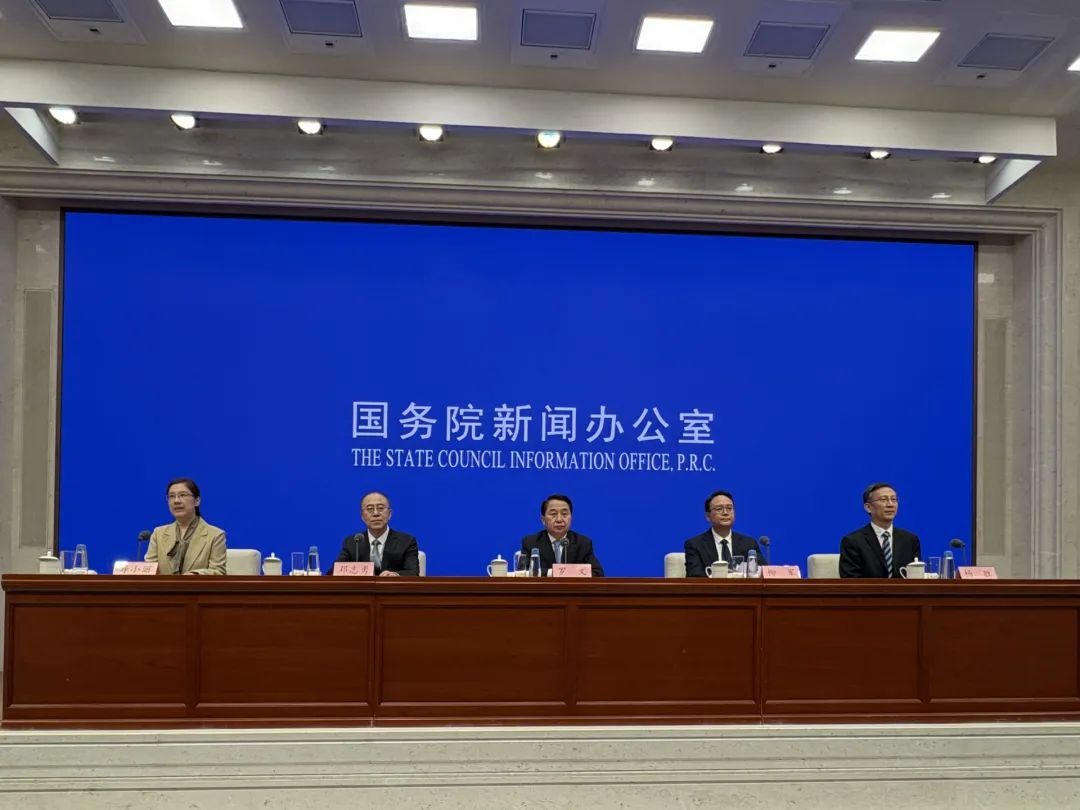
“三只羊”“东北雨姐”等被点名!国家市场监管总局:督促平台全面取消“仅退款”等不合理限制,立案查处行政性垄断案件239件……
Mei Ri Jing Ji Xin Wen· 2025-08-22 07:37
Core Viewpoint - The Chinese government is focusing on high-quality development of market regulation during the "14th Five-Year Plan" period, emphasizing the construction of a unified national market to enhance domestic circulation and competition [2][4][7]. Group 1: Measures for Building a Unified National Market - The State Administration for Market Regulation has initiated actions to curb the abuse of administrative power and eliminate competition restrictions, resulting in 239 cases of administrative monopoly being investigated and over 8,000 local standards being cleared [2][6]. - The revision of the Anti-Monopoly Law and the third amendment of the Anti-Unfair Competition Law have been implemented to strengthen the legal framework for competition policy, adapting to new market conditions [4][6]. - A comprehensive review mechanism for fair competition has been established, scrutinizing 42,200 important policy measures and proposing amendments to 11,400 of them to prevent policies detrimental to the unified market [6]. Group 2: Anti-Monopoly and Competition Enforcement - Continuous enforcement actions in the public welfare sector have been undertaken, addressing monopolistic practices in pharmaceuticals, utilities, and construction materials, effectively reducing living costs for the public [5][6]. - The market regulation authority has reviewed 3,400 cases of operator concentration and penalized 145 cases of illegal concentration, maintaining fair competition in the market [5][6]. Group 3: Regulation of Platform Economy - The rapid development of the platform economy has prompted the need for balanced regulation, with new rules established to enhance regulatory efficiency and clarify competition rules in the sector [8][9]. - Significant actions have been taken against online market irregularities, including the removal of 4.541 million illegal product listings and the investigation of 105,000 internet-related cases [9]. - The market regulation authority is committed to promoting compliance among platform enterprises and enhancing communication with various stakeholders to foster a healthier market environment [9].
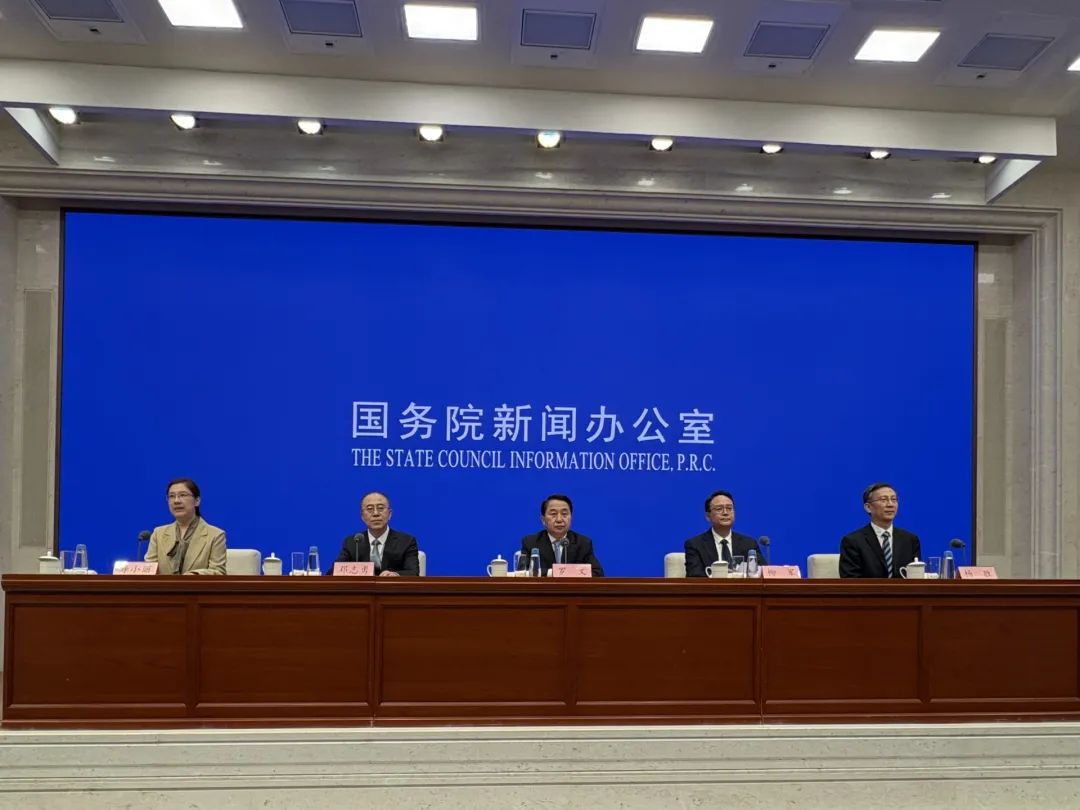
向海图强 宁波“海上鲜” 领航数字海洋经济新赛道
Cai Jing Wang· 2025-08-22 07:30
8月5日,东海开渔季旌旗猎猎,千艘渔船扬帆竞发,新鲜海味即将涌入市场。值此海洋产业活力迸发之际,宁波海上鲜信息技术股份有限公司(以下简 称"海上鲜")正以数字技术深度赋能传统渔业产业链条,成为推动海洋渔业经济高质量数字化发展的先锋力量。 2025年7月1日,中央财经委员会第六次会议明确提出,要纵深推进全国统一大市场建设,推动海洋经济向高质量发展迈进。这一国家战略导向与"海上鲜"的 长期实践高度契合。作为一家深耕海洋数字化的国家专精特新"小巨人"企业、国家级高新技术企业,"海上鲜"依托"卫星+互联网+渔业"的创新模式,积极推 进海洋渔业智慧生态圈建设,并有望在国家海洋经济战略下,率先成为国内海洋经济平台型企业的成功范式。 从宁波启航,业务已覆盖全国主要沿海渔港,"海上鲜"不仅实现了业务的规模化与可持续盈利,更通过持续的技术迭代与模式创新,为突破数字海洋经济发 展瓶颈提供了可复制推广的系统化解决方案。 "海上鲜"——科技驱动的数字化渔业服务商 "海上鲜"成立于2015年,创始人兼董事长叶宁系国家重点人才计划专家。作为深耕海洋经济数字化的先行者,叶宁先生始终致力于通过科技创新驱动传统渔 业转型升级,服务乡村渔业振兴 ...
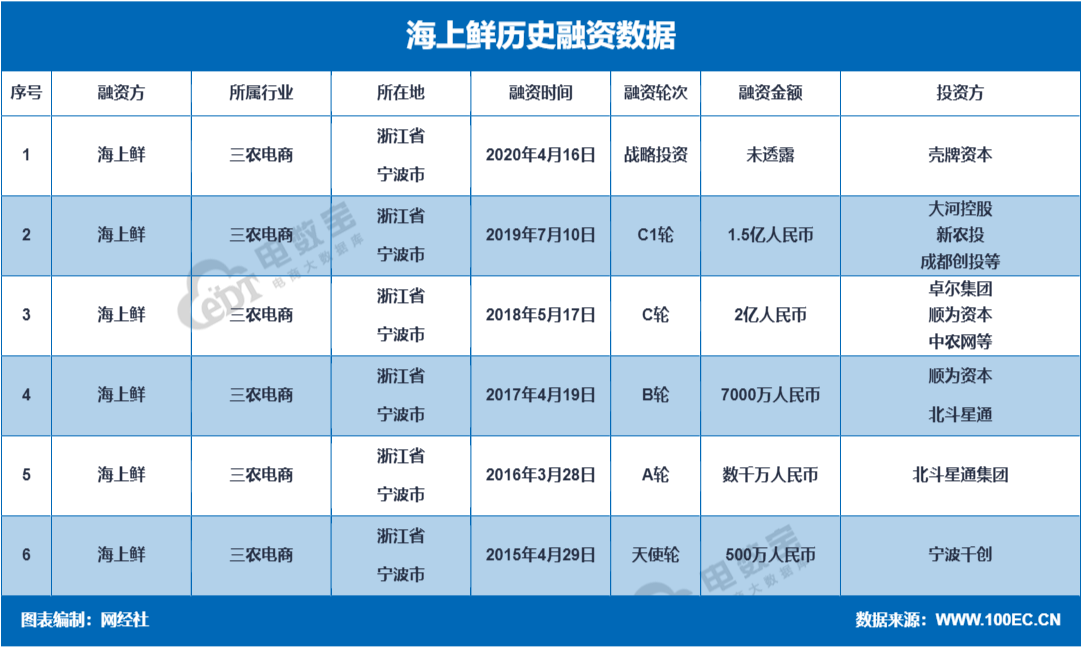
“十四五”以来,我国企业净增近2000万户
Zhong Guo Zheng Quan Bao· 2025-08-22 06:04
国家药品监督管理局大力促进中药传承创新发展,着力构建中医药理论、人用经验、临床试验相结合的 中药审评证据体系,中药新药批准的数量快速增长,"十四五"以来批准中药创新药27个。加快儿童用 药、罕见病药品上市速度,"十四五"以来,共批准387个儿童药品、147个罕见病药品上市,有效满足重 点人群的用药需求。 国家市场监督管理总局副局长柳军提到,"十四五"期间,市场监管总局推动强化全链条监管,严防各类 风险,严守安全底线,全国食品安全形势总体平稳。 建设好全国统一大市场 对于建设全国统一大市场,罗文在会上提到,我国市场规模庞大、发展空间广阔,这是我国经济发展的 一个突出优势。发挥好这个优势,需要大力破除地方保护、及时防止和制止市场垄断,维护好、建设好 全国统一大市场。经过五年来的不懈努力,在畅通和做强国内大循环方面形成了一系列有效的保障机 制,消除了一系列制约要素资源流动的堵点卡点。 8月22日,国务院新闻办公室举行"高质量完成'十四五'规划"系列主题新闻发布会,介绍"十四五"时期市 场监管高质量发展成就。 市场监管总局局长罗文在会上表示,"十四五"以来,我国企业净增1999.9万户,个体工商户净增3394.6 万 ...
破除“内卷式”竞争 迈向高质量发展(人民眼·建设全国统一大市场)——纵深推进全国统一大市场建设观察之三
Xin Lang Cai Jing· 2025-08-22 03:44
Group 1: E-commerce Industry Changes - Major e-commerce platforms have adjusted the "refund without return" policy to protect merchants' rights and promote a healthier consumption ecosystem [7][9][11] - The number of cases related to "refund without return" has decreased by over 60% compared to the same period last year, indicating a positive shift in consumer behavior [8] - The adjustment of the "refund without return" rule has led to a 30% reduction in total refunds on platforms like Taobao and Tmall [11] Group 2: Innovation in the Eyewear Industry - The eyewear manufacturing sector in Taizhou, Zhejiang, has seen a transformation from low-cost competition to value creation through innovation and technology [7][14] - The introduction of advanced machinery has increased production efficiency by 8 times, allowing companies to improve product quality without engaging in price wars [14][16] - The establishment of a high-standard entrepreneurial park has facilitated collaboration among over 100 eyewear companies, enhancing supply chain efficiency and reducing costs [15] Group 3: Local Government and Investment Strategies - Local governments are shifting from offering tax incentives to optimizing the business environment to attract quality enterprises [17][19] - The focus is now on service quality and effective governance rather than merely competing on financial incentives [20][24] - The implementation of a specialized recruitment strategy for investment promotion has led to the successful attraction of numerous projects, with a total signed amount of 87 billion yuan [24]