不正当竞争

Search documents
东方甄选起诉同名农业公司不正当竞争!背后疑似涉及一律师合伙人?
21世纪经济报道· 2025-05-16 09:38
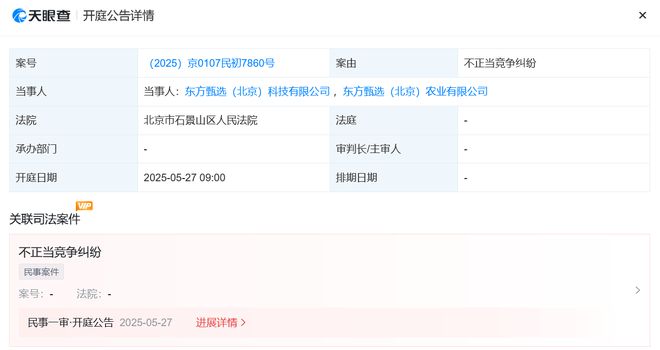
作 者丨尹华禄 编 辑丨吴桂兴 遭遇碰瓷?东方甄选(0 1 7 9 7 .HK)拟起诉同名农业公司。 天眼查显示,近日,东方甄选(北京)科技有限公司(即"东方甄选")与东方甄选(北京) 农 业 有 限 公 司 就 不 正 当 竞 争 纠 纷 案 件 新 增 开 庭 公 告 , 原 告 为 东 方 甄 选 ( 北 京 ) 科 技 有 限 公 司,该案件将于5月2 7日在北京市石景山区人民法院开庭审理。 南财快讯记者了解到,《中华人民共和国反不正当竞争法》第六条第二项显示,经营者不得 擅 自 使 用 他 人 有 一 定 影 响 的 企 业 名 称 ( 包 括 简 称 、 字 号 等 ) 、 社 会 组 织 名 称 ( 包 括 简 称 等)、姓名(包括笔名、艺名、译名等)。 据 浙 江 佑 平 律 师 事 务 所 介 绍 , 如 果 被 任 用 名 字 的 企 业 属 于 知 名 公 司 或 者 有 一 定 影 响 力 的 公 司,那么被用了企业名称,是完全符合反不正当竞争法的禁止条款,属于侵权。 | 案号 | (2025) 京0107民初7860号 | 案由 | 不正当竞争纠纷 | | --- | --- | - ...

东方甄选起诉同名农业公司不正当竞争!背后疑似涉及一律师合伙人?
2 1 Shi Ji Jing Ji Bao Dao· 2025-05-16 04:31
遭遇碰瓷?东方甄选(01797.HK)拟起诉同名农业公司。 天眼查显示,近日,东方甄选(北京)科技有限公司(即"东方甄选")与东方甄选(北京)农业有限公 司就不正当竞争纠纷案件新增开庭公告,原告为东方甄选(北京)科技有限公司,该案件将于5月27日 在北京市石景山区人民法院开庭审理。 南财快讯记者了解到,《中华人民共和国反不正当竞争法》第六条第二项显示,经营者不得擅自使用他 人有一定影响的企业名称(包括简称、字号等)、社会组织名称(包括简称等)、姓名(包括笔名、艺 名、译名等)。 据浙江佑平律师事务所介绍,如果被任用名字的企业属于知名公司或者有一定影响力的公司,那么被用 了企业名称,是完全符合反不正当竞争法的禁止条款,属于侵权。 被告东方甄选(北京)农业有限公司成立于2022年7月,注册资本2万元,法定代表人为冉飞龙,经营范 围包括谷物种植、农业科学研究和试验发展、新鲜水果零售、新鲜水果批发等。 该公司目前由东方思路(海南)科技有限公司全资持股,系中银金矿(海南)投资集团有限公司的孙公 司,股权穿透显示,冉彬、冉冉为最终出资人,持股比例为90%、10%。 据了解,该律所创立于2002年,是经北京市司法局依法批准 ...
【世相百态】 商标不能搞成文字游戏
Zheng Quan Shi Bao· 2025-05-15 19:27
Core Viewpoint - The article highlights the deceptive practices of businesses using misleading trademarks that confuse consumers and undermine fair trade principles [1][2][3] Group 1: Misleading Trademarks - Businesses are registering descriptive terms as trademarks and combining them with product names, creating confusion for consumers [2] - These "clever trademarks" exploit information asymmetry, leading to consumer deception and violation of consumer rights [2] - The use of misleading trademarks disrupts market order and creates an environment where dishonest practices thrive, pushing out honest competitors [2] Group 2: Legal and Regulatory Concerns - The article emphasizes the need for stricter regulations to prevent the registration of deceptive trademarks that mislead the public about product quality or origin [3] - It suggests that trademark examination should extend to actual usage scenarios, requiring applicants to submit packaging designs for review [3] - There is a call for a reward mechanism for reporting trademark infringements to encourage consumer participation in monitoring [3] Group 3: Ethical Business Practices - Trademarks should serve as a promise of quality rather than a tool for deception [3] - Businesses are urged to operate with integrity, providing accurate product information instead of manipulating trademarks for unfair gain [3]
一财社论:市场竞争要有边界和底线,治理“内卷”需多管齐下
Di Yi Cai Jing· 2025-05-15 14:11
Group 1 - The core viewpoint emphasizes the need for healthy competition in the market, moving away from harmful practices like "involution" and excessive price competition [1][2][3] - The recent discussions among various government departments highlight the importance of companies adhering to their social responsibilities and maintaining fair competition to protect consumer rights and promote a healthy market environment [1][3][5] - The call for innovation and improvement in product quality by leading companies is crucial for enhancing competitiveness and resilience in the industry [1][3] Group 2 - The necessity for strengthening legal frameworks related to fair competition is underscored, with ongoing revisions to laws such as the Anti-Unfair Competition Law and the Anti-Monopoly Law [4] - The 2025 legislative plan indicates a focus on enhancing regulations in key and emerging sectors to ensure effective supervision and penalties for unfair competition practices [4] - The emphasis on industry associations to promote self-regulation and compliance among their members is seen as a vital step towards maintaining market order [5][6] Group 3 - Companies are encouraged to adopt ESG reporting practices to demonstrate their progress in environmental, social, and governance areas, fostering accountability and transparency [6] - The current complex international economic landscape necessitates a stronger emphasis on regulating competition to encourage fair and legitimate practices while avoiding detrimental competition [6]
“全典牛奶”“橙果粒”……这些山寨食品的坑你踩过吗?
Zhong Guo Xin Wen Wang· 2025-05-14 02:32
Core Viewpoint - The rise of counterfeit food products has expanded beyond traditional rural markets, leveraging online shopping and delivery platforms to mislead consumers with similar packaging and low prices [1][2]. Group 1: Market Dynamics - Counterfeit food products have transitioned from rural markets to online platforms, utilizing promotional tactics such as bundling with meals and misleading names to attract consumers [2]. - Social media has become a platform for consumers to share experiences of purchasing counterfeit products, highlighting the deceptive nature of these goods [2]. Group 2: Legal and Regulatory Challenges - Counterfeit food products exist in a legal gray area, often infringing on consumer rights while appearing to be legally registered businesses [3]. - The definition of "similar or nearly similar" in the context of trademark infringement remains unclear, complicating enforcement efforts [3]. - Enforcement against counterfeiters is often inadequate, with penalties such as fines being minimal compared to the profits gained from selling counterfeit goods [3]. Group 3: Regulatory Actions and Recommendations - The National Market Supervision Administration has initiated a special campaign targeting counterfeit food in rural markets, focusing on issues like raw material contamination and misleading advertising [4]. - Experts recommend increasing penalties for food counterfeiters and implementing stricter entry standards for online and delivery platforms [4]. - There is a call for enhanced consumer awareness regarding the dangers of counterfeit food, alongside the establishment of third-party food traceability platforms to ensure product accountability [4].
海淀法院审结涉互联网医疗平台数据搬运案,认定构成不正当竞争
Xin Jing Bao· 2025-05-13 02:53
Core Viewpoint - The Beijing Haidian District People's Court ruled that Ocean Company engaged in unfair competition by extensively scraping and transferring data from Era Company, ordering Ocean Company to eliminate the impact and compensate Era Company with 2 million yuan in economic losses and 300,000 yuan in reasonable expenses [1][3]. Group 1: Case Background - Era Company operates a leading internet medical platform, accumulating significant data related to diagnosis and treatment over years of operation [1]. - Ocean Company operates a competing platform and is accused of scraping patient reviews and medical articles from Era Company's platform [1][2]. Group 2: Legal Arguments - Era Company claims that Ocean Company's actions violate business ethics and harm its competitive advantage, resulting in severe economic losses [1][2]. - Ocean Company argues that its platform operates in a different segment of the internet medical field, asserting that there is no competitive relationship and that the data belongs to users [2]. Group 3: Court's Findings - The court found that both companies operate in the same internet medical field, targeting overlapping user groups and services, thus establishing a competitive relationship [2]. - The court ruled that Era Company has legitimate rights to the user-generated content it collects and organizes, which is protected under anti-unfair competition laws [2][3]. Group 4: Outcome - The court determined that Ocean Company's actions constituted unfair competition, as it gained competitive advantages without investment or costs, violating principles of good faith and disrupting market order [3]. - After the ruling, Ocean Company appealed, but the second-instance court upheld the original judgment, which is now effective [4].
凭什么不能叫“胖都来”?
Xin Lang Cai Jing· 2025-05-07 07:15
Core Viewpoint - The opening of "Pandu Lai" in Jiaxing, Zhejiang, raises questions about brand name similarity to the established "Pang Dong Lai," leading to potential legal and consumer perception issues [1][2]. Group 1: Brand Name Similarity - "Pandu Lai" has a name that closely resembles "Pang Dong Lai," which may cause consumer confusion and is subject to legal scrutiny under regulations that prevent unfair competition [1]. - The registration process for business names requires local authorities to ensure that new names do not infringe on existing brands, but the criteria for "similarity" can be ambiguous [1][2]. Group 2: Legal Actions and Consumer Perception - Following the opening, "Pang Dong Lai" has initiated legal actions, including sending a lawyer's letter and preparing for potential administrative review or litigation against "Pandu Lai" [2]. - Regardless of the legal outcome, "Pandu Lai" may struggle to win consumer trust due to the negative associations with being perceived as a "copycat" brand [2]. Group 3: Brand Building vs. Name Mimicking - The article emphasizes that successful brands like "Pang Dong Lai" focus on service quality and customer satisfaction rather than relying on name similarity for recognition [3]. - Companies are encouraged to invest in genuine brand development rather than seeking short-term gains through name imitation, as consumers are likely to see through such tactics [3].
关于商场的命名问题,浙江“胖都来”商场负责人最新回应!
Mei Ri Jing Ji Xin Wen· 2025-05-05 13:57
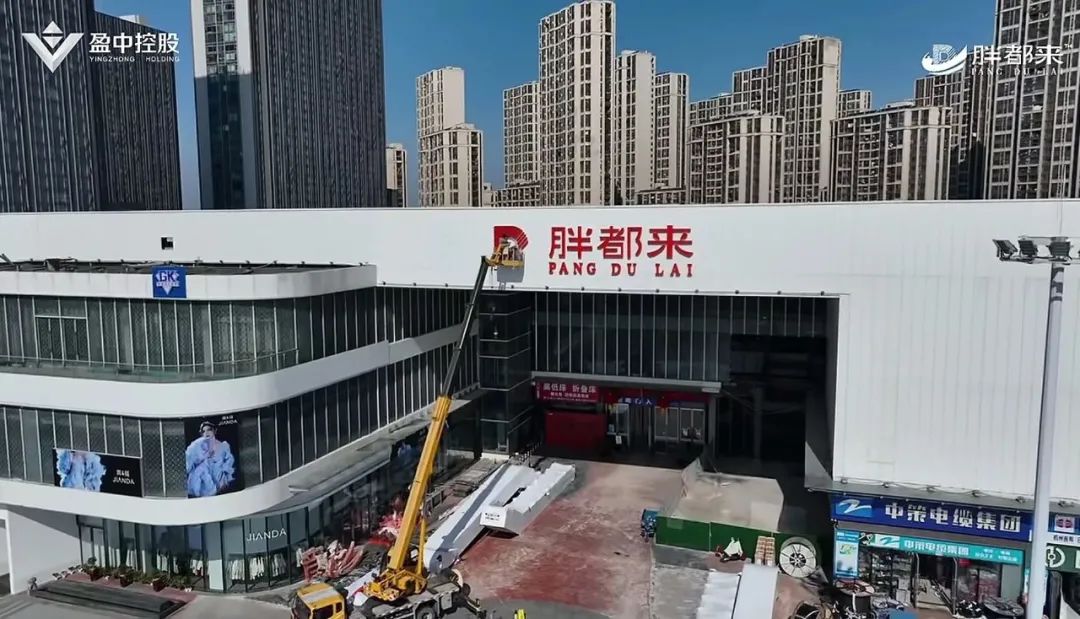
Core Viewpoint - The opening of a new shopping mall named "胖都来" in Zhejiang has sparked controversy due to its similarity to the well-known brand "胖东来," leading to accusations of trademark infringement and consumer confusion [1][4]. Group 1: Mall Overview - The "胖都来" shopping mall covers a significant area with two sections, A and B, and primarily sells clothing and daily necessities sourced directly from nearby factories, allowing for competitive pricing [2]. - The mall's total property scale is approximately 300,000 cubic meters, including a 50,000 cubic meter experiential shopping center, a 30,000 cubic meter exhibition center, and a 20,000 cubic meter live streaming base. A second phase of 30,000 square meters for a smart commercial complex is expected to open in October [2]. Group 2: Trademark Controversy - The "胖东来" brand has officially responded to the naming of "胖都来," stating that they have filed a complaint with local market supervision authorities and sent a lawyer's letter to "胖都来" [3][4]. - Legal experts suggest that the name "胖都来" may constitute trademark infringement and unfair competition due to its close resemblance to "胖东来," which could confuse consumers regarding the relationship between the two entities [4].
外媒:涉嫌虚假广告、不正当竞争 任天堂起诉配件制造商 Genki
Huan Qiu Wang· 2025-05-04 02:10
Core Viewpoint - Nintendo is suing accessory manufacturer Genki for allegedly revealing details about the Switch 2 console before its official release, claiming trademark infringement, false advertising, and unfair competition [1][3][4] Group 1: Legal Actions - Nintendo has filed a lawsuit against Genki, accusing the company of trademark infringement, false advertising, and unfair competition related to its planned sales of accessory products for the Switch 2 [1][3] - The lawsuit was prompted by Genki's claims of having a "replica" of the Switch 2 before its official announcement, which included features consistent with leaked information about the console [3][4] Group 2: Events Leading to the Lawsuit - In January, during CES 2025, Genki made headlines by claiming to have a physical replica of the Switch 2, which led to a confrontation between Nintendo's legal team and Genki at the event [3] - Following discussions with Nintendo, Genki closed its booth at CES just before the event concluded [3] Group 3: Specific Allegations - Nintendo alleges that Genki's CEO Eddie Tsai engaged in actions on social media that infringed on Nintendo's trademark rights, particularly in promoting Switch 2 accessories [4] - The lawsuit highlights that Genki released a promotional video on April 2, coinciding with Nintendo's announcement of the Switch 2's release date, which Nintendo claims was a deliberate act of false advertising [4]

“胖都来”开业,现场有知名明星参与,员工:没有刻意模仿!胖东来:已发律师函
新浪财经· 2025-05-04 02:08
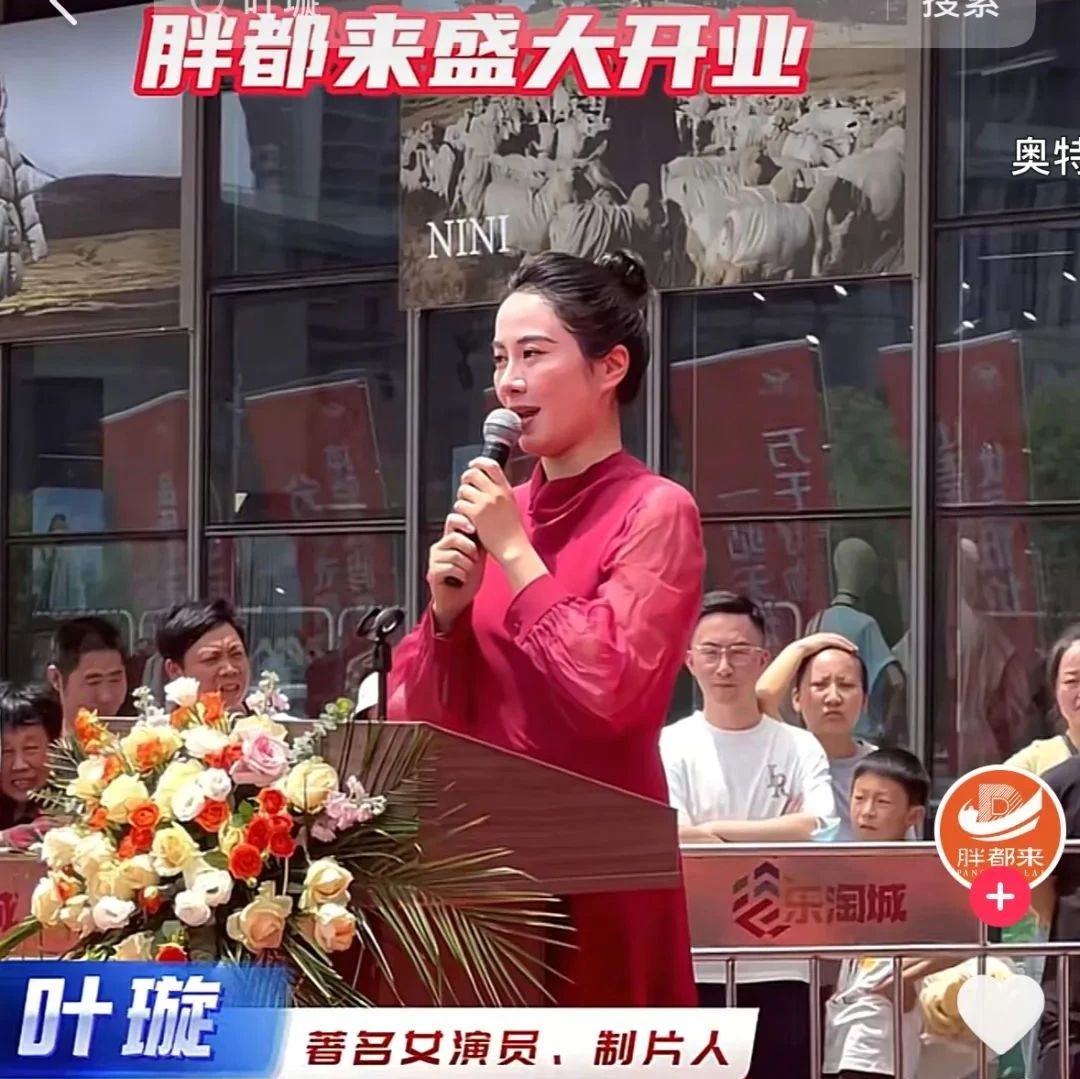
5月2日晚间,"胖东来向胖都来寄律师函"话题一度登上微博热搜第二位。 浙江胖都来卖场开业 活动现场有女明星参与 5月1日,浙江胖都来卖场在其账号发布了开业视频,活动现场有女明星参与。该账号此前发布的视频中,也有多位明星艺人送上祝福。主页信 息显示,该卖场位于嘉兴市海宁市,地理位置接近杭州市。 5月1日,浙江嘉兴一家名为胖都来的卖场举办开业活动。因其名称与品牌胖东来相似,引发争议。2日,胖东来方面回应称,已经取证并向对方 邮寄律师函。 PANG D U LAI YINGZHONG HOLDIN 搜索 奧特 著名艾演员、制片人 咱们这个胖都来 764 不少网友直言胖都来"东施效颦""山寨的味道"。 浙江胖都来卖场开业(截图自卖场社交账号视频) 浙江胖都来卖场(截图自卖场社交账号视频) 胖东来:已发律师函 胖都来工作人员:没有刻意模仿 有网友发现,胖东来账号留言称,感谢大家对胖东来的关注和反馈,关于"胖都来",他们已经取证并向市场监督管理局提交投诉书,也给"胖都 来"公司成功邮寄了律师函。 胖东来方面会持续跟进此事,有阶段性的结果也会通过他们的账号进行公示。 据极目新闻报道,记者联系到许昌市胖东来超市有限公司。 办 ...