基因编辑

Search documents
Nature:最精准的先导编辑器来了
生物世界· 2025-09-22 04:14
Core Viewpoint - The article discusses the advancements in prime editing technology, particularly the development of the next-generation prime editor (vPE) that significantly reduces genomic errors compared to its predecessor, the original prime editor (PE) [3][4][5]. Group 1: Prime Editing Technology - Prime Editor (PE) is an advanced CRISPR gene editing tool developed by Professor Liu Ruqian's team in 2019, capable of editing and repairing 89% of 75,000 known pathogenic human genetic mutations [3][5]. - The editing process involves the prime editor binding to the genomic target, creating a single-strand DNA cut, and using pegRNA to guide the insertion or replacement of new DNA sequences [5][6]. - A significant challenge remains in eliminating errors produced as byproducts of prime editing, specifically insertion/deletion mutations (indels) that can lead to unpredictable and potentially harmful DNA sequences [5][6]. Group 2: Advances in Error Reduction - The research team identified key factors driving indel error formation, including the potential for the edited 3' new strand to extend beyond the pegRNA template and the conversion of single-strand cuts into double-strand breaks due to mismatch repair [6][7]. - By engineering the prime editor to induce instability in the competitive 5' strand, the team discovered a significant reduction in indel errors, leading to the development of the next-generation prime editor (vPE) [7][9]. - The vPE demonstrates a substantial improvement in editing efficiency while reducing the indel error rate to 1/60 of the original prime editor, with errors occurring only once every 543 edits [9].


IPO研究丨本周4家上会,“基因编辑第一股”回A待审
Sou Hu Cai Jing· 2025-09-22 01:53
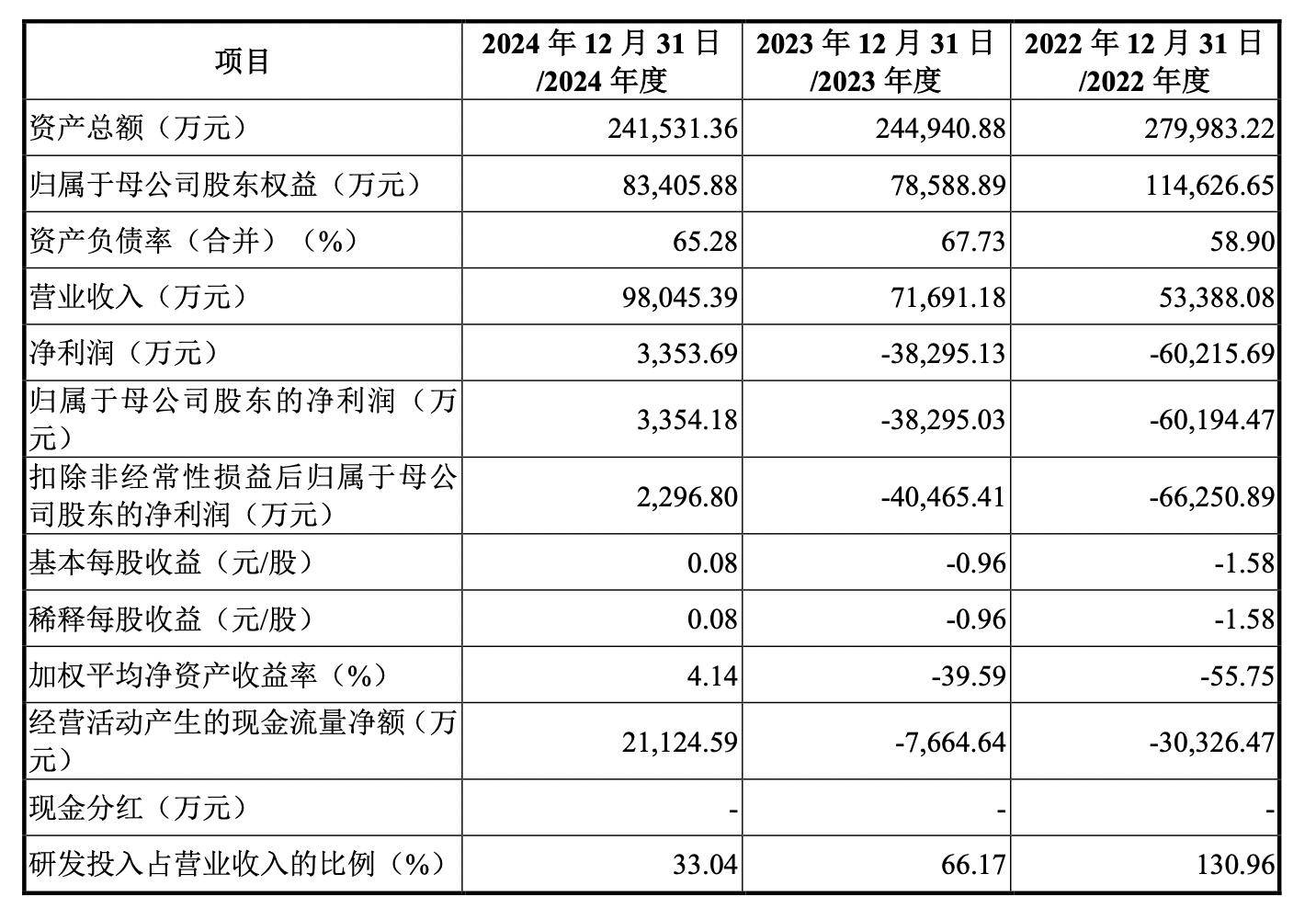
Summary of Key Points Core Viewpoint - This week, one new stock will be available for subscription, while four companies are undergoing IPO reviews, indicating ongoing activity in the capital markets [2][3]. Group 1: New Stock Subscription - One new stock, Aomeisen, will be available for subscription on Monday, September 25 [2]. - Last week, Shichang Co. debuted on the North Exchange, experiencing a significant first-day increase of 271.56% [2]. Group 2: Company Performance and Financials - Shichang Co. specializes in the research, production, and sales of automotive fuel systems, primarily selling to major vehicle manufacturers like Geely and FAW [2]. - Baiaosaitu, known as the "first stock in gene editing," plans to raise approximately 11.85 billion yuan for early drug development services and other projects [3][5]. - Baiaosaitu's projected revenues for 2022, 2023, and 2024 are 534 million yuan, 717 million yuan, and 980 million yuan, respectively, with net profits expected to improve from a loss of 602 million yuan in 2022 to a profit of 33.54 million yuan in 2024 [3][4]. Group 3: Fundraising and Investment Plans - The fundraising plan for Baiaosaitu includes allocations of 45.36 million yuan for early drug development services, 31.65 million yuan for antibody drug research, and 16.5 million yuan for preclinical research [6]. - The total investment amount for these projects is 118.5 million yuan, with the majority directed towards early drug development services [6].
小摩看好CRISPR(CRSP.US)基因编辑管线潜力 首予“增持”评级目标价70美元
智通财经网· 2025-09-19 01:04
Core Viewpoint - Morgan Stanley has initiated a "Buy" rating for CRISPR Therapeutics (CRSP.US), highlighting the company's unique advantages in the gene editing field due to its pipeline potential [1] Company Summary - CRISPR Therapeutics is collaborating with Vertex Pharmaceuticals (VRTX.US) to sell the Casgevy in vivo gene editing therapy, providing a faster market entry path through its own immune CAR-T candidates like CTX112 [1] - The company is positioned to attract significant opportunities for its next growth curve with its in vivo technologies targeting ANGPTL3 and Lp(a), especially in the context of the pharmaceutical industry's heightened focus on cardiovascular targets [1] Industry Summary - The pharmaceutical industry is currently placing a strong emphasis on cardiovascular targets, which aligns with CRISPR's strategic focus and resource allocation, allowing it to navigate challenges faced by some of its gene editing peers [1]

百奥赛图与Tubulis达成许可交易 公司股价年内翻3倍
Zheng Quan Shi Bao Wang· 2025-09-16 03:43
Core Insights - The company, Baiaosaitu, has secured two significant licensing agreements within a month, highlighting the value of its proprietary RenMice fully human antibody development platform [1][2] - The company has established itself as a leader in the innovative molecular licensing space in China, with a total of 280 licensing projects, including partnerships with seven of the top ten global pharmaceutical companies [2][3] Group 1: Licensing Agreements - On September 16, Baiaosaitu signed an antibody licensing agreement with Tubulis, which will utilize Baiaosaitu's RenMice platform for developing innovative ADC therapies [1] - Just over a week prior, on September 4, Baiaosaitu entered into an antibody option and evaluation agreement with Merck to assess antibodies developed using the RenMice platform [1] - These agreements demonstrate the international competitiveness and drug conversion potential of Baiaosaitu's fully human antibody platform [1] Group 2: Financial Performance - In the first half of the year, Baiaosaitu achieved a revenue of 621 million yuan, representing a year-on-year growth of over 51% [2] - The company's gross margin remained high at approximately 74.4%, with a net profit of 48 million yuan [2] - The stock price of Baiaosaitu increased significantly, from a low of 7.8 HKD per share to a high of 28.58 HKD per share, reflecting a growth of over 320% since the beginning of the year [2] Group 3: Research and Development - Baiaosaitu's R&D expenses for the first half of the year were approximately 209 million yuan, an increase of 29.3% year-on-year [4] - The company has obtained 195 authorized patents and submitted 496 patent applications, focusing on expanding its fully human antibody library [4] - Baiaosaitu aims to enhance its core advantages in target humanized mouse and fully human antibody discovery by integrating AI and automation into its R&D processes [4]
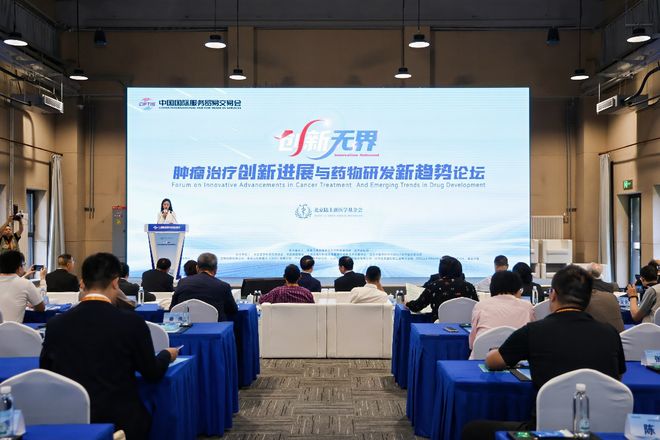
2025服贸会“肿瘤治疗创新进展与药物研发新趋势论坛”举办
Xin Jing Bao· 2025-09-15 15:19
Core Insights - The 2025 China International Service Trade Fair (CIFTIS) commenced in September in Beijing, featuring a forum on "Innovations in Tumor Treatment and New Trends in Drug Development" as a key academic activity [1] - The forum aims to create a high-end communication platform for policy interpretation, results release, industry connection, and international cooperation in the field of tumor prevention and treatment [1][3] Group 1: Forum Objectives and Themes - The forum is centered around the theme "Gathering Global Wisdom to Build a New Future in Cancer Prevention" and focuses on promoting disease prevention research and accelerating the transformation of scientific achievements [3] - The event emphasizes the importance of collaboration among government, industry, academia, and research institutions to enhance tumor prevention and treatment [3][4] Group 2: Scientific and Technological Innovations - Keynote speakers highlighted that technological innovation is crucial for the development of precision medicine in oncology, integrating multi-omics technologies, gene editing, liquid biopsy, and artificial intelligence [4] - The proportion of innovative drugs in development, such as cell therapy and bispecific antibodies, has reached 39% in China, marking a significant shift from generic to innovative drug development [4] Group 3: Challenges and Solutions in Cancer Treatment - Experts discussed the challenges in cancer prevention, including low HPV vaccination rates and insufficient screening coverage, particularly in remote areas and among young women [5][6] - A new model for cervical cancer prevention and control was presented, focusing on a multi-dimensional approach that includes immunology, protein, and gene strategies [6] Group 4: Collaborative Research Initiatives - The forum witnessed the launch of a strategic cooperation agreement for a research project aimed at establishing a standardized system for clinical applications of tumor biotherapy [6] - The project involves multiple institutions and aims to create technical standards and clinical pathways to facilitate the safe and compliant transformation of cutting-edge technologies in the industry [6]
医药生物行业周报(9月第2周):国内生物医药底层创新有望加速-20250915
Century Securities· 2025-09-15 00:44
Investment Rating - The report does not explicitly state an investment rating for the industry [1] Core Insights - The domestic biopharmaceutical innovation is expected to accelerate, driven by the approval of the "Regulations on the Management of Clinical Research and Clinical Translation Applications of Biomedical New Technologies (Draft)" by the State Council on September 12 [2][12] - The report highlights the importance of promoting biomedical technology innovation and the need for regulatory frameworks to ensure safety and quality in clinical applications [2][12] - The report expresses optimism towards companies focusing on new biomedical technologies, particularly in areas such as gene editing, cell therapy, and stem cell research [2] Weekly Market Review - The biopharmaceutical sector experienced a decline of 0.36% from September 8 to September 12, underperforming compared to the Wind All A index (2.12%) and the CSI 300 index (1.38%) [7] - Among sub-sectors, medical devices (3.02%), in vitro diagnostics (2.0%), and pharmaceutical distribution (1.44%) showed the highest gains, while chemical preparations (-2.83%), raw materials (-1.06%), and blood products (-0.72%) faced the largest declines [7][8] - Notable stock performances included Zhend Medical (41.3%), Haooubo (28.0%), and Jimin Health (25.9%) with significant gains, while Yuekang Pharmaceutical (-18.4%), Maiwei Biotech-U (-14.4%), and Yirui Biotech (-14.0%) saw substantial losses [10] Industry News and Key Company Announcements - The report mentions significant events such as the collaboration between Shiyao Group and Kangning Jiere to develop a new drug for HER2-positive gastric cancer, which has been accepted for review by the National Medical Products Administration [12] - The report also notes the approval of a new drug by Johnson & Johnson for treating non-muscle invasive bladder cancer, marking a significant advancement in bladder cancer treatment [14] - BioNTech and Bristol Myers Squibb reported promising mid-term data for their bispecific antibody in treating extensive-stage small cell lung cancer, showing an objective response rate of 76.3% [14]
魏小东参加重点协商议题调研并看望慰问教师
Bei Jing Ri Bao Ke Hu Duan· 2025-09-10 14:18
Group 1 - The core focus of the research is on accelerating the construction of an international green economy benchmark city in Beijing, enhancing its international influence in the green economy sector [1] - The research team visited the Beijing Synthetic Biology Manufacturing Industry Cluster and engaged with company leaders to understand the city's resource advantages, industry planning, cutting-edge technologies, and innovative achievements in synthetic biology manufacturing [1] - The committee emphasized the importance of cultivating the synthetic biology manufacturing industry as a key initiative for Beijing's development as an international green economy benchmark city, suggesting the creation of a highly collaborative innovation ecosystem involving government, industry, academia, and research [1] Group 2 - The research team also visited North China Electric Power University, exploring key laboratories related to new energy power systems and semiconductor device reliability, while acknowledging the university's role in training high-quality talent for the energy sector [2] - The emphasis was placed on aligning educational programs with national strategic development needs to foster leadership talent and enhance technological innovation capabilities in the energy and power sectors [2] - The city government expressed its commitment to supporting the university's high-quality development to further contribute to the construction of an international green economy benchmark city [2]
糖尿病治愈新希望:CRISPR基因编辑细胞在人体内分泌胰岛素,且无需使用免疫抑制药物
生物世界· 2025-09-06 04:05
Core Viewpoint - The research led by Sana Biotechnology offers a potential breakthrough in treating Type 1 Diabetes (T1D) by enabling the survival of transplanted allogeneic beta cells without the need for immunosuppression, which could significantly improve patient outcomes and reduce the risks associated with long-term immunosuppressive therapy [2][4][7]. Group 1: Research Findings - A study published in NEJM demonstrated that CRISPR-Cas12b gene editing was used to modify donor beta cells to avoid immune rejection, allowing these cells to be transplanted into a Type 1 Diabetes patient without immunosuppressive drugs [2][4]. - The patient showed no immune response to the transplanted cells within 12 weeks, and the cells continued to produce insulin, effectively regulating blood sugar levels [2][9]. - This approach represents a significant advancement towards achieving a long-term cure for T1D, with the potential for a one-time treatment that eliminates the need for insulin injections and immunosuppressive medications [9][10]. Group 2: Comparison with Other Companies - Other companies, such as Vertex and Reprogenix, are also exploring stem cell-derived therapies for T1D, but these methods still require immunosuppressive drugs to prevent immune attacks on either donor or patient-derived cells [6][7]. - Vertex's research involved transplanting stem cell-derived islets into 12 patients, with 10 no longer needing insulin after one year, while Reprogenix successfully reprogrammed patients' own fat cells into insulin-producing cells [6][7]. - Unlike these approaches, Sana's method aims to eliminate the need for immunosuppression entirely, which could revolutionize treatment for T1D [7][9]. Group 3: Future Directions and Challenges - The ultimate goal of Sana's research is to apply the "immune stealth" gene editing technique to stem cells, guiding their development into insulin-secreting beta cells, with clinical trials expected to begin next year [9][10]. - However, there are concerns regarding the reproducibility of the protective effects of CD47 and the limited scope of the initial study, which involved only one patient and a small number of transplanted cells [10].


全球三成新药来自中国,我国生物经济大有可为
第一财经· 2025-09-05 09:54
Core Viewpoint - China's biomanufacturing and biotechnology sectors are experiencing significant growth, with advancements in CAR-T cell therapy, biopharmaceuticals, and digital pathology, positioning the country as a global leader in these fields [3][5][10]. Group 1: Biopharmaceuticals - China ranks second globally in the number of CAR-T clinical research centers, with 388 centers as of 2024, reflecting a 60% increase from 2020 [7]. - The biopharmaceutical market in China has surpassed 1.1 trillion yuan, with the number of new drug approvals reaching a five-year high of 93 in 2024 [6][7]. - China is now the second-largest biopharmaceutical market globally, with a significant number of drugs in development, narrowing the gap with the United States [7]. Group 2: Biotechnology and Innovation - The report highlights that China leads globally in biotechnology patent applications and research personnel, with over 30% of new innovative drugs and research pipelines originating from the country [5][11]. - The establishment of 23 biomanufacturing bases across the country indicates a robust infrastructure supporting the growth of the biomanufacturing sector [5]. - The "National Innovative Drug Insight System" was launched to enhance the efficiency of drug development and address challenges in identifying quality projects and matching strategic resources [9]. Group 3: Digital Pathology and Medical Devices - The Hubei Pathology Big Data Database has become the second-largest globally, with 170,000 high-precision digital slices, expected to exceed 500,000 by the end of 2025 [8]. - China leads the world in medical device patent applications, accounting for nearly 70% of the global total, showcasing its strong research output in this field [8]. Group 4: Agricultural Biotechnology - The agricultural biotechnology market in China accounts for 23% of the global market, with significant advancements in genetically modified crops [12]. - The application of synthetic biology and gene editing is driving growth in biomanufacturing, with a focus on biopharmaceuticals, biomaterials, and bioenergy [12]. Group 5: Future Outlook - The global biomanufacturing market is projected to grow significantly, with estimates suggesting a rise from $4-5 trillion to $30 trillion by 2050, indicating a compound annual growth rate of 8.6% [11]. - The integration of artificial intelligence in life sciences is expected to enhance drug development efficiency and expand applications across various sectors, including healthcare and agriculture [12].
中国博后一作Nature论文:揭开Cas9的新功能——感知crRNA丰度,守护免疫基因深度
生物世界· 2025-09-05 08:00
Core Viewpoint - The article discusses the CRISPR-Cas system as a significant tool in gene editing and disease treatment, highlighting its immune mechanisms and the role of Cas9 in regulating spacer acquisition and immune memory formation [3][8][15]. Group 1: CRISPR-Cas System Overview - The CRISPR-Cas system is a bacterial immune mechanism that utilizes "molecular memory" and "precise cutting" to defend against foreign invaders [3]. - It consists of two main components: the CRISPR array, which serves as a memory bank, and Cas proteins, which are responsible for recognizing and cutting foreign DNA [3][4]. Group 2: Immune Process Stages - The immune process mediated by CRISPR-Cas can be divided into three stages: Adaptation, Expression, and Interference [4]. - During the Adaptation stage, the Cas1-Cas2 complex integrates foreign DNA sequences into the CRISPR array [4]. - The Expression stage involves the transcription of the CRISPR array into pre-crRNA, which is then processed into mature crRNA [4]. - In the Interference stage, Cas proteins form an effector complex with guide RNA to identify and cleave complementary foreign DNA [4]. Group 3: Research Findings on Cas9 - Recent studies reveal that the II-C type system has a unique molecular regulation mechanism during the immune adaptation phase, where apoCas9 significantly enhances spacer acquisition efficiency [8][10]. - The research indicates that apoCas9 acts as both a sensor for crRNA abundance and a regulator of spacer acquisition efficiency, challenging previous beliefs about its inactivity [8][15]. - The study also highlights the importance of the NUC lobe in driving efficient spacer acquisition, while the REC lobe modulates this process through RNA interactions [12][14]. Group 4: Implications and Future Directions - The findings provide insights into how bacteria can quickly replenish their immune memory after CRISPR array contraction, emphasizing the dynamic regulation of immune memory depth [15]. - The research lays a theoretical foundation for future applications in CRISPR-based immune adaptation machines, molecular recording, lineage tracing, and anti-phage engineering [17].