
经济全球化

Search documents
马克龙说坚定奉行一个中国政策
Bei Jing Ri Bao Ke Hu Duan· 2025-12-04 06:56
Group 1 - The core viewpoint emphasizes the importance of China and France as independent major powers advocating for multilateralism and global cooperation amidst a rapidly changing world [1][2] - Both countries aim to enhance their comprehensive strategic partnership by focusing on mutual interests and expanding cooperation in traditional sectors like aviation, aerospace, and nuclear energy, as well as emerging fields such as green economy, digital economy, biomedicine, artificial intelligence, and new energy [2][3] - The leaders discussed the need for a balanced global governance system and the importance of addressing issues like the North-South development imbalance and the underrepresentation of developing countries in international financial institutions [3][4] Group 2 - France expresses a commitment to deepening its comprehensive strategic partnership with China, emphasizing mutual trust and respect, and a desire to enhance cooperation in trade, renewable energy, and cultural exchanges [4][5] - Both leaders agreed on the significance of their cooperation in addressing global challenges such as climate change, biodiversity protection, and artificial intelligence governance, highlighting their shared responsibility as major powers [4][5] - Following the talks, multiple cooperation agreements were signed in areas including nuclear energy, agriculture, education, and ecological environment [5]
习近平同法国总统马克龙举行会谈
中国基金报· 2025-12-04 06:42
Core Points - The meeting between Chinese President Xi Jinping and French President Emmanuel Macron emphasizes the importance of China-France relations in promoting a multipolar world and global cooperation [2][3] - Both leaders express a commitment to deepening cooperation in various sectors, including traditional fields like aviation and nuclear energy, as well as emerging areas such as green economy and artificial intelligence [3][4] - The discussion highlights the need for multilateralism and reforming global governance to address imbalances in international relations and economic systems [4][6] Group 1 - Xi Jinping stresses the need for China and France to maintain strategic vision and mutual understanding in core interests, reinforcing the political foundation of their relationship [3] - The "15th Five-Year Plan" is mentioned as a blueprint for China's development, presenting opportunities for collaboration with France [3] - Both countries aim to enhance cultural, educational, and technological exchanges to strengthen people-to-people ties [3][4] Group 2 - Macron reaffirms France's commitment to the One China policy and expresses a desire to deepen the comprehensive strategic partnership with China [6] - The importance of cooperation in renewable energy and mutual investment is highlighted, with France welcoming more Chinese investments [6] - The leaders discuss the Ukraine crisis, with China supporting peaceful resolutions and a balanced European security architecture [6][7]

习近平同法国总统马克龙举行会谈
第一财经· 2025-12-04 06:17
Group 1 - The meeting between Chinese President Xi Jinping and French President Emmanuel Macron emphasizes the importance of multilateralism and cooperation between China and France as independent major powers [1][2] - Both countries aim to enhance their comprehensive strategic partnership by expanding cooperation in traditional sectors such as aviation, aerospace, and nuclear energy, while also exploring potential in green economy, digital economy, biomedicine, artificial intelligence, and new energy [1][2] - Macron expressed France's commitment to deepening the comprehensive strategic partnership with China, highlighting the importance of mutual trust and respect, and the desire to promote investment and cooperation in renewable energy and cultural exchanges [3] Group 2 - The discussion included the need for reforming global governance to address imbalances in international financial institutions and to promote fair and just global economic governance [2][3] - Both leaders acknowledged the significance of their cooperation in the context of global instability and the challenges to multilateral order, emphasizing the necessity of dialogue and collaboration between China and Europe [2][3] - The meeting resulted in the signing of multiple cooperation agreements in areas such as nuclear energy, agriculture, education, and ecological environment, showcasing the commitment to practical cooperation [3]
习近平同马克龙举行会谈
财联社· 2025-12-04 06:07
Core Points - The meeting between Chinese President Xi Jinping and French President Emmanuel Macron emphasizes the importance of China-France relations in promoting a multipolar world and global cooperation [1][2] - Both leaders agree on the need for mutual understanding and support on core interests, aiming to enhance cooperation in traditional sectors like aviation and nuclear energy, as well as emerging fields such as green economy and artificial intelligence [2][3] - The discussion highlights the necessity of multilateralism and reforming global governance to address imbalances in development and representation in international financial institutions [3][4] Group 1 - Xi Jinping stresses the need for China and France to maintain strategic vision and independence amidst changing external environments, focusing on mutual understanding and support [2][3] - The two countries are encouraged to seize opportunities for cooperation in various sectors, including aerospace, nuclear energy, and emerging technologies [2][4] - The leaders agree on the importance of cultural, educational, and technological exchanges to deepen bilateral ties [2][3] Group 2 - Macron reaffirms France's commitment to the one-China policy and the importance of a stable China-France partnership, emphasizing mutual respect and trust [4] - Both leaders discuss the significance of cooperation in addressing global challenges such as climate change and biodiversity protection [4][5] - The meeting results in the signing of multiple cooperation agreements in areas like nuclear energy, agriculture, education, and environmental protection [5]
于逆风中守护,在大潮中前行(寰宇平)
Ren Min Ri Bao· 2025-12-03 22:29
在历史的十字路口,是筑起隔绝的"墙",还是搭建开放的"桥"?面对经济全球化大势,任何一个国家, 无论大小强弱,一旦背离了潮流大势,终将落后于时代 国际经贸格局正处于深度变革之中。在世界贸易组织成立30周年之际,国际贸易体系呈现出两个突出特 点:一方面,个别国家发起的贸易战、关税战,严重冲击世界经济、损害国际贸易规则;另一方面,各 国面对挑战主动求变,各类区域和多边贸易协定激增。有国际观察人士担忧,全球经贸合作版图正被一 种由地缘政治博弈塑造的"丘陵地貌"所侵蚀。以规则为基础的多边贸易体制,这个曾经的世界经济"稳 定器",正面临前所未有的考验。 破坏多边贸易规则的代价,是有可能回到关贸总协定和世界贸易组织建立之前以权力为基础的以强凌 弱、以大欺小的国际贸易体系。问题随之而来:人类是否会重蹈历史的覆辙? "尽管有'强劲的逆风',世界贸易展现出韧性",世界贸易组织总干事伊维拉指出。放眼全球,各方推动 开放贸易的努力不断加强。中国—东盟自贸区3.0版升级议定书正式签署,欧盟推进与南方共同市场和 墨西哥的贸易协定,巴西和印度宣布力争到2030年将双边贸易额提升至200亿美元……这些努力,共同 构成对单边主义的集体回应。 ...
于逆风中守护,在大潮中前行(寰宇平) ——世界贸易组织成立三十周年之思考
Ren Min Ri Bao· 2025-12-03 21:58
在历史的十字路口,是筑起隔绝的"墙",还是搭建开放的"桥"?面对经济全球化大势,任何一个国家, 无论大小强弱,一旦背离了潮流大势,终将落后于时代 国际经贸格局正处于深度变革之中。在世界贸易组织成立30周年之际,国际贸易体系呈现出两个突出特 点:一方面,个别国家发起的贸易战、关税战,严重冲击世界经济、损害国际贸易规则;另一方面,各 国面对挑战主动求变,各类区域和多边贸易协定激增。有国际观察人士担忧,全球经贸合作版图正被一 种由地缘政治博弈塑造的"丘陵地貌"所侵蚀。以规则为基础的多边贸易体制,这个曾经的世界经济"稳 定器",正面临前所未有的考验。 长远看,世界需要一个什么样的经贸秩序?多边贸易体制将何去何从?回答这两个问题,需要以客观理 性的全方位观察为基础,在纷乱形势中把握人心所向、大势所趋,避免一叶障目,才能不断汇聚共识和 力量,推动国际经贸合作行稳致远。 面对危机,各方的"应激反应"有其必然性。过去几十年,经济全球化高速发展已形成各国利益的深度互 嵌——世界经济这片汪洋大海,不会因局部暗礁而改变奔涌方向。正如美国哥伦比亚大学教授杰弗里· 弗里登所指出,单一国家摒弃多边主义并不意味着多边贸易体系终结,只要其他 ...
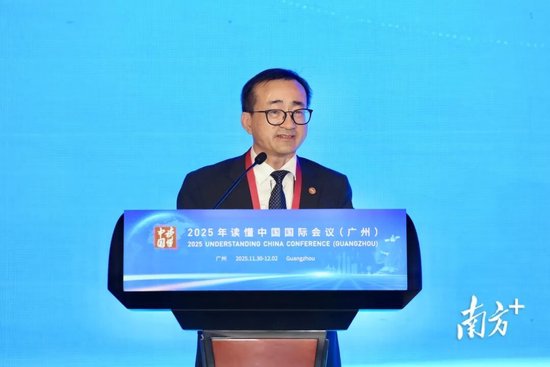
刘元春最新发言:世界经济的弹性与韧性超乎预测,这是为什么呢?
Xin Lang Cai Jing· 2025-12-02 13:52
Core Viewpoint - The resilience and elasticity of the global economy are stronger than expected, with China playing a crucial role in economic globalization [3][4][5]. Economic Growth Outlook - Initial predictions indicated a decline in global economic growth by 0.5 percentage points, from 3.3% to approximately 2.8%, but the actual decline has been less severe [9]. - Global trade growth was expected to fall below GDP growth due to U.S. tariff policies, with a projected drop of 1.8 percentage points; however, trade data from January to October shows a growth rate of 3.6%, surpassing last year's 3.5% [9][10]. - Inflation expectations were for an average price increase of 0.2% to 0.3%, but prices have instead decreased by 0.1 percentage points, indicating strong resilience in global supply chains [4][9]. Trade Dynamics - Despite a significant drop in trade with the U.S. (estimated at around 20%), China's overall trade with the world has increased by 6.2%, with the share of global trade rising from 12.8% in 2020 to approximately 15% this year [10][11]. - The growth in bilateral trade with ASEAN, Africa, and Latin America has been exceptional, showcasing China's ability to create new opportunities in global supply chains and technology environments [10]. Fiscal and Monetary Policies - Many countries have adopted proactive fiscal and monetary policies to counteract U.S. trade policies, with global public debt reaching 95% of GDP, an increase of 2.3 percentage points from previous years [5][10]. - Germany's trade deficit has reached 300 million euros, exceeding the EU's 3% limit, highlighting the widespread fiscal challenges faced globally [10]. Technological Innovation - Significant growth in AI investment, particularly in the U.S., is noted, with a projected increase of nearly 90% this year following an 18% increase last year [5][10]. - Temporary factors such as trade and investment front-loading and inventory management strategies may introduce certain risks [10]. Future Economic Conditions - Key factors for future economic development include potential new proposals under the Trump 2.0 tariff policy, the sustained competitive advantage from China's technological innovations, and whether new technologies can translate into short-term economic growth [11][12]. - The ability of countries to implement structural reforms and effectively address fiscal deficits in a disordered environment is also critical for future economic trends [12].
一论学习贯彻省委八届八次全会精神
Hai Nan Ri Bao· 2025-12-02 02:37
Core Viewpoint - The article emphasizes the commitment to high-standard construction of the Hainan Free Trade Port, highlighting the strategic importance and support from the central government under Xi Jinping's leadership [1][2]. Group 1: Government Support and Leadership - The strong leadership of the Communist Party of China, particularly Xi Jinping, is seen as a fundamental guarantee for achieving the bright prospects of Hainan Free Trade Port [2]. - Since 2018, Xi Jinping has made multiple visits to Hainan, emphasizing the importance of the Free Trade Port as a major national strategy [2]. - The 20th Central Committee's Fourth Plenary Session identified "high-standard construction of Hainan Free Trade Port" as a significant initiative for economic and social development during the 14th Five-Year Plan period [2]. Group 2: Institutional Advantages - The socialist system in China provides a strong support for the construction of the Hainan Free Trade Port, showcasing the ability to mobilize resources effectively [3]. - A comprehensive work mechanism has been established, promoting collaboration across various levels of government and society to support the Free Trade Port [3]. - Over 210 supportive policies have been introduced, along with the establishment of a talent mechanism to attract skilled individuals to Hainan [3]. Group 3: Historical Opportunities - The construction of the Hainan Free Trade Port is positioned as a response to the global trend of economic globalization, despite current challenges [4]. - China's commitment to an open economy is reflected in the international recognition and investment from global companies in Hainan [4]. - The Free Trade Port is seen as a means to share development opportunities with the world, contributing to global economic stability [4]. Group 4: Local Efforts and Achievements - Over the past five years, Hainan has established a preliminary policy system for the Free Trade Port, with significant growth in trade and investment [5]. - The four leading industries now account for over two-thirds of the GDP, indicating a substantial increase in economic openness [5]. - Hainan's development has progressed from a smooth start to a robust expansion, with the Free Trade Port entering a new phase of operation [5]. Group 5: Future Aspirations - There is a call for unity and commitment to the directives from the central government to ensure the successful operation of the Free Trade Port [6]. - The article stresses the importance of political awareness and historical confidence in achieving the goals set for Hainan [6]. - The ultimate aim is to contribute to the rejuvenation of the Chinese nation and showcase the vitality of socialism with Chinese characteristics to the world [6].
“‘十五五’规划将书写中国奇迹的新篇章”
人民网-国际频道 原创稿· 2025-11-28 08:41
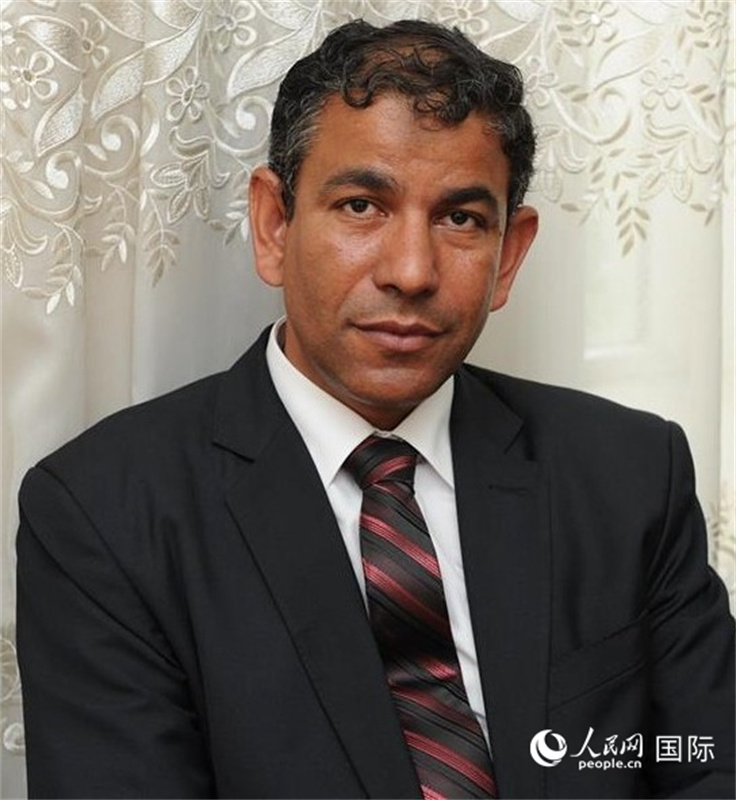
埃及著名中国和亚洲问题专家艾哈迈德·阿卜杜·德拉比克日前在接受人民网记者采访时表示,全球决 策者高度关注中国即将实施的"十五五"规划。"'十五五'规划勾画了未来五年中国发展的顶层设计,涉及 中国经济与社会发展的重大决策,必将因中国经济体量巨大而对世界产生深远影响。" 在德拉比克看来,"十五五"规划建议的意义,首先建立在"十四五"时期中国取得的卓越成果基础 上:中国经济保持稳步增长,科技进步明显加快,对外开放水平不断深化。 德拉比克说,"十五五"规划建议展现出中国推进中国式现代化的坚定决心,也为动荡不定的国际形 势注入了宝贵的确定性。"向世界传递了一个明确信号,即中国政策稳健、经济增长持续、经济发展预期 长期稳定。" 德拉比克指出, 中国共产党善于通过中长期规划引领经济社会发展,"十四五"规划的成功就是证 明。 "十四五"时期,中国GDP从110万亿元增长到130万亿元,今年有望接近140万亿元。"中国对世界经 济增长贡献率长期保持在30%左右,2025年进入全球创新指数前十,是过去十年创新能力提升最快的经 济体之一。"德拉比克说。 他指出,中国战略性新兴产业迅速崛起,人工智能、新能源等领域取得突破性进展,已从 ...
全球治理需要更多“南方”力量
Jing Ji Ri Bao· 2025-11-26 00:08
Group 1 - The core viewpoint of the article emphasizes the significance of the recent multilateral international meetings held in Brazil and South Africa, showcasing the "Southern" perspective in global governance and the need for increased international dialogue and cooperation [1][2] - The COP30 conference in Brazil, marking the 10th anniversary of the Paris Agreement, focused on actionable commitments regarding climate adaptation and compensation, reflecting the priorities of Southern nations [1] - The G20 summit in Johannesburg was notable for being the first held on the African continent, highlighting the development needs and unique perspectives of African countries in the global governance reform process [1] Group 2 - The article discusses the ongoing challenges posed by hegemonism, unilateralism, and protectionism, as well as the widening North-South divide and ecological degradation, which necessitate a stronger voice for the Global South in international affairs [2] - The absence of the United States at these meetings is highlighted, particularly given its status as the largest historical emitter of greenhouse gases, indicating a divergence from the mainstream international community [2] - Despite progress in addressing climate change and poverty, significant gaps remain, with 83% of countries classified as "highly unequal" and nearly 700 million people living in extreme poverty, underscoring the need for coordinated global action [3]