
普惠金融

Search documents
践行金融“五篇大文章”:马上消费打造合规进阶与价值深耕样本
Zheng Quan Shi Bao Wang· 2025-10-24 02:50
Core Viewpoint - The article emphasizes the importance of high-quality development in the consumer finance industry, driven by regulatory requirements and market competition, with companies like Ma Shang Consumer Finance leading the way through innovation and compliance [1][3][4]. Group 1: Industry Overview - The consumer finance industry in China has experienced explosive growth over the past decade, driven by technological advancements and changing consumer attitudes [2]. - The industry has seen increased competition and regulatory scrutiny, leading to a shift from rapid scale expansion to a focus on high-quality growth and risk management [3][6]. - As of now, there are 31 licensed consumer finance companies in China, contributing to a diverse and competitive market landscape [1]. Group 2: Company Profile - Ma Shang Consumer Finance - Ma Shang Consumer Finance has adopted a technology-driven approach to enhance its operational efficiency and compliance, transitioning from offline to an entirely online business model since 2019 [2][4]. - The company has focused on social responsibility and sustainable development, integrating its business objectives with broader economic and social goals [5][6]. - By leveraging advanced technologies such as AI and big data, Ma Shang has developed innovative projects like the "Fu Hui Yang" smart farming initiative, which has generated significant economic and social benefits [7]. Group 3: Regulatory Environment - Recent regulatory developments, including the new management and supervision guidelines for consumer finance companies, emphasize the need for sustainable and high-quality growth rather than mere scale expansion [3][8]. - The regulatory framework aims to ensure that consumer finance companies provide continuous value to users while managing risks effectively [3]. Group 4: Future Outlook - The consumer finance industry is expected to enter a new development phase by 2025, with favorable policies and a focus on technological innovation driving growth [8]. - Companies like Ma Shang Consumer Finance are well-positioned to leverage their technological advantages to support the real economy and promote consumption upgrades in the future [8].
前三季度河南省金融运行总体稳健
Sou Hu Cai Jing· 2025-10-24 00:25
Core Viewpoint - The financial operation in Henan Province is overall stable in the first three quarters of 2025, with a focus on expanding total volume, optimizing structure, and reducing costs to create a favorable monetary and financial environment for high-quality economic development [1] Financial Operation Overview - As of the end of September, the total balance of deposits in both domestic and foreign currencies reached 11.7 trillion yuan, with household deposits at 8.3 trillion yuan and non-financial enterprise deposits at 1.8 trillion yuan [2] - The total balance of loans in both domestic and foreign currencies was 9.3 trillion yuan, with household loans at 3.5 trillion yuan and loans to enterprises at 5.8 trillion yuan; new loans added in the first three quarters amounted to 408.16 billion yuan [2] - The incremental social financing scale for the first three quarters was 726.95 billion yuan [2] Structural Monetary Policy - Under the guidance of structural monetary policy tools, financial resources are increasingly directed towards key sectors, with agricultural loans growing steadily to a balance of 2.6 trillion yuan, an increase of 77.13 billion yuan since the beginning of the year [3] - Loans to the manufacturing sector increased to 664.88 billion yuan, up by 79.46 billion yuan since the start of the year [3] - Infrastructure loans reached a balance of 1.7 trillion yuan, with an increase of 52.46 billion yuan; medium and long-term loans for infrastructure stood at 1.5 trillion yuan, up by 67.13 billion yuan [3] - General consumer loans grew rapidly, reaching a balance of 724.1 billion yuan, an increase of 36.57 billion yuan since the beginning of the year [3] Cost Reduction and Interest Rates - The People's Bank of China in Henan has effectively promoted a decline in policy interest rates, leading to a decrease in comprehensive financing costs; the weighted average interest rate for new loans in September was 3.83%, down by 0.61 percentage points year-on-year [3] - The weighted average interest rate for new corporate loans was 3.31%, also down by 0.61 percentage points; for new personal housing loans, it was 3.19%, down by 0.27 percentage points [3] Policy Implementation and Financial Services - The People's Bank of China in Henan has intensified the implementation of financial policies, enhancing services for enterprises and supporting high-quality economic development [4] - The balance of technology loans reached 1.07916 trillion yuan, a year-on-year increase of 15.9% [4] - The balance of green loans was 1.03809 trillion yuan, growing by 27% year-on-year [4] Inclusive Finance and Elderly Care Finance - The number of inclusive small and micro enterprise credit accounts reached 2.427 million, a year-on-year increase of 2.0%; the balance of inclusive small and micro loans was 1.30709 trillion yuan, up by 12.6% [5] - Loans for the elderly care industry reached 7.754 billion yuan, with over 17 billion yuan in loans for consumption and elderly care projects issued [5] Digital Finance - The balance of loans for the digital economy reached 110.18 billion yuan, a year-on-year increase of 18.9% [6] Bond Financing - The balance of corporate debt financing tools reached 448.87 billion yuan, an increase of 8.6% year-on-year; 73 enterprises issued bonds in the interbank market, raising 144.02 billion yuan [7] - The balance of innovative debt financing tools reached 46.23 billion yuan, up by 64.9% year-on-year [7] Foreign Exchange Market - The foreign exchange market in Henan has shown resilience, with nearly 70 billion USD in facilitation business processed in the first three quarters [9] - The number of quality enterprises reached 462, with 12 pilot banks involved [9] Trade and New Business Models - The new international trade settlement scale reached 408 million USD, with 801 market procurement trade registered merchants [10] - The total service trade revenue was 7.893 billion USD, a year-on-year increase of 43.63% [10]
新型政策性金融工具助力稳经济
2 1 Shi Ji Jing Ji Bao Dao· 2025-10-23 22:41
Core Insights - The establishment of new structural monetary policy tools and innovative policy financial instruments is a significant measure to promote high-quality economic development in China [1][2] - As of mid-October, nearly 300 billion yuan has been allocated through these new financial tools, which are crucial for driving economic growth in the fourth quarter and achieving the annual growth target of around 5% [1][2] Group 1: Policy Framework - The new policy financial tools are characterized by a "quasi-fiscal" positioning, allowing for multi-departmental collaboration that overcomes traditional policy tool constraints [2] - The National Development and Reform Commission (NDRC) is responsible for selecting quality projects, ensuring alignment with national strategic goals, while policy banks raise funds through market mechanisms [2] - This innovative mechanism enhances funding efficiency and mitigates moral hazards, providing sustainable financial support for high-quality economic development [2] Group 2: Investment Focus - The new financial tools have shifted investment focus from traditional infrastructure to innovation-driven sectors, significantly increasing support for technology innovation and emerging industries [3] - As of October 17, 37.5% of the nearly 190 billion yuan allocated by the China Development Bank has been directed towards key areas such as digital economy and artificial intelligence [3] - The requirement for 20% of funds to support private enterprises enhances the inclusivity of the policy, ensuring that resources flow to the most innovative market players [3] Group 3: Regional Alignment and Leverage Effect - Project reserves reflect a structural alignment with regional development strategies, showcasing a tailored policy approach [4] - The injection of 500 billion yuan in capital is expected to leverage bank loans, potentially generating an investment multiplier effect of 2-3 times, leading to an additional 1 trillion to 1.7 trillion yuan in investments [4] - If the multiplier effect is fully realized, it could reach 10-12 times, resulting in a total investment scale of 5 trillion to 6 trillion yuan, effectively addressing the capital shortfall for major projects [4]
华泰证券王越昊:十年科技投入夯实结构化产品体系,助力内地投资者参与港股新机遇
Xin Lang Zheng Quan· 2025-10-23 10:48
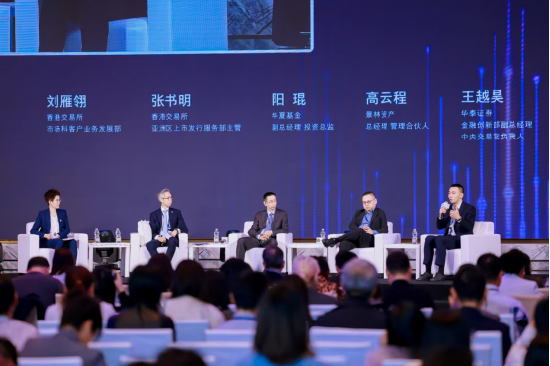
文/新浪财经上海站 陈秀颖 10月22日,港交所在上海举办2025HKEX中国机遇论坛。华泰证券金融创新部副总经理、中央交易室负 责人王越昊在圆桌讨论中表示,华泰证券与内地投资者一样,高度认可香港作为亚太地区金融中心以及 离岸人民币资产配置地的独特地位,并十分看好香港资本市场的发展前景。 他表示,从券商角度来看,近年来内地投资者对于港股市场的兴趣持续上升,尤其在科技与生物医药板 块表现活跃。在服务投资者投资港股市场方面,华泰主要从三个方向开展创新:通过结构化产品服务机 构投资者、优化个人投资者产品设计、强化科技系统投入以提升服务效率。 炒股就看金麒麟分析师研报,权威,专业,及时,全面,助您挖掘潜力主题机会! 王越昊介绍,首先,对于机构投资者,华泰证券重点通过结构化金融工具帮助投资者充分表达投资观 点。他指出,并非所有投资者都倾向于单边看多的策略,结构化产品能够帮助机构投资者在规避下行风 险的同时,让渡部分上行收益,以实现风险与收益的平衡。他强调,华泰在这一领域已经积累了丰富的 产品设计经验。 其次,对于个人投资者,王越昊特别强调风险控制的重要性。他提到,国内市场曾出现过个人投资者因 结构化产品亏损而引发舆情的 ...


利津农商银行广泛开展 “金融标准 为民利企”主题宣传
Qi Lu Wan Bao· 2025-10-23 09:43
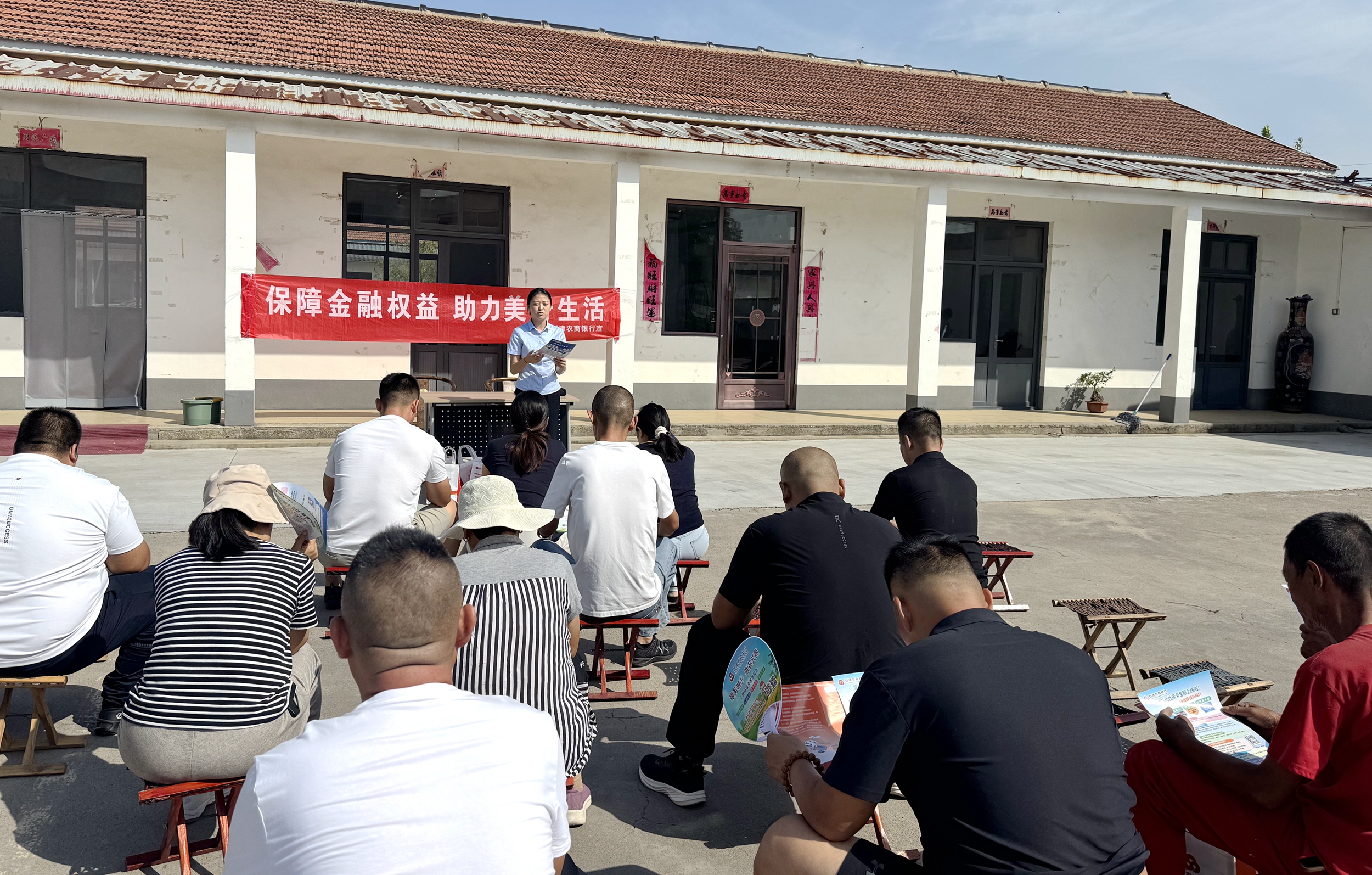
Group 1 - The core message emphasizes the importance of financial standardization to enhance public financial literacy and promote various financial standards such as green finance, digital finance, and inclusive finance [1][3] - The bank organized professional teams to engage with communities, business districts, and enterprise parks, using promotional booths, banners, and brochures to explain the significance of financial standards in ensuring service quality and protecting consumer rights [3] - The bank's initiatives include educational activities focused on preventing telecom fraud, avoiding illegal fundraising, and promoting rational investment and financial management, showcasing the bank's commitment to community service [3] Group 2 - The bank plans to continue leading with financial standards to improve service quality, innovate service models, and expand promotional channels, contributing to a positive financial ecosystem and supporting local economic development [3]
乐信2025上半年:分期乐激活消费与普惠动能,合规、效率同步进阶
Xin Lang Cai Jing· 2025-10-23 08:35
Core Insights - Le Xin Group demonstrated strong performance in the first half of 2025, with Non-GAAP EBIT profit reaching 580 million yuan in Q1, the highest in 13 quarters, and Q2 revenue of 3.59 billion yuan, a quarter-on-quarter increase of 15.6% [1] - The company plans to increase its dividend payout ratio from 25% to 30% in the second half of the year, reflecting confidence in long-term growth [1] - AI technology is reshaping operational barriers, with significant advancements in intelligent applications, including a 30% year-on-year reduction in overall fraud occurrence due to AI-driven fraud prevention models [1][2] Financial Performance - In Q2, Le Xin Group achieved a Non-GAAP EBIT profit of 670 million yuan, representing a year-on-year increase of 116.4% [1] - The company plans to distribute a dividend of $0.13 per ADS in Q2, an 18.2% increase from the previous quarter [1] Technological Advancements - R&D investment in Q1 was 156 million yuan, a year-on-year increase of 15.3%, with total R&D expenditure exceeding 300 million yuan in the first half of the year, particularly in AI [1] - The collaboration with DeepSeek on the "Singularity" model has significantly improved operational efficiency in key areas such as telemarketing and collections [2] Ecosystem Development - The company is enhancing its supply chain through the "Installment Mall," which saw a 139% year-on-year increase in GMV during the "6.18" promotion [3] - The "Believe in Small Dreams" initiative has connected loan amounts exceeding 9 billion yuan across 30 provinces, with over 68% of loans directed to lower-tier regions [3] Consumer Protection and Compliance - Le Xin upgraded its "Predictive" consumer protection system, achieving a service response rate of 99.2% and effectively controlling fund loss rates [4] - The company has implemented a privacy compliance automation inspection system, ensuring 100% coverage of post-loan supervision [4]

厚植文化根基,服务国家战略——西南期货多维赋能重庆实体经济发展
Qi Huo Ri Bao· 2025-10-23 08:26
Core Viewpoint - The company emphasizes its role in supporting the real economy through financial services, focusing on compliance, integrity, professionalism, and stability while enhancing risk management for agricultural and small enterprises [1][2]. Group 1: Promoting Inclusive Finance - The company has effectively implemented inclusive finance initiatives, particularly in supporting agriculture and small enterprises, aligning with national financial strategies [2]. - Since 2021, the company has launched "insurance + futures" projects for various agricultural products, providing risk protection for thousands of farmers and acres of farmland, with a total risk guarantee of approximately 930 million yuan for 728,000 pigs [2]. - The company's projects have received recognition, including being selected as an excellent case by the China Futures Association and winning awards for risk management excellence [2]. Group 2: Deepening Industry Chain Services - The company actively contributes to major strategic initiatives such as the Chengdu-Chongqing economic circle and the construction of modern manufacturing clusters in Chongqing [3]. - It customizes risk management solutions for state-owned logistics, warehousing, and bulk commodity trading enterprises, helping them hedge against price fluctuations in commodities [3]. - The company also focuses on emerging industries, particularly the new energy vehicle supply chain, providing specialized risk management services for key raw materials like lithium, nickel, and silicon [3]. - Future plans include leveraging political guidance to enhance business development while maintaining compliance and integrity in operations [3].
银行业倾力做好金融“五篇大文章” 服务实体经济质效大幅提升
Jin Rong Shi Bao· 2025-10-23 02:02
Group 1: Financial Support for the Real Economy - The financial sector has significantly improved its service quality and efficiency to support the real economy during the "14th Five-Year Plan" period, with a focus on major national strategies and key areas of economic development [1][2] - Over the past five years, the banking and insurance sectors have provided an additional 170 trillion yuan to the real economy through various financing methods, with annual growth rates of 27.2% for scientific research loans, 21.7% for manufacturing medium- and long-term loans, and 10.1% for infrastructure loans [1][5] - The balance of inclusive loans for small and micro enterprises reached 36 trillion yuan, which is 2.3 times that at the end of the "13th Five-Year Plan," with interest rates decreasing by 2 percentage points [1][5] Group 2: Support for Technological Innovation - Financial institutions have strengthened their support for technology-driven enterprises, with the balance of loans to high-tech enterprises reaching nearly 19 trillion yuan and an annual growth rate exceeding 20% [2][3] - The introduction of innovative financial products, such as the "Bank of China Technology Innovation Computing Loan," aims to address the financing difficulties faced by light-asset technology companies [3][4] Group 3: Inclusive Finance and Poverty Alleviation - The development of inclusive finance has been crucial for economic transformation and social equity, with 17 trillion yuan in loans receiving repayment deferral support during the COVID-19 pandemic, benefiting over 10 million businesses [5][6] - In the past five years, 31.5 trillion yuan in loans have been issued to poverty-stricken areas, along with nearly 400 billion yuan in microloans for impoverished populations [6][7] Group 4: Green Finance Initiatives - The banking sector has made significant contributions to green finance, supporting infrastructure upgrades, low-carbon technology innovation, and energy transitions, thereby promoting a comprehensive green transformation of the economy [8] - National Development Bank has financed various green projects, including renewable energy initiatives and ecological restoration efforts, contributing to sustainable development goals [8]

错位发展 各展所长 银行业高质量发展不断迈进
Jin Rong Shi Bao· 2025-10-23 01:36
Core Insights - The Chinese banking industry has transitioned from a traditional model reliant on infrastructure and real estate to a new model focused on technology, industry, and finance, resulting in significant improvements in comprehensive strength and high-quality development during the "14th Five-Year Plan" period [1][3] Group 1: Asset Growth and Structure - As of mid-2025, the total assets of banking financial institutions in China reached 467.3 trillion yuan, a year-on-year increase of 7.9%, with large commercial banks showing a 10.4% growth to 204.2 trillion yuan [2] - Chinese banks hold the world's largest asset scale, with 143 Chinese banks listed among the global top 1,000, including 6 in the top 10 [3] - The banking sector is increasingly focusing on optimizing credit structures and enhancing value creation capabilities while maintaining steady asset growth [3] Group 2: Risk Management and Financial Stability - The banking industry has achieved significant progress in risk prevention and resolution, maintaining a non-performing loan balance of 3.4 trillion yuan and a non-performing loan ratio of 1.49% as of mid-2025 [5] - The capital adequacy ratio for commercial banks stands at 15.58%, with a provision coverage ratio of 211.97%, indicating a healthy financial status [5] - The number of high-risk small and medium-sized banks has significantly decreased, with some regions achieving a "dynamic zero" status for high-risk institutions [6] Group 3: Digital Transformation - The banking sector is undergoing a digital transformation, with a focus on enhancing operational efficiency and innovation through technology investments, which reached 125.46 billion yuan in 2024, a 2.15% increase from 2023 [7][8] - The balance of inclusive loans for small and micro enterprises reached 36 trillion yuan by mid-2025, 2.36 times that of the end of the "13th Five-Year Plan," with an average interest rate reduction of 2 percentage points [8] - The application of AI technology is expected to be fully integrated into various banking operations, creating a new model of intelligent risk control and comprehensive services [8]

银行业倾力做好金融“五篇大文章”
Jin Rong Shi Bao· 2025-10-23 01:25
Core Insights - The financial services sector has significantly improved its quality and efficiency in supporting the real economy during the "14th Five-Year Plan" period, with a focus on enhancing financial support for key strategic areas and weak links in economic and social development [1][2]. Financial Support for the Real Economy - Over the past five years, the banking and insurance sectors have provided an additional 170 trillion yuan to the real economy through various financing methods, including loans, bonds, and equity [1]. - The average annual growth rates for loans in scientific research technology, medium to long-term loans for manufacturing, and infrastructure loans are 27.2%, 21.7%, and 10.1%, respectively [1]. - The balance of inclusive loans for small and micro enterprises has reached 36 trillion yuan, which is 2.3 times that of the end of the "13th Five-Year Plan," with interest rates decreasing by 2 percentage points [1]. Support for Technological Innovation - Financial institutions have strengthened their support for technology credit, with the balance of loans to high-tech enterprises nearing 19 trillion yuan and an annual growth rate exceeding 20% [2]. - A "technology-industry-finance" virtuous cycle is being formed, with banks improving financial services for technology enterprises throughout their lifecycle [2][3]. Inclusive Finance Development - The development of inclusive finance is crucial for transforming the economic development model and enhancing social equity [4]. - During the COVID-19 pandemic, 17 trillion yuan in loans received deferred repayment support, benefiting over 10 million businesses [6]. - In the past five years, 31.5 trillion yuan in loans have been issued to poverty-stricken areas, with nearly 400 billion yuan in microloans for impoverished populations [6]. Agricultural Financial Support - Agricultural Bank has prioritized food security as a key financial service, providing comprehensive support for grain and important agricultural products [7]. - The balance of the "Grain Farmer e-loan" product reached 140.1 billion yuan, supporting 910,000 grain and oil planting entities [7]. Green Finance Initiatives - The banking sector has made significant contributions to green finance, supporting infrastructure upgrades, low-carbon technology innovation, and energy transitions [8]. - National Development Bank has financed various projects, including renewable energy and ecological restoration, contributing to the overall green transformation of the economy [8].