
多边主义

Search documents
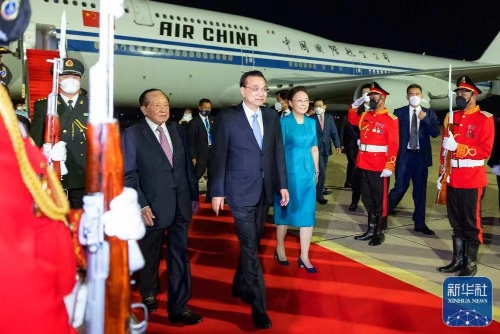
李克强抵达金边出席东亚合作领导人系列会议并对柬埔寨进行正式访问
Xin Hua She· 2025-08-22 08:44
Group 1 - Chinese Premier Li Keqiang arrived in Phnom Penh on November 8 to attend the East Asia Cooperation Leaders' Series Meetings and conduct an official visit to Cambodia, invited by Prime Minister Hun Sen [1][3] - Li emphasized the importance of China-ASEAN relations, highlighting that they are comprehensive strategic partners and the largest trading partners, amidst a complex international landscape with increasing uncertainties [1] - The Chinese side aims to focus on development and cooperation during the meetings, advocating for multilateralism, free trade, and the security of global supply chains, while addressing global challenges to promote regional economic integration and stability [1] Group 2 - During the visit, Li will participate in the 25th China-ASEAN (10+1) Leaders' Meeting, the 25th ASEAN Plus Three (10+3) Leaders' Meeting, and the 17th East Asia Summit [2] - Li is scheduled to meet with King Norodom Sihamoni and hold talks with Prime Minister Hun Sen, witnessing the signing of cooperation documents and attending the opening of the highway from Phnom Penh to Sihanoukville, as well as the handover of the Angkor Wat Temple restoration project [2]

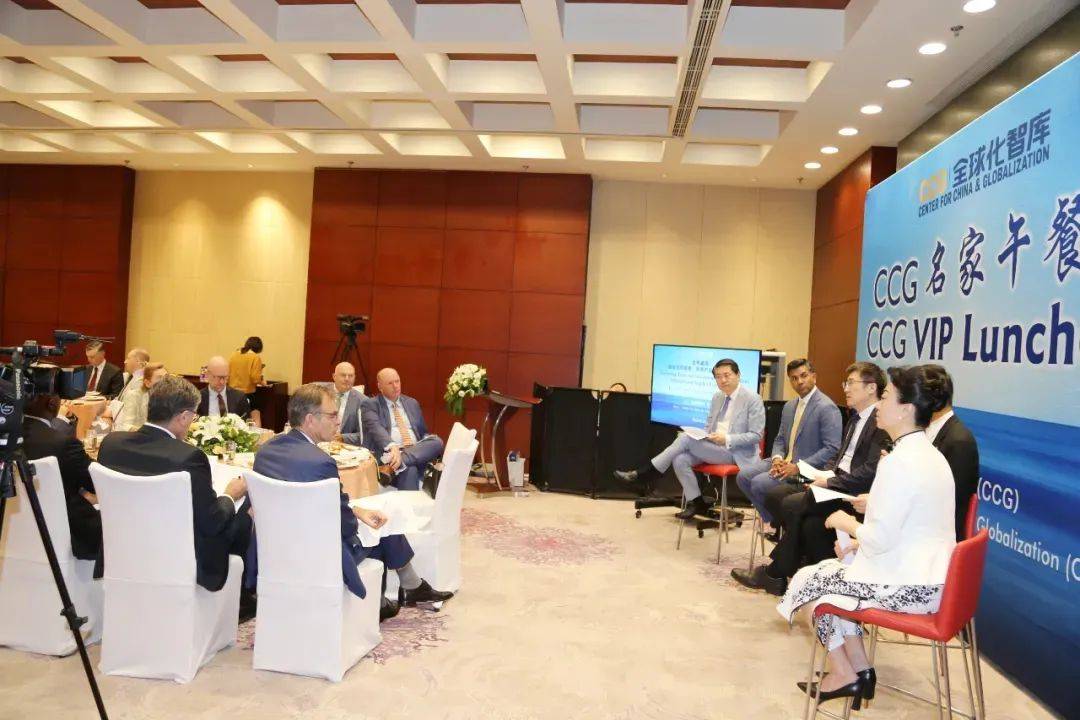
观点 | 纪文华:多边规则如何守护全球供应链韧性?隐忧与对策
Sou Hu Cai Jing· 2025-08-22 04:08
Core Viewpoint - The discussion emphasizes the increasing complexity and politicization of global supply chains, driven by geopolitical tensions, technological changes, and other challenges, necessitating a focus on supply chain resilience and stability [4][7]. Group 1: Current Situation - The structure of global industries and supply chains has become more complex and politicized due to factors such as great power strategic competition, geopolitical conflicts, technological changes, global pandemics, and climate change [4]. - Countries have implemented various national policies and trade measures aimed at enhancing the resilience and security of their supply chains [4]. Group 2: Types of Measures - **Unilateral and inward-looking measures**: Some countries impose trade and investment restrictions on specific foreign goods, provide subsidies to domestic industries, and conduct security reviews of their supply chains, which often violate multilateral rules and increase economic costs [5]. - **Regional and "small multilateral" arrangements**: Countries establish closer ties with a limited number of partners through bilateral or multilateral mechanisms, which can create new barriers for non-participants and lack clear rules [6]. - **Multilateral mechanisms for rule coordination**: Some nations attempt to use platforms like the WTO and G20 to promote trade openness and cooperation in supply chain resilience, although these initiatives often remain conceptual without binding agreements [6]. Group 3: Importance of Multilateralism - The need for responsible nations to engage in multilateral discussions is highlighted, as unilateral measures can lead to a cycle of trade distortions and further disruptions in global supply chains [7]. - Strengthening multilateral mechanisms and promoting rule-based arrangements for supply chain security and stability is seen as a constructive way forward [7]. Group 4: Suggestions for Moving Forward - A call for like-minded WTO members to take a proactive role in initiating informal working groups or "small multilateral" initiatives to enhance focus on supply chain issues [8]. - Suggested elements for a global arrangement include reforming WTO rules, opposing decoupling measures, clarifying conditions for supply chain stability measures, and establishing supply assurance obligations for dominant countries in key supply chains [9][10].
吸收最新研究成果 弘扬正确二战史观
Ren Min Ri Bao· 2025-08-22 01:11
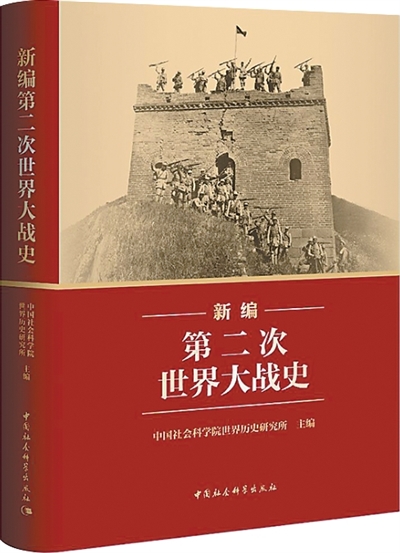
Core Viewpoint - The publication of "New Compilation of the History of World War II" aims to commemorate the 80th anniversary of the victory in the Chinese People's Anti-Japanese War and the World Anti-Fascist War, emphasizing the importance of understanding the value of peace through the lens of war [2] Group 1: Historical Context and Contributions - The book highlights that the Chinese battlefield was the main front in the East, with the Chinese Communist Party being the backbone of the national resistance against Japan, marking the longest and most challenging struggle against fascism [3] - During the Anti-Japanese War, Chinese military and civilian casualties reached as high as 35 million, with direct economic losses estimated at $100 billion and indirect losses at $500 billion, equating to approximately $60 trillion in today's gold value [4] - The book also emphasizes the significant role of the Soviet-German front as the main battlefield in Europe, where Nazi Germany lost 70% of its combat forces and 75% of its military equipment [5] Group 2: Global Support and Involvement - The publication explores the contributions of the Chinese people to various global battlefields, including support for the Spanish Civil War and participation in the Normandy landings, showcasing China's internationalist spirit [5] - It details the involvement of soldiers from British African colonies and other nations, highlighting their contributions to the war effort, which were often overlooked in historical narratives [6] Group 3: China's Post-War Position - The book discusses how China's resistance against Japanese aggression established its status as a major power in the post-war international order, becoming a permanent member of the UN Security Council and holding significant shares in the IMF and World Bank [7] - It argues that China's position in the international order was earned through the sacrifices made during the Anti-Japanese War, which was crucial for the Allied strategy of defeating fascism [7] Group 4: Lessons for the Future - The publication stresses the importance of learning from history to maintain peace and promote cooperation among nations, advocating for multilateralism as a fundamental principle in addressing global challenges [8]
王毅:21世纪应是亚洲、更是南亚加快发展振兴的时代
Xin Hua Wang· 2025-08-21 14:33
Group 1 - The core viewpoint emphasizes the significant development potential of South Asia and the importance of China-Pakistan cooperation in the region [1][2] - Wang Yi highlights that despite different national conditions, India, Afghanistan, and Pakistan recognize development as a priority, which aligns with the common interests of the region [1] - The three countries express a desire to strengthen friendly relations with China, advocating for multilateralism and the protection of their legitimate rights in the face of unilateral actions [1][2] Group 2 - China adheres to a policy of neighborly friendship and mutual benefit, aiming for respect, inclusivity, and trust among South Asian countries [2] - The China-Pakistan relationship is characterized as a strong and enduring partnership, with significant internal momentum for cooperation [2] - Both countries are committed to global development initiatives and security cooperation, with a focus on extending benefits to Afghanistan and promoting cultural understanding [2]
中印外长会谈达成10项成果
中国基金报· 2025-08-20 02:50
Group 1 - The strategic guidance from the leaders of China and India is deemed irreplaceable for the development of bilateral relations, emphasizing the importance of a stable and cooperative relationship to unlock mutual development potential [2] - China welcomes Indian Prime Minister Modi's participation in the upcoming Shanghai Cooperation Organization summit, while India expresses full support for China's presidency of the organization [2] - Both sides agree to support each other's diplomatic activities, with China backing India's hosting of the 2026 BRICS summit and India supporting China's hosting of the 2027 BRICS summit [2] Group 2 - The two countries agree to explore the resumption of various intergovernmental bilateral dialogue mechanisms to enhance cooperation and manage differences [2] - Both sides will support the organization of commemorative activities for the 75th anniversary of diplomatic relations in 2025 [3] - They agree to restore direct flights between mainland China and India and revise the civil aviation transport agreement to facilitate travel for tourism, business, and media personnel [3] Group 3 - The two countries will continue to expand the scale of Indian pilgrims visiting sacred sites in Tibet in 2026 [4] - Specific measures will be taken to facilitate trade and investment flows between the two nations [5] - Both sides agree to maintain peace and tranquility in border areas through friendly consultations [6] Group 4 - The two countries will promote multilateralism and enhance communication on major international and regional issues, defending the interests of developing countries [6]
莫迪会见王毅,中印边界问题特别代表会晤,达成10点共识,包括探讨在条件成熟地段推进划界谈判、就跨境河流合作交换意见等
Mei Ri Jing Ji Xin Wen· 2025-08-20 00:59
Core Viewpoint - The meeting between Indian Prime Minister Modi and Chinese official Wang Yi emphasizes the importance of cooperation between India and China, particularly in the context of the Shanghai Cooperation Organization (SCO) and the management of border issues, highlighting a shared vision for mutual development and stability in the region [3][5]. Group 1: Bilateral Relations - Modi expressed anticipation for the upcoming SCO summit in Tianjin and reiterated India's support for China's presidency of the organization, aiming for a successful outcome [3][5]. - Both leaders acknowledged the historical ties between India and China, emphasizing the need to view each other as partners rather than rivals, and to enhance communication and cooperation [3][5]. - The year 2025 marks the 75th anniversary of diplomatic relations between India and China, which both leaders see as a pivotal moment for future collaboration [3][5]. Group 2: Border Issues - The 24th meeting of the Special Representatives on the India-China border issue resulted in ten points of consensus, focusing on constructive dialogue and management of border disputes [8][11]. - Both sides agreed to establish a working group under the framework of the India-China Border Affairs Consultation and Coordination Mechanism to enhance border management and maintain peace [11][13]. - The discussions included plans to reopen traditional border trade markets and facilitate cross-border river cooperation, indicating a commitment to practical cooperation in border areas [8][14]. Group 3: Multilateral Cooperation - Both parties reaffirmed their commitment to multilateralism and agreed to strengthen communication on major international and regional issues, promoting a rules-based multilateral trading system [12][11]. - They expressed mutual support for hosting significant diplomatic events, including the BRICS summits in 2026 and 2027, showcasing a collaborative approach to international diplomacy [11][12].
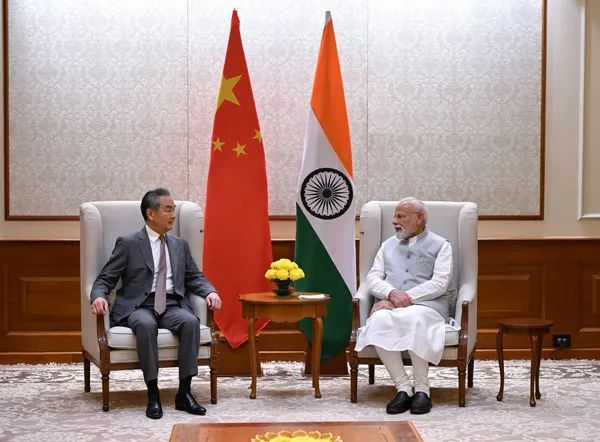
莫迪会见王毅 中印边界问题特别代表会晤 达成10点共识
Mei Ri Jing Ji Xin Wen· 2025-08-19 23:57
Core Points - The meeting between Indian Prime Minister Modi and Chinese official Wang Yi emphasizes the importance of cooperation between India and China, highlighting their historical ties and mutual benefits in addressing global challenges [2][4]. Group 1: Bilateral Relations - Modi expressed anticipation for the upcoming Shanghai Cooperation Organization summit in Tianjin and reiterated India's support for China's presidency of the organization [2][4]. - Both leaders acknowledged the significance of the October meeting in Kazan as a turning point for improving bilateral relations, emphasizing that India and China are partners rather than rivals [2][4]. - The year 2025 marks the 75th anniversary of diplomatic relations between India and China, which both leaders view as a foundation for future cooperation [2][4]. Group 2: Border Issues - The 24th meeting of the Special Representatives on the India-China border issue resulted in a 10-point consensus aimed at maintaining peace and stability in border areas [6][8]. - Both sides agreed to establish a boundary expert group and a working group under the framework of the WMCC to facilitate boundary negotiations and effective border management [8][9]. - The discussions included plans to reopen traditional border trade markets and enhance cooperation on cross-border river management [8][9]. Group 3: Diplomatic Engagements - The meeting between Wang Yi and Indian Foreign Minister Jaishankar resulted in 10 outcomes, including mutual support for upcoming diplomatic events and the importance of leadership in guiding bilateral relations [9][11]. - Both countries agreed to facilitate direct flights and improve visa processes for travelers, enhancing people-to-people connections [11]. - The leaders committed to promoting multilateralism and addressing global issues collaboratively, reinforcing their roles in international trade and development [11].
中印外长会谈达成10项成果
券商中国· 2025-08-19 23:33
Core Viewpoint - The meetings between Chinese and Indian foreign ministers resulted in significant agreements aimed at enhancing bilateral relations and addressing mutual concerns, emphasizing the importance of strategic leadership from both nations [1][2][3]. Group 1: Bilateral Relations - Both sides emphasized the crucial role of their leaders in guiding the development of China-India relations, believing that a stable and cooperative relationship would benefit both countries [1]. - China welcomed Indian Prime Minister Modi's participation in the upcoming Shanghai Cooperation Organization summit, while India expressed support for China's presidency of the organization [1]. - The two nations agreed to support each other's diplomatic activities, including the hosting of the BRICS summits in 2026 and 2027 [1][2]. - They agreed to explore the resumption of various bilateral dialogue mechanisms and enhance cooperation while managing differences [1][2]. Group 2: Economic and Cultural Cooperation - Both countries agreed to support the series of commemorative activities for the 75th anniversary of diplomatic relations in 2025 [2]. - They consented to restore direct flights between mainland China and India and revise the civil aviation transport agreement to facilitate travel for tourism, business, and media personnel [2]. - The two sides agreed to expand the scale of Indian pilgrims visiting sacred sites in Tibet in 2026 [3]. - They committed to taking concrete measures to facilitate trade and investment flows between the two nations [4]. Group 3: Border Issues - The special representatives from both countries positively evaluated the progress made since the last meeting, noting the peaceful situation in the border areas [6]. - They reiterated the importance of maintaining peace and stability in border regions and emphasized resolving issues through friendly consultations [7]. - Both sides agreed to seek a fair and reasonable framework for resolving border issues based on the political principles established in 2005 [8]. - They decided to establish expert groups to discuss boundary demarcation and enhance border management mechanisms [8][9]. - The two nations agreed to reopen traditional border trade markets and hold the next special representatives' meeting in China in 2026 [10].
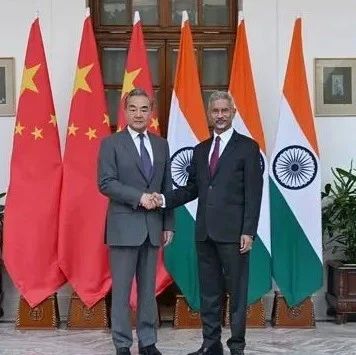
中印外长会谈达成10项成果
第一财经· 2025-08-19 16:23
Group 1 - The core viewpoint emphasizes the importance of strategic leadership from both countries' leaders in developing stable and cooperative China-India relations, which is seen as beneficial for mutual development [3] - Both sides agreed to support each other's diplomatic activities, including India's hosting of the 2026 BRICS summit and China's hosting of the 2027 BRICS summit [3][4] - There is a mutual agreement to explore the resumption of various government-to-government bilateral dialogue mechanisms to strengthen cooperation and manage differences [3][5] Group 2 - Both countries agreed to restore direct flights between mainland China and India and revise the civil aviation transport agreement to facilitate travel for tourism, business, and media personnel [5] - The agreement includes plans to expand the scale of Indian pilgrims visiting sacred sites in Tibet, China, in 2026 [6] - Specific measures will be taken to facilitate trade and investment flows between the two countries [7] Group 3 - Both sides committed to maintaining peace and stability in border areas through friendly consultations [8] - There is a shared commitment to uphold multilateralism and enhance communication on major international and regional issues, supporting a rules-based multilateral trading system centered around the World Trade Organization [8]
战局已扩大,中国重锤加拿大,160多国收到消息,加政府后悔已晚
Sou Hu Cai Jing· 2025-08-19 11:02
Group 1 - The article highlights the sudden backlash from China against Canada following the imposition of tariffs on Chinese steel, indicating a coordinated response from China that significantly impacts Canada's economy [1][11][12] - Canada’s deep economic ties with the United States have limited its strategic options, leading to a reliance on U.S. policies that may not always favor Canadian interests [3][5] - The Canadian government, under Prime Minister Carney, underestimated China's resolve and capability to retaliate, resulting in a series of calculated economic measures against Canada [11][12] Group 2 - China imposed a 75.8% anti-dumping deposit on Canadian canola seed imports, a move that coincided with the harvest season, severely affecting Canadian farmers [14][16][27] - The response from China included a lawsuit at the WTO against Canada for its discriminatory tariffs, indicating a strategic approach to garner international support [19][21] - The article emphasizes that Canada’s agricultural sector, particularly canola farmers, faces dire consequences due to lost access to the Chinese market, which could lead to long-term market share losses [27][29] Group 3 - The article discusses the broader implications of Canada’s actions on its international reputation, suggesting that its protectionist measures could trigger a global trade protectionism wave [31] - The narrative concludes that Canada’s experience serves as a lesson on the dangers of abandoning strategic autonomy in favor of alignment with larger powers, advocating for a more pragmatic and balanced foreign policy [35][37]
