绿色低碳转型

Search documents
晚报 | 8月26日主题前瞻
Xuan Gu Bao· 2025-08-25 14:35
Group 1: Rare Earth - The Ministry of Industry and Information Technology, the National Development and Reform Commission, and the Ministry of Natural Resources released interim measures for total quantity control management of rare earth mining and smelting separation on August 22 [1] - The new management measures indicate a comprehensive upgrade in the regulatory level and scope of rare earth production control, potentially leading to a tightening of supply and an increase in rare earth prices [1][1] - Analysts predict that the domestic rare earth supply will continue to be tight, driving prices upward [1] Group 2: Innovative Pharmaceuticals - China's pharmaceutical industry ranks second globally, with approximately 30% of innovative drugs under research [2] - Since the 14th Five-Year Plan, 387 children's drugs and 147 rare disease drugs have been approved for market, addressing the medication needs of key populations [2] - Analysts believe that the rise of innovative drugs is sustainable, with significant potential for individual products and companies with leading technology platforms [2] Group 3: Photovoltaics - The China Photovoltaic Industry Association issued an initiative to strengthen industry self-discipline and maintain fair competition, urging downstream enterprises to optimize bidding rules [3] - Analysts expect that the photovoltaic industry will see a recovery in long-term profitability as supply-side policies progress and as the industry addresses current challenges [3][3] - The adjustment of polysilicon prices is anticipated to be accepted by the downstream market, leading to a return of component prices to cost levels [3] Group 4: Carbon Emissions - The Central Committee and the State Council released opinions on promoting green and low-carbon transformation and strengthening the national carbon market [4] - By 2027, the national carbon trading market is expected to cover major industrial sectors, with a significant increase in carbon emission quota prices from 46.60 yuan/ton in 2021 to 91.82 yuan/ton in 2024 [4][4] - The total transaction volume of carbon emission quotas reached 1.89 billion tons in 2024, with a total transaction value of 18.114 billion yuan, marking a new annual high [4] Group 5: Storage - Huawei is set to launch a new AI SSD on August 27, aimed at addressing traditional SSD shortcomings in the AI field [5] - The new SSD is expected to enhance data efficiency, which is crucial for enterprise productivity in the era of AI [5] - Analysts highlight the importance of high-performance storage in the training and inference processes of large models, positioning Huawei as a key player in the infrastructure of computing power [5] Group 6: Brain-Computer Interface - A multi-center clinical trial for brain-machine interface technology focusing on precise diagnosis and treatment of hydrocephalus has been initiated by top medical institutions in China [6] - This project marks a significant advancement in brain-machine interface technology, expanding its applications beyond traditional areas [6] - The integration of brain-machine interface technology into medical services has been facilitated by recent policy support from the National Medical Insurance Administration [6] Group 7: Forestry - The People's Bank of China and other regulatory bodies issued a notification to support high-quality development in forestry through financial measures [7] - The forestry sector is evolving beyond traditional timber production to include carbon sink development and ecological tourism [7] - The industry is expected to cover various fields, employing over 100 million people and contributing significantly to the economy [7]

8月25日重要资讯一览
Zheng Quan Shi Bao Wang· 2025-08-25 13:58
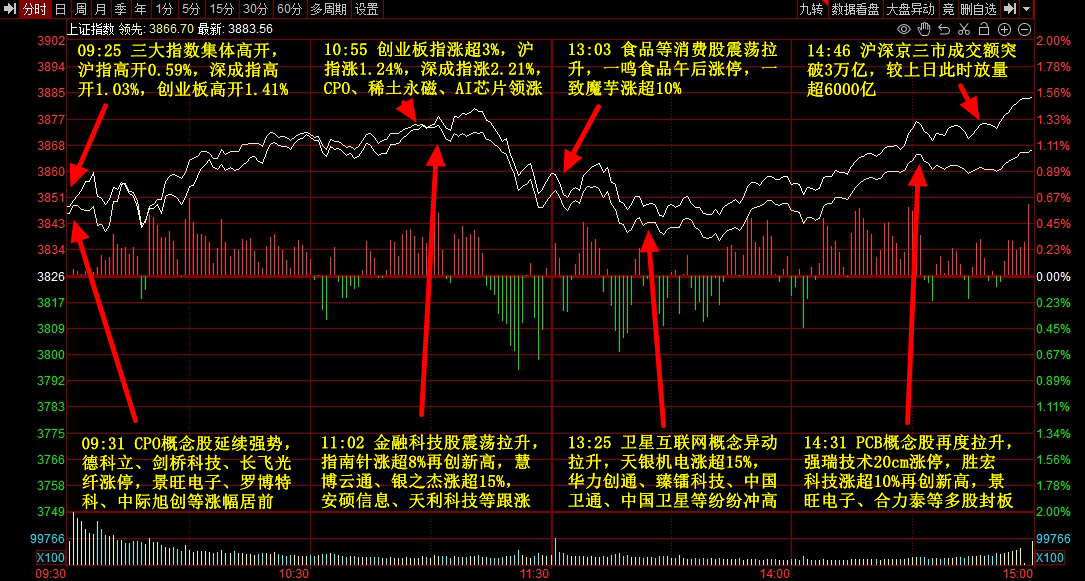
1.中共中央办公厅、国务院办公厅发布关于推进绿色低碳转型加强全国碳市场建设的意见,主要目标 是:到2027年,全国碳排放权交易市场基本覆盖工业领域主要排放行业,全国温室气体自愿减排交易市 场实现重点领域全覆盖。到2030年,基本建成以配额总量控制为基础、免费和有偿分配相结合的全国碳 排放权交易市场,建成诚信透明、方法统一、参与广泛、与国际接轨的全国温室气体自愿减排交易市 场,形成减排效果明显、规则体系健全、价格水平合理的碳定价机制。 重要的消息有哪些 8月26日(周二)申购提示 新股方面,三协电机申购代码920100,发行价8.83元/股,申购上限85.5万股。 投资有风险,申购需谨慎。 2.8月25日,上海发布楼市新政,包括对外环外符合条件将不限购房套数、成年单身人士视同家庭、房 贷利率层面不再区分首套和二套房、提高绿色建筑公积金贷款额度、公积金落实"又提又贷"、优化房产 税征收等。 3.国务院新闻办公室将于2025年8月26日(周二)上午10时举行"高质量完成'十四五'规划"系列主题新 闻发布会,请国家发展改革委党组成员、国家能源局局长王宏志介绍"十四五"时期能源高质量发展成 就,并答记者问。 5.国家新 ...
全国碳市场建设提速:加强碳配额总量管理,推出有偿配额发放
Di Yi Cai Jing· 2025-08-25 12:23
稳妥推行免费和有偿相结合的碳排放配额分配方式 同时,统筹好全国碳排放权交易市场和有关地方试点开展的碳市场。鼓励碳排放权交易试点市场在扩大 覆盖范围、完善市场调节机制、创新监管手段、健康有序发展碳金融等方面先行先试,为全国碳排放权 交易市场建设探索经验。建立定期评估和退出机制,不再新建地方或区域碳排放权交易市场。 在积极发展全国温室气体自愿减排交易市场方面,包括加快自愿减排交易市场建设和积极推动核证自愿 减排量应用。 提升碳市场活力一直以来是关键环节,《意见》提出,着力提升碳市场活力,包括丰富交易产品、扩展 交易主体和加强市场交易监管。 全国碳市场建设正在进一步加快。 《中共中央办公厅 国务院办公厅关于推进绿色低碳转型加强全国碳市场建设的意见》(下称《意 见》)于8月25日正式对外公布。 《意见》提出,到2027年,全国碳排放权交易市场基本覆盖工业领域主要排放行业,全国温室气体自愿 减排交易市场实现重点领域全覆盖。到2030年,基本建成以配额总量控制为基础、免费和有偿分配相结 合的全国碳排放权交易市场,建成诚信透明、方法统一、参与广泛、与国际接轨的全国温室气体自愿减 排交易市场,形成减排效果明显、规则体系健全、 ...
事关全国碳市场建设,中办、国办重磅文件对外公布
中关村储能产业技术联盟· 2025-08-25 12:04
文 | 新华社 8月25日,中共中央办公厅、国务院办公厅《关于推进绿色低碳转型加强全国碳市场建设的意 见》对外公布。 这份意见明确,碳市场是利用市场机制积极应对气候变化、加快经济社会发展全面绿色转型的重 要政策工具。目前,我国已建立重点排放单位履行强制减排责任的全国碳排放权交易市场和激励 社会自主减排的全国温室气体自愿减排交易市场。 这份意见提出,到2027年,全国碳排放权交易市场基本覆盖工业领域主要排放行业,全国温室 气体自愿减排交易市场实现重点领域全覆盖。到2030年,基本建成以配额总量控制为基础、免 费和有偿分配相结合的全国碳排放权交易市场,建成诚信透明、方法统一、参与广泛、与国际接 轨的全国温室气体自愿减排交易市场,形成减排效果明显、规则体系健全、价格水平合理的碳定 价机制。 中共中央办公厅 国务院办公厅关于推进绿色低碳转型加强全国碳市场建设的意见 (2025年5月24日) 碳市场是利用市场机制积极应对气候变化、加快经济社会发展全面绿色转型的重要政策工具。目 前,我国已建立 重点排放单位履行强制减排责任的全国碳排放权交易市场 和激励社会 自主减排 的全国温室气体自愿减排交易市场 。为推动建设更加有效、 ...
新华社权威快报丨事关全国碳市场建设,中办、国办重磅文件对外公布
Xin Hua Wang· 2025-08-25 11:30
新华社权威快报 中共中央办公厅 国务院办公厅 《关于推进绿色低碳转型 加强全国倾行场建设的意见》 8月25日对外公布 新华社国内部出品 8月25日,中共中央办公厅、国务院办公厅《关于推进绿色低碳转型加强全国碳市场建设的意见》 对外公布。 碳市场是利用市场机制积极应对气候变化、加快经济社会发展全面绿色转型的重要政策工具。目前,我 国已建立重点排放单位履行强制减排责任的全国碳排放权交易市场和激励社会自主减排的全国温室气体 自愿减排交易市场。为推动建设更加有效、更有活力、更具国际影响力的全国碳市场,经党中央、国务 院同意,现提出如下意见。 一、总体要求 这份意见明确,碳市场是利用市场机制积极应对气候变化、加快经济社会发展全面绿色转型的重要 政策工具。目前,我国已建立重点排放单位履行强制减排责任的全国碳排放权交易市场和激励社会自主 减排的全国温室气体自愿减排交易市场。 这份意见提出,到2027年,全国碳排放权交易市场基本覆盖工业领域主要排放行业,全国温室气体 自愿减排交易市场实现重点领域全覆盖。到2030年,基本建成以配额总量控制为基础、免费和有偿分配 相结合的全国碳排放权交易市场,建成诚信透明、方法统一、参与广泛、 ...

中共中央办公厅 国务院办公厅关于推进绿色低碳转型加强全国碳市场建设的意见
国家能源局· 2025-08-25 11:24
Core Viewpoint - The article emphasizes the importance of establishing a national carbon market in China as a crucial policy tool for addressing climate change and promoting a green and low-carbon transformation of the economy [3][4]. Group 1: Overall Requirements - The national carbon market aims to cover major industrial sectors by 2027 and establish a comprehensive trading market by 2030, focusing on effective market mechanisms and government involvement [4]. - The goals include optimizing resource allocation for carbon emissions and fostering a transparent market environment to support carbon neutrality and ecological civilization [4]. Group 2: National Carbon Emission Trading Market - The coverage of the national carbon emission trading market will be expanded based on industry development, emission reduction contributions, and data quality [5]. - A transparent carbon emission quota management system will be established, transitioning from intensity control to total control by 2027 for stable emission sectors [5]. - Guidance and supervision will be strengthened for existing pilot carbon trading markets to ensure they contribute to regional low-carbon transitions [6]. Group 3: Voluntary Greenhouse Gas Reduction Trading Market - The development of a voluntary reduction trading market will focus on creating a comprehensive methodology to support sustainable development and ecological benefits [7]. - There will be an emphasis on the integrity of project owners and verification agencies in managing voluntary reduction projects [8]. Group 4: Enhancing Market Vitality - Financial institutions will be encouraged to develop green financial products related to carbon trading, enhancing support for greenhouse gas reduction [9]. - The introduction of new trading participants, including individuals and financial institutions, will be promoted to diversify market engagement [9]. - Regulatory measures will be implemented to prevent market manipulation and ensure a stable trading environment [9]. Group 5: Strengthening Market Capacity - A management system will be established to support the development of the national carbon market, focusing on digital and intelligent management systems [10]. - The carbon emission accounting and reporting system will be improved to ensure accurate emissions data from enterprises [10]. - Strict regulations will be enforced for carbon emission verification to maintain high-quality reporting standards [11]. Group 6: Organizational Implementation Support - Local governments are tasked with supporting the implementation of carbon market policies and managing emissions quotas effectively [12]. - Legal frameworks will be developed to support carbon market operations and ensure compliance with regulations [13]. - International cooperation will be encouraged to align with global carbon market mechanisms and share best practices [13].

刚刚,利好来了
中国基金报· 2025-08-25 11:00
Core Viewpoint - The article discusses the release of a significant document by the Central Committee of the Communist Party of China and the State Council, titled "Opinions on Promoting Green and Low-Carbon Transition and Strengthening National Carbon Market Construction," which outlines the framework for China's carbon market development and its role in addressing climate change and promoting economic transformation [1][12]. Summary by Sections 1. Overall Requirements - The carbon market is identified as a crucial policy tool for addressing climate change and facilitating a comprehensive green transition in economic and social development. The main goals include achieving basic coverage of major industrial sectors by 2027 and establishing a robust carbon trading market by 2030 [15][12]. 2. Accelerating the Construction of the National Carbon Emission Trading Market - The coverage of the national carbon emission trading market will be expanded based on industry development, pollution reduction contributions, data quality, and carbon emission characteristics [16]. - A transparent carbon emission quota management system will be established, with a focus on balancing supply and demand in the market [17]. - Guidance and supervision will be strengthened for pilot carbon trading markets to ensure they contribute to regional green and low-carbon transitions [18]. 3. Actively Developing the National Voluntary Greenhouse Gas Reduction Trading Market - A comprehensive methodology system will be established to support voluntary reduction projects, ensuring effective management from project development to verification [18]. - Encouragement for various entities, including government and enterprises, to utilize certified voluntary reduction credits to offset emissions [18]. 4. Enhancing Market Vitality - Financial institutions will be supported in developing green financial products related to carbon emissions, including carbon pledges and repurchase policies [19]. - The introduction of new trading participants, including individuals, will be facilitated in the voluntary reduction trading market [19]. 5. Strengthening Carbon Market Capacity Building - A management system that aligns with the development stages of the national carbon market will be established, enhancing supervision and operational efficiency [21]. - The carbon emission accounting and reporting management will be improved, with a focus on accurate measurement and verification of emissions [21]. 6. Strengthening Organizational Implementation Support - Local governments are urged to enhance leadership and policy support for carbon market construction, ensuring effective management of emission quotas and data quality [23]. - Legal frameworks will be developed to support carbon market operations, including regulations for voluntary reduction trading [24].
事关全国碳市场建设,中办、国办重磅文件公布
第一财经· 2025-08-25 10:57
Core Viewpoint - The article discusses the Chinese government's policy to advance green and low-carbon transformation through the establishment and enhancement of a national carbon market, aiming for comprehensive coverage of major industrial sectors by 2027 and a robust carbon pricing mechanism by 2030 [1][5]. Group 1: Overall Requirements - The policy emphasizes the importance of a unified national carbon market as a tool for controlling greenhouse gas emissions, balancing economic development with green transformation [4]. - The goals include optimizing resource allocation efficiency and maximizing benefits while fostering deep transformation in traditional industries and nurturing new productive forces [5]. Group 2: National Carbon Emission Trading Market - The plan includes expanding the coverage of the national carbon emission trading market based on industry development status, pollution reduction contributions, data quality, and carbon emission characteristics [6]. - A transparent and stable carbon emission quota management system will be established, with a gradual shift from intensity control to total control of carbon emissions [6][7]. Group 3: Voluntary Greenhouse Gas Reduction Trading Market - The establishment of a comprehensive methodology system for voluntary reduction projects is prioritized, focusing on areas with significant sustainable development benefits [8]. - The government encourages the use of certified voluntary reduction amounts to offset carbon emissions in various sectors, including government and enterprises [9]. Group 4: Enhancing Market Vitality - Financial institutions are encouraged to develop green financial products related to carbon emissions, enhancing support for greenhouse gas reduction [10]. - The introduction of new trading participants, including individuals and financial institutions, is supported to broaden market engagement [10]. Group 5: Strengthening Market Capacity - A robust management system will be established to ensure effective supervision and management of the national carbon market, including digital and intelligent management systems [11]. - The article highlights the need for strict verification of carbon emissions and the establishment of a comprehensive regulatory framework to ensure data quality and integrity [12]. Group 6: Organizational Implementation and Support - Local governments are tasked with implementing the policy effectively, ensuring oversight of key emission units and managing quota allocations [13]. - Legal frameworks will be developed to support carbon market operations, including regulations for voluntary reduction trading and administrative enforcement [13][14].

事关全国碳市场建设,中办、国办重磅文件对外公布
券商中国· 2025-08-25 10:55
Core Viewpoint - The article outlines the Chinese government's strategic plan to enhance the national carbon market, emphasizing the importance of a unified carbon trading system to facilitate green and low-carbon transformation while ensuring economic development [2][3]. Group 1: Overall Requirements - The plan is guided by Xi Jinping's thoughts and aims to create a fair, transparent market environment for carbon trading, optimizing resource allocation and maximizing benefits [3]. - Key targets include achieving basic coverage of major industrial sectors in the carbon market by 2027 and establishing a comprehensive carbon trading system by 2030 [3]. Group 2: Accelerating Carbon Emission Trading Market Construction - The coverage of the national carbon emission trading market will be expanded based on industry development, emission reduction contributions, and data quality [4]. - A transparent carbon emission quota management system will be established, transitioning from intensity control to total volume control by 2027 [4]. Group 3: Developing Voluntary Greenhouse Gas Reduction Trading Market - A comprehensive methodology system will be developed to support voluntary emission reduction projects, ensuring effective management from project development to verification [6]. - The use of certified voluntary emission reductions will be promoted across various sectors, including government and enterprises, to offset carbon emissions [6]. Group 4: Enhancing Market Vitality - Financial institutions will be encouraged to develop green financial products related to carbon trading, enhancing support for greenhouse gas reduction [8]. - The introduction of new trading participants, including individuals and financial institutions, will be facilitated to broaden market participation [8]. Group 5: Strengthening Carbon Market Capacity Building - A robust management system will be established to support the development of the national carbon market, including digital and intelligent management systems [9]. - The carbon emission accounting and reporting management will be improved, with a focus on establishing national standards for greenhouse gas emissions [9]. Group 6: Organizational Implementation and Support - Local governments are tasked with implementing the carbon market construction and providing policy support for key emission units [11]. - Legal frameworks will be developed to support carbon market operations, ensuring compliance and addressing violations effectively [11]. Group 7: International Cooperation - The plan emphasizes active participation in international climate change agreements and collaboration on carbon market mechanisms [12].
新华社权威快报|事关全国碳市场建设,中办、国办重磅文件对外公布
Xin Hua She· 2025-08-25 10:48
8月25日,中共中央办公厅、国务院办公厅《关于推进绿色低碳转型加强全国碳市场建设的意见》对外公布。 这份意见明确,碳市场是利用市场机制积极应对气候变化、加快经济社会发展全面绿色转型的重要政策工具。目前,我 国已建立重点排放单位履行强制减排责任的全国碳排放权交易市场和激励社会自主减排的全国温室气体自愿减排交易市 场。 新华社权威快报 中共中央办公厅 国务院办公厅 《关于推进线色《碳酸型 加强合国际市场建设的意见》 8月25日对外公布 新华社国内部出品 这份意见提出,到2027年,全国碳排放权交易市场基本覆盖工业领域主要排放行业,全国温室气体自愿减排交易市场实 现重点领域全覆盖。到2030年,基本建成以配额总量控制为基础、免费和有偿分配相结合的全国碳排放权交易市场,建 成诚信透明、方法统一、参与广泛、与国际接轨的全国温室气体自愿减排交易市场,形成减排效果明显、规则体系健 全、价格水平合理的碳定价机制。 海报制作:魏弘毅 记者:高敬、魏弘毅 ...