
双碳战略

Search documents
400亿电池巨头冲刺“A+H” 欣旺达回应车企23亿诉讼
2 1 Shi Ji Jing Ji Bao Dao· 2026-02-02 12:22
Core Viewpoint - XINWANGDA has re-submitted its application to the Hong Kong Stock Exchange for an IPO, focusing on overseas production capacity expansion, particularly in Hungary, Vietnam, Morocco, and India, amidst a significant lawsuit with Geely's Weirui Electric for 2.314 billion yuan [1][5]. Group 1: Company Overview - XINWANGDA, established in 1997, is a leading consumer battery manufacturer with a 34.3% global market share in mobile phone batteries [2]. - The company is expanding into automotive power batteries and energy storage systems, which are now its fastest-growing segments [2]. - Revenue projections for XINWANGDA from 2022 to 2024 are 52.16 billion yuan, 47.86 billion yuan, and 56.02 billion yuan, respectively, with a compound annual growth rate of 3.6% [2]. Group 2: Financial Performance - In the first three quarters of 2025, XINWANGDA achieved revenue of 43.534 billion yuan, a year-on-year increase of 13.73%, and a net profit of 1.405 billion yuan, up 15.94% [2]. - The sales volume of consumer batteries increased, while power batteries grew by 80% and energy storage systems saw nearly a threefold increase compared to the same period in 2024 [3]. - Despite the increase in sales volume, the average selling prices of consumer and power batteries declined, with consumer batteries dropping from 47.2 yuan to 47.6 yuan per unit and power batteries from 0.7 yuan/Wh to 0.5 yuan/Wh [3]. Group 3: Legal Issues - XINWANGDA is facing a lawsuit from Weirui Electric, claiming 2.314 billion yuan, which poses a significant risk to its IPO process [5][6]. - The company believes the lawsuit lacks sufficient evidence and that the likelihood of a ruling against them is low [6]. - XINWANGDA has made provisions of 275 million yuan for warranty claims and potential costs related to the lawsuit, indicating a cautious financial approach [6][7].

国网盐城供电公司党委:锚定“第一议题”强根基 赋能盐阜供电谱新篇
Zhong Guo Neng Yuan Wang· 2026-02-02 10:00
最近,国网盐城供电公司召开党委会,以"第一议题"学习了习近平总书记对第七届中俄能源商务论坛的 重要贺信,在《求是》杂志上的重要文章《扩大内需是战略之举》以及最近召开的中共中央政治局会议 精神。会议立足企业使命担当,将理论学习与工作实践深度融合,切实把"第一议题"学习成效转化为推 动盐阜地区电力事业高质量发展的强大动力。 把牢"第一议题"政治舵,筑牢发展思想根基。坚持把学习贯彻习近平总书记重要讲话和重要指示批示精 神作为首要政治任务,严格落实"第一议题"制度,通过党委理论学习中心组学习等多元形式,推动理论 学习往深里走、往实里走、往心里走。按照"有没有学习研讨、有没有贯彻措施、有没有督导推动、有 没有跟踪问效"四项标准强化闭环管理,确保党的创新理论在企业落地生根、开花结果,以坚定的政治 站位践行央企"三大责任"。 激活"第一议题"新动能,勇担绿色转型使命。紧扣"十五五"谋篇布局关键期,以"第一议题"学习成果为 指引,争做能源改革先行官。深化"三链"党建赋能,发挥基层党组织战斗堡垒作用和党员先锋模范作 用,统筹推进地区千万千瓦级风光接网规划研究。依托公共电网扎实推进"绿电进园区"工程,高水平服 务大丰港国家零碳园 ...
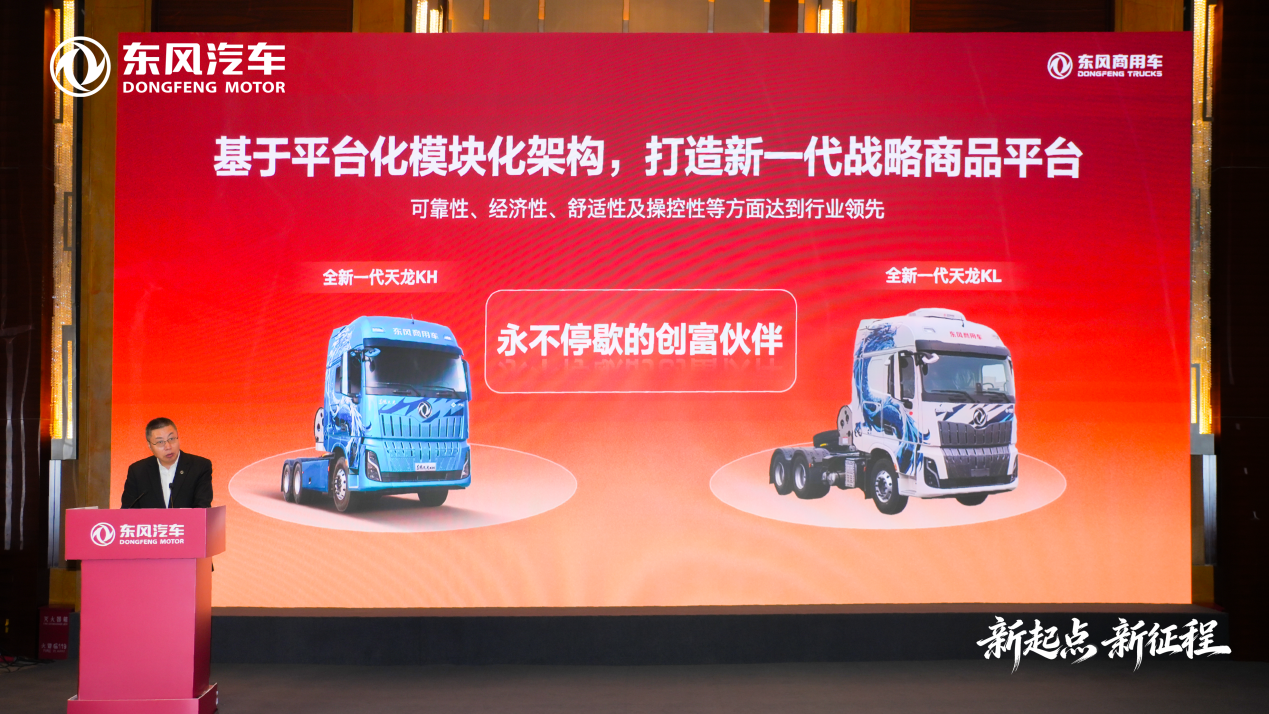
解读东风商用车的“可靠”答卷
Zhong Guo Qi Che Bao Wang· 2026-02-02 09:01
Core Viewpoint - Dongfeng Commercial Vehicle is committed to reliability as a foundation for growth and transformation in the face of energy transition and technological revolution, aiming for a future driven by innovation and new strategies [1] Group 1: Performance and Achievements - In 2025, Dongfeng Commercial Vehicle achieved a sales volume of 131,000 units, representing a 24% year-on-year increase, and expanded its market share [3] - The company accelerated its growth in the new energy sector, launching over 70 models including hydrogen fuel and hybrid vehicles, with sales exceeding 10,000 units, doubling from the previous year [3] - Dongfeng's traditional advantages in the conventional energy sector remain strong, with the self-developed Dragon Power chain achieving over 51% efficiency and overseas exports reaching 20,000 units [4] Group 2: Strategic Initiatives - Dongfeng aims to exceed 176,000 units in sales by 2026, targeting a 34% year-on-year growth [5] - The company plans to transition towards a comprehensive ecosystem in new energy, focusing on electric, hydrogen fuel, and hybrid vehicles, while providing full value chain services [6] - In international markets, Dongfeng intends to deepen its presence in 18 key markets, shifting from "product export" to "system export" to enhance local operations and service [6] Group 3: Future Outlook - The company anticipates significant industry restructuring, with a projected increase in the domestic new energy market penetration rate to over 35% [7] - Dongfeng expects a long-term shift towards localized operations in overseas markets, maintaining a 1/3 market share [7] - The focus of competition is expected to shift from low-price competition to lifecycle value services, aligning with the industry's "anti-involution" advocacy [7]

学习规划建议每日问答丨为什么要建设能源强国
Xin Hua She· 2026-02-02 08:55
Group 1 - The core viewpoint emphasizes the importance of building an energy powerhouse as a fundamental requirement for modernizing the country and ensuring energy security, especially in the context of global changes and the need for a green low-carbon transition [1][2] - The construction of an energy powerhouse is aligned with the new energy security strategy proposed by the government, which includes promoting energy consumption, supply, technology, and institutional revolutions, as well as enhancing international cooperation [2] - The urgency of enhancing energy security capabilities is highlighted due to increasing geopolitical risks and the politicization of energy issues, necessitating the development of a robust energy supply chain and innovation system [3] Group 2 - The need for green low-carbon development is identified as a strategic priority for enhancing global competitiveness, with a focus on transforming energy production and consumption patterns to achieve carbon neutrality goals [4] - China has made significant progress in energy supply capabilities since the proposal to build an energy powerhouse in 2021, with substantial increases in energy production expected by 2024, including coal, oil, and natural gas [5] - China is recognized as a leader in renewable energy, with the largest installed capacity for wind and solar power globally, and a complete supply chain for clean electricity, although there are challenges related to high dependence on foreign oil and gas [5]
多家上市公司出资参设具身智能机器人基金;中国人寿拟出资40亿元参与设立长三角科创私募基金丨01.26-02.01
Sou Hu Cai Jing· 2026-02-02 07:01
Group 1: AI and Robotics Investment Funds - Kunshan established a 5 billion RMB AI industry fund, focusing on core hardware, computing infrastructure, and AI+ manufacturing [2] - Luoyang's industrial development fund plans to set up a 2 billion RMB humanoid robot fund, targeting investments in the entire humanoid robot industry chain [2] - A 6.6 billion RMB intelligent robot industry fund was jointly established by UBTECH and the Liuzhou government, focusing on the entire industry chain [12] Group 2: Aerospace and Space Technology Funds - Sichuan Liangshan plans to establish a commercial aerospace special fund of no less than 4 billion RMB, supporting rocket and satellite development [2] - Beijing Yizhuang Star Arrow Technology established a 1 billion RMB aerospace industry fund, focusing on reusable rockets and satellite applications [3] Group 3: Regional and Sector-Specific Funds - Urumqi's Midong District set up a 200 million RMB industrial fund to boost five key industries, including petrochemicals and new energy [3] - Jiangsu's Wuxi Huishan District launched its first S fund with a total scale of 500 million RMB, focusing on private equity secondary markets [8] - The Jiangsu province's guiding fund successfully established a 500 million RMB results transformation fund to promote technology transfer [5] Group 4: Renewable Energy and New Materials Funds - Zhejiang Zhengtai Electric plans to invest 150 million RMB in a 1 billion RMB household photovoltaic investment fund [11] - Hunan Keli Yuan plans to lead a 2 billion RMB energy storage industry fund, focusing on new energy storage projects [17] Group 5: Healthcare and Biomedicine Funds - The first CVC biomedicine sub-fund in Yangzhou was established with a total scale of 500 million RMB, focusing on medical technology [13] - Liaoning He’s Eye Hospital Group plans to invest 80 million RMB in a biomedicine fund, targeting biotechnology and healthcare projects [15] Group 6: Government and Policy Initiatives - Hangzhou Yuhang District released a new investment fund management method to enhance investment efficiency and support emerging industries [18]


能源研究所康艳兵拆解“AI+能源”发力点:2方向、3原则、5个化+全场景
Zhong Guo Neng Yuan Wang· 2026-02-02 02:45
Core Insights - The AI + Energy Development Conference emphasized the integration of AI in the energy sector to achieve carbon neutrality and enhance energy security, highlighting the importance of energy transformation in addressing environmental and developmental challenges [1][2]. Group 1: Energy Transformation and AI Integration - The rapid development of AI complements the energy transition, which is crucial for achieving carbon reduction goals, as energy sources like coal, oil, and natural gas account for nearly 90% of carbon emissions [1][2]. - Two core pathways for energy transformation are identified: energy efficiency improvement and clean energy substitution, both of which can be significantly enhanced by AI technologies [2]. Group 2: Strategic Directions and Principles - Future energy transformation is characterized by "2 directions" (efficiency and cleanliness), "3 principles" (reliability, affordability, sustainability), and "5 transformations" (continuous efficiency improvement, electrification of end-use, decarbonization of energy sources, decentralization of energy systems, and intelligent energy supply-demand management) [3]. - AI plays a pivotal role in enabling these transformations, particularly in optimizing energy supply and demand interactions [3]. Group 3: Key Areas for New Energy Systems - The construction of a new energy system is essential for the energy transition, focusing on three areas: new power systems, new thermal systems, and new fuel raw material systems, all of which can leverage AI for optimization [4]. - The energy transition is expected to trigger a new industrial revolution, with AI being a core driver of this change, fostering new business models and production capabilities [4]. Group 4: Application Scenarios of AI + Energy - AI applications span three major sectors: energy supply (including AI in coal, oil, gas, and electricity), energy consumption (smart manufacturing, urban energy use), and interactive energy supply-demand systems [5]. - The focus on dual-direction interaction in energy systems, such as virtual power plants and vehicle-to-grid interactions, represents a critical battlefield for AI empowerment [5]. Group 5: Support Mechanisms for Development - High-quality development of AI + Energy requires robust support mechanisms, including infrastructure upgrades, user engagement, enterprise and platform support, and policy frameworks [6]. - The integration of AI in energy systems is seen as a promising avenue for achieving smart upgrades and supporting carbon neutrality goals, contributing to sustainable economic and social development [6].
南方电网储能股份有限公司 关于抽水蓄能和新型储能价格政策调整及其对公司影响的公告
Sou Hu Cai Jing· 2026-02-01 23:14
Core Viewpoint - The recent notice from the National Development and Reform Commission and the National Energy Administration outlines new pricing mechanisms for pumped storage and independent new-type energy storage, aiming to enhance market-oriented operations and clarify pricing policies for different categories of power stations [1][2]. Group 1: Pricing Mechanisms for Pumped Storage - The notice specifies that pumped storage stations built before the issuance of the 633 document will continue to have government-set pricing, with adjustments made post-operation based on necessary technical upgrades and maintenance costs [1][2]. - For pumped storage stations constructed after the 633 document, provincial pricing authorities will set capacity prices every 3-5 years based on average cost recovery principles, with adjustments for operational hours [1][2]. - New pumped storage stations can participate in energy and ancillary service markets, sharing a portion of market revenues as determined by provincial pricing authorities [1][2]. Group 2: Independent New-Type Energy Storage Pricing - The notice establishes a capacity pricing mechanism for independent new-type energy storage stations that support power system safety, with pricing based on local coal power capacity standards and peak capacity ratios [1][2]. - Independent new-type energy storage stations will be managed under a list system, with specific management requirements to be defined by the National Energy Administration [1][2]. Group 3: Electricity Settlement Policies - In regions with continuous spot markets, the pricing for pumped storage and independent new-type energy storage will follow market rules or real-time spot prices; in regions without continuous markets, pricing will be based on commercial user electricity purchase prices [1][2]. - During charging, pumped storage and independent new-type energy storage will be treated as users, incurring transmission and system operation fees, while discharge will reduce these fees accordingly [1][2]. Group 4: Impact on the Company - The company’s existing pumped storage stations, including seven operational ones, fall under the first category, while nine additional stations under construction are classified as the second category [2][4]. - The company’s future projects will either follow the second or third category pricing policies, which will be clarified by relevant authorities during project implementation [2][4]. - The company plans to leverage the new pricing policies and the "dual carbon" strategy to optimize its pumped storage and new-type energy storage development strategies, enhancing its value creation capabilities [6].

天津科技大学储能学院成立
Xin Lang Cai Jing· 2026-02-01 21:21
Group 1 - The establishment of the Tianjin University Energy Storage College aims to support the national "dual carbon" strategy and capitalize on the golden development period of the new energy storage industry [1] - The college will focus on two core areas: electrochemical energy storage and hydrogen energy storage, creating a comprehensive practical teaching system that includes material synthesis, electrode engineering, device integration, system testing, and resource recycling [1] - The college has built four functional laboratories to address complex engineering problems in the field of electrochemical energy storage, aiming to cultivate high-level talent urgently needed in this sector [1] Group 2 - The college's construction will anchor on key core technology breakthroughs and establish an open collaborative innovation platform through school-enterprise innovation alliances [2] - A new talent cultivation model, "1+N," will be explored, transitioning from a supply-driven to a demand-driven approach in education [2] - Discussions at the conference included optimizing professional training programs, integrating academic resources, innovating school-enterprise collaborative education mechanisms, and enhancing the quality of talent cultivation to meet industry demands [2]
南方电网储能股份有限公司关于抽水蓄能和新型储能价格政策调整及其对公司影响的公告
Xin Lang Cai Jing· 2026-02-01 19:22
Core Viewpoint - The announcement discusses the adjustment of pricing policies for pumped storage and new energy storage, as outlined by the National Development and Reform Commission and the National Energy Administration, which will impact the company's operations and revenue generation strategies. Pricing Policy Adjustments - The new pricing policy for pumped storage includes three categories of power stations: 1. First category stations will continue to have government-set pricing based on previous regulations [1] 2. Second category stations will have their capacity prices determined every 3-5 years based on average cost recovery principles [1] 3. Third category stations will participate in market mechanisms and receive all market revenues [1] - For independent new energy storage on the grid side, capacity pricing will be based on local coal power capacity prices, adjusted for peak capacity [1] Impact on the Company - The company has several pumped storage stations classified under the first and second categories, with the pricing policies for new projects yet to be clarified [4] - Existing new energy storage stations will either maintain their original business model or adopt new pricing policies, pending further clarification from authorities [4] - The company expects to generate capacity fee income from new grid-side independent energy storage projects and participate in electricity market transactions [4] Market Execution and Revenue - The company operates and is constructing pumped storage and new energy storage stations across five provinces, with varying market conditions affecting pricing execution [5] - In Guangdong, where the electricity market is continuously operational, pricing will follow market rules, while other provinces are in trial phases [5] - The company will be treated as a user during charging, incurring certain fees, while discharge will reduce transmission fees accordingly [5] Future Strategy - The company plans to leverage the "dual carbon" strategy opportunities and optimize its pumped storage and new energy storage development strategies in line with the new pricing policies [7] - The company aims to enhance its value creation capabilities in the market under the new regulatory framework [7]
路博迈基金:转型金融的“中国样本”
Guo Ji Jin Rong Bao· 2026-02-01 15:34
Core Viewpoint - The article highlights the need for financial support for high-carbon industries undergoing low-carbon transformation, as existing green finance tools primarily focus on "pure green" projects like solar energy and electric vehicles. The estimated investment demand for China's high-carbon industries by 2060 is projected to reach 139 trillion yuan [1][3]. Group 1: Green Finance Development - China's green finance is transitioning from a "policy-driven" to a "market-driven" model, with a rapid expansion of tools like green credit and green bonds, placing it among the top globally in terms of scale [2]. - The introduction of the "CFETS 0-5 Year Climate Change High-Grade Bond Composite Index" represents a significant innovation in the domestic market, aiming to fill the gap in financing for high-carbon industries [4][5]. Group 2: Transformation Finance - Transformation finance is emerging to support the low-carbon transition of high-carbon industries, addressing the limitations of traditional green finance that lacks effective incentives and oversight mechanisms [3][5]. - The new index is designed to assess not only current carbon emissions but also future climate goals and the effectiveness of corporate governance, providing a comprehensive evaluation of companies' willingness and capability to transition [7]. Group 3: Collaborative Efforts - The collaboration between the three institutions—Loomis Sayles, China Foreign Exchange Trade System, and Shanghai Pudong Development Bank—has resulted in the first domestic climate change-themed bond index, showcasing a successful integration of international experience with local practices [4][8]. - The project has received positive market feedback, with funds linked to the index performing well and gaining recognition from investors and partners [8]. Group 4: Future of Green Finance - The future of green finance in China is expected to be more refined, with a focus on decentralized projects and innovative financial products that directly link to carbon reduction [12]. - The development of green financial products will require continuous efforts from various participants to demonstrate sustainability through traceable investment performance and solid investment capabilities [12].
