
好房子建设

Search documents
广州发布“好房子”建设指引
Zheng Quan Shi Bao Wang· 2025-10-28 12:22
Core Viewpoint - The "Good House" initiative has become a key focus in the real estate market this year, with various regions launching guidelines for its construction, aiming to address common issues in housing safety, functionality, and comfort [1] Group 1: Safety Standards - The guidelines emphasize comprehensive safety requirements, including smoke alarms in residential units and public areas, gas leak alarms in kitchens, and automatic rescue functions for elevators [1] - The initiative mandates the separation of pedestrian and vehicle traffic in residential areas to ensure the safety of children and the elderly [1] - It also includes regulations for the safe management of electric bicycles and requires monitoring systems in elevators to prevent vehicle access to residential floors [1] Group 2: Comfort Standards - The guidelines specify that residential units should have a minimum ceiling height of 3.0 meters and living room dimensions that promote comfortable living [2] - It encourages the use of prefabricated renovations and the provision for aging-in-place modifications to meet flexible space needs [2] - Measures to enhance indoor air quality and noise reduction are outlined, including the use of high-performance soundproof materials and specific window specifications to mitigate noise from external sources [2] Group 3: Smart Construction - The guidelines advocate for the installation of smart devices such as smart gateways, locks, and emergency buttons for unified home management [3] - It encourages the integration of fiber optics and smart monitoring systems for water and air quality within residential units [3] - The initiative promotes the development of smart property management systems and the exploration of future smart living applications, including infrastructure for drones and service robots [3] Group 4: Public Space Utilization - The guidelines call for the design of public spaces to meet universal accessibility standards and to create comfortable walking systems that consider local climate features [3] - It suggests flexible use of ground-level spaces for community activities, such as shared living rooms and fitness areas [3] - The initiative encourages the establishment of community service centers to create comprehensive living environments close to residents' homes [3]
吉林:“好房子”建设再添新标杆
Zhong Guo Fa Zhan Wang· 2025-10-28 07:08
Core Insights - The article emphasizes the commitment of the Chinese government to build "good houses" that are safe, comfortable, green, and smart, aligning with the aspirations of families for a better life [1] - The successful delivery of the Wu Zhongfu Phase I Batch II project in Jilin Province serves as a model for modern residential construction, enhancing residents' living satisfaction [1][2] Group 1: Project Overview - Wu Zhongfu is a key residential project located in the core area of Chaoyang District, Changchun City, aimed at urban renewal and upgrading living quality [2] - The project adheres to the Jilin Province Green Building Evaluation Standards and "whole life cycle housing" construction requirements, featuring over 60% tree coverage and a Su-style garden landscape [2] Group 2: Community Features - The project focuses on creating an all-age-friendly environment, with designated play areas for children, multifunctional spaces for young adults, and serene resting spots for the elderly [2] - Traditional Su-style architectural elements are integrated into the community landscape, enhancing cultural richness and aesthetic appeal [2] Group 3: Educational and Service Support - Wu Zhongfu aligns with the Jilin Province's "15-minute convenient living circle" initiative, providing proximity to educational resources, shopping centers, and parks [3] - The project team introduced a "four-fold homecoming ceremony" during the delivery process, enhancing the customer experience with professional service [3] Group 4: Long-term Service Commitment - The project has initiated three long-term plans: community building activities, personalized home management services, and smart community features [4] - With over 600 families officially moving in, Wu Zhongfu aims to explore new paths for "good house" construction, responding to the provincial policy shift towards quality improvement in residential development [4]
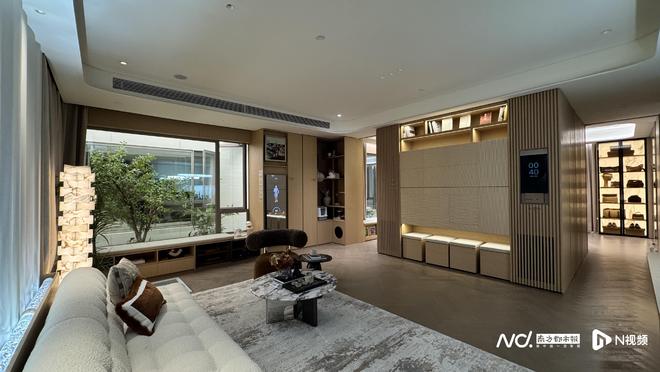
采光隔音全部提升,广州正式推出“好房子”标准并展出样板间
Nan Fang Du Shi Bao· 2025-10-28 07:04
Core Points - Guangzhou's Housing and Urban-Rural Development Bureau officially announced 20 construction measures for "Good Houses" during the Fourth Guangdong Province Architectural Culture Promotion Week, following prior public consultations [2] - An exhibition was held at the Guangzhou Second Workers' Cultural Palace to showcase model rooms and innovative achievements in intelligent construction, allowing citizens to experience the future of "Good Houses" [2][3] Summary by Categories Construction Standards - The warranty period for kitchen, bathroom, and building exterior waterproofing has been extended from 5 years to 10 years [2] - Important technical standards retained include the use of shock-absorbing pads and soundproof coatings for floor slabs, and the installation of monitoring and alarm devices for residential elevators [2] Exhibition Highlights - The exhibition featured over 40 quality exhibits, including intelligent equipment addressing construction pain points and details on creating high-quality living spaces [2] - A full-size model room was displayed, demonstrating the 20 construction measures for "Good Houses," focusing on good design, good construction, and good materials [3] Innovative Materials - New materials showcased include ultra-high-performance concrete (UHPC) with 5-10 times the compressive strength of ordinary concrete, underwater anti-dispersion concrete that solidifies directly in water, and carbon fiber cloth that enhances structural strength by 30% without wall demolition [3] Collaborative Efforts - The construction of "Good Houses" is described as a long-term and systematic project requiring collaboration among government, enterprises, and society, with future efforts to enforce mandatory requirements during land transfer and strengthen oversight from design to completion [3]

多地优化政策促住房需求释放 推进“好房子”建设
Zheng Quan Ri Bao· 2025-10-27 23:40
10月份是楼市交易的传统旺季。本月以来,全国超20地推出支持举措,从优化住房公积金政策、推 进"好房子"建设、发放购房补贴等角度发力,助力"银十"期间住房需求的释放,进一步促进房地产市场 平稳健康发展。 中指研究院相关负责人认为,未来各地"好房子"建设标准、规范计容规则等政策有望加快完善,通过高 品质住房供应放量,激发改善性住房需求释放。 另外,为支持居民合理住房需求,提振消费市场活力,各地还积极发放购房补贴。例如,在杭州市,萧 山区、富阳区、临安区等地近日开展"购房+消费券"活动,对在规定期限内购买参与项目新建商品房项 目住宅的活动对象,每套发放10万元消费券。 "采取有力措施巩固房地产市场止跌回稳,依然是各地四季度要坚持的工作,尤其是要立足于'一城一 策',对政策进行更精准的落实和消化。"上海易居房地产研究院副院长严跃进表示,从大方向看,房地 产市场向好的趋势不变。 (责任编辑:王晨曦) 在优化住房公积金政策方面,支持房贷"商转公"成为多地政策发力的重点。例如,广州市人民政府办公 厅10月21日发布的《广州市提振消费专项行动实施方案》提出,持续优化住房公积金使用政策,支持缴 存人在提取住房公积金支付购房首 ...
多地优化政策促住房需求释放
Zheng Quan Ri Bao· 2025-10-27 17:24
Group 1 - The core viewpoint of the articles highlights the proactive measures taken by over 20 cities in China to stimulate housing demand during the traditional peak season of October, aiming for a stable and healthy development of the real estate market [1][2] - Various cities are optimizing housing provident fund policies, with a focus on supporting the conversion of commercial loans to public housing loans, as seen in Guangzhou and Chengdu [1][2] - The construction of "good houses" has become a significant policy direction, with cities like Haikou and Qingdao implementing measures to enhance residential quality and establish standards for housing construction [2] Group 2 - Local governments are actively issuing home purchase subsidies to boost consumer market vitality, with initiatives like the "purchase + consumption voucher" program in Hangzhou [2] - The overall trend in the real estate market is positive, with a call for precise policy implementation tailored to individual cities to consolidate market stability in the fourth quarter [3]
什么是好房子?这个高规格论坛给出了“很懂你”的答案
Nan Fang Du Shi Bao· 2025-10-27 02:20
Core Viewpoint - The forum focused on the theme of building "good houses" and providing "good services" to enhance the quality of life, emphasizing collaboration among government, enterprises, and research institutions to innovate in housing development [1][4][8]. Group 1: Government Initiatives - The Shenzhen government is committed to high-quality urban development, aiming to create a modern, resilient, and intelligent city while promoting a new model for real estate development [4][8]. - The Guangdong Provincial Housing and Urban-Rural Development Department is implementing various local standards to support the construction of "good houses" and is promoting the transformation of the construction industry towards green, industrialized, and intelligent practices [4][5]. Group 2: Housing Quality and Standards - The Ministry of Housing and Urban-Rural Development is pushing for the construction of safe, comfortable, green, and smart "good houses," focusing on enhancing the entire lifecycle of housing design, construction, and maintenance [5][9]. - The concept of "good houses" includes improving supply quality, reducing environmental impact, and fostering a modernized residential industry [9][10]. Group 3: Community and Service Enhancements - The importance of property services in supporting "good houses" is highlighted, with initiatives aimed at improving service quality and integrating property management into community governance [6][12]. - The forum discussed the need for a comprehensive service support system to address residents' needs and enhance community living standards [12][18]. Group 4: Financial Support and Innovation - Financial institutions, such as Shanghai Pudong Development Bank, are actively providing customized loan products to support the "four good" construction initiatives, ensuring adequate funding for housing projects [9][17]. - The Shenzhen Housing Provident Fund Management Center is enhancing digital services to better assist residents in addressing housing issues, focusing on optimizing service capabilities [7][13]. Group 5: Technological Integration - The integration of technology in housing development is emphasized, with companies exploring smart home solutions and digital services to improve living experiences [15][14]. - Innovations in property services, such as AI applications, are being implemented to enhance efficiency and service quality in the housing sector [14][15]. Group 6: Practical Examples and Case Studies - The forum included practical examples of successful housing projects, such as the Shenzhen Deep Rail Qianhai Times Respectful Project, showcasing the integration of green building practices and smart operations [19]. - Participants visited various projects to observe the implementation of "good houses" and community services, reinforcing the collaborative efforts in housing development [19].


深圳超80米住宅项目审批趋严 让购房者离“好房子”更近一步
2 1 Shi Ji Jing Ji Bao Dao· 2025-10-24 15:56
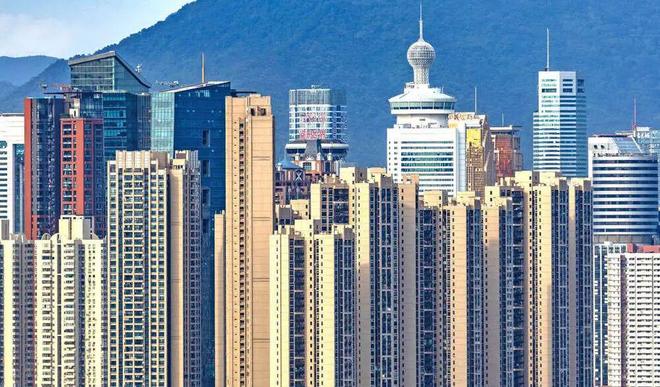
Core Viewpoint - The new regulations in Shenzhen regarding residential building heights indicate a shift away from high-rise developments, with a strict limit of 80 meters for new residential projects, aligning with national standards set to take effect on May 1, 2025 [1][2][3]. Summary by Sections Regulatory Changes - Shenzhen's planning and housing authorities have issued a notification that mandates strict adherence to building height regulations for residential projects exceeding 80 meters, requiring consultation with local fire rescue departments [1]. - The notification allows previously approved projects to proceed under existing plans, indicating a transitional phase for ongoing developments [1][5]. Market Impact - The implementation of an 80-meter height limit is seen as a long-term positive for the market, potentially increasing the availability of desirable housing options for buyers [2]. - The trend of limiting building heights is not unique to Shenzhen, as other cities like Guangzhou, Beijing, and Shanghai are also adopting similar restrictions, indicating a broader market shift towards lower-density residential developments [3][4]. Industry Response - Developers are increasingly recognizing a shift in buyer preferences towards low-density, high-quality housing, with a growing demand for residential buildings not exceeding 30 stories [4]. - The sudden implementation of the new regulations has caused delays in project approvals, particularly for urban renewal projects, which may struggle to remain financially viable under the new height restrictions [5][6]. Future Considerations - Experts suggest that a transitional period or flexibility in the application of the new height regulations may be necessary to accommodate existing projects and ensure financial feasibility [6]. - The focus on creating "good housing" is expected to drive continuous improvements in residential development standards, with an emphasis on low-density and low-volume projects leading the market [7].
深圳将告别超高层住宅
2 1 Shi Ji Jing Ji Bao Dao· 2025-10-24 14:48
Core Points - The new regulations in Shenzhen will limit residential buildings to a maximum height of 80 meters, aligning with the national "Residential Project Standards" set to take effect on May 1, 2025 [2][3][9] - The implementation of these regulations is expected to shift the market towards lower-density, lower-rise residential developments, which may enhance the quality of housing available to buyers [6][10] Group 1: Regulatory Changes - Shenzhen's planning and housing authorities have issued a notification that mandates strict adherence to the new height regulations for residential projects, requiring consultation with local fire rescue departments [2][8] - The notification allows previously approved projects to proceed under existing plans, but new projects will be subject to the 80-meter height limit without any transitional buffer [2][9] Group 2: Market Implications - The trend of high-rise residential buildings is declining, with buyers increasingly favoring lower-density housing options, which are perceived as more desirable [6][10] - Other major cities like Beijing and Shanghai are also moving towards similar height restrictions, indicating a broader shift in urban residential development strategies [5][6] Group 3: Challenges and Recommendations - The sudden implementation of the height limit may create challenges for existing urban renewal projects, potentially leading to financial imbalances and project delays [9][10] - Experts suggest that a transitional period or flexibility in height regulations for urban renewal projects could help mitigate negative impacts, similar to the approach taken by Beijing [9][10]
第138届广交会系列创新产品助力“好房子”建设
Zhong Guo Jing Ji Wang· 2025-10-24 05:53
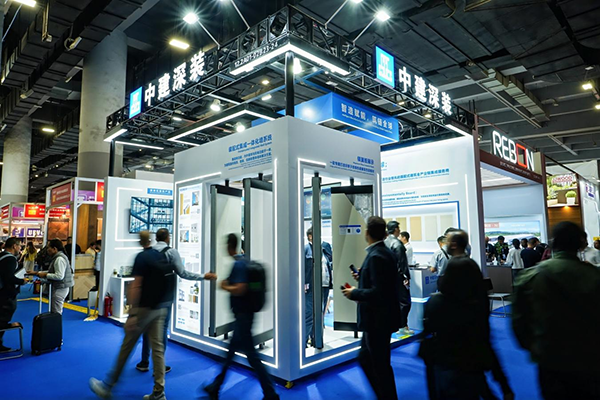
Core Viewpoint - The 138th China Import and Export Fair (Canton Fair) is being held from October 15 to November 4 in Guangzhou, focusing on "Quality Home" in its second phase, reflecting the shift in housing development in China towards higher quality and better services [1] Group 1: Industry Trends - The construction of "good houses" involves design, construction, usage, and service, requiring close cooperation and innovation across upstream and downstream industries [3] - There is a growing demand among the public for better housing quality and services, indicating a shift from merely having housing to having quality housing [1] Group 2: Company Innovations - China State Construction Shenzhen Decoration Co., Ltd. (CSCD) showcased its innovative products and solutions tailored for "good house" construction, including the magnesium wing composite board, which is lightweight and has multiple performance advantages [3][4] - The magnesium wing composite board weighs approximately 300 kg/m, which is only 12% of traditional concrete and 60% of ALC wall panels, leading to a 30%-40% reduction in transportation and installation costs, particularly beneficial for renovation projects [3][4] - The board's construction process is a dry method, allowing for easy installation, disassembly, and replacement, and it has passed green product low-carbon certification, making it suitable for various projects like hospitals and schools [3][4] Group 3: Advanced Solutions - CSCD has developed an integrated wall system centered around the magnesium wing composite board, redefining traditional perceptions of building walls by combining structure, function, and aesthetics into a smart wall system [4] - The company also presented modular building products and green health renovation technologies at the fair, emphasizing efficiency and customization in construction [4][5] - The "Green Health Monitor" continuously tracks air quality indicators, providing a comprehensive solution for maintaining a healthy indoor environment [5]
绿城揽入低密地块,广州“好房子”迭代进行时
2 1 Shi Ji Jing Ji Bao Dao· 2025-10-22 12:04
Core Viewpoint - The Guangzhou land market has undergone a significant transformation this year, with suburban areas frequently attracting real estate investments through low-density land parcels [2][6]. Group 1: Land Market Dynamics - The Huangsha Island land parcel in Panyu District was successfully sold on October 21, after 16 rounds of bidding, with a total price of approximately 497 million yuan and a floor price of about 25,900 yuan per square meter, reflecting a premium rate of approximately 17.8% [2][3]. - The Huangsha Island parcel is characterized as a low-density land suitable for developing improved housing products, with a total area of 17,400 square meters and a floor area ratio of 1.1 [2][3]. - Other low-density land parcels have also been made available in areas such as Huadu and Zengcheng, indicating a trend towards low-density residential development in Guangzhou [2][6]. Group 2: Market Demand and Product Development - The Huangsha Island parcel has attracted significant market attention due to its location in a traditional villa area, offering potential for high-quality product development [3][4]. - The demand for low-density residential products is increasing, as evidenced by the active sales of villas in Panyu, where the average price of new villas has surpassed 100,000 yuan per square meter [6][8]. - Developers like Greentown are preparing to create high-end products, such as stacked villas, with expected average prices exceeding 10 million yuan per unit [4][6]. Group 3: Strategic Planning and Future Outlook - The Guangzhou Planning and Natural Resources Bureau is focusing on creating high-quality, low-density residential areas that differ from the older urban districts, aiming to enhance the overall quality of development [7][8]. - The shift towards low-density land supply aligns with market demands, as these areas are less densely populated and do not require high-density residential buildings [6][8]. - The introduction of low-density land parcels allows developers to create products with better spatial quality and comfort, addressing previous limitations in high-density developments [8].