
数字经济

Search documents
中芯长电孵化,江阴将迎一个半导体IPO
3 6 Ke· 2026-02-25 10:51
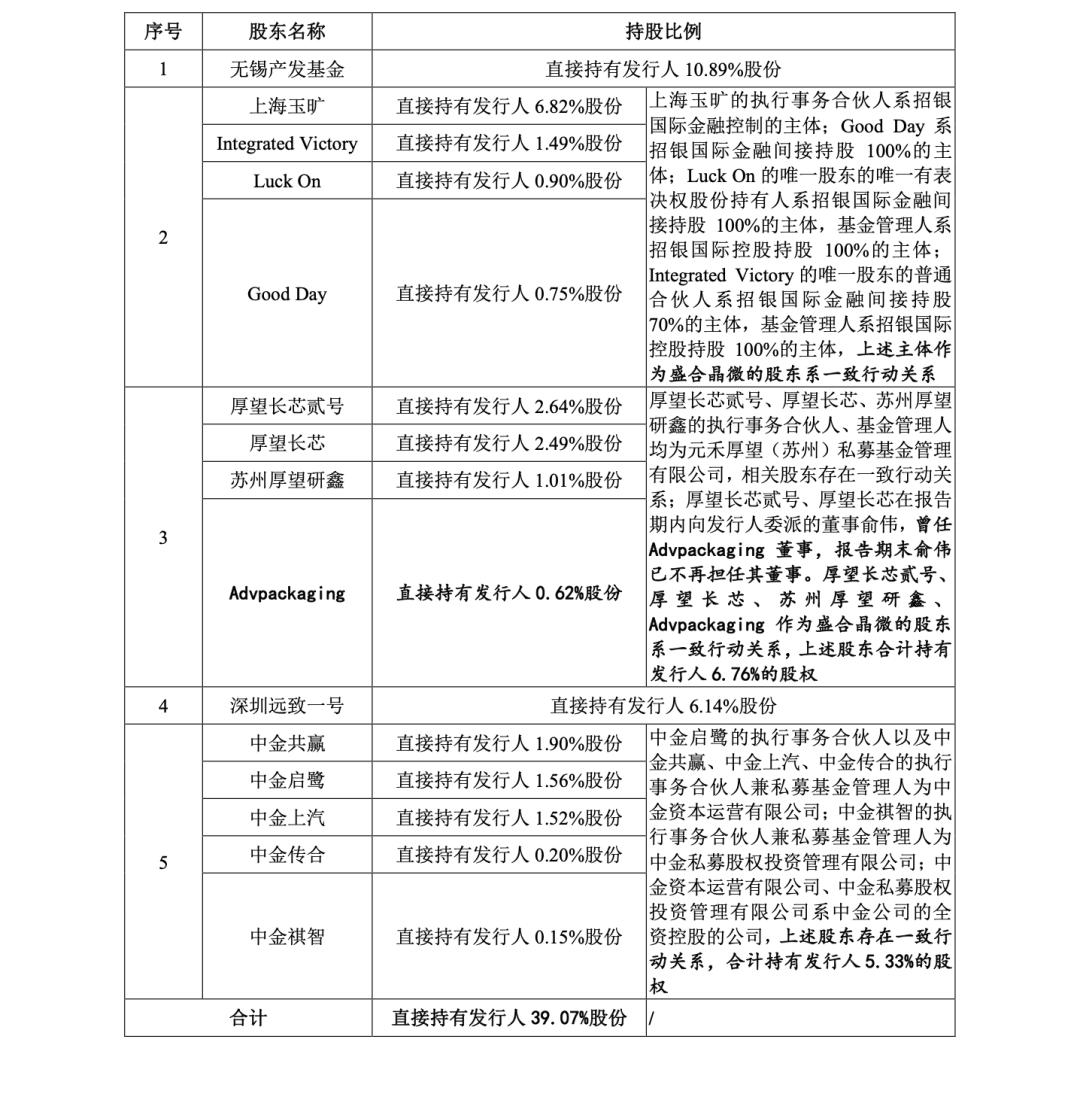
Core Viewpoint - Shenghe Jingwei Semiconductor Co., Ltd. has successfully passed the review for its IPO on the Sci-Tech Innovation Board, marking the first IPO approval in the Year of the Horse [2]. Company Overview - Shenghe Jingwei, previously known as Zhongxin Changdian Semiconductor (Jiangyin) Co., Ltd., is a joint venture with roots in both SMIC and Changdian Technology, focusing on advanced packaging and testing services for integrated circuits [3]. - The company aims to raise 4.8 billion yuan through its IPO, with a strong emphasis on supporting high-performance chips, including GPUs, CPUs, and AI chips [2][7]. Financial Performance - In 2022, Shenghe Jingwei reported revenues exceeding 6.5 billion yuan and a net profit of over 900 million yuan, showcasing significant growth and operational efficiency [7]. - The company has shown a trajectory of increasing revenues from approximately 1.63 billion yuan in 2022 to an expected 6.52 billion yuan in 2025, with net profits transitioning from a loss of 329 million yuan in 2022 to a projected profit of 923 million yuan in 2025 [9]. Shareholder Structure - As of the IPO, the largest shareholder is Wuxi Chanfang Fund with a 10.89% stake, followed by various stakeholders from the Zhaoyin and Huawen groups, indicating a diversified ownership structure without a controlling shareholder [5][6]. Future Projections - Shenghe Jingwei anticipates revenue growth of 9.91% to 19.91% in Q1 2026, with net profits expected to rise by 6.93% to 18.81% compared to the previous year [12]. - The company plans to utilize the funds raised from the IPO for projects focused on three-dimensional multi-chip integration packaging, enhancing its capabilities in high-end packaging services [12].

数字经济板块2月25日涨0.38%,星环科技领涨,主力资金净流出59.16亿元
Sou Hu Cai Jing· 2026-02-25 09:09
证券之星消息,2月25日数字经济板块较上一交易日上涨0.38%,星环科技领涨。当日上证指数报收于 4147.23,上涨0.72%。深证成指报收于14475.86,上涨1.29%。数字经济板块个股涨跌见下表: 从资金流向上来看,当日数字经济板块主力资金净流出59.16亿元,游资资金净流入6.81亿元,散户资金 净流入52.35亿元。数字经济板块个股资金流向见下表: 以上内容为证券之星据公开信息整理,由AI算法生成(网信算备310104345710301240019号),不构成 投资建议。 ...


广东跨境电商规模十年扩大55倍 年均增速49.3%
Sou Hu Cai Jing· 2026-02-25 03:49
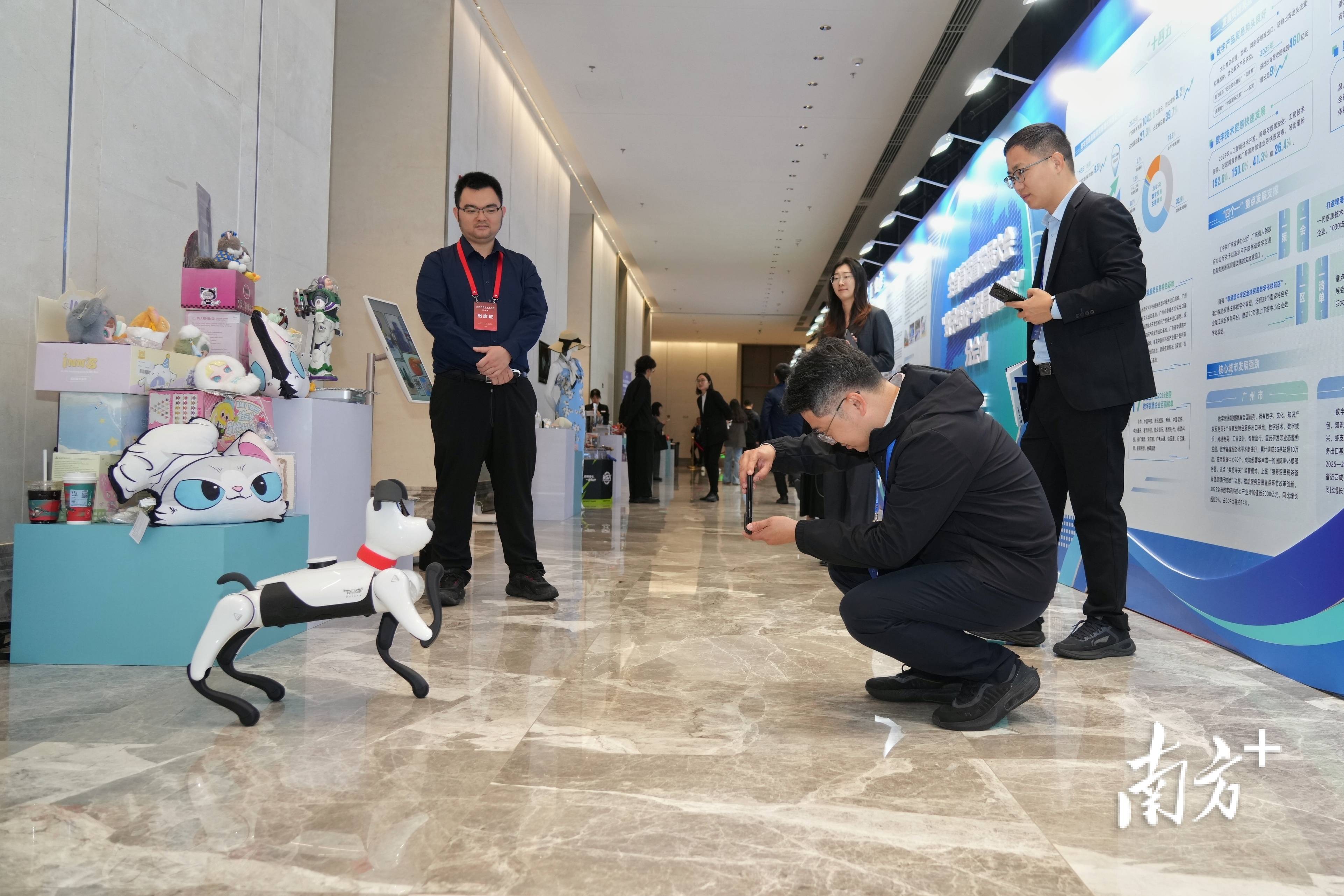
Core Insights - Guangdong's cross-border e-commerce imports and exports are projected to grow from 11.3 billion to 623 billion yuan from 2015 to 2025, representing a 55-fold increase with an average annual growth rate of 49.3%, accounting for over one-third of the national total and gathering 50% of the country's cross-border e-commerce sellers [1] Group 1: Digital Economy and Trade Development - The conference emphasized that the digital economy is the primary engine driving global economic growth, and Guangdong is accelerating the development of digital trade with a solid foundation and first-mover advantages [1] - The theme of the conference was "Digital Economy and New Business Formats," aiming to gather various forces to inject new momentum into the coordinated development of manufacturing and service industries [1] Group 2: Strategies for Cross-Border E-Commerce - Guangdong will promote stable growth in cross-border e-commerce through five key strategies: improving inspection efficiency, developing bonded online shopping, expanding overseas warehouse operations, advancing transparency in cross-border e-commerce, and increasing financial support [2] - Specific measures include enhancing the construction of regulatory sites, upgrading inspection equipment, expanding bonded warehouse areas, and establishing a "Yue Warehouse Pass" platform for global overseas warehouse operations [2] - The "Yueqi Going Global" service resource library was introduced, integrating resources from government, business associations, and professional service institutions to create a comprehensive service ecosystem for enterprises going abroad [2]
中国信保 助力八城外贸破万亿元
Jin Rong Shi Bao· 2026-02-25 02:46
Core Insights - The article highlights the significant role of China Export & Credit Insurance Corporation (Sinosure) in supporting the foreign trade growth of eight cities in China, with a total foreign trade scale exceeding 1 trillion RMB by 2025 [1][4] Group 1: Sinosure's Initiatives in Different Cities - In Shenzhen, Sinosure optimized the "Quick Claim" mechanism under the "Big Unified Insurance" policy, allowing for faster compensation for small and micro enterprises, supporting over 30,000 foreign trade companies with an export scale exceeding 110 billion USD [1] - In Shanghai, Sinosure launched products like "Assured Order Insurance" and "Exhibition Quick Check," providing a credit limit of 110 billion RMB to over 30,000 small and micro foreign trade enterprises [1] - In Beijing, Sinosure established a comprehensive service platform for the Belt and Road Initiative and introduced innovative insurance models to support equipment exports and overseas expansion [2] - In Suzhou, Sinosure conducted credit investigations for 15,000 overseas buyers, assisting local manufacturers in entering emerging markets and handling 153 overseas recovery cases [2] - In Dongguan, Sinosure served over 10,000 enterprises, with a short-term export credit insurance coverage exceeding 35 billion USD [2] - In Ningbo, Sinosure introduced innovative insurance products to address risks in cross-border e-commerce, supporting over 9,800 foreign trade enterprises with exports exceeding 46 billion USD [3] - In Guangzhou, Sinosure implemented tailored services for new enterprises and supported service trade with an insurance amount of 2.2 billion USD [3] - In Jinhua, Sinosure focused on small and micro enterprises, achieving a 102.2% year-on-year increase in cross-border e-commerce insurance coverage [3] Group 2: Future Outlook - Sinosure aims to continue enhancing its policy-oriented financial services, optimizing product offerings, and deepening digital transformation to support high-quality foreign trade development and contribute to building a strong trading nation [4]
全省高质量发展大会围绕“百千万工程”县域产业融合与高质量发展主题举行分会场会议林克庆出席并讲话推动县域经济从“要素集聚”向“生态共生”跨越式升级
Nan Fang Ri Bao Wang Luo Ban· 2026-02-25 02:13
Group 1 - The provincial high-quality development conference was held in Guangzhou, focusing on the "Hundred Million Project" and the integration of county industries for high-quality development [1] - Lin Keqing emphasized the importance of county-level integration as a key node for urban-rural integration and regional coordination, which directly influences the province's high-quality development [2] - The conference highlighted the need for Guangdong to continue promoting the "Hundred Million Project" following the recognition from General Secretary Xi Jinping during his visit in November [1][2] Group 2 - The conference proposed specific work requirements to enhance the synergy between manufacturing and service industries, aiming for a leap from "factor aggregation" to "ecological symbiosis" in county economies [2] - Strategies discussed included promoting dual empowerment between manufacturing and services, extending agriculture into secondary and tertiary industries, and fostering the integration of traditional and emerging industries [2] - The meeting also addressed the importance of technological integration, ecological development, cultural branding, and governance innovation to create a new pattern of "Bay Area R&D + county manufacturing" [2]
粤企出海,如何拥抱全球数字化浪潮?
Sou Hu Cai Jing· 2026-02-25 01:30
Core Viewpoint - Guangdong's digital economy is experiencing rapid growth, with significant advancements in digital trade and cross-border e-commerce, positioning the province as a new growth engine for the economy [4][5]. Group 1: Digital Trade Growth - Guangdong's cross-border e-commerce imports and exports have increased 55 times over the past decade, accounting for over one-third of the national total [4]. - The province's service trade is expected to double during the 14th Five-Year Plan period, reaching $262.58 billion by 2025, with digital trade amounting to $104.28 billion [4]. - Guangdong has maintained its position as the top province in China for goods import and export for 40 consecutive years, with cross-border e-commerce leading the nation for 10 years [5]. Group 2: Government Policies and Initiatives - The provincial government introduced five policies to stabilize and expand cross-border e-commerce, focusing on improving inspection efficiency, developing bonded business, and enhancing overseas warehouse operations [9]. - Initiatives include upgrading inspection facilities, expanding bonded warehouse areas, and establishing a "Yue Warehouse Pass" platform to enhance overseas warehouse capabilities [9]. - Financial support measures are in place to assist local projects related to foreign trade [9]. Group 3: Technological Integration - AI technology is being leveraged to enhance the efficiency of cross-border e-commerce, with applications in product selection, design, and marketing [14]. - Companies are utilizing AI to reduce costs and improve decision-making, with AI capable of analyzing multiple products in a fraction of the time previously required [14]. - The integration of digital technologies is enabling companies to optimize resource allocation and respond quickly to market demands [10]. Group 4: Economic Impact and Future Outlook - By 2025, Guangdong is projected to handle $44.9 billion in service outsourcing, with a growth rate of 13.5%, expanding partnerships globally [15]. - The province's second-hand car export service platform has successfully facilitated the export of 37,000 vehicles, boosting its ranking in the national market [15]. - Digital products and services are becoming key drivers of economic growth, with a focus on cultural exports and the development of global brand IPs [19]. Group 5: Talent Development Challenges - There is a significant talent gap in Guangdong, with a need for professionals who understand both technology and economics [22]. - Educational initiatives are being developed to address this gap, including dual-degree programs and practical research projects [22]. - Companies are also exploring new ways to cultivate talent, emphasizing the importance of AI-driven innovation and collaboration with educational institutions [22].
59页|企业架构实践与创新观察报告(2025年)
Sou Hu Cai Jing· 2026-02-25 01:28
Core Insights - The article discusses the transformation of enterprises from partial digitization to overall intelligence, emphasizing that this shift is not merely a technological update but a reconstruction of the strategic core of businesses, involving the integration of strategy, organization, product services, and digital technologies [1][9]. Group 1: Current State of Digital Transformation - Chinese enterprises are in a critical phase of digital transformation, moving from exploration to tackling challenges, driven by policy support and market demand, but facing deep-rooted issues such as strategic decoding difficulties and insufficient business-technology collaboration [1][9]. - The concept of enterprise architecture is highlighted as a core methodology for digital transformation, serving as a bridge from strategy to execution, enabling the breakdown of strategic goals into actionable value creation segments [1][9]. Group 2: Framework for Enhancing Transformation Efficiency - The report outlines a framework driven by enterprise architecture to enhance the efficiency of digital transformation, focusing on strategic alignment, business-driven approaches, data integration, technological support, and continuous operation [1][10]. - Successful practices from various industries are explored, showcasing how companies like China Tower and Ping An Life have innovatively designed their architecture to support digital capabilities and collaborative systems [2][10]. Group 3: Factors Driving Digital Transformation - Multiple factors are driving the deepening of digital transformation across industries, including the high-quality development of the digital economy, government initiatives emphasizing architecture-driven transformation, and the increasing availability of technological resources [12][24]. - The digital economy's core industries have seen significant growth, with a reported business revenue of 35 trillion yuan, reflecting a year-on-year increase of 11% [21][22]. Group 4: Challenges and Solutions in Transformation - Enterprises face structural challenges in their digital transformation journeys, such as the inability to effectively execute strategic plans and the lag in converting IT potential into business model innovations [28][29]. - To address these systemic issues, the report suggests leveraging enterprise architecture to create standardized, modular business capabilities that can adapt to dynamic business needs and integrate data into decision-making processes [29][30].
2026年中国磁悬浮离心压缩机行业概述、产业链、市场现状及发展趋势研判:数据中心高端需求驱动行业向高效国产化加速跃升[图]
Chan Ye Xin Xi Wang· 2026-02-25 01:26
Core Viewpoint - The magnetic levitation centrifugal compressor industry in China is experiencing significant growth driven by high-end demands from AI data centers, with a projected market size of approximately 5.041 billion yuan in 2024, representing a year-on-year increase of 31.83% [6][7]. Industry Overview - Magnetic levitation centrifugal compressors integrate magnetic bearing technology and centrifugal compression principles, featuring components such as a two-stage compression section, variable frequency control, and magnetic bearings, allowing for high-speed rotation without mechanical contact [1][4]. - The key advantages of magnetic levitation compressors include higher efficiency (COP reaching 8.0-11.0), lower noise, and reduced maintenance costs compared to traditional centrifugal compressors, which rely on mechanical bearings and oil systems [4]. Industry Chain - The upstream of the industry chain includes components like magnetic bearings, high-speed permanent magnet synchronous motors, and precision sensors, while the downstream applications span data centers, chemicals, pharmaceuticals, and food processing [5]. - By the end of 2024, the number of standard racks in use across China is expected to exceed 9 million, with a computing power scale of 280 EFLOPS, highlighting the growing demand for efficient cooling solutions in data centers [5]. Market Size - The magnetic levitation centrifugal compressor market in China is projected to reach approximately 5.041 billion yuan in 2024, marking a significant growth trajectory with a year-on-year increase of 31.83% [6][7]. Key Companies' Performance - Hanbell Precise Machinery's centrifugal compressor series includes the RTM series, which features a cooling capacity of 125-700 RT and incorporates variable frequency technology for enhanced efficiency. However, the company's revenue for the first three quarters of 2025 is reported at 2.265 billion yuan, a decrease of 20.70% year-on-year [8]. - Xinglei Compressor Co., Ltd. reported a revenue of 583 million yuan for the first three quarters of 2025, down 11.72% year-on-year, while its net profit increased by 963.10% to 379 million yuan [10]. Industry Development Trends 1. The demand for data centers is experiencing explosive growth, particularly driven by AI data centers, which are becoming the core engine for industry growth. The power requirements for single cabinets are increasing significantly, necessitating advanced cooling solutions [11]. 2. The process of domestic substitution is accelerating, with leading domestic companies like Hanbell Precise Machinery making substantial advancements in core components, allowing them to compete effectively with international brands [11]. 3. The application scenarios for magnetic levitation centrifugal compressors are diversifying, expanding beyond data centers to traditional industrial sectors such as pharmaceuticals and textiles, driven by the need for energy efficiency and reliability [12][13].




农历马年开工第一天,深圳福田区释放出“开足马力”的强信号
Nan Fang Du Shi Bao· 2026-02-25 01:01
Core Viewpoint - Shenzhen's Futian District is launching a significant development initiative called the "New Quality Industry 'Ten Communities, Million Spaces, Billion Funds' Capability Enhancement Action Plan" to boost industrial capacity and attract investment, with a total investment of approximately 14 billion yuan for 24 major projects in 2026 [1][4]. Group 1: Action Plan Overview - The "New Quality Industry" initiative focuses on developing ten industrial communities targeting sectors such as artificial intelligence, digital economy, and biomedicine, aiming to create a robust industrial foundation for high-quality development [2][3]. - The plan includes the establishment of 10 industrial communities, such as the Huaqiangbei OPC Innovation Community and the X-Hub Life Sciences Community, to foster complementary industrial clusters [2]. - The initiative aims to create over 1 million square meters of high-quality industrial space and attract or cultivate at least five specialized enterprises in each community, targeting a total output value exceeding 300 billion yuan [3]. Group 2: Major Projects and Investments - A total of 24 major projects will be advanced with an investment exceeding 14 billion yuan, focusing on urban environment quality and functionality improvements, including urban renewal and upgrading of old residential areas [4][5]. - Specific projects include the redevelopment of the Hongshu Bay Industrial Community and the construction of the Xiangmi Lake Park, which will enhance local infrastructure and public amenities [5]. Group 3: Task Lists and Execution Mechanism - The district has introduced 49 tasks for 2026 under the "One List, Three Orders" efficient execution mechanism, categorized into strategic, operational, and baseline tasks [6][7]. - Key strategic tasks include enhancing the global influence of the "Bay Area Headquarters" and implementing nine major actions in the financial sector [7]. Group 4: New Spring Policy Package - The "2026 Spring Policy Package" has been launched, offering support across four major areas: industry, talent, space, and venture capital, aimed at attracting high-quality enterprises to Futian [8]. - The policy package addresses various sectors, including technology, finance, and modern services, with a focus on talent acquisition and retention through initiatives like the "Elite Gathering 4.0" policy [8].
人民银行开展5260亿元7天期逆回购操作,北证50上涨0.37%
Soochow Securities· 2026-02-25 00:55
Monetary Policy - The People's Bank of China conducted a 7-day reverse repurchase operation of 526 billion yuan, achieving a net withdrawal of 926.4 billion yuan[6] - The operation interest rate was set at 1.4%[6] - The latest Loan Prime Rate (LPR) remained unchanged for 9 consecutive months, with the 1-year LPR at 3.00% and the 5-year LPR at 3.50%[7] - A 600 billion yuan Medium-term Lending Facility (MLF) operation is scheduled for February 25, 2026, to maintain liquidity in the banking system[8] Industry News - China and Germany's bilateral trade has remained above 200 billion USD, with mutual investments exceeding 65 billion USD, accounting for nearly 25% of China's total trade with the EU[9] - The tourism-related service sales revenue increased by over 39% year-on-year during the Spring Festival, with daily sales growth of 13.7% compared to the previous year[12][13] Market Performance - On February 24, 2026, the North Exchange 50 index rose by 0.37%, while the ChiNext index increased by 0.99%[16] - The average market capitalization of the North Exchange component stocks was 3.195 billion yuan, with a trading volume of 16.379 billion yuan, a decrease of 0.057 billion yuan from the previous trading day[16] - Among the North Exchange stocks, 242 stocks closed higher, with *ST Yun Chuang leading at a 29.97% increase[17]