脑机接口

Search documents
华创医药投资观点&研究专题周周谈 · 第158期:海外脑机接口代表企业布局情况-20260110
Huachuang Securities· 2026-01-10 11:12
Investment Rating - The report maintains a "Recommended" rating for the medical device sector, particularly highlighting opportunities in innovative drugs and medical devices [49]. Core Insights - The report emphasizes a transition in the innovative drug sector from quantity to quality, suggesting a focus on differentiated products and internationalization by 2025 [11]. - In the medical device sector, there is a notable recovery in bidding volumes for imaging equipment, with a focus on companies like Mindray and United Imaging [11]. - The report identifies a significant growth potential in the orthopedic market due to aging demographics and increasing surgical penetration rates in China [43]. - The life sciences service sector is experiencing a demand recovery, driven by both domestic and international market needs, with a focus on the importance of mergers and acquisitions for growth [50]. Summary by Sections Market Review - The medical index rose by 7.70%, outperforming the CSI 300 index by 4.91 percentage points, ranking 5th among 30 sectors [7]. - The top-performing stocks included Baitai, Innovation Medical, and Sanbo Neuroscience, while the worst performers were Baihua Pharmaceutical and Jinhao Medical [7]. Overall Views and Investment Themes - Innovative drugs are expected to see a shift towards quality, with a focus on companies like BeiGene and Innovent [11]. - Medical devices are benefiting from a recovery in bidding for imaging equipment and a push for domestic substitutes in the market [11]. - The innovative chain (CXO + life sciences services) is anticipated to see a rebound in investment, with a focus on high-growth potential companies [11]. - The report highlights the potential for growth in the blood products sector, with an emphasis on companies like TianTan Biological and Boya Biological [11]. Specific Company Insights - Neuralink is positioned as a leader in the invasive brain-computer interface sector, with significant advancements in its technology and clinical trials [21]. - Synchron is noted for its endovascular brain-computer interface, which offers a safer solution for severely paralyzed patients [25]. - Paradromics focuses on high-bandwidth brain-computer interfaces, aiming to decode complex human intentions [32]. - CorTec is pioneering closed-loop brain-computer interfaces, providing real-time interaction between the brain and external devices [36]. - Precision Neuroscience is innovating minimally invasive implantation techniques for brain-computer interfaces [39]. - Blackrock Neurotech is recognized for its comprehensive solutions in the brain-computer interface field, aiding patients with sensory restoration and control [42].
强脑科技 20 亿融资紧随 Neuralink,脑机接口赛道双线发力
Huafu Securities· 2026-01-10 11:04
Investment Rating - The industry rating is "Outperform the Market," indicating that the overall return of the industry is expected to exceed the market benchmark index by more than 5% in the next 6 months [14]. Core Insights - Strong Brain Technology has completed approximately 2 billion yuan in financing, making it the second-largest in the global brain-computer interface (BCI) sector, following Neuralink. This financing round was led by IDG Capital and Huaden International, with participation from industry chain companies, enabling product scaling through a "capital + manufacturing" model [4][6]. - The company focuses on non-invasive technology, with its core product, the "Super Sensor," capable of capturing brain electrical signals without the need for surgery. This technology has already assisted individuals with disabilities in performing complex movements, with plans to help one million disabled individuals regain mobility and assist ten million patients in rehabilitation over the next 5-10 years [4][6]. - Neuralink, a key player in the BCI field, is set to initiate large-scale production of BCI devices in 2026 and is advancing fully automated surgical solutions. This invasive technology complements Strong Brain Technology's non-invasive approach, collectively driving the commercialization of global BCI technology [5][6]. - The global BCI market is projected to grow rapidly, with an estimated market size of approximately 2.62 billion USD in 2024, expected to reach 2.94 billion USD in 2025, and potentially grow to 12.4 billion USD by 2034, reflecting a compound annual growth rate (CAGR) of 17.35% over the next decade. In China, the BCI market is anticipated to reach 3.2 billion yuan in 2024 and 6.14 billion yuan by 2028 [6]. Summary by Sections Financing and Market Position - Strong Brain Technology has secured around 2 billion yuan in financing, ranking second globally in the BCI sector, just behind Neuralink [4]. - The financing round was led by IDG Capital and Huaden International, with contributions from various industry chain companies [4]. Technology and Product Development - The company's non-invasive "Super Sensor" technology captures brain signals without surgery, aiding individuals with disabilities [4]. - Plans are in place to assist one million disabled individuals and ten million patients in rehabilitation over the next 5-10 years [4]. Market Growth Projections - The global BCI market is expected to grow from 2.62 billion USD in 2024 to 12.4 billion USD by 2034, with a CAGR of 17.35% [6]. - The Chinese BCI market is projected to grow from 3.2 billion yuan in 2024 to 6.14 billion yuan by 2028 [6].
中国脑机接口,重大突破!截瘫患者意念打游戏赢正常人,还能脑控小米家电
机器人大讲堂· 2026-01-10 09:05
Core Viewpoint - The article highlights a significant milestone in China's brain-computer interface (BCI) field, showcasing the successful completion of the first human clinical trial of a fully implanted, wireless, and fully functional BCI system, marking a shift from "catching up" to "keeping pace" and even "leading" in this core technology area [2][4]. Group 1: Clinical Trial and Patient Experience - The first patient, a 28-year-old man paralyzed for eight years due to a car accident, demonstrated remarkable recovery, using his thoughts to browse websites and play video games, showcasing the system's capabilities [3][6]. - The BCI system, developed by Fudan University Huashan Hospital and NeuroXess, allows patients to control smart home devices and regain autonomy in daily activities, significantly improving their quality of life [4][6]. Group 2: Technical Features of the BCI System - The BCI system is characterized by being fully implanted, wireless, and fully functional. It eliminates external cables, reducing infection risks and enhancing the patient's dignity [9]. - The system integrates wireless power and data transmission, allowing patients to interact in real-time without external devices, providing true "wireless freedom" [9]. - It features a complete system that includes brain signal acquisition, processing, and wireless energy transmission, demonstrating strong openness and extensibility through its proprietary operating system, XessOs [10][13]. Group 3: Comparison with International Competitors - The Chinese BCI solution differs from Elon Musk's Neuralink by separating the battery from the main control unit, placing it in the chest area to enhance safety and reduce heat risks to the brain [14][15]. - The surgical procedure for the Chinese BCI is more accessible, utilizing established techniques that can be performed by many neurosurgeons, facilitating broader clinical application [17]. Group 4: Future Aspirations and Innovations - The ultimate vision for BCI technology includes advancements in language decoding and consciousness interaction, with the Chinese team already achieving real-time Chinese language decoding at double the speed of normal speech [19][20]. - The concept of a "brain internet" is being explored, allowing patients to communicate through digital avatars, indicating a significant leap towards human-machine symbiosis [20][23]. Group 5: Ethical Considerations and Challenges - Experts emphasize the importance of data quality and ethical boundaries in BCI development, with a focus on high-quality brain signal data for effective model training [22]. - The article concludes with a vision of BCI technology not just as a medical device but as a key to unlocking human potential and extending cognitive and existential boundaries [23][24].

我国科学家创出全新计算架构提升算力
Xin Hua She· 2026-01-10 07:54
Core Insights - The research team from Peking University has developed a novel multi-physical domain fusion computing architecture that utilizes post-Moore new devices to support Fourier transforms, achieving nearly a fourfold increase in computing power, which opens new possibilities in fields such as embodied intelligence, edge perception, brain-like computing, and communication systems [1][2]. Group 1: Technological Advancements - The new computing architecture allows for various computational methods to be executed in their suitable physical domains, such as current, charge, and light, enhancing computational efficiency [2]. - The integration of volatile vanadium oxide devices and non-volatile tantalum/hafnium oxide devices has created a hardware system capable of diverse computational methods, including Fourier transforms [1]. Group 2: Performance Improvements - The new framework has improved the speed of Fourier transform calculations from approximately 130 billion operations per second to about 500 billion operations per second, representing a significant increase in computational speed [2]. - The innovative computing framework is expected to overcome the challenges of expanding the operator spectrum of post-Moore new devices, enabling them to support multiple computational methods effectively [2].
又一地明确价格!脑机接口收费路径逐渐清晰
财联社· 2026-01-10 07:01
Core Insights - The article discusses the establishment of pricing for brain-computer interface (BCI) medical services in various provinces in China, highlighting the integration of these services into the healthcare system and the support from government policies [4][5][10]. Pricing and Policy Developments - The Sichuan Provincial Medical Insurance Bureau has set a maximum price for BCI services, effective from April 30, 2026, with different pricing based on hospital levels for invasive procedures [4]. - Other provinces, including Hubei, Zhejiang, and Jiangsu, have also established pricing for BCI services, with costs for invasive procedures ranging from approximately 6,000 to 6,600 yuan per procedure [5][6][7]. - The pricing structure includes insertion fees, removal fees, and adaptation fees, with some provinces incorporating non-invasive adaptation fees into insurance coverage [5][8]. Government Support and Strategic Planning - The Chinese government has outlined a strategic plan to support the BCI industry through policies that focus on planning, payment, and standards, aiming for significant advancements by 2030 [10][11]. - Multiple provinces have released action plans to promote BCI innovation and commercialization, with specific targets for clinical applications and production [11]. Technological Advancements and Market Potential - The article notes that while invasive BCI products are still in clinical trials, non-invasive products have begun to enter the market, indicating a growing application space [12]. - The industry is at a critical juncture where technological breakthroughs are expected to lead to commercial viability, supported by favorable policies and anticipated production from companies like Neuralink [15][17]. Investment Opportunities - Analysts suggest focusing on key segments of the BCI industry, including hardware suppliers, companies with core patents, and those involved in rehabilitation and industrial applications [15][16]. - Specific companies are highlighted as potential beneficiaries of the BCI market growth, including Aipeng Medical, Lepu Medical, and Xiangyu Medical, among others [16].
强脑科技获约20亿元融资 新资方疯抢老股
Jing Ji Guan Cha Wang· 2026-01-10 03:05
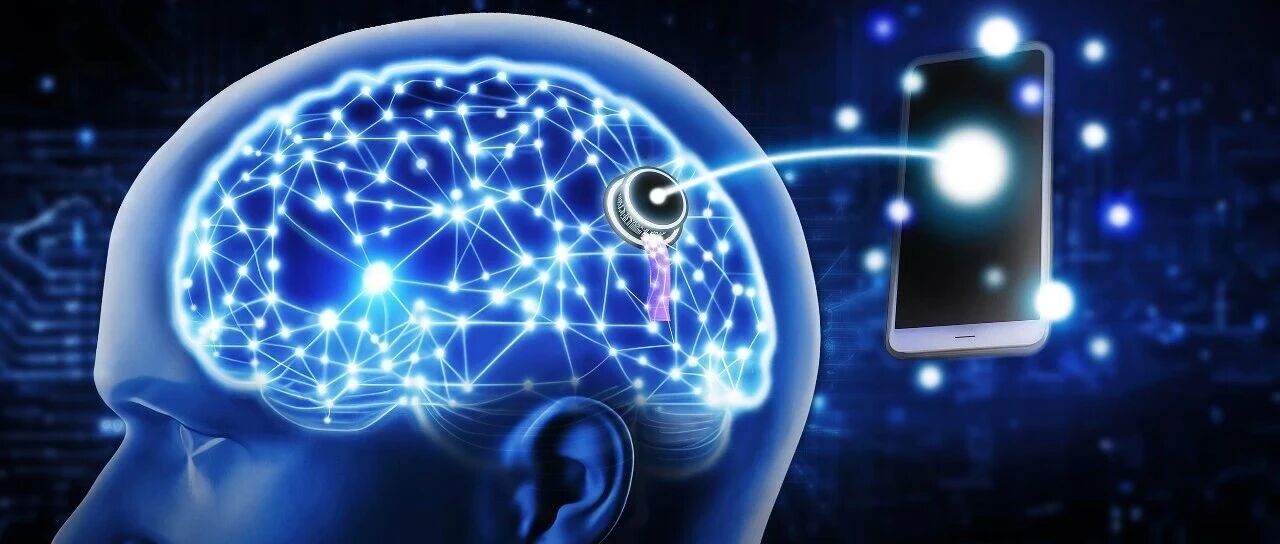
Group 1 - The core point of the article is that Zhejiang Qiangnao Technology Co., Ltd. has completed a new round of financing amounting to approximately 2 billion RMB, setting a record for non-invasive BCI financing and becoming the second-largest brain-computer interface company globally after Neuralink [2] - The funds raised will be used to accelerate the research and development of core BCI technologies, achieve breakthroughs in extreme engineering, and scale up product production [2] - Unlike previous rounds that primarily involved financial investment institutions, this round of financing includes partnerships with upstream and downstream companies in the industry chain, with investors such as IDG Capital and major manufacturing giants like Lens Technology and Lianyi Intelligent Manufacturing [2] Group 2 - The Ministry of Industry and Information Technology, along with seven other ministries, has issued implementation opinions to accelerate the industrialization and commercialization of new terminals such as AR/VR wearable devices and brain-computer interfaces [3] - The favorable policy environment and financing news have attracted new investors who are closely monitoring the old shares held by early investors in Qiangnao Technology [3]
长盈精密:公司现有业务不涉及脑机接口领域
Mei Ri Jing Ji Xin Wen· 2026-01-10 02:34
Core Viewpoint - The company, Changying Precision (300115.SZ), confirmed that it does not have any business related to brain-computer interfaces [1] Group 1 - An investor inquired about the company's involvement in brain-computer interface technology on an investor interaction platform [1] - The company responded that its current business does not involve the brain-computer interface sector [1]

强化科技创新引领作用 构建现代化产业体系 镇江:牢记嘱托实干笃行,谱写“很有前途”新篇章
Zhen Jiang Ri Bao· 2026-01-10 02:12
Group 1 - The article highlights the establishment of a vibrant innovation and entrepreneurship ecosystem in Zhenjiang, with significant investments from leading companies like Baidu and Huawei in AI and medical technology sectors [1][5] - Zhenjiang's strategic vision for the "14th Five-Year Plan" emphasizes innovation-driven development, aiming to enhance its position in global technology innovation rankings and achieve a GDP of 580 billion yuan by 2025 [2][3] - The city is focusing on building landmark industries such as intelligent agricultural machinery and aerospace, while also enhancing traditional industries through digital transformation [6][7] Group 2 - Zhenjiang is committed to fostering a modern industrial system by integrating innovation with industry, aiming to create a competitive regional economy [5][6] - The city plans to enhance internal connectivity and external collaboration, leveraging regional development strategies to boost economic growth [7][8] - Cultural initiatives are being prioritized to promote tourism and enhance the city's cultural identity, with a focus on integrating historical heritage with modern urban life [9][10]
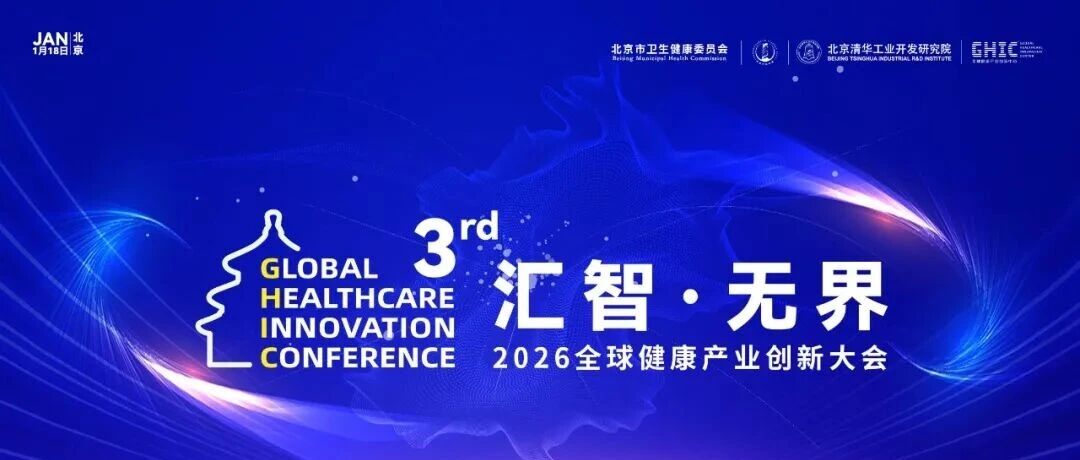
报名:1月18日北京, “汇智·无界前沿”2026第三届全球健康产业创新大会!
思宇MedTech· 2026-01-10 01:09
Group 1 - The article emphasizes the importance of the "2026 Global Health Industry Innovation Conference" to promote high-quality development in the health sector, aligning with national strategies for innovation and health [2][5] - The global health industry is undergoing a transformation driven by disruptive technologies such as artificial intelligence and big data, which are reshaping traditional medical practices and providing new solutions for public health challenges [4] - The conference will gather experts from various fields, including government officials, academicians, and industry representatives, to discuss the future of the health industry and collaborate on innovative solutions [5][6] Group 2 - The conference is scheduled for January 18, 2026, at the Zhongguancun International Innovation Center in Beijing, with various supporting and co-organizing institutions involved [15][16] - A series of parallel forums will take place during the conference, focusing on topics such as medical service innovation, AI in healthcare, and the integration of traditional Chinese medicine with modern technology [19][20] - The main forum will feature distinguished speakers discussing topics like brain-machine interfaces, intelligent medical imaging, and the role of AI in healthcare, highlighting the integration of technology in medical practices [20][21]



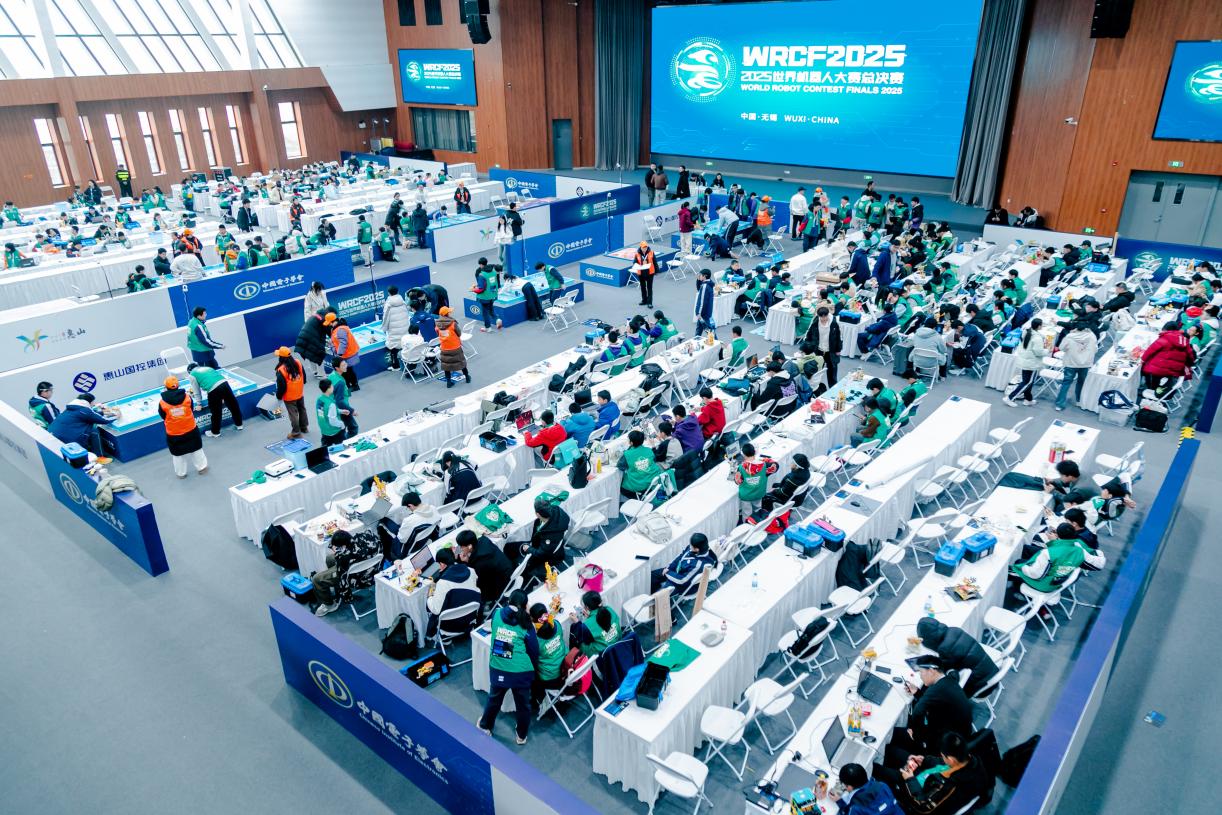
2025世界机器人大赛收官战盛大开幕
Zhong Guo Jing Ji Wang· 2026-01-10 01:00
Group 1 - The 2025 World Robot Competition finals will be held in Wuxi, China, featuring elite participants from 21 countries, showcasing the unique charm of cyber technology [1][11] - The event is organized by the China Electronics Society and Wuxi Huishan State-owned Investment Holding Group Co., Ltd., with Tencent Technology as a strategic partner [3] - The competition aims to enhance collaboration between educational institutions and industries, focusing on talent development in future industries such as embodied intelligence and brain-machine interfaces [14] Group 2 - The finals will see over 25,000 participants and instructors from various countries, including China, Russia, the USA, and Japan [11] - The competition structure has been refined, with a diverse range of events catering to all age groups, and over 350,000 participants expected throughout the year [14] - The event emphasizes the importance of continuous skill updates for industry innovation and aims to be a significant force in cultivating innovative, application-oriented, and skilled talent globally [14]