
人民币国际化

Search documents
莫迪这次宁肯得罪美国,也要用人民币购买俄罗斯石油,两年来首次
Sou Hu Cai Jing· 2025-10-09 23:48
本文内容均引用权威资料结合个人观点进行撰写,文末已标注文献来源,请知悉。 图 | 人民币 10月7日,路透社的一则消息引起人们的注意,莫迪政府的国有石油巨头印度石油公司,已经用人民币支付了多批俄罗斯石油货款。 这是印度两年来,第一次真正意义上,用人民币购买俄罗斯的石油。 图 | 印度总理莫迪 这笔交易不是临时起意的,而是俄罗斯在受到西方制裁的情况下所提出的要求,俄罗斯石油贸易商正在积极推动包括印度在内的合作伙伴使用人民币等非西 方货币进行贸易。 他们拒绝接受其他的货币,人民币就是少数可以绕开制裁障碍、能直接换成卢布和俄罗斯的生产厂商进行最后交易的货币之一。 对印度来说,直接以人民币结算能简化原来的付款程序。以前使用美元或者阿联酋迪拉姆的时候,俄方最后还是要把钱换成人民币再换成卢布。 现如今直接用人民币,省去了中间环节,交易成本和汇率波动风险大大降低。但是这条道路印度走的并不顺畅。此次重启人民币结算不能忽略中印关系的变 化这一背景因素。 早在2023年印度国有石油公司就做过少量使用人民币交易的试点但是由于两国关系冷淡该交易随即终止。 转折点出现在近段时间内,两国间断五年之久的直航再次开通,印度总理莫迪于9月出席 ...


中欧瑞博董事长吴伟志: 资本市场深化改革质效提升明显
Zheng Quan Shi Bao Wang· 2025-10-09 23:21
Group 1 - The current Chinese stock market exhibits a structural slow bull characteristic, indicating a foundation for a slow bull market [1] - Key driving factors for the positive market trend include a low interest rate environment, implementation of institutional reforms, accelerated institutional entry of long-term capital, and marginal improvement in profitability [1] - The deepening reform of the capital market is transforming it from a financing-focused model to a balanced investment and financing model centered around hard technology and new productive forces [2] Group 2 - The ongoing A+H listing trend is expected to attract international capital inflow as more outstanding Chinese companies list in Hong Kong, benefiting the internationalization of the Renminbi [2] - The introduction of policies aimed at guiding long-term and professional investment, such as encouraging institutional investors and long-term funds to enter the market, enhances the rationality of stock pricing and overall stability of stock valuations [2] - The structural nature of supply in the market and the total volume focus on the investment side expand the range of selectable companies while increasing the difficulty of discerning quality, which is beneficial for bottom-up selection by institutional investors [2]
最新:中国拿到铁矿石定价权,被中方卡脖子一周后,必和必拓跪了
Sou Hu Cai Jing· 2025-10-09 22:43
Core Viewpoint - The agreement between BHP and China Mineral Resources Group to settle iron ore trades in RMB marks a significant shift in global commodity pricing, granting China pricing power for iron ore, which is one of the largest traded commodities globally [1][3]. Group 1: Historical Context - China's rapid development and increasing demand for iron ore have led to a reliance on Australian iron ore, despite cheaper alternatives from Brazil and Africa, due to the superior quality of Australian products [3]. - For nearly a decade, China has been subjected to BHP's unilateral pricing system, which has been perceived as unfair, yet China had little choice but to comply due to its massive purchasing needs [3][4]. Group 2: Recent Developments - The end of China's real estate boom, combined with global economic downturns and advancements in iron extraction technology, has empowered China to demand RMB settlements for iron ore [4]. - Initially, BHP resisted this demand, claiming it would not significantly impact their operations, but within a week, they conceded to China's demands for RMB settlements starting in Q4 2025 [4][6]. Group 3: Strategic Moves - The establishment of China Mineral Resources Group in 2022 has allowed for a more organized and strategic approach to iron ore procurement, moving away from fragmented negotiations among Chinese steel companies [6]. - BHP's decision to compromise was influenced by the recognition of China's importance as a major customer, especially in light of the struggles faced by other agricultural sectors globally [6].

莫迪颇为担心的一幕已经出现,俄要求用人民币结算石油,连美元都不收
Sou Hu Cai Jing· 2025-10-09 20:05
对于印度经济而言,眼前的利益清晰而直接:印度大约85%的原油依赖进口,而如今俄罗斯石油已占到 印度进口总量的40%以上,远高于冲突前的不到2%。更具吸引力的是价格优势——俄罗斯石油每桶的 价格比布伦特原油便宜近10美元,比沙特阿拉伯的原油也低超过5美元。据此计算,印度每年可以节省 大约300亿美元的开支,还可以将加工后的成品油出口到欧洲,从中赚取可观的差价。 俄乌冲突爆发后,莫斯科遭遇了前所未有的金融封锁,其严酷程度如同冰雹般密集。为了在困境中求 生,俄罗斯加速推进"去美元化"进程,先后尝试了多种结算方案,最终选择了人民币。这一选择的逻辑 显而易见:人民币具备充足的流动性,换汇便捷,能够有效规避西方国家的金融制裁,更重要的是,俄 罗斯几乎可以通过人民币在国际市场上购买到所需的全部设备和物资。 反观新德里,曾经试图推行"石油卢比"结算机制,即俄罗斯收取卢比后,再用这些卢比购买印度商品。 然而,由于卢比贬值幅度过大,且流动性不足,俄罗斯对卢比结算兴趣索然,这一计划最终搁浅。经历 了这次尝试后,莫斯科更加坚定了"只认人民币"的立场。 俄罗斯官方也毫不掩饰其战略意图。在圣彼得堡国际经济论坛上,俄罗斯央行官员公开表示, ...
俄石油巨头强烈要求,印度用人民币结算,特朗普不想看到的出现
Sou Hu Cai Jing· 2025-10-09 18:27
Core Viewpoint - India's shift to using RMB for oil transactions with Russia signifies a significant challenge to the dominance of the US dollar in global trade, highlighting a potential shift in the international economic order [1][3][14] Group 1: Background and Context - The shift began after the 2022 Russia-Ukraine conflict, where the US imposed severe sanctions on Russia, limiting its ability to conduct trade in USD [3][5] - As a result of these sanctions, Russia sought alternative currencies for trade, with RMB emerging as a preferred option due to China's stable economic relationship with Russia [3][5] Group 2: India's Transition - Initially, India was a strong proponent of USD, purchasing 12 million barrels of oil from Russia in 2021 using USD [5] - However, following the conflict, India capitalized on discounted Russian oil prices, leading to a dramatic increase in imports from 12 million barrels to 330 million barrels in 2022, accounting for 22% of Russia's oil exports [5][7] - The inability of Russia to accept USD payments forced India to adopt RMB for transactions, marking a significant shift in its currency preferences [5][7] Group 3: Implications for the US and Global Economy - India's actions are seen as defiance against US warnings, as it continues to purchase Russian oil and resell refined products to Europe, undermining US sanctions [7][9] - The use of RMB for oil transactions represents a crack in the US dollar's dominance, as it allows other countries to consider alternatives to USD for trade [9][14] Group 4: Signals for the Future - The transition to RMB for oil transactions indicates that while the dollar's dominance is challenged, it still retains over 80% of the global oil trade [9][11] - India's pragmatic approach to using RMB is driven by economic incentives, allowing it to benefit from cheaper oil while also facilitating trade with China [11][12] - The internationalization of RMB is contingent on China's economic strength and stability, which underpins its acceptance in global markets [12][14]
中欧瑞博董事长吴伟志:资本市场深化改革质效提升明显
Zheng Quan Shi Bao· 2025-10-09 18:23
Group 1 - The current Chinese stock market exhibits a structural slow bull characteristic, indicating a foundation for a slow bull market [1] - Key driving factors for the positive market trend include a low interest rate environment, implementation of institutional reforms, accelerated institutional entry of long-term capital, and marginal improvement in profitability [1] - The deepening reform of the capital market is transforming it from a financing-focused model to a balanced investment and financing model centered around hard technology and new productive forces [2] Group 2 - The ongoing A+H listing trend is expected to attract international capital inflow as more outstanding Chinese companies list in Hong Kong, benefiting the internationalization of the Renminbi [2] - The introduction of long-term and professional institutional investors, such as public funds, insurance funds, and pension funds, is expected to enhance the rationality of stock pricing and overall stability of stock market valuations [2] - The current environment increases the range of selectable companies for investors while also complicating the process of distinguishing quality companies, which is beneficial for bottom-up selection by institutional investors [2]
动摇美元根基?俄罗斯石油商对印度下最后通牒:必须用人民币结算,美元卢比全拒收
Sou Hu Cai Jing· 2025-10-09 18:15
前言 最近,一则由路透社独家披露的消息,在全球能源市场掀起了不小的波澜。据报道,俄罗斯的石油贸易商已经开始正式要求印度方面,必须使用人民币来支 付他们购买的石油。 这个消息的核心执行方,是印度最大的炼油企业——印度石油公司。据称,该公司已经悄悄地用人民币结算了两到三批来自俄罗斯的石油货款。虽然官方尚 未对此做出任何回应,但水面下的变化,已经清晰地浮现了出来。 这背后,远不止是换一种货币那么简单,而是一场关乎生存、发展与大国博弈的深刻变局。它揭示了在今天的国际格局下,传统的交易规则正在如何被悄然 改写。 在西方严厉的金融制裁大网下,任何一笔美元交易都可能被瞬间冻结或拦截,对于急于规避制裁的俄罗斯来说,美元不再是硬通货,而是一副随时可能锁死 的沉重"枷锁"。 美国的金融霸权,让它能像开了天眼一样监控着全球的美元流动,这让俄罗斯的每一笔交易都毫无隐私可言,无异于将自己的经济命脉暴露在对手的眼皮底 下。 而印度的本币卢比,情况则更为尴尬,在制裁初期,为了稳住石油出口,俄罗斯曾被迫接受印度用卢比结算,结果,俄罗斯央行手里很快就堆积了山一样多 的卢比储备。 这些钱,拿着烫手,花却花不出去,卢比的国际购买力有限,俄罗斯拿着 ...
美、俄和欧洲在战争中,犯下一个巨大错误,就是低估了中国的强大
Sou Hu Cai Jing· 2025-10-09 15:22
Core Insights - The geopolitical landscape has shifted, with China emerging as a key player in the global supply chain for critical materials like chips, batteries, and minerals, despite Western sanctions against Russia [1][5][11] - The reliance on Chinese materials has become evident, as Western countries, despite their initial intentions to "decouple," find themselves dependent on China for essential resources [3][5][11] Group 1: Supply Chain Dynamics - China holds a dominant position in the supply of critical raw materials, with over 70% market share in batteries and key minerals by early 2025 [3][5] - The U.S. and Europe have attempted to impose tariffs on Chinese products, but these measures have not effectively curtailed China's supply capabilities, as materials continue to flow through alternative routes [3][11][15] - The global energy landscape has also shifted, with China becoming the largest buyer of Russian oil, accounting for 40% of Russia's total exports by 2024 [7][9] Group 2: Economic Impact - The sanctions against Russia have inadvertently benefited China, allowing it to secure energy resources at discounted prices while European countries face rising energy costs [7][9][20] - The transition to using the Chinese yuan for trade with Russia marks a significant shift in the international financial landscape, diminishing the dominance of the U.S. dollar [9][20] - By early 2025, China's economic growth contribution to the global economy is projected to exceed one-third, highlighting its pivotal role in global economic recovery [20][22] Group 3: Technological and Industrial Leadership - Chinese electric vehicle manufacturers have maintained a competitive edge in technology and cost, despite increased tariffs from the U.S. and Europe [11][13][16] - The rapid penetration of Chinese products in various sectors, including renewable energy, has outpaced expectations, leading to a reliance on Chinese supply chains [13][16][18] - China's strategy of expanding its industrial footprint globally, with investments in production facilities across Southeast Asia and Europe, further solidifies its position as a manufacturing powerhouse [15][16] Group 4: Geopolitical Influence - China's role has evolved from being merely a manufacturing hub to becoming a stabilizing force in international relations, as evidenced by its mediation in Middle Eastern conflicts [17][22] - The ongoing geopolitical tensions have led to a reconfiguration of trade networks, with China actively participating in regional cooperation initiatives like RCEP and the Belt and Road Initiative [22][23] - The perception of China as a "global engine" rather than just a "global factory" reflects its growing influence in shaping international trade and economic policies [16][18][23]
中国暂停澳矿采购背后:一场人民币与美元的巅峰对决
Sou Hu Cai Jing· 2025-10-09 15:19
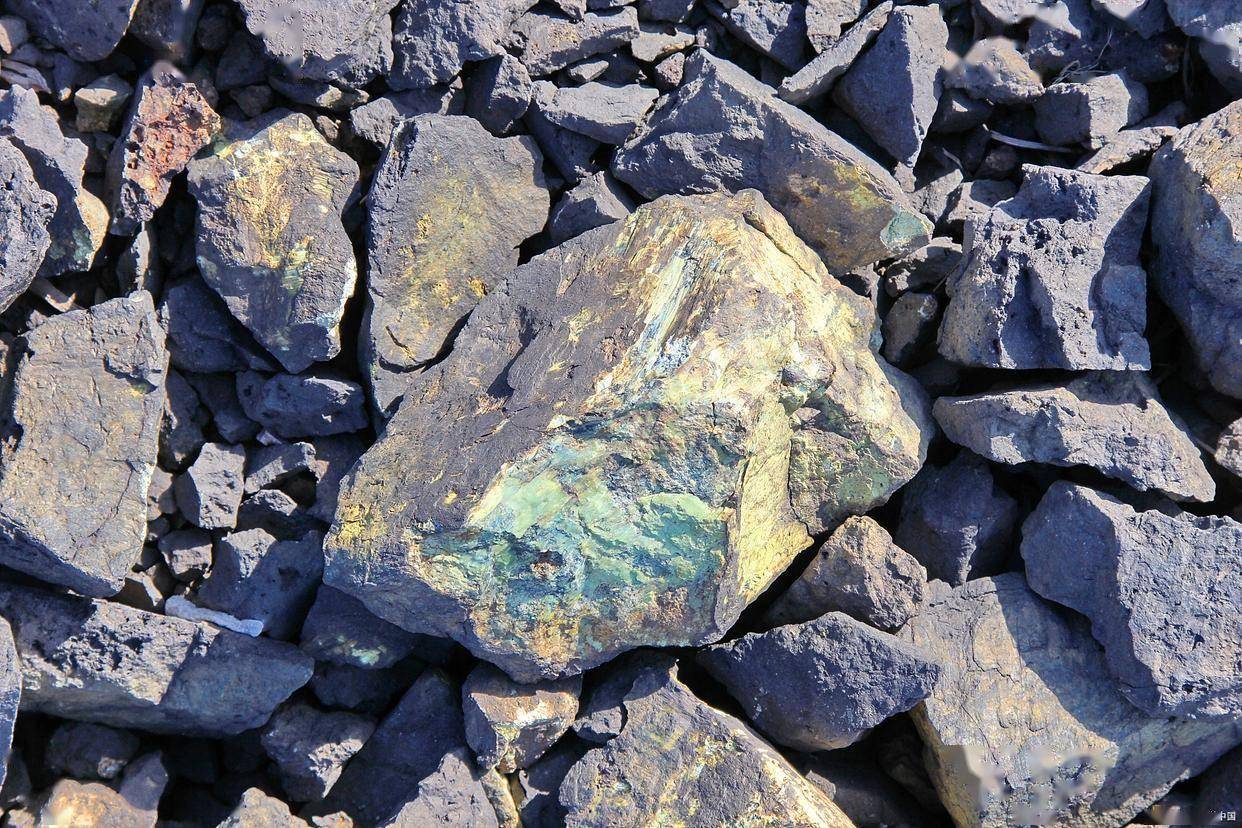
你见过钢铁是怎样炼成的吗?但你可能不知道,全球钢铁产业链背后,正在上演一场比炼钢更激烈的货币战争。当中国宣布暂停采购必和必拓铁矿石时,澳 大利亚总理阿尔巴尼斯"破防"的反应背后,藏着怎样的惊天秘密? 这次中方暂停的只是以美元计价的必和必拓铁矿石,已经到港的矿石仍可以人民币结算。这个微妙区别暴露了真实意图——中国要在大宗商品领域撕开美元 霸权的口子。 中俄铁矿石贸易已有45%采用人民币结算,巴西也开辟了人民币结算通道。一条全新的"钢铁丝绸之路"正在形成:俄罗斯的铁矿+巴西的港口+中国的人民币 支付系统。这条不需要航母护航的贸易路线,正悄悄改写全球资源贸易规则。 多元布局下的战略底气 中国敢对澳大利亚说"不"的底气,来自于日益完善的全球资源布局。俄罗斯290亿吨高品位铁矿、非洲新兴矿区、巴西淡水河谷的深度合作,构建了多元化 的供应网络。就像高手下棋,中国已经在全球资源棋盘上布下了多个活眼。 与此同时,国内废钢回收体系的完善、电弧炉炼钢技术的突破,让中国对进口铁矿的依赖度持续下降。这场博弈不再是简单的买方卖方关系,而是综合国力 的全面较量。 当铁矿石开始用人民币计价,美元就失去了最重要的支柱之一。中国这招"围点打援 ...
中行雅加达分行参与“人民币业务资金安排”
Xin Hua Cai Jing· 2025-10-09 11:17
新华财经雅加达10月9日电(记者冯钰林)中国银行雅加达分行依托中国银行(香港),参与香港金融 管理局"人民币业务资金安排",于9日启动当日即作出资金安排,为进口企业ITG POINTER叙做新安排 下的首笔人民币贸易融资业务,标志着印尼市场在应用香港离岸人民币资金、支持人民币跨境结算和融 资方面迈出重要一步。 10月9日,在中国人民银行的支持下,香港金融管理局运用货币互换协议推出的升级版"人民币业务资金 安排"首阶段正式生效。该安排简化了银行与金管局的交易机制,为中资企业及本地客户提供更灵活的 融资期限选择,并允许参与银行通过其同集团的海外银行机构开展人民币贸易融资业务,进一步便利区 域内企业使用人民币结算与融资,降低融资成本,提升资金效率。 近年来,印尼企业与中国及东盟区域的经贸往来日益频繁,企业对跨境人民币结算和融资的需求不断上 升。作为中银集团在印尼的重要布局,雅加达分行充分发挥中银集团全球化网络和香港离岸人民币市场 的枢纽作用,为中资企业及本地客户提供人民币押汇、出口融资等多种跨境金融服务,满足企业在进出 口贸易和区域产业链合作中的资金需求。 中行雅加达分行表示,将以此次"人民币业务资金安排"为契机, ...