
量子科技

Search documents
海淀集聚量子企业超30家,形成三大领域初级产业链
Xin Jing Bao· 2025-09-24 07:27
Group 1 - The 2025 Quantum Investment Summit was held on September 23 in Haidian District, focusing on the deep integration of quantum technology and capital, with the theme "Capital Navigation, Pointing to the Next 'Quantum'" [1] - Over 30 quantum enterprises have gathered in Haidian District, forming a preliminary industrial chain in three major fields: quantum computing, quantum precision measurement, and quantum communication [1][2] - The summit announced the "Top 10 Quantum Technology Companies with the Most Investment Potential" and the "2025 H1 Pioneer List of Quantum Investment Institutions," establishing a new paradigm for investment value assessment in the quantum field [1] Group 2 - Haidian District, as a core area of Beijing's International Science and Technology Innovation Center, relies on top research institutions like Tsinghua University and the Chinese Academy of Sciences to form a strong quantum technology research system [2] - The district has completed the first district-level quantum technology industry action plan in the city and established a special fund for the quantum field, along with the first quantum incubator and industry park in the country [2] - The global quantum technology sector is accelerating from laboratory to industrialization, necessitating deep collaboration between technological innovation and capital empowerment [2]
事关量子计算,最新研判
Shang Hai Zheng Quan Bao· 2025-09-23 16:04
9月23日,2025量子投资峰会在北京中关村创业大厦举行。峰会以"资本导航,点'量'下一站"为主题, 汇聚国内顶尖投资机构、量子领域领军企业与权威专家,从政策导向、行业研判、案例标杆到生态共 创,全方位助力与会者把握量子科技投资脉络、打开跨界合作新窗口。 与会专家认为,全球量子科技正加速从实验室迈向产业化,技术突破与资本赋能有望成为推动行业发展 的"双引擎"。量子计算是被寄予厚望的下一代算力解决方案,该领域投融资呈现出资本向头部企业集 中、专用与通用量子计算的战略权衡、纯算法公司的战略价值及投资逻辑的垂直化四大特点。 量子产业发展已达关键节点 多家创业公司在峰会上透露产业最新进展情况。华翊量子总经理姚麟介绍了离子阱量子计算优势与劣 势、技术发展及商业化进展。他表示,目前,量子计算在金融、生物、化学等领域的应用已取得显著进 展。他指出,华翊量子系统已在实验中取得重要成果,证明其具备实现NISQ时代量子计算算法的能 力,为近中期商业化提供了技术储备。 相干科技创始人金贻荣宣称,公司正在搭建其第一台量子计算机,有望在明年春季正式发布。他认为, 降低量子计算机的成本、降低量子算力的成本是未来量子计算发展的关键。两仪万 ...
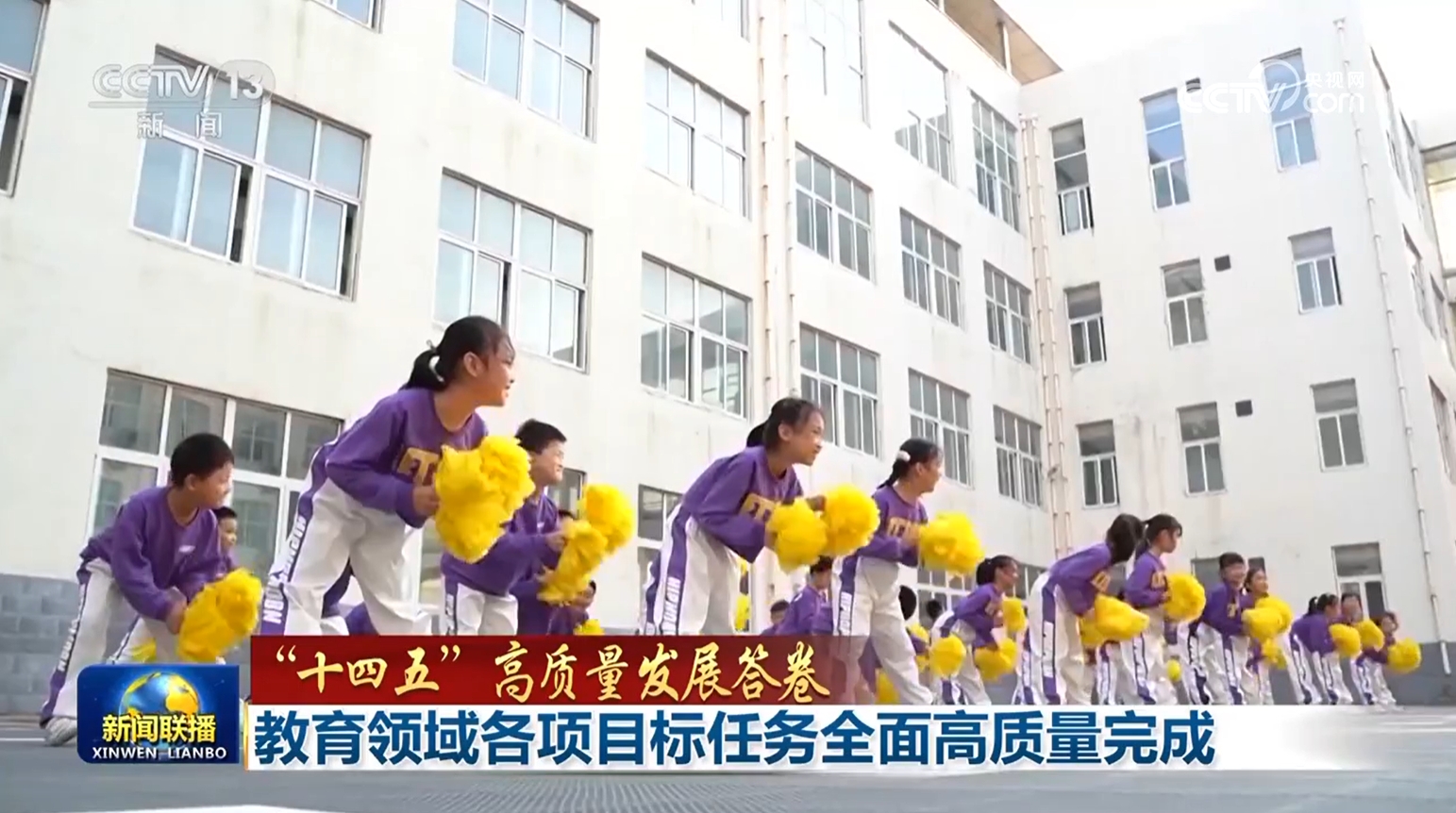
【“十四五”高质量发展答卷】教育领域各项目标任务全面高质量完成
Yang Shi Wang· 2025-09-23 12:42
Core Points - The "14th Five-Year Plan" in the education sector has achieved all its established goals and tasks with high quality [1] - A comprehensive education system has been formed, emphasizing moral education and integrating various aspects of student development [3] - Significant advancements in public education services have been made, with a gross enrollment rate in preschool education reaching 92% and over 12 million children benefiting from free preschool education [5] - Higher education has contributed to the economy by supplying 55 million talents, with vocational education providing over 70% of new high-quality skilled personnel for modern industries [7] Group 1 - The "14th Five-Year Plan" has fully completed its educational objectives [1] - A holistic education system focusing on moral and comprehensive development has been established [3] - The integration of physical education into daily school activities has been emphasized, with a focus on health [3] Group 2 - China has built the largest and high-quality education system, achieving a preschool enrollment rate of 92% [5] - The basic education level has reached the average standard of high-income countries [5] - Continuous reforms in secondary education have improved school standards [5] Group 3 - Higher education has played a crucial role in talent supply, with 55 million graduates contributing to the workforce [7] - Over 70% of new high-skilled talents in modern industries come from vocational education [7] - The education sector has adapted to labor market needs, with over 20% of academic programs adjusted since 2023 [7]

机构:5G网络建设稳步推进
Zheng Quan Shi Bao· 2025-09-23 09:00
Group 1 - The Ministry of Industry and Information Technology reported that by the end of August, the total number of 5G base stations reached 4.646 million, an increase of 395,000 from the end of the previous year, accounting for 36.3% of the total mobile base stations, which is a 0.3 percentage point increase compared to the first seven months of the year [1] - Galaxy Securities believes that with 5G leading globally, the transformation of old and new driving forces will empower new productive forces, and the layout of AI is expected to exceed expectations. The steady progress of 5G network construction and the continuous expansion of gigabit user scale will improve the profitability and cash flow of operators, highlighting asset value advantages, leading to sustained growth in operators' performance, which may exceed expectations [1] - Huolong Securities pointed out that the government work report for 2025 mentioned the expansion of large-scale 5G applications and the cultivation of future industries such as biomanufacturing, quantum technology, embodied intelligence, and 6G. Additionally, the government is promoting the establishment of a "carrier-level" national venture capital guidance fund, which will drive 1 trillion yuan of capital to focus on cutting-edge fields such as artificial intelligence, quantum technology, and hydrogen energy storage, likely accelerating the development of the related communication industry chain [1]
今年学前1年免费惠及1200多万儿童,“十四五”高教累计输送5500万人才相当于许多发达国家人口总量这场发布会信息量巨大
Mei Ri Jing Ji Xin Wen· 2025-09-23 07:11
Group 1: Education System Development - The Chinese education system has been established as the largest and highest quality globally, with the gross enrollment rate for preschool education increasing from 64.5% in 2012 to 92% by 2024, a rise of 27.5 percentage points [1] - The gross enrollment rate for higher education has more than doubled from 30% in 2012 to 60.8% currently, marking a significant transition to a recognized stage of popularization [1] - During the "14th Five-Year Plan" period, higher education institutions have supplied 55 million talents to society, equivalent to the total population of many developed countries [1] Group 2: Double First-Class Initiative - The "Double First-Class" initiative is a key project for building an education powerhouse, with these institutions training over 50% of the country's master's and 80% of doctoral students [3] - These universities are responsible for over 90% of the national urgent high-level talent training tasks, showcasing their significant role in national strategic needs [3] Group 3: Vocational Education - Vocational education has supplied over 70% of the new high-quality skilled talents for modern industries, playing a crucial role in the transition from "Made in China" to "Created in China" [6] - China has established the world's largest vocational education system, with 9,302 secondary vocational schools, 1,562 higher vocational schools, and 87 vocational colleges, serving 34 million students [6] - The education department has adjusted the professional structure in line with national strategies, adding 12,000 new professional points over five years, with 50% focused on engineering and technology [6][7] Group 4: Future Directions - The education department plans to enhance the vocational education system by promoting integration between vocational and general education, as well as between education and industry [7] - There is a commitment to building a high-level vocational education system that continuously cultivates skilled talents essential for China's modernization [7]
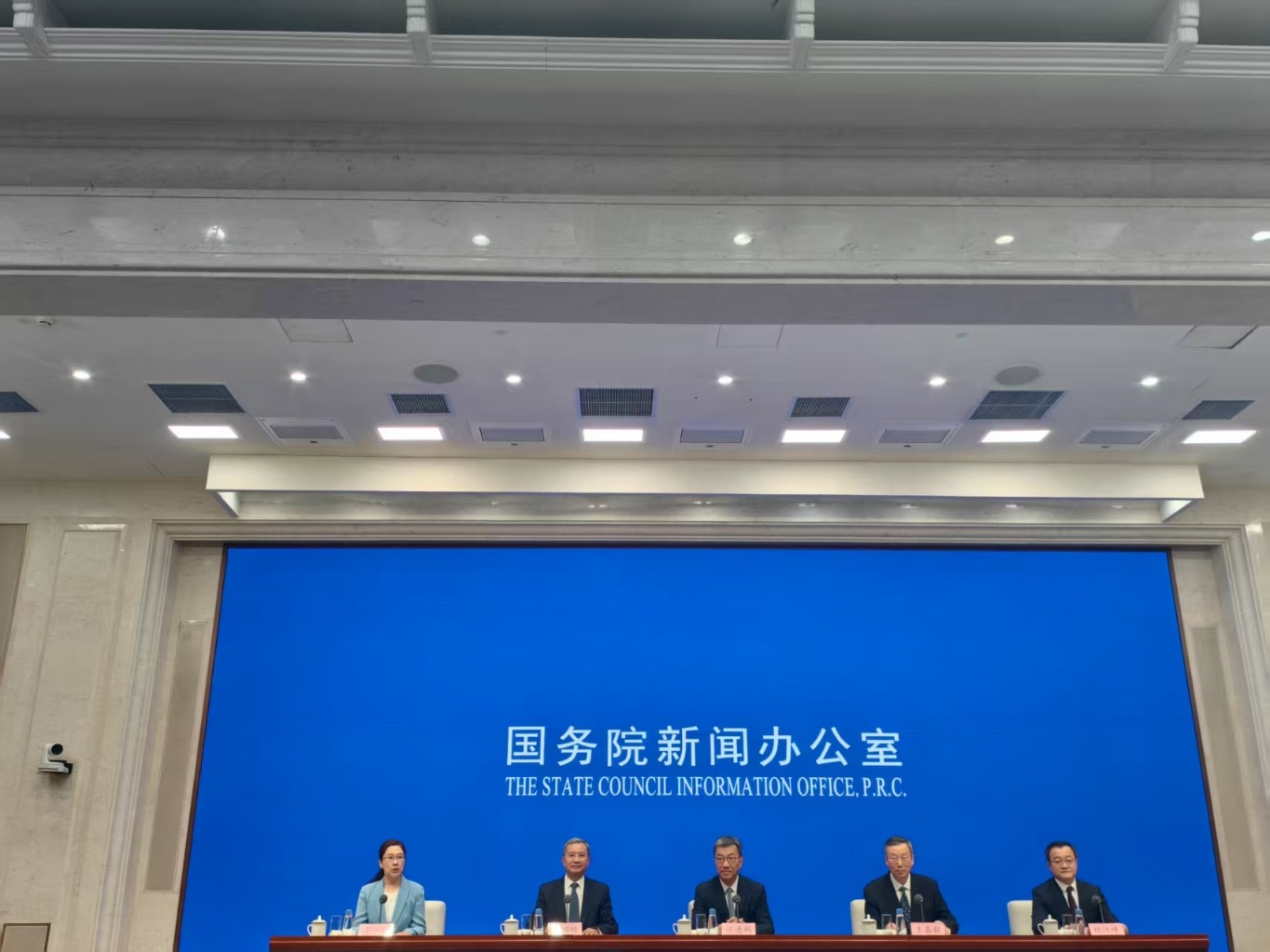
2895个、60.8%……数说我国“十四五”教育强国建设阔步前行
Yang Shi Wang· 2025-09-23 06:48
Group 1 - The core viewpoint is that China's education system has reached the average level of high-income countries, with significant improvements in both basic and higher education [1][4]. - The gross enrollment rate in higher education has increased from 30% in 2012 to 60.8% currently, marking a more than doubling and entering a recognized stage of popularization [3]. - During the "14th Five-Year Plan" period, higher education has provided 55 million talents to society, while vocational education has supplied over 70% of the new high-quality skilled workforce for modern industries [3]. Group 2 - Over the past five years, universities have received over 75% of the National Natural Science Awards and Technology Invention Awards, and over 55% of the Science and Technology Progress Awards, particularly excelling in fields such as life sciences, quantum technology, artificial intelligence, material sciences, and space sciences [3]. - The education system has achieved significant breakthroughs in supporting economic and social development [3]. - The largest and highest-quality education system has been established in China, with free preschool education benefiting over 12 million children this year, and all 2,895 counties in the country achieving basic balance in compulsory education [4].
2025年度计量支撑产业新质生产力发展项目征集启动
Zheng Quan Shi Bao Wang· 2025-09-23 06:37
Core Viewpoint - The joint notice issued by the State Administration for Market Regulation and the Ministry of Industry and Information Technology aims to solicit projects for the development of measurement support for new quality productivity in industries by 2025, emphasizing the strategic role of measurement in technological innovation and industrial upgrading [1] Group 1: Project Focus - The project solicitation focuses on ten key areas outlined in the Action Plan, including new generation information technology, artificial intelligence, aerospace, new energy, new materials, high-end equipment, biomedicine, quantum technology, integrated circuits, and instruments [1] - The initiative aims to support major innovative projects that can address critical bottlenecks, achieve domestic substitution, and fill gaps in both domestic and international markets [1] Group 2: Implementation Goals - The implementation of these projects is intended to streamline the entire chain of measurement technology from research and development to industrial application, providing robust measurement support for the development of new quality productivity in industries [1]
1.5亿人次、60.8%……数说我国“十四五”教育强国建设阔步前行
Yang Shi Wang· 2025-09-23 06:18
Core Insights - China's basic education has reached the average level of high-income countries globally [4] - The gross enrollment rate in higher education has increased from 30% in 2012 to 60.8% currently, marking a significant transition to a recognized stage of popularization [3] - During the "14th Five-Year Plan" period, higher education institutions have contributed to the training of 55 million talents, while vocational education has supplied over 70% of the new high-quality skilled workforce for modern industries [3] Group 1 - The education system in China is now the largest and of high quality, with all 2,895 counties achieving basic balance in compulsory education [4] - In the past five years, universities have received over 75% of national natural science awards and technology invention awards, and over 55% of science and technology progress awards, particularly excelling in fields such as life sciences, quantum technology, artificial intelligence, material sciences, and space sciences [3] - The government has provided free preschool education to over 12 million children this year, enhancing access to early education [4]
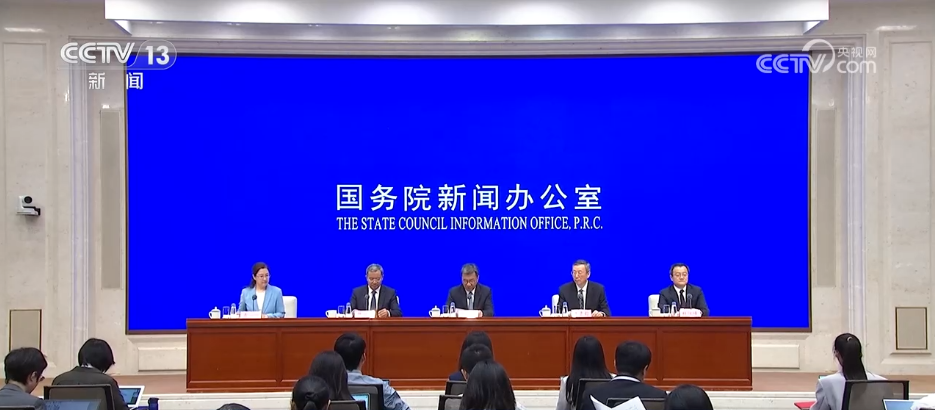
教育部定调:改变以升学为导向的资源配置,淡化竞争减少焦虑
Nan Fang Du Shi Bao· 2025-09-23 05:51
Core Viewpoint - The Chinese education system has achieved significant milestones during the "14th Five-Year Plan," with basic education reaching the average level of high-income countries and the establishment of the International STEM Research Institute in Shanghai, indicating international recognition of China's educational advancements [1][2]. Group 1: Basic Education Achievements - All 2,895 counties in China have achieved basic balance in compulsory education [2] - The gross enrollment rate for preschool education has increased from 64.5% in 2012 to 92%, benefiting over 12 million children this year [2] - The gross enrollment rate for higher education has more than doubled from 30% in 2012 to 60.8%, entering a stage recognized as universal by international standards [2] Group 2: Higher Education Contributions - "Double First-Class" universities have significantly contributed to national strategic needs, producing over 50% of master's and 80% of doctoral graduates, and fulfilling over 90% of national high-level talent training tasks [2] - During the "14th Five-Year Plan," higher education institutions have collectively supplied 55 million talents to support economic and social development [2] Group 3: Innovation and Reform - "Double First-Class" universities have made notable innovations in fields such as quantum technology, life sciences, artificial intelligence, material sciences, and space sciences, enhancing their strategic position in basic research and major technological breakthroughs [3] - The implementation of the new degree law marks a significant reform in talent cultivation, allowing graduate students to use patents and innovative designs to apply for degrees, breaking the traditional reliance on thesis-based evaluations [3]
教育部:“双一流”建设带动我国高等教育水平整体跃升
Zhong Guo Xin Wen Wang· 2025-09-23 03:40
Core Viewpoint - The "Double First Class" initiative is significantly enhancing the quality of higher education in China, aligning with national strategic needs and international scientific trends, leading to substantial achievements in talent cultivation and research output [1][2]. Group 1: Achievements of "Double First Class" Initiative - The "Double First Class" universities are responsible for over 50% of master's and 80% of doctoral graduates in the country, fulfilling over 90% of national high-level talent training tasks [2]. - The initiative has led to a reform in the evaluation of engineering master's and doctoral programs, allowing for innovative achievements like patents and product designs to be used for degree applications, marking a significant shift in talent evaluation standards [2]. - Key original research outcomes have emerged in fields such as quantum technology, life sciences, artificial intelligence, material sciences, and space sciences, reinforcing the strategic position of these universities as major contributors to national engineering and technological advancements [2]. Group 2: Impact on Overall Higher Education - The "Double First Class" initiative has catalyzed an overall elevation in China's higher education standards, with over 400 local high-level universities and more than 1,300 advantageous disciplines receiving support [3]. - Collaborative efforts between "Double First Class" universities and leading enterprises have led to the establishment of new research platforms focused on regional and international cooperation, enhancing the integration of education, research, and industry [3]. Group 3: Formation of World-Class Universities - A distinctive group of world-class universities with Chinese characteristics is rapidly taking shape, with Chinese institutions becoming increasingly significant in international rankings and indicators [4]. - Future efforts will focus on establishing self-defined "Double First Class" standards aligned with the essence of Chinese modernization, promoting a robust higher education system to contribute to high-quality economic and social development [4].