乡村振兴

Search documents
一台“村晚” 装的是全村人的日子
Xin Lang Cai Jing· 2026-01-22 22:14
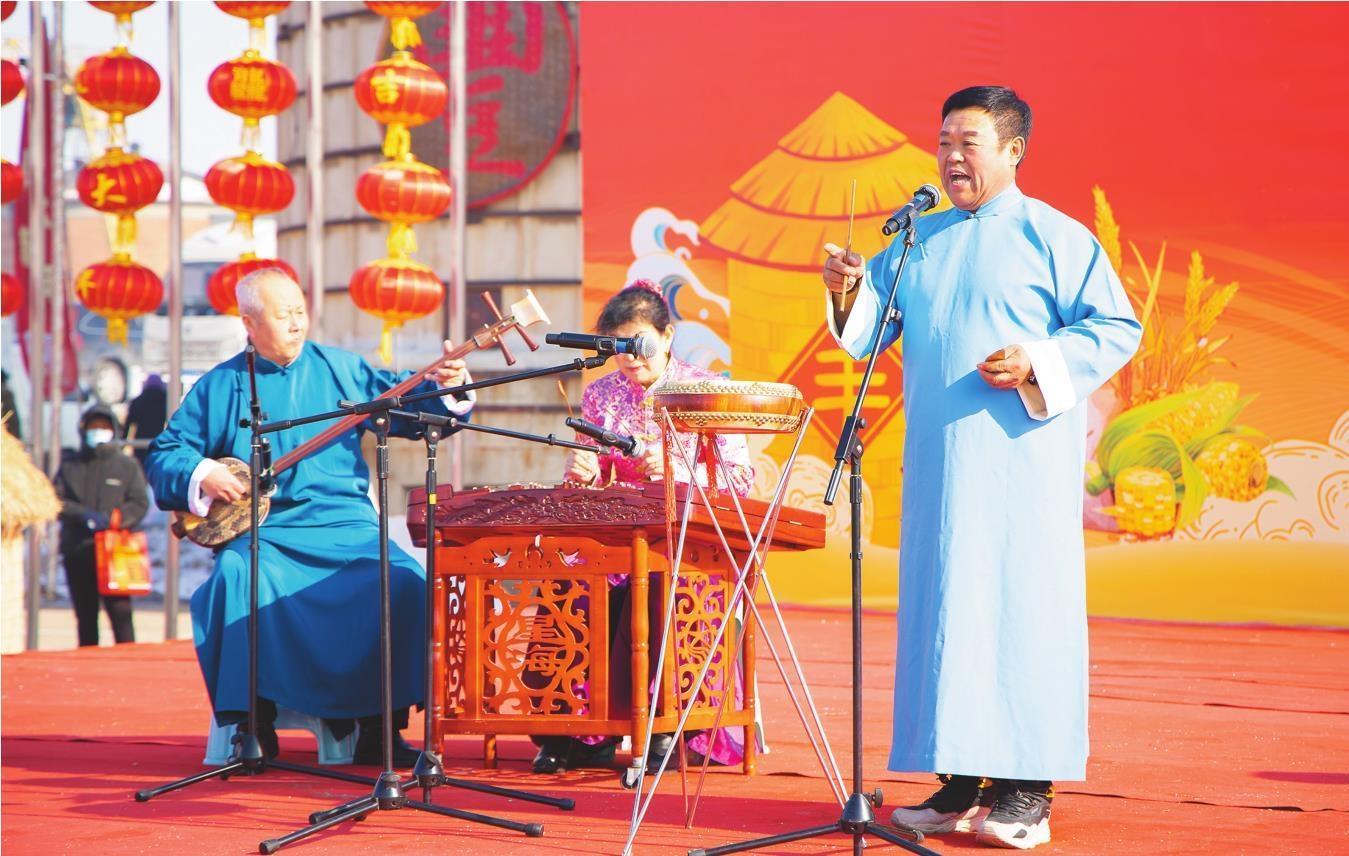
(来源:辽宁日报) 转自:辽宁日报 不仅演员以群众为主,历年"村晚"上的节目也是老百姓爱看的"家长里短"。2023年的拉场戏《一本明白账》,讲述的是沈阳市苏家屯区乡村建设中的矛盾与 相互理解;2024年的原创说唱节目《美丽祝家开新花》,唱的是沈阳市浑南区祝家街道的发展历史;2025年的小品《第一书记》,演的是朝阳唐杖子乡种植 水蜜桃脱贫致富的故事……一台台演出,或在村里的小广场,或在地道的农家院,或在热闹的大集边,演员是村里人,演的都是自家事。怪不得一场节目下 来,不管演员还是观众都说:"一台'村晚',装的是全村人的日子。" 从舞台上到舞台外,品的是最浓郁的民俗 台上村民演得尽兴,台下观众笑得畅快,可一场"村晚"远不只是快乐那么简单,更是一次地方文化、非遗产品的展演展示,联结的是文化和民俗的根脉。 以义县"村晚"为例,不但在节目编排和内容呈现上保留了秧歌、高跷等极具地方特色的传统民俗表演,更组织了撕纸、剪纸、手工编织等非遗项目现场展演 展示。"最受欢迎的当数白丸子、金家熏鸡、烧饼等小吃了,很多观众试吃后留下联系方式,以备下单。"顾秋丽说,当天演出15时开始,东北寒冷的天气挡 沈阳市浑南区祝家街道的百姓将自己擅 ...

发挥比较优势 构建现代化产业体系强县富民
Xin Lang Cai Jing· 2026-01-22 22:14
深化改革开放,充分激发市场活力动力。充分发挥贵州贞丰经济开发区和贞丰文旅试验区的平台优势, 推进"管委会+运营公司"体制机制改革,优化功能布局、深化功能定位,加快转型升级发展。纵深推 进"五个通办""联合踏勘""无感续证"等改革,全力打造"企业之家"。大力开展"投资贞丰·我家有矿"招商 宣传推介,强化招商引资要素保障,全面提升服务能力和水平,不断擦亮"贞心贞意·贵人服务"品牌。 加快城乡融合,奋力推进乡村全面振兴。抢抓贞丰列入省级城市更新编制试点县机遇,加快推进城市体 检,深入实施县城更新行动,大力推进"三镇同城"建设,推动城乡资源优势互补、优质均衡。健全落实 兜底式帮扶保障和产业帮扶政策,强化开发式帮扶,守牢不发生规模性返贫底线。有序推进农村人居环 境整治,加快建设宜居宜业和美乡村。 增进民生福祉,不断提高群众生活品质。深入实施城乡居民增收计划,建好用好创业孵化基地、零工市 场、人力资源市场等平台,加快推进教育、医疗等民生领域项目谋划实施,统筹推进易地扶贫搬迁安置 区五个体系、"一老一小"服务体系建设,持续扩大社会保险参保覆盖面,让发展成果更多更公平惠及群 众,不断增强群众获得感和幸福感。 转自:贵州日报 ...
以法治保障阅读公平 用实践诠释高校担当
Xin Lang Cai Jing· 2026-01-22 22:13
(来源:新华日报) 在国家深入推进全民阅读、建设"书香中国"的战略背景下,《全民阅读促进条例》于2025年12月正式颁 布,将于2026年2月1日起施行。这标志着我国全民阅读工作从政策倡导全面迈入法治保障新阶段。《条 例》着重强调保障农村及欠发达地区的阅读权益,旨在以法治力量推动城乡基本公共文化服务均等化, 为乡村振兴注入文化动力,为教育均衡发展提供制度支撑。 作为传统的知识殿堂和重要的文化育人阵地,高校图书馆应如何主动作为,将法治精神转化为扎实的基 层行动?南京工业大学图书馆的探索实践,提供了一个可供参考的答案。该馆主动将服务半径延伸 至"结构性边缘社区""城中村"及西部乡村小学,通过体系化、精准化的阅读服务,积极融入乡村振兴大 局,助力夯实共同富裕的文化与教育根基,其探索与《条例》所倡导的"扩大覆盖面""鼓励社会参与"等 核心要义高度契合。 下沉社区,打造"家门口"的阅读空间,赋能乡村振兴文化建设。图书馆与南京市浦口区星甸街道石窑社 区农家书屋建立长效合作,持续输送图书资源,组织馆员与大学生志愿者定期下沉,开展分层、分类的 阅读指导。从儿童阅读启蒙、青少年阅读训练,到老年人读物推荐,社区书屋被激活为普惠性 ...
发挥“村播”优势 助力乡村振兴
Xin Lang Cai Jing· 2026-01-22 22:13
转自:贵州日报 贵州日报天眼新闻记者 敖子棋 然而,随着销量提升、名气渐长,新问题接踵而至。市面上出现打着"兴义黑山羊"品牌、实则是外地低 价羊肉的假冒产品,冲击着用心培育的"乡字号""土字号"品牌。毛文娅迅速行动,走访田间地头、深入 加工车间,与一线养殖户、合作社负责人沟通交流,查找问题症结。 "我们养的羊成本高、品质好,可人家挂个牌子就能卖高价""消费者难辨真假,最终砸的是自家招 牌"……群众的意见建议被她认真记录、梳理,形成代表建议,准备在即将召开的省两会上提交。 "欢迎来到'村播联盟'直播间,这里是乌沙镇磨舍村的黑山羊养殖基地。"镜头前,省人大代表、黔西南 州兴义市乌沙镇磨舍村村委会副主任毛文娅笑容满面,声音响亮,面前摆放着来自附近村寨的特色农产 品。 走出直播间,毛文娅又变回村民眼中那个早出晚归的"土专家",走村串户的"带头人",以及"爱折腾"的 人大代表。不同的角色身份,却汇聚成同一份初心——让乡亲们的日子越过越好。 这并非毛文娅首次踏入养殖基地,却是她首次以主播身份直面网络中千千万万的消费者。 成为主播的想法,源于她在乡镇集市的一次次所见所思。乡亲们的产品物美价廉,却苦于销路不 畅。"能不能把周 ...
传统手艺编出富裕路
Xin Lang Cai Jing· 2026-01-22 22:13
Core Viewpoint - The company aims to revitalize traditional rattan weaving skills and promote local employment through the establishment of cooperatives and integration of various weaving industries, while adapting to modern market demands and digital economy trends [1][2]. Group 1: Company Initiatives - The company has established the Huangguan Rattan Weaving Cooperative and Liangshun Rattan Weaving Development Co., Ltd., to promote the traditional craft and create job opportunities for local residents [1]. - The company has developed over 300 products, including furniture, bags, lighting, and jewelry, with an annual export volume accounting for approximately 10% of total sales [2]. - The projected sales revenue for 2025 is over 55 million yuan, with e-commerce sales expected to reach 43 million yuan, directly benefiting over 3,000 local residents [2]. Group 2: Industry Development Strategies - The company emphasizes the importance of training and attracting young people to learn rattan weaving skills through the establishment of training schools and skill master studios [3]. - Digital technology is leveraged to modernize the rattan weaving craft, enabling connections between small farmers and larger markets through e-commerce platforms [3]. - The company plans to expand its international market presence by utilizing online sales and efficient logistics, showcasing traditional craftsmanship to a global audience [3].
脱贫人口务工就业规模连续5年稳定在3000万人以上 今年常态化精准帮扶“缺什么、补什么”(权威发布)
Ren Min Ri Bao· 2026-01-22 22:03
Group 1 - The core viewpoint of the articles emphasizes the steady progress in agricultural modernization and rural revitalization in China, highlighting the successful completion of targets for the year and the "14th Five-Year Plan" [1][10] - The agricultural sector has maintained a stable growth trajectory, with grain production remaining above 1.4 trillion jin for two consecutive years, and the production of meat reaching 100.72 million tons, a year-on-year increase of 4.2% [2][9] - The quality of agricultural products has improved, with a national monitoring compliance rate of 98% for food safety, and the comprehensive utilization rate of livestock manure exceeding 80% [2][7] Group 2 - The government plans to enhance grain production through targeted measures, including optimizing production structures and expanding the cultivation of high-quality crops [2][4] - The "菜篮子" (vegetable basket) supply is assured for the upcoming Spring Festival, with an increase of over 1.9 million mu in vegetable planting area compared to the previous year [3][9] - The transition to a stable support policy for poverty alleviation is underway, with over 7 million individuals identified for assistance and a focus on maintaining employment for over 32 million people from impoverished backgrounds [4][5] Group 3 - Infrastructure improvements in rural areas are ongoing, with advancements in water, electricity, and transportation facilities [6][7] - The application of modern technology, including artificial intelligence in agriculture, is being promoted to enhance productivity and innovation in the sector [8][9] - The overall rural income is projected to reach 24,456 yuan per capita by 2025, reflecting a real growth of 6% year-on-year [7][9]
夯实农业基础 推进乡村全面振兴
Xin Lang Cai Jing· 2026-01-22 20:13
Group 1: Agricultural Production - China's grain production is expected to reach 14,298 billion jin by 2025, an increase of 168 billion jin, marking a historical high [1] - The increase in grain production is primarily attributed to autumn crops, with a significant contribution from the northeastern provinces, Inner Mongolia, and Xinjiang, accounting for nearly 70% of the national increase [1] - Corn production is projected to increase by 126.4 billion jin, representing 75% of the total grain production increase [1] Group 2: Agricultural Modernization - By 2025, China's agricultural technology innovation system aims to achieve a national agricultural technology progress contribution rate exceeding 64% [2] - The area of vegetables planted nationwide has increased by over 1.9 million mu compared to the previous year, ensuring a stable supply of "vegetable basket" products [2] - The supply of meat, fruits, and aquatic products remains abundant, with overall prices stable [2] Group 3: Poverty Alleviation and Rural Development - By the end of 2025, over 7 million monitoring subjects will be identified for assistance, with a focus on preventing poverty risks [3] - The scale of employment for the rural labor force has exceeded 32 million, contributing to the consolidation of poverty alleviation achievements [3] - The transition to normalized assistance will begin in 2026, integrating it into the rural revitalization strategy [3][4] Group 4: Rural Infrastructure and Quality of Life - By 2025, the value added of the agricultural and sideline food processing industry is expected to increase by 5.6% [6] - The per capita disposable income of rural residents is projected to reach 24,456 yuan, reflecting a real growth of 6% [6] - The coverage rate of sanitary toilets in rural areas is expected to reach approximately 77% [6] Group 5: Community and Governance - The construction of "beautiful" villages will focus on improving governance systems that combine self-governance, rule of law, and moral governance [7] - Efforts will be made to enhance cultural supply in rural areas and promote civilized rural customs [7] - The government aims to address urgent issues faced by farmers and involve them in village planning and management [7]
【图解】2025农业农村发展成绩单出炉!5组数据看乡村振兴新图景
Zhong Guo Jing Ji Wang· 2026-01-22 19:32
Group 1 - The core viewpoint of the article highlights that China's agricultural development is expected to maintain a stable and positive trend by 2025, with significant contributions from agricultural technology advancements [2] - Grain production reached a historical high of 14.298 trillion jin, an increase of 16.8 billion jin, maintaining stability above 14 trillion jin for two consecutive years [4] - The production of soybeans was reported at 20.91 million tons, remaining above 20 million tons for four consecutive years [4] Group 2 - The total output of pork, beef, mutton, and poultry reached 100.72 million tons, reflecting a year-on-year growth of 4.2% [4] - The national agricultural product quality safety monitoring compliance rate stands at 98% [4] - The scale of labor force employment in poverty alleviation exceeded 32 million, indicating ongoing efforts in rural employment [5] Group 3 - The contribution rate of agricultural technology advancements surpassed 64%, showcasing continuous improvements in agricultural modernization [5] - The area of newly built and upgraded high-standard farmland reached 7.568 million acres, with a cumulative total exceeding 1 billion acres [5] - The self-bred crop variety area accounted for over 95%, with domestic seed sources for livestock, aquatic products, and vegetables holding market shares of over 80%, 86%, and 91% respectively [5] Group 4 - The comprehensive mechanization rate for crop farming reached 76.7%, with over 300,000 agricultural drones in operation, covering an annual working area of over 46 million acres [5] - The value added by the agricultural and sideline food processing industry increased by 5.6% compared to the previous year [6] - The per capita disposable income of rural residents was reported at 24,456 yuan, reflecting a real growth of 6% year-on-year [6]

小支点“绣”出大风景 垃圾分类点睛乡村新颜值
Xin Lang Cai Jing· 2026-01-22 18:09
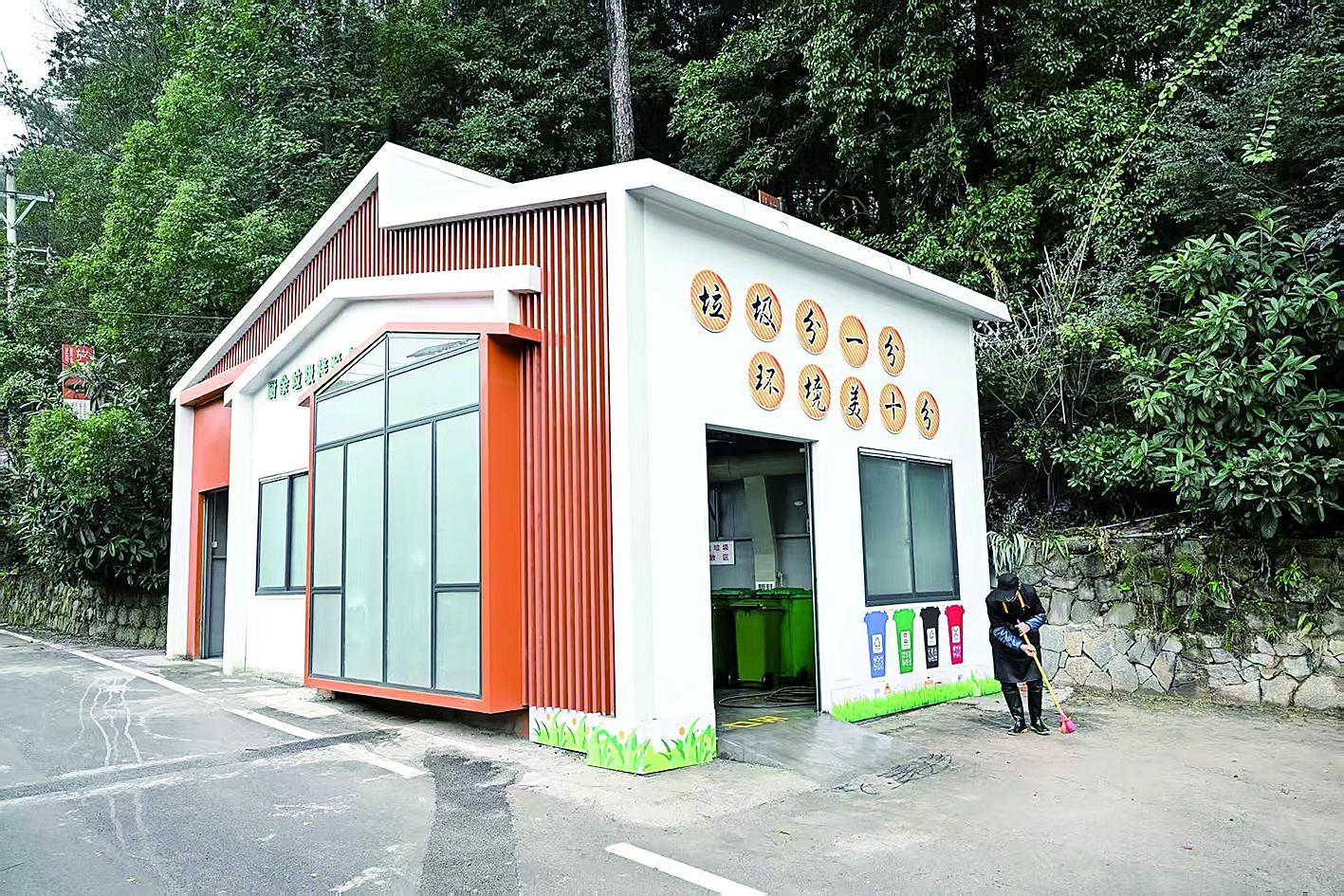
Core Viewpoint - The article highlights the efforts of Nanshan Street in the Nan'an District to enhance rural environment and development through meticulous upgrades in waste management facilities, particularly focusing on kitchen waste disposal [2] Group 1: Environmental Improvements - Nanshan Fangniu Village, known for its 72% forest coverage and distinctive homestay industry, has become a popular rural tourism destination, benefiting from newly established kitchen waste collection points that improve the local environment [2] - The two new collection points serve surrounding restaurants, homestays, and residents, standardizing the temporary storage and transfer of kitchen waste, thus addressing the issue of waste bins placed on the streets [2] - New facilities such as waste sorting points and composting pools have been added, enhancing the cleanliness and livability of the area through micro-renovations [2] Group 2: Funding and Infrastructure Development - Since 2024, the Nan'an District has coordinated special subsidy funds to cover seven agricultural towns and streets, resulting in the construction and renovation of 148 waste disposal points [2] - Additional facilities, including kitchen waste collection points and composting pools, have been established, along with the procurement of over 1,000 sorting trash bins, strengthening the hardware foundation for waste management [2] - The improvement in environmental quality not only protects the ecological foundation of rural tourism but also fosters a civilized rural atmosphere, injecting ecological momentum into rural revitalization [2]
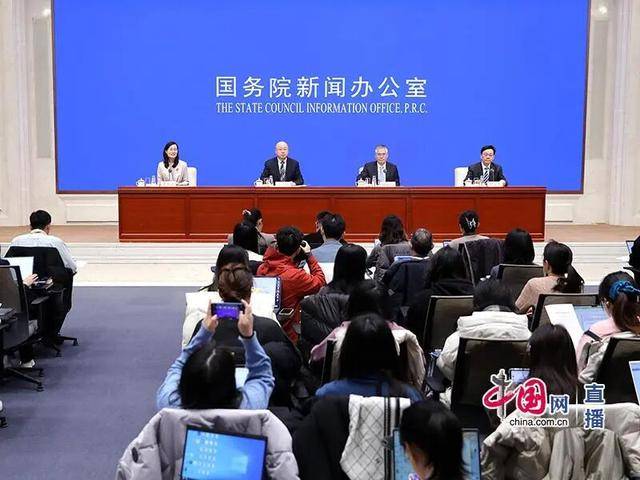
2025年农村居民人均可支配收入2.4万元
Sou Hu Cai Jing· 2026-01-22 16:53
Core Insights - In 2025, China's grain production reached 14,298 billion jin, an increase of 1.68 billion jin, marking a historical high [1] - The production of pork, beef, mutton, and poultry reached 10.072 million tons, a growth of 4.2% compared to the previous year [1] - The scale of employment for rural laborers exceeded 32 million, with per capita disposable income for rural residents reaching 24,456 yuan, reflecting a real growth of 6% year-on-year [1] Group 1: Agricultural Development - The Ministry of Agriculture and Rural Affairs reported steady progress in rural revitalization and agricultural modernization, completing all targets for the year and the 14th Five-Year Plan [1] - In 2026, the focus will be on accelerating agricultural modernization and ensuring that agriculture becomes a modern large-scale industry, improving living conditions in rural areas [1] Group 2: Poverty Alleviation and Employment - The transition period for consolidating poverty alleviation results has ended, moving into a new phase of normalized support, with over 85% of poverty-stricken households receiving at least one form of industrial support [3] - The employment scale of the poverty alleviation population has remained stable at over 30 million for five consecutive years, securing more than two-thirds of the income for impoverished families [3] Group 3: Agricultural Production Capacity - The Ministry emphasizes the need to enhance agricultural production capacity and quality, focusing on high-quality development and integrating technology, green practices, and brand development [4] - A new round of actions to increase grain production capacity will be implemented, aiming to build a diversified food supply system and ensure food security [4] Group 4: Land Policy and Support Mechanisms - The central government has initiated a second round of land contract extensions for 30 years, covering seven provinces and benefiting over 25 million households [5] - Starting in 2026, the Ministry will guide provinces in implementing the land extension policy, ensuring steady progress in pilot projects to support agricultural modernization [5]