
大模型

Search documents
大模型第一股来了
财联社· 2025-12-20 07:38
Core Viewpoint - The article discusses the significance of Zhipu's IPO as it aims to become the first global large model stock, providing a valuation benchmark for the underrepresented large model industry in the public market, and marking a shift from a "technical race" to "capital validation" for China's AI sector [3]. Financial Performance - Zhipu's revenue is projected to grow rapidly from 57.4 million yuan in 2022 to 312.4 million yuan in 2024, with a compound annual growth rate (CAGR) of 130% [4]. - The gross margin for Zhipu is expected to be 54.6% in 2022, 64.6% in 2023, and 56.3% in 2024, with a gross margin of 50% in the first half of 2025 [4]. - Despite significant revenue growth, Zhipu has recorded losses of 144 million yuan in 2022, 788 million yuan in 2023, and 2.958 billion yuan in 2024, with a loss of 2.358 billion yuan in the first half of 2025 [5]. Research and Development - Zhipu has invested heavily in R&D, with expenditures increasing from 84.4 million yuan in 2022 to 2.195 billion yuan in 2024, totaling over 4.4 billion yuan [5]. - The company has achieved a breakthrough in domestic GLM architecture, compatible with over 40 domestic chips, and has developed a comprehensive product matrix covering various AI applications [5]. Market Position and Competition - Zhipu ranks first among independent general-purpose large model developers in China and second among all general-purpose large model developers, with a market share of 6.6% as of 2024 [4]. - The company has raised over 8.3 billion yuan in funding since its establishment in 2019, with notable investors including Meituan, Tencent, and Xiaomi [6]. Business Model and Revenue Streams - Zhipu's revenue primarily comes from localized deployment of large models, contributing 84.5% of total revenue by 2024, while cloud revenue accounts for 15.5% [7]. - The company is shifting its focus towards cloud deployment and MaaS (Model as a Service) to enhance scalability and profitability [8][9]. - The annual recurring revenue (ARR) from its model services for global developers has surpassed 100 million yuan, indicating a strategic shift towards increasing the revenue share from API services [11]. Strategic Direction - Zhipu aims to strengthen its core business of localized deployment while increasing the revenue share from its MaaS platform, which has shown exponential growth [10]. - The company is also focusing on expanding its cloud services and reducing reliance on private deployments, as evidenced by the increasing share of cloud business revenue [12]. - Zhipu's daily token consumption has surged from 500 million in 2022 to 4.6 trillion in the first half of 2025, highlighting its ambition to become a scalable cloud-based model platform [13].


“全球大模型第一股”来了?智谱“家底”曝光 营收3.12亿估值243 亿
Xin Lang Cai Jing· 2025-12-20 06:52
Core Viewpoint - Zhiyu is on the verge of entering the capital market, aiming to become the world's first publicly listed large model company, which will provide a reference for valuation in the long-lacking public market of the large model industry [2] Company Overview - Zhiyu has accumulated over 4.4 billion yuan in R&D investment and is experiencing rapid revenue growth, with projected revenues of 57.4 million yuan, 124.5 million yuan, and 312.4 million yuan from 2022 to 2024, reflecting a compound annual growth rate of 130% [3] - The company has not yet achieved profitability, recording losses of 144 million yuan, 788 million yuan, and 2.958 billion yuan from 2022 to 2024, with a loss of 2.358 billion yuan in the first half of 2025 [3] Market Position - According to a report by Frost & Sullivan, Zhiyu ranks first among independent general large model developers in China and second among all general large model developers, with a market share of 6.6% as of 2024 [3] - As of September 30, 2025, Zhiyu's models have reached 12,000 enterprise clients, over 80 million terminal user devices, and more than 45 million developers [8] Business Model - The core revenue source for Zhiyu comes from localized deployment of large models, contributing 84.5% of revenue as of 2024, while cloud revenue accounts for 15.5% [8] - The company is shifting its focus towards cloud deployment and the MaaS (Model as a Service) model to enhance its scalability and demonstrate its business model's profitability and long-term growth potential [8][9] Strategic Direction - Zhiyu's MaaS platform is experiencing exponential growth, with annual recurring revenue (ARR) from its global developer model service exceeding 100 million yuan (approximately 14 million USD) [9] - The company aims to increase the revenue share from API services to 50% and is actively working on enhancing its cloud-based offerings [9] Competitive Landscape - The company has established a strong presence in the technology internet and enterprise service markets, with nine of the top ten internet companies in China utilizing Zhiyu's GLM large models [11] - The average daily token consumption has surged from 500 million in 2022 to 4.6 trillion in the first half of 2025, indicating a shift towards a scalable cloud-based model [12] International Expansion - Zhiyu's localized deployment services have begun generating revenue from overseas clients, particularly in Southeast Asia, with the revenue share from this region increasing from 0.5% in 2024 to 11.1% in the first half of 2025 [12]
字节全员涨薪底气曝光:2025年利润500亿美元,跟Meta一个水平了
量子位· 2025-12-20 06:30
Core Insights - ByteDance has reported a significant profit increase, with a net profit of $40 billion for the first three quarters of the year, and is projected to reach $50 billion by year-end, averaging a daily profit of approximately $9.64 million [5][7]. - The company's revenue is expected to hit $186 billion, reflecting a 20% year-over-year growth, resulting in a net profit margin of 26.9% [7]. - ByteDance's valuation has surged, with reports indicating a valuation of $330 billion in September, later rising to $480 billion following stock buybacks and competitive bidding from investment firms [8]. Salary Increase and Structural Changes - ByteDance announced a company-wide salary increase, with a 1.5 times increase in salary adjustment investment for the current performance evaluation cycle, aimed at enhancing total employee compensation [10][20]. - The salary structure will shift to increase the cash component while reducing the proportion of stock options, with performance incentives also seeing a 35% increase in total bonus investment [10][20]. - The new salary structure will allow for more immediate cash access for employees, with adjustments in the distribution of performance options [11][21]. New Job Level System - A new job level system will be implemented starting January 2026, transitioning from a 10-tier system to a new L1-L10 classification, which will not directly correspond to the previous levels [12][23]. - The new system aims to provide greater salary increase potential and redefine job requirements at each level, enhancing overall compensation competitiveness [13][23]. - The restructuring is part of ByteDance's strategy to attract and retain talent amid increasing competition in the AI sector, reflecting a shift in focus from top-tier talent to a broader employee base [15][16].
北大华为联队夺冠:形式化数学竞赛33支队伍角逐,国产大模型啃下形式化证明硬骨头
量子位· 2025-12-20 06:30
Core Insights - The article discusses a breakthrough in AI mathematical reasoning achieved by a team named "Lean说的都队" during the CCF formalized mathematics competition, where they emerged as champions among 33 teams [1][2]. Group 1: Competition Overview - The competition, organized by the China Computer Federation and supported by various institutions, aimed to address the core issues of "hallucination" and unreliability in large models during mathematical reasoning [2]. - The competition required models to convert natural language mathematical problems into formal proof code without any natural language explanations, effectively making AI act as both mathematicians and programmers [4]. Group 2: Team Performance - "Lean说的都队" demonstrated exceptional capabilities, answering 181 out of 220 questions correctly in the preliminary round, scoring 82.27 points, and solving 5 out of 50 difficult problems in the finals with a score of 10 points, leading to a total score of 57.21, placing them first [6]. - The team consisted of members from Peking University, including Yuan Ye, Liu Chengwu, Li Botao, Xie Jiaxuan, and Li Siqi, guided by Professor Zhang Ming [6]. Group 3: Technical Innovations - The team utilized the Huawei openPangu-Ultra-MoE-718B model, a large-scale mixed expert language model with 718 billion parameters, which demonstrated strong performance in formal mathematical reasoning tasks [9]. - The model's architecture includes advanced features such as Multi-head Latent Attention and Depth-Scaled Sandwich-Norm, enhancing its ability to handle abstract mathematical concepts [9]. Group 4: Methodology and Mechanisms - The team introduced a collaborative solving system that combines the reasoning capabilities of the openPangu model with the efficiency of specialized provers [7]. - They implemented a dynamic switching strategy and a multi-layer quality assurance system to ensure the correctness and semantic alignment of proofs [13][14]. Group 5: Semantic Verification Breakthrough - A significant innovation was the introduction of a semantic decomposition verification mechanism, which breaks down natural language problems into data types, premises, and proof goals, improving the reliability of formal results [16][19]. - This approach addresses the issue of overly lenient judgments in traditional methods, significantly reducing the error rate in formal proofs [19]. Group 6: Practical Applications - The team showcased their model's adaptability through two case studies: one involving abstract algebra and another on complex number calculations, demonstrating the model's ability to generate rigorous formal proofs [20][22]. Group 7: Challenges and Future Directions - Despite the progress, the team acknowledged limitations in the current system, particularly in handling advanced mathematics topics and the average solving time of one hour per problem [23]. - Future recommendations include developing specialized provers through active learning, exploring dynamic sampling strategies, and fostering human-AI collaboration in proof processes [23]. Group 8: Conclusion - The achievements of the Peking University and Huawei team mark a significant milestone for China in the field of AI formalized reasoning, providing a viable technical pathway for tackling rigorous mathematical proofs [31].

独角兽话创新,沐曦股份等五家企业聚焦新五年产业机遇
第一财经· 2025-12-20 06:06
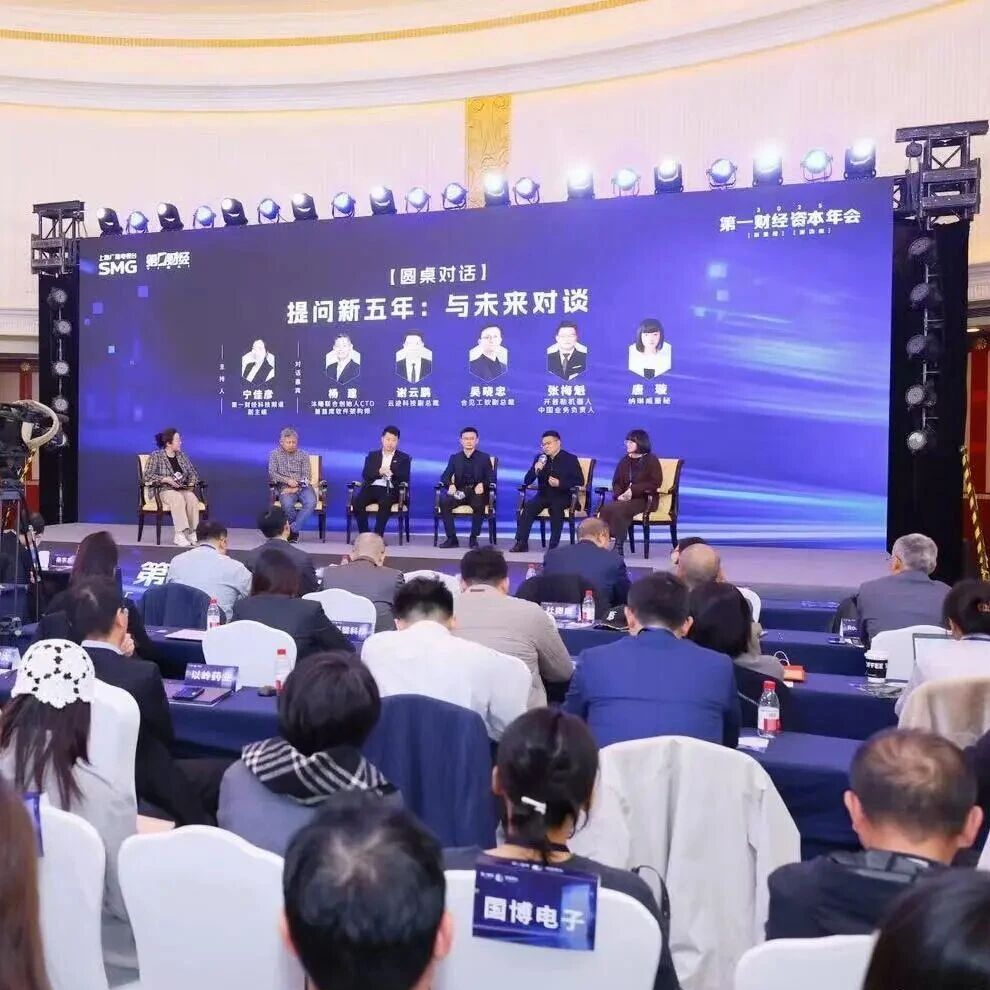
Core Viewpoint - The article discusses the future of China's hard technology industry, emphasizing the transition from "single-point breakthroughs" to "ecological collaboration" and the establishment of sustainable business loops over the next five years [1]. Group 1: Chip Industry - The domestic chip industry is under scrutiny, particularly with the recent approval of NVIDIA's H200 chip for sale in China, which poses a challenge for domestic companies like Muxi Co., a successful case incubated by patient capital [3]. - Muxi's CTO, Yang Jian, highlights that the focus on supply chain security has surpassed mere technical parameters, indicating a shift in customer procurement logic from "technological superiority" to a comprehensive consideration of "safety, cost, and long-term service" [3]. - Yang believes that within 2-3 years, China can establish a complete closed loop for robot chips, which presents a critical window for domestic chips amid the competition from NVIDIA [3]. Group 2: EDA Tools - The autonomy and control of EDA tools are crucial for chip design, with a recognition of the conflict between the capital's desire for quick returns and the high investment and long cycles inherent in EDA [4]. - The vice president of Hejian Technology, Wu Xiaozhong, notes that capital investors, such as the National Big Fund, are showing greater patience, which is a positive change for the industry [4]. - The company is transitioning from single-point tool breakthroughs to a full-process layout, with a complete solution from software simulation to hardware prototype verification, particularly optimized for domestic intelligent computing chips [4]. Group 3: Robotics - Cloudy Technology's vice president, Xie Yunpeng, reports that their service robots have been deployed in nearly 40,000 enterprises, with over 500 million service instances expected in 2024 [4]. - Xie emphasizes that the challenge is not just in manufacturing but in enhancing product intelligence by integrating large model capabilities [5]. - The company is exploring an open mobile platform ecosystem, inviting partners to co-create upper-layer applications, moving beyond existing products [5]. Group 4: New Materials - The value of new materials is often overlooked, yet they are fundamental to system performance, as highlighted by Tang Xuan, secretary of the board at Nalin Weina Technology [6]. - The company has developed composite materials by nano-sizing rare metals and evenly dispersing them in plastic substrates, achieving significant energy-saving effects in sectors like aviation and high-speed rail [6]. - Tang emphasizes the shift from a "procurement relationship" to a "co-developer" model with clients, which is seen as a core innovation model for the next five years in the materials field [6]. Group 5: Industry Collaboration - The five executives agree on the importance of collaboration across different sectors, stating that the era of individual breakthroughs is over [6]. - They stress that only through upstream and downstream cooperation can the industry shorten verification cycles, co-build testing scenarios, and share innovation dividends, transforming "usable" into "well-used" and making "domestic" the preferred choice [6].
详解智谱招股书 “大模型第一股”成色几何?
2 1 Shi Ji Jing Ji Bao Dao· 2025-12-20 05:45
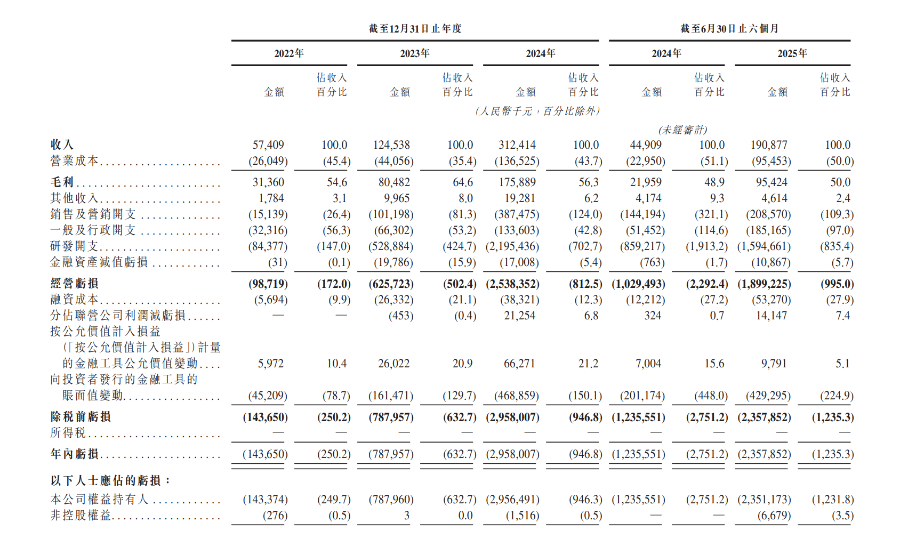
Core Viewpoint - The company Zhipu has officially disclosed its prospectus, marking the first complete performance presentation among the "AI Six Tigers," showcasing significant revenue growth but also substantial net losses due to high R&D expenditures [1][2]. Financial Performance - Zhipu's revenue for 2022, 2023, and 2024 is projected to be 57.4 million, 124.5 million, and 312.4 million RMB, respectively, with a compound annual growth rate of 130% [1]. - The company reported net losses of 143 million, 788 million, and 2.958 billion RMB for the years 2022, 2023, and 2024, respectively, with a projected loss of 2.751 billion RMB for the first half of 2025 [1][3]. - Gross margins have remained above 50%, with figures of 54.6%, 64.6%, 56.3%, and 50.0% for the years 2022, 2023, 2024, and the first half of 2025, respectively [1][3]. Business Model - Zhipu's business model is primarily driven by localized deployment for B-end and G-end institutional clients, which is perceived as heavy and challenging for standardizing model capabilities [1][4]. - The revenue structure shows that localized deployment contributed 84.5% of total revenue in 2024, while cloud deployment accounted for 15.5% [4]. - The company aims to increase the revenue share from its API business to 50% to enhance scalability and profitability [5]. Client Base and Market Position - As of the end of 2025, Zhipu has served over 12,000 institutional clients, indicating significant growth [2]. - By 2024, Zhipu ranked first among independent general model developers in China and second among all general model developers, holding a market share of 6.6% [1]. Industry Initiatives and Expansion - Zhipu is focusing on building an industry ecosystem and promoting AI applications, particularly in vertical sectors, to enhance its understanding and trust within the industry [6]. - The company launched the "Z Plan" to support early-stage startups in implementing large models, providing access to its infrastructure and tailored technical support [7]. - Zhipu is also expanding its overseas business, with revenue from international clients, particularly in Southeast Asia, increasing from 0.5% in 2024 to 11.1% in the first half of 2025 [8]. Funding and Valuation - Since its inception, Zhipu has completed eight rounds of financing, raising over 8.3 billion RMB, with participation from major industry players and venture capital firms [9]. - Following the latest B6 round of financing, the post-investment valuation of Zhipu is approximately 24.377 billion RMB [10].
智谱率先披露IPO招股书 或冲刺“全球大模型第一股”?
Hua Er Jie Jian Wen· 2025-12-20 04:41
Core Viewpoint - Beijing Zhiyu Huazhang Technology Co., Ltd. (referred to as "Zhiyu") has officially disclosed its prospectus after hearing, positioning itself as a strong contender for the title of "the world's first large model stock" ahead of its competitor MiniMax [1][10] Financial Performance - Zhiyu's revenue for the years 2022 to 2024 is projected to be 57.4 million, 125 million, and 312 million respectively [3] - The company is primarily focused on MaaS (Model as a Service), with revenue split between local and cloud deployment [4] - Revenue from providing private AI models to clients is expected to generate 264 million in 2024, accounting for over 80% of total revenue [5] Business Model - Local deployment is characterized as a "one-time project," with pricing based on model type, scale, and implementation costs, either charged as a one-time fee or annually [6] - The top five clients contributed 142 million in revenue in 2024, representing 45.5% of total revenue [6] - Cloud deployment revenue is based on token consumption and subscription duration, but currently accounts for less than 20% of total revenue [7] Product Matrix - Zhiyu has developed a comprehensive product matrix that includes various model sizes and capabilities, addressing specific client needs across multiple application scenarios [7] Financial Challenges - The company is experiencing significant losses, with total losses from 2022 to 2024 amounting to 3.89 billion [7] - The increasing losses are primarily attributed to the high costs of computational services used in research and development [8] - In 2024, the computational service fees are expected to reach 1.552 billion, approximately five times the revenue for that period [9] - As of June 2025, the company's cash and cash equivalents stand at 2.552 billion, indicating potential pressure to manage losses [9]
卡帕西2025大模型总结火爆硅谷
量子位· 2025-12-20 04:20
Core Insights - The article discusses the emerging trends in AI for 2025, highlighting the transformative impact of large models and the belief that only 10% of their potential has been realized so far [6][7]. Group 1: Key Predictions and Trends - The introduction of RLVR (Reinforcement Learning with Verified Rewards) marks a new phase in training large models, allowing them to develop reasoning strategies autonomously [8][10]. - The performance of large models is expected to exhibit a "zigzag" characteristic, indicating rapid bursts of capability as RLVR is adopted [18]. - Cursor represents a new application layer for large models, suggesting a shift towards more integrated and user-friendly AI applications [23][24]. Group 2: Innovations in AI Applications - Claude Code is identified as a significant example of a large model agent, capable of running locally on personal computers and utilizing user-specific data [26][32]. - Vibe Coding is anticipated to democratize programming, enabling non-professionals to create software through natural language [34][37]. - Nano Banana is highlighted as a groundbreaking model that integrates text generation, image generation, and world knowledge, setting a new standard for user interface and experience in AI [40][43].

中国版OpenAI”,冲刺“全球大模型第一股
Zhong Guo Ji Jin Bao· 2025-12-20 03:40
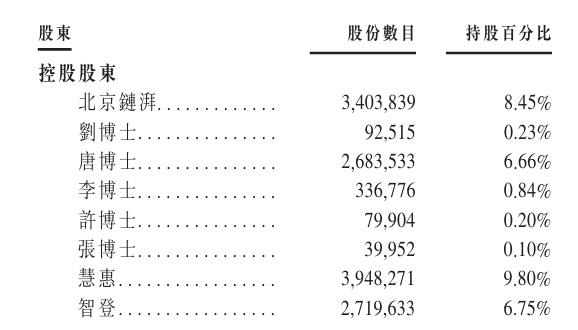
【导读】智谱通过港交所聆讯并正式递交招股书,有望成为"全球大模型第一股" 据港交所官网12月19日披露,中国最大的独立大模型厂商——北京智谱华章科技股份有限公司(以下简 称智谱)已通过港交所聆讯并正式递交招股书。 这意味着,智谱有望以"全球大模型第一股"的身份登陆港交所。 目前,智谱IPO前最后一次融资的投后估值为243.77亿元,其控股股东为北京链湃、刘德兵、唐杰、张 鹏等一致行动人。 最新估值为243.77亿元 智谱成立于2019年,由清华大学技术成果转化而来,目前是中国收入体量最大的独立大模型厂商。 招股书显示,2022年—2024年,智谱的营业收入分别为5740万元、1.25亿元、3.12亿元,连续三年营收 翻倍,年复合增长率达130%;2025年上半年营业收入为1.9亿元。其毛利率则保持在50%以上,2022年 —2024年分别是54.6%、64.6%、56.3%,2025年上半年为50%。 据招股书披露,自2019年成立以来,智谱共完成8轮融资,累计融资超83亿元;在2025年5月IPO前的最 后一次融资中,其投后估值为243.77亿元。 被OpenAI列为全球主要竞争对手 招股书显示,2022年 ...
智谱递表,2025年上半年营收1.91亿元
Bei Jing Shang Bao· 2025-12-20 03:10
智谱营收主要来自于大模型收入。公司采用MaaS(模型即服务)模式,即通过API调用向开发者和企业 输出智能能力。在全球大模型超市 OpenRouter 上GLM-4.5/4.6 自上线以来调用量居全球前10付费 API 收入超过所有国产模型之和。 北京商报讯(记者 魏蔚)12月19日晚间,港交所公开了智谱递表的招股书,2022年至2024年,智谱营 收分别是5740.9万元、1.25亿元、3.12亿元,年复合增长率130%。2025年上半年营收1.91亿元,同比增 长325%。2022年至2024年,公司经调整净亏损分别是9741.7万元、6.21亿元、24.66亿元。2025年上半 年经调整净亏损17.52亿元。2022年至2024年智谱毛利率分别是54.6%、64.6%、56.3%,2025年上半年毛 利率50%。 按照部署类型划分,智谱本地化部署模式贡献的营收更多,2022年至2024年这一板块营收占比分别是 95.5%、90.4%、84.5%,2025年上半年占比是84.8%,云端部署的MaaS类营收占比15.2%。 根据招股书,2022年、2023年、2024年智谱研发投入分别为8440万元、5.2 ...