
多层次医疗保障体系

Search documents
惠民政策为城市低保群体兜底(民生一线)
Ren Min Ri Bao· 2025-08-06 22:49
Group 1 - The central government emphasizes the importance of social assistance systems to support vulnerable groups, particularly the elderly and low-income families, in ensuring basic living standards and social stability [1] - The meeting highlights the need for a tiered and categorized social assistance system to address the diverse needs of different groups, including the elderly, unemployed, and those suffering from severe illnesses [1] Group 2 - In Nantong, nearly 20% of elderly residents have received home-based elderly care services, showcasing a dual support system that combines material assistance with emotional support [2][4] - The local government allocates budget for community and home-based elderly care services, providing monthly subsidies to low-income elderly individuals [3] - Community volunteers conduct regular visits to elderly residents, offering companionship and assistance, which helps alleviate feelings of loneliness among the elderly [4] Group 3 - In Pingxiang, a resource-depleted city, community workers assist laid-off workers in applying for temporary aid and low-income support, demonstrating a proactive approach to social welfare [5][6] - The community has implemented a grid-based service model to ensure comprehensive coverage of support for vulnerable groups, including the elderly and those with health issues [6] Group 4 - In Xining, a multi-tiered medical insurance system has been established, allowing for significant reimbursement of medical expenses for chronic illnesses, thus reducing the financial burden on families [7][8] - The local government has created a seamless reimbursement process for medical expenses, ensuring that low-income individuals can access necessary healthcare without incurring substantial out-of-pocket costs [8]
走进3户家庭 探访分层分类社会救助体系 惠民政策为城市低保群体兜底(民生一线)
Ren Min Ri Bao· 2025-08-06 22:08
Group 1 - The central government emphasizes the importance of social assistance systems to support vulnerable populations, particularly the elderly and those affected by unemployment or illness [1] - The meeting highlights the need for a tiered and categorized social assistance system to ensure basic living standards for low-income groups [1] - The article discusses the challenges faced by elderly individuals with multiple vulnerabilities, such as being single, ill, or living alone, particularly in aging regions and resource-depleted cities [1] Group 2 - In Nantong, nearly 20% of elderly individuals have received home-based elderly care services, showcasing a dual support system of material and spiritual assistance [2][4] - The local government provides monthly subsidies for low-income elderly individuals, including a service budget for community support, which enhances their quality of life [3][4] - The community has implemented a dynamic identification mechanism for vulnerable groups, ensuring that those on the edge of social assistance are included in support programs [3] Group 3 - In Pingxiang, a resource-depleted city, community workers assist laid-off workers in accessing temporary aid and job placement services, demonstrating a proactive approach to social support [5][6] - The community has developed a network of support that includes regular visits and assistance in navigating social services, which has proven effective for families in need [6] - The local government has created flexible job opportunities for displaced workers, integrating social welfare with employment initiatives [6] Group 4 - In Xining, a multi-layered medical insurance system has been established, allowing for significant reimbursement of medical expenses for chronic illnesses [7][8] - The local government has implemented a comprehensive medical assistance program that includes full funding for the most vulnerable populations, ensuring access to necessary healthcare [8] - The integration of various medical assistance programs allows for streamlined reimbursement processes, significantly reducing out-of-pocket expenses for patients [8]
“惠民保”重普惠破“内卷”
Jing Ji Ri Bao· 2025-08-06 22:04
日前,国家金融监督管理总局下发《关于推动城市商业医疗险高质量发展的通知》(以下简称《通 知》),规范城市定制型商业医疗保险业务,推动这一普惠性商业保险产品实现可持续发展。城市定制 型商业医疗险在业内俗称"惠民保",由保险公司依据《中华人民共和国保险法》市场化运作,对于分散 和转移健康风险、减轻被保险人高额医疗费用负担具有重要意义和积极作用。 扩面提质突出普惠性 近年来,保险业围绕人民群众的优质医疗保障需求,优化"惠民保"产品供给,及时将医疗新技术、新药 品、新器械应用纳入责任范围,为人民群众提供覆盖广泛、公平可得、保费合理、保障有效的保险服 务。 众惠财产相互保险社董事长李静认为,"惠民保"作为基本医保的重要区域性补充,在多层次医疗保障体 系建设中承担着衔接基础保障与个性化需求的重要职能,是连接基本医保与商业健康险的纽带。"惠民 保"在一定程度上缓解了公众面对高额医疗费用的负担,有助于拓展保险的深度和广度,也引导公众进 一步关注商业保险。因此,规范发展的"惠民保"可提升保障体系韧性,使医保基金更多聚焦基础托底功 能,形成"基本医疗保险广覆盖、城市商业医疗险精准补充"的梯次保障架构。 今年4月下旬,2025年度 ...
【“十四五”高质量发展答卷】提质扩面广覆盖 多层次医保体系惠民生
Yang Shi Wang· 2025-07-24 16:07
Core Insights - The healthcare insurance system in China is set to cover nearly 20 billion medical reimbursements from 2021 to 2024, with 2024 figures projected to be 1.6 times that of 2020 [1] - The system aims to enhance quality and expand coverage, focusing on vulnerable groups including the elderly and children, while providing targeted support for low-income populations [1][11] Group 1: Childcare and Maternal Health - The healthcare insurance system is strengthening maternity insurance, with 253 million participants and cumulative expenditures of 438.3 billion yuan, benefiting 96.14 million people by June 2025 [3] - Newborns can now enroll in basic health insurance using their birth certificates, and nearly 60% of regions provide direct maternity benefits to female employees [3] Group 2: Elderly Care - A long-term care insurance system is being established, with 190 million participants expected by the end of 2024, addressing the needs of disabled individuals requiring long-term care [5] Group 3: General Health Coverage - The employee health insurance system has expanded its outpatient mutual aid mechanism, allowing personal accounts to cover near relatives, with over half of the regions implementing this nationwide [7] Group 4: Chronic Disease Management - Ten types of outpatient chronic diseases can now be reimbursed directly across provinces, benefiting 560 million people and reducing out-of-pocket expenses by 590 billion yuan [9] - The dynamic adjustment of the healthcare drug list has led to the inclusion of 402 new drugs since the start of the 14th Five-Year Plan [9] Group 5: Support for Low-Income Populations - The healthcare insurance policies have benefited 673 million low-income individuals in rural areas, alleviating over 650 billion yuan in medical expenses [11]

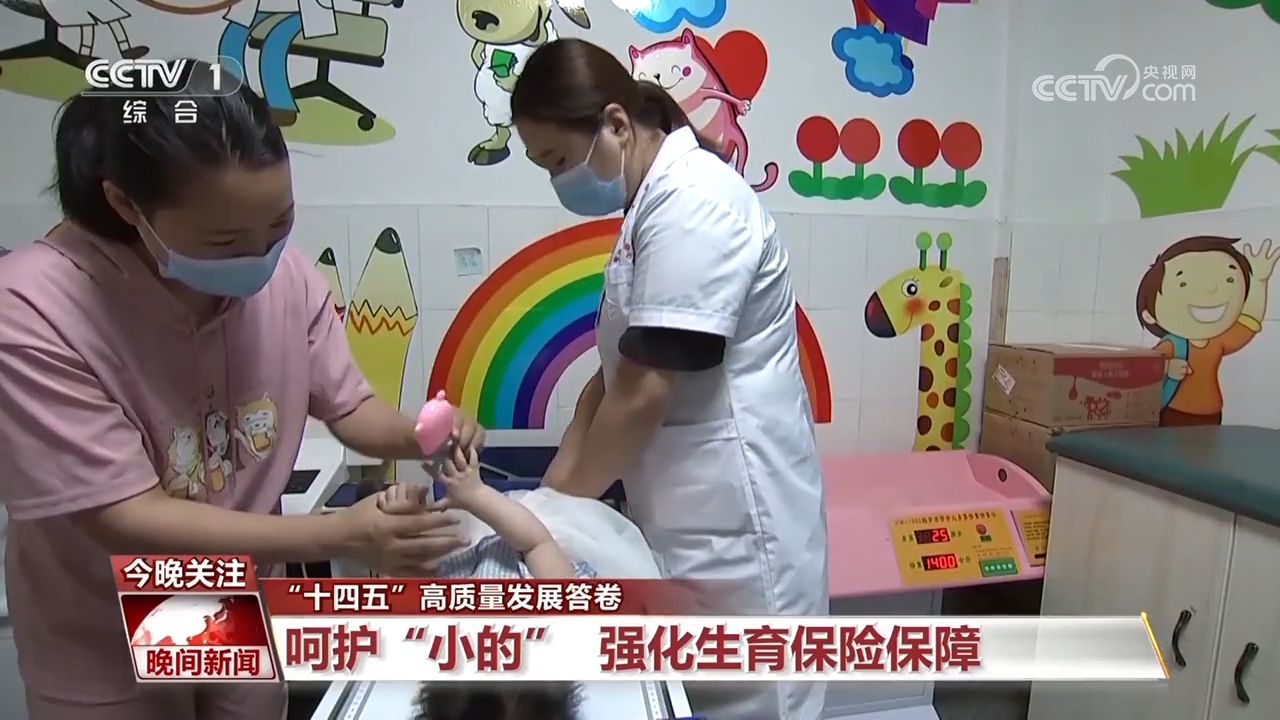
“十四五”医保成绩单发布,医保基金累计支出超12万亿元
第一财经· 2025-07-24 08:41
Core Viewpoint - The article highlights the achievements and future plans of China's medical insurance system during the "14th Five-Year Plan" period, emphasizing the stability and expansion of coverage, the financial support for the healthcare industry, and the ongoing reforms to improve the quality and efficiency of medical services [1][2]. Group 1: Medical Insurance Coverage and Financial Support - The basic medical insurance coverage rate has remained stable at around 95%, with 1.327 billion people enrolled in 2024 [1][3]. - Cumulative medical insurance fund expenditure reached 12.13 trillion yuan, with an annual growth rate of 9.1%, providing robust financial support for healthcare services [1][2]. - Nearly 200 billion medical insurance reimbursements were utilized by patients from 2021 to 2024, marking a 1.6 times increase compared to 2020 [3]. Group 2: Multi-tiered Medical Security System - A multi-tiered medical security system is being established, consisting of a unified medical insurance information platform, basic medical insurance, critical illness insurance, and medical assistance [4]. - As of June 2025, 253 million people participated in maternity insurance, with cumulative expenditures of 438.3 billion yuan [4]. - Long-term care insurance has covered 190 million people, addressing the care needs of disabled individuals [5]. Group 3: Regulation and Management of Medical Insurance Funds - The National Medical Insurance Administration has intensified efforts to regulate medical insurance funds, focusing on reducing fraud and ensuring proper fund usage [6][7]. - In the first half of the year, 335,000 medical institutions were inspected, recovering 16.13 billion yuan in misused funds [7]. - The administration has implemented data-driven approaches to enhance the precision of fund management and fraud detection [7]. Group 4: Drug Price Governance - Drug pricing remains a significant concern, with the government encouraging market-driven pricing while maintaining oversight to prevent price manipulation [9][10]. - Since 2018, ten rounds of centralized drug procurement have been conducted, covering 435 drugs, which has helped lower drug prices and improve accessibility [11]. - The administration has taken measures to address abnormal drug pricing, urging companies to adhere to fair pricing practices [12].
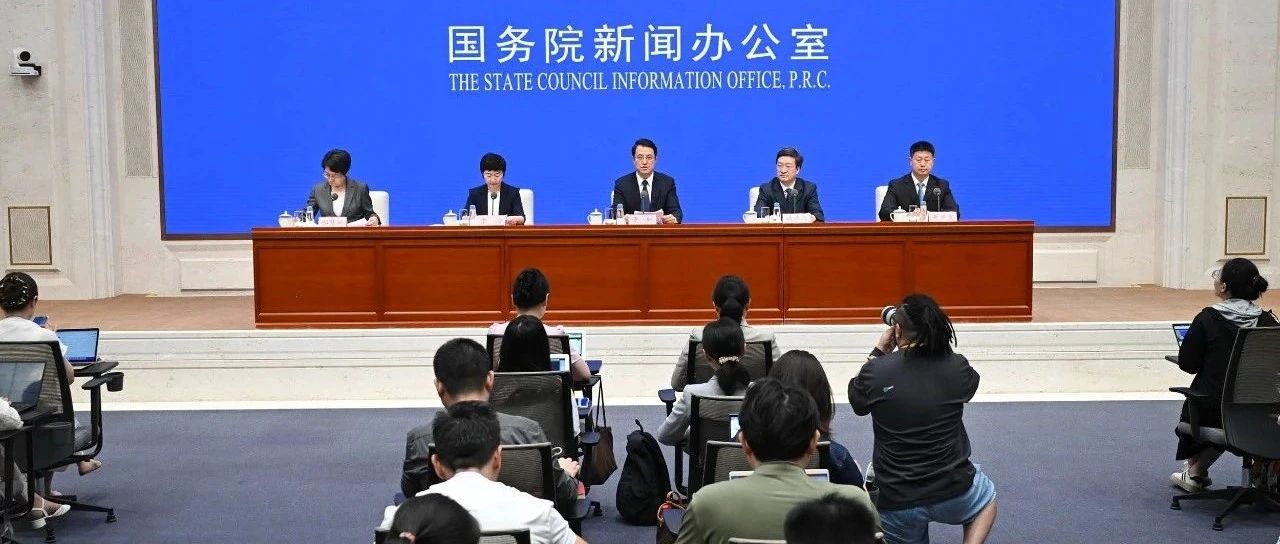
高质量完成“十四五”规划丨“十四五”医保基金支出12.13万亿元 我国医保事业提质扩面
Xin Hua She· 2025-07-24 07:21
Core Insights - The "14th Five-Year Plan" aims to enhance the national medical insurance system, achieving a stable coverage rate of approximately 95% and a cumulative expenditure of 12.13 trillion yuan, with an annual growth rate of 9.1% [1][3] Group 1: Medical Insurance Coverage - By 2024, nearly 200 million medical visits will benefit from insurance reimbursement, representing a 1.6 times increase compared to 2020 [3] - As of June 2025, 253 million people are expected to participate in maternity insurance, with cumulative expenditures reaching 438.3 billion yuan and benefits enjoyed by 96.14 million people [3] Group 2: Long-term Care and Elderly Support - A long-term care insurance system is being established, with 190 million participants expected by the end of 2024, addressing the needs of disabled individuals [3] - Over 95% of village clinics will be included in the insurance system, facilitating access to medical services for the elderly [3] Group 3: Medical Institutions and Cross-Province Services - By June 2025, the number of designated medical institutions for insurance will reach 1.1 million, expanding the coverage of employee insurance to include close relatives [4] - The number of cross-province designated medical institutions has reached 644,000, benefiting 560 million medical visits and reducing out-of-pocket expenses by 590 billion yuan [4] Group 4: Support for New Medical Technologies - A total of 402 new drugs have been added to the insurance catalog since the beginning of the "14th Five-Year Plan," with ongoing reforms in payment methods to promote new technologies and equipment in clinical applications [4] Group 5: Poverty Alleviation and Future Directions - Medical assistance policies have benefited 673 million rural low-income individuals, alleviating over 650 billion yuan in medical expenses [5] - The National Medical Insurance Administration aims to manage insurance funds effectively while supporting the development of the pharmaceutical industry and enhancing the availability of safe and efficient medical products and services [5]
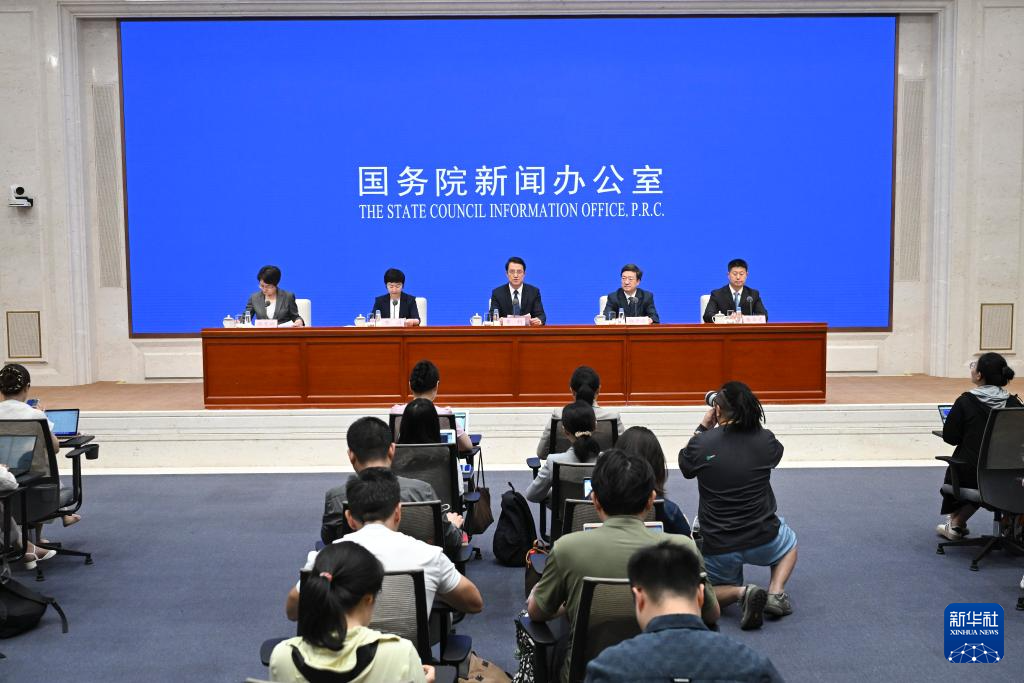
“十四五”医保成绩单发布,医保基金累计支出超12万亿元
Di Yi Cai Jing· 2025-07-24 05:01
Group 1: Healthcare Insurance and Coverage - The national basic medical insurance coverage rate remains stable at around 95%, with an expected 1.327 billion people insured by 2024, representing a 1.6 times increase from 2020 [1][3] - Cumulative expenditure of the medical insurance fund during the 14th Five-Year Plan period reached 12.13 trillion yuan, with an annual growth rate of 9.1% [1] - The multi-tiered medical security system is being established, including basic medical insurance, serious illness insurance, and medical assistance [3] Group 2: Long-term Care Insurance - As of June 2025, 253 million people are expected to participate in maternity insurance, with cumulative expenditures of 438.3 billion yuan [3][4] - The long-term care insurance system aims to alleviate the financial burden of daily care for the elderly and disabled individuals [3][4] Group 3: Medical Fund Management and Regulation - The National Medical Insurance Administration is enhancing the regulation of medical insurance funds to combat fraud and misuse, with 335,000 medical institutions inspected in the first half of the year, recovering 16.13 billion yuan [7] - The transition from a "post-payment" to a "pre-payment" system is being implemented, promoting efficiency in medical institutions and reducing patient out-of-pocket expenses by approximately 5% year-on-year [6] Group 4: Drug Price Governance - The 11th batch of centralized drug procurement has been initiated, emphasizing principles such as maintaining clinical stability and ensuring quality [9] - Since 2018, 10 batches of drug procurement have been conducted at the national level, covering 435 types of drugs, which has helped lower drug costs and improve accessibility [9]
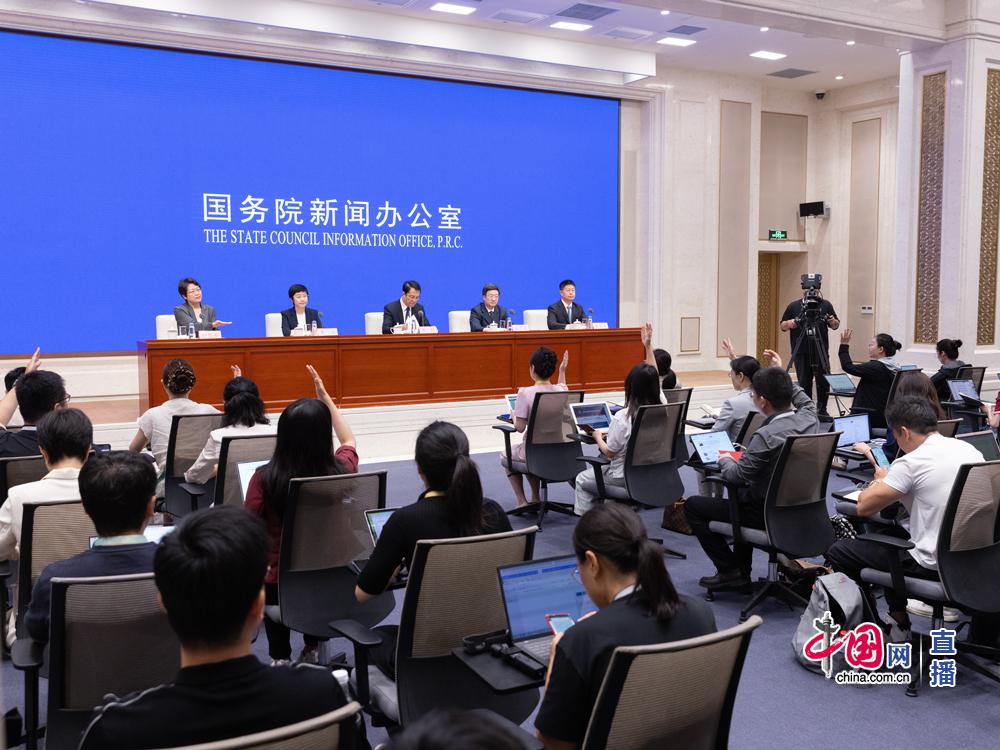
“十四五”期间 跨省异地就医直接结算服务超5亿人次
Yang Shi Wang· 2025-07-24 03:37
Group 1 - The core viewpoint of the news is the introduction of reforms in the medical insurance system during the "14th Five-Year Plan" period, focusing on optimizing services to better meet the needs of the public [1][2][3] - The National Medical Insurance Bureau emphasizes the importance of using modern technologies such as big data, cloud computing, and artificial intelligence to create a unified and efficient medical insurance information platform [1] - The initiative includes the establishment of a five-level medical insurance service network, aiming to create a "15-minute medical insurance service circle" for citizens [1][2] Group 2 - The "standardized service" approach has led to the development of 23 coding standards and 37 technical specifications, streamlining the process for maternity benefits to be completed within 10 working days [2] - The "cross-regional service" has expanded direct settlement from hospitalization to outpatient services for chronic diseases, benefiting over 500 million people and reducing out-of-pocket expenses by over 550 billion yuan [2] - The "efficient service" includes a nationwide medical insurance platform with a response time in milliseconds, handling over 14.5 million daily settlements and enabling cross-province processing for high-frequency services [2]
“十四五”时期各项医保帮扶政策累计惠及农村低收入人口就医达6.73亿人次
Yang Shi Wang· 2025-07-24 02:43
Group 1 - The core viewpoint of the news is the progress and achievements in China's medical insurance reform during the "14th Five-Year Plan" period, emphasizing the expansion and improvement of medical insurance coverage and services [1][2][3][4] Group 2 - The national basic medical insurance coverage rate is maintained at around 95%, with nearly 200 billion medical insurance reimbursements enjoyed by individuals from 2021 to 2024, representing a 1.6 times increase compared to 2020 [1] - By the end of 2024, 1.9 billion people are expected to participate in long-term care insurance, addressing the needs of disabled individuals [2] - A total of 402 new drugs have been added to the medical insurance catalog since the beginning of the "14th Five-Year Plan," supporting the development of innovative drugs [3] - The medical insurance system has established a multi-tiered support framework, benefiting 673 million rural low-income individuals and reducing their medical expenses by over 650 billion [4]
创新药ETF国泰(517110)涨超2.0%,政策支持与行业回暖或成驱动因素
Sou Hu Cai Jing· 2025-07-22 02:20
Group 1 - The core viewpoint of the article emphasizes the importance of the new measures to support the high-quality development of innovative drugs, particularly the inclusion of innovative drugs in commercial insurance directories, which marks a significant step for market access in this sector [1] - The National Healthcare Security Administration is promoting reforms in medical insurance payment methods, which is expected to provide a broader space for the development of commercial insurance, enhancing its role in the multi-level medical security system [1] - The innovative drug industry in China is anticipated to continue its rapid development, with upstream industries such as research reagents and CXO gradually recovering, leading to improved performance expected in the 2025 mid-year reports [1] Group 2 - The article expresses optimism about the innovative drug sector, overseas expansion, and the clearing of centralized procurement, indicating that innovative drugs are entering a phase of realization of results, with significant research and development progress expected to catalyze investment opportunities in 2025 [1] - The concentration of the pharmaceutical market is accelerating, and mergers and acquisitions are expected to increase, indicating a trend towards consolidation within the industry [1] - The Guotai ETF (517110) tracks the SHS Innovative Drug Index (931409), which selects listed companies involved in biopharmaceuticals and chemical pharmaceuticals from both A-share and Hong Kong markets, reflecting the overall performance of companies with innovative research and development capabilities [1]