汽车智能化

Search documents
有色金属周报:珍惜彭博调参机会,坚定买入有色牛市-20260111
SINOLINK SECURITIES· 2026-01-11 13:37
Group 1: Copper - The LME copper price increased by 1.94% to $12,702.0 per ton, while Shanghai copper rose by 3.23% to 101,400 yuan per ton [1] - Domestic copper inventory increased by 6.29% week-on-week, marking six consecutive weeks of accumulation, with total inventory up by 168,100 tons year-on-year [1][12] - The operating rate of the yellow copper rod industry decreased by 0.61% to 46.98%, while the enameled wire industry saw a decline of 0.66% in operating rate to 74.87% [1][12] Group 2: Aluminum - The LME aluminum price rose by 2.22% to $3,088.00 per ton, and Shanghai aluminum increased by 6.13% to 24,300 yuan per ton [2][13] - The operating rate of domestic aluminum processing leading enterprises increased by 0.2% to 60.1%, indicating a mixed performance across different aluminum processing sectors [2][13] - The total production capacity of metallurgical-grade alumina reached 110.32 million tons per year, with an operating rate of 80.51% [2][13] Group 3: Gold - COMEX gold price increased by 3.36% to $4,487.9 per ounce, with SPDR gold holdings rising by 2 tons to 1,067.13 tons [3][14] - Geopolitical risks, including U.S. military actions in Venezuela and unrest in Iran, have contributed to a strong and volatile market for gold [3][14] Group 4: Rare Earths - The price of praseodymium and neodymium oxide increased by 2.90%, with November exports of rare earth permanent magnets rising by 12% month-on-month and 28% year-on-year, reaching a historical high for the month [4][36] - The expectation of more relaxed export policies and ongoing supply constraints are likely to support future demand and price increases in the rare earth sector [4][36] Group 5: Lithium - The average price of lithium carbonate increased by 11.5% to 131,800 yuan per ton, while lithium hydroxide rose by 10.9% to 126,900 yuan per ton [4][60] - Total lithium carbonate production reached 22,500 tons, with a slight increase of 0.01 million tons week-on-week [4][60] Group 6: Cobalt - The price of cobalt in the Jiangxi market rose by 1.1% to 460,000 yuan per ton, with cobalt intermediate prices also showing slight increases [5][63] - The overall cobalt market remains strong, with supply tightness expected to continue, supporting price stability [5][63] Group 7: Nickel - LME nickel price increased by 1.8% to $17,100 per ton, while Shanghai nickel rose by 4.3% to 138,000 yuan per ton [5][64] - Nickel market sentiment turned optimistic due to potential tightening of nickel ore quotas in Indonesia, leading to price increases [5][64]



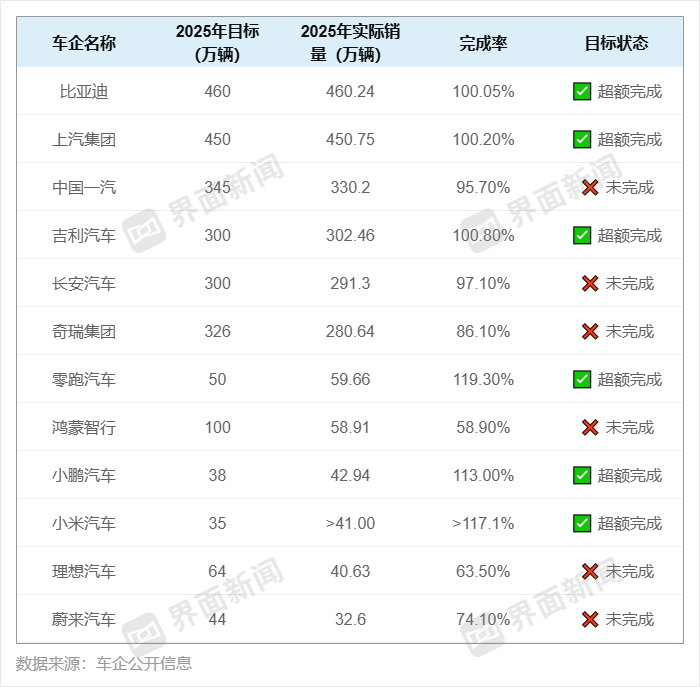
车企密集明确2026销量目标,市场格局将会有哪些变化?
Xin Lang Cai Jing· 2026-01-10 10:07
Core Insights - The Chinese automotive market is experiencing unprecedented differentiation as companies announce their annual sales and plans for 2026, reflecting a deep competition regarding survival, development, and industry positioning [1] Group 1: Sales Performance in 2025 - In 2025, six companies achieved their sales targets, including three traditional automakers (BYD, Geely, SAIC) and three new players (Leap Motor, Xpeng, Xiaomi) [1] - BYD led with 4.6024 million units sold, exceeding its target and becoming the global leader in pure electric vehicle sales [1] - Geely delivered 3.0246 million units, achieving a 100.8% completion rate and a 39% year-on-year growth [1] - SAIC's sales surpassed 4.5075 million units, marking a 12.32% increase year-on-year [1] - Leap Motor topped the new energy vehicle sales with 596,600 units delivered, achieving a 119% completion rate [2] - Xpeng delivered 429,400 units, a 113% completion rate with a 126% year-on-year growth [2] - Xiaomi, as a newcomer, delivered over 410,000 units, exceeding its first-year target [1] Group 2: Differentiation in Performance - Companies like Li Auto and Hongmeng Zhixing failed to meet their targets, with Li Auto delivering 406,000 units, only 63.5% of its goal, and Hongmeng Zhixing delivering 589,100 units, significantly below its 1 million target [2] - The performance disparity among automakers is attributed to differences in sales scale, product structure, transformation stages, and technological accumulation [2] - The differentiation is further accelerated by electrification and intelligent technology, along with strong policy guidance [2] Group 3: Strategic Approaches for 2026 - Automakers are adopting different strategies for 2026, categorized into three camps: aggressive, stable, and conservative [2] - Leap Motor and Hongmeng Zhixing represent the aggressive camp, with Leap aiming for 1 million units (a 67.5% increase) and Hongmeng targeting between 1 million to 1.3 million units, requiring up to 120% year-on-year growth [3][4] - The stable camp includes Great Wall and Xiaomi, focusing on steady growth rather than aggressive targets [7][8] - Great Wall set a target of over 1.8 million units for 2026, reflecting a 36% growth rate, while Xiaomi aims for 550,000 units, a 34% increase [7][8] Group 4: Challenges and Opportunities - Leap Motor's growth is supported by its dual breakthrough in scale and profitability, but it faces challenges in expanding production and maintaining quality [4] - Hongmeng Zhixing plans to launch 11 to 18 new models in 2026, but must balance brand differentiation and collaboration among its multiple brands [5] - The conservative camp, represented by Geely and Li Auto, emphasizes quality over sheer volume, with Geely targeting 3.45 million units for a 14% growth [10][11] - Li Auto and NIO are expected to adopt more cautious strategies in 2026, focusing on consolidating their market positions rather than aggressive growth [11][12] Group 5: Market Dynamics and Future Outlook - The 2026 Chinese automotive market is characterized by a strategic landscape where aggressive players like Leap and Hongmeng fight for market share, stable players like Great Wall and Xiaomi serve as the backbone of industry transformation, and conservative players like Geely and Li Auto represent rationalization in the industry [14] - The competition will shift from merely selling units to achieving profitability and sustainable sales, with a projected electric vehicle penetration rate exceeding 60% [15] - The outcomes of this competition will reshape the Chinese automotive industry and influence the global market dynamics [15]

石英晶振企业鸿星科技重启IPO 已完成上市辅导备案
Ju Chao Zi Xun· 2026-01-10 01:34
Core Viewpoint - Hongxing Technology (Group) Co., Ltd. has submitted a report for its initial public offering (IPO) and listing, with Guotou Securities as the advisory institution, indicating a renewed effort to enter the A-share market after previously withdrawing its application in September 2025 [1][3]. Company Overview - Hongxing Technology specializes in the research, production, and sales of frequency control components such as quartz crystal resonators and oscillators, and is recognized as the ninth largest quartz crystal component manufacturer globally, holding a strong market position in its niche [3]. - The company's products are widely used across various sectors, including communication electronics, smart home devices, automotive electronics, consumer electronics, medical electronics, and industrial control, with a customer base that includes well-known brands like Samsung, Chuangwei, Changhong, Foxconn, Quanta, and Pegatron [3]. Industry Context - The demand for quartz crystal components is expected to grow due to trends such as 5G construction, automotive intelligence, and the proliferation of the Internet of Things (IoT) [4]. - The global high-end quartz crystal component market is currently dominated by Japanese manufacturers, who lead in technology and scale, while U.S. manufacturers focus on specific high-end markets like military applications [4]. - Domestic companies are increasingly focusing on domestic substitution and technological breakthroughs in the mid-to-high-end sectors, which is becoming a significant development direction for the industry [4]. - If Hongxing Technology successfully completes its IPO, it is anticipated to leverage capital market resources to expand production capacity, enhance R&D investment, and improve competitiveness in high-end applications, aiming for a more significant position in the global supply chain [4].

博泰车联(02889.HK):软硬云协同筑壁垒 AI赋能打开成长空间
Ge Long Hui· 2026-01-09 18:27
Group 1 - The company is a leading provider of intelligent cockpit solutions, focusing on integrated software, hardware, and cloud services since 2018, establishing a strong position in the industry [1] - The company has established 6 R&D centers and 3 manufacturing bases, serving over 50 brands, with Li Auto being a core customer driving revenue growth since 2024 [1] - The penetration rate of intelligent cockpits in domestic and global passenger vehicles is steadily increasing, with projections showing China's market penetration rising from 35.3% in 2019 to 75.9% by 2025, and global penetration increasing from 38.4% to 59.4% in the same period [1] Group 2 - The company benefits from Qualcomm's leading position in the intelligent cockpit chip industry and Huawei's rapidly improving status, enhancing its market position [2] - The collaboration with Qualcomm has expanded to develop a new generation of intelligent cockpit solutions using the Snapdragon cockpit platform, while the partnership with Huawei has deepened since 2018 [2] - The company's core technology stack, including QiangOS, QiangCore, and QiangCloud, supports the scalability and customization of its intelligent cockpit solutions [2] Group 3 - Revenue growth is expected to come from the continuous increase in orders for high-end domain control products, with forecasts estimating total revenue of 3.458 billion yuan, 5.452 billion yuan, and 7.839 billion yuan for 2025-2027 [2] - The company is projected to turn a profit with net income estimates of -201 million yuan, 10 million yuan, and 1.002 billion yuan for the same years [2] - The company is recognized as a leader in the domestic intelligent cockpit domain control industry, with expectations for stable growth in high-end domain control product sales and improving profitability [2]
项兴初拜访任正非,江汽、华为解锁合作新蓝图
Sou Hu Cai Jing· 2026-01-09 03:27
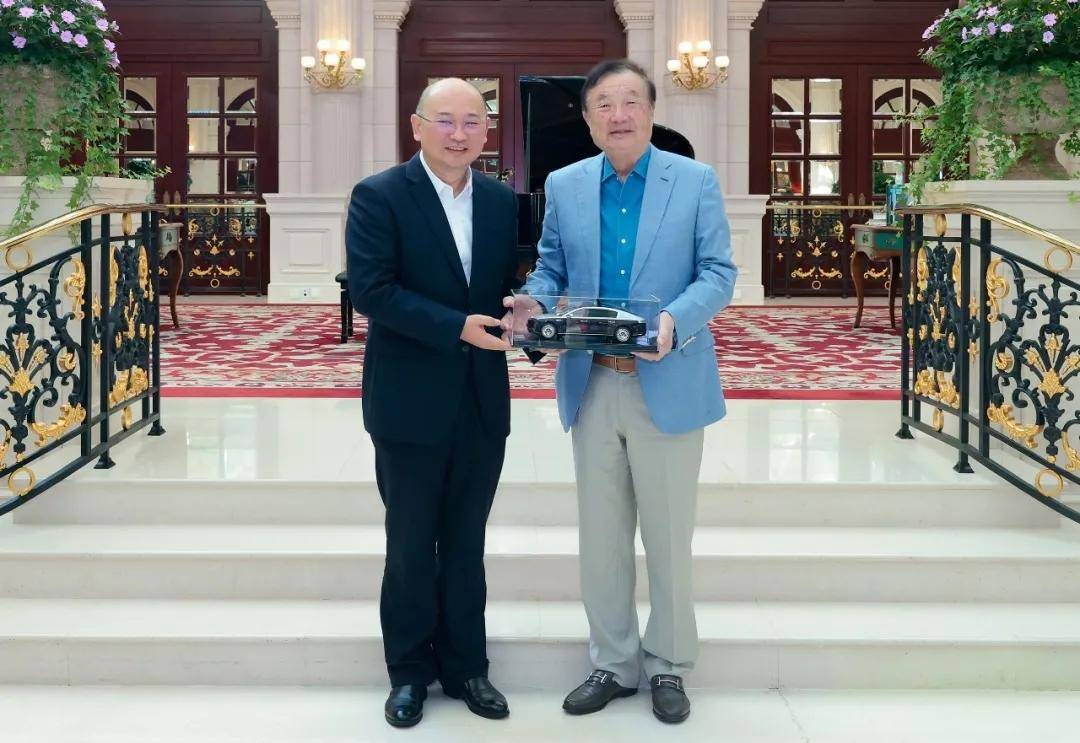
Group 1 - Jiangqi Group's Chairman and General Manager, Xiang Xingchu, visited Huawei's founder Ren Zhengfei in Shenzhen to discuss the trends in the automotive industry's intelligent transformation and the progress of their cooperative projects [1] - The two companies aim to expand their cooperation in key areas such as automotive intelligence and enterprise digitalization, contributing to the high-quality development of the new energy vehicle industry [3]
汽车智能化与电网投资双引擎增长,新能源ETF(159875)聚焦新能源龙头投资机遇
Xin Lang Cai Jing· 2026-01-09 02:43
Group 1 - The energy sector is experiencing a rise, with the China Securities New Energy Index increasing by 1.30% as of January 9, 2026, and key stocks such as Mingyang Smart Energy, Goldwind Technology, and Xiamen Tungsten rising by 10.03%, 9.99%, and 9.86% respectively [1] - The globalization and acceleration of intelligence in the new energy vehicle industry is expected to lead to a total export volume of 3.03 million units in 2026, representing a year-on-year growth of 34% and an increase in penetration rate to 45% [1] - AI technology is reshaping the in-car experience, becoming a key differentiator in the market, while advancements in smart driving technology and high-performance chips are accelerating the deployment of new architectures [1] - The demand for upgrading and replacing vehicles is driving consumption upgrades, with high-end vehicle markets outperforming economy models, and domestic brands showing significant potential for market share growth [1] - Despite intensified competition leading to profit pressure, the increase in exports, economies of scale, and local production capacity are expected to enhance the overseas profitability of automotive companies [1] Group 2 - The construction of a national unified electricity market is accelerating, with expected grid investments during the 14th Five-Year Plan period to exceed 4 trillion yuan, a significant increase from 2.8 trillion yuan during the 13th Five-Year Plan [2] - The main grid construction will support the interconnection of the national grid, which is a crucial foundation for building a unified national electricity market and will remain a key focus area [2] - As of December 31, 2025, the top ten weighted stocks in the China Securities New Energy Index include CATL, Sungrow Power, TBEA, LONGi Green Energy, Huayou Cobalt, EVE Energy, China National Nuclear Power, Ganfeng Lithium, Tianci Materials, and Three Gorges Energy, collectively accounting for 43.23% of the index [2]





何小鹏,透露人形机器人最新进展
Zhong Guo Ji Jin Bao· 2026-01-08 15:07
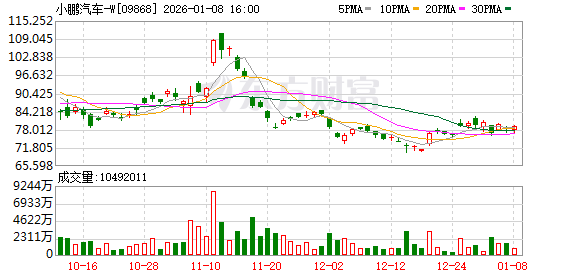
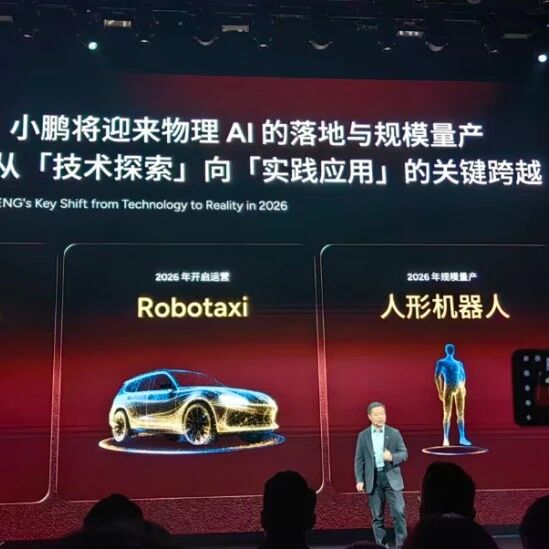
Core Insights - Xiaopeng Motors launched four new models at the 2026 Global New Product Launch, marking the highest number of new models introduced in a single event [4] - The company aims to position itself not just as an automaker but as a technology innovator, with plans to mass-produce humanoid robots by 2026 [5][10] Group 1: New Model Launches - The four new models introduced are the 2026 Xiaopeng P7+ (pure electric + super range), Xiaopeng G7 super range version, 2026 Xiaopeng G6 pure electric version, and 2026 Xiaopeng G9 version [7] - Xiaopeng Motors plans to accelerate its product launch pace, with over ten new models expected in 2026, including updated models and Robotaxi [9] Group 2: Strategic Developments - The company is implementing its "one car, dual energy" strategy, expanding from pure electric vehicles to super range technology starting in the second half of 2025 [9] - Xiaopeng Motors aims to enhance its automotive intelligence, with the second-generation VLA (Vision-Language-Action) model set to debut in the first quarter of 2026 [10][12] Group 3: Market Position and Growth - Xiaopeng Motors ranked third among new car manufacturers in terms of delivery volume, with a total of 429,400 vehicles delivered globally in 2025, representing a 126% year-on-year increase [9] - The company is set to launch three super range products in the first quarter of 2026, followed by four new models featuring the "one car, dual energy" concept [9]


何小鹏,透露人形机器人最新进展
中国基金报· 2026-01-08 15:02
Core Viewpoint - Xiaopeng Motors held its 2026 Global New Product Launch Conference, unveiling four new models and signaling its ambition to transition from a traditional car manufacturer to a technology-driven company, including plans for humanoid robot mass production by 2026 [3][4][5]. Group 1: New Model Launches - Xiaopeng Motors launched four new models on January 8, including the 2026 Xiaopeng P7+ (pure electric + super range), Xiaopeng G7 super range version, 2026 Xiaopeng G6 pure electric version, and 2026 Xiaopeng G9 version [5][8]. - The company aims to accelerate its product launch pace, planning to release over ten new models in 2026, including refreshed models, entirely new vehicles, and Robotaxi (autonomous taxis) [9][11]. Group 2: Strategic Direction - Xiaopeng Motors is implementing its "one car, dual energy" strategy, expanding its technology roadmap from pure electric vehicles to super range vehicles starting in the second half of 2025 [7][10]. - The company ranked third among new car manufacturers in terms of delivery volume in 2025, with a total of 429,400 vehicles delivered globally, representing a year-on-year growth of 126% [13]. Group 3: Technological Advancements - In 2026, Xiaopeng Motors plans to launch the second-generation VLA (Vision-Language-Action) large model, which will be integrated into the newly launched models, enabling L4-level autonomous driving capabilities [15][17]. - The second-generation VLA model is currently being trained to enhance L4-level assisted driving capabilities, with Robotaxi already passing third-party testing and set to begin public road testing [19][20].
全球汽车业2026八大猜想
Zhong Guo Qi Che Bao Wang· 2026-01-08 11:43
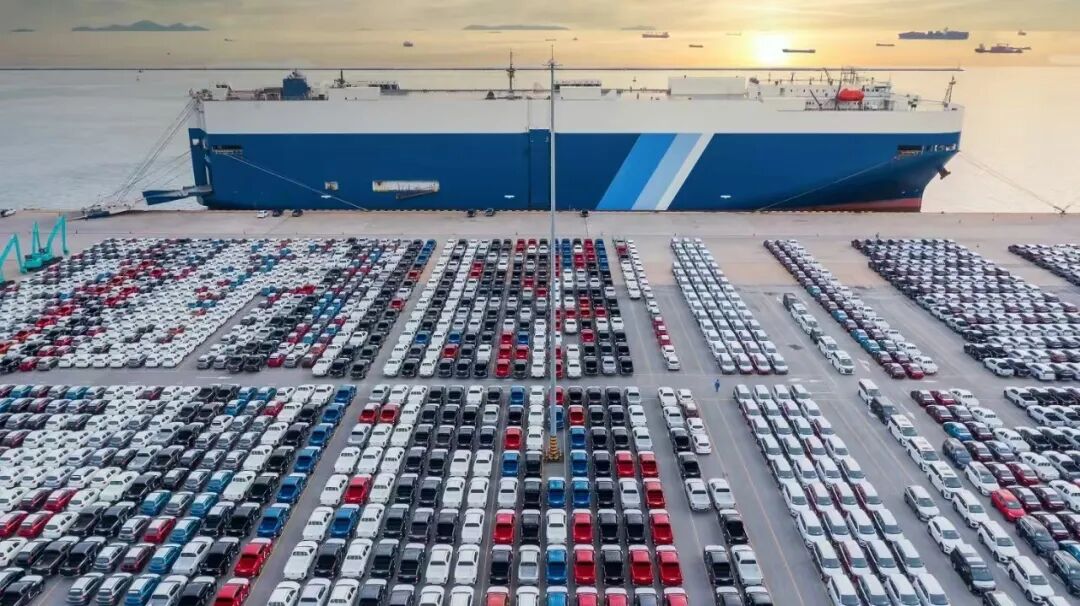
Group 1 - The global automotive trade is expected to face increased tensions in 2026, with significant downward pressure on trade growth predicted by organizations like the WTO and IMF, projecting growth rates of only 0.5% and 0.6% respectively, down from 2.4% in 2025 [2][3] - The rise of trade protectionism is a core driver of this tension, as various countries implement unilateral trade measures, disrupting the established rhythm of the global automotive supply chain and increasing uncertainty in international trade [3] Group 2 - The global electric vehicle (EV) market is anticipated to experience a slowdown in sales growth in 2026, with the U.S. market showing particularly pessimistic trends due to the cancellation of favorable policies under the Trump administration, leading to a significant drop in consumer purchasing intent [4][5] - In China, the growth forecast for domestic electric vehicle sales has been revised down from 16% to 14% for 2026, attributed to high base effects and the reintroduction of purchase taxes despite continued government subsidies [5] Group 3 - Chinese automotive companies are accelerating their localization strategies overseas, transitioning from simple vehicle exports to localized production and comprehensive system output, as evidenced by projects like Changan's factory in Thailand and BYD's plans in Hungary and Malaysia [6][7] - Major Chinese automakers are implementing diverse strategies to enhance localization, including CKD exports to reduce tariff costs and partnerships with local firms to quickly integrate into new markets [7] Group 4 - The collaboration model between Chinese and foreign automotive companies is evolving, moving from a "market for technology" approach to a deeper integration based on technology output and resource sharing, extending cooperation beyond China to global markets [8][9] Group 5 - 2026 is projected to be a pivotal year for the commercialization of Robotaxi services, with advancements in technology, policy support, and reduced costs driving the transition from pilot programs to large-scale operations [11][12] - In China, companies like Pony.ai and Baidu are achieving significant milestones in Robotaxi deployment, with Baidu's service reportedly handling over 250,000 fully autonomous orders weekly [12] Group 6 - The year 2026 is recognized as a critical period for the validation of solid-state battery technology, with multiple automakers planning to conduct vehicle testing, marking a significant step towards overcoming limitations of current lithium-ion batteries [13] - Chinese automakers are actively pursuing diverse technological routes for solid-state battery production, with companies like SAIC and GAC announcing plans for testing and production timelines [13] Group 7 - The integration of AI large models into the automotive sector is expected to redefine value creation in 2026, with advancements in smart driving and intelligent cockpit technologies enhancing user engagement and operational efficiency [14][15] - The market for AI-driven automotive services is projected to expand significantly, with estimates suggesting that the AI model-derived market could exceed 100 billion yuan by 2028 [15] Group 8 - 2026 is anticipated to be a key year for the mass production and delivery of humanoid robots by automotive companies, with significant advancements in technology and a focus on commercial applications across various sectors [16][17] - Companies like Tesla and Xpeng are leading the charge in humanoid robot development, with plans for large-scale production and deployment in industrial and service contexts [17]
汽车与零部件行业周报(2025.12.29-2026.1.4):2026 汽车以旧换新政策落地,中国一汽入股零跑汽车成为重要战略股东-20260108
Shanghai Securities· 2026-01-08 11:41
Investment Rating - The industry investment rating is "Hold" [2] Core Views - The automotive sector has shown a weekly increase of 1.49%, with the auto parts sub-sector performing the best at +3.55% [3] - The report highlights the implementation of a large-scale vehicle replacement policy in 2026, providing subsidies for scrapping and replacing vehicles, which is expected to stimulate demand [5] - In November, China's automotive market share reached 40% of global sales, indicating a strong position in the international market [6] Summary by Sections Market Summary - The automotive sector's weekly performance was +1.49%, ranking 5th among 31 primary industries [3] - The average daily wholesale volume of domestic passenger cars was 118,900 units, down 13% year-on-year, while the average daily retail volume was 89,800 units, down 12% year-on-year [4] Policy and Regulation - The National Development and Reform Commission and the Ministry of Finance announced a policy to support vehicle scrapping and replacement, offering subsidies of up to 20,000 yuan for new energy vehicles and 15,000 yuan for fuel vehicles [5] - The policy aims to boost the automotive market and encourage consumers to upgrade their vehicles [5] Strategic Investments - China FAW Group invested approximately 3.744 billion yuan in Leap Motor, becoming a significant strategic shareholder, which is expected to enhance both companies' competitive edge in the global market [7] - The collaboration aims to leverage Leap Motor's technology and FAW's international network for better market penetration [7] Investment Recommendations - The report suggests focusing on companies involved in intelligent vehicle technology, those with potential overseas sales, and parts manufacturers benefiting from domestic substitution effects [9] - Specific companies recommended include BAIC Blue Valley for complete vehicles and several firms for auto parts [11]