
智驾方案

Search documents
四维图新获680万套智驾方案定点,股价近期承压
Jing Ji Guan Cha Wang· 2026-02-11 10:38
Group 1 - The core viewpoint of the article highlights the strategic transformation of Siwei Tuxin in the intelligent driving sector, emphasizing its shift from a "map company" to an "AI company" [1] - The newly restructured "New Jian Zhi" platform has secured a total of 6.8 million sets of intelligent driving solutions, covering over 20 major automotive manufacturers, with revenue expected to be gradually released in the medium to long term as clients ramp up production [1] - The company aims to provide a one-stop cabin and driving collaborative solution through AI algorithms and chip capabilities [1] Group 2 - Recently, Siwei Tuxin's stock price has been under pressure, closing at 10.50 yuan on February 11, 2026, with a daily decline of 1.69% and a cumulative drop of 3.85% over the past five days [2] - In terms of capital flow, there was a net outflow of 17.0252 million yuan from main funds on February 10, which further expanded to approximately 77.11 million yuan on February 11, indicating a cautious short-term market sentiment [2]

元戎启行跻身高阶段智驾第一梯队,复星锐正长期资本与产业赋能见成效
2 1 Shi Ji Jing Ji Bao Dao· 2026-02-11 09:02
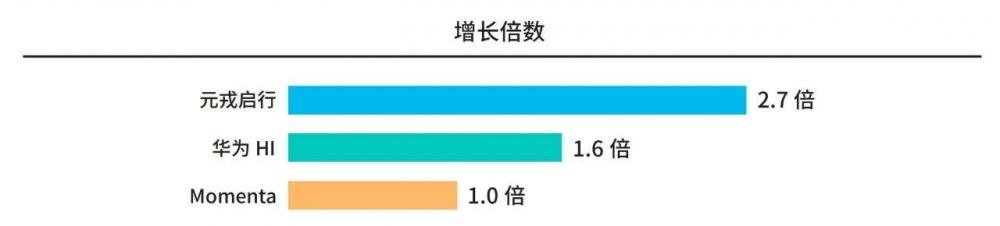
Core Insights - The report highlights that Yuanrong Qixing has emerged as a leading player in the third-party urban NOA market, achieving nearly 40% market share and a growth rate of 2.7 times by October 2025 [2] - The shift from rule-based algorithms to data-driven models is transforming the assisted driving industry, providing opportunities for tech startups [3] - Yuanrong Qixing's strategy focuses on deep partnerships with core automakers and aims to deliver over 1 million vehicles equipped with its intelligent driving solutions by 2026 [4] Market Position - By October 2025, Yuanrong Qixing's market share in the third-party urban NOA sector reached nearly 40%, with a significant increase in delivery volume, surpassing 200,000 units across more than 15 models [2] - The company has rapidly transitioned from a new entrant to a top player in the industry, demonstrating substantial growth and market penetration [2] Technological Transformation - The industry is experiencing a paradigm shift from "rule-driven" to "data-driven" approaches, with advancements in end-to-end and VLA model technologies [3] - Yuanrong Qixing leverages its systematic capabilities in algorithm development, product experience, and mass production to establish deep collaborations with major automakers like Great Wall, Geely, and smart [3] Strategic Focus - Yuanrong Qixing's strategy involves binding closely with core automakers and focusing on popular models to accumulate real-world data for scaling production [4] - The company plans to achieve cumulative deliveries of over 1 million vehicles equipped with its intelligent driving solutions by 2026, laying the groundwork for Robotaxi and fully autonomous driving services [4] Investment Support - Fosun Ruijin has been a significant early investor in Yuanrong Qixing, participating in multiple funding rounds since 2019 and currently holding the position of the second-largest shareholder [5] - The investment strategy of Fosun Ruijin aligns with its focus on cutting-edge technology and innovative companies with core competitive advantages, providing substantial support for Yuanrong Qixing's technological development and market expansion [5]

某新势力智驾产品VP跳槽;智驾公司低价截胡大客户,为上市赔本抢项目;车企内耗,员工重复汇报三遍丨智驾情报局VOL.9
雷峰网· 2026-02-03 11:21
Group 1 - The core viewpoint of the article revolves around the competitive dynamics in the autonomous driving sector, highlighting how Company Y secured a partnership with a new force in the automotive industry by underbidding competitors [1][2] - Company W initially believed it had secured a deal with the new force after a lengthy negotiation process, only to be outbid by Company Y, which offered a significantly lower price of 20 million [2] - The article suggests that Company Y's strategy is not primarily profit-driven but rather aimed at enhancing its reputation ahead of an upcoming IPO, indicating a shift in focus from immediate financial gain to long-term brand positioning [3] Group 2 - The departure of a key executive, L, from Company B is noted, with insights into the challenges faced by executives in the current market environment, suggesting that the role of VP has become precarious [5] - Company A is undergoing significant internal changes, including the departure of core executives and restructuring efforts, which are indicative of broader trends in the high-end electric vehicle market [6][7] - Company Q's handling of underperforming executives is described as unusually lenient, with a five-month transition period for a poorly performing manager, raising questions about the effectiveness of its management practices [8] Group 3 - Company S is experiencing internal coordination issues among its top executives, leading to confusion and inefficiencies in communication and reporting structures [9][10] - Company E's aggressive cost-cutting measures have resulted in employee dissatisfaction, with reports of reduced benefits and high turnover rates, indicating potential long-term impacts on workforce morale [11] - The article discusses the phenomenon of key technical personnel leaving companies after completing significant projects, suggesting that the pressure and demands of end-to-end technology development may lead to high turnover rates in the industry [15][16]

一汽解放:不排除与各类科技公司携手开发智驾方案的可能
Ge Long Hui· 2026-01-30 07:32
Core Viewpoint - The company is exploring potential collaborations with various technology firms, including Zhuoyu Technology, to develop intelligent driving solutions for its heavy-duty truck products in response to product development needs [1] Group 1 - The company received an inquiry on an investment platform regarding the application of Zhuoyu Technology's intelligent driving solutions in its heavy-duty truck products this year [1] - The company indicated that it does not rule out the possibility of partnering with various technology companies to develop intelligent driving solutions [1] - Zhuoyu Technology is identified as one of the key collaboration targets for the company [1]

保时捷中国CEO:目前在考虑多家中国智驾供应商合作可能性;三菱汽车宣布下任社长人选丨汽车交通日报
创业邦· 2026-01-26 11:54
Group 1 - Porsche China is currently considering partnerships with multiple Chinese intelligent driving suppliers and is open to exploring these options [2] - The Netherlands ranks first globally in charging station density with a vehicle-to-charging station ratio of 5:1, while China ranks second with a ratio of 9:1 and leads in fast charging station deployment at 49% [2] - Mitsubishi Motors announced that Kohei Nishikawa will become the next president effective April 1, 2026, while the current president, Takao Kato, will transition to chairman [4][5] Group 2 - By 2025, the total number of motor vehicles in China is expected to reach 469 million, with 366 million being cars, and the number of drivers is projected to be 559 million, including 525 million car drivers [5] - In 2025, new vehicle registrations are anticipated to be 35.35 million, with 26.19 million of those being new cars, marking the 11th consecutive year of new registrations exceeding 30 million [5]
四维图新2026年1月23日涨停分析:AI战略投资+技术研发突破+订单量增长
Xin Lang Cai Jing· 2026-01-23 06:04
Core Insights - The stock of Siwei Tuxin (SZ002405) reached its daily limit with a price of 11.24 yuan, marking a 9.98% increase and a total market capitalization of 26.646 billion yuan [1] Group 1: Company Developments - Siwei Tuxin is undergoing a strategic transformation and governance structure optimization, which includes the cancellation of the supervisory board and the revision of 28 management systems to enhance decision-making efficiency and standardization [2] - The company has made a significant investment in Jianzhihui Robotics, becoming its largest shareholder, to expand into the smart driving sector [2] - From 2024 to date, Siwei Tuxin has secured 6.8 million sets of smart driving solutions, covering over 20 mainstream automakers and more than 100 designated models, which is expected to improve performance in the medium to long term [2] Group 2: Technological Advancements - The company has achieved breakthroughs in technology, obtaining 7 invention patents, and its automotive-grade chip technology has reached ASIL-D safety level [2] - AI applications in the smart driving sector focus on model compression and AI engineering capabilities, which may help the company gain more smart driving orders due to cost advantages [2] - The company plans to globally launch a large-scale delivery of an assisted driving solution based on the Horizon J6B chip, having already received mass production orders from several leading domestic and international automakers [2] Group 3: Market Trends - The smart driving and vehicle networking sectors are currently market hotspots, with related stocks showing active performance and creating a certain level of sector linkage effect [2] - In Q3 2025, the company's revenue grew by 5.2% year-on-year, indicating relative stability in its main business amid industry development trends, which has led to an increased market expectation for its future growth [2] - Technical analysis suggests that there may have been a significant inflow of capital into Siwei Tuxin on January 23, 2026, driving the stock price to its limit, reflecting renewed investor interest in the company's strategic layout and technological breakthroughs [2]
元戎启行:年内交付量超20万台
Ju Chao Zi Xun· 2026-01-08 02:34
Core Insights - Yuanrong Qixing released its 2025 annual report, indicating the mass production of over 15 models utilizing its intelligent driving solutions, including brands like Weipai and Tank 500, with annual delivery exceeding 200,000 units [2] Group 1: Company Overview - Yuanrong Qixing was founded in 2019 by CEO Dr. Zhou Guang, headquartered in Shenzhen, and has established operations in multiple locations globally [2] - The company has completed six rounds of financing, raising over $500 million in total [2] Group 2: Product and Technology - The latest generation of the auxiliary driving system, DeepRoute IO 2.0, incorporates a VLA model with integrated cognitive capabilities, creating an AI driver with "defensive driving" awareness [2] - The company is the first in the country to deploy Robotaxi services using mass-produced vehicles [2] Group 3: Market Performance - The primary locations for the intelligent driving models are concentrated in cities such as Beijing, Chongqing, Baoding, Chengdu, and Tianjin, with an average assisted driving mileage of 22,600 kilometers per vehicle owner [2] - The longest assisted driving mileage recorded for a single user is 137,000 kilometers, with the maximum driving duration reaching 1,383 hours [2] Group 4: Strategic Partnerships - On October 31, Yuanrong Qixing signed an agreement with the Wuxi government to establish a testing and research base, accelerating the implementation of its Robotaxi business [2]
看2026|四维图新孟庆昕:全力拥抱AI,打破智驾的成本壁垒
Bei Ke Cai Jing· 2025-12-30 00:32
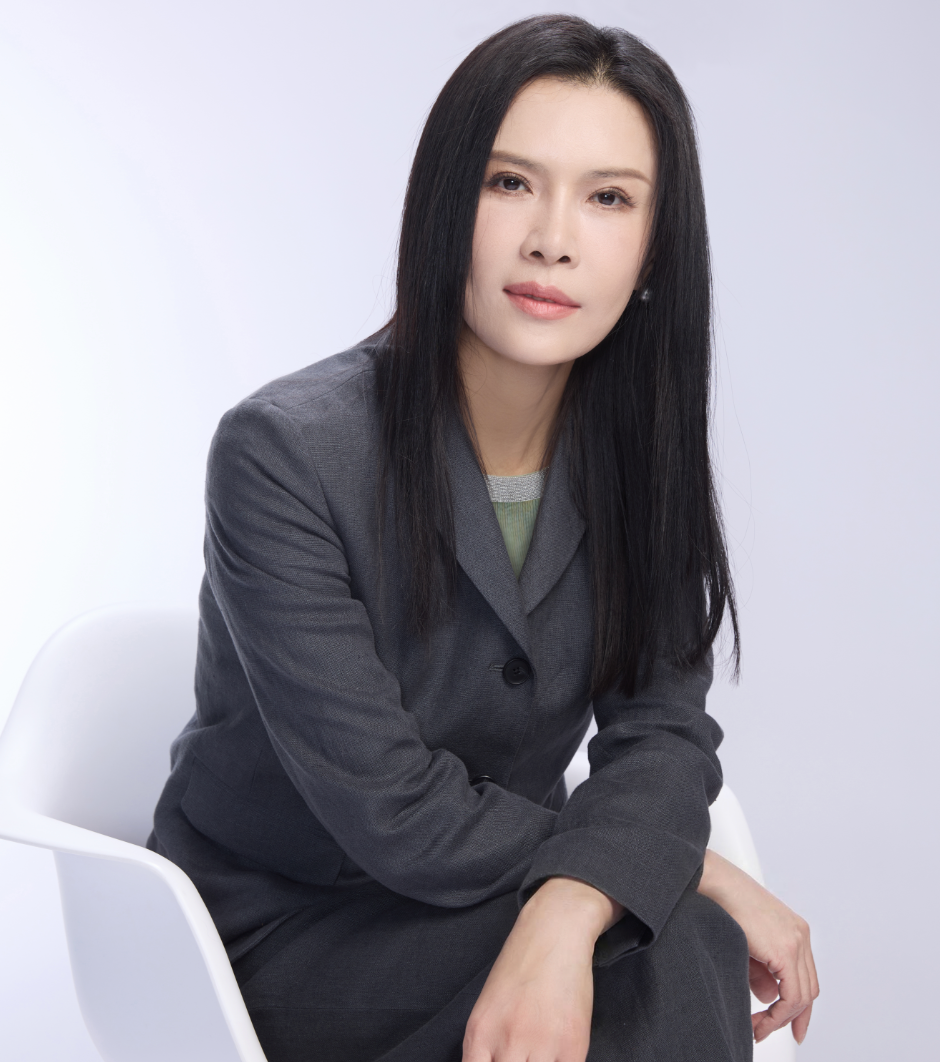
Core Viewpoint - The company aligns its strategic transition towards "AI-driven" solutions with the directives from the Central Economic Work Conference, particularly focusing on expanding domestic demand and optimizing supply chains [1][4]. Group 1: Strategic Initiatives - The company aims to break down cost barriers in intelligent driving, making technological benefits accessible to a broader consumer base [4]. - A complete product matrix has been established in the intelligent driving sector, with nearly 6 million new intelligent driving solutions secured since 2024, covering over 20 mainstream automakers and 100 designated models [4]. - The company is embracing a new paradigm of intelligent driving driven by data and AI, aiming for point-to-point autonomous driving capabilities [4]. Group 2: 2026 Strategic Development Goals - By 2026, the company plans to enhance the scale of intelligent driving product deliveries and solidify its market position in chip business while expanding global market coverage [5]. - The focus will be on AI-driven system-level competitiveness, with advancements in end-to-end architecture for intelligent driving, integration of large models with cockpit systems, and development of next-generation automotive-grade chips [5][6]. - The company will provide integrated smart solutions through full-stack technology and engineering capabilities, enhancing cross-business collaboration and ecosystem openness [6].
四维图新:二级市场的股价受多种因素的影响
Zheng Quan Ri Bao Wang· 2025-12-09 13:12
Core Viewpoint - The company, Siwei Tuxin, announced that from 2024 to the first half of 2025, it and Jianzhizhi Robot will secure a total of 5.85 million sets of intelligent driving solutions, covering over 20 mainstream automakers and more than 100 designated vehicle models [1] Group 1 - The company aims to achieve a successful second entrepreneurial phase following its success in mapping [1] - The stock price in the secondary market is influenced by various factors, and investors are advised to be aware of investment risks [1]
IPO批文过期 智驾独角兽Momenta澄清美股转港股上市传闻
Xin Lang Cai Jing· 2025-11-14 03:56
Core Viewpoint - Momenta, an autonomous driving unicorn, is currently facing scrutiny regarding its IPO plans, having initially aimed for a U.S. listing but now denying rumors of shifting to a Hong Kong IPO. The company has not yet made a final decision on its listing location and continues to navigate a competitive market landscape [1][3]. Company Overview - Founded in 2016, Momenta specializes in autonomous driving technologies, providing features such as high-speed and urban navigation assistance, and memory parking to major automotive manufacturers including SAIC, BYD, Mercedes-Benz, and BMW [1]. - The company has raised over $500 million across seven funding rounds, with its latest round in 2021 involving investments from notable firms like SAIC Group and Bosch [4]. Market Competition - The autonomous driving sector is highly competitive, with predictions that by 2026, only two or three companies may dominate the urban assisted driving market in China. This competitive pressure is compounded by the lack of transparency from many automotive manufacturers regarding their partnerships with technology suppliers [1][7]. - Industry experts suggest that Momenta, as a B2B brand, needs to enhance its influence on end consumers to better leverage its B2B market position [2]. Strategic Direction - Momenta employs a "one flywheel, two legs" strategy, focusing on both L2 assisted driving solutions and L4 autonomous driving development. The company has integrated perception and planning into a single model, which has allowed it to achieve significant advancements in autonomous driving technology [6]. - The company aims to transition its technical focus from "mass production flywheel" to "L4 level flywheel," with plans to achieve a fully autonomous Robotaxi by the end of the year [8]. Brand Influence and Consumer Engagement - There is a growing recognition of the importance of brand influence in the autonomous driving sector. Momenta is working to enhance its brand presence to support its automotive partners in sales and marketing efforts [7][8]. - The company acknowledges that building brand influence requires strong technical support and aims to address the complexities of integrating its technology with various vehicle models [8]. Regulatory Environment - The evolving regulatory landscape for autonomous driving may impact the collaboration dynamics between technology suppliers like Momenta and automotive manufacturers. The current model of cooperation is being reshaped, necessitating a deeper integration of technology and data sharing [9].