文旅融合

Search documents
文旅场景上新、消费活力焕新 假期文旅市场持续升温
Ren Min Ri Bao· 2025-10-03 03:33
Core Insights - The cultural and tourism consumption is experiencing a significant surge during the National Day and Mid-Autumn Festival holidays, driven by various activities and government initiatives [1][5] Group 1: Cultural and Tourism Activities - The Ministry of Culture and Tourism has launched a nationwide cultural and tourism consumption month, featuring over 29,000 events and distributing more than 480 million yuan in consumption subsidies [1] - New business models and immersive experiences are emerging, enhancing travel options and visitor engagement [1][3] - The premiere of the immersive musical "Yao Xi Sheng" in Shanghai showcases a blend of traditional culture and modern technology, attracting diverse audiences [2] Group 2: Consumer Engagement and Experience - Tourists are increasingly seeking deeper, personalized cultural experiences, such as traditional crafts and local specialties [3] - Events like the football match in Suining have integrated tourism with sports, offering discounts and incentives to enhance visitor participation [4][5] - The use of technology in cultural spaces, such as the M511 Light and Shadow Hub in Hangzhou, provides innovative experiences that combine art and technology [7] Group 3: Integration of Various Sectors - The integration of tourism with agriculture and industry is creating diverse cultural tourism products, as seen in the water dance show in Xinjiang [8] - The development of smart and eco-friendly agricultural tourism, like the Gurenfude Ecological Ranch in Shandong, attracts family visitors and promotes sustainable practices [7][8]
新华网:花车“闹”江城——武汉文旅大巡游掀起国庆欢庆热潮
Xin Hua Wang· 2025-10-03 01:55
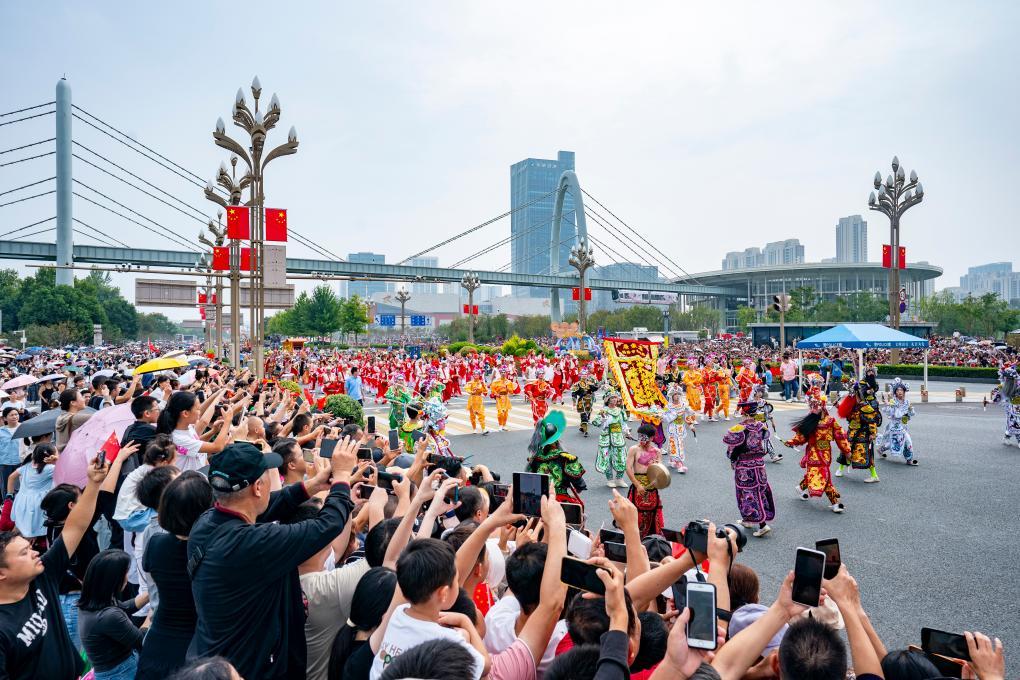
Core Points - The "2025 River and Mountain Enrichment - Cultural Tourism IP Wuhan City Grand Parade" was held in Wuhan, featuring 23 giant floats and over 800 performers from top domestic and international teams, celebrating the National Day [1][3][5] - The parade showcased various themes, including a golden dragon float symbolizing the beauty of China's landscapes and a replica of the red boat from Jiaxing, representing historical significance [3][5] - The event is part of a larger cultural tourism initiative aimed at promoting Hubei's cultural confidence and tourism appeal, with significant participation from local citizens [5][6] Event Overview - The parade took place on Gaoxin Avenue in Wuhan's East Lake New Technology Development Zone, a key area connecting various urban centers and housing numerous industry leaders [5] - The event was organized by the Wuhan Municipal Government and the Hubei Provincial Department of Culture and Tourism, marking it as the largest cultural tourism parade in Hubei in recent years, attracting nearly 100,000 spectators [5] Tourism Impact - The double holiday period of National Day and Mid-Autumn Festival is expected to see record-high tourism activity, with Wuhan ranking among the top ten popular departure and arrival cities [6] - Travel orders in Hubei on the first day of the holiday increased by 26% compared to the previous year, indicating a strong recovery and interest in local tourism [6]


超23亿人次将踏上旅途!创意文旅点燃中国旅游市场
Xin Hua Wang· 2025-10-03 01:33
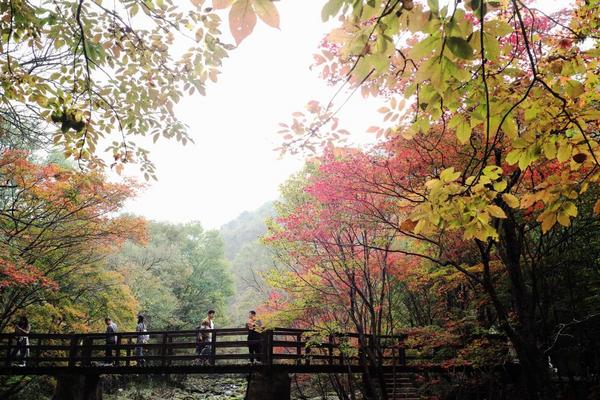
Core Insights - The combination of the National Day and Mid-Autumn Festival has led to a significant increase in travel enthusiasm among the public, with an estimated 2.36 billion trips expected during the 8-day holiday [1] - The integration of culture and experience in tourism activities has become a highlight of the holiday market, transforming tourists from passive observers to active explorers [2] - The launch of the National Day cultural consumption month has resulted in over 29,000 cultural tourism events and the distribution of more than 480 million yuan in consumption subsidies [2] Group 1 - The travel volume during the holiday reflects the robust vitality of the Chinese economy and the strong potential of the cultural tourism market [1] - The Wansui Mountain Wuxia City in Kaifeng has been likened to a "Chinese version of Disneyland," offering immersive experiences through interactions with NPCs [1] - The "cultural + experience" approach has been adopted in various regions, enhancing the uniqueness of local tourism offerings [1][2] Group 2 - The opening of the "Bo Du · New Image" commercial district in Zhengzhou, featuring a popular IP exhibition, has attracted a significant number of young visitors [2] - The 19th Benxi (International) Maple Leaf Festival in Liaoning has drawn many photographers, showcasing the beauty of autumn foliage [3] - Data from travel platform Ctrip indicates a substantial increase in tourism consumption in Liaoning, with day tour orders up by 43% and private group orders up by 81% [3]
国庆假期首日 十堰文旅市场火力全开
Ren Min Wang· 2025-10-03 01:01
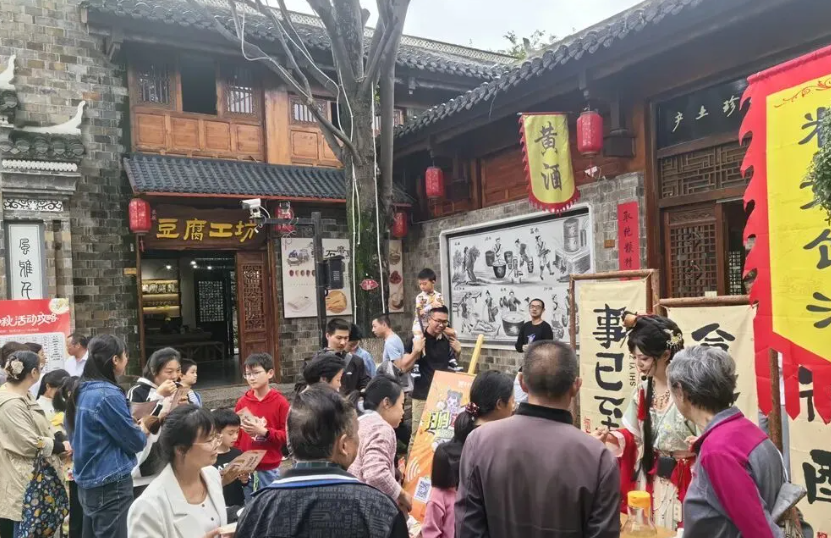
尽管天气阴沉,却丝毫挡不住大家出游的热情!国庆假期首日,第一波游客已经抵达十堰。各大景区人气爆棚, 热闹非凡。一起来看看吧! 雨中共武当,仙山云雾中 作为国际知名的旅游胜地,武当山可是出了名的"招人稀罕"。国庆长假首日,全国各地的游客慕名而来,一睹仙 山美景。雨中登金顶,在烟雨蒙蒙中观赏古建筑群,仙山武当更添一丝神秘与庄严。 武当山武术非遗表演更是吸引了众多游客驻足观看,掌声不断。这个双节假期,武当山活动丰富多彩,从非遗展 演到太极之夜,从博物馆体验到夜游活动,让游客全方位感受武当文化的魅力。 古韵新演绎,西关印象潮玩正当时 没有一点点悬念,国庆假期第一天,房县西关印象景区迎来大批游客,街头演艺遍布每个角落,歌声与掌声此起 彼伏。 原标题:挡不住根本挡不住!国庆假期首日,十堰文旅市场火力全开~ 作为开街五周年的重要活动,这里深挖诗经、黄酒、忠孝文化,为游客打造了复合型文旅空间。 野人谷探秘,原始部落狂欢 房县野人洞景区人头攒动,"野人"部落欢呼着迎接游客到来,喷火杂技惊险又刺激。假期期间,房县整合各类资 源,推出了近30项文旅活动,为游客呈现一场传统与趣味交融的假日盛宴。 龙潭河畔,偶遇"取经天团" 郧西县龙 ...
“江风为歌 剧影为画”,两江游览文旅“大餐”贺祖国华诞
Chang Jiang Ri Bao· 2025-10-03 00:57
Core Insights - During the second day of the National Day holiday, Wuhan Cultural Tourism Group's Two Rivers Tour Company experienced a peak in visitor traffic across its four docks, with online booking orders increasing nearly 20% compared to last year [1][3]. Group 1: Visitor Experience - Eleven brightly decorated cruise ships, adorned with red flags, sailed on the Yangtze River, creating a vibrant scene alongside the light show "Long Live the Motherland" [1]. - Tourists enjoyed a spicy crab buffet at the Yuehan Dock, which was well-received, enhancing their overall experience of food and scenery [1]. - Passengers on the "Two Rivers Sunny River" cruise were captivated by the "Yangtze Book Garden," enjoying hand-crafted coffee while reading, creating a unique and pleasant atmosphere [2]. Group 2: Cultural Activities - The "Yellow Crane Tower" cruise featured actors portraying historical figures like General Yue Fei, leading to an immersive experience with the performance of the historical drama "Man Jiang Hong: Yue Fei in Wuhan," which resonated with the audience [2]. - The "Junlv" cruise showcased the film "Founding of a Republic," prompting tourists to wave their national flags during the flag-raising scene, serving as an immersive patriotic education experience [2]. Group 3: Operational Details - During the National Day holiday, the Two Rivers Tour Company operated 11 cruise ships daily from 19:00 to 22:00 at the four docks, offering a series of cultural activities themed "Beautiful Yangtze Welcomes the National Day, Lights of Two Rivers Praise the Motherland" [3].
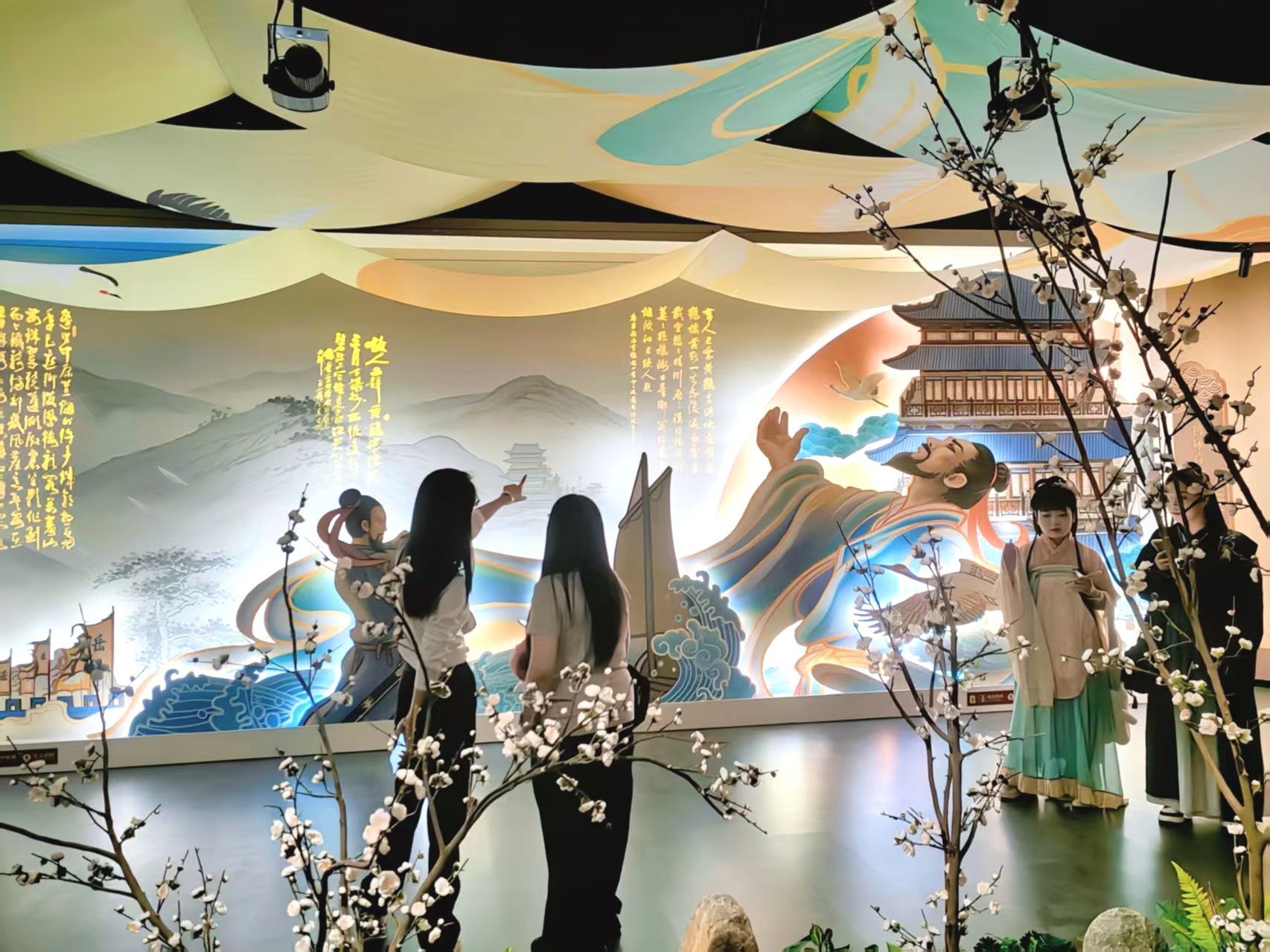
千年名楼 “数字新生”:诗词 “活” 在飞檐斗拱间
Chang Jiang Ri Bao· 2025-10-03 00:50
Core Viewpoint - The integration of digital technology at the Yellow Crane Tower is enhancing visitor experiences and revitalizing cultural heritage, attracting a significant number of tourists during the holiday season [1][12]. Group 1: Cultural Display and Visitor Engagement - The Yellow Crane Tower Cultural Exhibition Hall showcases over 1,800 years of history, featuring a poetic corridor that highlights nearly 1,500 poems from more than 900 poets, including famous figures like Li Bai and Cui Hao [2]. - The immersive experience includes a multi-screen interactive theater that engages visitors with various scenes, making the cultural essence of the Yellow Crane Tower more vibrant [5][7]. - An AI interactive poetry screen allows visitors to engage in poetry creation, enhancing their understanding and appreciation of classical poetry [9]. Group 2: Innovative Souvenirs and Digital Interaction - The newly launched laser creative bookmarks can be customized by visitors, allowing them to take home a piece of the Yellow Crane Tower experience [10][11]. - The poetry corridor features QR codes next to artworks, enabling visitors to scan and access explanations of the poems, thus bringing ancient poetry to life through digital means [12]. - The combination of digital models, AI interactions, and innovative souvenirs contributes to a renewed cultural experience, making the Yellow Crane Tower a modern tourist attraction [12].
全省各地国庆假期文旅活动掠影
Xin Hua Ri Bao· 2025-10-02 23:41
Group 1: Suzhou Waterway Development - The launch of the Taihu Scenic No. 17 waterway connects two lakeside towns, enhancing cultural tourism collaboration [1] - The round-trip ticket priced at 98 yuan includes boat fare, scenic area access, and shuttle bus services, providing value for tourists [1] - Local authorities have created a comprehensive travel guide with various themed itineraries to cater to different tourist needs [1][2] Group 2: Nantong Cultural and Tourism Events - The Nantong Yangtze River Sports Park has become a popular destination, hosting the 2025 Nantong Cultural Tourism Carnival, which runs until October 7 [3] - The carnival features over 100 local brands and activities across all aspects of tourism, including dining, accommodation, and entertainment [3][4] - Youth engagement in traditional crafts is promoted through local markets, enhancing cultural appreciation among younger generations [3] Group 3: Lianyungang Light and Shadow Show - The "Light and Shadow of a Thousand Years" show at Lianyungang's ancient city utilizes 3D mapping technology to create an immersive experience [5][6] - The performance blends historical and modern elements, showcasing the city's cultural heritage and attracting significant public interest [6] Group 4: Jiangning Sports and Tourism Integration - Jiangning District's "District Super" football league has attracted nearly 4,000 spectators, boosting local tourism and commerce [7] - The integration of sports events with local attractions has led to increased visitor numbers and heightened consumer activity in nearby areas [7] Group 5: Jingjiang Cultural Celebrations - The "Encounter Jingjiang" concert attracted over 30,000 visitors, combining music and local cuisine to enhance the festive atmosphere [8][9] - Various cultural activities, including poetry contests and exhibitions, are organized to celebrate the holiday and promote local culture [9] Group 6: Lishui Music Festival Impact - The 14th Mido Music Festival in Lishui drew over 60,000 attendees, with a significant portion coming from outside the region [10] - The festival's success has led to high occupancy rates in local accommodations and substantial revenue generation for the tourism sector [10]
“演出+”“赛事+”“科技+”……假期文旅市场持续升温——文旅场景上新 消费活力焕新
Xin Hua Wang· 2025-10-02 23:21
Core Insights - The cultural and tourism consumption is experiencing a surge during the National Day and Mid-Autumn Festival holidays, driven by various activities and government initiatives [1][5] - The Ministry of Culture and Tourism has launched a nationwide cultural and tourism consumption month, featuring over 29,000 events and distributing more than 480 million yuan in subsidies [1] Group 1: Cultural and Tourism Activities - New immersive experiences, such as the semi-mobile music drama "Yao Xi Sheng," are attracting audiences by blending traditional culture with modern technology [2] - Visitors are increasingly seeking deeper, personalized cultural experiences, such as traditional craftsmanship and creative cultural products [3] Group 2: Event-Driven Travel - Sporting events are becoming a new trend in travel, with initiatives like ticket discounts and local consumption vouchers enhancing the experience for attendees [4][5] - The integration of sports events with tourism is stimulating new consumption patterns, as seen in the initiatives in Suining and Chengdu [4] Group 3: Technological Integration - Innovative cultural spaces, such as the M511 Light and Shadow Hub in Hangzhou, are utilizing technology to create immersive experiences that attract visitors [7] - The combination of technology and art is enriching the cultural tourism offerings, exemplified by VR exhibitions and interactive installations [7] Group 4: Diverse Cultural Products - Unique performances, like the "Ice Glacier Pearl" water dance show in Xinjiang, highlight the integration of technology and cultural elements, enhancing the appeal of tourism products [8] - The blending of tourism with agriculture and industry is leading to a more diverse range of cultural tourism products [8]
“生态疤痕”变身绿色“聚宝盆”
Ren Min Ri Bao· 2025-10-02 22:01
Core Viewpoint - The transformation of abandoned mining sites into eco-tourism attractions demonstrates a successful model of ecological restoration and economic revitalization in Huzhou, Zhejiang Province [1][2][3]. Group 1: Ecological Restoration - Huzhou has implemented ecological restoration of abandoned mining sites, turning them from "ecological scars" into green "treasure troves" through market-driven mechanisms [1]. - The Qing Shan mining area, which was closed in 2011, had significant safety hazards and environmental issues, including three open-pit depressions and a total area of approximately 100 acres [2]. - The ecological restoration plan for the heart-shaped water area involved stabilizing slopes and creating a water body with a maximum capacity of nearly 5 million cubic meters, covering about 463 acres [2]. Group 2: Economic Development - The transformed heart-shaped water area has become a scenic spot, attracting over 1 million visitors since the launch of the "Deep Blue Plan" for eco-tourism development [3]. - The local government has partnered with the Deep Blue Plan (Zhejiang) Ecological Tourism Development Co., which has repurposed mining facilities into various leisure attractions, including a café and camping sites [3]. - The initiative has created over 30 job opportunities in the village and has been replicated in surrounding areas, showcasing a shift from traditional government funding to a model involving both government guidance and social capital investment [3]. Group 3: Broader Impact - Huzhou has taken the lead in promoting green mining practices nationwide, having completed the restoration of over 400 abandoned mines and re-greening more than 25,000 acres [4]. - The integration of ecological restoration with land reclamation has allowed for the development of new industries, such as tea cultivation and photovoltaic power generation, turning former mining sites into valuable economic assets [4].
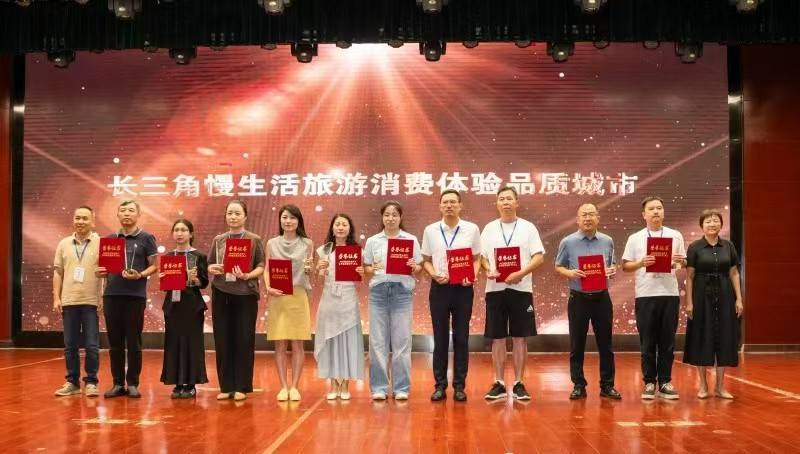
探寻旅游消费新密钥 2025长三角慢生活旅游发展大会在安徽祁门举办
Sou Hu Cai Jing· 2025-10-02 21:33
Core Insights - The 2025 Yangtze River Delta Slow Life Tourism Development Conference was held in Qimen County, Anhui, focusing on "exploring the keys to tourism consumption and promoting sustainable development" [1] - The conference released an honor list of "Yangtze River Delta Slow Life Tourism Consumption Experience Quality Destinations," with 60 units selected [1][8] - Experts discussed various topics, including enhancing tourism product quality, improving visitor satisfaction, and converting "flow" into "stay" to promote sustainable tourism development in the region [1][3] Policy and Market Trends - Since 2025, national policies have been introduced to boost cultural and tourism consumption, including 48 measures to support new business models like tourism trains and aerial tours [3] - The shift from traditional sightseeing to immersive experiences is highlighted, with "slow travel" becoming a key driver for tourism consumption potential [3] - The Yangtze River Delta region is experiencing new opportunities for deep integration of tourism and related industries, with innovative products and services emerging [3] Expert Insights and Strategies - Experts emphasized that "slow life" tourism should not equate to "slow service," advocating for smart technology as a crucial tool for enhancing visitor experiences and operational efficiency [5] - Various experts presented on topics such as the economic impact of quality tourism services and the integration of cultural and sports tourism for psychological healing [5][6] - Case studies from regions like Jiangsu's tourism areas showcased innovative practices in tourism integration and service enhancement [6] Regional Development and Initiatives - Qimen County was recognized as a "Quality Research Base" and is promoting "tea tourism" as a new development brand [8][10] - The county aims to develop four key areas: tea tourism integration, ecological health, cultural experiences, and outdoor activities, leveraging local projects to enhance its unique advantages [11] - The conference served as a platform for collaboration and knowledge sharing among cities in the Yangtze River Delta to explore new development paths in slow life tourism [11]