全球变暖

Search documents
年年都称史上最热夏天,但欧洲人为什么就不装空调?
Hu Xiu· 2025-07-10 06:49
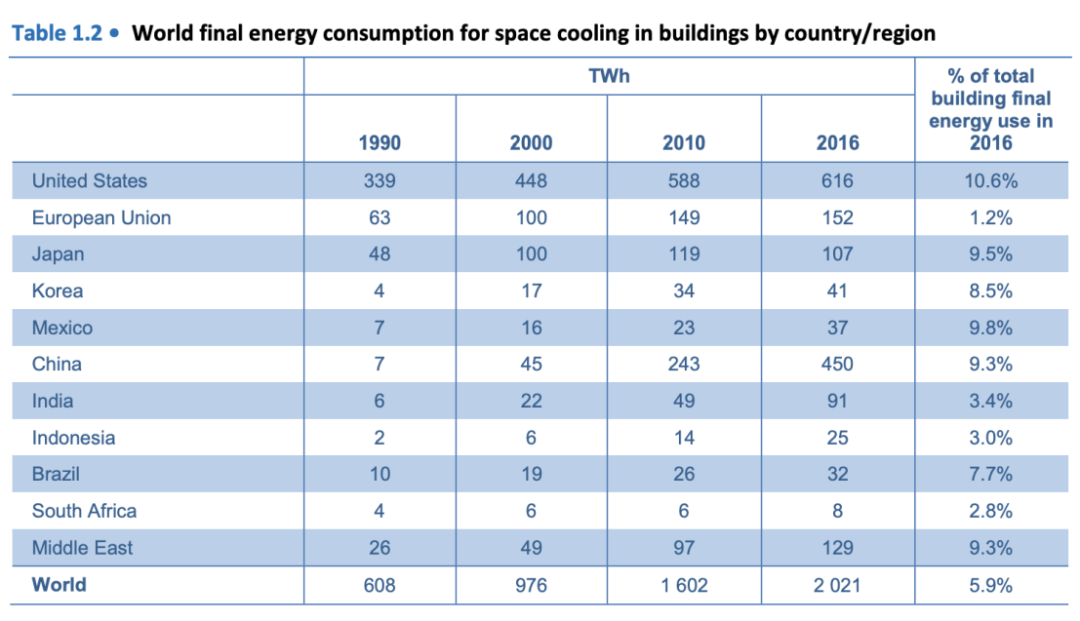
Core Viewpoint - The article discusses the increasing heat waves in Europe, highlighting the low air conditioning penetration rate and the challenges faced by residents in coping with extreme temperatures [1][28][31]. Group 1: Air Conditioning Penetration and Usage - Air conditioning penetration in Europe is significantly lower than in China and the United States, with only 20% of households having air conditioning, and even lower rates in Germany (3%), the UK (3%), and France (5%) [1][28]. - The European Union accounted for only 1.2% of global cooling energy consumption in 2016, indicating a limited reliance on air conditioning compared to other regions [4][28]. Group 2: Challenges in Air Conditioning Installation - Installing air conditioning in Europe is complicated by legal and policy restrictions, requiring permits and approvals that can take months to obtain [11][13]. - The high cost of air conditioning units and installation, ranging from €1,850 to €2,900 (approximately 15,600 to 24,500 RMB), makes it a significant financial burden for many residents [16][18]. - The short duration of high temperatures in many parts of Europe (typically 2-4 weeks) reduces the perceived value of investing in air conditioning [19][20]. Group 3: Alternative Cooling Solutions - Many Europeans prefer to spend time in air-conditioned public spaces such as shopping centers and cinemas during heat waves, which is often more cost-effective than installing air conditioning at home [8][24]. - Government initiatives, such as providing cooling centers and free access to public facilities for vulnerable populations during heat waves, help mitigate the impact of extreme temperatures [25][28]. Group 4: Climate Change and Future Considerations - The increasing frequency and intensity of heat waves due to climate change pose a public health risk, leading to discussions about the need for more widespread air conditioning [29][31]. - Balancing the need for cooling with environmental commitments, such as the EU's goal to reduce greenhouse gas emissions by 55% by 2030, presents a significant challenge for policymakers [30][31].

极端天气是不是越来越频繁了?
Hu Xiu· 2025-07-10 01:36
Group 1 - The mainstream academic consensus is that climate change is significantly accelerating, leading to an increase in extreme weather events [2][5] - Human activities are identified as the primary cause of the surge in greenhouse gases, with current warming rates being 50 times faster than natural climate variations [5][6] - The greenhouse effect, while beneficial to a certain extent, can become dangerous if it exceeds a certain threshold, potentially leading to catastrophic climate scenarios [7][8][11] Group 2 - Global warming is expected to cause both droughts and floods, as increased temperatures enhance evaporation and alter precipitation patterns [12][14][15] - The frequency of extreme weather events, such as unprecedented heavy rainfall, is rising, posing challenges to existing infrastructure built on historical climate data [17][19] - A critical concern is the potential for irreversible changes, such as the melting of ice caps and the release of methane from permafrost, which could accelerate global warming [23][24] Group 3 - There are some potential benefits from global warming, such as the northward shift of precipitation lines, which has led to increased rainfall in certain regions [25][26] - Efforts to combat desertification and improve vegetation cover in arid areas have shown positive results, indicating that proactive measures can mitigate some effects of climate change [28] - However, the overall economic impact may not shift significantly, as major economic activities remain concentrated around oceans and rivers [29][30] Group 4 - The increasing severity of extreme temperatures poses risks to human habitation, particularly in regions experiencing unprecedented heat [32][33] - The social implications of climate change, including exacerbated inequalities and threats to vulnerable populations, are becoming more pronounced [36]
专访丨热浪提前来袭 气候警钟再响——访欧盟气候监测机构科学家尼古拉斯
Xin Hua Wang· 2025-07-09 08:40
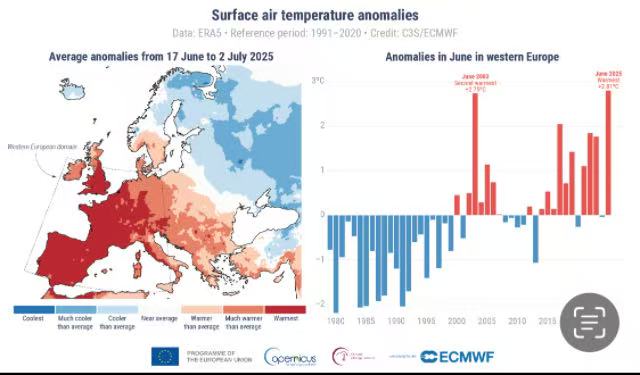
Core Insights - The Copernicus Climate Change Service reported that June 2023 was the third hottest June globally since records began in 1940, with Western Europe experiencing the hottest June on record [1] - The increasing frequency and intensity of heatwaves in Europe are closely linked to global warming, highlighting the urgency of the climate crisis [1] Group 1: Climate Trends - Western and Southern Europe experienced two significant heatwaves in late June, with the timing of these events shifting from July and August to June, indicating a direct impact of climate change [1] - Record high sea surface temperatures in the Western Mediterranean have intensified heatwaves, leading to "tropical nights" where nighttime temperatures do not drop below 20 degrees Celsius, posing serious health risks [1] Group 2: Ocean and Polar Conditions - The Mediterranean region is becoming a climate change "hotspot," with its warming rate significantly exceeding the global average, as oceans absorb about 90% of heat related to greenhouse gas emissions [1] - The Arctic is warming at a rate much faster than the global average, which may alter jet stream patterns and increase the frequency of extreme weather events [1] Group 3: Ice Coverage - In June, Arctic sea ice extent was 6% below the average, marking the second lowest June extent in 47 years of satellite records, while Antarctic sea ice extent was 9% below average, the third lowest on record for June [2] Group 4: Future Projections and Recommendations - Eastern and Southeastern Europe may face higher risks of heat and drought in the coming months, with heatwaves becoming a new norm for European summers due to ongoing climate change [2] - Addressing climate change should focus on two key areas: accelerating mitigation measures to reduce greenhouse gas emissions and enhancing resilience across various sectors to cope with extreme weather and long-term warming trends [2]
西欧迎有记录以来最热6月!欧盟气候机构:两次显著热浪均与热穹顶相关
Di Yi Cai Jing· 2025-07-09 07:55
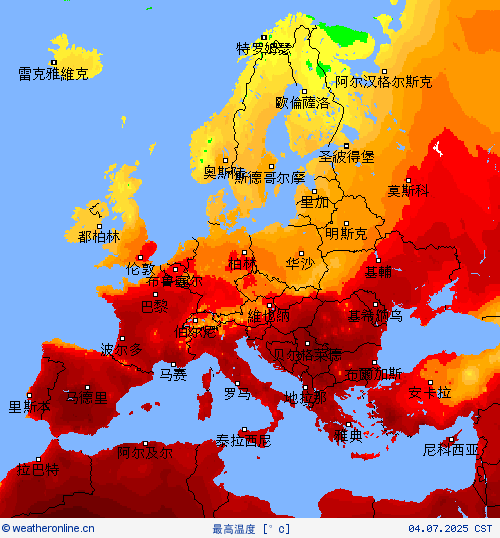
Core Insights - The summer of 2025 has been marked by extreme heat, with June being recorded as the "third hottest" June globally, with an average surface temperature of 16.46 degrees Celsius, 0.47 degrees higher than the average from 1991-2020 [2][4] - Europe experienced two significant heatwaves in June, with temperatures exceeding 40 degrees Celsius in some regions, particularly in Spain and Portugal, attributed to a persistent high-pressure system known as the "heat dome" [2][6] - The Mediterranean region recorded unprecedented sea surface temperatures, reaching an average of 27.0 degrees Celsius, which is 3.7 degrees above the average, exacerbating heat stress and impacting marine biodiversity [8] Temperature Trends - The global temperature from July 2024 to June 2025 was 0.67 degrees Celsius above the 1991-2020 average and 1.55 degrees Celsius above pre-industrial levels [4] - In Europe, the average land temperature for June was 18.46 degrees Celsius, 1.10 degrees higher than the 1991-2020 average, marking it as the "fifth hottest" June on record [4][7] - Japan reported its hottest June since records began in 1898, with an average temperature 2.34 degrees Celsius above the 1991-2020 average [6] Heat Stress and Health Impacts - Western and Central Europe faced extreme heat stress, with average temperatures reaching 20.49 degrees Celsius, surpassing the previous record set in 2003 [7] - The occurrence of "tropical nights," where temperatures remain above 20 degrees Celsius, increased significantly, leading to health risks associated with prolonged heat exposure [7] - The extreme heat conditions have heightened the risk of ozone air pollution and increased the likelihood of wildfires [9]
【机构策略】A股市场再现结构性轮动格局
Zheng Quan Shi Bao Wang· 2025-07-09 01:23
Group 1 - The A-share market is experiencing a structural rotation, with the ChiNext index leading gains and the Shanghai Composite Index approaching 3500 points, indicating a shift from defensive banking sectors to aggressive technology and photovoltaic sectors [1] - Market sentiment has improved, with the Shanghai Composite Index recovering from a short-term consolidation around 3400 points, driven by multiple factors that have restored upward momentum [1] - The technology sector shows signs of stabilization and recovery after a period of adjustment, leading to a relatively optimistic outlook for the A-share market [1] Group 2 - The summer of 2025 is projected to be one of the hottest in nearly a decade, with temperatures in China expected to exceed historical highs, prompting early pricing adjustments by investors [2] - Benefiting sectors from the anticipated high temperatures include the electricity chain, food and beverage, sun protection and heat prevention products, and the air conditioning supply chain [2] - The electricity sector is expected to see increased demand due to high temperatures, while the food and beverage sector may benefit from seasonal consumption patterns, although excessive rainfall could pose risks [2]
地层“气候日记”揭示5600万年前地球如何变暖
Ke Ji Ri Bao· 2025-07-08 00:54
Core Insights - The research reveals a significant global warming event that occurred 56 million years ago, known as the Paleocene-Eocene Thermal Maximum (PETM), which was triggered by a rapid release of carbon dioxide [1][2] - The study highlights a precursor event, a carbon isotope negative anomaly (POE), which served as a warning signal before the PETM, indicating a complex relationship between these two events [1][2] Group 1: Research Findings - The research team utilized sedimentary layers from the Kuzi Gongsu profile in Xinjiang, China, to analyze historical climate data, confirming the synchronous nature of the POE on a global scale [2] - The POE event lasted a shorter duration with a minor carbon isotope negative shift of approximately 1‰ to 2‰, leading to slight warming, shallow marine acidification, and changes in microbial communities [2] - During the POE, the carbon emission rate was about 1 billion tons per year, comparable to the fossil fuel emissions of the 1960s, resulting in a 40% increase in atmospheric CO2 concentration over a century to a millennium [2] Group 2: Implications for Current Climate - The historical analysis serves as a natural experiment demonstrating the consequences of rapid carbon release, with a warning that current human activities are accelerating CO2 emissions at an even faster rate [3] - The research emphasizes the urgency of reducing carbon emissions before reaching a critical threshold that could lead to catastrophic climate events similar to the PETM [3]
盛夏高温侵袭全球,空调需求景气向好(附概念股)
Zhi Tong Cai Jing· 2025-07-07 00:18
Group 1 - The national peak electricity load reached 1.465 billion kilowatts on July 4, an increase of approximately 200 million kilowatts from the end of June and nearly 150 million kilowatts year-on-year, marking a historical high [1] - The East China power grid load reached 422 million kilowatts, with air conditioning load accounting for about 37% [1] - The extreme high temperatures in summer are expected to drive up electricity demand, with an estimated increase of about 100 million kilowatts in peak summer electricity load compared to last year [1] Group 2 - The extreme high temperatures this summer are expected to boost air conditioning demand globally, with historical data showing a significant positive correlation between temperature changes and air conditioning sales [2] - The "heat dome" effect and global warming trends are anticipated to lead to a substantial increase in both domestic and international air conditioning sales [2] - A new round of limited national subsidy funds is expected to stimulate domestic demand, with overall air conditioning demand in Q3 projected to be favorable [2] Group 3 - Related Hong Kong stocks in the air conditioning sector include Midea Group, Haier Smart Home, Hisense Home Appliances, Xiaomi Group, and Huitongda Network [3] - Refrigerant-related stock includes Dongyue Group [3]
七月飞雪又野火频发 土耳其现极端天气
Bei Jing Shang Bao· 2025-07-06 15:57
Group 1 - Rare weather phenomenon of "July snow" occurred in northeastern Turkey, with significant snowfall in a 100-kilometer mountainous area, described by locals as unprecedented in decades [1][2] - In western Turkey, wildfires have been rampant, with 624 incidents reported in the past week, resulting in three deaths, destruction of approximately 200 homes, and evacuation of around 50,000 people [2] - The province of Izmir is experiencing extreme heat, with temperatures expected to exceed 40 degrees Celsius in the coming days, exacerbating the wildfire situation [2] Group 2 - Experts attribute the increase in extreme weather events to global warming, predicting that such occurrences will become more frequent and intense [3] - There is a call for improved early warning systems for extreme weather and a long-term focus on reducing greenhouse gas emissions [3] - The privatization of Turkey's electricity sector has led to inadequate maintenance of power lines, increasing the risk of wildfires due to electrical faults [2]
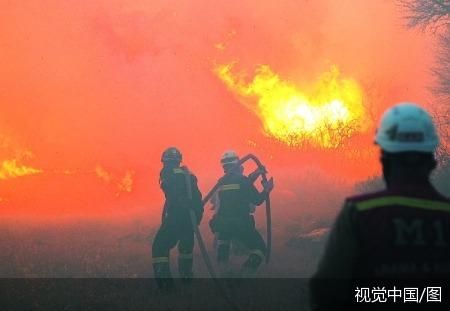
野火、中暑、供电故障……欧洲多国经受高温“烤”验
Xin Hua Wang· 2025-07-04 14:38
Core Points - Europe is experiencing extreme heat waves leading to increased air pollution, heightened wildfire risks, and significant disruptions to daily life [1][10] - The heat wave is attributed to a high-pressure system originating from Africa, creating a "heat dome" effect that compresses air and raises temperatures [10][12] Group 1: Temperature Records and Alerts - Southern Spain recorded temperatures of 46 degrees Celsius, while much of France was under heat alerts with temperatures exceeding 40 degrees Celsius [2] - Austria, Bosnia, Serbia, and Slovenia issued red alerts due to ongoing high temperatures, with many regions experiencing record heat for June [2] Group 2: Wildfires and Emergency Responses - Severe wildfires erupted in Greece, particularly around Athens and Crete, forcing over 5,000 individuals to evacuate [3] - Germany declared a state of emergency in multiple regions due to wildfires, with significant areas affected, including approximately 1,000 hectares in the Görlitz area [4][5] Group 3: Health and Infrastructure Impact - Italy reported multiple deaths linked to high temperatures, with 18 cities under "red alert" for heat, indicating health risks even for healthy adults [7][9] - High temperatures have caused power outages in cities like Florence and Bergamo, and road surfaces in northern Italy have cracked due to heat [9] Group 4: Climate Change Implications - The World Meteorological Organization noted that extreme heat events are becoming more frequent and intense due to climate change, emphasizing the need for public safety measures [12] - Experts warn that the Mediterranean region is warming rapidly, which could lead to more severe weather events in the future if emissions reduction measures are not implemented [12]

40℃热浪夺命,“不靠空调过夏”的欧洲人扛不住了,有中国产品被抢空
Mei Ri Jing Ji Xin Wen· 2025-07-04 11:34
Core Viewpoint - Europe is experiencing extreme heat waves, leading to increased demand for air conditioning, particularly from Chinese brands, as traditional attitudes towards air conditioning are shifting due to climate change and rising temperatures [2][10][16]. Group 1: Current Weather Conditions - Since June, multiple countries in Europe have recorded temperatures exceeding 40 degrees Celsius, causing disruptions in transportation and education, and resulting in heat-related fatalities [2][5]. - The European Centre for Medium-Range Weather Forecasts reported that June 2023 may become one of the hottest on record for Europe, with heat waves occurring more frequently and intensely due to climate change [3][4]. Group 2: Air Conditioning Market Dynamics - In the first five months of 2025, the European market for household air conditioning units saw a total of 12.773 million units sold, marking a 31.5% year-on-year increase, with Chinese brands leading the growth [2][17]. - The air conditioning penetration rate in Europe remains low, with only about 20% of households equipped with air conditioning, compared to nearly 90% in the U.S. and Japan [6][10]. Group 3: Cultural and Structural Factors - Historical climate conditions and building traditions in Europe have contributed to a reluctance to adopt air conditioning, as many buildings are designed to stay cool naturally [10][11]. - Cultural perceptions have historically viewed air conditioning as a luxury rather than a necessity, with many Europeans preferring natural ventilation methods [10][11]. Group 4: Economic Considerations - High electricity prices in Europe, exacerbated by the energy crisis following the Russia-Ukraine conflict, make the operational costs of air conditioning a concern for many households [11][13]. - Reports indicate that over a quarter of consumers in France may struggle to pay energy bills by 2024, highlighting the economic barriers to air conditioning adoption [11][12]. Group 5: Market Opportunities for Companies - The increasing demand for air conditioning presents significant market opportunities for manufacturers, particularly Chinese companies like Midea and Haier, which have reported substantial sales growth in Europe [17][18]. - Midea's PortaSplit air conditioning units have sold out in Germany and France, indicating strong consumer interest and market potential [17][18].